Biography
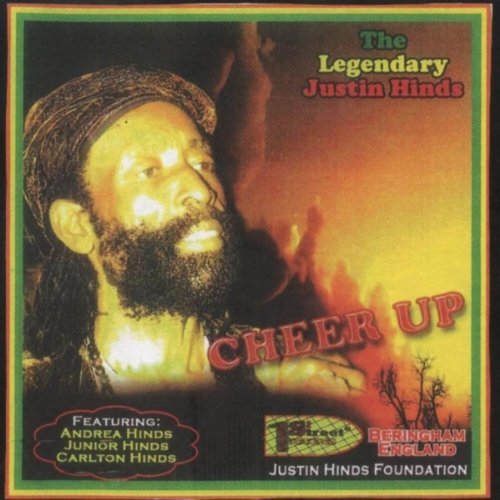
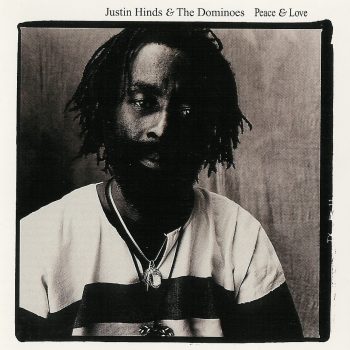
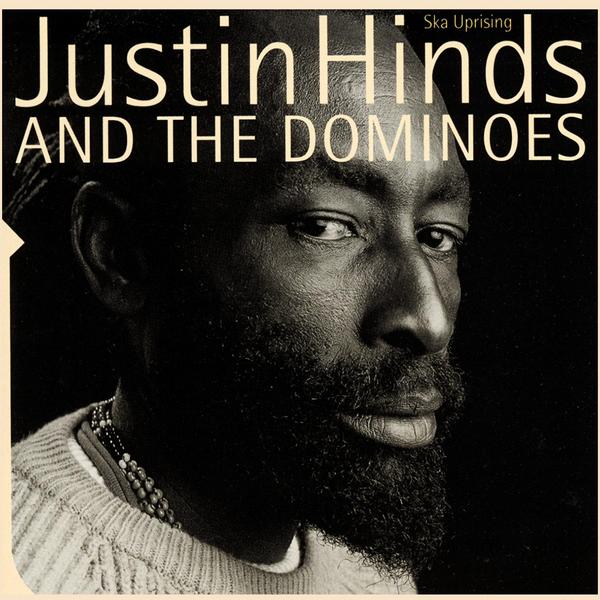
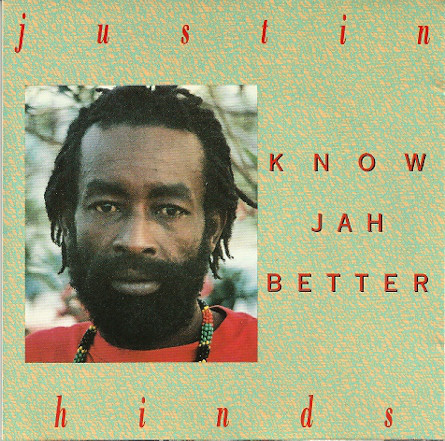
Justin Hinds
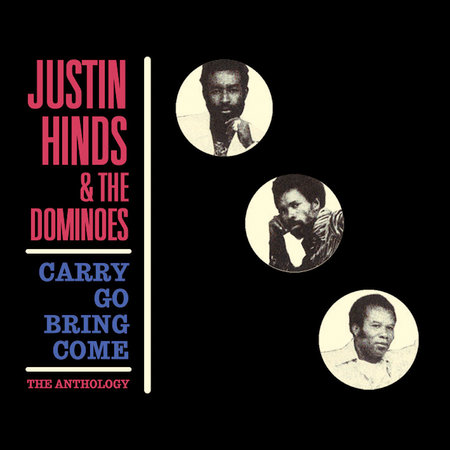
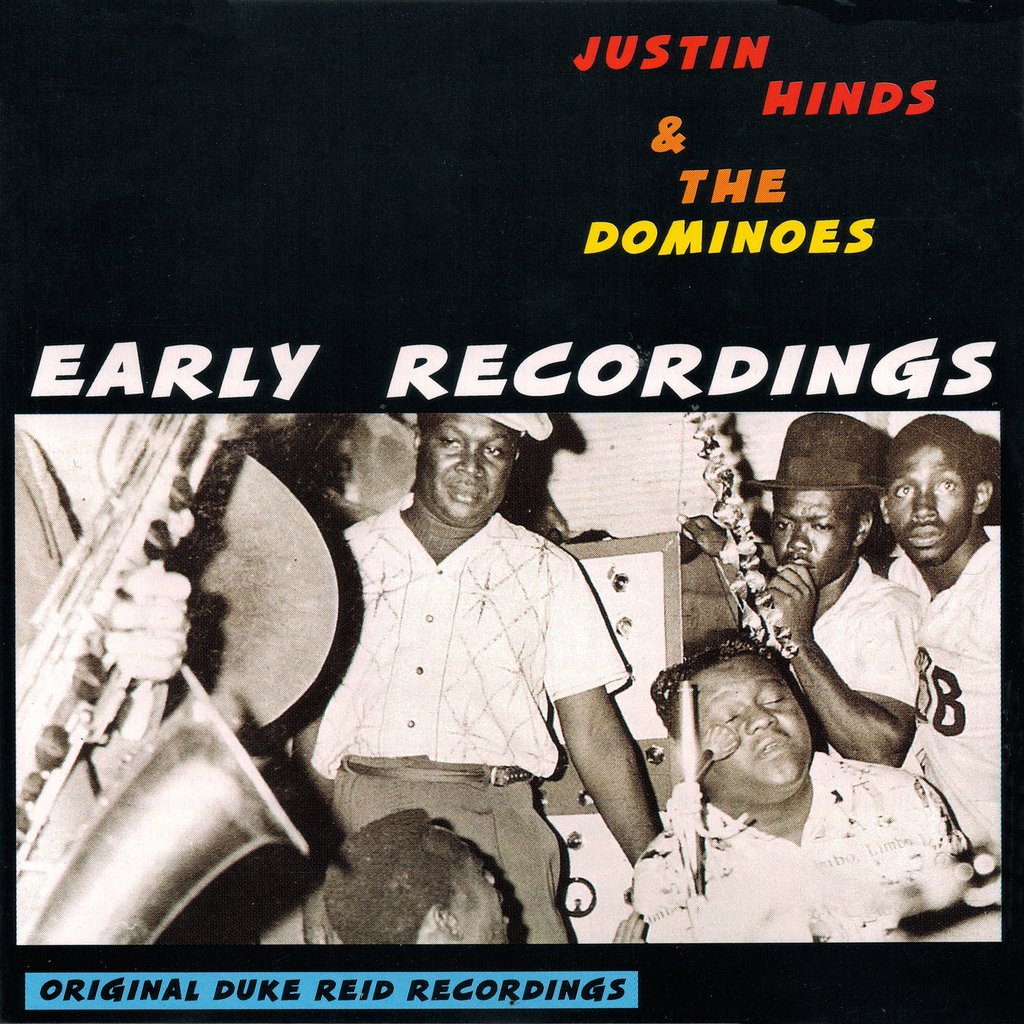
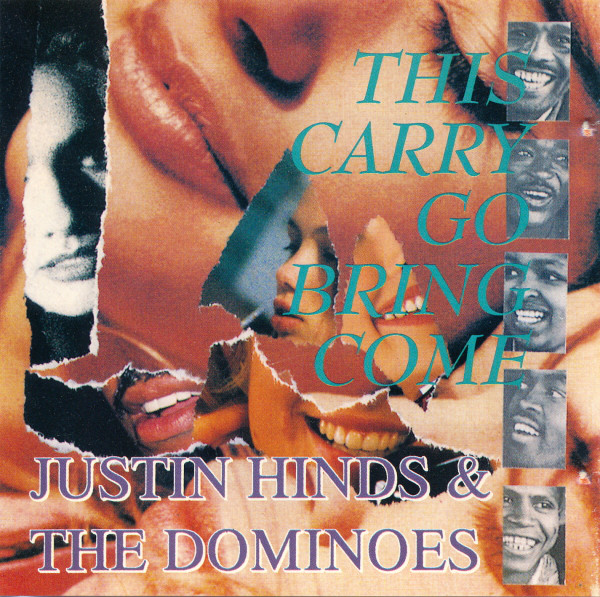
Steertown, Saint Ann Parish, 1960s. On the beach in Ocho Rios, a thin, tall young man sings in Yemanit — this rural reggae style rooted in the Nyabinghi rites of Jamaican villages. Duke Reid, the boss of Treasure Isle Records, hears him and brings him to Kingston. He had never sung with an orchestra, but in a single take he records “Carry Go Bring Come”, which becomes Jamaican #1 for two months, just before the Wailers’ hit “Simmer Down”.
In Brief
| Full Name | Justin Hinds |
| Birth | May 7, 1942, Steertown (Saint Ann Parish), Jamaica |
| Death | March 16, 2005 (62 years), Steertown, Jamaica |
| Genre | Ska, rocksteady, roots reggae, Nyabinghi |
| Signature Works | “Carry Go Bring Come”, Jezebel, Travel with Love |
| Honors | Cousin of Horace Andy; collaboration with Keith Richards (Wingless Angels) |
Key Dates
| Year | Event |
|---|---|
| 1942 | Birth in Steertown, Saint Ann Parish, Jamaica |
| 1963 | First recording with Duke Reid: “Carry Go Bring Come” (one take) |
| 1964-1966 | Ska golden age; 70 singles on Treasure Isle with The Dominoes and Tommy McCook |
| 1966-1972 | Rocksteady era; continuous success (“King Samuel”, “No Good Rudy”) |
| 1972 | Break with Duke Reid; collaboration with Jack Ruby and Sonia Pottinger |
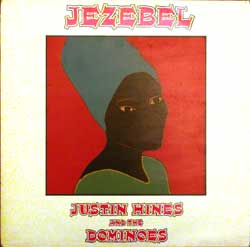
| 1976 | Release of Jezebel (Island label) with Jack Ruby |
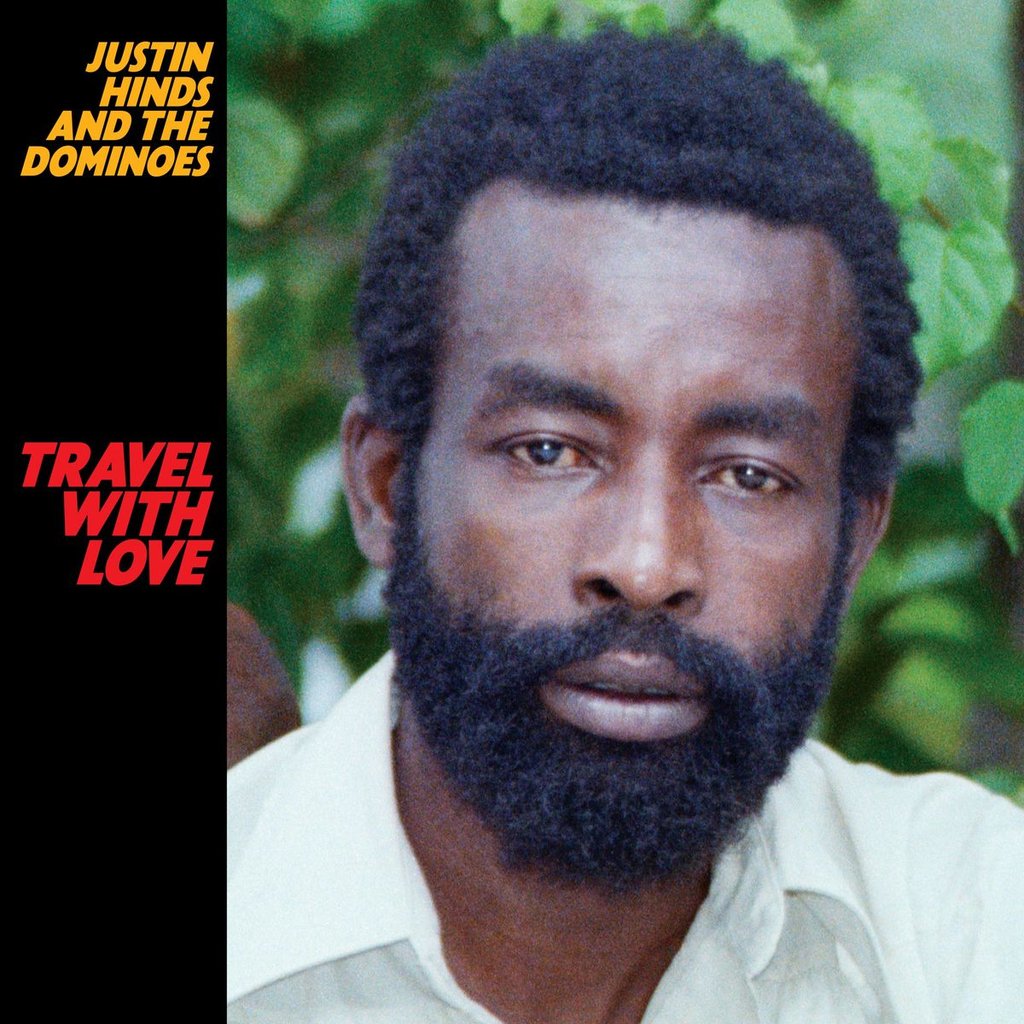
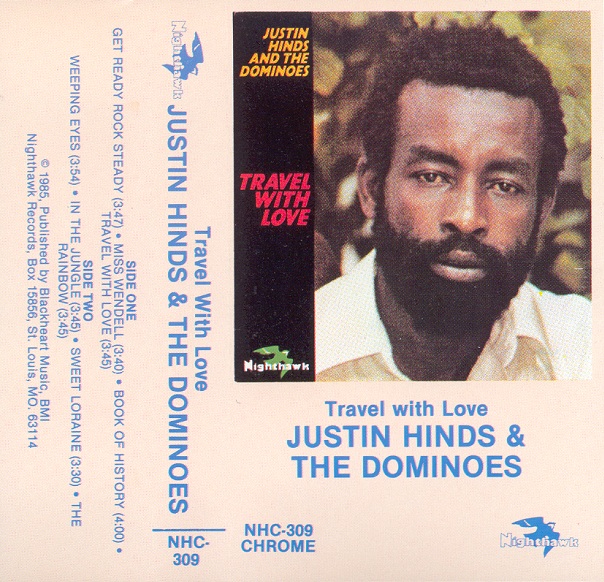
| 1984-1985 | Travel with Love recorded at Tuff Gong Studios; gradual withdrawal from the scene |
| 1997 | Release of first album Wingless Angels produced by Keith Richards (Mindless Records) |
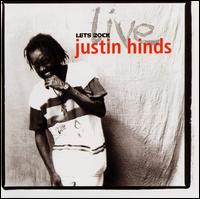
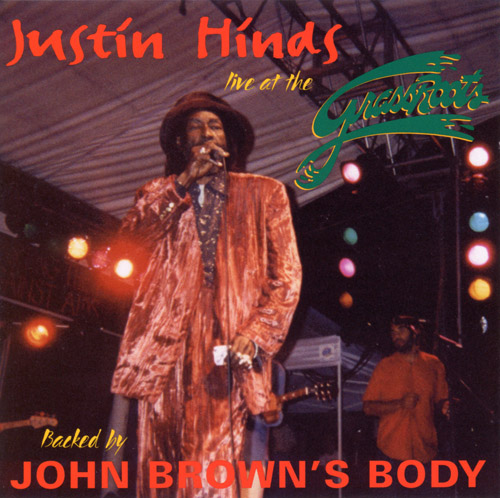
| 1998-2003 | International tours and live albums (Live at the Grassroots, Let’s Rock Live) |
| 2005 | Death from lung cancer at 62; last album recorded shortly before death |
The Voice of the Country: From Duke Reid to International Stars
Justin Hinds grew up in Steertown, a coastal village in Saint Ann Parish where Nyabinghi music — these Rasta ceremonies based on drum rhythms and prayer in Yemanit — was part of the daily fabric. As a teenager, he sang in bars in Ocho Rios and on the beach with friends. In 1963, he presented himself before Duke Reid’s studios and proposed “Carry Go Bring Come Misery”. The boss opened the studio doors: Tommy McCook, Don Drummond, Lester Sterling, and Lloyd Brevitt were there — all legends of The Skatalites — and Justin recorded his first hit in a single take.
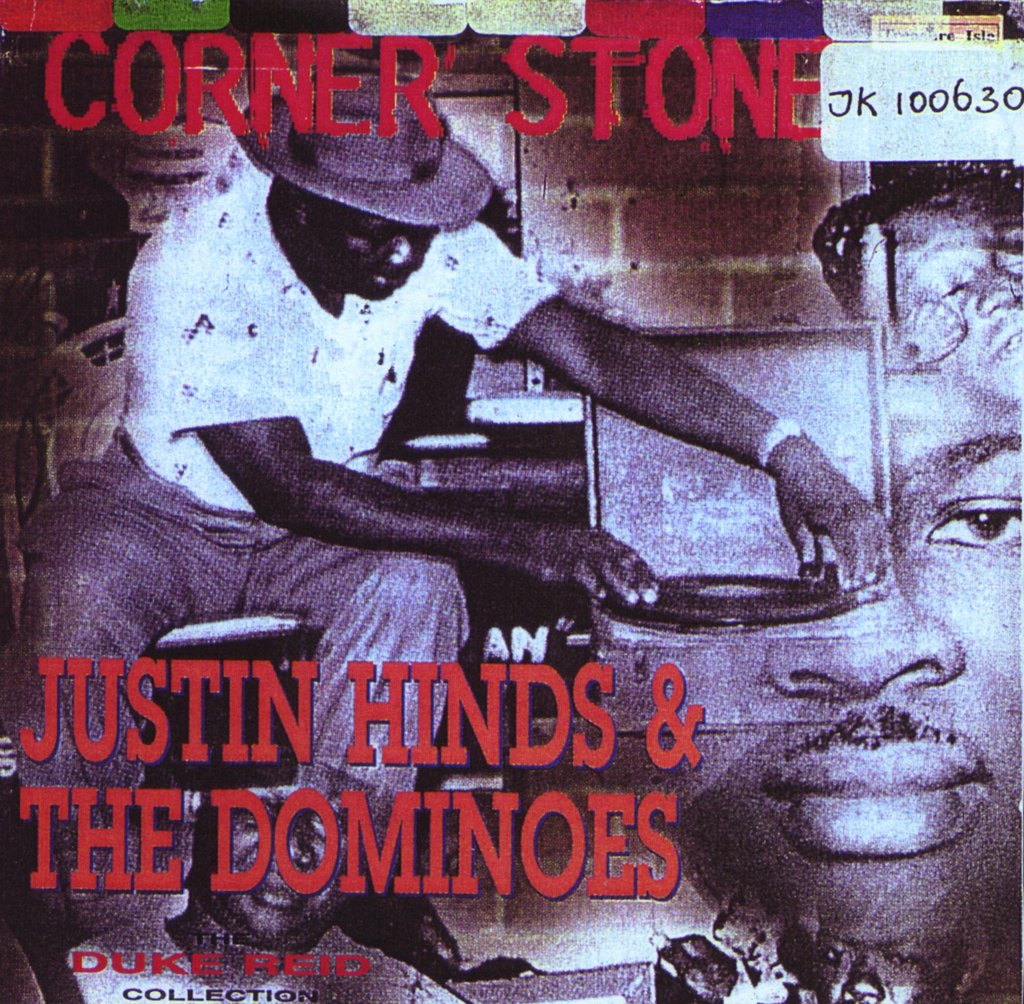
Between 1963 and 1972, Justin Hinds was the most popular artist of Treasure Isle Records. He recorded seventy singles, all played by Tommy McCook and The Supersonics. The ska hits came one after another: “King Samuel”, “Jump Out of the Frying Pan”, “The Ark”, and “Rub Up Push Up”. In 1966, he shifted to rocksteady — this slower, more sensual rhythm that succeeded ska — and the successes continued: “The Higher the Monkey Climbs”, “No Good Rudy” (Jamaican #1), “On a Saturday Night”, “Here I Stand”, and “Save a Bread”. The secret? Lyrics drawn from the Bible’s Proverbs, both spiritual and rooted in daily life. In an interview for Reggae Vibes, he described his approach this way: “The whispering spirit is always whispering to me” (translated from English) and added: “I get this gift to do this work” (translated from English).
When Duke Reid died in 1972, Justin Hinds left the scene for a while. “I was not made to run from one company to another,” he explained in an interview. He withdrew to his native countryside, where he cultivated his fields for a few years before crossing paths with producer Jack Ruby. The latter gave him the opportunity to record Jezebel (1976), an album on Island Records that marked his transition to conscious roots reggae. With Sonia Pottinger, he then recorded singles inspired by the Book of Proverbs and Psalm 121, including the classic “Wipe Your Weeping Eyes”. In 1984, he recorded Travel with Love at Tuff Gong Studios; afterwards, he became more discreet.
The Post-Scene and Reunions with the World
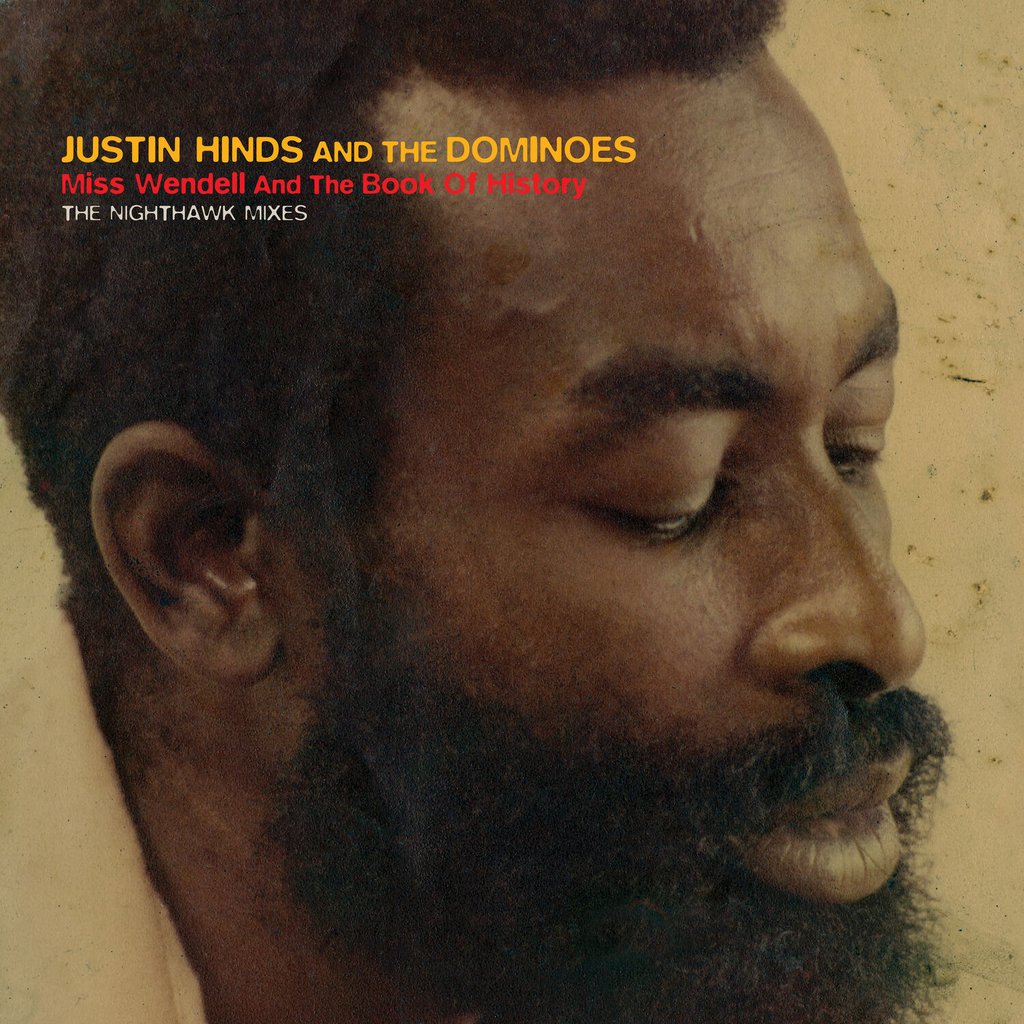
It was only in 1988 that Jonathan Arthey proposed he assemble a group, The Revivers. Justin Hinds accepted, surrounded by legends — Johnny Moore, Deadly Headly, Vin Gordon on brass — and young musicians from Trenchtown. The first album Picking Up Chips (1990) was released on the Nighthawk label. He toured in Jamaica, but did not risk traveling abroad until 1997, when he made his first tour of the United States.
It was there that he met Keith Richards, who had bought a house in Ocho Rios in the 1970s. Richards, who had discovered young Justin Hinds and whose ska discography had been one of the first influences, recorded Justin Hinds’ group — the Nyabinghi drummers — in his Jamaican living room in 1995. The result, Wingless Angels, was released in 1997 on Keith Richards’ Mindless Records label, via Island Records. In the album notes, Richards wrote that Nyabinghi music reaches a spirit as pure as possible. Justin Hinds participated in the sessions for Wingless Angels II, the last album recorded shortly before his death.
Justin Hinds passed away from lung cancer on March 16, 2005, at home in Steertown. His cousin Horace Andy, who became one of the most iconic voices of reggae and trip-hop, cites Justin as his first source of inspiration. Years later, the Treasure Isle compilations continued to introduce ska and rocksteady to a new audience. “Carry Go Bring Come” remains, twenty years after its release, one of the most identified tracks of Jamaican music.
Major Works
| Work | Year | Why It’s Essential |
|---|---|---|
| “Carry Go Bring Come” | 1964 | First Jamaican hit; number 1 for two months, just before “Simmer Down” by the Wailers |
| Jezebel (1976) | 1976 | Move to roots reggae produced by Jack Ruby, under Island Records license |
| Travel with Love (1984) | 1985 | Recorded at Tuff Gong Studios; last major studio album |
| Wingless Angels (1997) | 1997 | Nyabinghi album produced by Keith Richards; meeting of two worlds |
Legacy and Influence
Justin Hinds remained low-key on the international stage, but his mark on Jamaican reggae history is immense. The Treasure Isle compilations revived interest in his 1960s recordings, making “Carry Go Bring Come” an essential classic of ska and rocksteady. His cousin Horace Andy cites him as a role model; generations of ska and roots reggae musicians continue to draw from his discography—from 45s produced by Duke Reid to the latest roots reggae sessions. Wingless Angels, the musical legacy of Keith Richards, testifies that Justin Hinds and nyabinghi rhythms have captivated beyond the borders of reggae. Even secluded in Steertown, what the press calls the whispering spirit continues to speak.
Sources and References
- AllMusic, “Justin Hinds — Biography” by Jason Ankeny, https://www.allmusic.com/artist/justin-hinds-mn0000311065, accessed November 7, 2025.
- “Justin Hinds”, English Wikipedia, https://en.wikipedia.org/wiki/Justin_Hinds, accessed November 7, 2025.
- Ray Hurford, “Justin Hinds: The Whispering Spirit (The Interview)”, Reggae Vibes, https://www.reggae-vibes.com/articles/2025/03/justin-hinds-the-whispering-spirit-the-interview/, accessed November 7, 2025.
- Discogs, “Justin Hinds” (complete discography), https://www.discogs.com/artist/292442-Justin-Hinds, accessed November 7, 2025.
- Britannica, “Justin Hinds”, https://britannica.com/biography/Justin-Hinds, accessed November 7, 2025.
- Wikipedia, “Wingless Angels (band)”, https://en.wikipedia.org/wiki/Wingless_Angels_(band), accessed November 7, 2025.
- “Justin Hinds, 62; Popular Jamaican Singer, Songwriter”, Los Angeles Times, March 18, 2005, https://www.latimes.com/archives/la-xpm-2005-mar-18-me-passings18.4-story.html, accessed November 7, 2025.
- “Justin Hinds: The Whispering Spirit (The Interview)”, LargeUp, November 1, 2010, https://largeup.com/2010/11/01/wingless-angels-exclusive-keith-richards-interview, accessed November 7, 2025.