Biography
Kali: the banjo of Antillean revolt
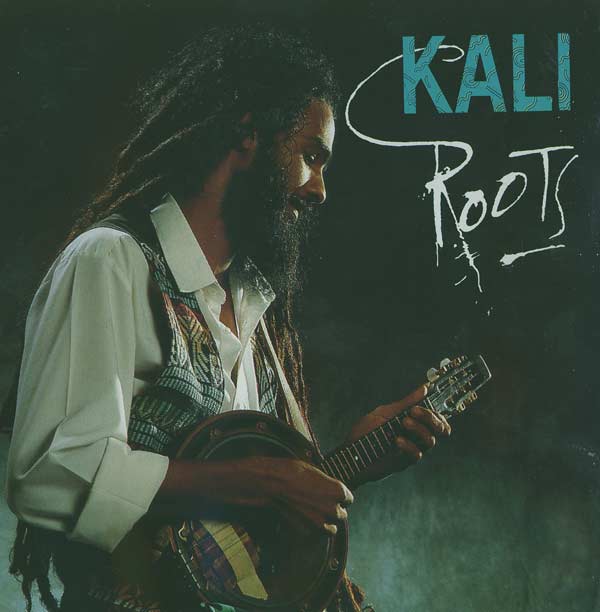
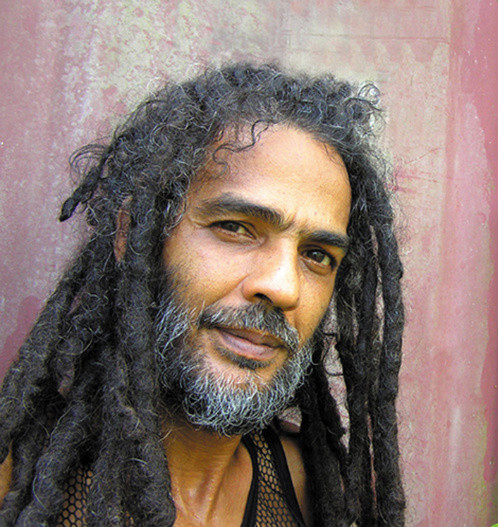
Fort-de-France, 1989. On stage, a man with dreadlocks strikes a banjo inherited from his father1. The chords resonate like a reminder — Martinican music is the salt barrels transformed into bélé drums by slaves, grandpa’s mazurkas, and the reggae that shakes barricades. Kali is not there to please: he is an archaeologist of sound and chronicler of his society. This son of a deputy, grandson of Gaston Monnerville, does not need glory to write, but he refuses to remain silent.
In brief
| Full name | Jean-Marc Monnerville |
| Stage name | Kali |
| Birth | February 21, 1956, Fort-de-France, Martinique |
| Field | Reggae, zouk, traditional Antillean music |
| Instrument | Banjo, percussion |
| Emblematic works | Racines I, Débranché, Monté la riviè |
| Awards | SACEM Martinique Prize (1997), selected for France Eurovision 1992 |
Key dates
| Year | Event |
|---|---|
| 1956 | Birth in Fort-de-France, to a musician father and schoolteacher mother |
| 1970 | Move to France to study musical composition |
| 1975 | Creation of the first group Gaoulé, named in homage to a slave massacre |
| 1979 | Founding of 6ème Continent, turning point for reggae and rasta |
| 1983 | 6ème Continent at the Trocadéro for Fête de la Musique; national success |
| 1989 | Return to Martinique, solo career with Racines I |
| 1992 | Represents France at Eurovision with Monté la riviè (8th, 73 points) |
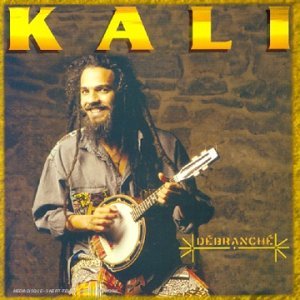
| 1995 | Débranché, return to acoustic sound |
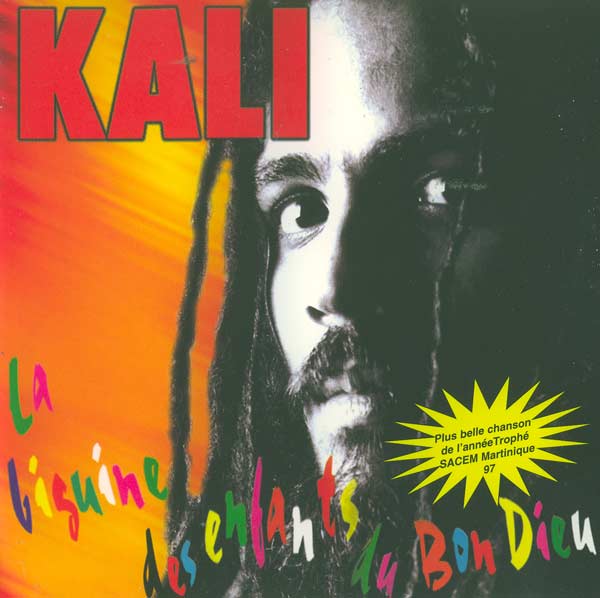
| 1997 | SACEM Martinique Prize for La Biguine des Enfants du Bon Dieu |
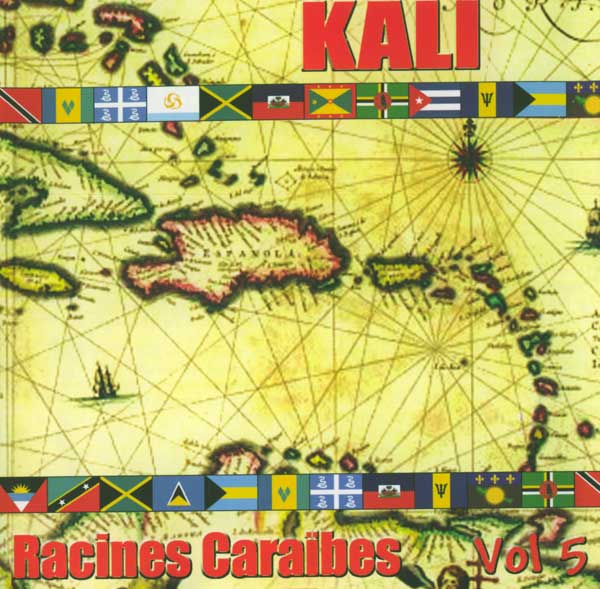
| 2007 | Racines V, with Jocelyne Béroard and Emeline Michel |
One name, one destiny
Jean-Marc Monnerville grew up in Fort-de-France with a taste for music2. His father, a professional musician, taught him classical percussion. His mother, a schoolteacher, instilled discipline in him. The nickname “Kali” — inspired by Calimero, like him small and combative — was invented in elementary school. At twenty, he left to study composition in metropolitan France. Upon returning to the Antilles, he formed Gaoulé, named in reference to a slave massacre in Guadeloupe in the 17th century.
6ème Continent: reggae as a weapon
In 1979, Kali founded 6ème Continent, which marries reggae and Antillean airs. “Adieu Foulards” is adapted iconoclastically, and another title, “Reggae Dom-Tom”, denounces French neocolonialism. On June 21, 1983, 6ème Continent replaced Femi Kuti at the Fête de la Musique on Place du Trocadéro. CBS Records solicited them but demanded they modernize their sound. Kali refused and dissolved the group3.
The archaeologist of sound
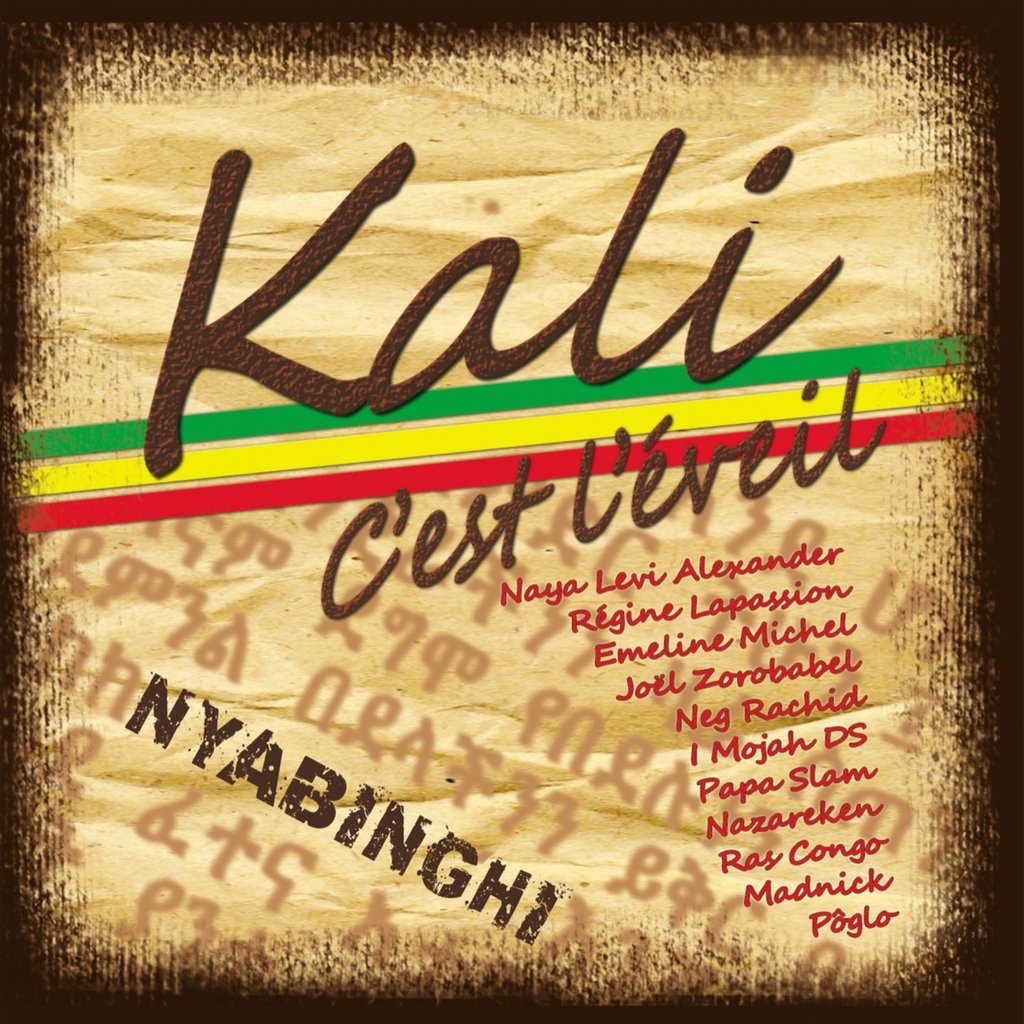
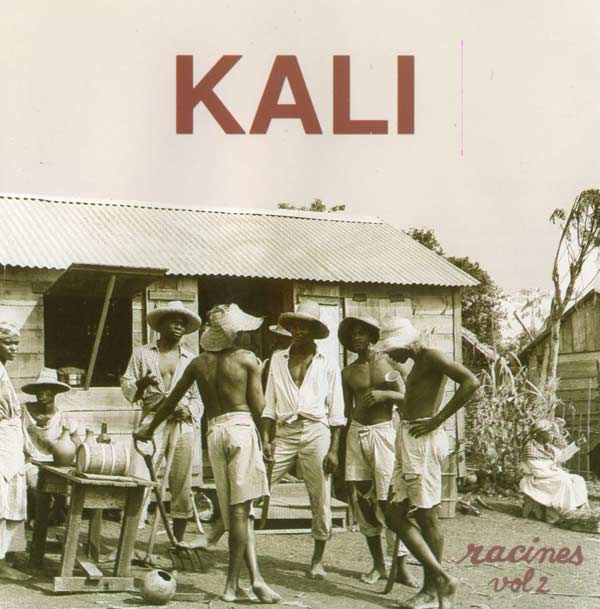
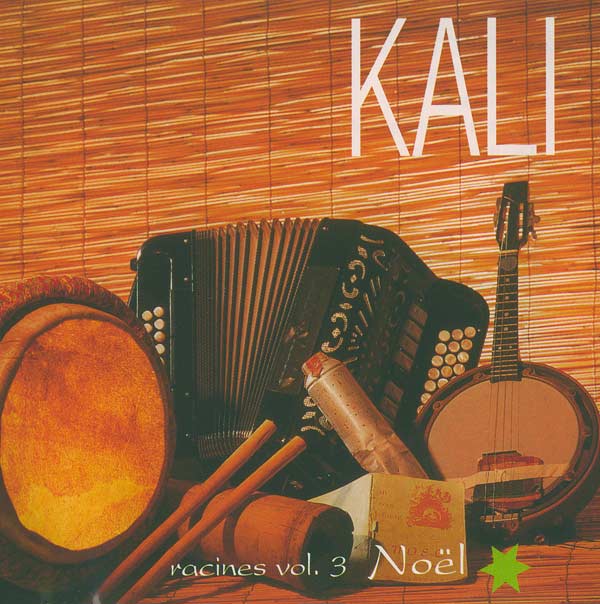
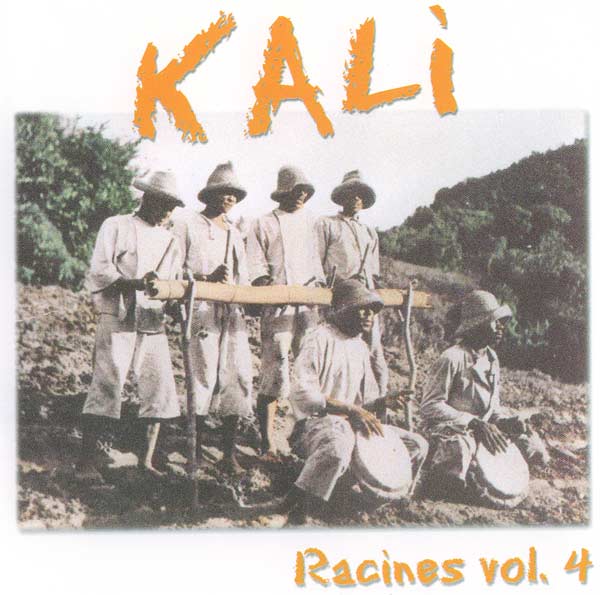
From 1989, Kali embarked on a solo career against the tide of the zouk wave4. Racines I (1989) and Racines II (1990) blend acoustic banjo, bélé percussion, and synthesizers. Roots (1992) brought him to Eurovision: Monté la riviè, sung in Martinican Creole, surprised the other contestants. Eighth place, 73 points — a consecration. Débranché (1995) earned him an invitation to Zimbabwe. Kali performed at the WOMAD Festival and opened a studio in Balata for traditional musicians. “I want to help Martinicans who play traditional music but are not given the possibility to record,” he explains.
The old gorilla of conscience
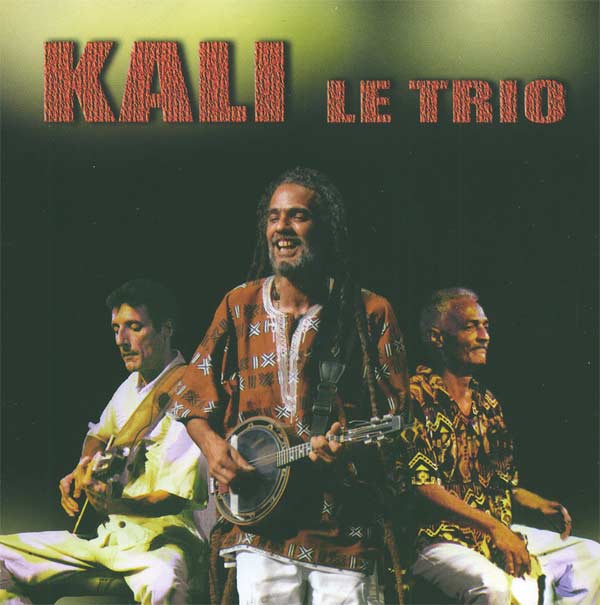
“When we sang: I am truly from a very special race, I’m a departmental negro, passionate about the colonial style, it had something subversive but remained relevant nonetheless,” wrote Kali5. His anger has become more lucid, less explosive. Le Trio (2010) closes a discography of more than twenty albums. Kali still lives in Martinique, in Saint-Pierre, where he transmits to young generations the vibrations of the bélé and gwo ka.
Major works
| Work | Year | Why it’s essential |
|---|---|---|
| “Reggae Dom-Tom” | 1979 | Anticolonial hymn of 6ème Continent |
| Racines I | 1989 | Founding album, fusion of banjo-percussions-Creole |
| Monté la riviè | 1992 | Francia at Eurovision |
| Débranché | 1995 | Acoustic return, revisited classics |
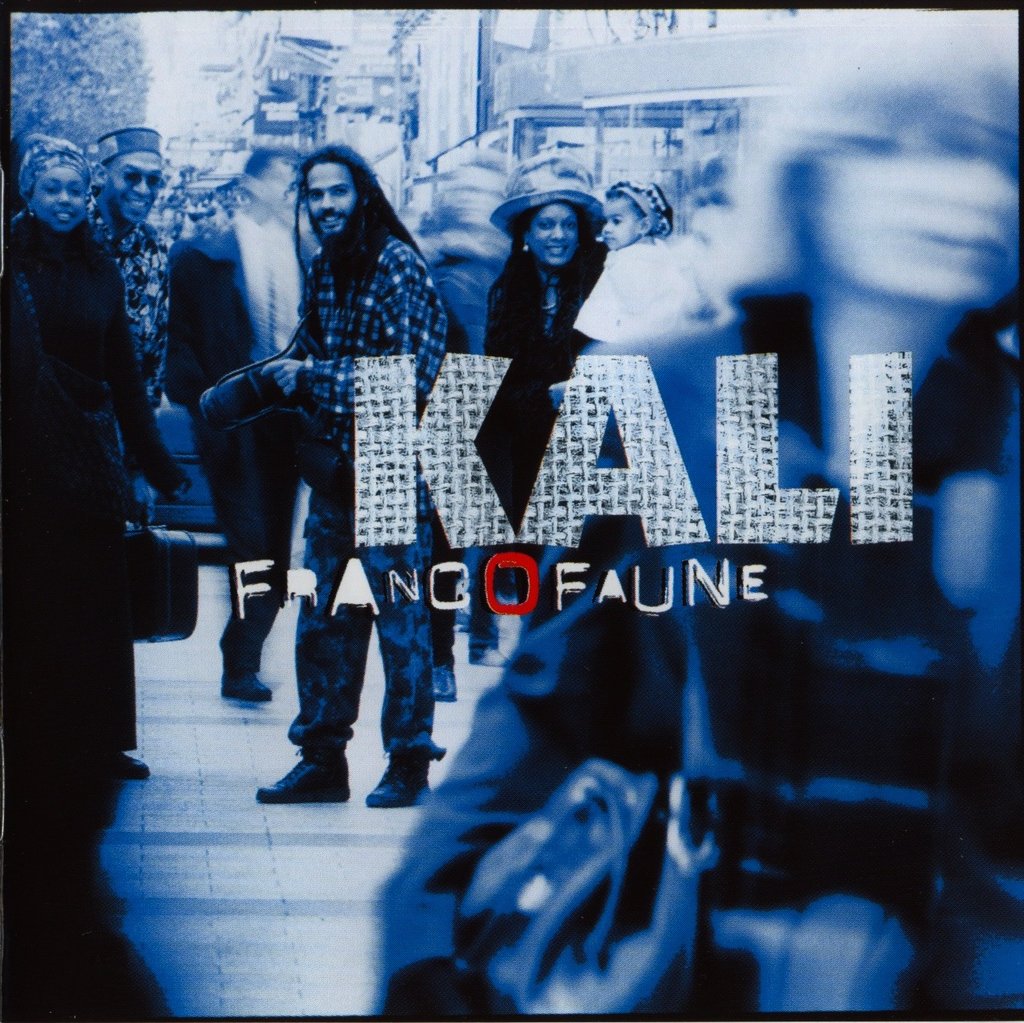
| Francofaune | 1999 | Peak of the mixed Caribbean world |
| Racines V | 2007 | Closes the Racines series |
Legacy
Kali made oblivion the enemy of his music6. While zouk homogenized the Antillean scene in the 1980s, he dug — literally — to recover the bélé, gwo ka, and biguine. His banjo, inherited by poet Rémi Bellenchombre — his lyricist since 1979 — became the signature instrument of roots music in French Antilles. Kali, an tireless activist, remains one of the few artists from French Caribbean to have held both the microphone, banjo, pen, and drum.
Sources and references
-
Wikipedia, Kali (French singer), accessed October 29, 2026 ↩︎
-
Deezer, Kali — Biography, accessed October 29, 2026 ↩︎
-
AllMusic, Kali, Gene Scaramuzzo, accessed October 29, 2026 ↩︎
-
Diasporamix, Kali — On a reporté la révolution, October 30, 2017, accessed October 29, 2026 ↩︎
-
Eurovision Song Contest Wiki, Kali, accessed October 29, 2026 ↩︎
-
RFI Musique, interviews with Kali (1999, 2001, 2022), accessed October 29, 2026 ↩︎