Biography
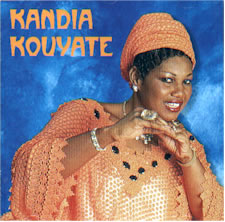
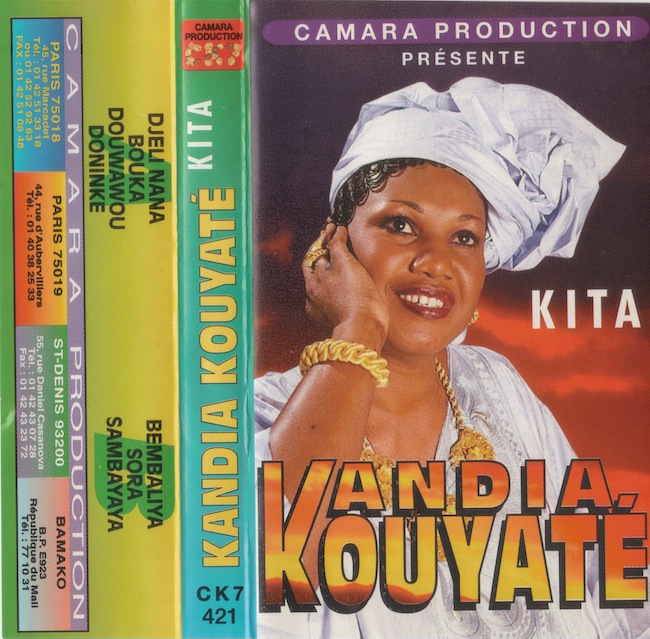
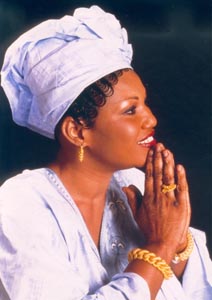
Kandia Kouyaté
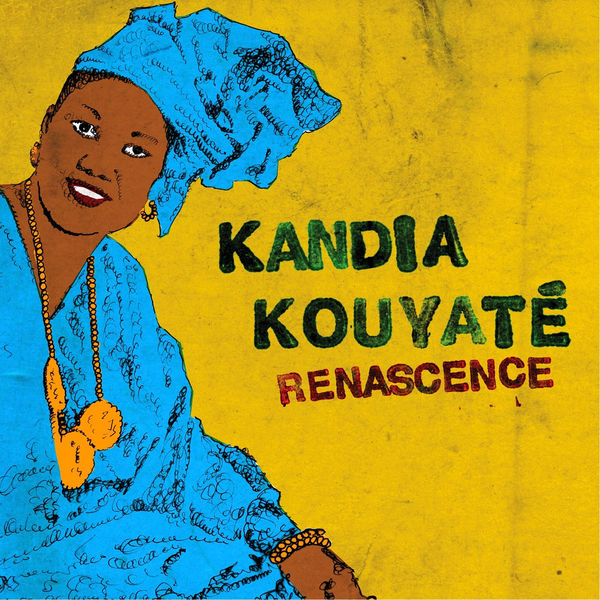
In 2015, when her album Renascence was released, the contralto voice of Kandia Kouyaté had aged like a Sahel wine — deeper, even more raspy. After seven years of silence imposed by a stroke, after feigning the forgetting of all her art, she reappeared. And it was a thunderclap: the ngara (jelimuso, or griotte) of Kita had lost none of her grip.
In Brief
| Full Name | Kandia Kouyaté |
| Birth | 1959, Kita (Mali) |
| Alternative Stage Name | Kandja Kouyaté / « La Dangereuse » |
| Domain | jeliya (griot) mandé — singing and kora |
| Signature Works | Kita Kan, Biriko, Renascence |
| Distinctions | title of ngara; international tours (Africa Oyé Broadway, Griot Groove Tour) |
Key Dates
| Year | Event |
|---|---|
| 1959 | Birth in Kita, Mali; it was predicted that she would succeed in music |
| ~1975 | Leaves school at sixteen to help her family; joins the group The Apollos of her uncle Mady Sylla Kouyaté in Bamako |
| ~1976 | Marries a jeli from Kayes; studies jeliya with her mother-in-law |
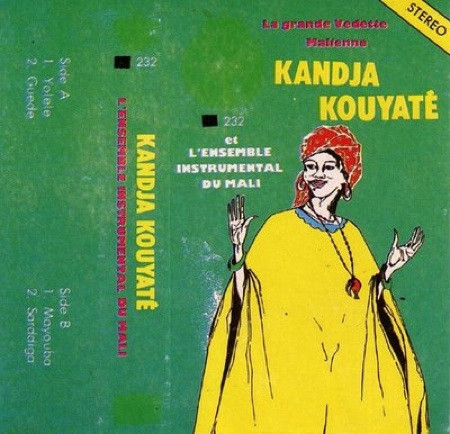
| 1980 | Public recording in Abidjan; broadcast via local cassette throughout West Africa |
| 1983 | First album Balassama / Sarama; generous patrons offer her money, cars, and a plane |
| 1989-1990 | Africa Oyé tour on Broadway; concerts in the United States and Europe |
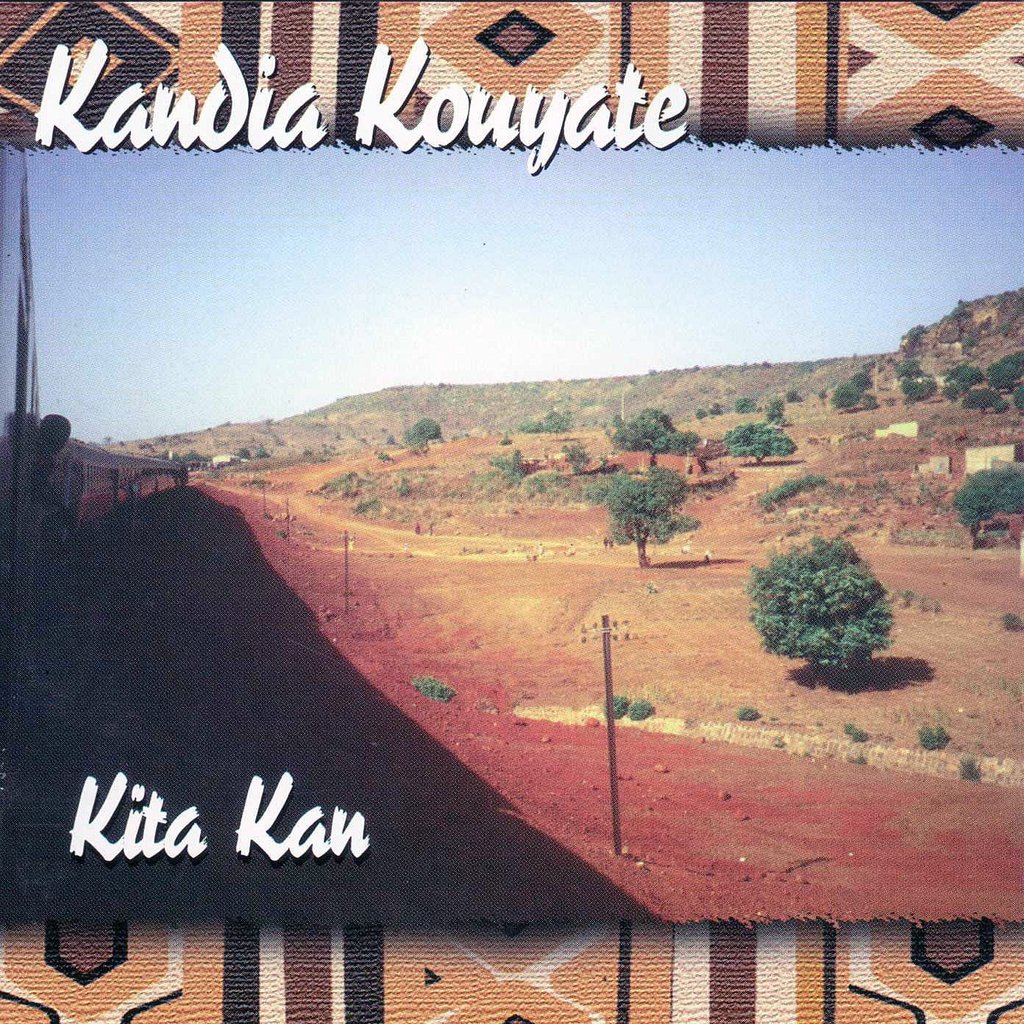
| 1997-1999 | First international album Kita Kan (Sterns); first European tours |
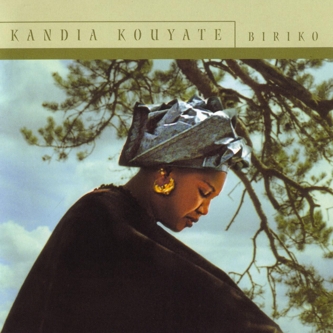
| 2002 | Album Biriko (Sterns Africa); nominated for African Music Awards |
| Oct. 2004 | Stroke; seven years without being able to sing or speak normally |
| 2015 | Triumphant return with Renascence (Sterns/Syllart); album completed by Binetou Sylla |
A ngara Born in Kita
Kita, an ancient city in southwest Mali, cradle of musicians. Kandia was born there in 1959 into a family whose parents were musicians — her father a balafon player, her mother a singer. Her father did not want her to follow this path; he sent her to a Catholic school where she excelled in mathematics, but music inhabited her. At sixteen, when her father fell ill, she left school and went to Bamako to join her uncle Mady Sylla Kouyaté’s group, The Apollos.
From her very beginnings, her powerful contralto voice made a sensation — and caused upheaval. In the early 1980s, an improvised recording from a show in Abidjan circulated on cassette and attracted the attention of wealthy Bamako patrons. One offered her sums of money, cars; another placed a small plane at her disposal. But this nickname stuck to her — « La Dangereuse » — which says better than anything the power of her art: listeners got drunk on it, others fainted. A ngara, the musicologist Lucy Durán would say: the extraordinary artist who possesses a paranormal aura of majesty1.
She refused the contracts from record companies. The local cassettes — these unique recordings of shows, traditional networking tools for jeli — were enough for her. The Mandé public did not need CDs to follow her.
From Village to the Whole World
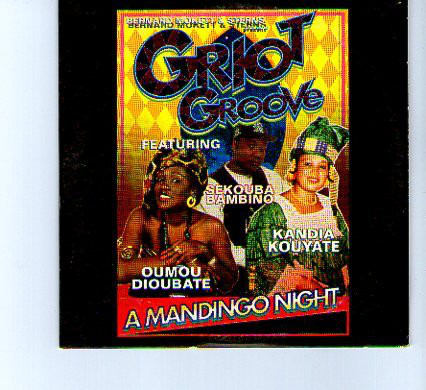
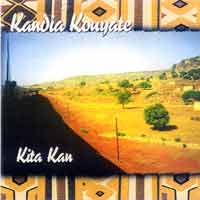
After a notable duo with Sekouba Bambino on the album Kassa (Sterns, 1997), Kandia Kouyaté yielded to the prolonged persuasion of Senegalese producer Ibrahima Sylla. In 1999, Kita Kan was released — a revolutionary album for jeliya: kora, balafon, and ngoni blended with electric guitars, brass, and even a string orchestra1. It was a revelation in Europe. The The Griot Groove Tour took her to London, Germany, Austria, Norway, and Sweden.
The album Biriko (2002) confirmed this fusion between Mandé tradition and modern production, earning her nominations for African Music Awards2. But in October 2004, a brutal stroke struck her. Seven years of immobilization — she hardly spoke anymore, let alone sang. When she emerged from silence, her talent had not gone: it remained within her, waiting.
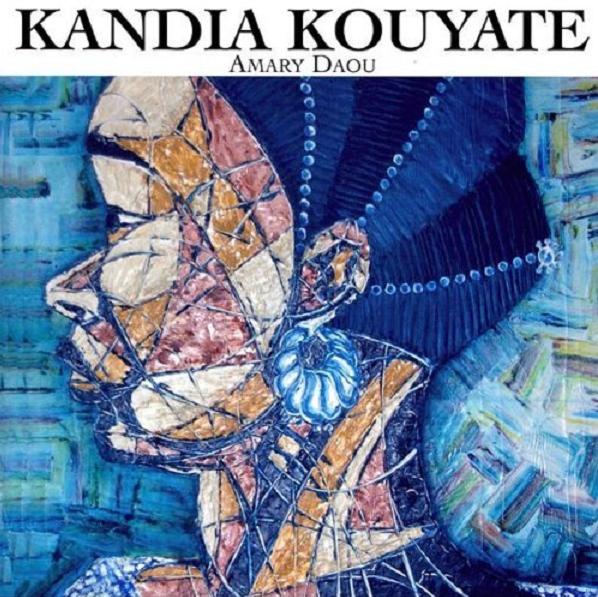
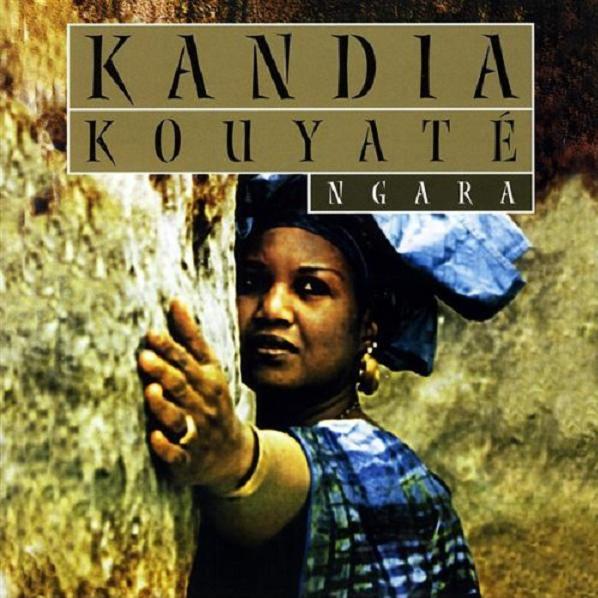
Ibrahima Sylla, himself terminally ill, convinced her to return to the studio in 2011. He died in December 2013, without finishing the album. His daughter Binetou Sylla and his wife completed the work: Renascence (Sterns, 2015) is a masterpiece of ten tracks where the ngara sings her return, her Kouyaté lineage, and the benefactors who carried her3. The albums Ngara (2009) and Amary Daou (Syllart reissues) also recall the immense prior heritage4.
Major Works
| Work | Year | Why It Is Essential |
|---|---|---|
| Kita Kan (Sterns) | 1999 | First international album; unprecedented orchestration for Mandé jeliya |
| Biriko (Sterns) | 2002 | Confirmation of fusion style; African Music Awards nominations |
| Renascence (Sterns) | 2015 | Return after stroke; manifesto of the ngara at her vocal peak |
| Ngara (Syllart) | 2009 | Compilation of best tracks; reissue of historical heritage |
Heritage and Influence
Kandia Kouyaté is one of the greatest jelimuso of her time. Her emotional grip on the Mandé public rivals that of the oldest male griots — an achievement that, in Mandé tradition, often associates women with witchcraft1. Her androgynous voice can give the impression of a man: she imposes and commands, according to RootsWorld1. Her influence extends beyond jeliya — her female backing choir will inspire Mory Kanté and Salif Keita, who became pillars of modern Malian music5. With her seven years of silence, her fight against the stroke, and her majestic return in 2015, Kandia Kouyaté embodies not only the genius of an artist but the resilience of Mandé art itself.
Sources and references
-
« Kandia Kouyaté — Renascence », RootsWorld (George de Stefano), https://www.rootsworld.com/reviews/kkouyate-15.shtml, accessed November 7, 2024. ↩︎ ↩︎ ↩︎ ↩︎
-
« Kandia Kouyaté », Wikipedia, https://en.wikipedia.org/wiki/Kandia_Kouyat%C3%A9, accessed November 7, 2024. ↩︎
-
« The Resurgence of Kandia Kouyaté », World Music Central, https://worldmusiccentral.org/the-resurgence-of-kandia-kouyate/, accessed November 14, 2024. ↩︎
-
« Frank Bessem’s Musiques d’Afrique / Mali: Kandia Kouyaté », https://www.musiques-afrique.net/mali/art-kandiakouyate.html, accessed November 7, 2024. ↩︎
-
« Kandia Kouyaté: Renascence », Sterns Music Blog, http://sternsmusic.blogspot.com/2015/10/kandia-kouyate-renascence.html, accessed November 14, 2024. ↩︎