Biography
Kassav’: the zouk, a blend of gwoka and electro
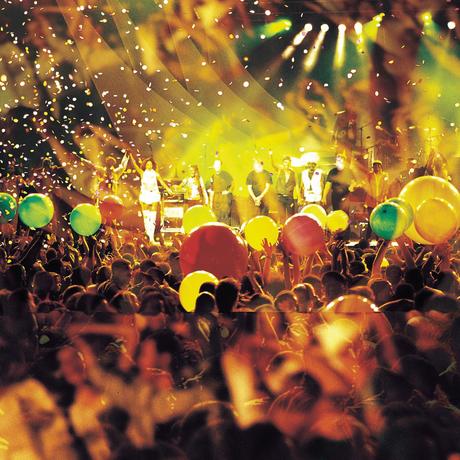
On February 23, 1986, the Anse-Bertrand stadium in Guadeloupe was filled with 40,000 people under a sky of immaculate blue. For the first time in the history of Antillean music, a Caribbean group was awarded a gold record. The audience screamed the lyrics to “Zouk la sé sèl médikaman nou ni” — “the zouk is the only medicine we have” — like a hymn. With that day, Kassav’ was no longer a local phenomenon: it was a global event.
In brief
| Group name | Kassav’ (from Antillean Creole cassave, manioc cake) |
| Country of origin | France (Guadeloupe, Martinique) |
| Genres | Zouk, cadence-lypso, compas |
| Period of activity | 1979 – present |
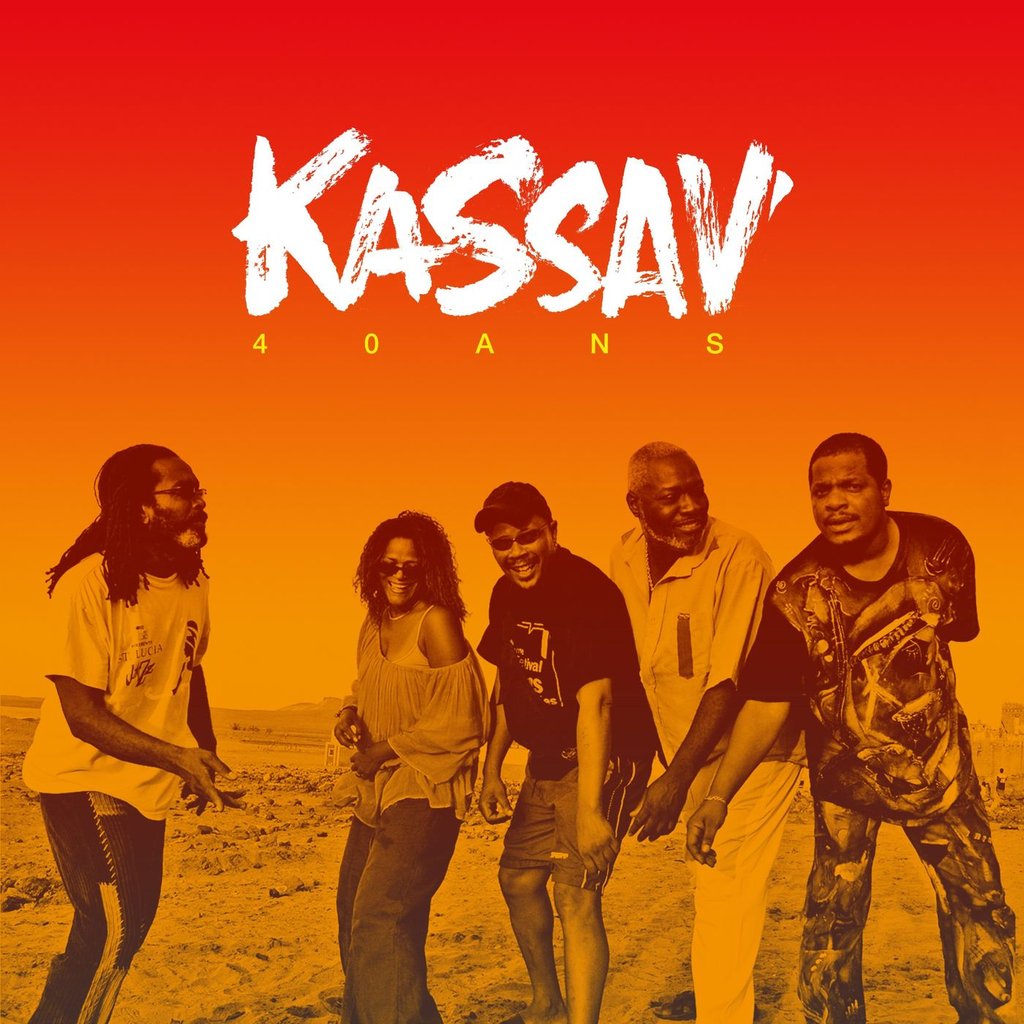
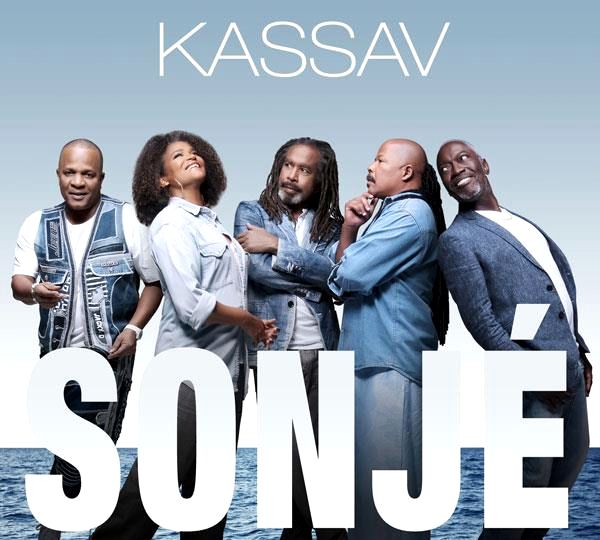
| Current members | Jocelyne Béroard, Georges Décimus, Jean-Philippe Marthély, Jean-Claude Naimro |
| Iconic works | Yélélé (1984), Vini pou (1987), Majestik Zouk (1989) |
| Awards | Victoires de la Musique for Best French Group (1988) |
Key dates
| Year | Event |
|---|---|
| 1979 | Founded in Paris by Pierre-Édouard Décimus, Fréddy Marshall and Jacob Desvarieux |
| 1984 | Release of Yélélé and the hymn “Zouk la sé sèl médikaman nou ni” |
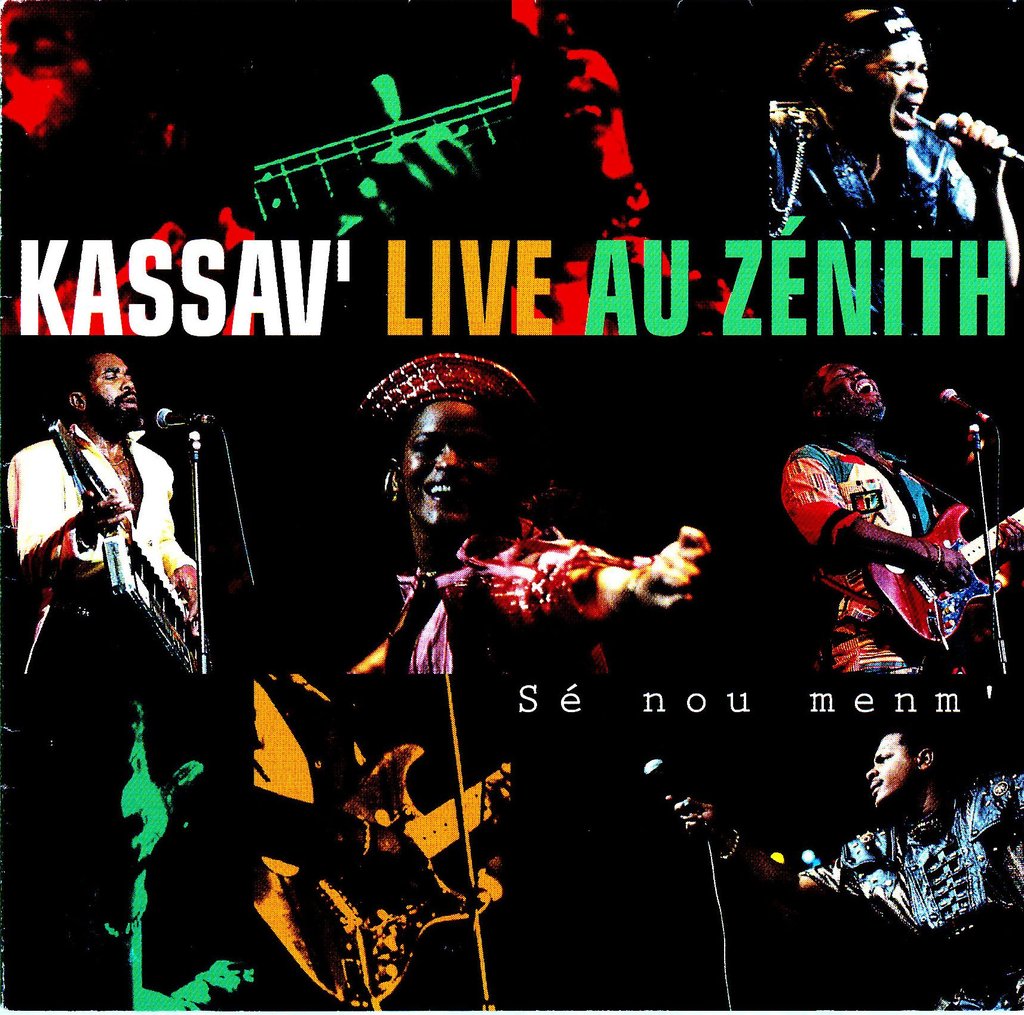
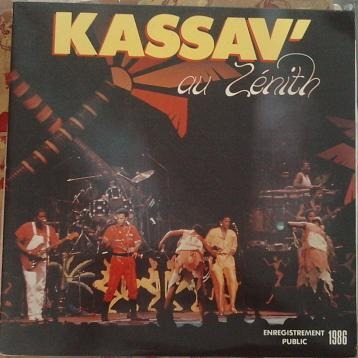
| 1985 | First sold-out concerts at the Zénith in Paris (8 evenings) |
| 1986 | First gold record for Antillean music before 40,000 people |
| 1988 | Victoire de la Musique for Best French Group |
| 1989 | Album Majestik Zouk certified platinum |
| 1999 | Two sold-out concerts at Paris-Bercy for the 20th anniversary |
| 2021 | Death of Jacob Desvarieux, founding member, on July 30, at the age of 65 |
From experimentation to world conquest
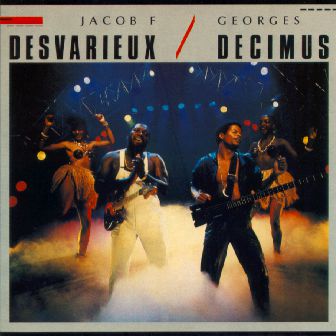
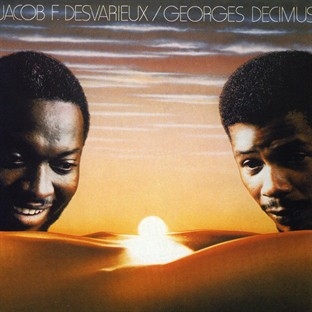
It all began in the late 1970s, in Paris, when Pierre-Édouard Décimus, former member of the Vikings from Guadeloupe, teamed up with Fréddy Marshall for a bold idea: to modernize Antillean carnival music using the most recent recording technologies. The name comes from Antillean Creole for cassave, this manioc cake, a deliberate choice to ground the music in its terroir while borrowing futuristic sonorities. With the participation of Georges Décimus (bass) and Jacob Desvarieux (guitar, rock and R’n’B), the group formed a new musical writing.
The experiment was first experimental: from 1979 to 1983 saw incessant changes in lineup. The definitive constellation emerged in 1983 with Jocelyne Béroard, Jean-Philippe Marthély, Jean-Claude Naimro, Patrick Saint-Éloi, the brass section and dancers Caroline Laupa and Marie-Josée Gibon.
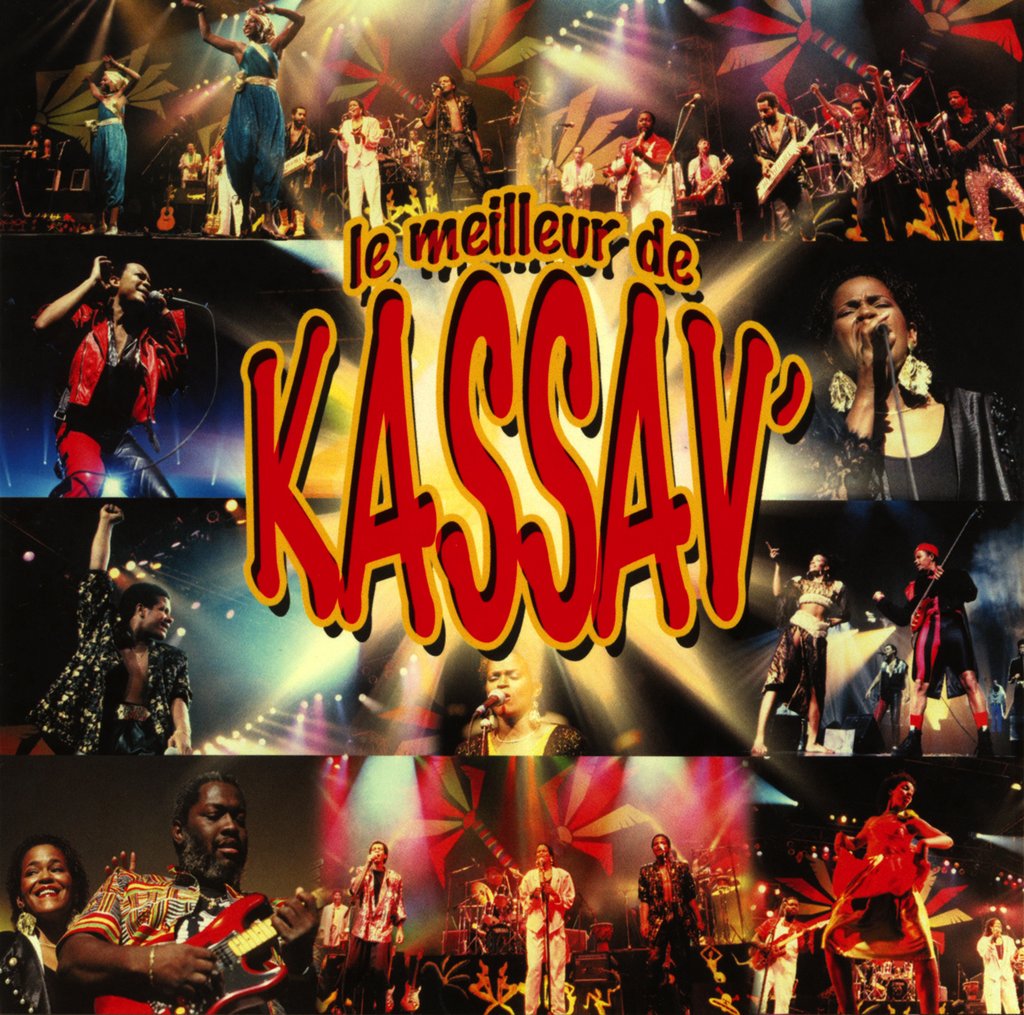
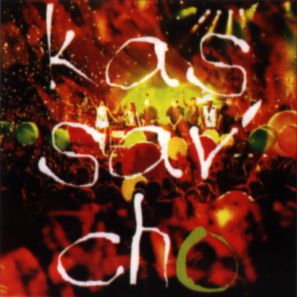
In December 1984, the album Yélélé propelled the group beyond the Antilles thanks to “Zouk la sé sèl médikaman nou ni”. The title crossed the waves from Paris to major African cities, from Parisian suburbs to dance halls in Abidjan. In June 1985, the Zénith in Paris hosted 8 sold-out concerts, without radio promotion. In February 1986, Kassav’ received the first gold record for Antillean music before 40,000 people at Anse-Bertrand, then 250,000 spectators at Reuilly Field for the first Fête de la Musique. The major French labels, which had refused a group “too ethnic”, signed with CBS.
Zouk, heritage and resilience
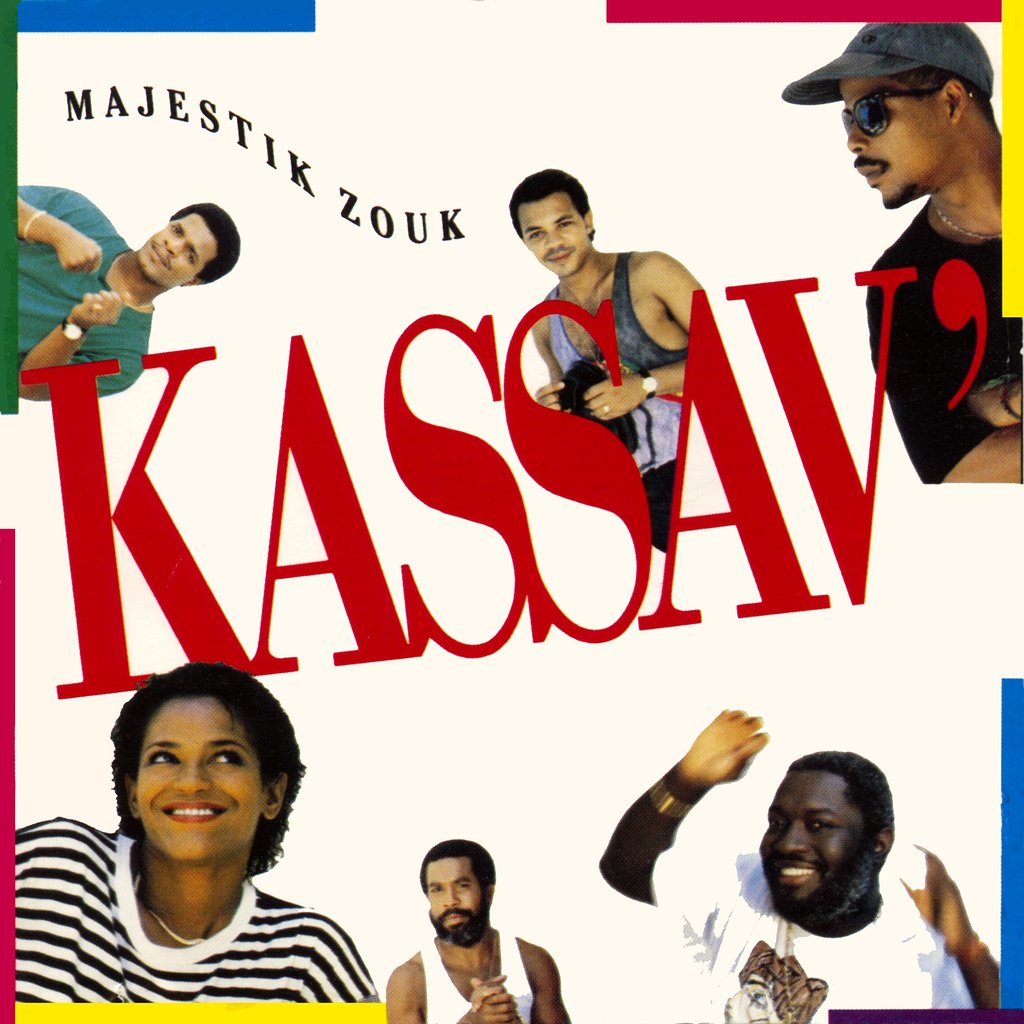
The 1990s solidified the group’s status: Vini pou (1987) and Majestik Zouk (1989) became platinum records. In 1995, the departure of several musicians dissatisfied with Sony’s treatment did not break Kassav’, which became its own producer. In 1999, two sold-out evenings at Paris-Bercy celebrated the group’s 20th anniversary. Georges Décimus, who left in 1991, returned in 2004. In July 2021, the passing of Jacob Desvarieux at age 65 shook the musical community. Jocelyne Béroard recalls: “He was truly straight, he knew where he wanted to go, what he wanted, and what he didn’t like.” In May 2024, a tribute tour took place at the Accor Arena in Paris. More than 5 million records sold, concerts on five continents, the group continues to pass on the zouk to new generations.
Major works
| Work | Year | Why it is essential |
|---|---|---|
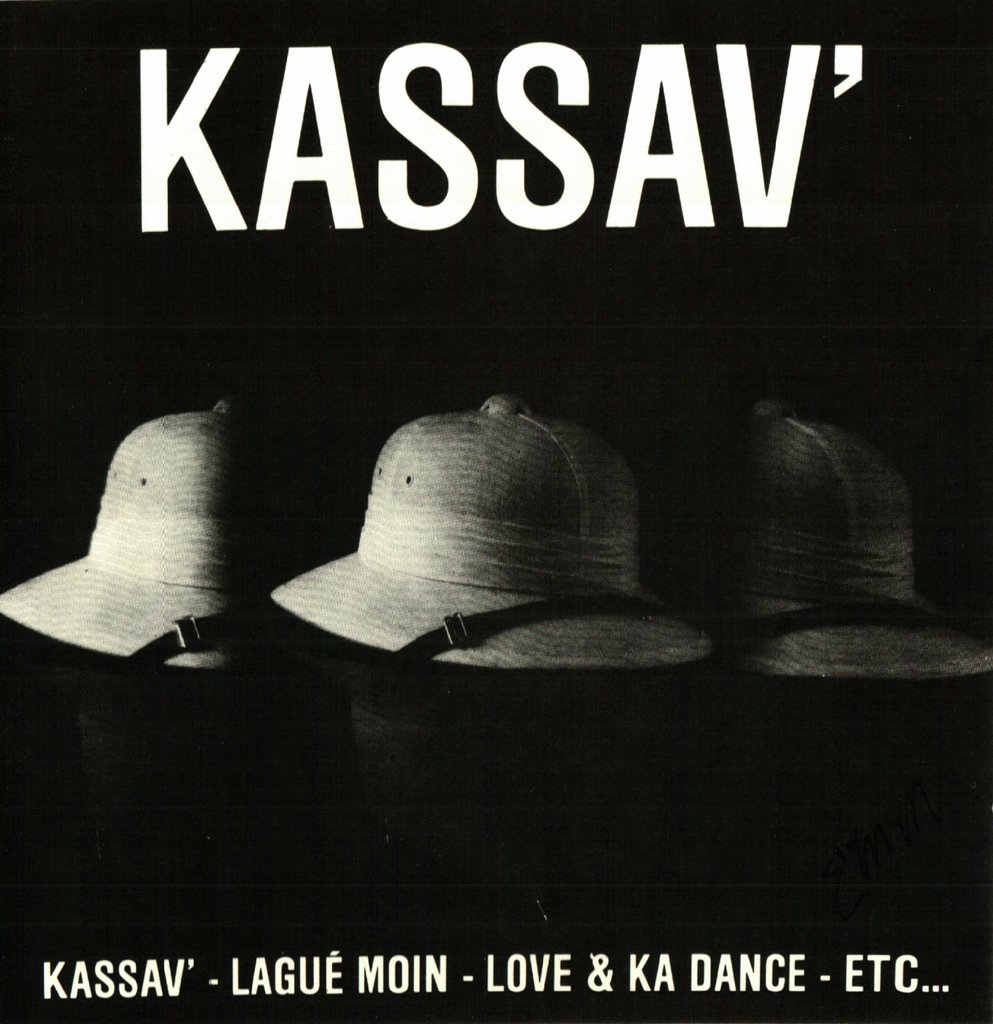
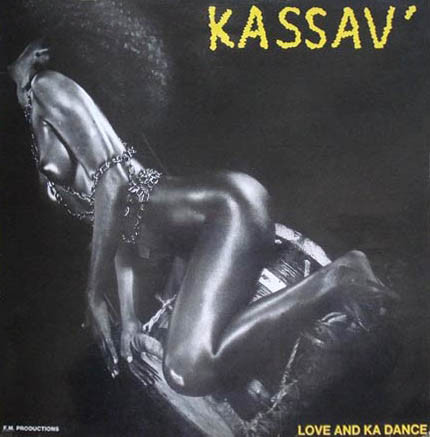
| Love and Ka Dance | 1979 | The first album that laid the foundations of zouk, blending gwoka and electronics |
| Yélélé | 1984 | The album that launched zouk globally with the hymn “Zouk la sé sèl médikaman nou ni” |
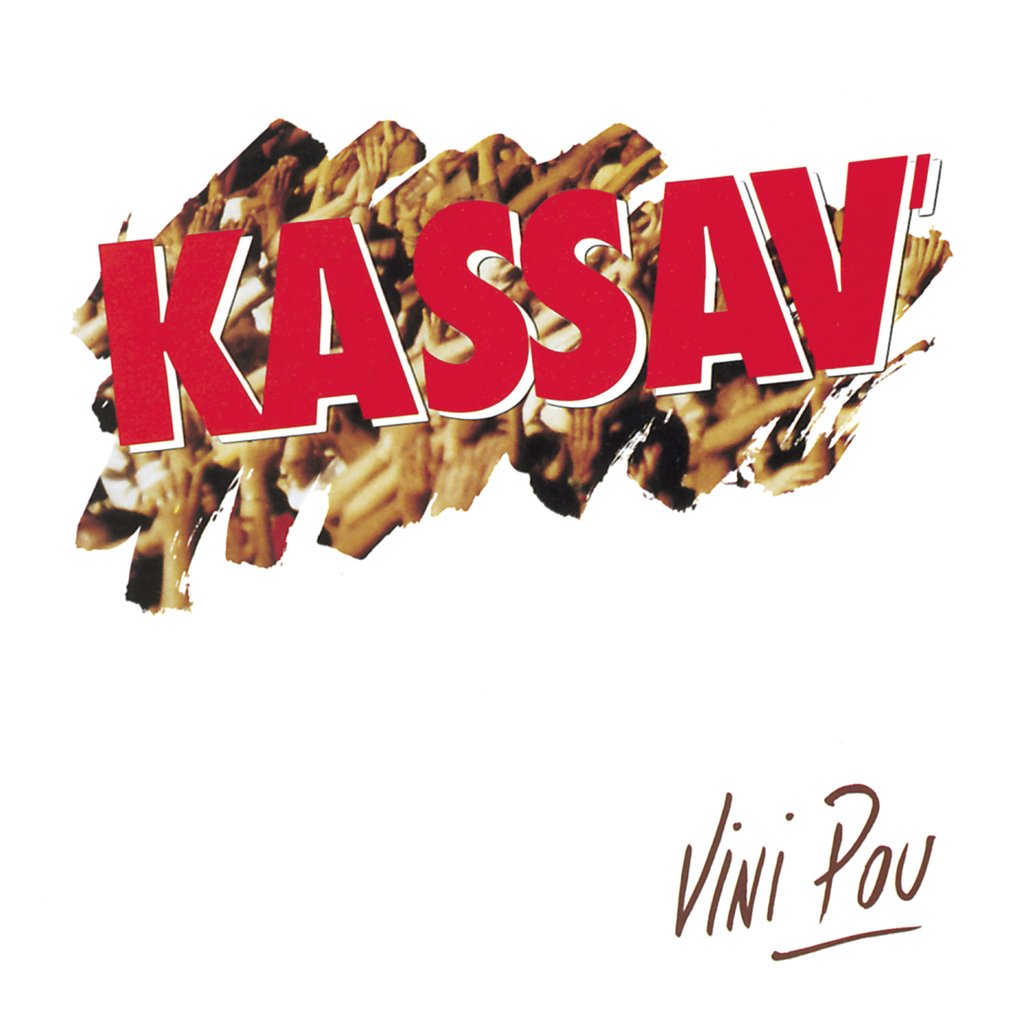
| Vini pou | 1987 | Platinum record, consecration with majors without artistic compromise |
Heritage and influence
Kassav’ is one of the most influential groups in francophone music of the 20th century, recognized as the inventor of zouk as a musical genre. The term zouk — which previously referred to Antillean dance halls — became the name of the music itself. Caribbean, African and Latin American artists have been inspired by zouk beton to shape entire scenes. More than 2,000 concerts worldwide and a permanent presence in francophone dance halls testify to the durability of their heritage.
Sources and references
-
“Kassav’, il y a 20 ans…”, RFI Musique, https://www.rfi.fr/fr/musique/20060223-kassav-il-y-a-20-ans, accessed October 12, 2025.
-
“Kassav’”, Wikipedia (French), https://fr.wikipedia.org/wiki/Kassav%27, accessed October 12, 2025.
-
“Kassav’”, Wikipedia (English), https://en.wikipedia.org/wiki/Kassav%27, accessed October 12, 2025.
-
“Jacob Desvarieux, Guitarist Who Forged Zouk Style, Dies at 65”, The New York Times, https://nytimes.com/2021/08/08/arts/music/jacob-desvarieux-dead.html, accessed October 12, 2025.
-
“Jocelyne Béroard wants to maintain the memory of Jacob Desvarieux”, Le Monde, https://www.lemonde.fr/culture/article/2024/05/15/jocelyne-beroard-veut-entretenir-la-memoire-de-jacob-desvarieux_6233482_3246.html, accessed October 12, 2025.
-
“One year after her death, Jocelyne Béroard pays tribute to Jacob Desvarieux”, RCI Martinique, https://rci.fm/martinique/node/4154976, accessed 12 October 2025.
-
“Kassav’”, AllMusic, https://allmusic.com/artist/kassav-mn0000362329/biography, accessed 12 October 2025.
-
“Kassav’ collective notice”, BnF Catalogue général, https://catalogue.bnf.fr/ark:/12148/cb13904354v, accessed 12 October 2025.
-
“Kassav’ biography”, kassav30ans.com, https://www.kassav30ans.com/_iserv/dlfiles/dl.php?ddl=biographie-kassav.pdf, accessed 12 October 2025.