Biography
Khadja Nin
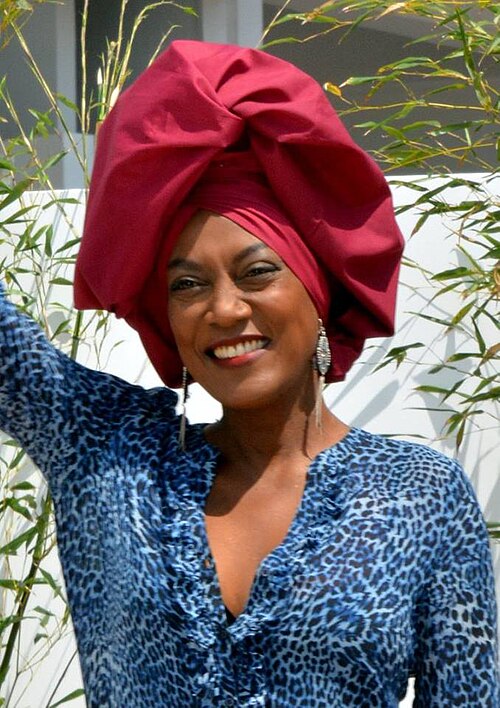
On September 5, 2025, during the naming ceremony for a gorilla in Kinigi, Rwanda, Khadja Nin said these words: “I was born and raised in Burundi, but today I have chosen Rwanda as my eternal home.” The Burundian artist, famous in France during the 1990s for Sambolera, a hit that sold more than 420,000 copies, makes this statement: after forty years of life between music and commitment, she returns home. Behind the singer who defines her music as “neither white nor black, but café au lait”[^1], emerges the journey of a diplomat’s child, widow at twenty-two, cathedral choir member turned global artist and UNICEF goodwill ambassador.
In Brief
| Birth Name | Jeanine Rema |
| Artistic Name | Khadja Nin (“Little Jeanine” in Kirundi) |
| Birth | June 27, 1959, Ruvyagira, Burundi |
| Genre | Afro-pop |
| Signature Works | Sambolera, Ya Pili, Ya… |
| Awards | Kora Awards (1997, 1999), Cannes jury 2018 |
Key Dates
| Year | Event |
|---|---|
| 1959 | Birth in Ruvyagira; her father, Jean Ntiruhwama, Minister of the Interior |
| 1966 | Age seven: choir of the Bujumbura Cathedral |
| 1975 | Departure for Kinshasa (Zaire); marriage in 1978, birth of Vincent |
| 1980 | Settlement in Belgium; death of her husband |
| 1985 | Meeting with producer Nicolas Fiszman |
| 1992 | Eponymous album Khadja Nin (entirely in Swahili) |
| 1996 | Sambolera: summer hit on TF1, double gold record |
| 2018 | Member of the Cannes Film Festival jury |
Career and Recognition
Khadja Nin is the youngest of a family of eight children. Her father, Minister of the Interior of Burundi under King Mwambutsa IV, brought back international records[^2]. From age seven, her voice led to her joining the choir of the Bujumbura Cathedral, where she became lead singer. Miriam Makeba is her model[^3]. At sixteen, she left Burundi for Kinshasa. In 1978, at nineteen, she married and gave birth to a son, Vincent[^4]. The following year, her husband died[^5]. In 1980, she left Africa for Belgium with her two-year-old son, took on modest jobs before crossing paths in 1985 with guitarist and producer Nicolas Fiszman[^6]. “Nicolas is the Nin of Khadja Nin”[^7]. The duo joined forces: he composed, she wrote the lyrics in Swahili and Kirundi[^8].
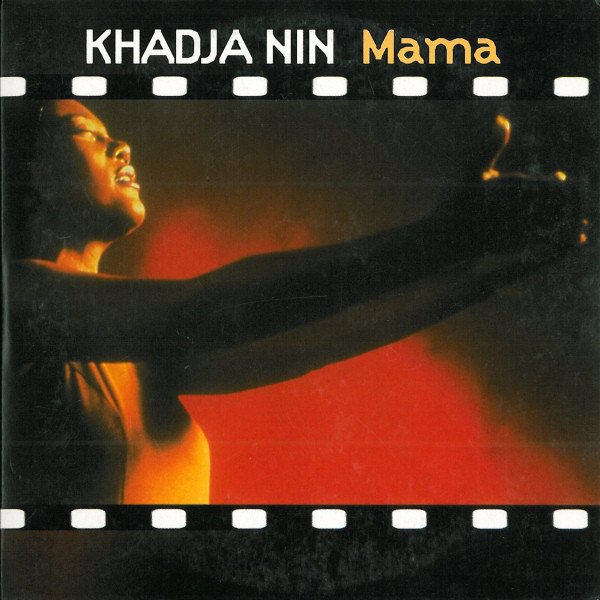
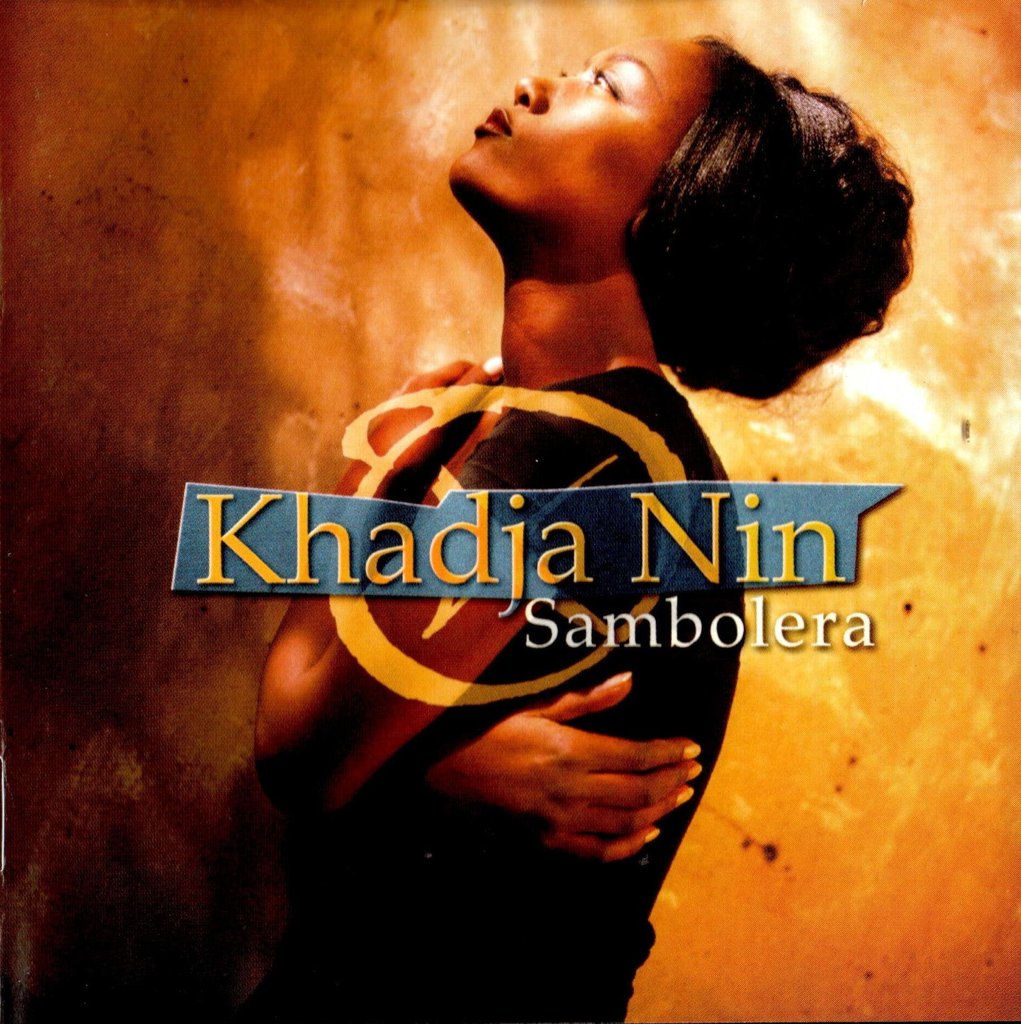
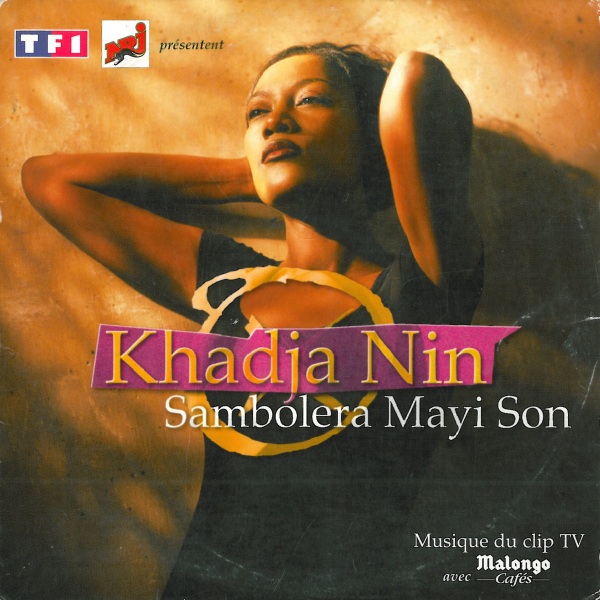
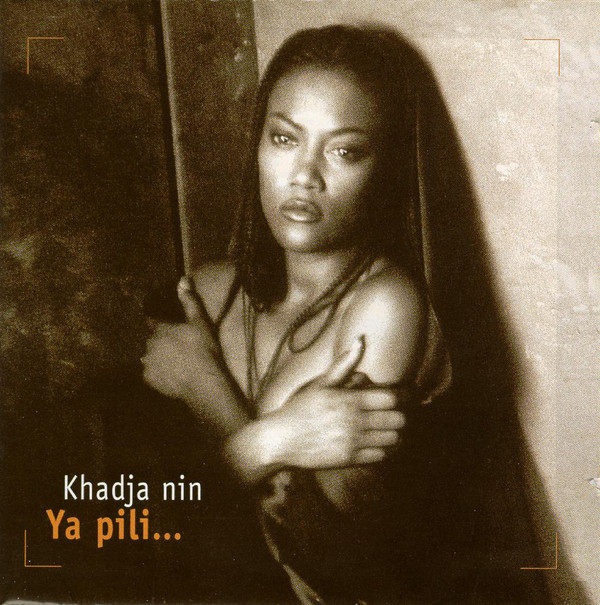
In 1991, the tandem signed a contract with BMG Ariola. The album Khadja Nin was released in 1992, entirely in Swahili[^9]. Ya Pili (“The second”[^10]) followed in 1994 and received favorable critical reception[^11]. The hit arrived in 1996 with Sambolera, chosen by TF1 to broadcast its video continuously[^12]. Two months after launch, double gold record: 200,000 copies in France, 420,000 worldwide[^13]. The title Sina mali, sina deni features a cover of Stevie Wonder[^14]. In 1998, the album Ya… marked a new stage[^15]. Recorded in a London country house, it includes a tribute to Nelson Mandela (Mzee Mandela)[^16] and Mama, whose video was directed by Jeanne Moreau[^17]. In 1999, she opened for Sting in New York, accompanied by Cheb Mami, then went on stage with both artists at the Paris-Bercy Palais Omnisports on January 10, 2000[^18]. In 2006, she married pilot Jacky Ickx[^19]. It was after 2007 — her return to the war-ravaged Burundi for a concert, “the first and last time”[^20] — that she retired from the stage to dedicate herself to commitment. UNICEF goodwill ambassador[^21], she supports girls’ schooling in Africa and the fight against famine[^22]. In 2015, facing the Burundian political crisis, she took a public stand[^23]. In 2018, she was a member of the Cannes Film Festival jury under the presidency of Cate Blanchett[^24]. In 2024, she was curator of the music for the first Kigali Triennale[^25]. On September 5, 2025, she announced her definitive installation in Rwanda[^26].
Major Works
| Work | Year | Why It Is Essential |
|---|---|---|
| Khadja Nin | 1992 | First album, entirely in Swahili: bold entry into world music |
| Ya Pili | 1994 | “The second,” acclaimed by critics, introduced Kirundi |
| Sambolera | 1996 | Summer hit on TF1; 420,000 copies; Sina mali, sina deni is featured[^27] |
| Ya… | 1998 | Last studio album: tribute to Mandela, video for Mama directed by Jeanne Moreau |
Legacy
Khadja Nin remains one of the few African artists to have crossed the linguistic barrier — Swahili, Kirundi, French — to conquer a European public[^28]. Her music, which she defines as “neither white nor black, but café au lait”[^29], remained faithful to this vision. The success of Sambolera opened the door for many African artists[^30]. Beyond her discography, her journey — from the Bujumbura choir to the Cannes jury — testifies to the power of music as a political voice.
Sources and References
-
“Khadja Nin”, Wikipedia FR, https://fr.wikipedia.org/wiki/Khadja_Nin, accessed October 24, 2025.
-
“Khadja Nin”, Grokipedia, https://grokipedia.com/page/Khadja_Nin, accessed October 24, 2025.
-
“Nin (Khadja)”, RFI Musique, https://www.rfi.fr/fr/musique/20200424-nin-khadja, accessed October 24, 2025.
-
“Khadja Nin”, AllMusic, https://www.allmusic.com/artist/khadja-nin-mn0000089758, accessed October 24, 2025.
-
Angel Romero, “Artist Profiles: Khadja Nin”, World Music Central, https://worldmusiccentral.org/artist-profiles-khadja-nin, accessed October 24, 2025.
-
“Khadja Nin”, RFI Hebdo, https://www.rfi.fr/fr/hebdo/20180511-cannes-2018-khadja-nin-une-chanteuse-burundaise-le-jury, accessed October 24, 2025.
-
“Kora Awards”, Wikipedia EN, https://en.wikipedia.org/wiki/Kora_Awards, accessed October 24, 2025.
-
« I was born and raised in Burundi but today I have chosen Rwanda as my forever home », RwandanTV, https://www.youtube.com/watch?v=VHy6cbIrAJ0, accessed on 24 October 2025.