Biography
Biography of Koffi Olomidé
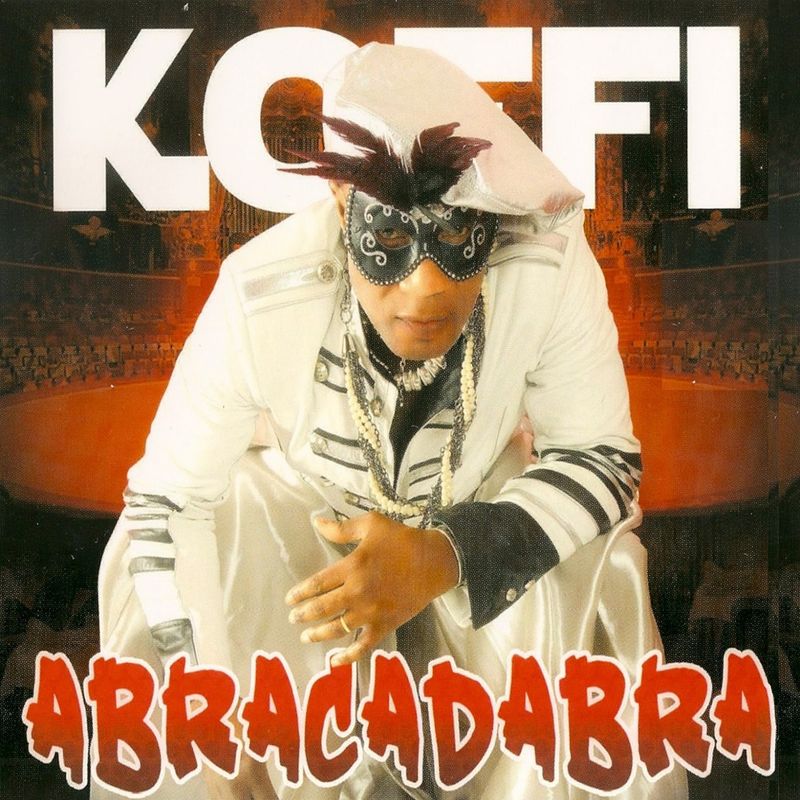
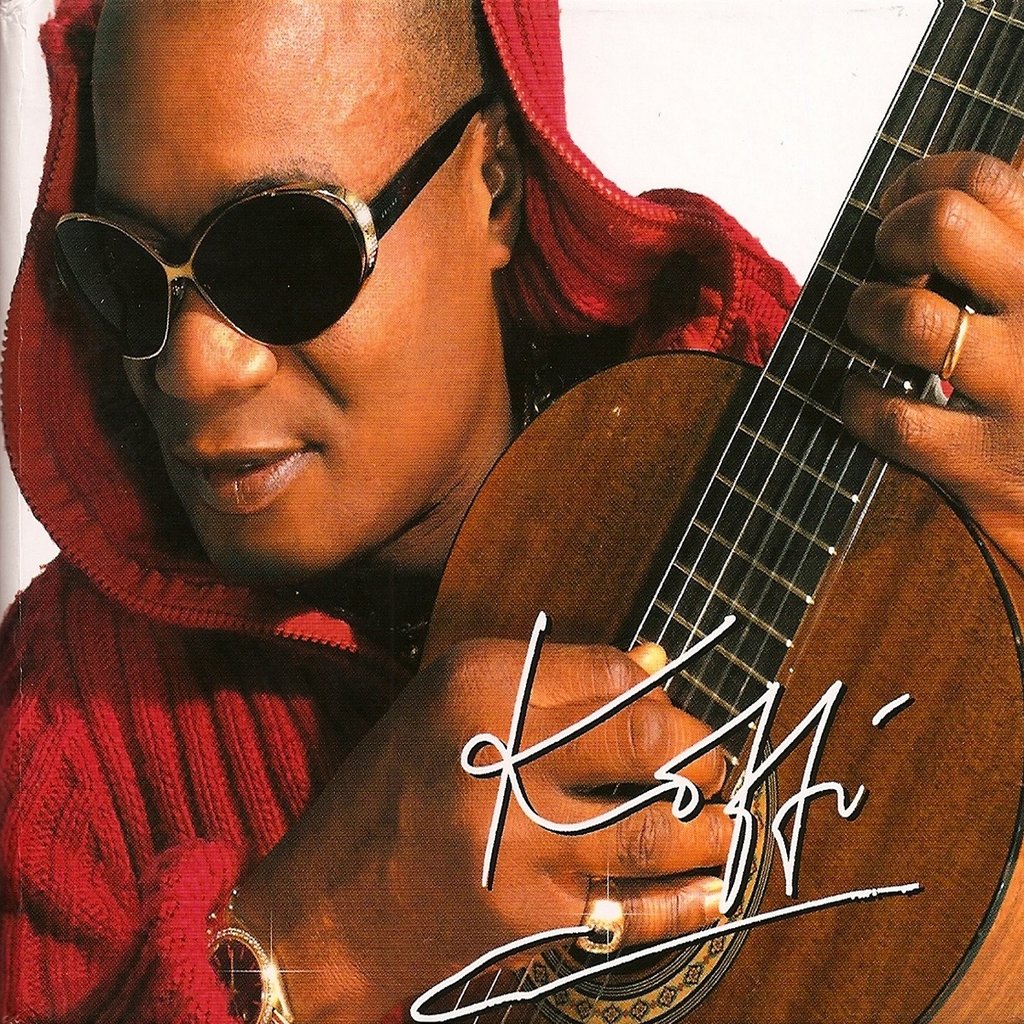
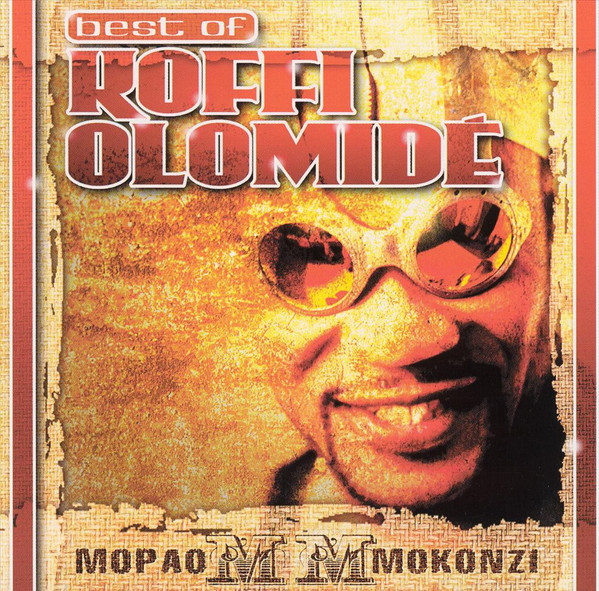
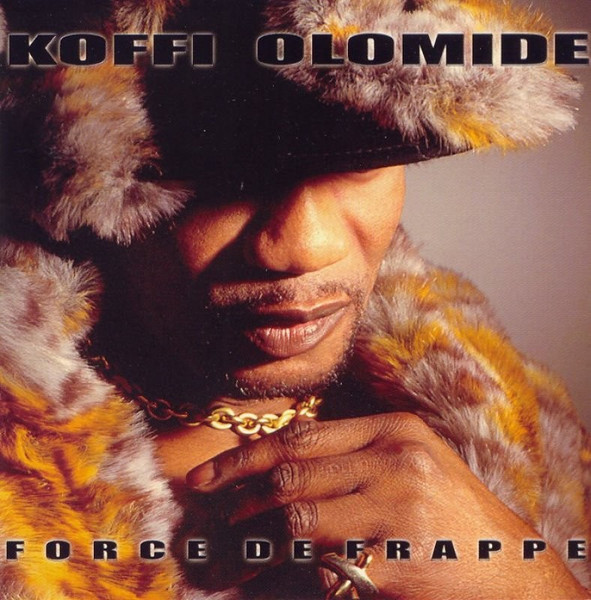
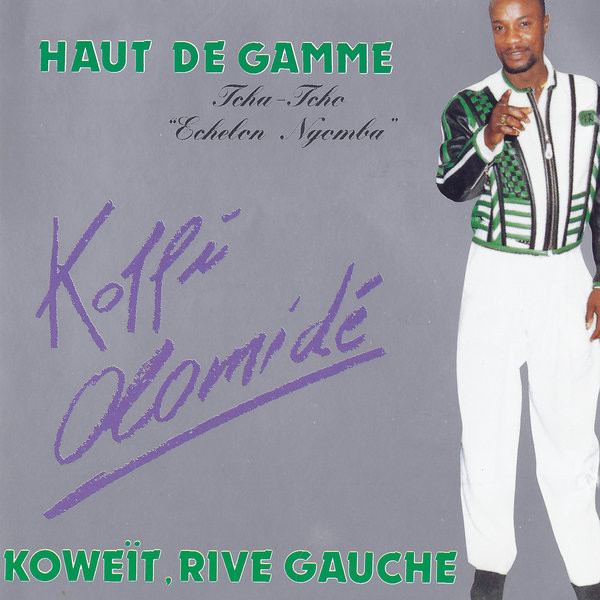
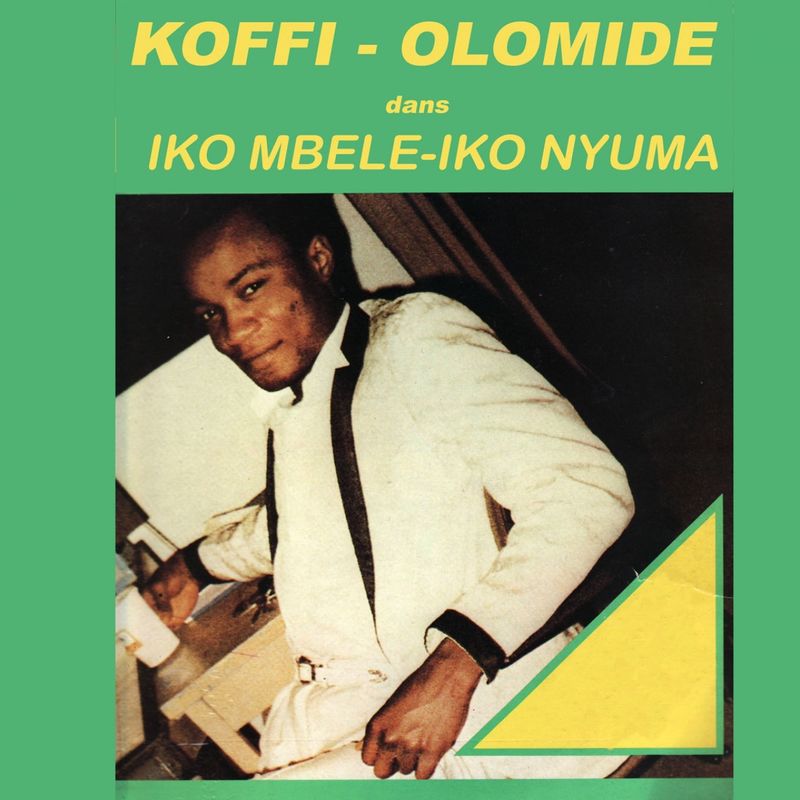
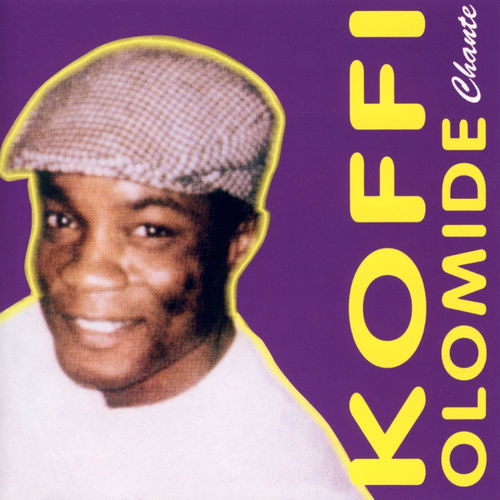
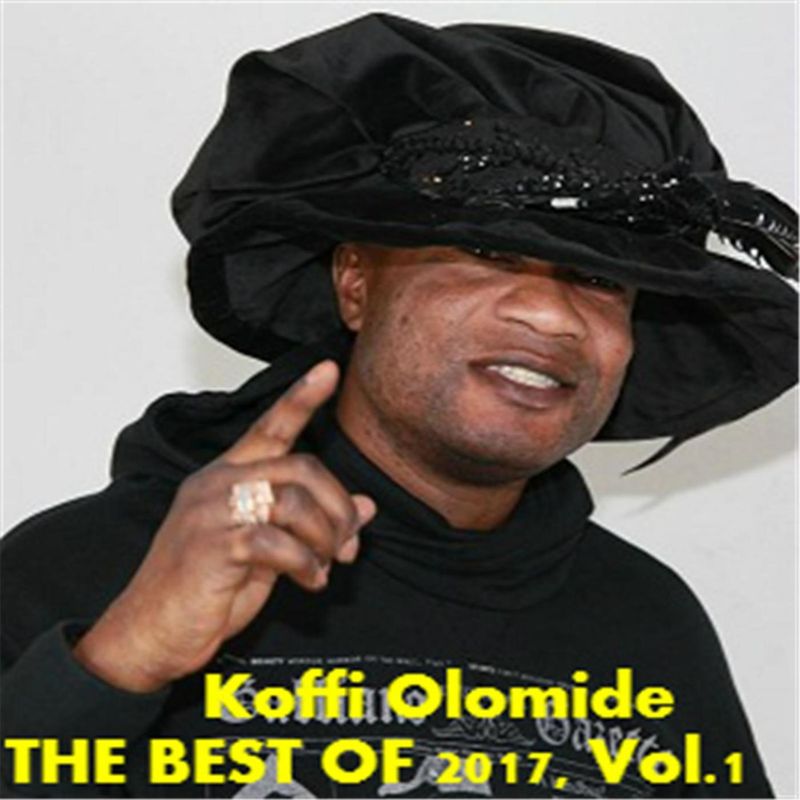
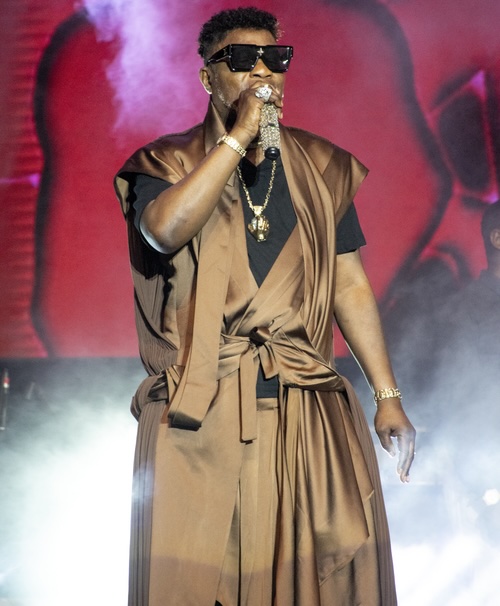
Koffi Olomidé, born Antoine Christophe Agbepa Mumba on July 13, 1956 in Stanleyville (now Kisangani) in Zaire (today the Democratic Republic of Congo), is a singer, songwriter-performer and Congolese film producer. Nicknamed the “Grand Mopao”, “Mokolo Bilanga”, “Nkolo Lupemba” or simply “Legend”, he is one of the most prominent figures in contemporary Congolese music.
Childhood and Education
Antoine Olomidé grew up in the commune of Lemba in Kinshasa before moving with his family to Lingwala in 1973. As a very young child, he was passionate about Congolese rumba music: Franco Luambo, Grand Kallé, Tabu Ley Rochereau and Vicky Longomba left a deep mark on him. Influenced notably by Papa Wemba, then a member of Zaïko Langa Langa, he learned to play the guitar with the help of a neighbor.
After obtaining his scientific baccalaureate at 18, he entered the University of Bordeaux to study business sciences. It was during his holidays in Congo that he began writing lyrics for artists on the Zairian scene, quickly earning the nickname “the most famous student in Zaire”.
The Beginnings (1977-1983)
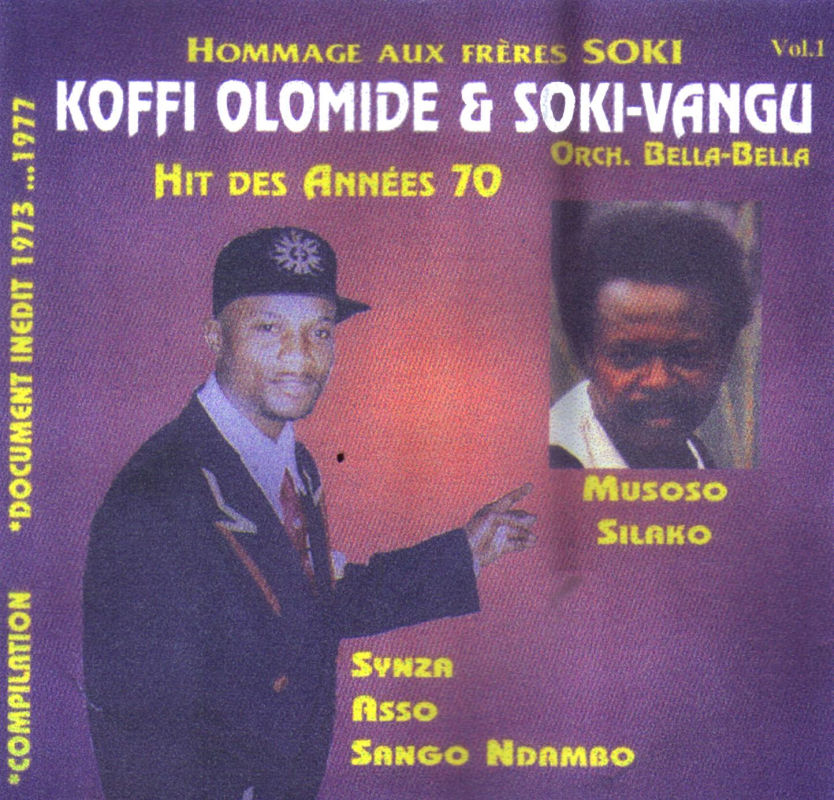
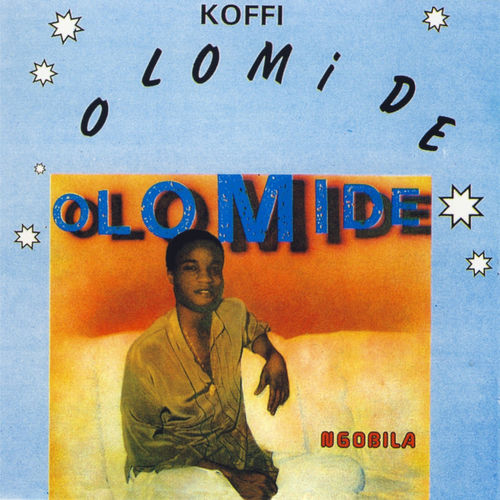
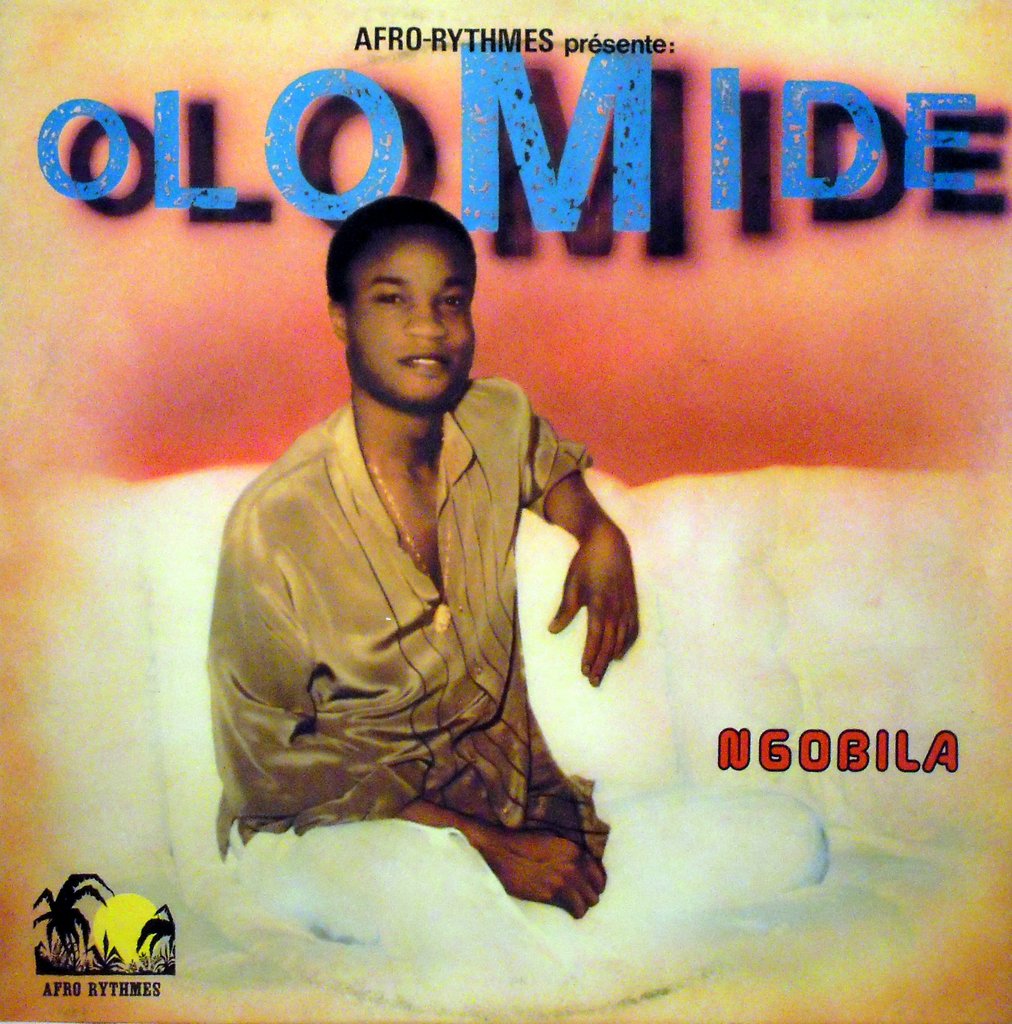
His first public recognition came in 1977 with the recording of the trio Synza alongside Papa Wemba and King Kester Emeneya. The song designated him as the “Best Songwriter-Performer in Zaire”. Following this, he released Samba Samba, Ekoti ya Nzube, Elengi ya Mbonda and Anibo, the latter earning him the title of “Top Star of Zairian Song”.
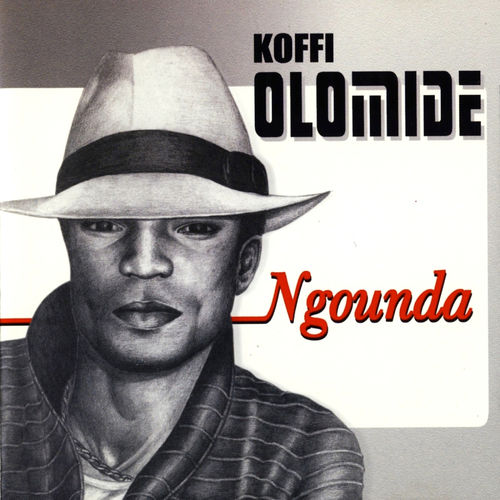
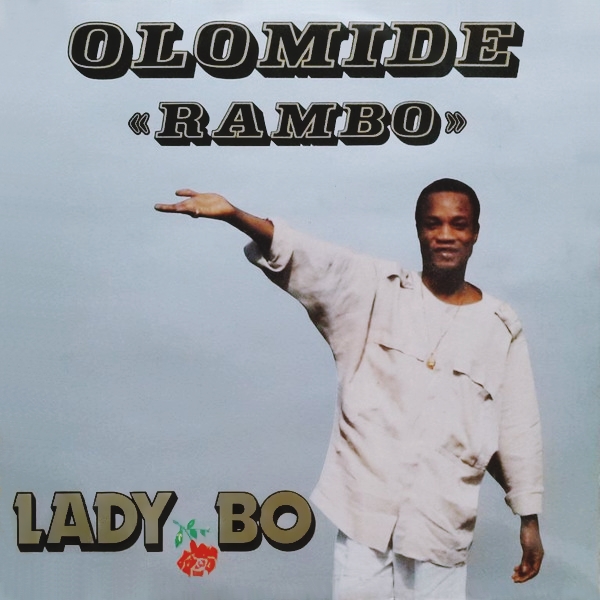
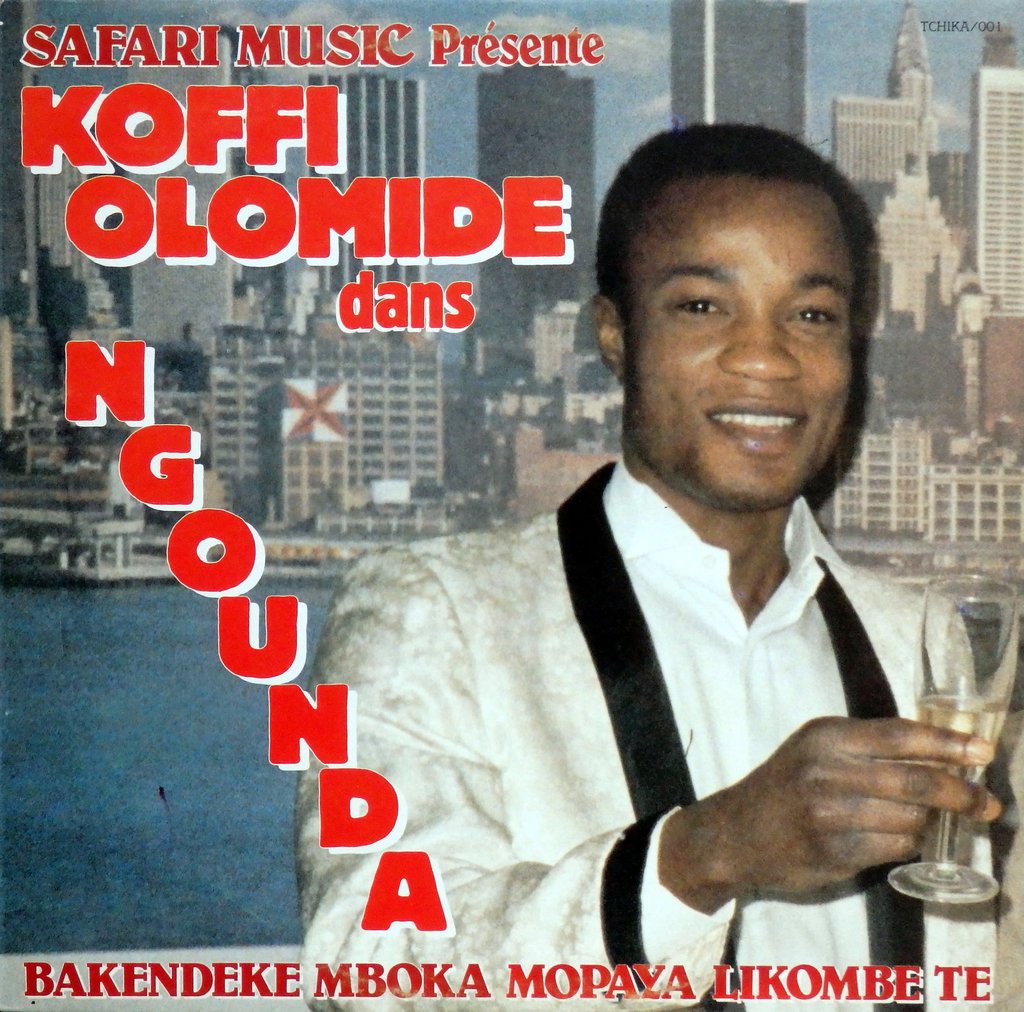
After obtaining his business science diploma in 1980 with a thesis on the marketing of Zairian mining raw materials, he recorded his first true album, Ngounda, in Brussels in 1983 with the participation of Josky Kiambukuta from TP OK Jazz. The album met with mixed success, but a follow-up with Lady Bo and King Kester confirmed his talent.
The Quartier Latin and Consolidation (1986-today)
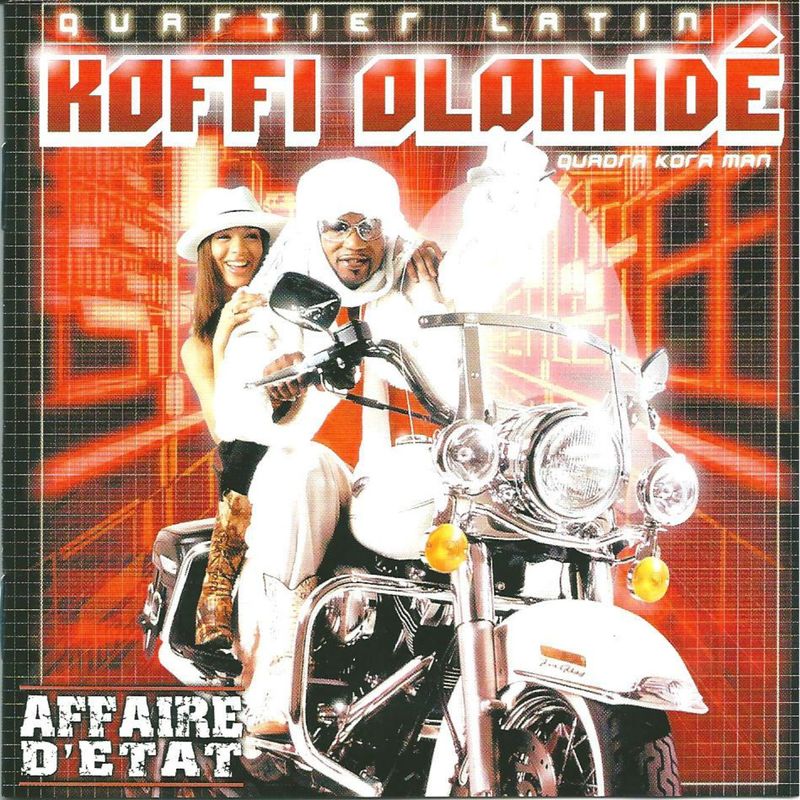
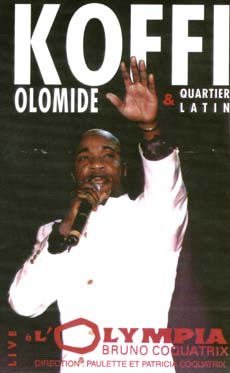
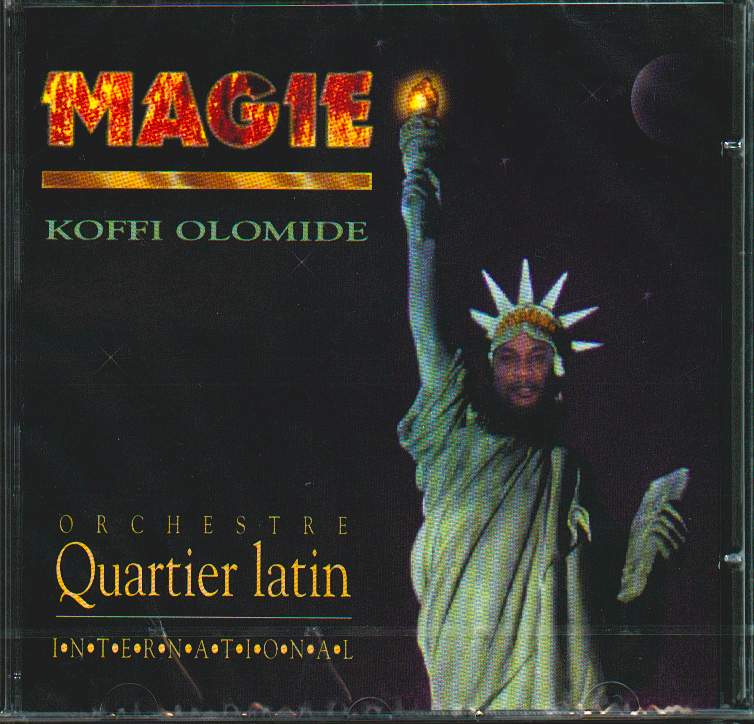
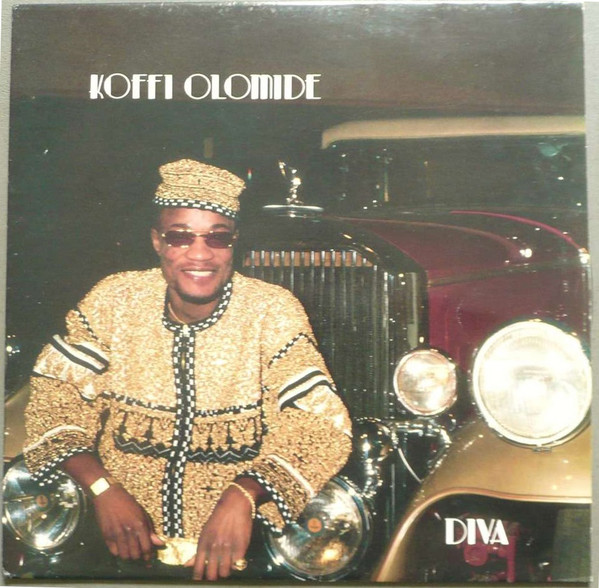
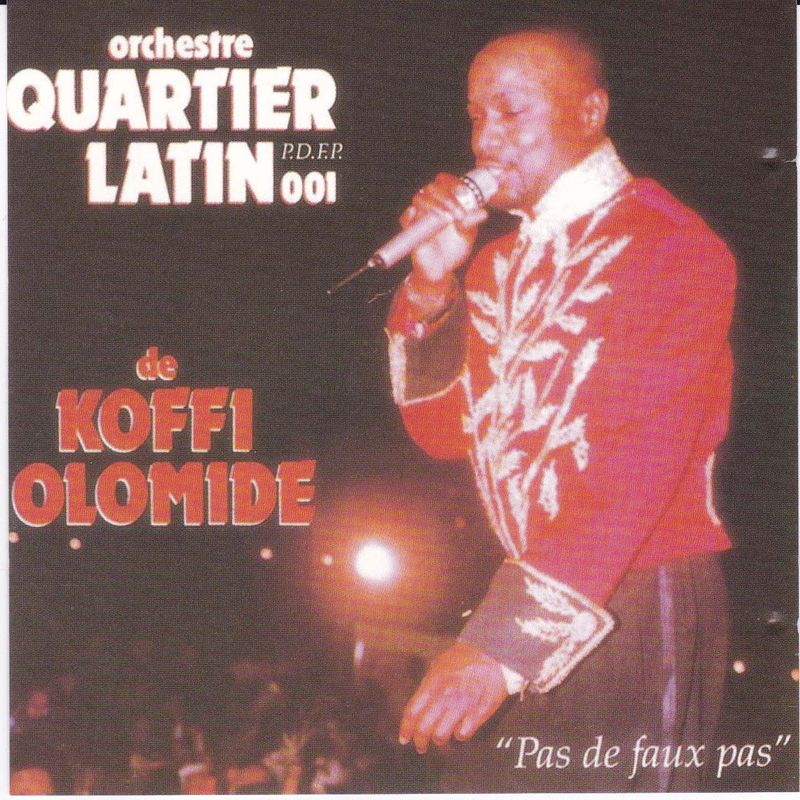
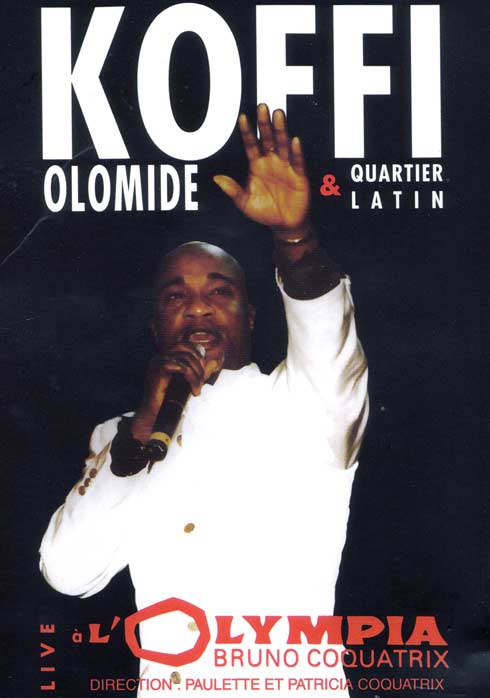
In 1986, Koffi Olomidé released the album Diva, a major artistic turning point. He then founded his own orchestra, Quartier Latin, which accompanied him on stage and in the studio from 1992 onwards. This group became an incubator for talent: Fally Ipupa and Ferre Gola made their debut there.
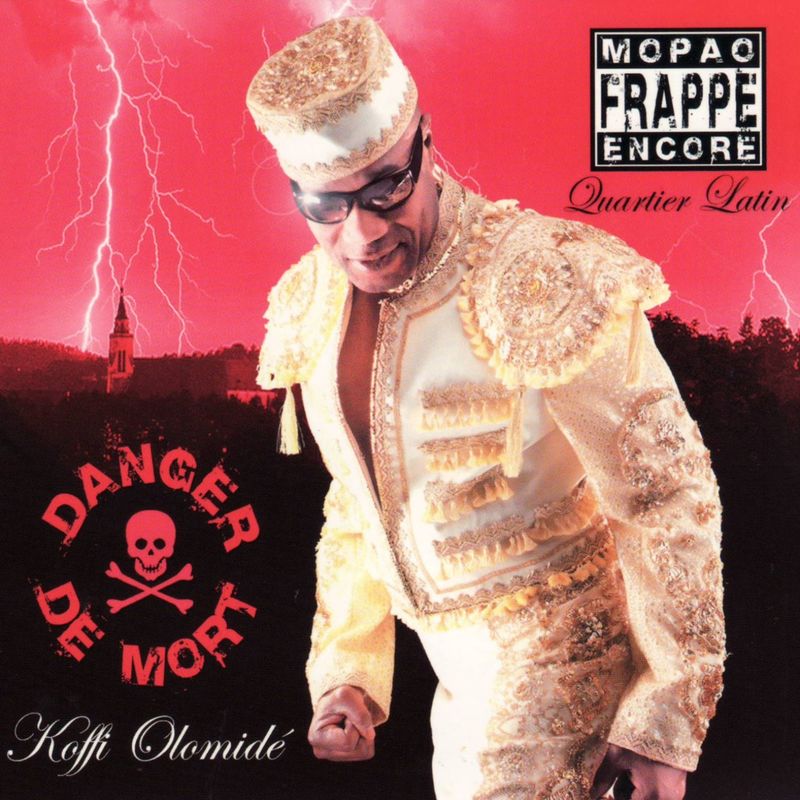
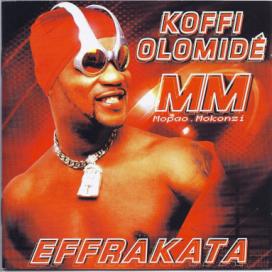
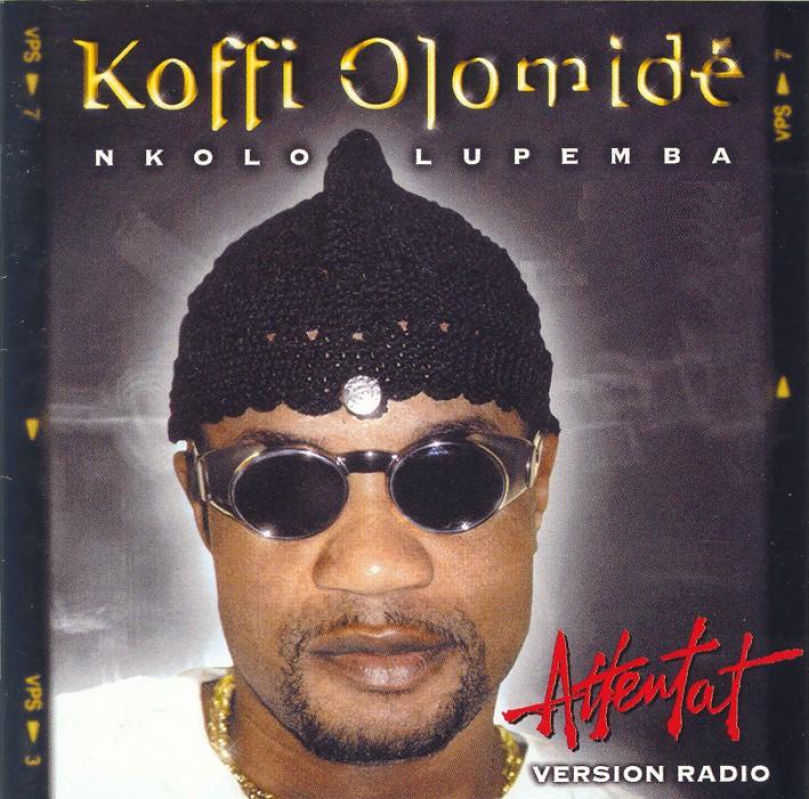
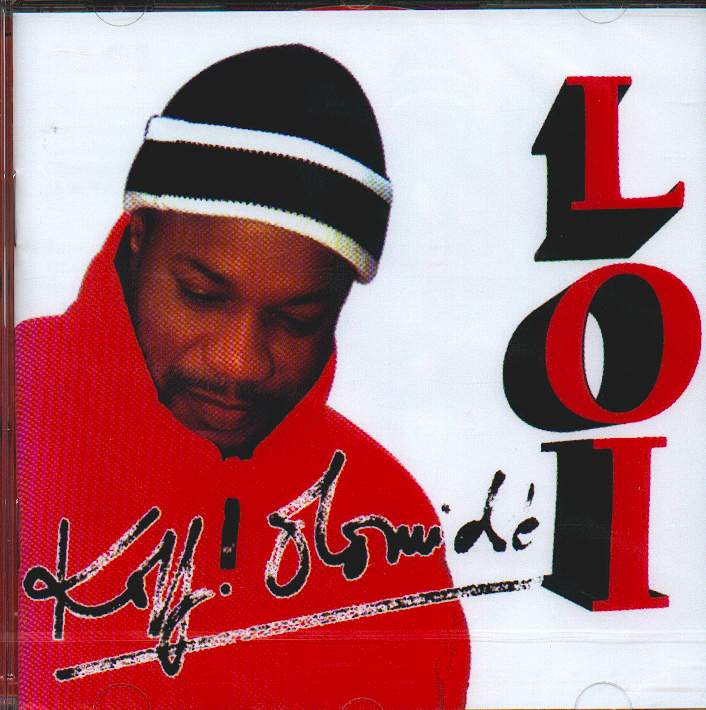
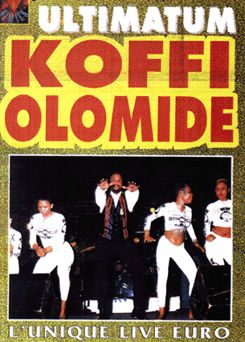
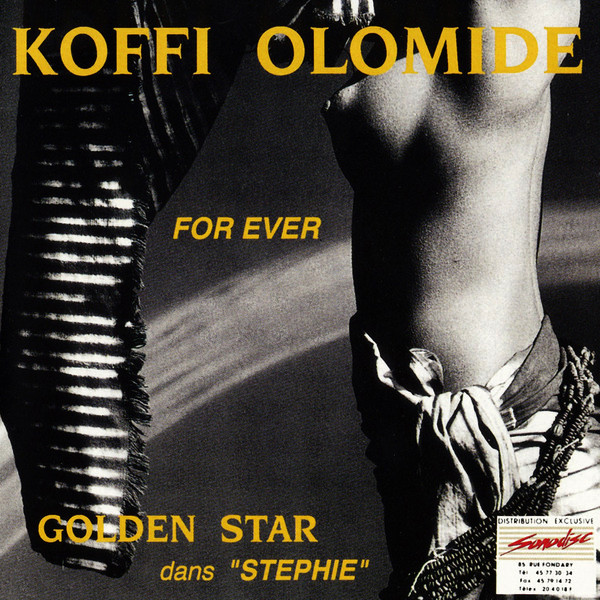
His career found a second wind in 1990 thanks to his signing with Sonodisc. With albums like Effrakata (2002), awarded at the Kora Awards (4 distinctions in 2002), Attentat, Danger de Mort or Loi, he established the ndombolo style, a sub-genre of soukous characterized by dance rhythms and spectacular choreography.
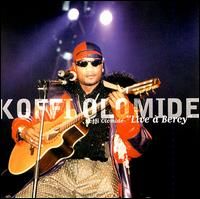
Koffi Olomidé is the first black African artist to fill Bercy Arena in Paris and one of twelve African musical artists (and the only Congolese) cited in the book Les 1001 albums qu’il faut avoir écoutés dans sa vie.
Select Discography
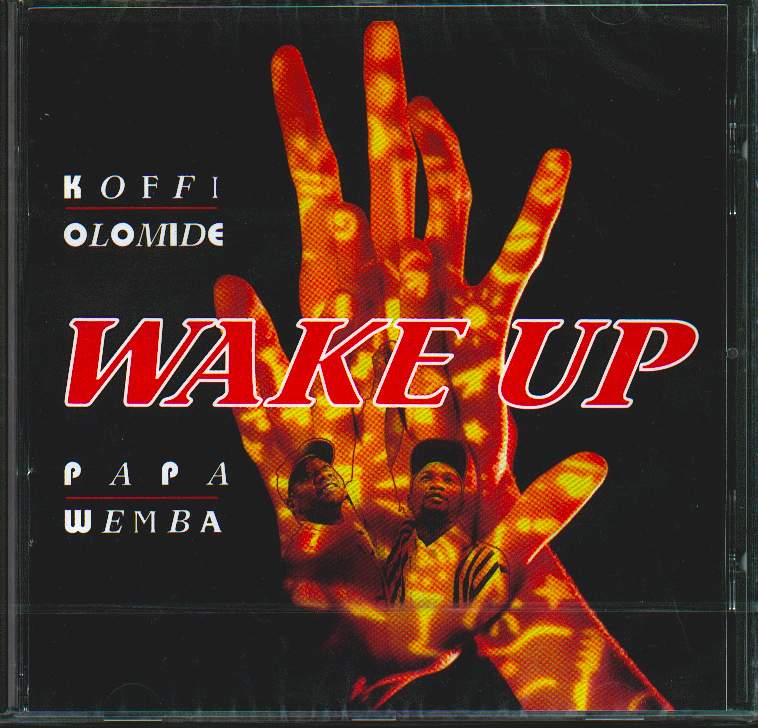
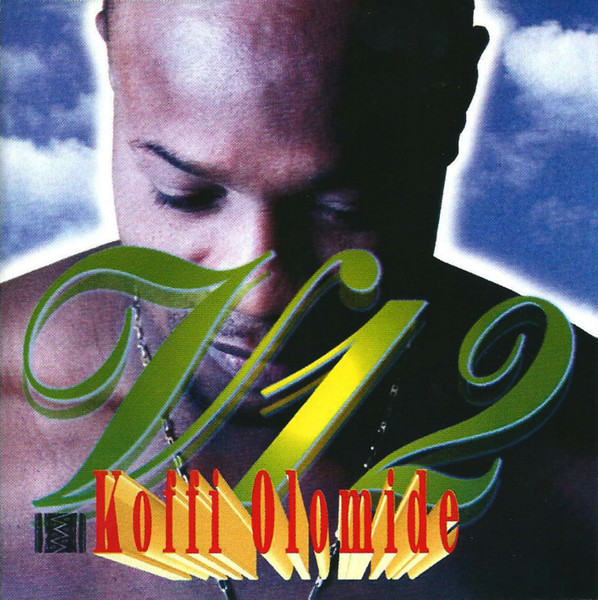
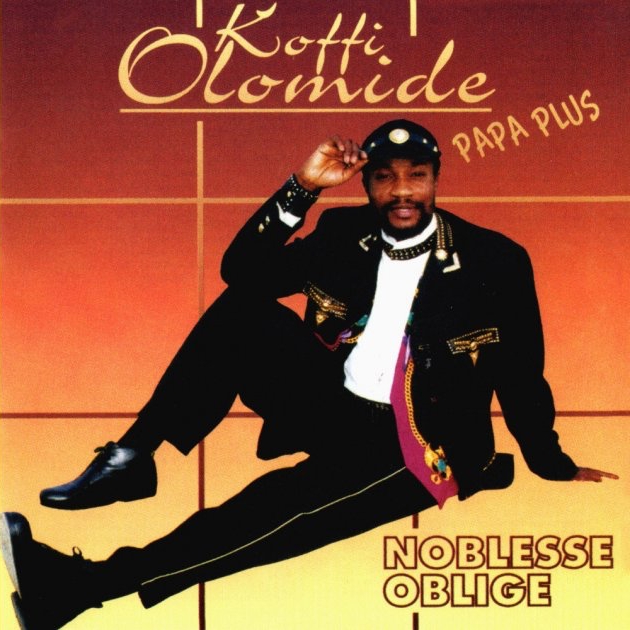
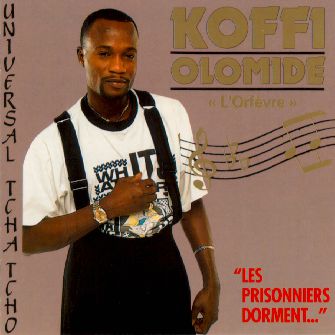
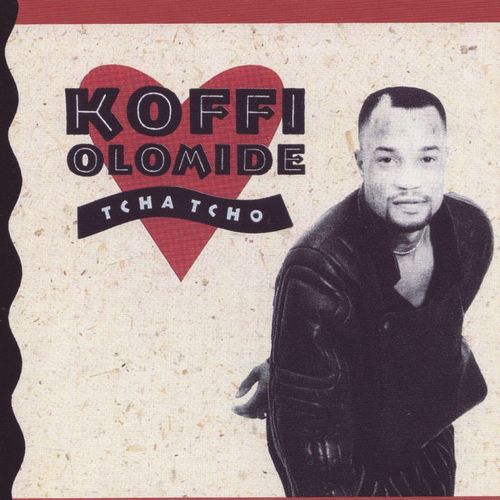
He has recorded 28 studio albums (including 7 with Quartier Latin and 1 in collaboration with Papa Wemba) and 18 live albums, for a total of over 300 songs. Among his major albums:
- Ngounda (1983)
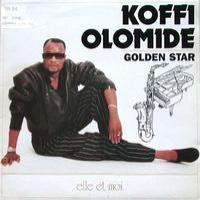
- Elle et moi (1984)
- Diva (1986)
- Attentat (1994)
- Effrakata (2002)
- Bord Ezanga Kombo (2008)
- 13ᵉ Apôtre (2015, quadruple album of 40 tracks)
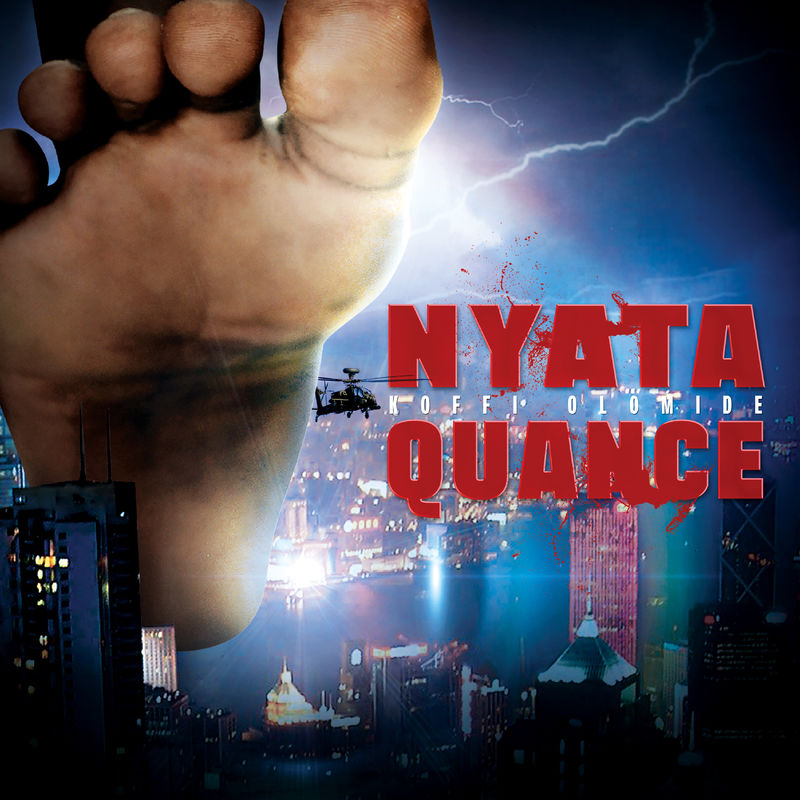
- Nyataquance (2017)
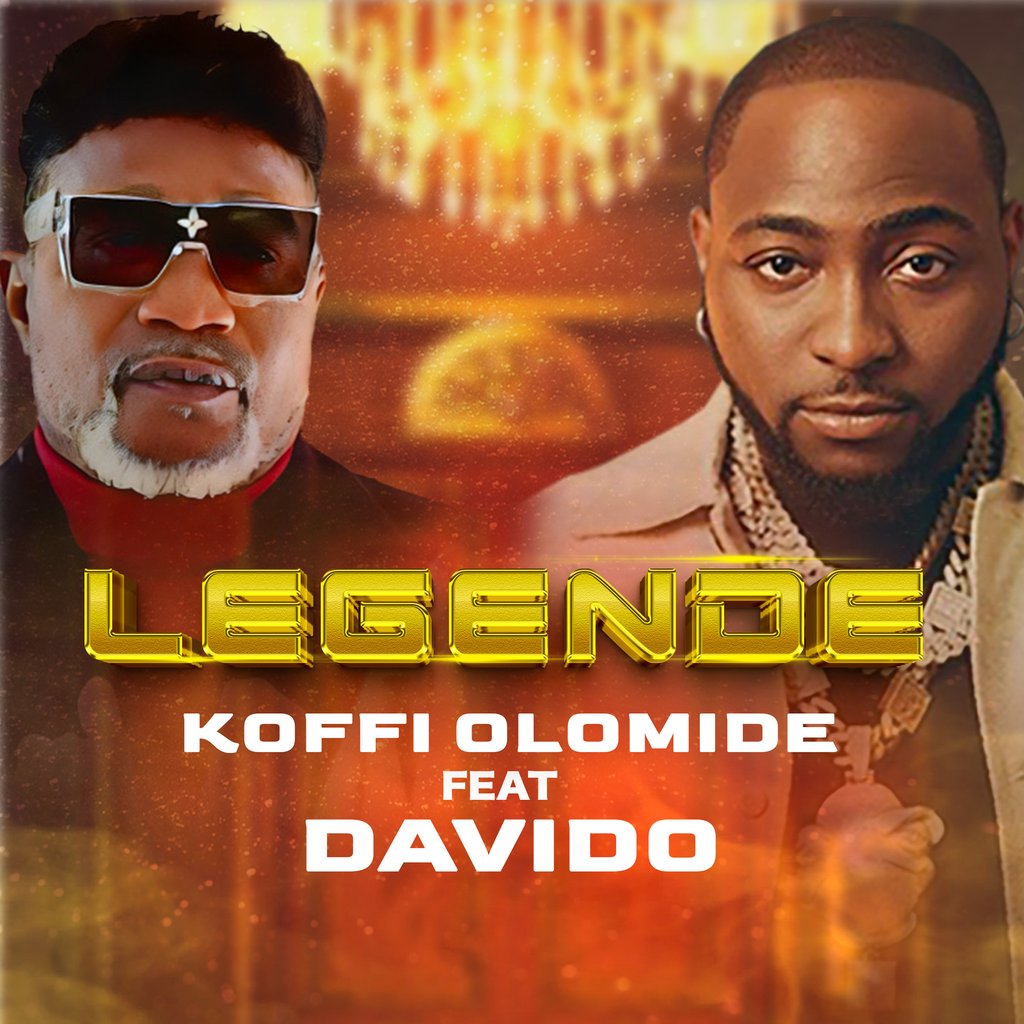
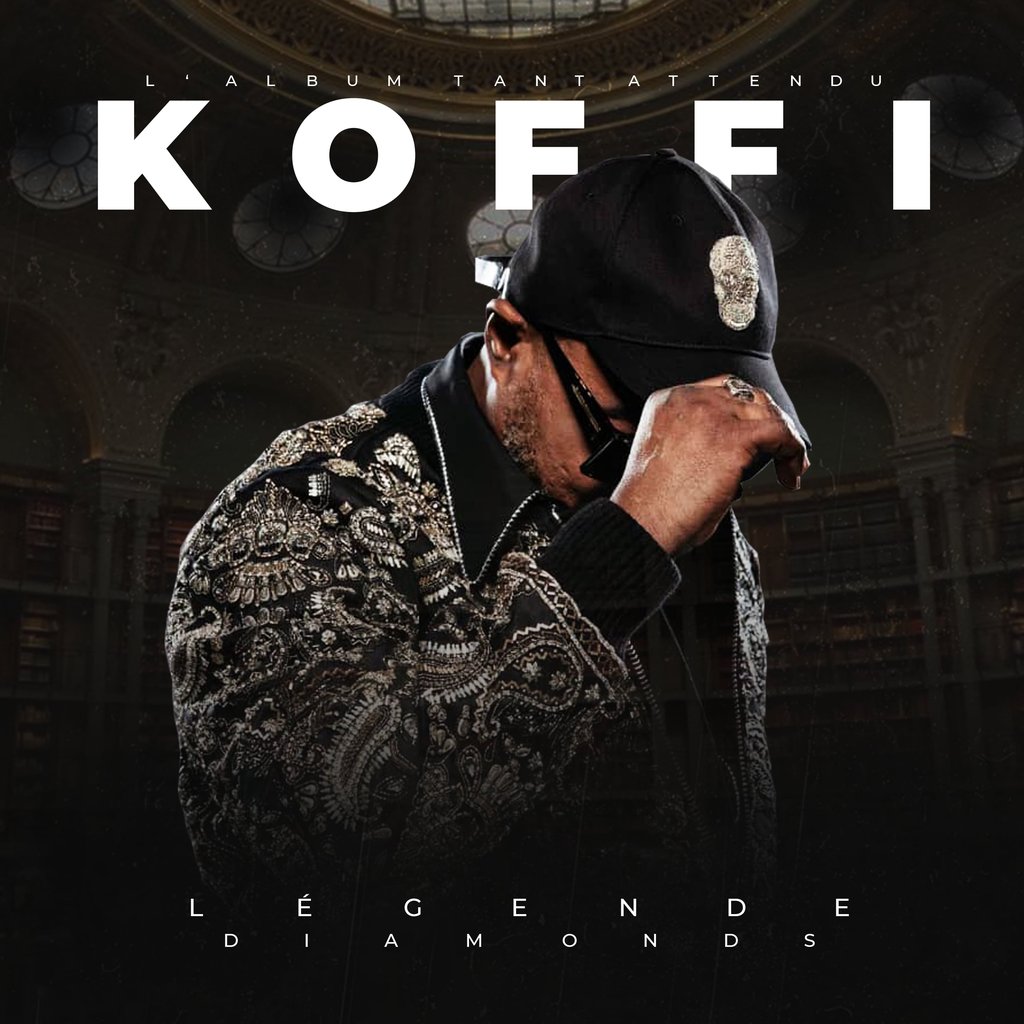
- Légende (2019)
In 2013, he launched his own label, Koffi Central. In 2015, he declared 13ᵉ Apôtre to be his last album, but later returned with Nyataquance and Légende.
Personal Life
Beyond music, Koffi Olomidé is involved in agriculture: he owns a cocoa plantation in the Republic of Congo and produces his own brand of cocoa, “Côte d’Or Mumba”.
External Links
- Official website: koffiolomide.net
- Koffi Olomidé on Wikipedia
- Yahoo Music Biography
- Fan site dedicated to Koffi Olomidé
- Koffi Olomidé, Wikipedia.
- Koffi Olomidé, Afrisson, August 16, 2008.
- Koffi Olomidé, RFI, August 2012.