Biography
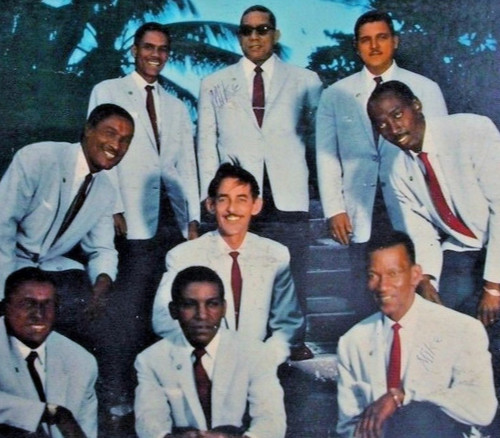
La Sonora Matancera
In January 1924, in the working-class neighborhood of Ojo de Agua in Matanzas, a tres player named Valentín Cané gathered friends to animate meetings of a local political party. No one imagined that this small ensemble, the Tuna Liberal, would become the most recorded Cuban orchestra in history.
In Brief
| Name | La Sonora Matancera — The Sound of Matanzas |
| Origin | Barrio Ojo de Agua, Matanzas, Cuba (January 12, 1924) |
| Style | Cuban son, guaracha, bolero, guaguancó, conga, danzón |
| Founding Director | Valentín Cané (tres) then Rogelio Martínez (guitar/vocals, 1926-2001) |
| Iconic Vocalists | Bienvenido Granda, Celia Cruz (1950-1965), Daniel Santos, Celio González, Nelson Pinedo |
| Discography | More than 4,000 recorded songs |
Key Dates
| Year | Event |
|---|---|
| 1924 | Founded in Matanzas as Tuna Liberal by Valentín Cané and Pablo “Bubú” Vázquez |
| 1927 | Move to Havana; signing with Victor |
| 1935 | Adoption of the name Conjunto Sonora Matancera; arrival of Calixto Leicea (trumpet) |
| 1940-54 | Bienvenido Granda, “the singing mustache”: +200 recordings, pan-Caribbean fame |
| 1948-59 | Golden Era: Daniel Santos then Celia Cruz (1950); recurrence on radio and at Tropicana |
| 1960-62 | Exile after the Revolution: Mexico then New York (39 years) |
| 1989 | 65th Anniversary Concert at Carnegie Hall and Central Park with fourteen former vocalists |
| 2024 | Centennial: the ensemble continues under Javier Vásquez |
Birth, Consecration, and Longevity
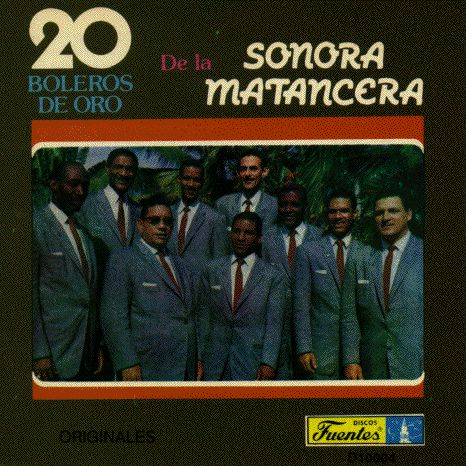
The origins of La Sonora Matancera are modest: on January 12, 1924, a tres player named Valentín Cané gathered seven musician friends in a house in Matanzas to animate meetings of a local political party. In 1925, an invitation from President Gerardo Machado marked their first public legitimization. The group moved to Havana in 1927—initially for a week, they would stay for thirty-three years. They then shared the stage of the Alhambra Theater and La Tropical with the Sexteto Habanero.
In 1935, the ensemble adopted its definitive name: Conjunto Sonora Matancera. Two founding figures laid the foundations of its longevity: Calixto Leicea (trumpet) and Severino Ramos (piano, arranger), whose sonic signature—timbalitos, cencerro, and bongos enveloping luminous brass—would become a reference. Dámaso Pérez Prado, future “King of Mambo,” played piano with the group from 1936 to 1939.
In 1940, Bienvenido Granda, nicknamed “el bigote qui chante” (the singing mustache), joined the Sonora as principal sonero. More than 200 titles saw him recorded with them, making him one of the most prolific composer-performers of the era. The group shone throughout the Hispanic Caribbean, relayed by the shortwave waves of Radio Progreso and Radio CMQ.
The year 1948 inaugurated what historians call the Golden Era. Daniel Santos, the great Puerto Rican bolero singer, stayed for five years and pushed the Sonora to expand into an orchestra. On December 15, 1950, the young Celia Cruz recorded her first two tracks with the group. “Burundanga” (1953) became a popular phenomenon and offered Celia her first gold record. For the first time, a Cuban group saw a Black woman lead the main vocals—a rupture in the industry of the time. Celia Cruz would stay for fifteen years, becoming the most iconic voice of the ensemble. The group performed at Tropicana, appeared in Mexican films (Una Gallega en La Habana, Olé Cuba), and toured Latin America.
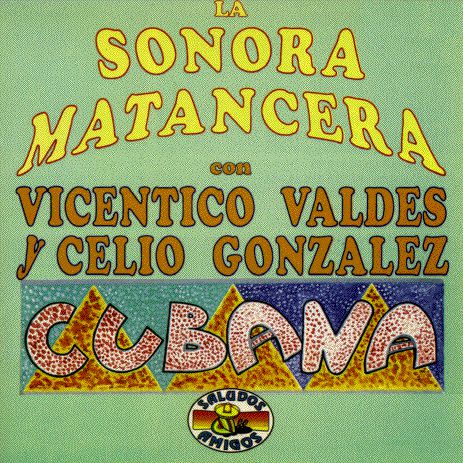
In 1959, the Cuban Revolution upheaved the artistic world. In July 1960, La Sonora Matancera accepted a contract in Mexico—a few-month tour that turned into definitive exile. After a year in Mexico, the ensemble settled in New York in July 1962 and would stay for thirty-nine years. Celio González ensured continuity during the 1960s-70s, supported by Willy “El Baby” Rodríguez and Justo Betancourt. Johnny Pacheco, founder of the Fania label and long-time admirer, persuaded the Sonora to enter the studio under his label in 1981. The ensemble recorded four major salsa albums from 1981 to 1984, bridging the gap between the Golden Age and the new New York sound.
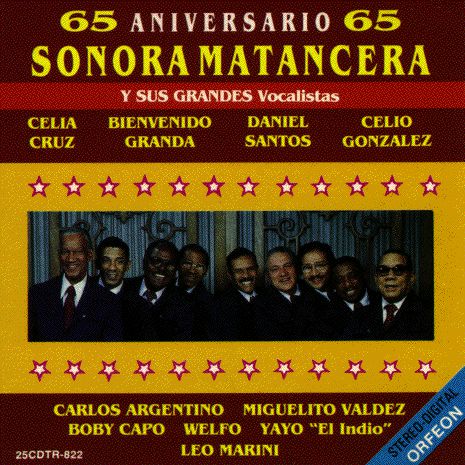
On June 1, 1989, the group celebrated its sixty-fifth anniversary at Carnegie Hall and Central Park: fourteen former vocalists—including Celia Cruz, Nelson Pinedo, and Daniel Santos—shared the stage. The double album Live! From Carnegie Hall became a historical reference. Rogelio Martínez, undisputed director for more than fifty-four years, passed away on May 13, 2001. His son and Javier Vásquez kept the ensemble alive: it continues to tour, reaching its centennial in January 2024.
Major Works
| Work | Year | Why It Is Essential |
|---|---|---|
| “Burundanga” (Celia/Sonora recording) | 1953 | First gold record; the Afro-Cuban guaracha at the peak of its expressive power |
| “El tíbiri tábara” (Daniel Santos) | 1948-53 | Perfect example of the bolero-guaracha that made pan-Caribbean fame |
| Celia con La Sonora Matancera (Radio Progreso) | 1953-56 | Live captures from Cuban radio—the Celia era in all its raw power |
| Feliz encuentro (Celia Cruz & Sonora) | 1982 | Mythic reunion under Fania; bridge between the Golden Age and New York salsa |
| 65 Aniversario (Live! From Carnegie Hall) | 1989 | Tribute concert with fourteen former vocalists; synthesis of the repertoire |
Heritage and influence
Johnny Pacheco, founder of Fania Records, confessed that it was while listening to the Sonora that he conceived the idea of his own orchestra with two trumpets. The Venezuelan musicologist César Miguel Rendón baptizes this lineage “matancerizante” — a style recognizable by its precise groove and light brass. The Fania All-Stars, the Sonora Ponceña, and Oscar D’León all bear this imprint.
With more than 4,000 songs recorded over a century and forty-seven singers from nine nationalities — including Celia Cruz, nicknamed the Queen of Salsa, Daniel Santos, and Nelson Pinedo — La Sonora Matancera remains the most important living institution of Latin American music.
Sources and references
- “Sonora Matancera”, Wikipedia (English version), [URL], accessed November 13, 2025.
- “La Sonora Matancera”, AllMusic, biography by Thom Jurek, [URL], accessed November 13, 2025.
- Ernesto Márquez, “La Sonora Matancera cumple 100 años”, La Jornada, January 13, 2024, [URL], accessed November 13, 2025.
- Fausto Pérez Villarreal, “La Sonora Matancera: 100 años de la agrupación madre de la música afrocaribe”, ContextoMedias, January 17, 2024, [URL], accessed November 13, 2025.
- “La Sonora Matancera: Cuba’s Immortal Group”, KCRW, July 7, 2014, [URL], accessed November 13, 2025.
- “La Sonora Matancera — Carnegie Hall Archives”, Carnegie Hall Online, [URL], accessed November 13, 2025.
- “Celia Cruz”, Encyclopedia.com, [URL], accessed November 13, 2025.
- “Celia Cruz”, Britannica, [URL], accessed November 13, 2025.