Biography
Lapiro de Mbanga: the guitar as a political weapon
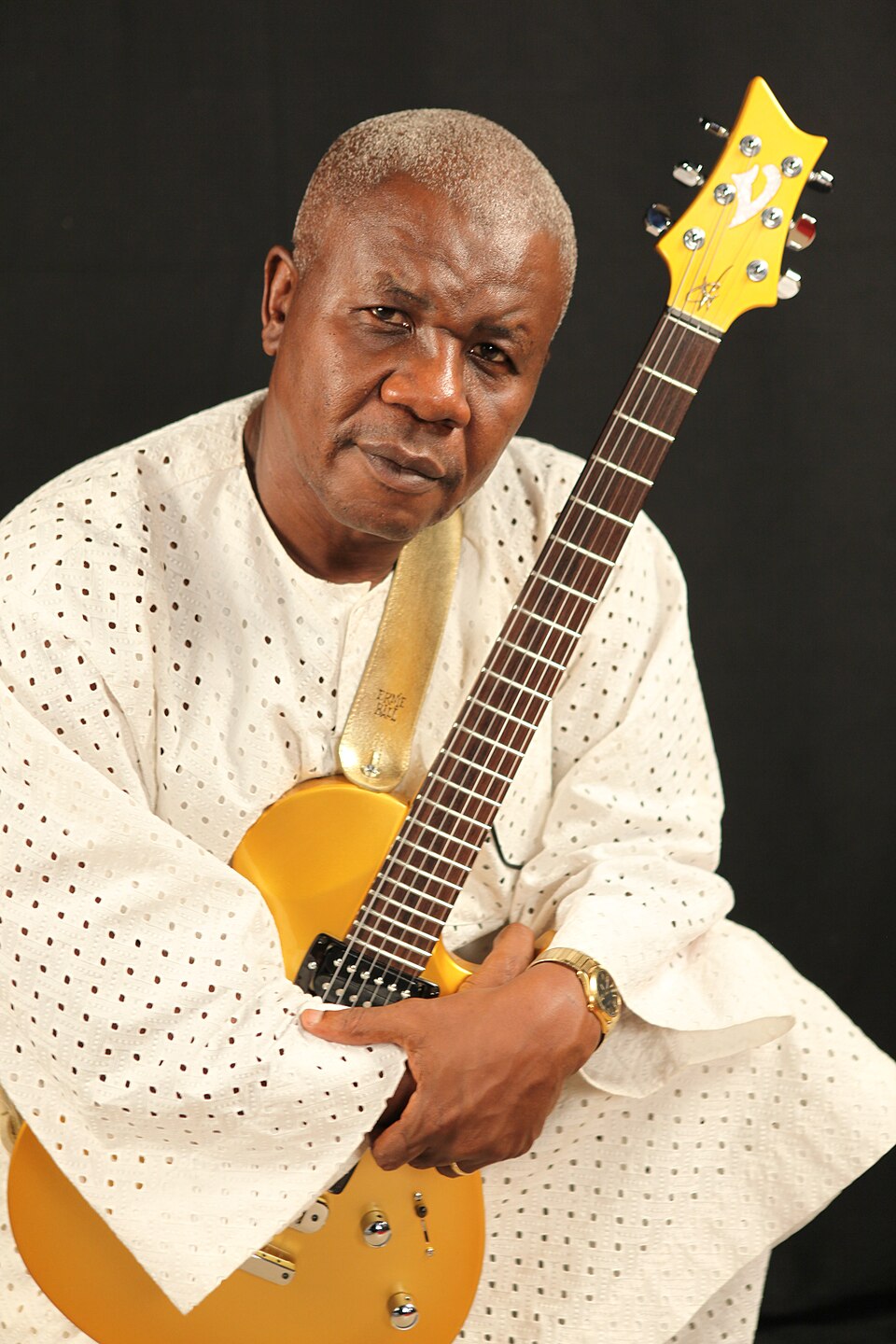
In 2008, a radio-banned song became the anthem for young Cameroons who took to the streets to protest against a president seeking to remain in power. Lapiro de Mbanga, whose real name is Lambo Sandjo Pierre Roger, turned the guitar into a political weapon, paying with his freedom for the privilege of saying what everyone else was silent about.
In brief
| Full name | Lambo Sandjo Pierre Roger |
| Stage name | Lapiro de Mbanga |
| Birth | April 7, 1957, Mbanga, Cameroon |
| Death | March 16, 2014 (56 years), Buffalo, United States |
| Genre | Makossa, Cameroonian music |
| Instruments | Drums, guitar, vocals |
| Notable works | “Pas d’argent, no love”, Ndiga Man, “Constitution constipée” |
| Awards | Freedom to Create Imprisonned Artist Award (2010) |
Key dates
| Year | Event |
|---|---|
| 1957 | Birth in Mbanga, Littoral region |
| 1985 | National success with “Pas d’argent, no love” |
| 2008 | Composition of “Constitution constipée”; arrest on April 9 |
| 2010 | International liberation campaign (UN, Freemuse, Freedom Now) |
| 2011 | Released on April 8; return to the stage in Lille |
| 2012 | Political asylum granted in the United States; settled in Buffalo |
| 2014 | Death from cancer in Buffalo |
From Mbanga to the heart of dissent
Lapiro de Mbanga was born Lambo Sandjo Pierre Roger on April 7, 1957, in Mbanga, a small town in the Cameroonian Littoral region. In this area, plantation workers earned fifteen dollars a day for seventeen hours of labor—a childhood memory he carries with him when inventing his stage name: Lapiro is an acronym for LAmbo Pierre Roger, and Mbanga is the village where he was born.
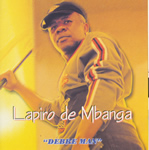
From 1973–1974, he left school and joined a local orchestra without knowing how to play. He explained that he learned the drums on the job and considers himself a gift from God. Very quickly, he wanted to sing and took up the guitar by observing others. His lively playing earned him the nickname Ndinga Man (or Ndinga Man International), “the man with the guitar.” His music, grafted onto makossa—a Cameroonian rhythm born in the 1950s–60s, a blend of Congolese rumba and soukous—stands out for its biting lyrics. Since the 1980s, Lapiro composed songs describing corruption, street poverty, and the illusions of elites.
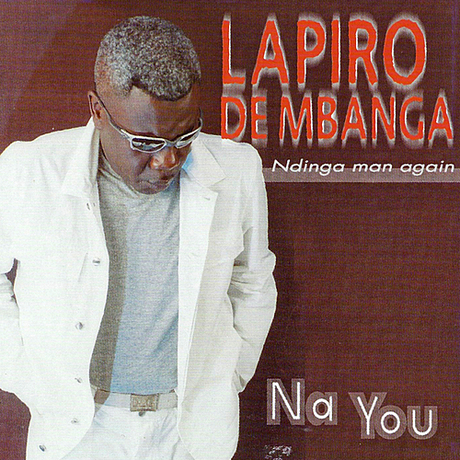
His voice echoed that of workers, the unemployed, and youth who populated Douala’s train stations. He was regularly censored by authorities: his records were seized, and his radio appearances banned. He retorted with titles like “No Make Erreur”, “Kop Nie”, “Mimba We”, and “Na You,” each song a reminder to face reality.
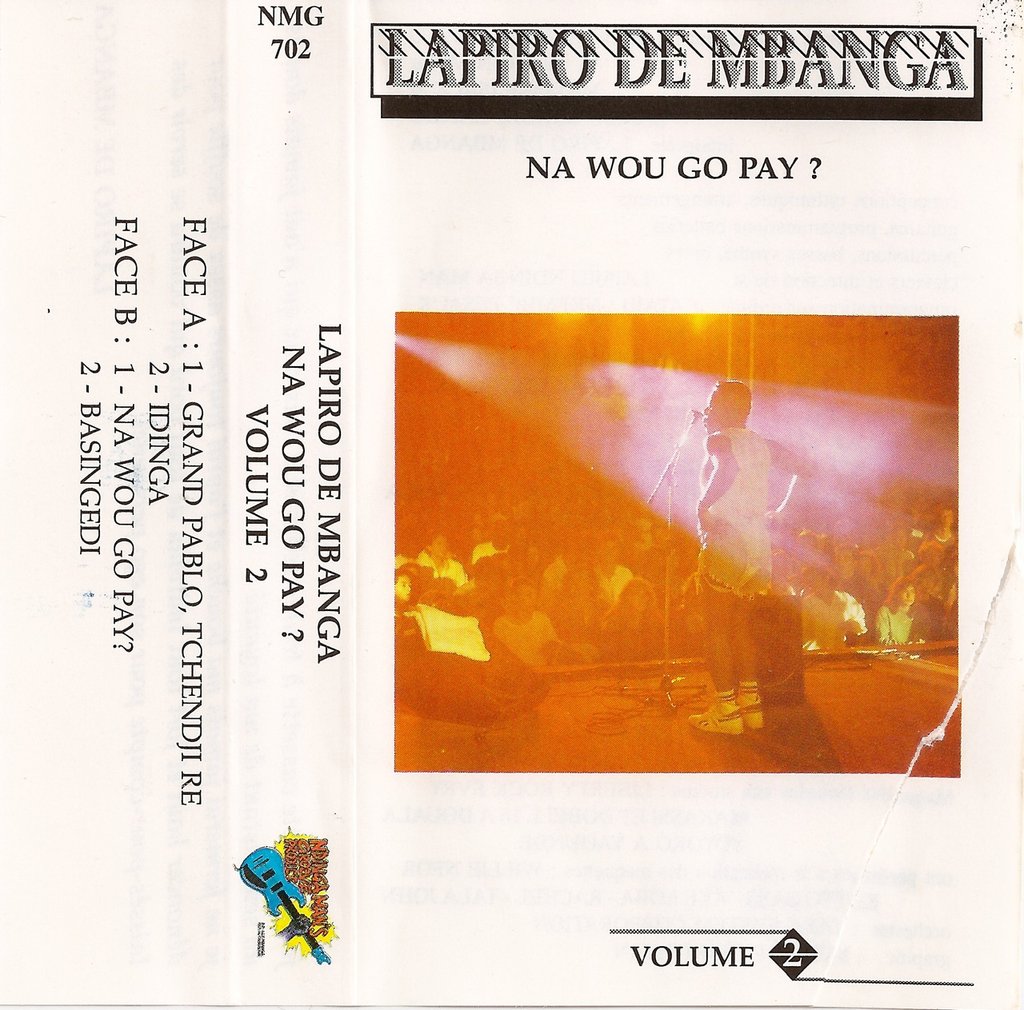
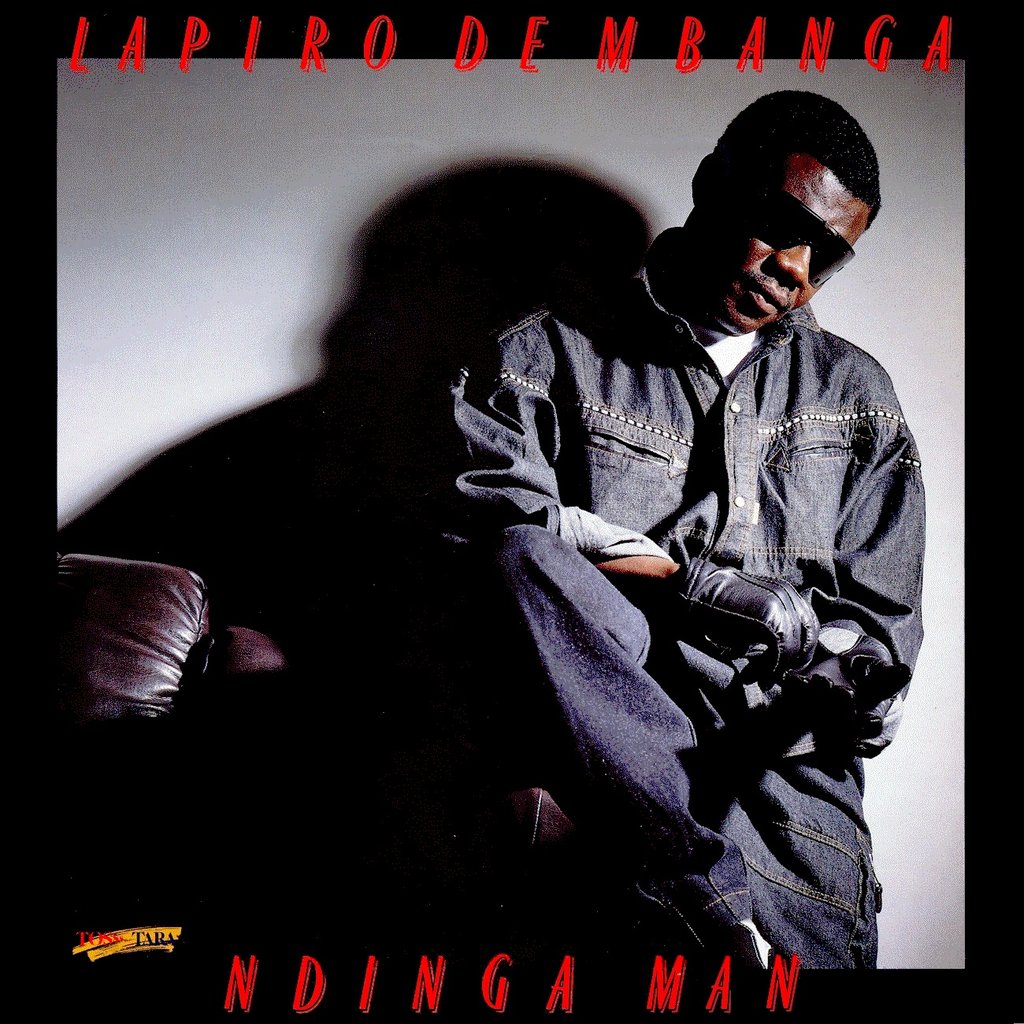
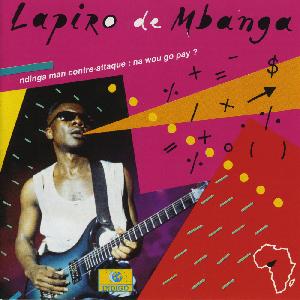
In 1991, he released the album Ndiga Man, followed in 1993 by Na Wou Go Pay?, two high-tech dance albums that made him a master of the studio.
The consecration came in 2008. He composed “Constitution constipée”—a sarcastic song mocking the constitutional amendment project allowing President Paul Biya to run for a sixth term. The song, banned from airwaves, was taken up by thousands of students. On April 9, police arrested him for complicity in violence and illegal gatherings. In September, the Douala Tribunal de Grande Instance sentenced him to three years in prison and a fine of 280 million CFA francs.
He was incarcerated at New Bell prison in Douala, an overcrowded penitentiary nicknamed “hell on earth.” In December 2009, he contracted typhoid fever; his wife Louisette brought him antibiotics, traveling five hours daily. An international coalition—Freemuse, Freedom Now, PEN International—launched campaigns for his release. The UN Working Group on Arbitrary Detention declared his arrest contrary to the International Covenant on Civil and Political Rights. He also received the Freedom to Create Imprisonned Artist Award.
Lapiro was released on April 8, 2011. He returned to the stage in Lille in July, then embarked on a series of concerts across Europe, Canada, and the United States. On September 2, 2012, he was granted political asylum in the United States and settled in Buffalo. In 2013, the Supreme Court of Cameroon annulled his conviction; on March 16, 2014, he passed away from cancer at the age of 56.
Major works
| Work | Year | Why it is essential |
|---|---|---|
| “Pas d’argent, no love” | 1985 | Foundational hit that established Lapiro on the Cameroonian stage |
| Ndiga Man | 1991 | Dance album affirming his status as Ndinga Man |
| “Constitution constipée” | 2008 | Protest song that became the anthem of demonstrations |
| Na Wou Go Pay? | 1993 | Second album affirming his unique sound |
Legacy
Lapiro de Mbanga remains in Cameroon a tutelary figure of musical activism. His songs are still played in Douala markets and Yaoundé taxis, decades after their release. Johns Hopkins University published a book in his memory, The Life and Times of a Cameroonian Icon, and the Freedom to Create award he received while in prison now appears on lists honoring imprisoned artists. His life illustrates that music can be a political act without ever abandoning dance. “My struggle has always been to denounce inequalities, and danger is part of this mission,” he wrote from his cell in 2010. This message, more than his songs, now constitutes his legacy.
Sources and references
- “Lapiro de Mbanga: Cameroon protest singer dies”, BBC News, March 17, 2014, https://www.bbc.com/news/world-africa-26617430, accessed October 23, 2026.
- “Mourning a Musical Dissident”, Foreign Policy, March 19, 2014, https://foreignpolicy.com/2014/03/19/mourning-a-musical-dissident/, accessed October 23, 2026.
- Lapiro de Mbanga, Wikipedia (EN), https://en.wikipedia.org/wiki/Lapiro_de_Mbanga, accessed 23 October 2026.
- Lapiro de Mbanga, Wikipedia (FR), https://fr.wikipedia.org/wiki/Lapiro_de_Mbanga, accessed 23 October 2026.
- Lapiro de Mbanga, AllMusic, https://www.allmusic.com/artist/lapiro-de-mbanga-mn0001625385, accessed 23 October 2026.
- Lapiro De M’banga, Discogs, https://www.discogs.com/artist/1940928, accessed 23 October 2026.
- “Press release: Singer Lapiro de Mbanga was released from New Bell Prison”, Freemuse, https://freemuse.org/news/press-release-singer-lapiro-de-mbanga-was-released-from-new-bell-prison, accessed 23 October 2026.
- “Sad News: we mourn the passing of Lapiro de Mbanga”, Freedom Now, 17 March 2014, https://freedom-now.org/sad-news-we-mourn-the-passing-of-lapiro-de-mbanga, accessed 23 October 2026.
- “Cameroon: Interview with singer Lapiro de Mbanga in ‘Smashed Hits 2.0’”, Freemuse, https://freemuse.org/news/cameroon-interview-with-singer-lapiro-de-mbanga-in-smashed-hits-2-0, accessed 23 October 2026.
- “Press release: UN expert group: ‘Cameroon should compensate Lapiro’”, Freemuse, https://freemuse.org/news/press-release-un-expert-group-cameroon-should-compensate-lapiro-3, accessed 23 October 2026.