Biography
Leroy Sibbles
The young man was not yet twenty when Jackie Mittoo, keyboardist at Clement Dodd’s Studio One, handed him a bass guitar. It was 1967 or 1968; rocksteady was gaining momentum, and Mittoo needed a bassist. Leroy Sibbles hesitated for a moment—he barely knew how to play—then took the instrument. That evening, in the dressing room of a Kingston club, he discovered that one of the most influential lines in reggae was being born under his fingers, with that subtle offset that would build his empire: playing after the beat.
In Brief
| Full Name | Leroy Sibbles, known as Leroy Sibbles (two bs) |
| Birth | January 29, 1949, Kingston (Jamaica) |
| Genre | Reggae, rocksteady — vocals and electric bass |
| Founding Group | The Heptones (with Barry Llewellyn and Earl Morgan) |
| Notable Works | “Ting a Ling”, Book of Rules, “Full Up” |
| Awards | Juno Award (1987), U-Know Award (1983) |
Key Dates
| Year | Event |
|---|---|
| 1949 | Born in Kingston, Trench Town |
| 1965 | Joined The Heptones after winning a street contest |
| 1967-73 | Bassist and arranger at Studio One |
| Early 1970s | Recordings with Harry J, Trojan, Island Records |
| 1973 | Moved to Canada; stayed for twenty years |
| 1980s | Toronto reggae scene, album Strictly Roots |
| 1987 | Juno Award for Best Reggae Album |
| 1991 | Returned to The Heptones |
| 2009 | Featured in the doc. Rocksteady: The Roots of Reggae |
From Trench Town to Studio One: Building Reggae from the Inside
Son of a Trench Town grocer, Leroy Sibbles grew up immersed in Gospel harmonies and street singing. He started playing guitar at fifteen, aided by a Rastaman named Brother Huntley. “The guys were doing their day job while I was writing almost every night,” he recalls. “Inspiration flowed like water.”
In 1965, he joined the trio The Heptones by beating a rival group in a street contest—his companions, Barry Llewellyn and Earl Morgan, accepted this surprise. “It was something spiritual,” he explains about the group’s beginnings. “It was nothing we had planned… We came from Trench Town. Like children growing up, direction was there for us. It happened like magic.” The Heptones’ first single was released in 1966, “Gun Man Coming to Town” on the A-side. It wasn’t a hit, but the RJR radio played it enough to validate the trio’s ambition. In 1967, The Heptones signed with Clement Dodd’s Studio One, where they stayed until 1971.
It was there that Sibbles discovered another face of reggae. Jackie Mittoo, bandleader at Studio One, introduced him to bass when he needed a live bassist. Sibbles learned on the job, backstage and in the studios. When Mittoo left Studio One in 1973 to pursue a career in Canada, Sibbles succeeded him as chief arranger—a round-the-clock arc welding outside, but building from the inside the sonic foundations of Jamaica’s most prolific label. “I was always looking for a new way to do it,” he tells United Reggae. “Most people started before or on the beat, but I played after the beat.” This offset became his signature and spread throughout rocksteady and then roots reggae.
The Studio One sessions of the 1967–73 period were a fireworks display of which Sibbles was both spectator and architect. He played bass on hundreds of records—Bob Andy, Alton Ellis, Horace Andy, Ken Boothe, John Holt, Burning Spear, Dennis Brown, The Abyssinians. He also arranged the brass and contributed to tracks that would become reference riddims: “Full Up”, “Satta Massagana”, and the rhythmic base used by Musical Youth for their hit “Pass the Dutchie”. Horace Andy dedicated “Mr Bassie” to him—a peer recognition worth all awards. “If people still need you, you’re a have been—not a has been,” he summarizes for CBC radio in 2026. He also marked reggae with “Full Up”, a bass line that spans decades.
Canada and Legacy: Reggae That Keeps Grooving
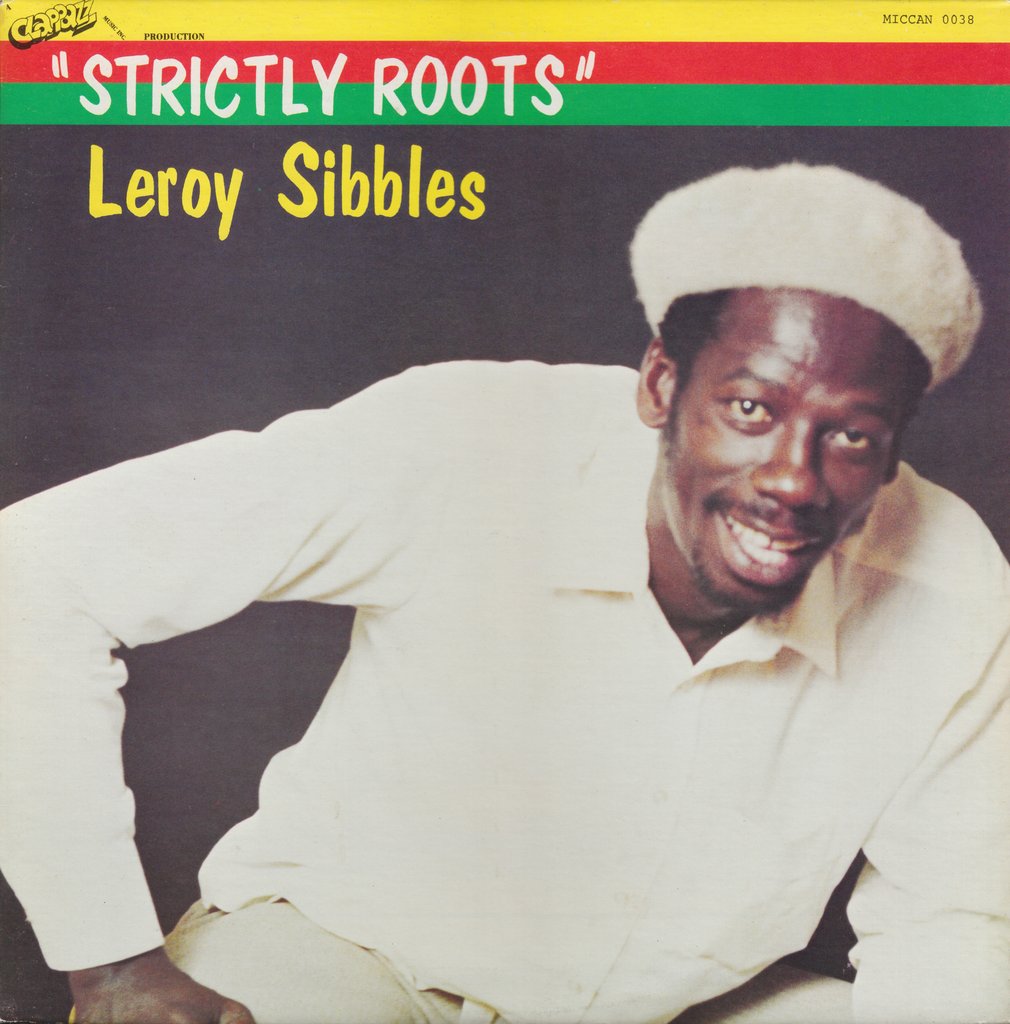
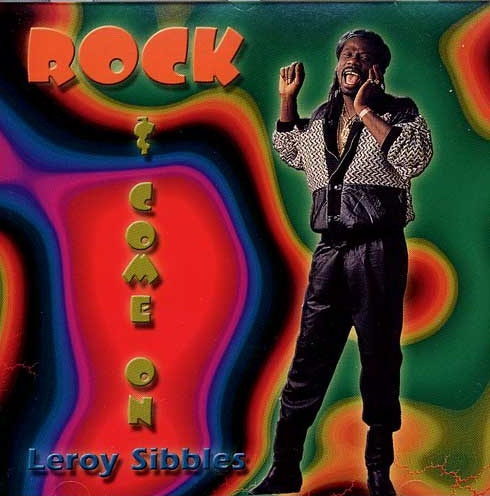
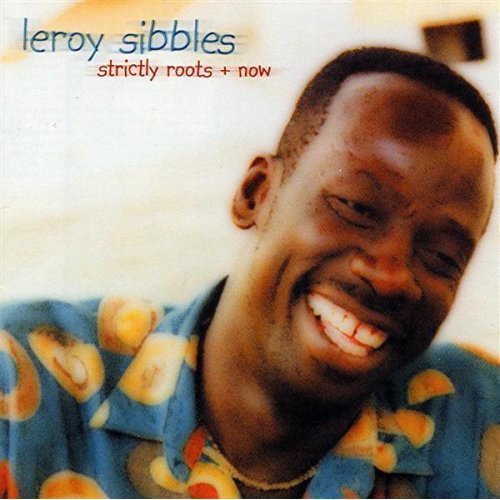
In 1973, Sibbles moved to Canada with The Heptones. He stayed for twenty years and saw the Toronto reggae scene emerge in clubs like the Bamboo. He recorded an album for A&M, collaborated with Bruce Cockburn on the bass for the hit Wondering Where the Lions Are (1979), and won a Juno Award in 1987 for Strictly Roots, released on Pete Weston’s Micron label. “I think going to Canada was the worst thing that ever happened to me,” he admits, “because I drifted away from what was happening here in Jamaica.”
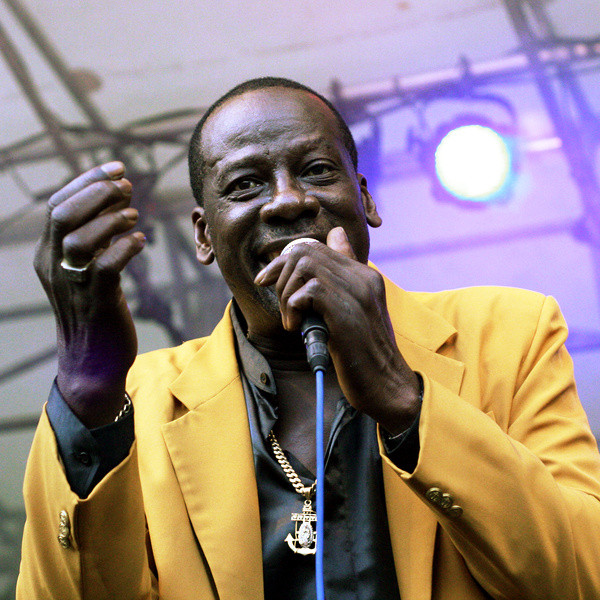
He regrouped The Heptones in 1991, toured the world for more than twenty years, and returned to Studio One as a guest of honor. He collaborated with Beenie Man on “Original Full Up” (1996), appeared in the documentary Rocksteady: The Roots of Reggae (2009), and continues to play, record, and instruct young bassists.
Major Works
| Work | Year | Why It’s Essential |
|---|---|---|
| “Ting a Ling” (The Heptones) | ~1968 | Rocksteady vocal anthem, perfect harmonies, Sibbles signature bass |
| Book of Rules (The Heptones) | ~1973 | Sibbles arrangements, incisive bass |
| “Full Up” (Sibbles instrumental) | ~1968-70 | Base for the global hit “Pass the Dutchie” by Musical Youth |
| Strictly Roots (Leroy Sibbles) | 1980 | Major solo album, Roots Radics rhythms, Sibbles production |
| “Satta Massagana” (The Abyssinians) | ~1969 | Sibbles on bass and arrangements—spiritual roots classic |
Heritage and influence
Leroy Sibbles left his mark on reggae through three things: his bass line, his arranger’s ear, and his brass melodies at Studio One. His after the beat lines are a masterclass in rhythmic design, still studied by bassists who want to understand what distinguishes rocksteady from reggae. Bassists Aston « Family Man » Barrett, Jackie Jackson, and Boris Gardiner shared the same throne — but Sibbles is one of the few who also arranged the brass and produced the sessions. The rhythms he recorded at Studio One continue to fuel dub and dancehall culture: every artist who takes the riddim “Full Up” or “Door Peep” for a new version echoes his genius.
Sources and references
- « Leroy Sibbles », Wikipédia, https://en.wikipedia.org/wiki/Leroy_Sibbles, accessed November 2025.
- « Leroy Sibbles Bio », leroysibbles.com, https://www.leroysibbles.com/bio/, accessed November 2025 (text by Carter Van Pelt).
- « Leroy Sibbles », AllMusic, https://www.allmusic.com/artist/leroy-sibbles-mn0000249389, accessed November 2025.
- « Interview: Leroy Sibbles in Kingston (Part 2) », United Reggae, https://unitedreggae.com/articles/n2308/112717/interview-leroy-sibbles-in-kingston-part-2, by Angus Taylor, 27 Nov. 2017, accessed November 2025.
- « Reggae legend Leroy Sibbles is a “have been, not a has been” », CBC Arts / Q, https://www.cbc.ca/arts/q/reggae-legend-leroy-sibbles-is-a-have-been-not-a-has-been-9.7105171, 25 Feb. 2026, accessed November 2025 (interview by Garvia Bailey).
- « Lifetime Achievement Honoree: Leroy Sibbles », Island Space Museum (Facebook), accessed November 2025.
- Cooke, Mel, « Voice, bass put Sibbles on top », Jamaica Gleaner, 3 Feb. 2006 (cited in Wikipedia).
- BradLee, Lloyd, This is Reggae Music: The Story of Jamaica’s Music, Grove Press, 2000.