Biography
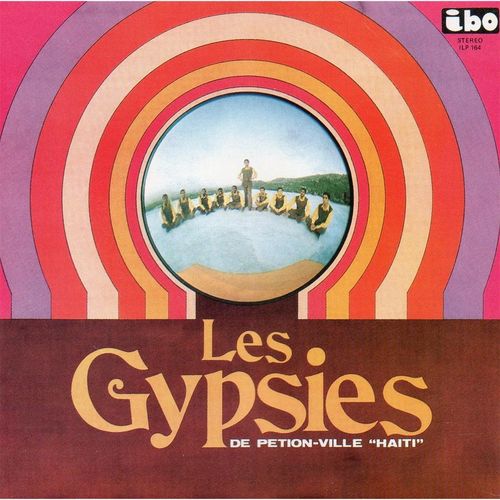
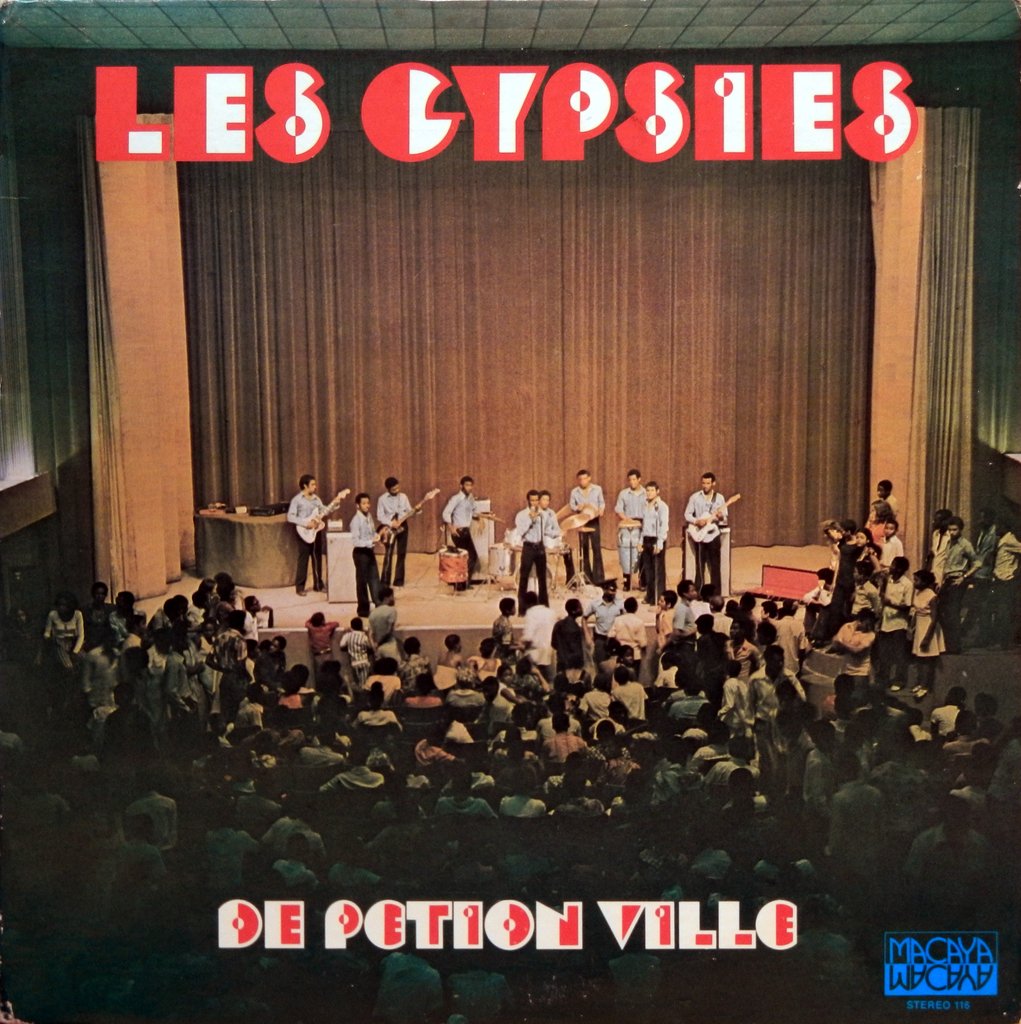
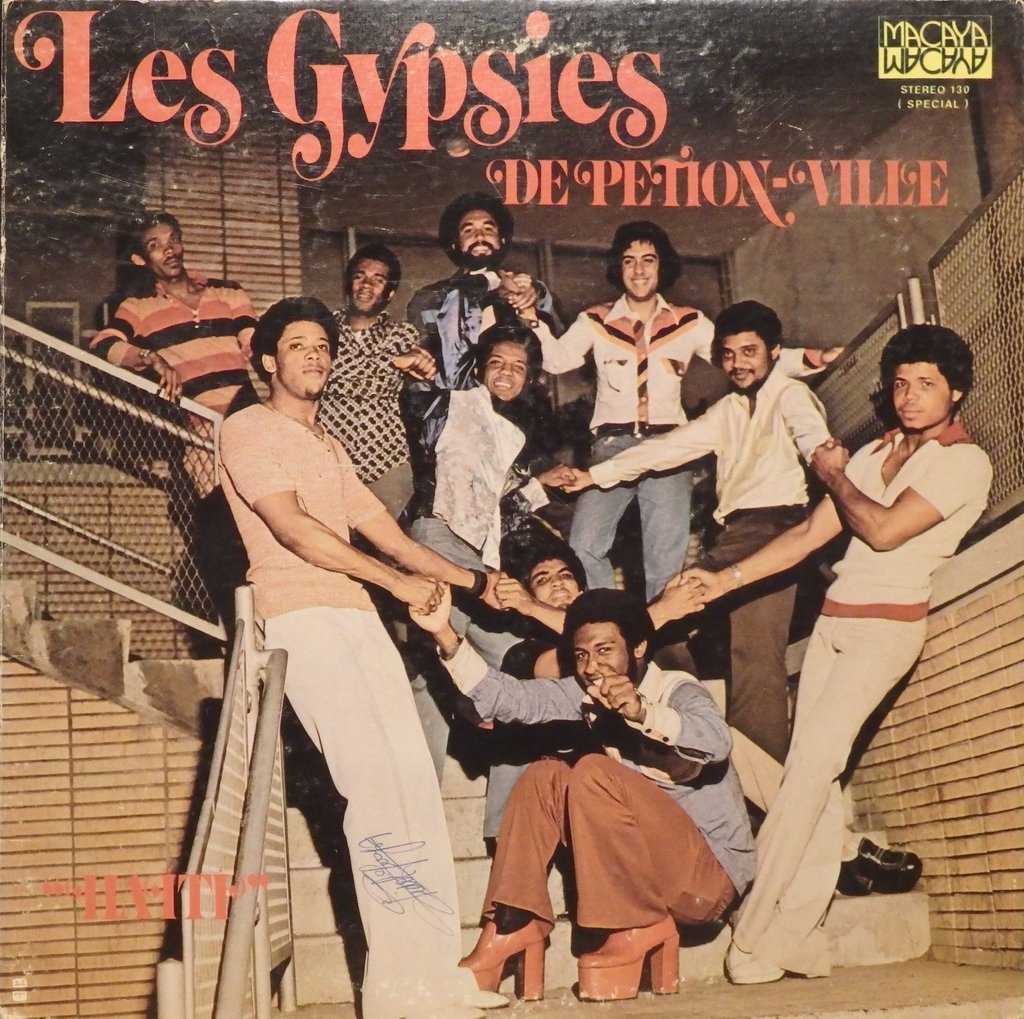
Les Gypsies De Pétion-Ville
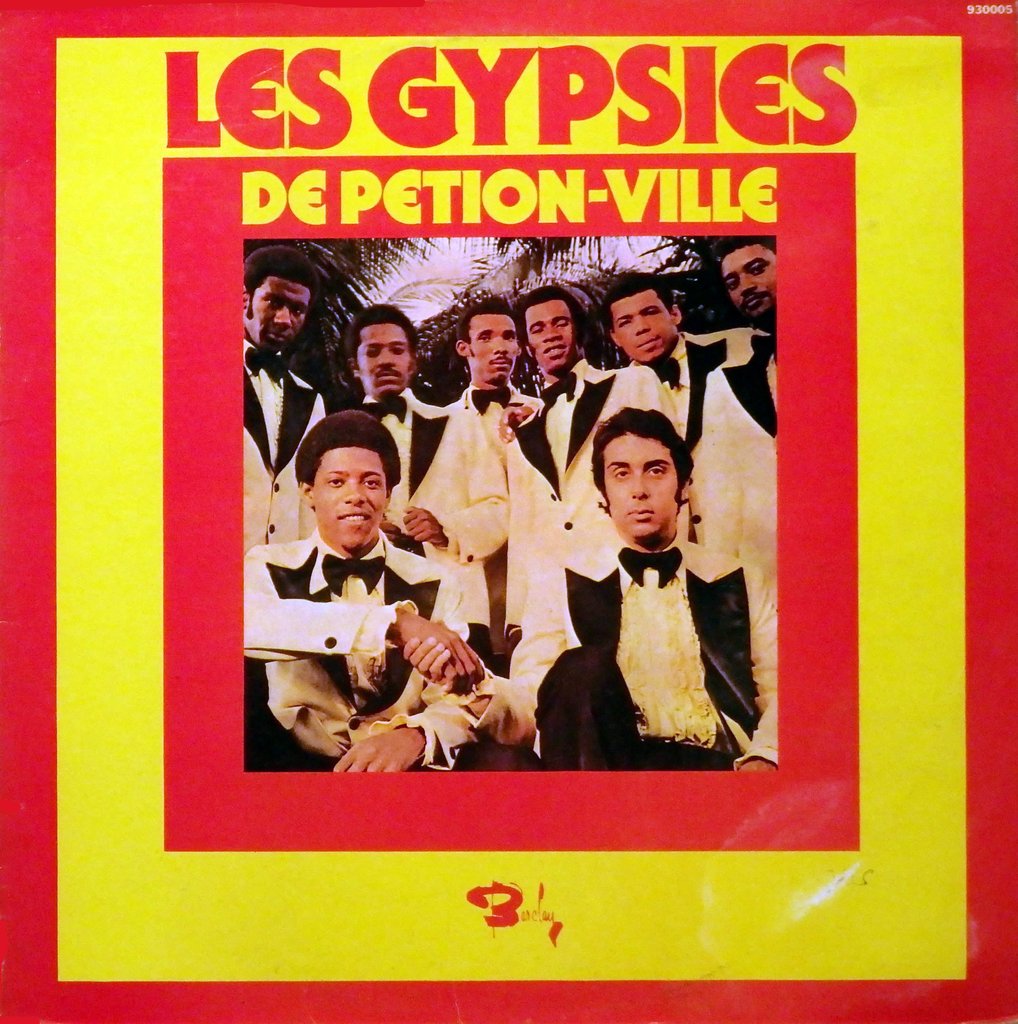
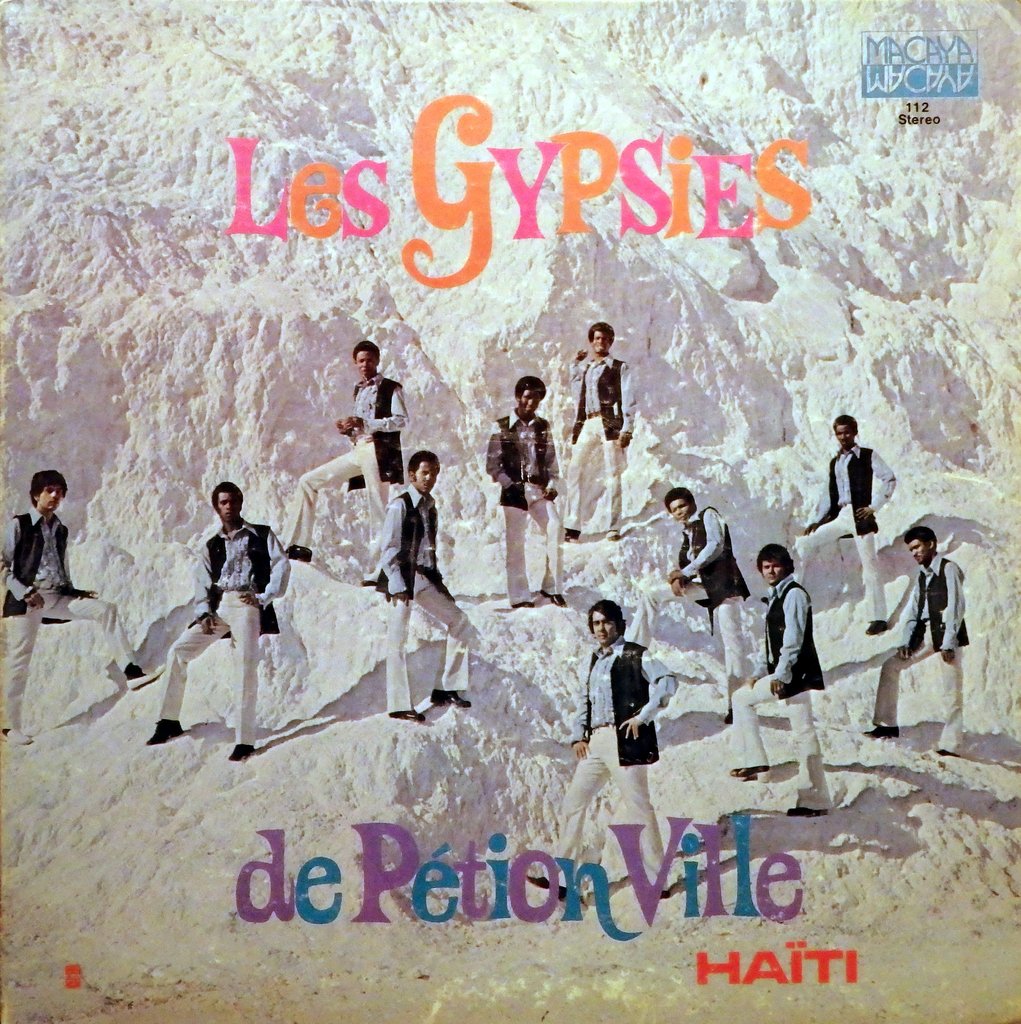
In 1971, in the aristocratic commune of Pétion-Ville, a twenty-year-old guitarist severs the ties that bound him to the group of which he was one of the pillars. His decision immediately sparked a musical rivalry that would rhythmically shape the entire Haitian scene for decades: on one side, Henri Célestin and Les Difficiles; on the other, Robert Martino and the Gypsies. The latter would elevate the Haitian kompa guitar to the status of a full-fledged solo instrument, forging a sound instantly recognizable.
In Brief
| Stage Name | Robert « Tit Robert » Martino |
| Birth | February 15, 1951, Pétion-Ville, Ouest, Haiti |
| Genre | Kompa / Compas (Haitian popular music) |
| Instrument | Guitar, artistic direction |
| Notable Works | “Haiti”, “Patience”, “La Tulipe” |
| Groups | Les Difficiles de Pétion-Ville (1966-71), Les Gypsies de Pétion-Ville (1971-) |
Key Dates
| Year | Event |
|---|---|
| 1951 | Birth of Robert Martino in Pétion-Ville |
| 1966 | Joining Les Difficiles de Pétion-Ville (guitar) under the direction of Henri Célestin |
| 1970-71 | Separation from Les Difficiles; founding of the Gypsies de Pétion-Ville |
| 1971 | Release of “Haiti Album IV – Fierté” — first album by the Gypsies, recorded in Haiti |
| 1973 | Release of “Patience. Volume II” and the first album “Courage (Volume III)” |
| 1975-80 | Period of intense prominence; legendary rivalry with Scorpio Universel |
| 1975 | Release of “La Tulipe”, marking the broadening of the sound (Latin influences) |
| 1984 | “Greatest Hits” — compilation attesting to an already dense legacy |
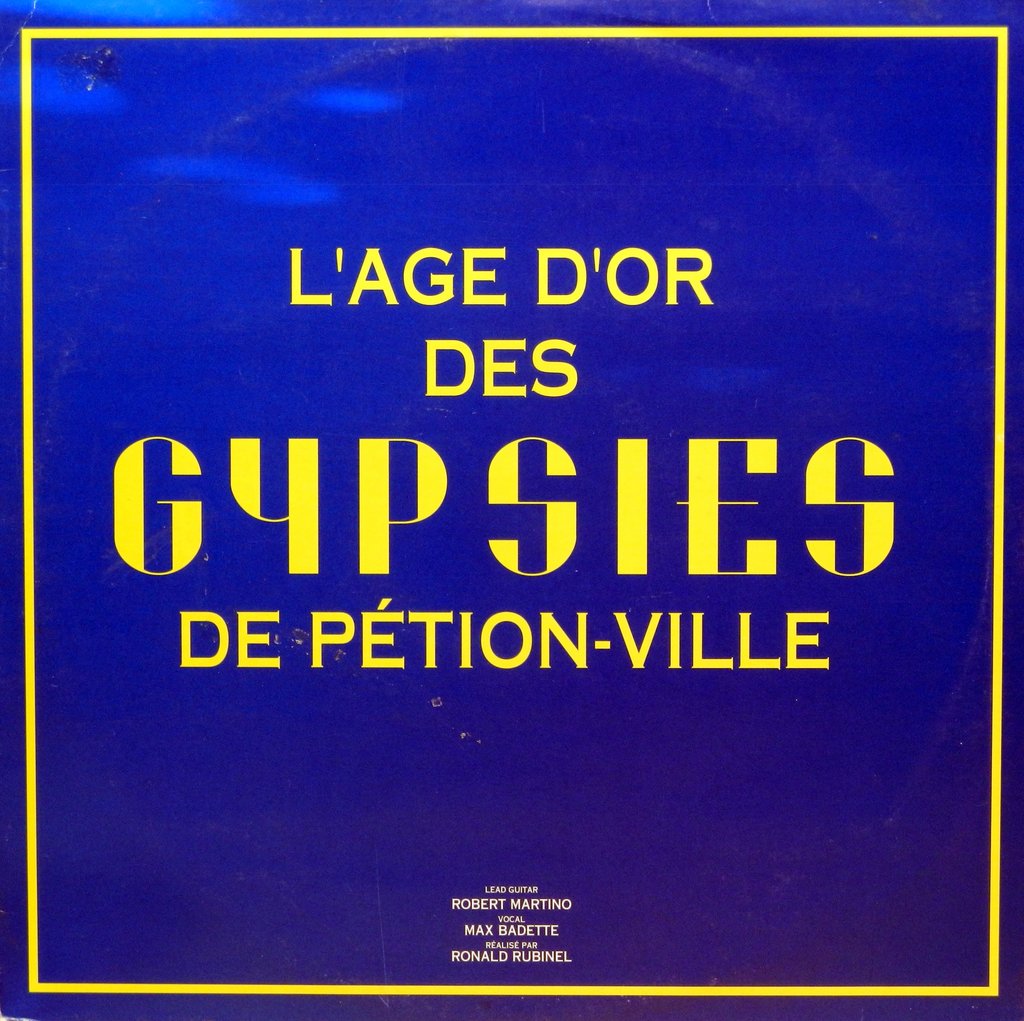
| 2002-16 | Artistic continuity and reissues (“Groove 2002”, “L’âge d’or”) |
The Origins and the Foundational Break
Robert Martino grew up in Pétion-Ville, this high-altitude commune overlooking Port-au-Prince where Haitian elites and the creative energy of popular culture intersect. At sixteen, in 1966, he joined Les Difficiles de Pétion-Ville, one of the most prominent kompa orchestras of the time, alongside Henri Célestin. His guitar playing — precise, melodic, capable of weaving lines that dance on the 2/4 rhythm of the compas — attracted attention and made him a pillar of the group, to the point that some authors cited him as co-musical director.
In 1970-71, the split occurred: Robert Martino decided to found his own ensemble. He named them the Gypsies, a name that, according to tradition reported by journalist Claudel Victor, comes from Pierrot Al-Khal, his brother-in-law — at school, he had been nicknamed the “gypsy” of the class. The young man wore his title with surprising ease: twenty years old, an idea in his head, and a sound already distinctive.
The first members of the ensemble gathered musicians of diverse origins — Billy Dégand, Marc Edmé (drums), Georges Malval (tambourine), José Salgado, Rene-Max Charlmers on bass, and Pierrot Al Khal — around a vision where the Creole guitar took center stage, no longer as rhythmic foundation but as a solo voice. The album “Haiti Album IV – Fierté” (1971, Macaya), recorded in Haiti and led by Robert Martino as maestro, confirmed this ambition: “Compas 2”, “Gypsie En Douce” and the title track immediately became classics.
Revelation, Rivalry, and Consecration
The 1970-1980 decade saw the Gypsies impose a style that detached itself from conventional compas. Martino introduced Latin accents — touches of Cuban sound, harmonies close to Afro-Cuban jazz — while maintaining the dancing groove that is the hallmark of Haitian compas. The album “Patience. Volume II” (1973) and the subsequent release “Courage” did the same: compositions where each track tells a story, alternating between smooth melodies and engaging rhythms. The song “Le Vrai Bonheur”, the instrumental “Toi & Moi” or the tracks “Espoir” and “Sabotage” (on “La Tulipe”, 1975) confirm a broad palette, far from a simple club-mbilia or dance format.
This success is set against a bubbling Haitian musical context. Pétion-Ville is the crucible where Vodou tradition, Caribbean influences, and modernity blend. The Gypsies did not merely play; they documented a country in motion, and music became, for many listeners, the reflection of a society that was both proud and fragile. The rivalry with Scorpio Universel — the other great orchestra of Pétion-Ville, led by the immense Claude Robert — is mythical: two guitarists, two visions, two perspectives on kompa. This face-off electrified concert halls and made headlines in Haitian music press.
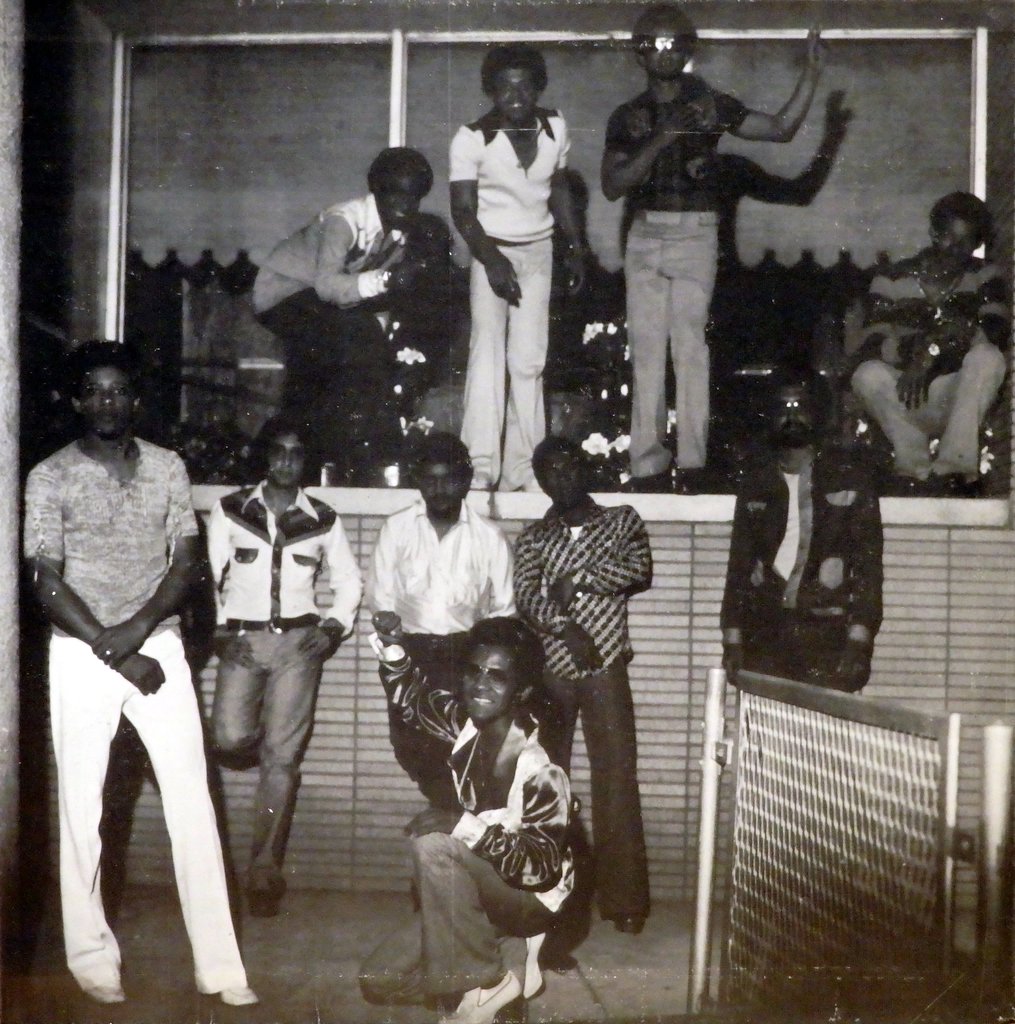
In 1975, the group experienced a turning point: Claude Marcelin, known as « Ti Claude », another talented guitarist, joined the formation as maestro. This “2nd version” — sometimes called “Les Gypsies de Pétion-Ville (2ème version) 1975” — broadened the instrumental spectrum with figures like Toto Laraque (vocals), Alix Paul and Wilson Desrosiers on rhythm guitars, and strengthened the rhythmic setup. The music gained harmonic density while retaining the Martino imprint.
Major Works
| Work | Year | Why it is Essential |
|---|---|---|
| “Haiti Album IV – Fierté” | 1971 | First album; establishes the Gypsies sound — solo guitar, compas rhythms, Latin influences |
| “Patience. Volume II” | 1973 | Melodic peak; standard tracks like “La Priè”, “Gagotte” and “Si Demain” |
| “Courage (Volume III)” | 1973-2010 | Repetition of the title testifies to artistic permanence; “A Coup Sur”, “Siecle Moderne” |
| “La Tulipe” | 1975 | Harmonic broadening; “Espoir”, “Sabotage” and “Pacole” show Martino’s ambition |
Heritage and Influence
The name Robert “Tit Robert” Martino is today synonymous with an era when the Haitian kompa guitar invented its own language. The Gypsies of Pétion-Ville never sought to follow international trends; they carved a path — between Creole tradition and Latin openness — that inspired generations of Haitian guitarists, from Tabou Combo to Scorpio, passing through the young musicians of the mizik rasin movement of the 1990s. Recent reissues (“Tanbou Toujou Lou” — Ostinato Records compilation, 2016; “L’Integrale 2025”) remind us that this repertoire remains alive, listened to, and rediscovered.
Sources and References
- “Les Gypsies De Pétion-Ville — Haiti”, Discogs, https://www.discogs.com/release/2450514-Les-Gypsies-De-P%C3%A9tion-Ville-Haiti-Les-Gypsies-De-P%C3%A9tion-Ville-Haiti, accessed November 5, 2026.
- “Les Gypsies De Petion Ville — Biography, Discography”, AllMusic, https://www.allmusic.com/artist/les-gypsies-de-petion-ville-mn0000650122, accessed November 5, 2026.
- Claudel Victor, “The Legendary Journey of Gypsies and Scorpio Universel”, Le Nouvelliste, https://lenouvelliste.com/en/article/258441/the-legendary-journey-of-gypsies-and-scorpio-universel, July 28, 2025.
- “Les Gypsies de Pétion-Ville (2ème version) 1975”, Haiti Legends / HaitiInter, https://www.facebook.com/groups/HaitiLegends/posts/4696107640511641/, accessed November 5, 2026.
- “HAITI”, Bandcamp — Les Gypsies de Pieton Ville, https://lesgypsiesdepietonville.bandcamp.com/album/haiti, accessed November 5, 2026.
- “Les Gypsies de Petion-Ville”, Apple Music, https://music.apple.com/us/artist/les-gypsies-de-petion-ville/278722514, accessed November 5, 2026.
- Robert “Tit Robert” Martino, Rate Your Music, https://rateyourmusic.com/artist/robert-martino, accessed November 5, 2026.