
Biography
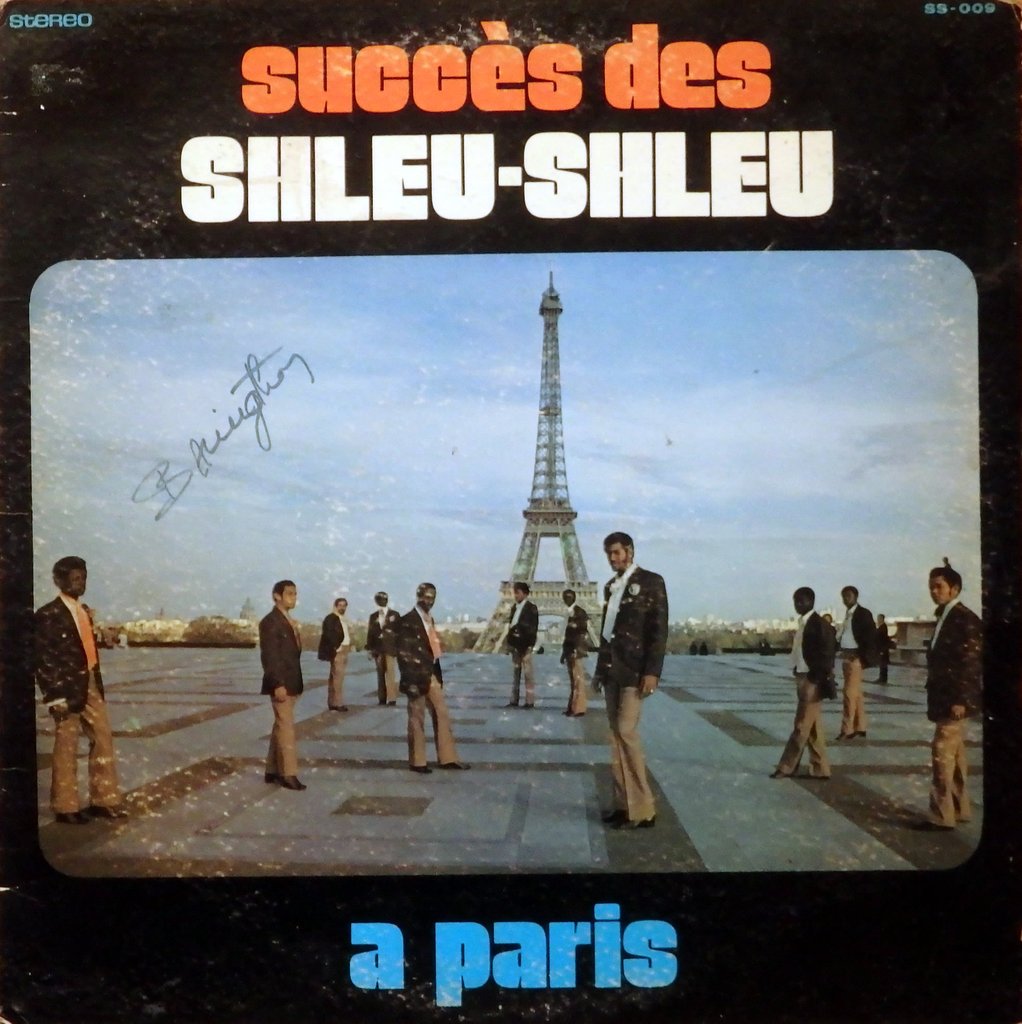
Les Shleu-Shleu
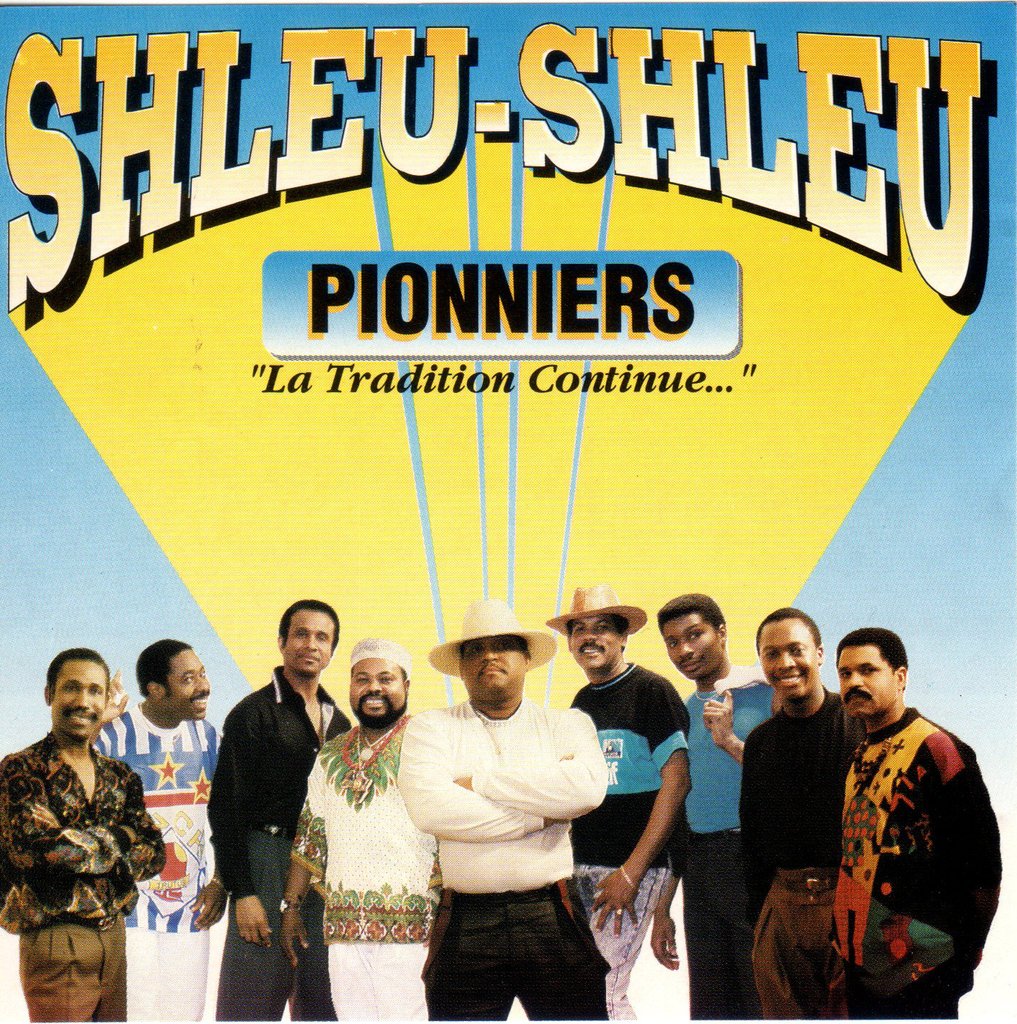
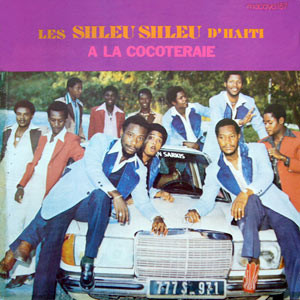
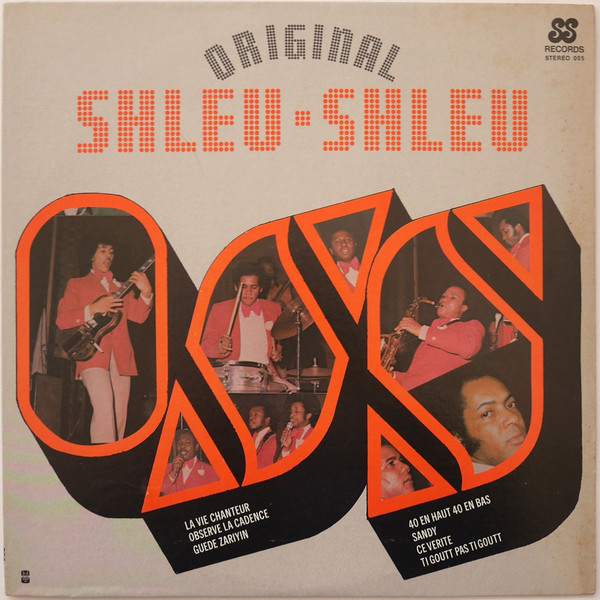
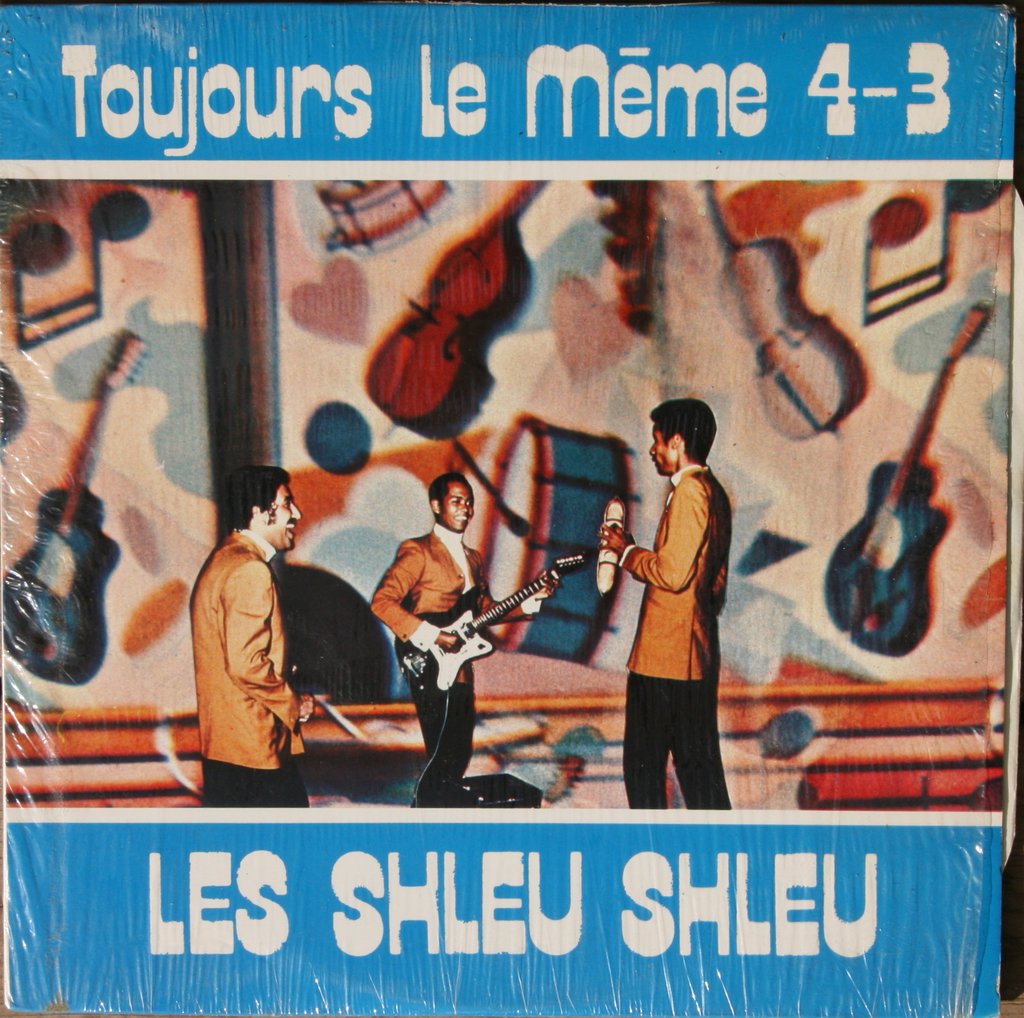
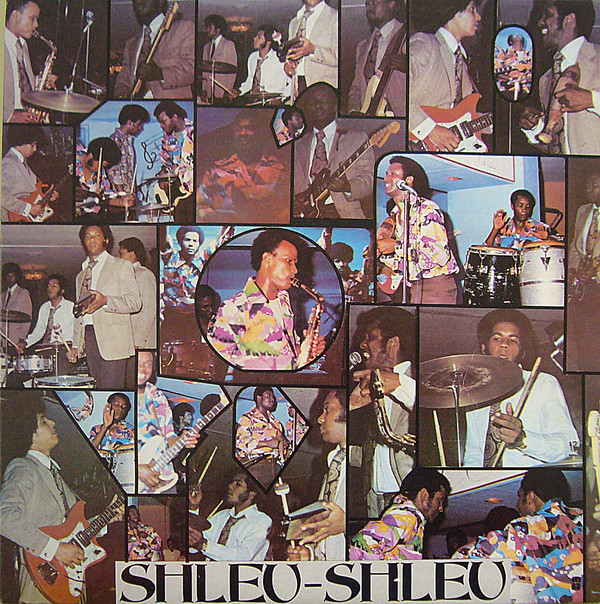
In December 1965, at Cabane Choucoune — one of the best dance halls in Port-au-Prince — a small group of nine musicians took the stage. They were nicknamed “Les Chleu-Chleu”. That same afternoon, Nemours Jean-Baptiste himself christened them “mini-jazz”: the reduced format, just like the mini-skirt that landed in Haiti. This nickname stuck to the group, but also spawned an entire musical movement that would transform Haitian compas and conquer the diaspora.
In Brief
| Group Name | Les Shleu-Shleu (originally “Les Manfoubins”) |
| Formation | December 22, 1965, Bas Peu de Chose, Port-au-Prince |
| Origin | Haiti |
| Genre | Compas (konpa), mini-jazz |
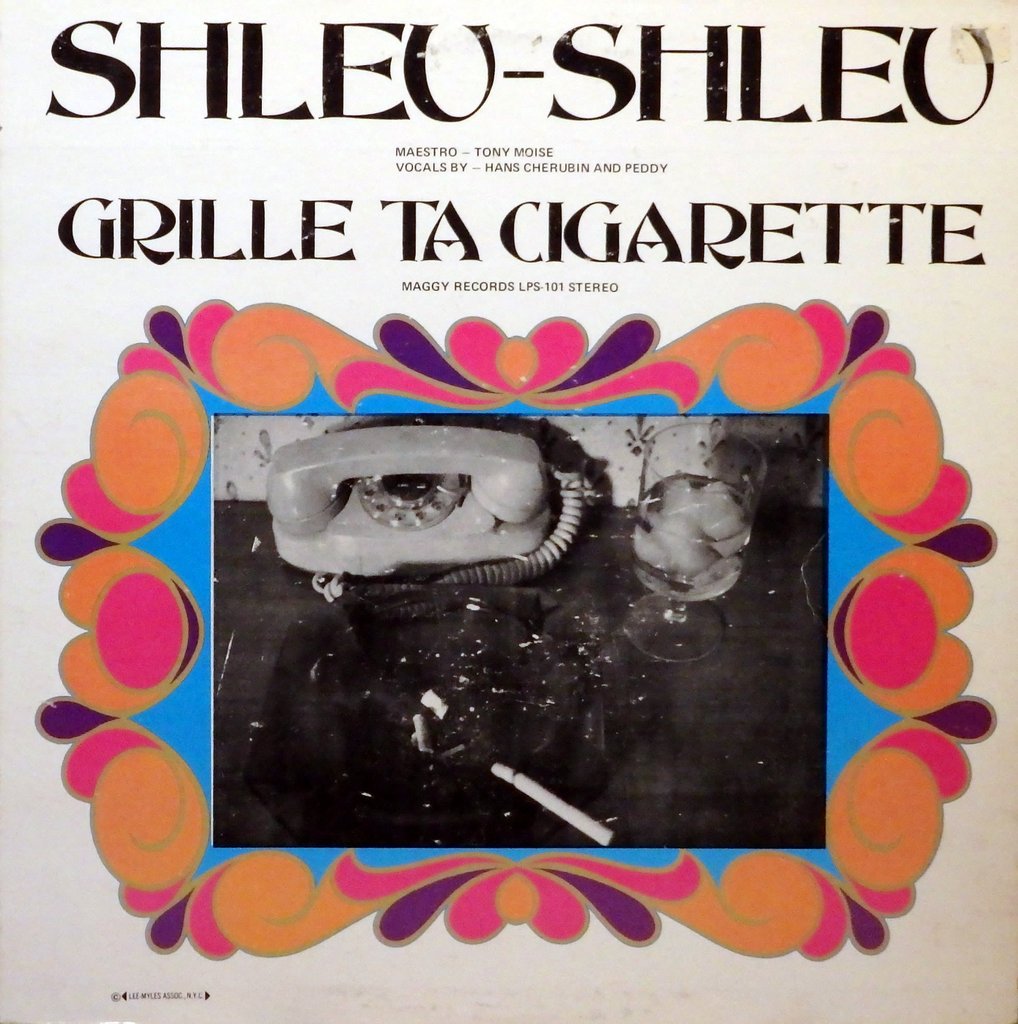
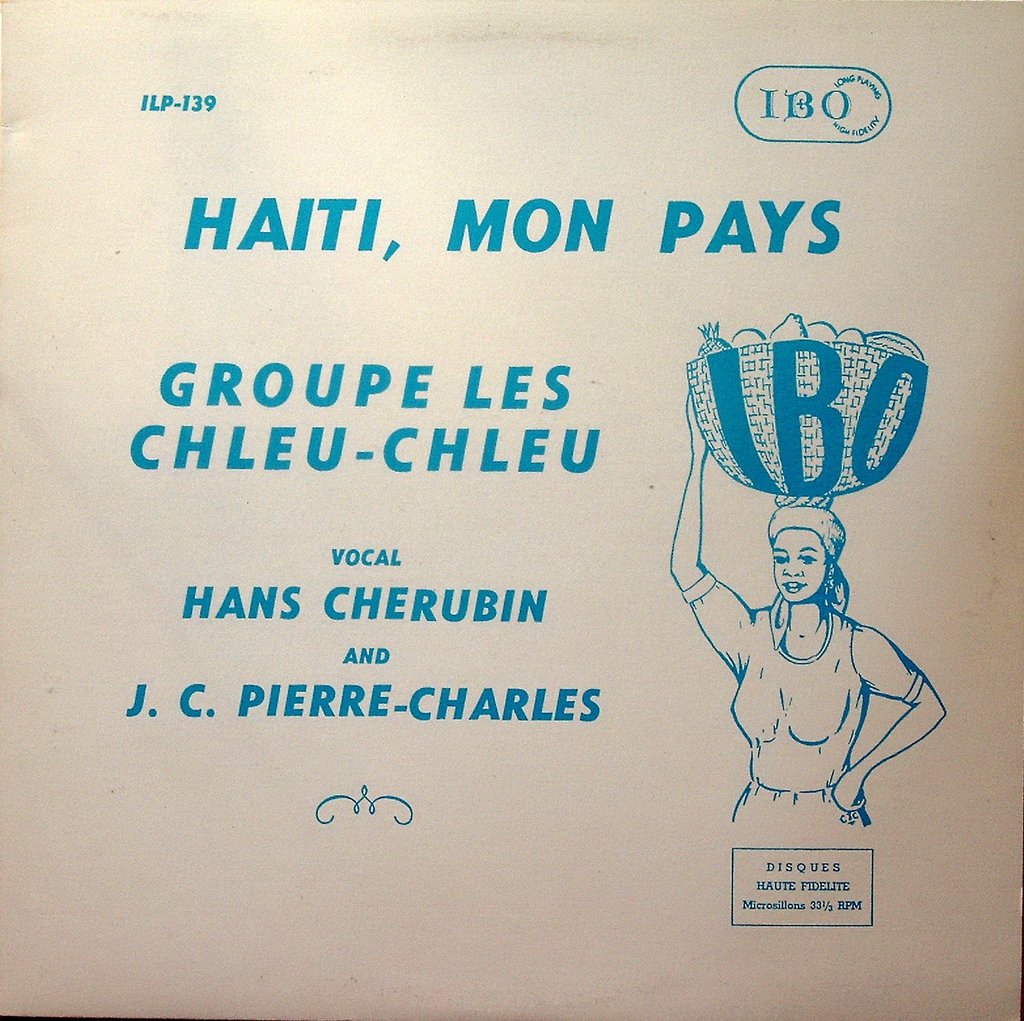
| Signature Works | Haïti, mon pays (1967), “Grille ta cigarette” (1973) |
| Maestro | Tony Moïse (alto saxophone) |
Key Dates
| Year | Event |
|---|---|
| 1940 | Birth of Tony Moïse in Côtes-de-Fer, Haiti |
| 1965 | Group formation in Port-au-Prince; first performance at Cabane Choucoune |
| 1967 | Release of first album, Haïti, mon pays, on IBO Records |
| 1969 | Second album, Haïti, Terre de Soleil (Mini Records) |
| 1970 | Contract with Casa Borinquen, New York; relocation to the diaspora |
| 1973–1976 | Prolific period with numerous albums and international tours |
| 1976 | Departure of some members for New York, formation of Skah Shah #1 |
| 1983 | Album No Money No Honey (Gérônimo Records) — last before a long pause |
| 1991 | Revival by Jean-Baptiste Smith with new musicians |
Origins and Revelation
Tony Moïse was born in Côtes-de-Fer in 1940. As an adolescent in Port-au-Prince, he studied at Lycée Pétion and then at Lycée Toussaint Louverture. His passion for music led him to the alto saxophone, an instrument he learned as a self-taught musician after retrieving a model in repair thanks to his classmate Gérald Alvares.
After a stint with the Lorenceau Brothers, Tony met Jacques Vabre. Upon Vabre’s departure in 1963, several musicians regrouped to form Les Manfoubins. On December 25, 1965, under the impetus of Hugues Jackaman (nicknamed “Dada”), a Haitian businessman of Palestinian origin, the ensemble was reborn under the name Les Chleu-Chleu. This Creole nickname — which means frank, honest — summarized the group’s ambition: a clear sound, without artifice.
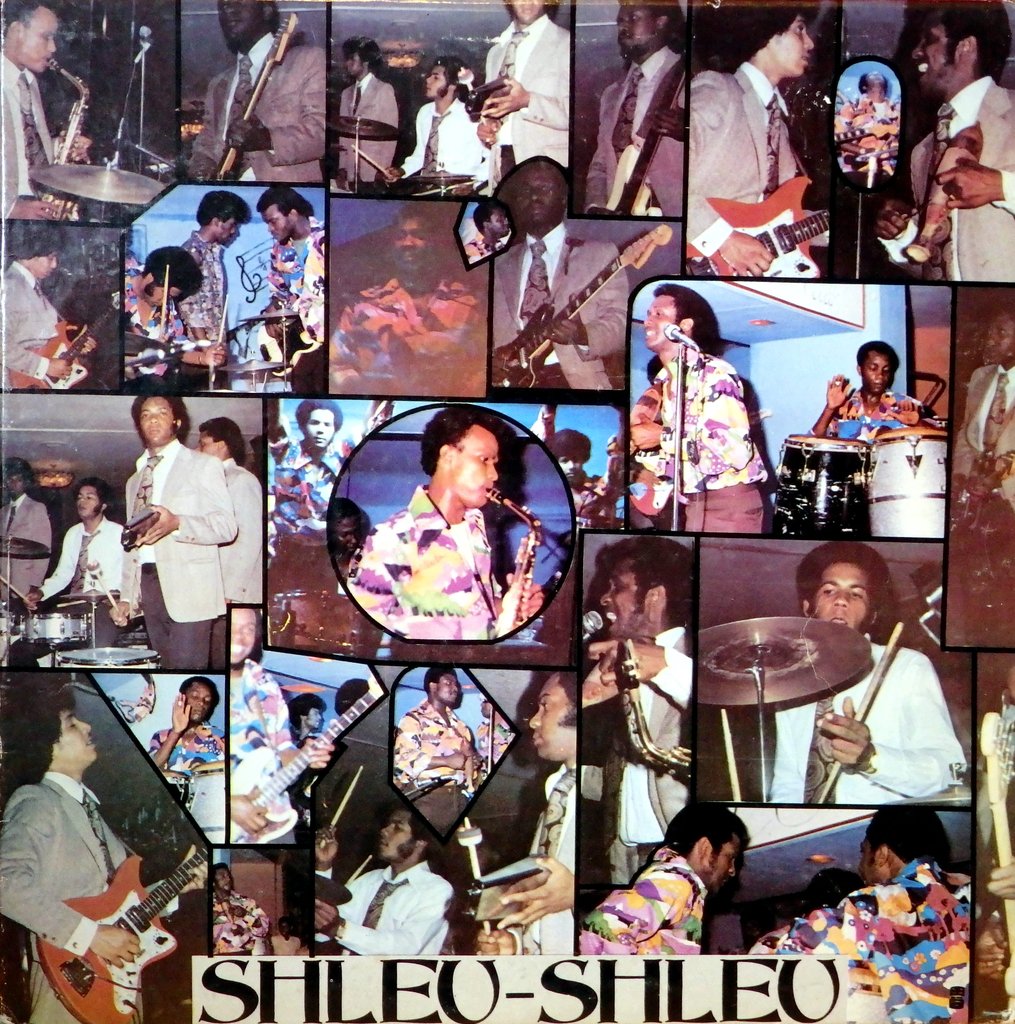
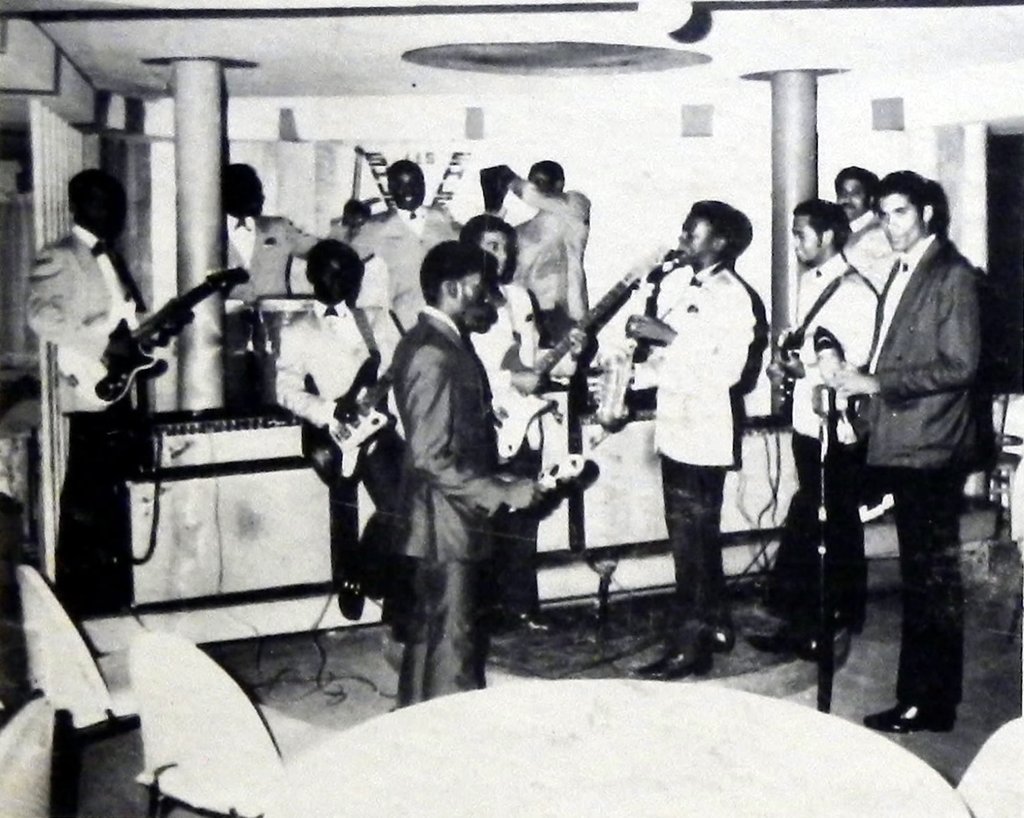
The first concert took place at Cabane Choucoune. The audience, impressed by the sonic power of a reduced formation — two electric guitars, bass, drums, saxophone, and vocals — earned them a nickname launched from the stage by Nemours Jean-Baptiste: mini-jazz. Compas, previously played by large brass orchestras, reinvented itself. Shleu-Shleu proved that a small ensemble could hit harder than an orchestra of fifteen musicians.
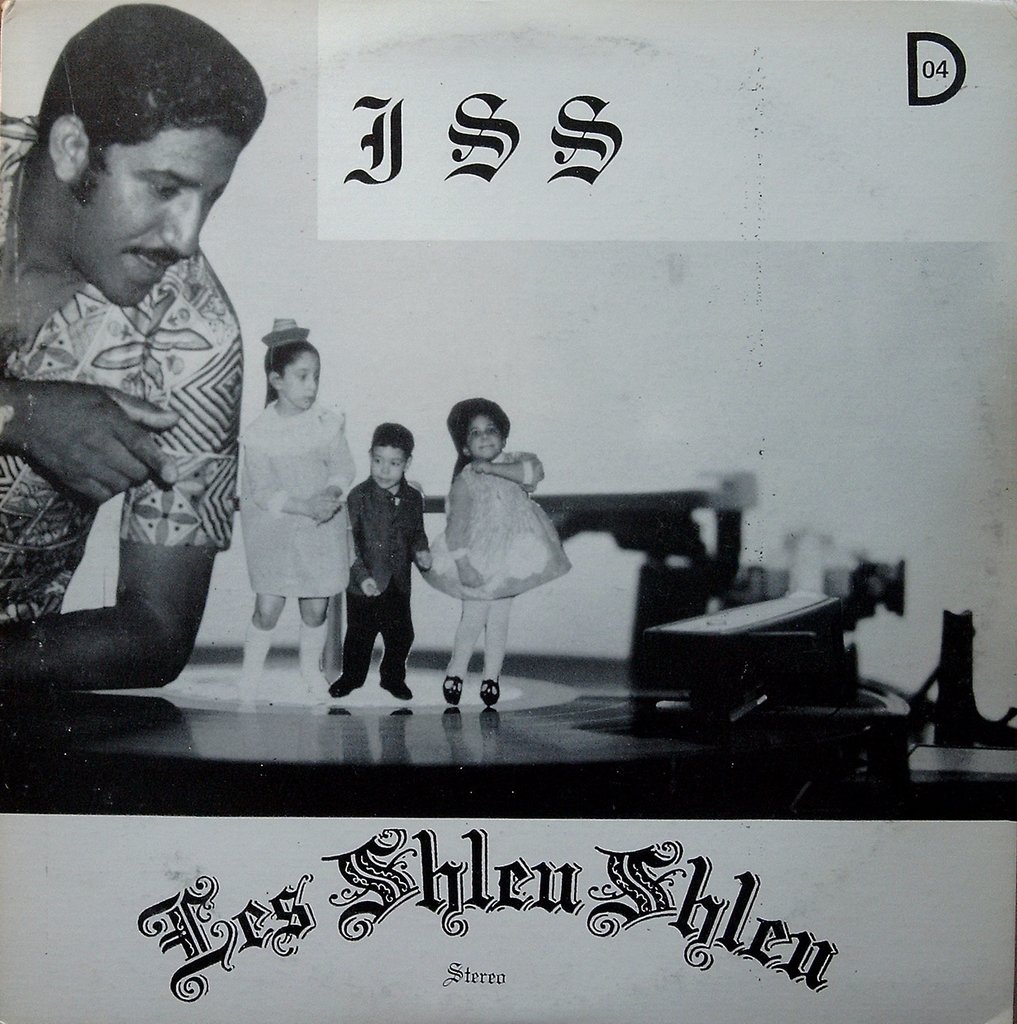
Two electric guitars intertwined, bass and drums laid down a tight rhythm, and Tony Moïse’s alto saxophone delivered a melody recognizable among a thousand. Serge Rosenthal shaped arrangements bathed in echo and reverb; Smith Jean-Baptiste anchored the drums at the heart of the compas. Mini-jazz was born, and Shleu-Shleu was its first flagbearer.
Consecration and Diaspora: From Port-au-Prince to New York
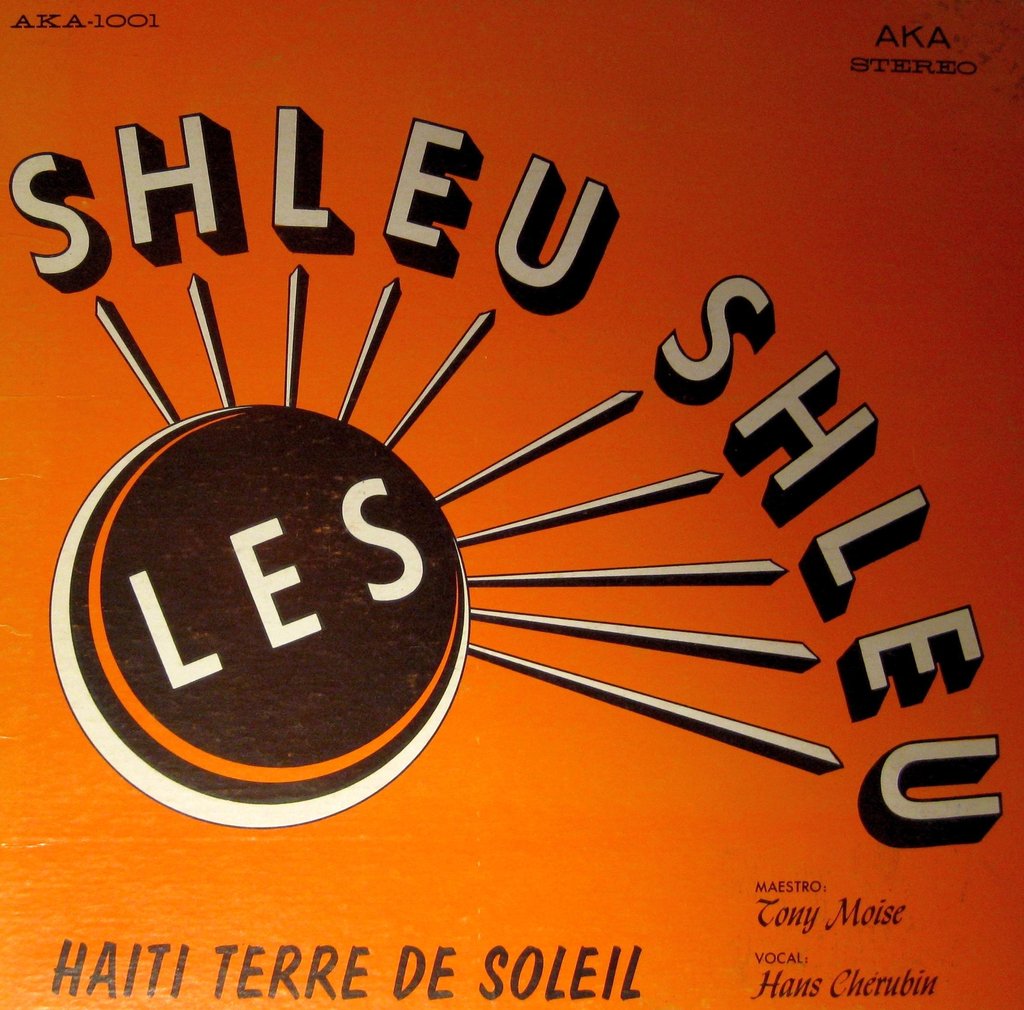
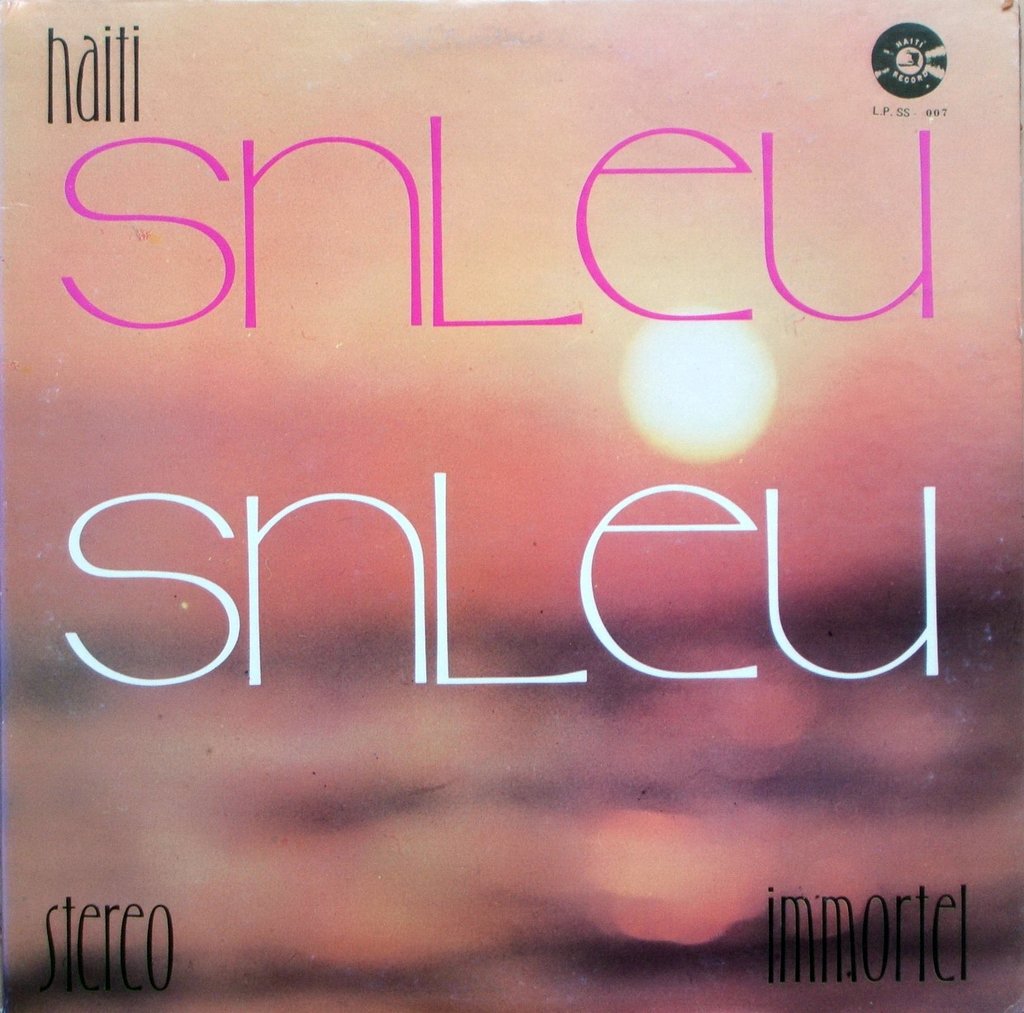
Successes followed one another. In 1967, the first album Haïti, mon pays was released on IBO Records (12 inches produced by P. Anson), followed two years later by Haïti, Terre de Soleil on Mini Records. Les Shleu-Shleu played in the best hotels of Port-au-Prince — El Rancho, Montana, Villa Créole — and at Cabane Choucoune.
In May 1970, a contract with Casa Borinquen in New York opened a new chapter. The expanding Haitian diaspora wanted to relive the sound of the island: Shleu-Shleu became one of the ambassadors of compas in New York City. After this first engagement, several musicians stayed in the United States and played in clubs on the East Coast. Dada Jackaman and Serge Rosenthal returned to Haiti for another group of the same name — this one lasted only three years, with musicians leaving again to found Skah Shah #1.
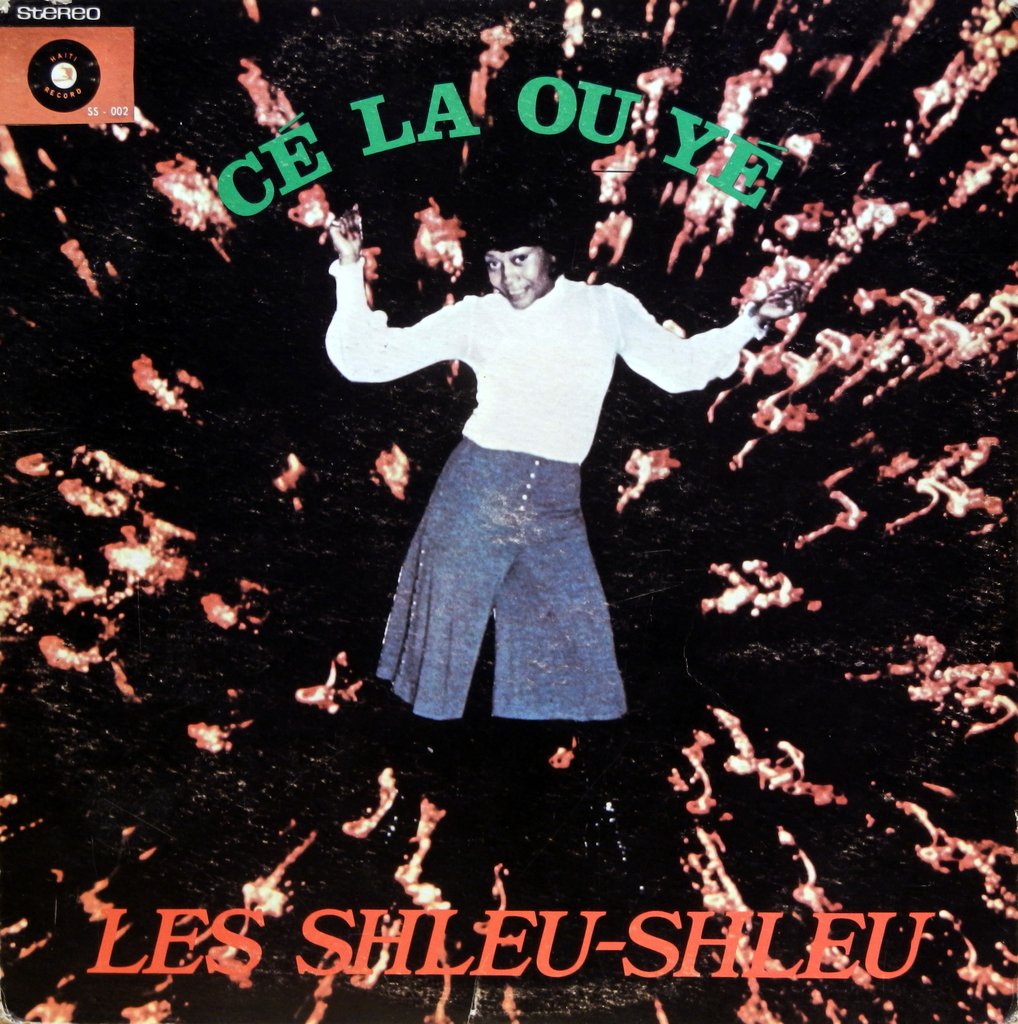
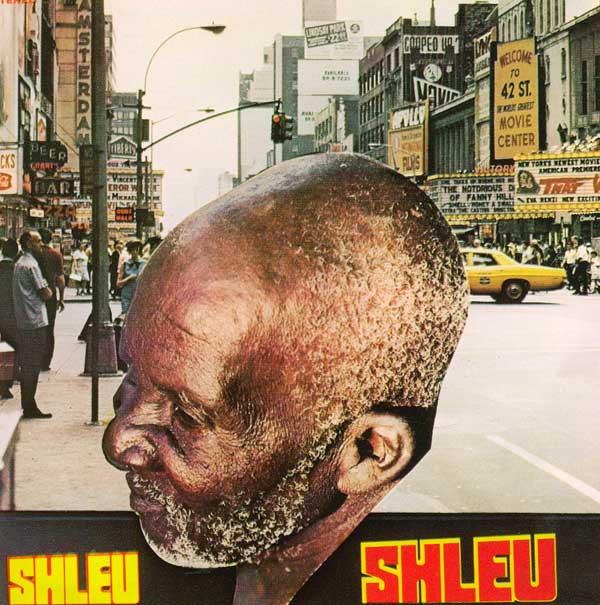
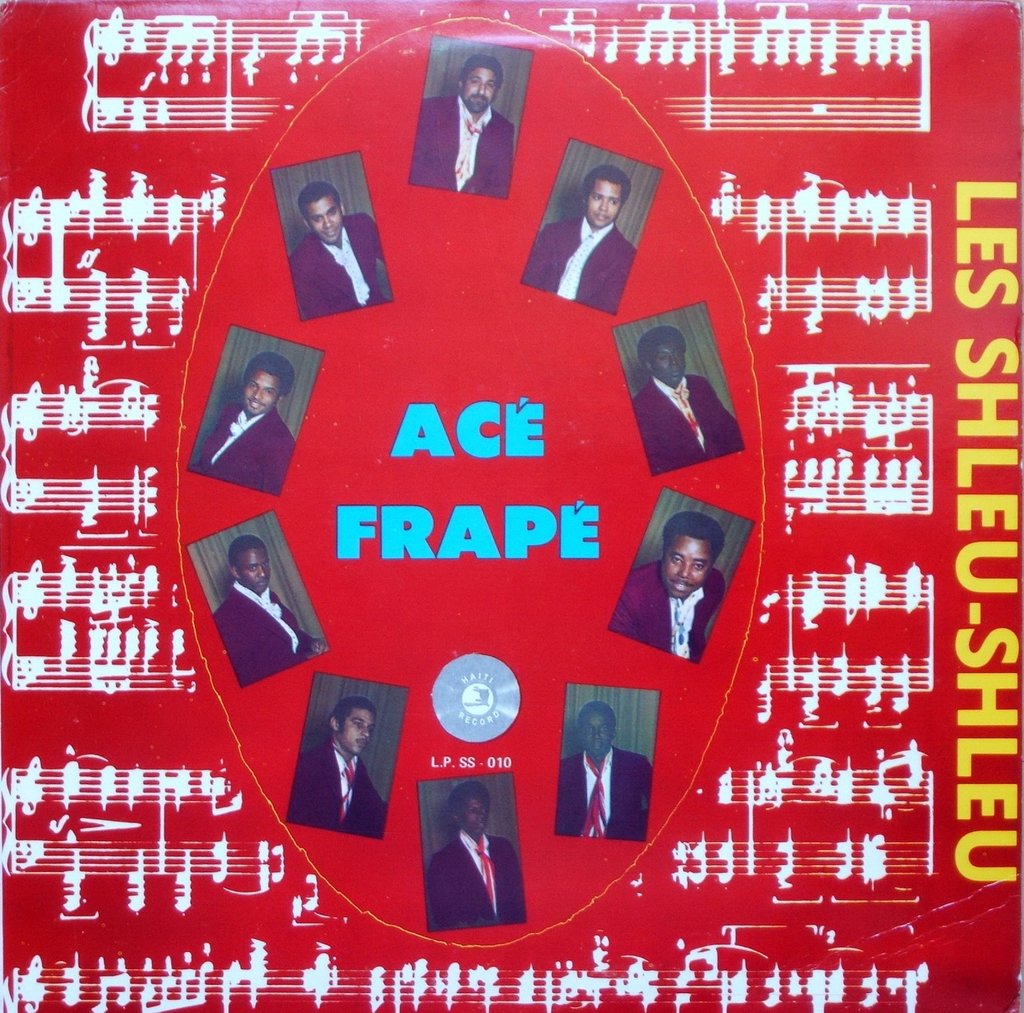
The New York period saw creativity accelerate. Between 1973 and 1976, albums multiplied: A New York, Acé Frapé, “Grille ta cigarette”, En filant les aiguilles — titles blending compas, American funk, and contemporary rock. Afro-American influences were integrated into the Haitian rhythm without crushing it.
But in 1976, successive departures weakened the original formation. Instability lasted fifteen years before Jean-Baptiste Smith, a founding member of the rhythm section, resurrected the group in 1991. The newcomers — saxophonist Evens Latortue, guitarist Eddy Altine, percussionist Joseph Savius — brought an updated sound up to our days.
Major Works
| Work | Year | Why It’s Essential |
|---|---|---|
| Haïti, mon pays | 1967 | Foundational first album; the title track is an indispensable patriotic hymn |
| Haïti, Terre de Soleil | 1969 | Asserts the mini-jazz sound in all its nascent maturity |
| “Grille ta cigarette” | 1973 | Cult title with incisive rhythm, absolute reference of New York compas |
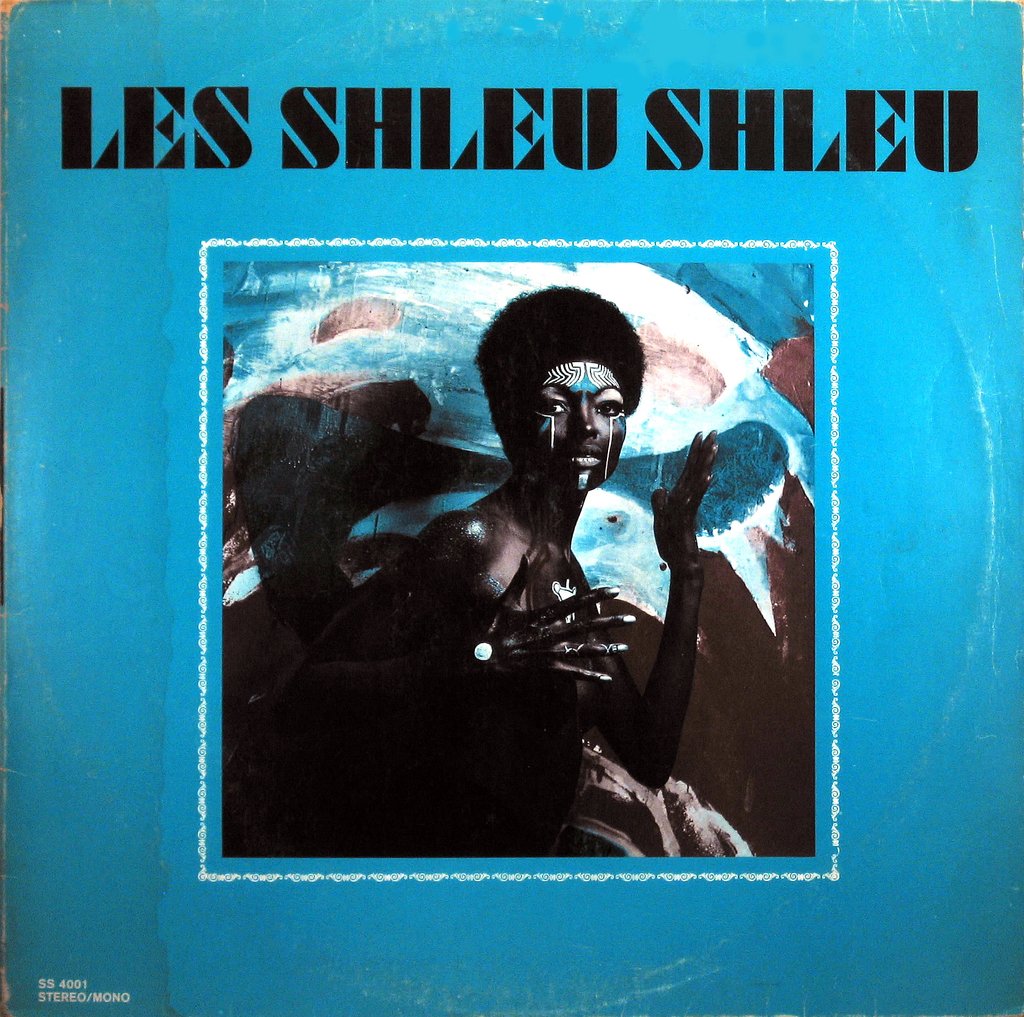
| A New York | 1973 | Documents the diaspora live, sound and lyrics raw on the migratory experience |
Heritage and influence
Shleu-Shleu were not just a band: they opened a door. The mini-jazz, launched by their success, spread like a bushfire through the neighborhoods of Port-au-Prince and Pétion-Ville. Formations such as Bossa Combo, Les Difficiles, Les Ambassadeurs, or Tabou Combo followed suit, and it was this compact sound that shaped the modern compas. Even today, every mini-jazz that resonates with a twisting saxophone and two tight guitars bears the imprint of Shleu-Shleu.
Their music, transmitted through re-recorded vinyl records, streaming compilations, and diaspora archives, remains an identity pillar for generations of Haitians and Haïtiennes born outside the island. On a continent where the compas has blended with Antillean zouk, the Shleu-Shleu legacy still echoes in Caribbean dancehalls and Creole evenings in North America and West Africa.
Sources and references
- « Shleu-Shleu », Wikipedia in English, https://en.wikipedia.org/wiki/Shleu-Shleu, accessed November 5, 2026.
- « Les Shleu-Shleu — Maïtro Tony Moïse », musique.haiti.free.fr, http://musique.haiti.free.fr/discographie/fiches/lesshleushleu00pagedr.htm, accessed November 5, 2026.
- « Shleu-Shleu on HaitiDJ », HaitiDJ, https://www.haitidj.com/en/artist/shleu-shleu/, accessed November 5, 2026.
- « Tony Moïse and the Shleu-Shleu », Haiti Inter, https://www.haitiinter.com/tony-moise-et-les-shleu-shleu/, accessed November 5, 2026.
- « Biography of Tony Moïse », HMI Music (artist’s autobiography), https://hmimusic.com/tony-moise/, accessed November 5, 2026.
- Morgan Greenstreet, « Haiti Direct », Afropop Worldwide, https://www.afropop.org/articles/haiti-direct, accessed November 5, 2026.