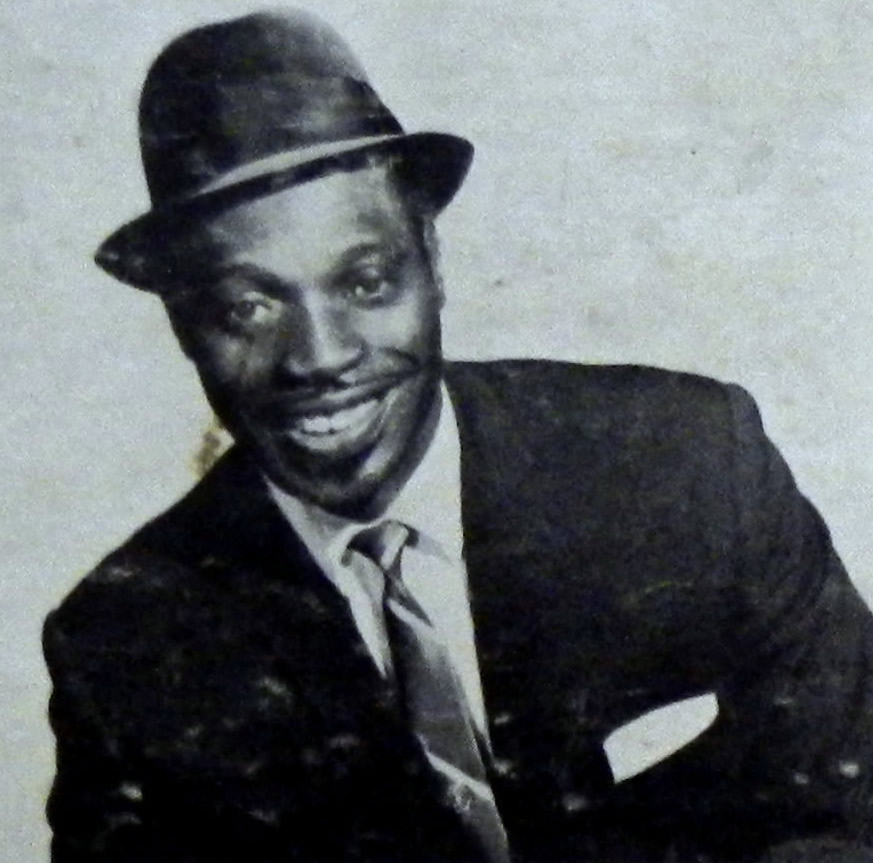
Biography
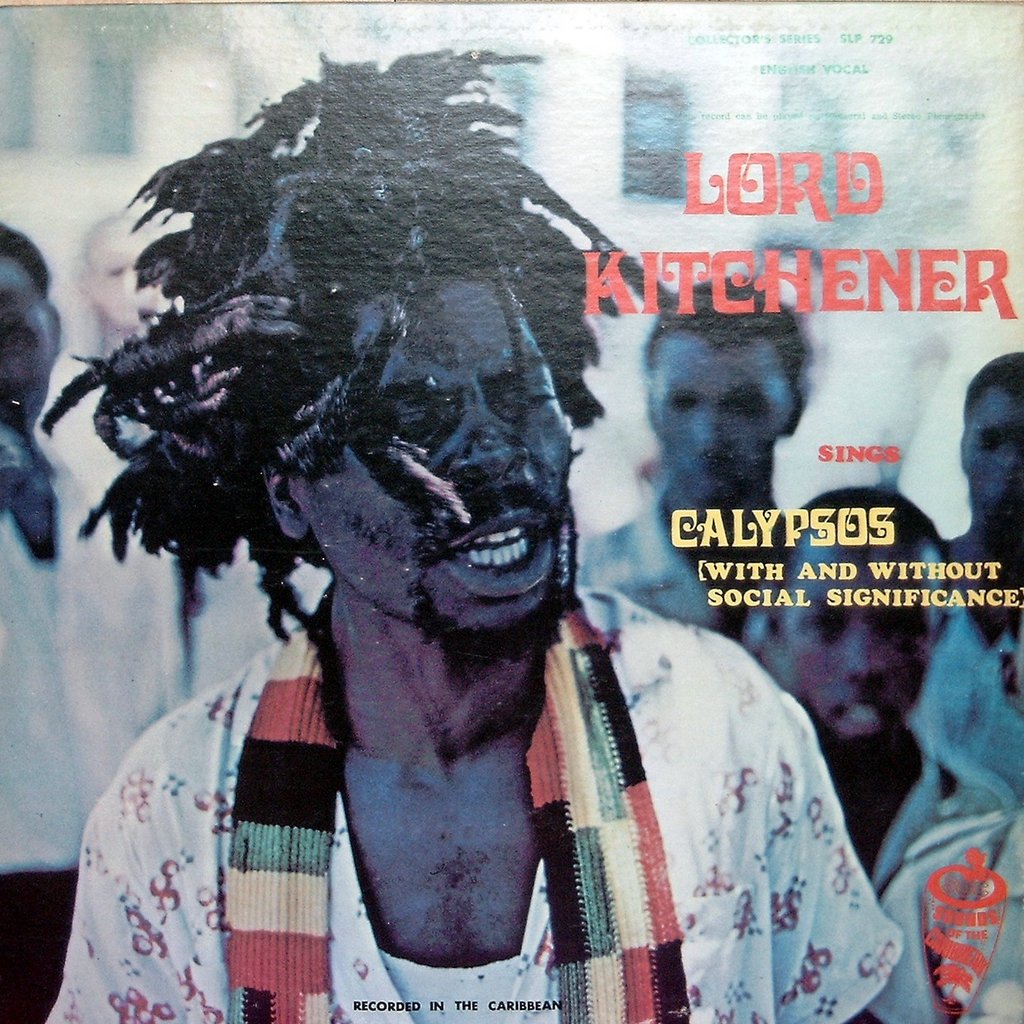
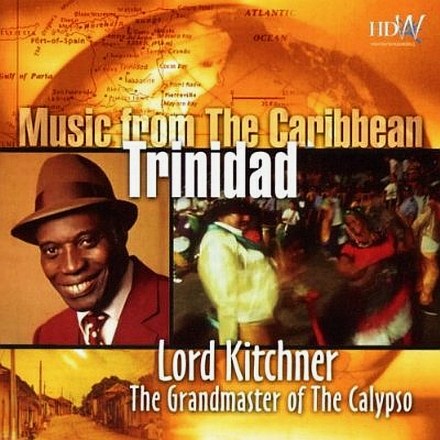
Lord Kitchener: the master of calypso
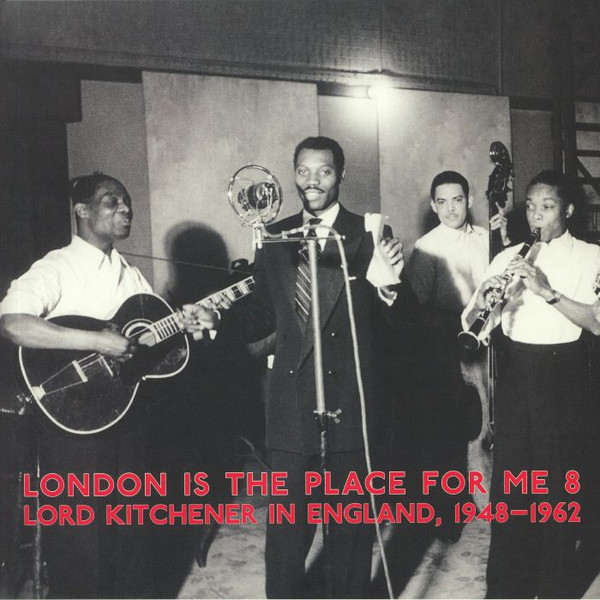
In June 1948, on the quay at Tilbury, Aldwyn Roberts known as Lord Kitchener sang “London Is the Place for Me” live to Pathé News cameras. This migrant lullaby became the anthem of the first Antilleans to set foot on British soil.
In brief
| Full name | Aldwyn Roberts |
| Stage name | Lord Kitchener (or “Kitch”) |
| Birth | 18 April 1922, Arima, Trinidad and Tobago |
| Death | 11 February 2000, Port of Spain, Trinidad and Tobago |
| Genre(s) | calypso, soca |
| Signature works | “London Is the Place for Me”, “Jump in the Line”, “Sugar Bum Bum” |
| Awards | 10 Road March victories, Calypso Monarch 1975 & 1981 |
Key dates
| Year | Event |
|---|---|
| 1922 | Birth in Arima, son of a blacksmith |
| 1944 | First hit with “Green Fig”, adopts the name Lord Kitchener |
| 1946 | First Road March victory with “Jump in the Line” |
| 1948 | Boards the Empire Windrush, sings at Tilbury |
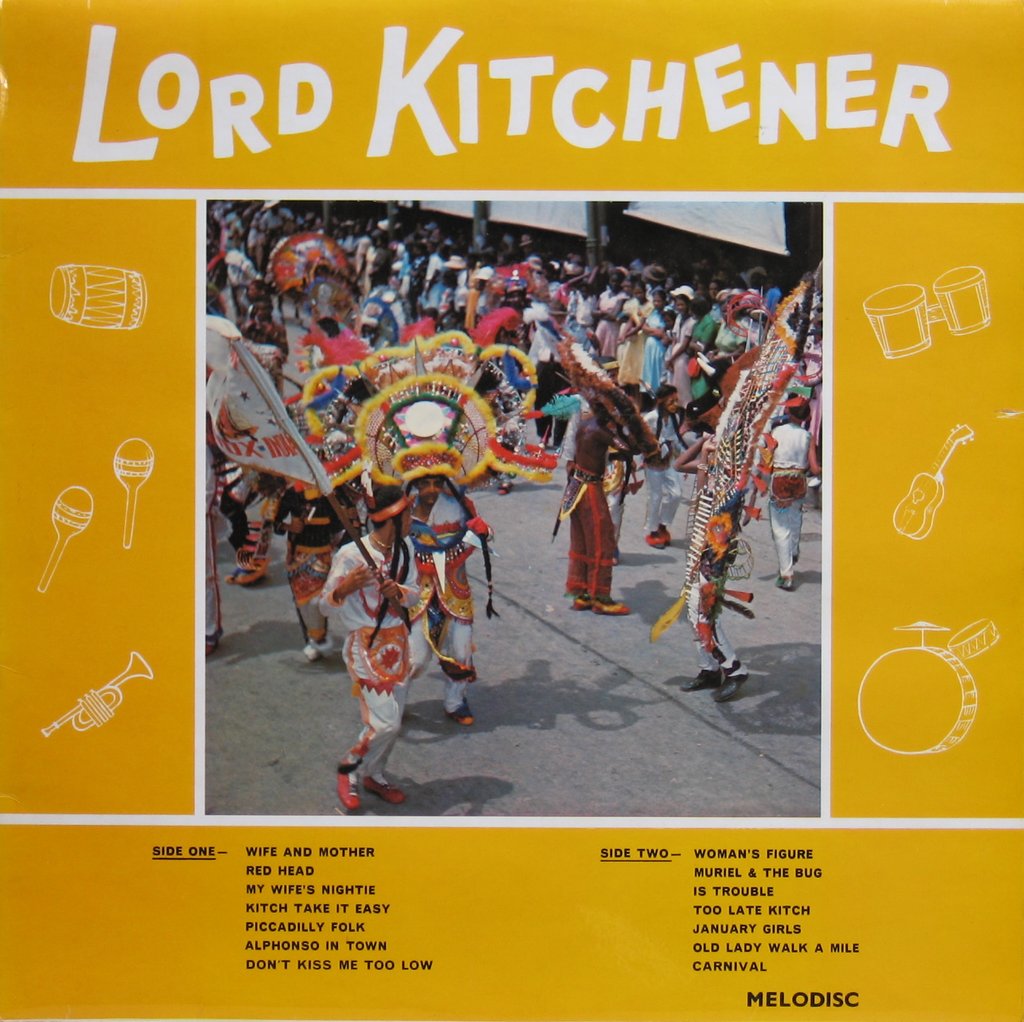
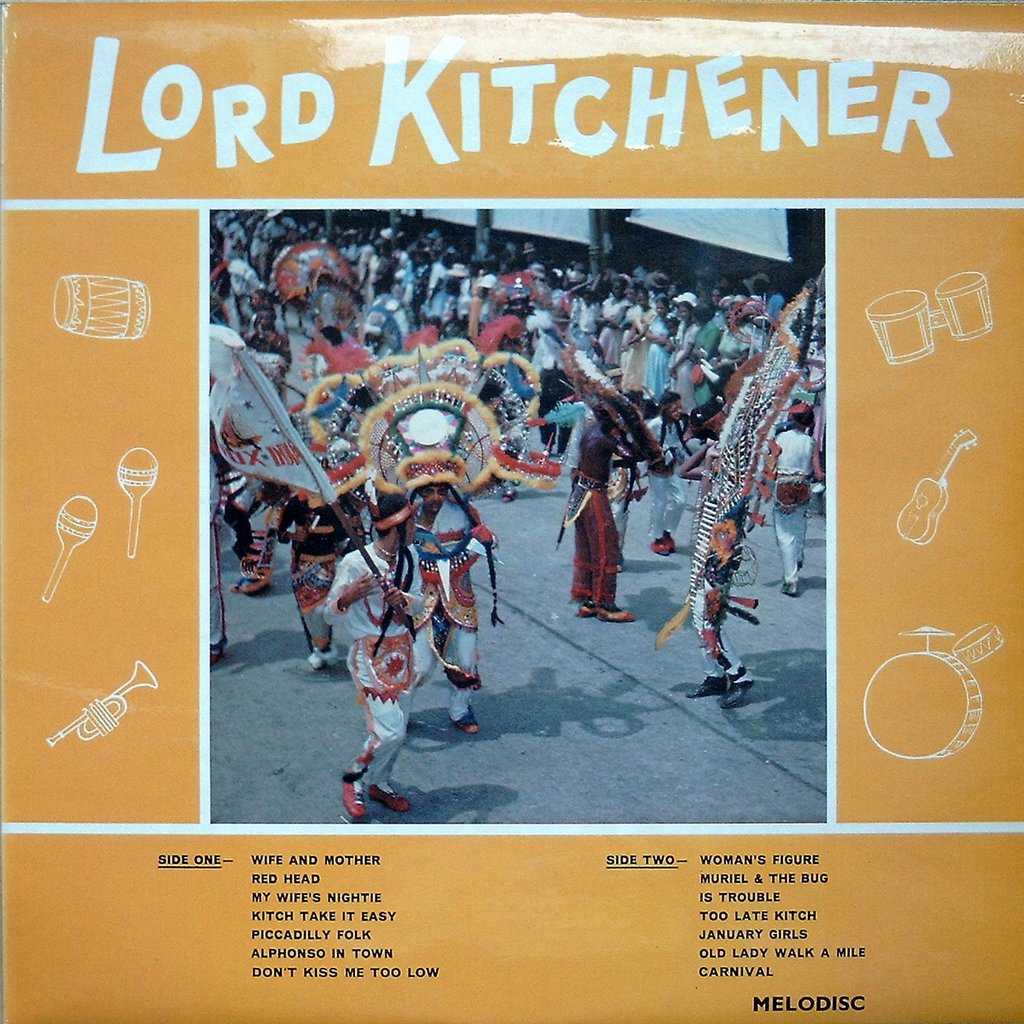
| 1950-1962 | Triumph in the UK, Parlophone and Melodisc |
| 1962 | Return to Trinidad, domination of the Carnival |
| 1975 | Crowned Calypso Monarch |
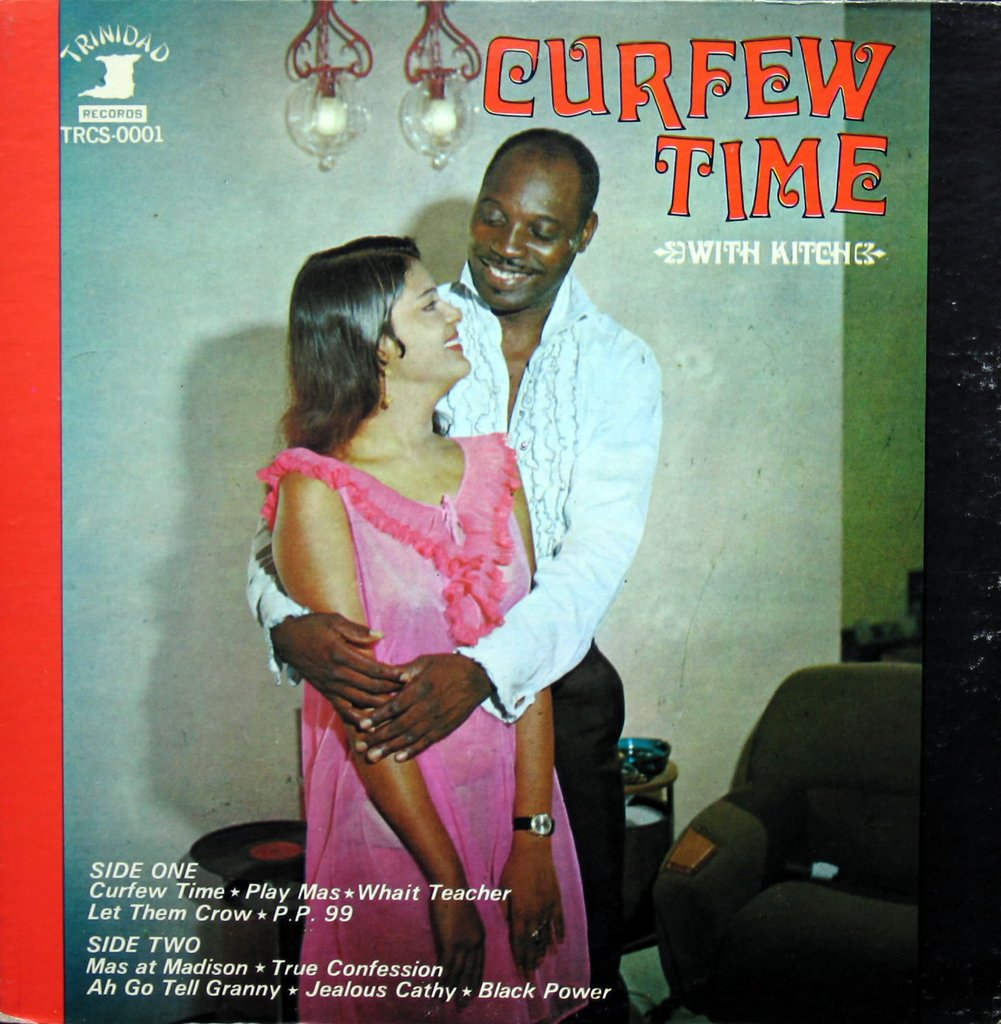
| 1977 | “Sugar Bum Bum”, one of the first soca hits |
| 2000 | Death, buried in Arima |
The journey of a singer
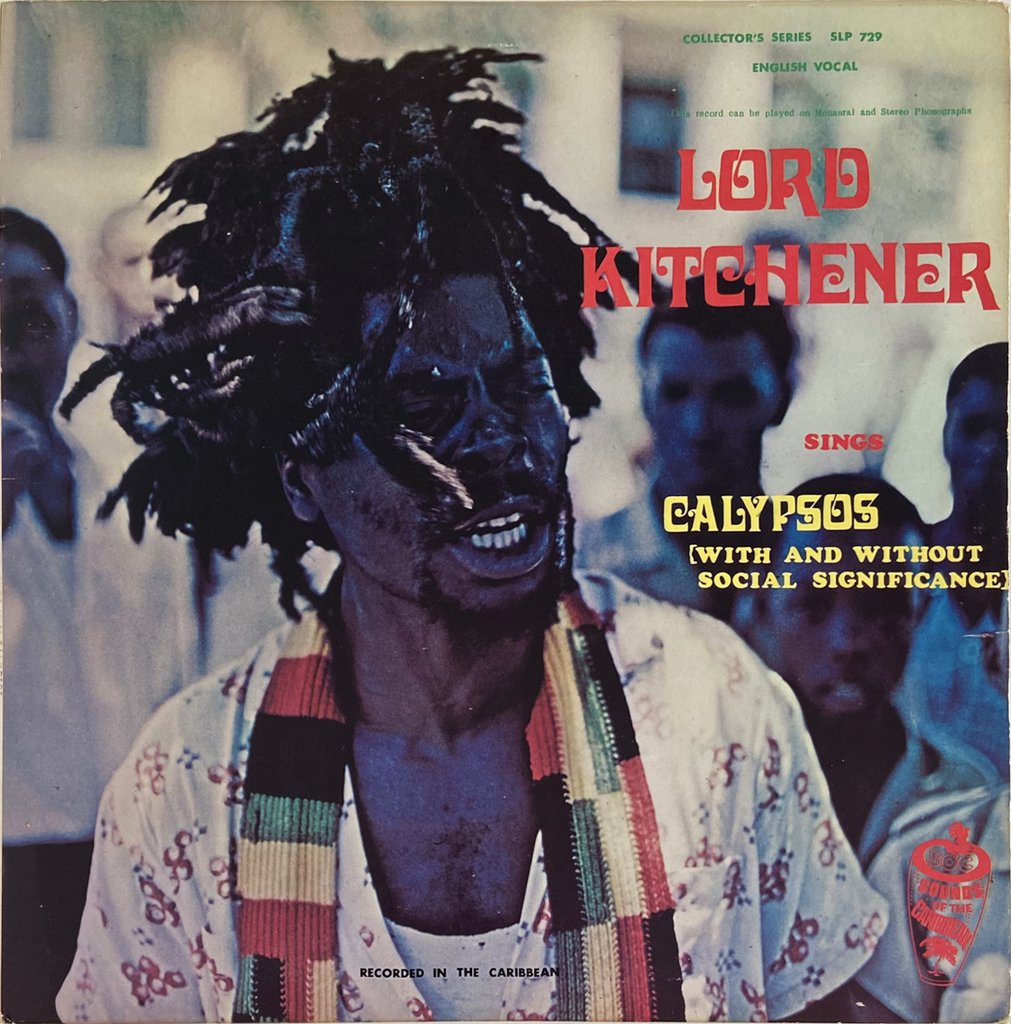
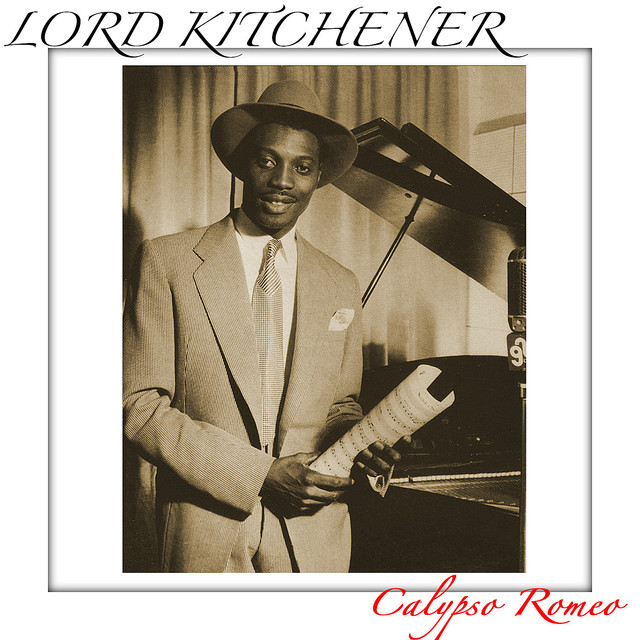
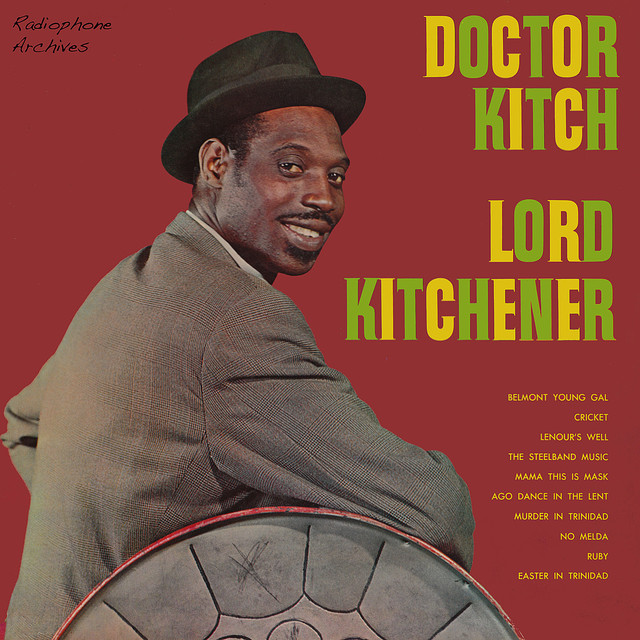
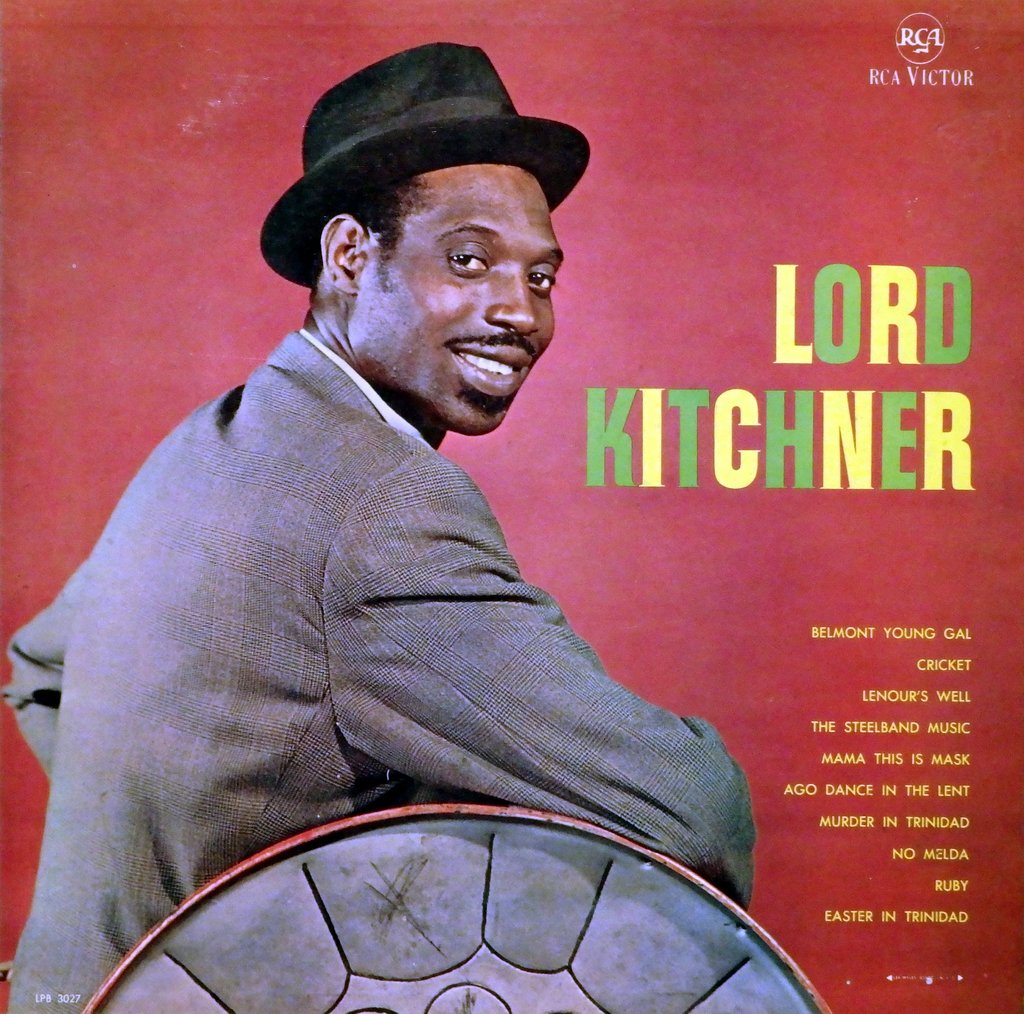
Aldwyn Roberts was born on 18 April 1922 in Arima, in central Trinidad, the son of a blacksmith and one of six children. His father taught him guitar; by age five, he was already composing little songs. At fourteen, the death of both parents forced him to leave school. He worked for a water company before singing in the “nickel sessions” of street festivals. In 1943, he settled in Port of Spain and joined the Roving Brigade, a travelling cinema group. Promoter Johnny Khan heard him sing “Green Fig” and invited him to the Victory Tent. There, Growling Tiger suggested he take a stage name: Lord Kitchener, in homage to British Field Marshal Horatio Kitchener. “Lord” was already a nickname his admirers had given him.
A curious paradox, this singer with impeccable performances suffered from a severe stammer—absent whenever he sang. In 1946, he won his first Road March victory, the Carnival reward for the most broadcast song on the streets. In 1947, he founded the Young Brigade, a horn-driven and Latin-tinged sound, prioritizing double entendres and humour.
In June 1948, aboard the Empire Windrush, Kitchener sang “London Is the Place for Me” live to Pathé News cameras on the Tilbury quay, becoming the voice of early Antillean migrations. In less than two years, he signed with Parlophone and Melodisc, recorded at Abbey Road Studios, and triumphed in London nights. Princess Margaret reportedly bought one hundred copies of “Ah Bernice” for her friends. He sometimes performed three times a night, opened a club in Manchester in 1958, and recorded “Food from the West Indies”, “Alec Bedser Calypso” and “If You’re Brown”, the latter depicting the racism he encountered in England. In 1950, “Cricket, Lovely Cricket” celebrated the West Indies’ victory over England in cricket, one of the first popular hits from the West Indies.
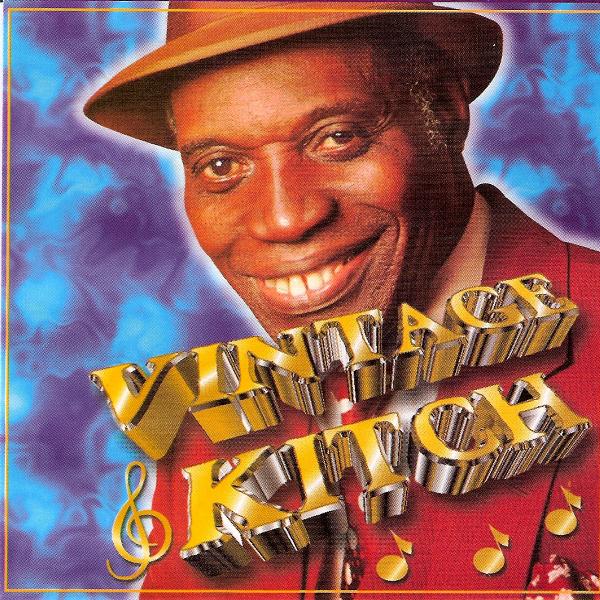
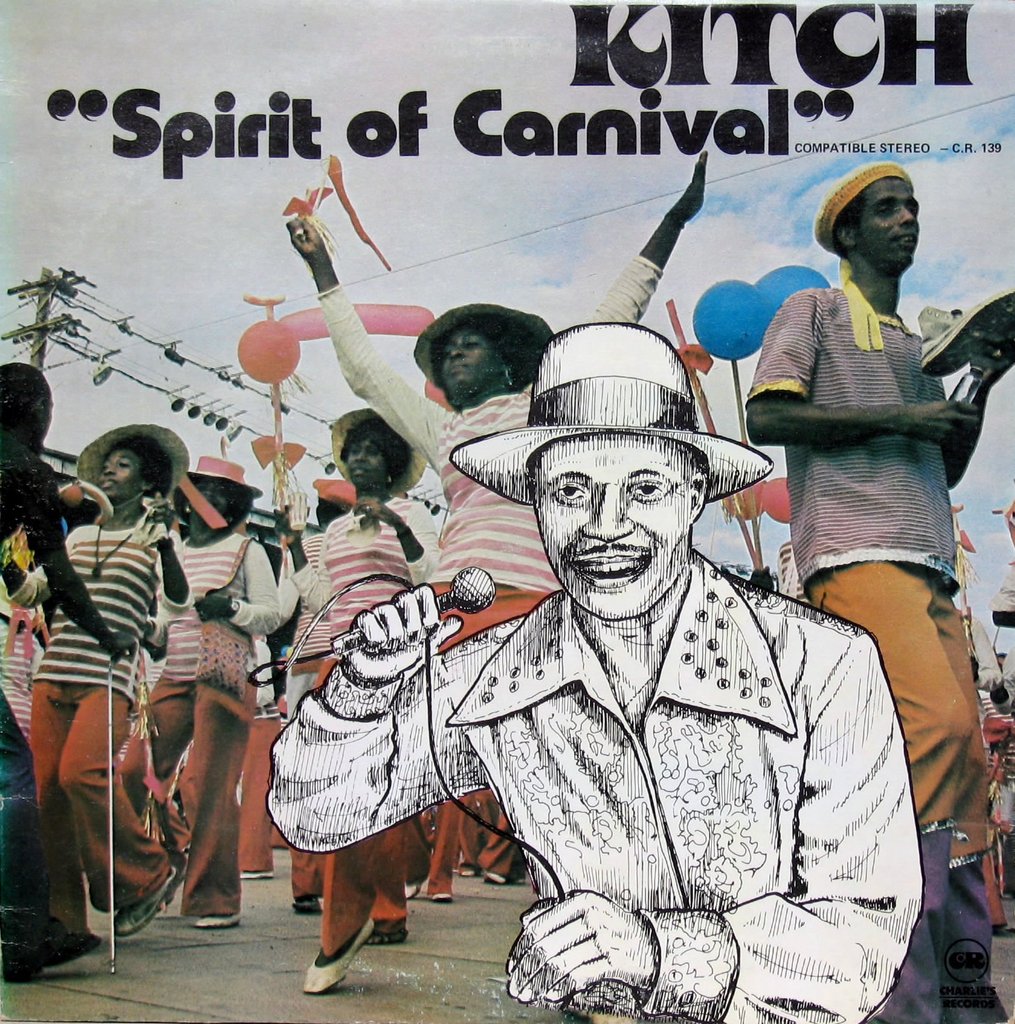
In 1962, after sixteen years abroad, Kitchener returned to Trinidad as a hero. He dominated the Carnival, winning the Road March seven times between 1963 and 1976. In 1964, he founded the Calypso Revue, a training school that lasted thirty years and saw talents like Calypso Rose, David Rudder and Black Stalin emerge. Soca arrived in the 1970s, a fusion between calypso and chutney. Kitchener embraced this new style and recorded in 1977 “Sugar Bum Bum”, one of the first international soca hits. Politically engaged, he signed “Africa My Home” (1957) in support of pan-Africanism and took a stand during the Black Power revolution in Trinidad in 1970. Upon his death in 2000, his son Kernal Roberts perpetuated the legend at the Calypso Revue.
Major works
| Work | Year | Why it’s essential |
|---|---|---|
| “London Is the Place for Me” | 1948 | Anthem of the first Antillean migrants |
| “Jump in the Line” | 1946 | First Road March, covered by Harry Belafonte |
| “Cricket, Lovely Cricket” | 1950 | First popular hit from the West Indies |
| “Africa My Home” | 1957 | Committed pan-Africanist declaration |
| “Sugar Bum Bum” | 1977 | One of the first international soca hits |
Legacy and influence
Lord Kitchener exported calypso to the UK, West Africa (where he influenced Ghanaian highlife) and the USA. His compositions won 18 victories at Trinidad’s steelband Panorama contest—more than any other songwriter. With over 1,000 songs, he is one of the most prolific artists in his genre. A plaque and a statue celebrate his memory in Port of Spain.
Sources and references
-
“Lord Kitchener (calypsonian)”, Wikipedia, https://en.wikipedia.org/wiki/Lord_Kitchener_(calypsonian), accessed 20 October 2025.
-
“Lord Kitchener”, The Guardian (obituary), https://www.theguardian.com/news/2000/feb/12/guardianobituaries, accessed 20 October 2025.
-
“Lord Kitchener, 77, Calypso Songwriter Who Mixed Party Tunes With Deeper Messages”, The New York Times, https://www.nytimes.com/2000/02/14/arts/lord-kitchener-77-calypso-songwriter-who-mixed-party-tunes-with-deeper-messages.html, accessed 20 October 2025.
-
“Kitchener, Lord”, Contemporary Musicians (Encyclopedia.com), https://www.encyclopedia.com/education/news-wires-white-papers-and-books/kitchener-lord, accessed 20 October 2025.
-
“Lord Kitchener — Biography”, AllMusic, https://www.allmusic.com/artist/lord-kitchener-mn0000828768, accessed 20 October 2025.
-
“Lord Kitchener”, Discogs, https://discogs.com/artist/53143-Lord-Kitchener, accessed 20 October 2025.
-
« Lord Kitchener steps off the Empire Windrush », The Guardian, https://www.theguardian.com/music/2011/jun/16/lord-kitchener-empire-windrush, accessed 20 October 2025.
-
« Lord Kitchener (Aldwyn Roberts) », Explore Trafford’s Heritage (Windrush documentary archive), https://exploringtraffordsheritage.omeka.net/exhibits/show/windrush--calypso---cricket/aldwyn-roberts--lord-kitchener, accessed 20 October 2025.