Biography
Mario Canonge: the piano that makes Caribbean jazz dance
Mario Canonge settled at the piano in 1977 and has not left it since. Fifteen years on an old grand-mère instrument, a church organ, then Paris, concert halls and festivals across the five continents. Celebrated for having fused biguine and Martinican mazurka with complex jazz harmonies, he is today one of the most revered pianists on the Caribbean stage1. His journey, from his village choir to the Bataclan boards and then Jazz à Porquerolles, illustrates a simple truth: Caribbean music does not get folklorized; it dances in all styles2.
In brief
| Name | Mario Canonge |
| Birth | September 5, 1960, Fort-de-France, Martinique |
| Field | Jazz, Caribbean music, zouk, salsa |
| Instrument | Piano |
| Emblematic works | Retour aux sources, Mitan, Zouk Out |
| Distinctions | VOX d’Or Prize of the Caribbean Press (album Punch en musique) |
Key dates
| Year | Event |
|---|---|
| 1960 | Birth in Fort-de-France, Martinique |
| 1974 | Start of piano on his grand-mère’s instrument |
| 1977 | Tour at the Bataclan with the François choir |
| 1979 | Move to Paris for musicology studies |
| 1983 | Co-founding of jazz-rock group Ultramarine with Nguyên Lê |
| 1988 | Piano prize at the La Défense festival; creation of Sakiyo with Michel Alibo |
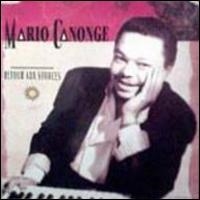
| 1992 | First solo album Retour aux sources (15,000 copies sold) |
| 1999 | Punch en musique, prefaced by Patrick Chamoiseau |
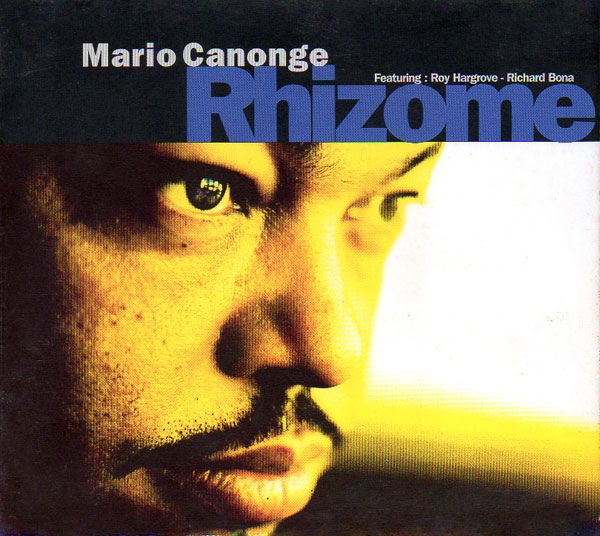
| 2004 | Launch of the Rhizome project with Jacques Schwarz-Bart and Antonio Sánchez |
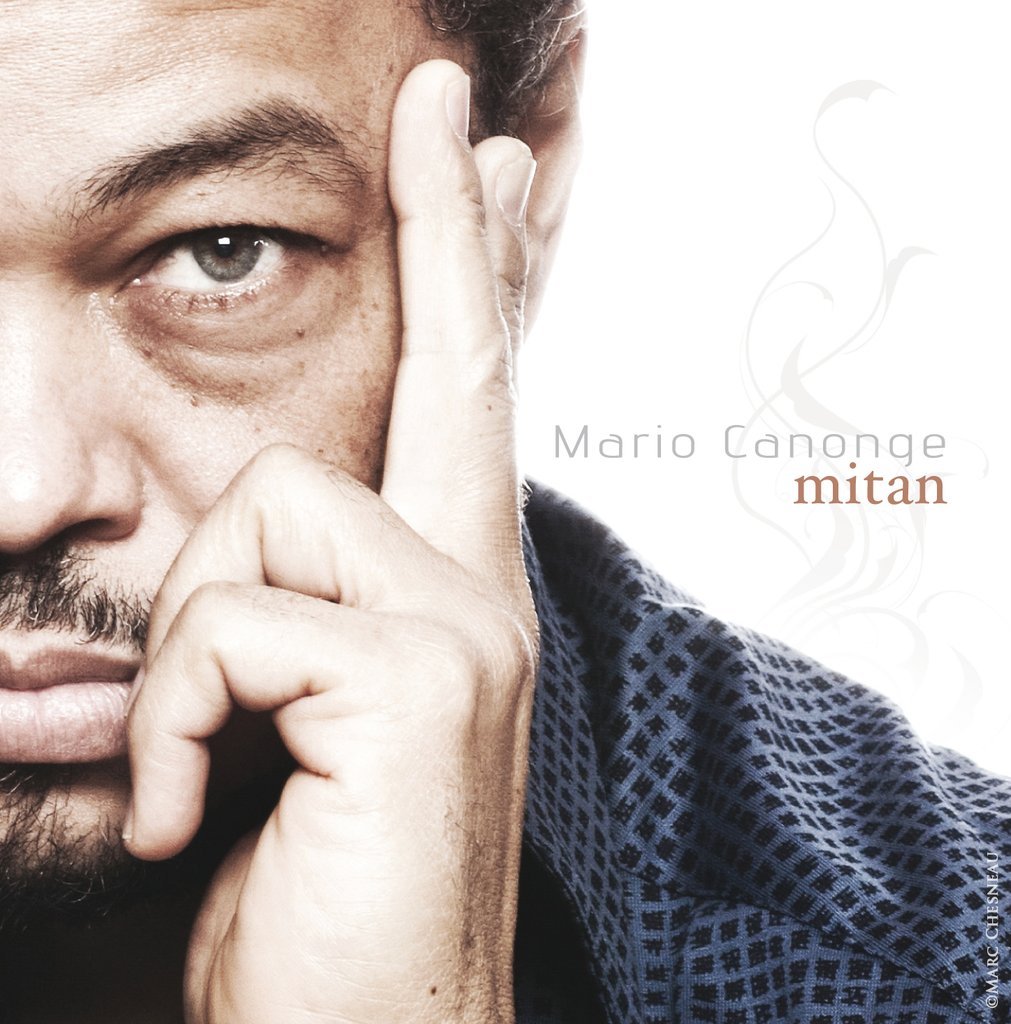
| 2011 | Release of Mitan, album praised by jazz critics |
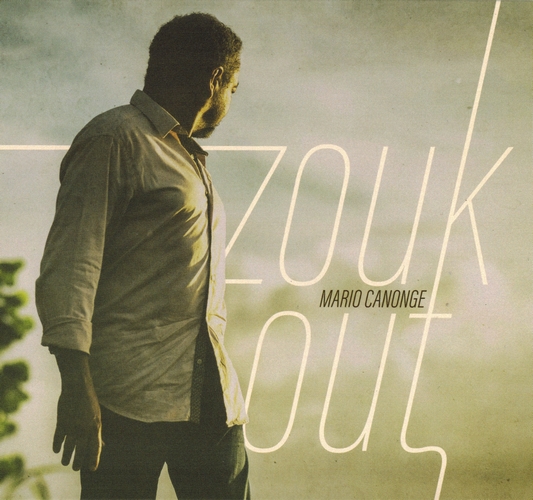
| 2018 | Zouk Out, fusion between jazz and zouk |
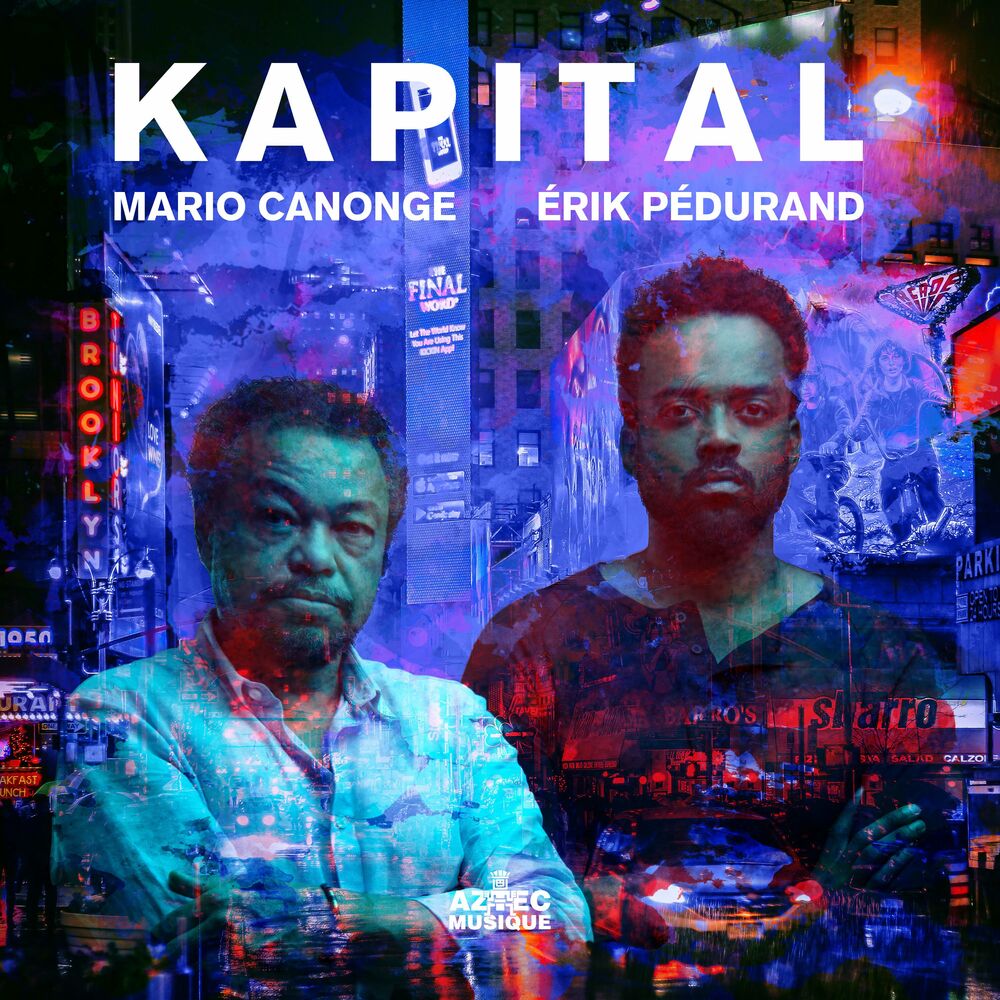
| 2020 | Kapital, duo with Erik Pédurand |
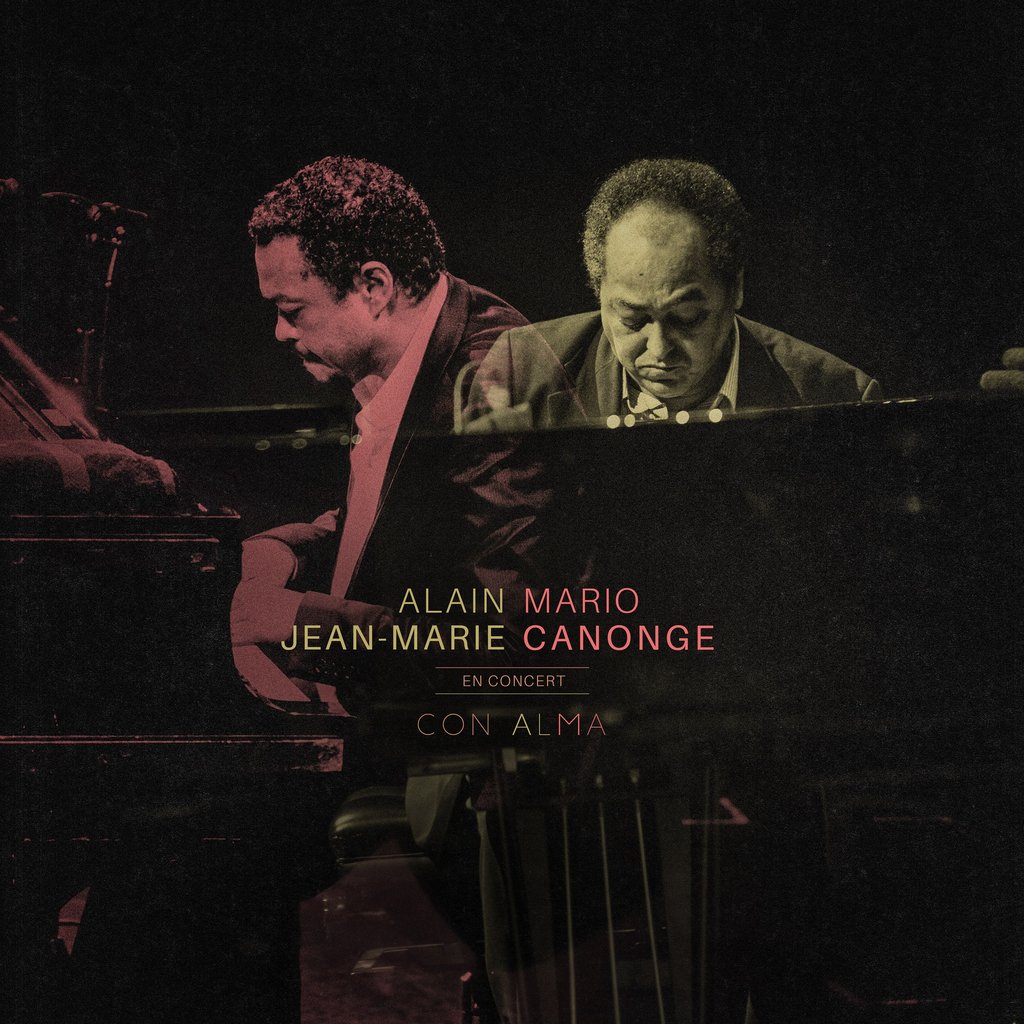
| 2025 | Con Alma, duo recorded at the Olympia with Alain Jean-Marie |
Origins and training: from grand-mère’s piano to the Bataclan stage
Mario Canonge grew up in a family where the piano was everywhere3. His great-grandmother owned one, and it was on that one, at the age of 14, that he placed his fingers for the first time. Quickly, he joined the organ of Sainte-Thérèse church in Fort-de-France, then accompanied the choir of the François church, in southern Martinique. In 1977, the choir was invited to perform at the Bataclan in Paris. For Mario, it was the turning point. « That evening, I understood that music could take me far beyond Fort-de-France »4.
Two years later, he settled in Paris to study musicology. But it was in the clubs that Mario received his true training. He crossed paths with Bill Evans, Keith Jarrett, Marius Cultier and Alain Jean-Marie — the latter two being the two greatest Caribbean pianists. Influenced by their example, he decided to fuse jazz with the rhythms of his islands5.
From fusion to Caribbean jazz
At the beginning of the 1980s, Mario played in almost all styles. With La Manigua, he explored salsa. In 1983, he co-founded Ultramarine with guitarist Nguyên Lê: the group became a reference in cosmopolitan jazz-rock-fusion, publishing three albums between 1988 and 19916. In the same period, he created Sakiyo with bassist Michel Alibo, participated in Jacob Desvarieux’s Grand Méchant Zouk and performed on stages around the world.
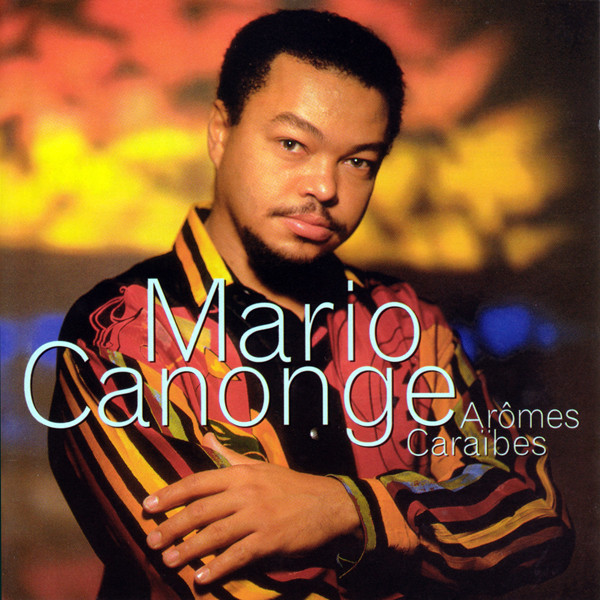
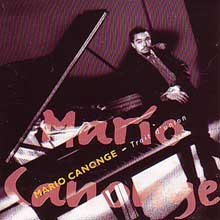
In 1992, he launched his solo career with Retour aux sources. The album returned to great Martinican traditions — biguine, mazurka — and sold around 15,000 copies. Followed by Trait d’union (1993), which broadened the palette to calypso and Haitian kompa, then Arômes caraïbes (1995) and Punch en musique (1999), the latter prefaced by Martinican writer Patrick Chamoiseau and winner of the VOX d’Or Prize of the Caribbean Press.
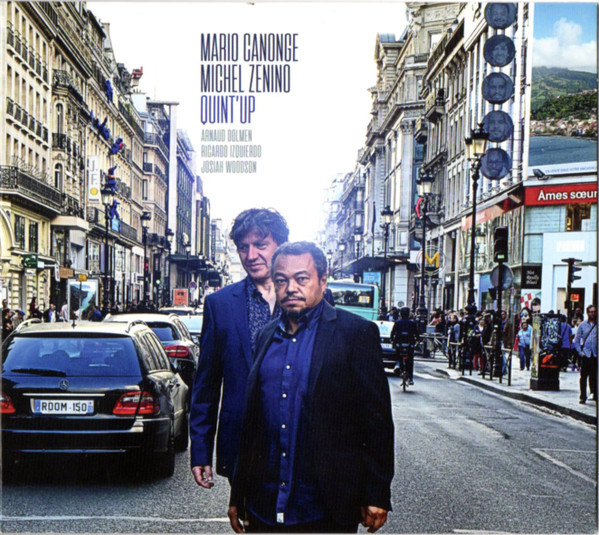
Mario multiplied collaborations with Manu Dibango, Richard Bona, Dee Dee Bridgewater and Nicole Croisille. Since 2011, his residency at Baiser Salé in Paris, as a duo with cellist Michel Zenino, has become an unmissable rendezvous of Parisian jazz1.
Major works
| Work | Year | Why it is essential |
|---|---|---|
| Retour aux sources | 1992 | First solo album: Mario reconnects with Martinican biguine and mazurka |
| Punch en musique | 1999 | Trio with Patrick Chamoiseau in the preface, VOX d’Or of the Caribbean Press |
| Mitan | 2011 | Jazz album praised by critics: « the mid-time of his life » |
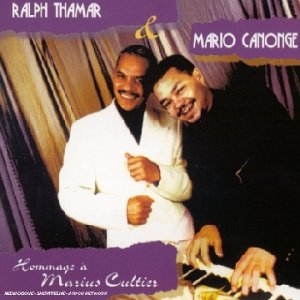
| Zouk Out | 2018 | Jazz reworking of zouk, conceptual project with Ralph Thamar and Erik Pédurand |
| Con Alma | 2025 | Duo recorded at the Olympia with Alain Jean-Marie |
Legacy
Over forty years of career, Mario Canonge has become a bridge between jazz and Caribbean music. Inspired by Marius Cultier and Alain Jean-Marie, he paved the way for a new generation whose leaders are Grégory Privat and Maher Beauroy7. His music, of a virtuosity that never falls into folklorism, shows that biguine and mazurka can join jazz without ever losing their Caribbean soul8.
« Beyond jazz, I am interested in all music styles. After all, I come from the Caribbean, and even though I love jazz, my music will always be Caribbean music, which I will always defend. »9
— Mario Canonge, Euronews, 2014
Sources and references
-
Mario Canonge, official website, biography, https://mariocanonge.net/biographie/, accessed 31 October 2026 ↩︎ ↩︎
-
Philharmonie de Paris, portrait of Mario Canonge, https://pad.philharmoniedeparis.fr/1007029-mario-canonge.aspx, accessed 31 October 2026 ↩︎
-
Bananier bleu, Mario Canonge – Piano, biography updated October 2024, https://bananierbleu.fr/1388/mario-canonge-piano, accessed 31 October 2026 ↩︎
-
Wikipedia FR, Mario Canonge, https://fr.wikipedia.org/wiki/Mario_Canonge, accessed 31 October 2026 ↩︎
-
RFI Musique, Zouk, jazz, salsa: Mario Canonge and his piano on the crossroads, 2022, https://www.radiofrance.com/actualite/lair-libre-du-16-au-22-mai-2022, accessed 31 October 2026 ↩︎
-
Jazz Music Archives, discography Mario Canonge, https://www.jazzmusicarchives.com/artist/mario-canonge, accessed 31 October 2026 ↩︎
-
KARIBINFO, Documentary. Mario Canonge, pianiste hors pair, https://www.karibinfo.com/news/documentaire-mario-canonge-pianiste-hors-pair/, accessed 31 October 2026 ↩︎
-
Westman Music, Mario Canonge: Rhizome, https://westmanmusic.com/Musikjournalistik/CanongeEnglish.htm, accessed 31 October 2026 ↩︎
-
Euronews, Gnaoua in Essaouira: a fusion of world talent, 16 June 2014, https://euronews.com/2014/06/16/gnaoua-in-essaouira-a-fusion-of-world-talent, accessed 31 October 2026 ↩︎