Biography
Maryam Mursal: the voice that crossed Africa
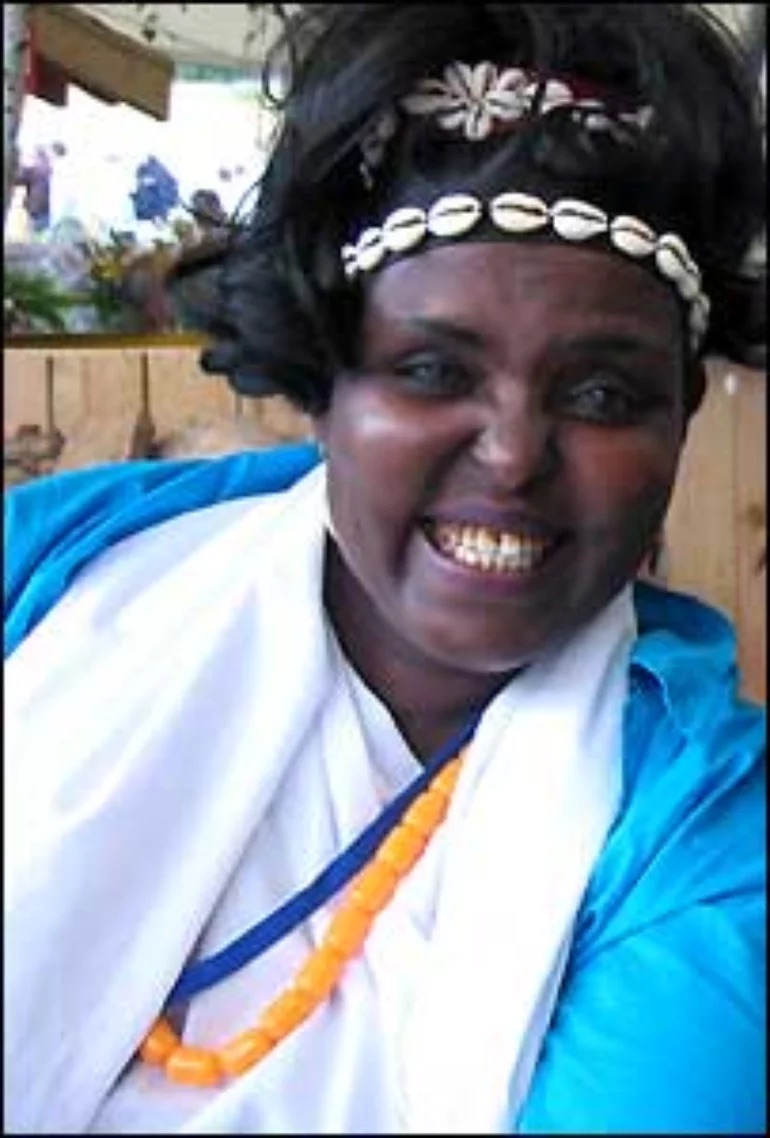
As bullets fill the streets of Mogadishu, Maryam Mursal carves a path through the desert of the Horn of Africa on foot and on donkeys, accompanied by her five children. It is winter 1991: the civil war has turned the Somali capital into a field of ruins1. The singer keeps a journal during this seven-month journey. This notebook will become the lyrics of Qax (Refugee), a song that makes millions of Somalis weep, recognizing their own destiny. Today, her voice remains one of the most powerful symbols of African musical resilience.
In brief
| Full name | Maryam Mursal |
| Birth | January 1, 1950, Somalia |
| Field | Somali music (Somali jazz) |
| Instruments | Vocals, composition |
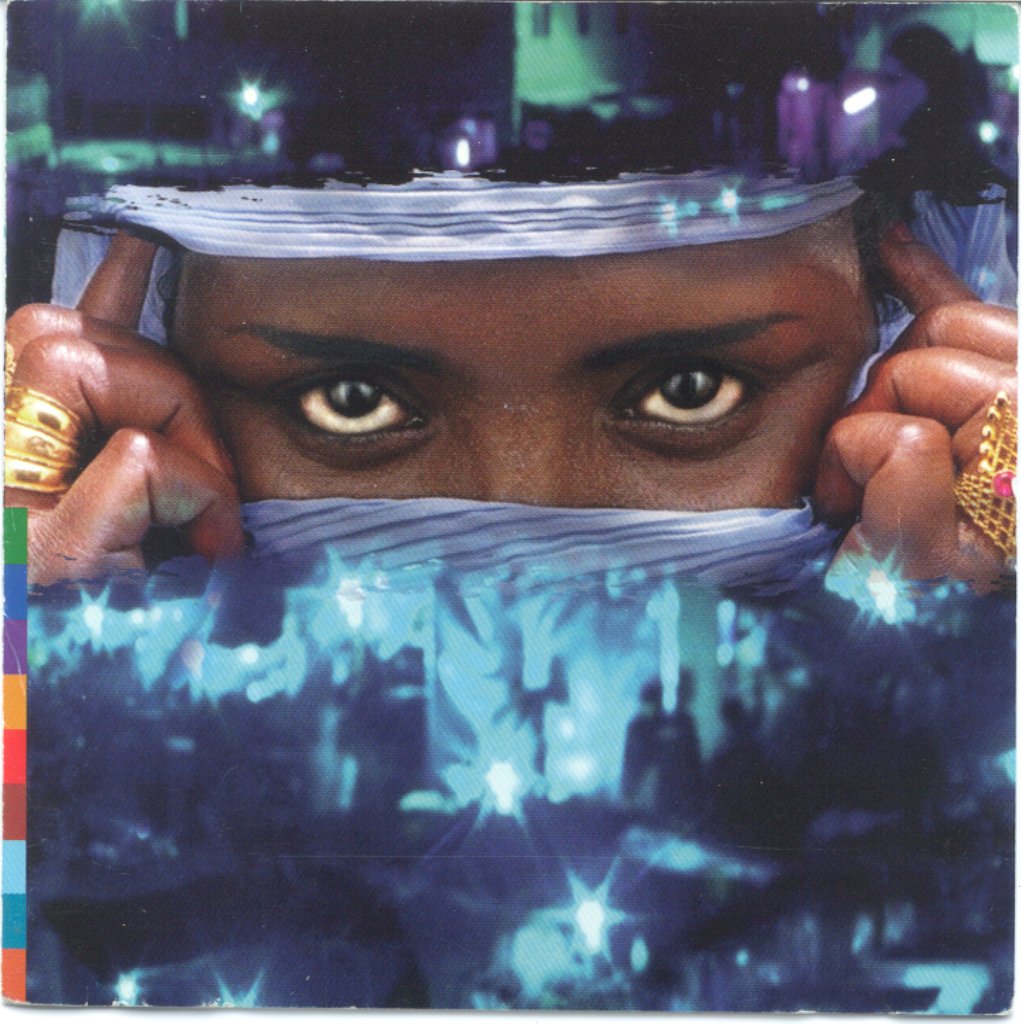
| Notable works | The Journey, New Dawn |
| Labels | Real World Records |
Key dates
| Year | Event |
|---|---|
| 1950 | Birth in Somalia, into a Muslim family |
| 1966 | Debut at sixteen, first female star in Mogadishu |
| 1966-1988 | Member of Waaberi, troupe of 300 artists |
| 1986 | “Ulimada”, critical song: two-year banishment |
| 1991 | Flight with five children across the Horn of Africa |
| 1992 | Asylum in Denmark, meeting with a producer |
| 1997 | New Dawn on Real World Records |
| 1998 | The Journey, solo album produced by Real World |
First notes and first rebellion
Born on January 1, 19502, Maryam Mursal grew up in Somaliland. From her earliest age, she absorbed the influences that would make her unique: traditional Somali music, with African and Arab sounds, but also, in the clubs of Mogadishu in the sixties, Elvis Presley, the Beatles, Ray Charles and Etta James — a singer with whom she would often be compared, as their powerful voices resonate similarly.
At sixteen, she broke with tradition and went to sing professionally in Mogadishu. In 1966, she became the first female star of a male-dominated country3. Her style — a blend of blues, soul, Somali music and Arab influences — quickly became known as Somali jazz, a descriptive term that captures the unique fusion of music born from centuries-old crossings between nomadic tribes, Arab maritime routes and Western influences.
She joined the Waaberi, a troupe of 300 artists attached to the Somali National Theatre. With this collective, she toured Russia, China and Europe4. Mogadishu in the seventies was a thriving capital where music occupied a central place in nation-building. Maryam became a familiar name.
Triumph, censorship and exile
By the end of the eighties, Mohammed Siad Barre’s regime hardened5. Society closed in and Maryam, already a star, could not remain silent in the face of injustices. In 1986, she recorded “Ulimada” (The Professor), a love song on the surface but a disguised critique of the president in reality. The government understood the message. Banned from all stages for two years, she became Somalia’s first female taxi driver to feed her children. “I wanted to show Somali women that they can be whatever they want.”
In 1991, armed instability pushed Maryam to leave with five children6. On foot, on donkey, in truck — from Mogadishu to Kenya, through Ethiopia, re-crossing Somalia, until Djibouti where the Danish embassy granted them asylum. During this journey, she kept a journal that would become the material for her future songs. “I saw dogs eating human beings. I knew it was time to leave.”
In Denmark, chance saved her. Søren Kjaer Jensen, a photographer who had recorded her voice on a radio broadcast in 1986, recognized her when he heard her singing in a refugee camp in Copenhagen7. He brought her closer to Real World Records, Peter Gabriel’s label. The artist produced two albums: New Dawn (1997), acoustic and poignant, and The Journey (1998), energetic, with Peter Gabriel’s backing vocals. “She is incredible, she has it all,” launches Simon Emmerson, co-producer.
Maryam performed at WOMAD, opened for Nina Simone. “The first sign that things were changing, I will return1.”
Major works
| Work | Year | Why it is essential |
|---|---|---|
| “Ulimada” (The Professor) | 1986 | Disguised critical song against Siad Barre, cause of banishment |
| New Dawn | 1997 | First international recording, acoustic, with Waaberi survivors |
| The Journey | 1998 | Real World masterpiece, blend of Somali roots and funk sounds |
| “Qax” (Refugee) | After 1992 | Autobiographical epic on the flight, universal hymn of Somali refugees |
Legacy
Peter Gabriel describes her as “an artist of enormous grace and extraordinary vocal power.” Settled in the United States, she continues to sing. Her first song dates back to 1964. Her voice has not yet finished telling the story of a people8.
Sources and references
-
MPR News, Superstar, refugee, legend: Singer Maryam Mursal’s voice endures, November 13, 2015 ↩︎ ↩︎
-
Wikipedia, Maryam Mursal, accessed October 28, 2026 ↩︎
-
Real World Records, Maryam Mursal (artist page), accessed October 28, 2026 ↩︎
-
BBC News Africa, Somali star’s road to Eden, accessed October 28, 2026 ↩︎
-
NPR, Maryam Mursal interview, July 12, 1998 ↩︎
-
Real World Records, Maryam Mursal biography, accessed October 28, 2026 ↩︎
-
NPR, Maryam Mursal, July 12, 1998, accessed October 28, 2026 ↩︎
-
Real World Records, Maryam Mursal detailed biography, accessed October 28, 2026 ↩︎