Biography
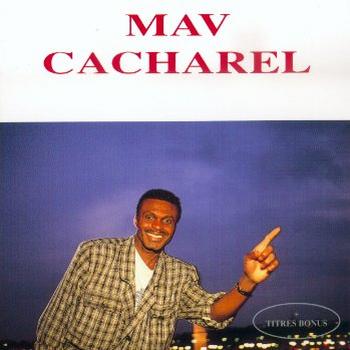
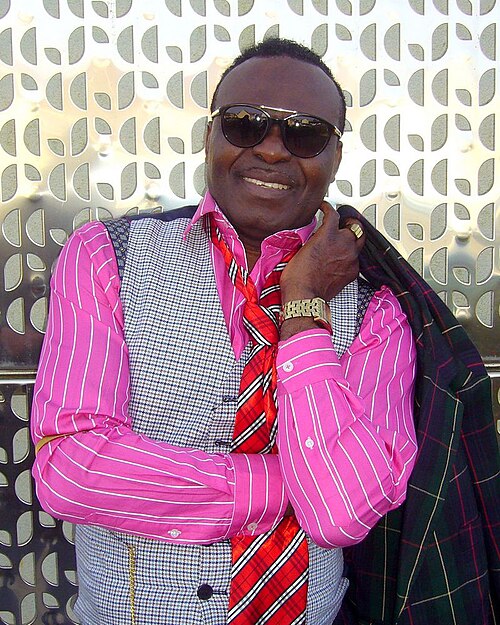
Mav Cacharel: the voice of Parisian soukous
Born in 1957 in Brazzaville, Mav Cacharel — whose real name is Hilaire Youla — is one of the pioneers of soukous, this Congolese music style born from a blend between African rumba and American rhythms & blues, characterized by interwoven electric guitar riffs1. The nickname “Cacharel” comes from his admiration for the clothing brand, a name he received as a youth nickname.
In brief
| Full name | Hilaire Youla (stage name: Mav Cacharel) |
| Birth | January 14, 1957, Brazzaville, Republic of the Congo |
| Field | Soukous, world music, Congolese music |
| Roles | Singer, songwriter-performer |
| Groups | Les Ombres, Les Sensas, Ndimbola Lokole, Loketo, Kebo, Les A Nanas |
| Labels | Éditions Kaluila, Lusafrica, DEBS Music |
| Awards | RFI Discoveries Prize (1983), Maracas d’or (1987), Best Song Award (1993) |
Key dates
| Year | Event |
|---|---|
| 1968 | Musical debut in Brazzaville with the group Les Ombres (age: 11) |
| 1970 | Joins the orchestra Les Sensas on the recommendation of Claude Alain, journalist for Congolese television |
| 1974 | Founds Ndimbola Lokole with Aurlus Mabélé, Jean Baron and Pedro Wapechkado |
| 1983 | Winner of the RFI Discoveries Prize; tour on the island of Mauritius; first galas in Paris |
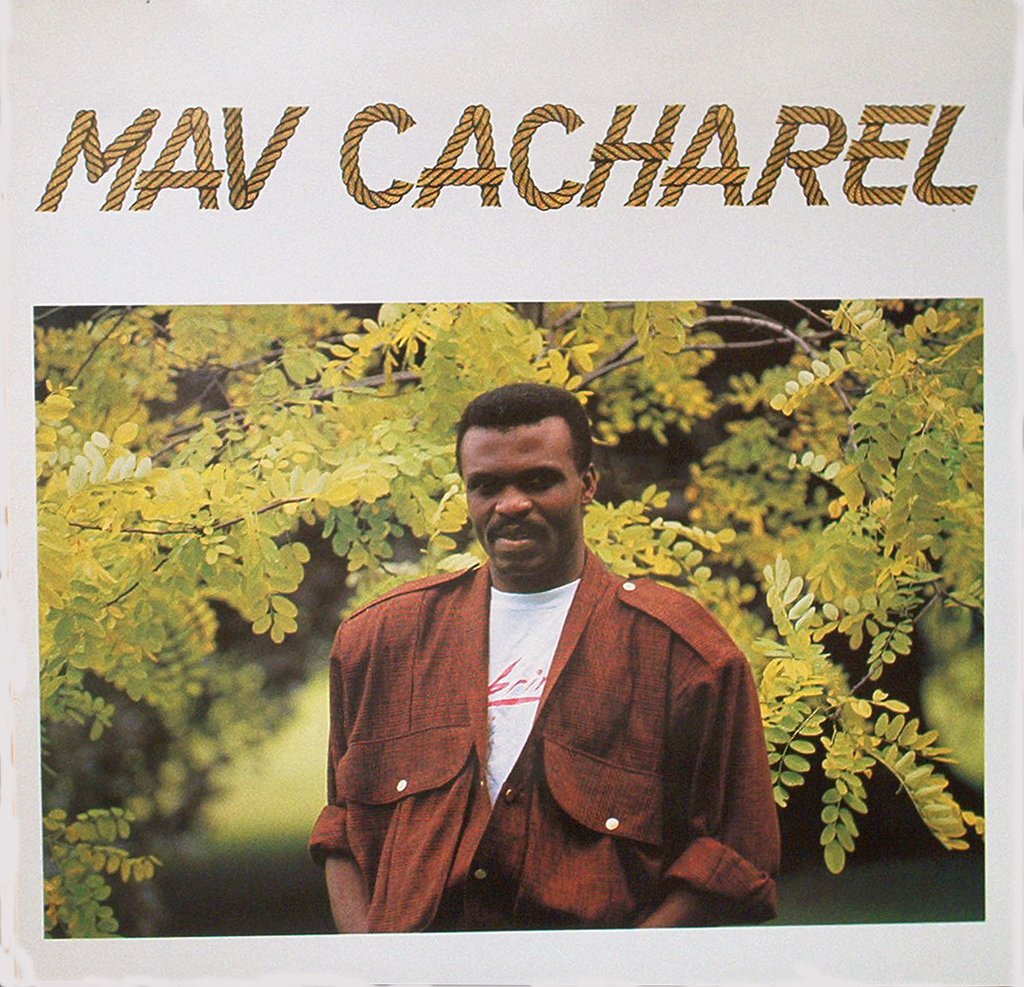
| 1987 | First solo album Chanti Die!; Loketo appears in the film Black Mic-Mac 2 |
| 1988 | World tour with Loketo (USA, Europe, Canada); album Trouble; departure to found Kebo |
| 1989 | First album with Kebo, Pour Toi; Baia Festival in Cape Verde; creation of the female group Les A Nanas with Denise Cairo |
| 1990 | Album Kebo, featuring Édith Lefel; tours in Africa and Europe |
| 1993 | Tours in Cameroon following the success of Louzolo and Triple Force |
| 1997 | Album Mokokissa produced by Claude Druck |
| 2004 | Return to solo with Kebo Na Brazzaville |
| 2005 | Project Coup de Filet frozen due to the death of Jean Baron |
| 2007 | Reformation of Loketo; album Réconciliation (20th anniversary of the group) |
| 2008 | Loketo releases Acte II: Confirmation; Mav Cacharel features on two tracks |
| 2017 | Album Lumière; invitation for Diblo Dibala on guitar |
| 2020 | Documentary Paris c’est l’Afrique: Entre Congo et Zaïre dedicates an episode to him |
Origins and Loketo
Hilaire Youla started music very young, at eleven years old, in the small groups of Brazzaville. In 1970, Congolese television journalist Claude Alain spotted him and recruited him into his orchestra, Les Sensas. He stayed there for four years, then in 1974 founded the group Ndimbola Lokole with Aurlus Mabélé, Jean Baron and Pedro Wapechkado. In 1983, he won the RFI Discoveries Prize — a contest that, at the time, propelled young African talents toward an international career. The journey to Paris marked a turning point: he reunited with his old comrades and joined Loketo, the soukous orchestra founded in 1986 by Aurlus Mabélé and guitarist Diblo Dibala. With Geo Bilongo, Mac Baron and Mack Macaire, Cacharel became one of Mabélé’s faithful members within the group2. Loketo crossed continents — USA, Canada, Europe, Africa — and recorded Trouble (1988), a landmark album that includes Cacharel’s first composition, Menssa.
Kebo and the solo career
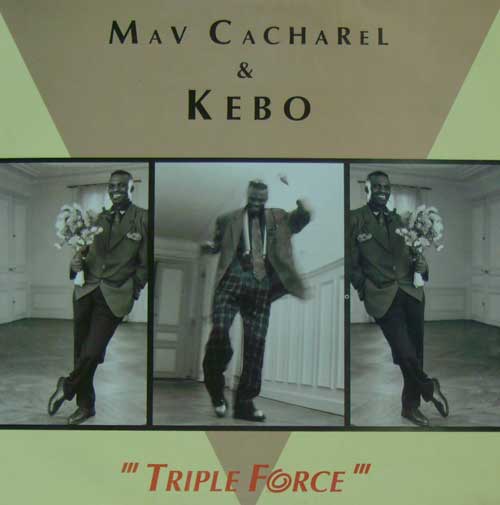
In 1988, Cacharel left Loketo to create his own group, Kebo. He recorded Pour Toi (1989) and invited Denise Cairo to found Les A Nanas, a female group for which he wrote the lyrics. His album Kebo (1990) launched the tracks N’kembo and Bana Kebo, with the participation of Édith Lefel, his only feature on a discography. He followed up with Louzolo (1991) and Triple Force (1992), two works that opened the doors of Cameroonian television. After a discographic pause, he returned in 1997 with Mokokissa, an album with a Caribbean flavor. His latest album, Kebo Na Brazzaville (2004), followed by Lumière (2017) with the invitation of Diblo Dibala on guitar, confirm his willingness to remain faithful to his style while making room for new generations3.
Legacy
Mav Cacharel has marked soukous in two ways4. First, by contributing to the rise of Parisian soukous, as acknowledged in Brazzaville’s application dossier to UNESCO’s network of creative cities. Second, by directly influencing the evolution of the genre, a recognition formulated by the magazine Music in Africa. Loketo, which he helped build, reformed in 2007 for the album Réconciliation, a title that summarizes the idea of music capable of healing wounds. Mav Cacharel remains today one of the few soukous artisans to have worked both as a group member and as a bandleader, always as a songwriter-performer.
Major works
| Work | Year | Why it is essential |
|---|---|---|
| Chanti Die! | 1987 | First solo album, recorded with future Loketo members |
| Trouble | 1988 | First Loketo album, includes Cacharel’s composition Menssa |
| Kebo | 1990 | World tours, featuring Édith Lefel, cult tracks N’kembo and Bana Kebo |
| Mokokissa | 1997 | Return after a pause, fusion of soukous and Caribbean styles |
| Réconciliation | 2007 | Loketo’s return, twenty years after the separation, tracks by Cacharel |
| Lumière | 2017 | Last solo album, invitation for Diblo Dibala, transmission of tradition |
Sources and references
-
Mav Cacharel (official website), Biography, mavcacharel.free.fr/biography.htm, accessed 29 October 2026. ↩︎
-
Afrisson, Mav Cacharel, afrisson.com/mav-cacharel-634/, accessed 29 October 2026. ↩︎
-
Pan African Music, Paris c’est l’Afrique: Between Congo and Zaïre, episode 4, pan-african-music.com, accessed 29 October 2026. ↩︎
-
RFI Musique, special edition 14 January 2007, rfi.fr/radiofr/editions/072, accessed 29 October 2026. ↩︎