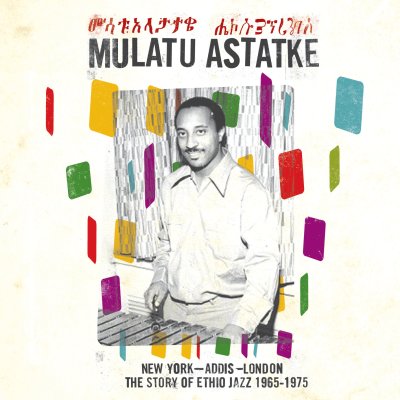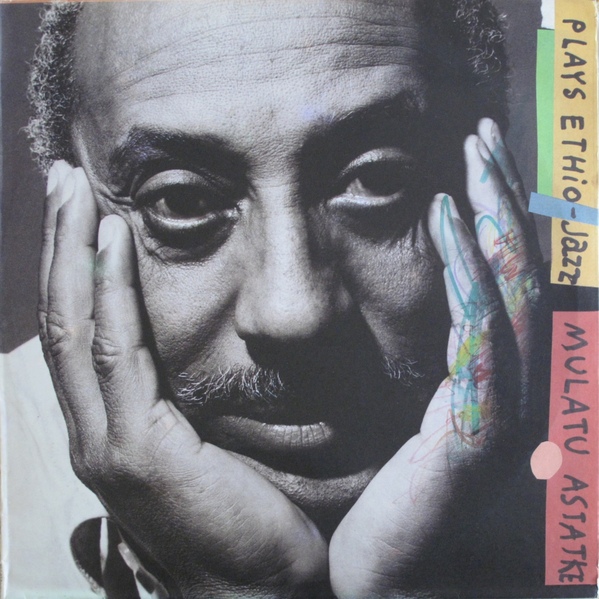
Biography
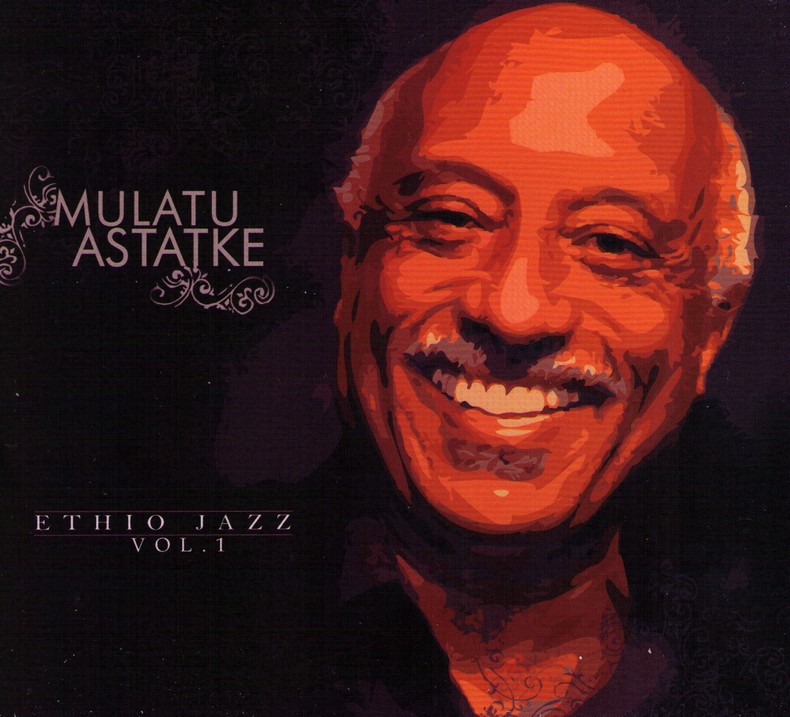
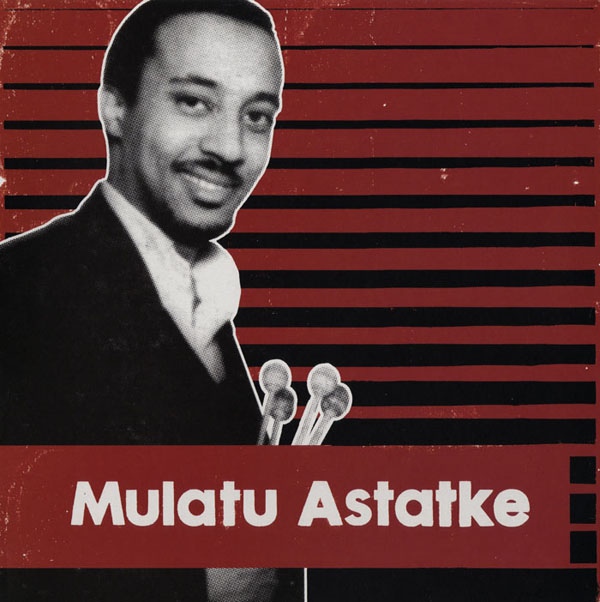
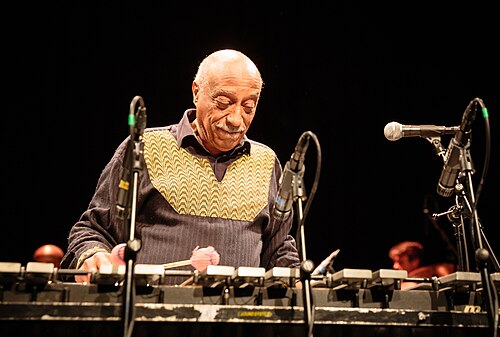
Mulatu Astatke: the man who invented Ethio-jazz
In 1973, the Duke Ellington formation performed in Addis-Abeba under the auspices of the American State Department. On stage, the great American bandleader shared the bill with an Ethiopian vibraphonist — Mulatu Astatke, coming from Boston and New York, who that evening united American jazz with Ethiopian pentatonics before Emperor Haïlé Selassié.
In brief
| Full name | Mulatu Astatke |
| Birth | December 19, 1943, Jimma, Ethiopian Empire |
| Field | Musician, composer, arranger — Ethio-jazz |
| Instruments | Vibraphone, congas, percussion, keyboards, organ |
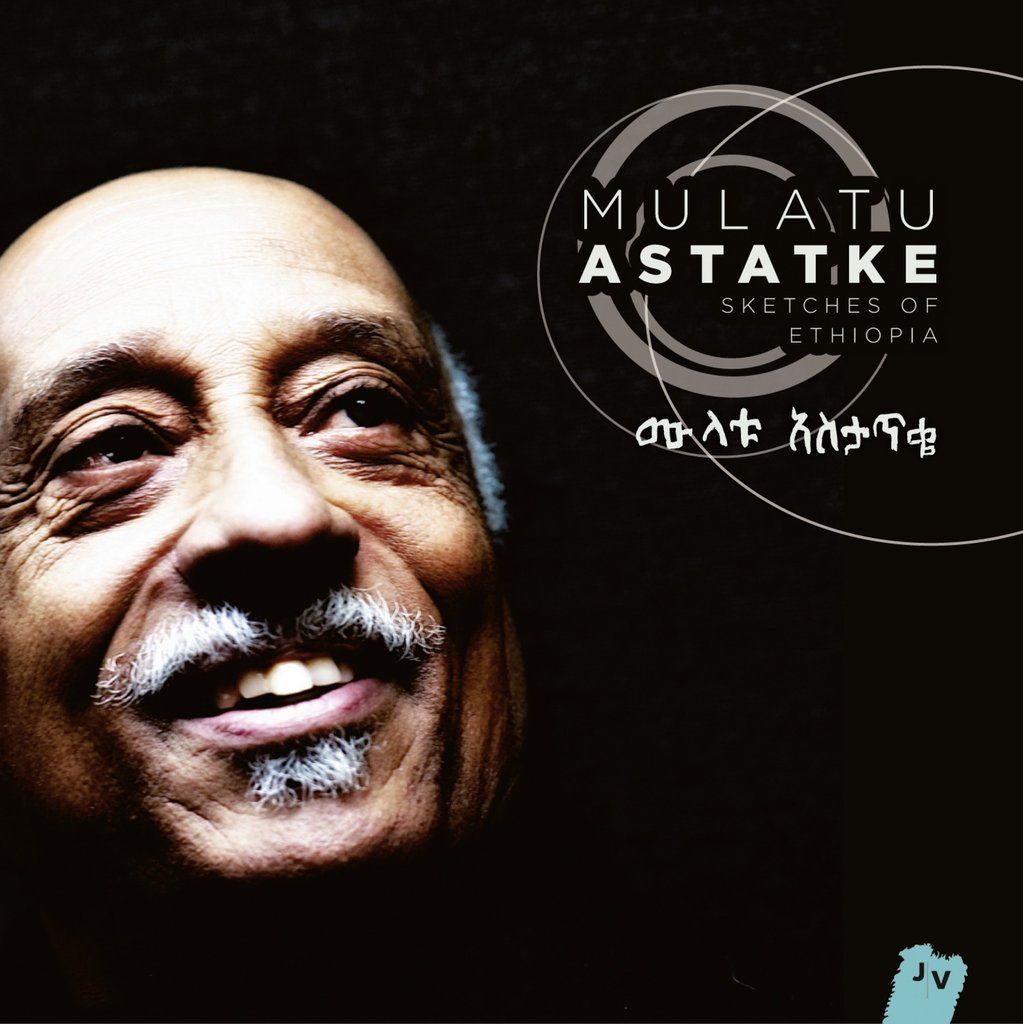
| Signature works | Mulatu of Ethiopia, Yekatit Ethio-Jazz, Sketches of Ethiopia |
| Honors | Grammy, honorary doctorate from Berklee (2012), Ordre des Arts et des Lettres (France, 2019) |
Key dates
| Year | Event |
|---|---|
| 1943 | Birth in Jimma, Ethiopia |
| 1959 | Departure for Wales; Lindisfarne College |
| 1961 | Trinity College of Music, London |
| 1963 | Berklee College of Music, Boston; first African student |
| 1966 | Afro-Latin Soul in New York |
| 1969 | Return to Addis-Abeba; birth of Ethio-jazz |
| 1974 | Yekatit Ethio-Jazz |
| 1998 | Reissue via the Éthiopiques series (Buda Musique) |
| 2005 | Tracks in Broken Flowers by Jim Jarmusch |
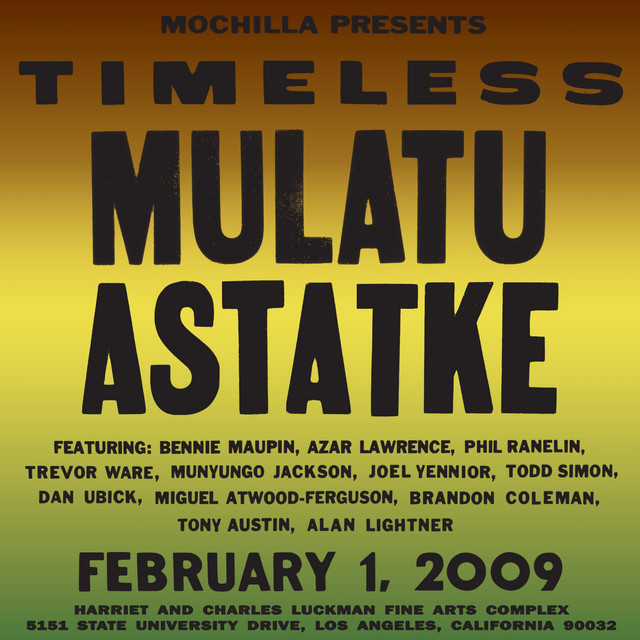
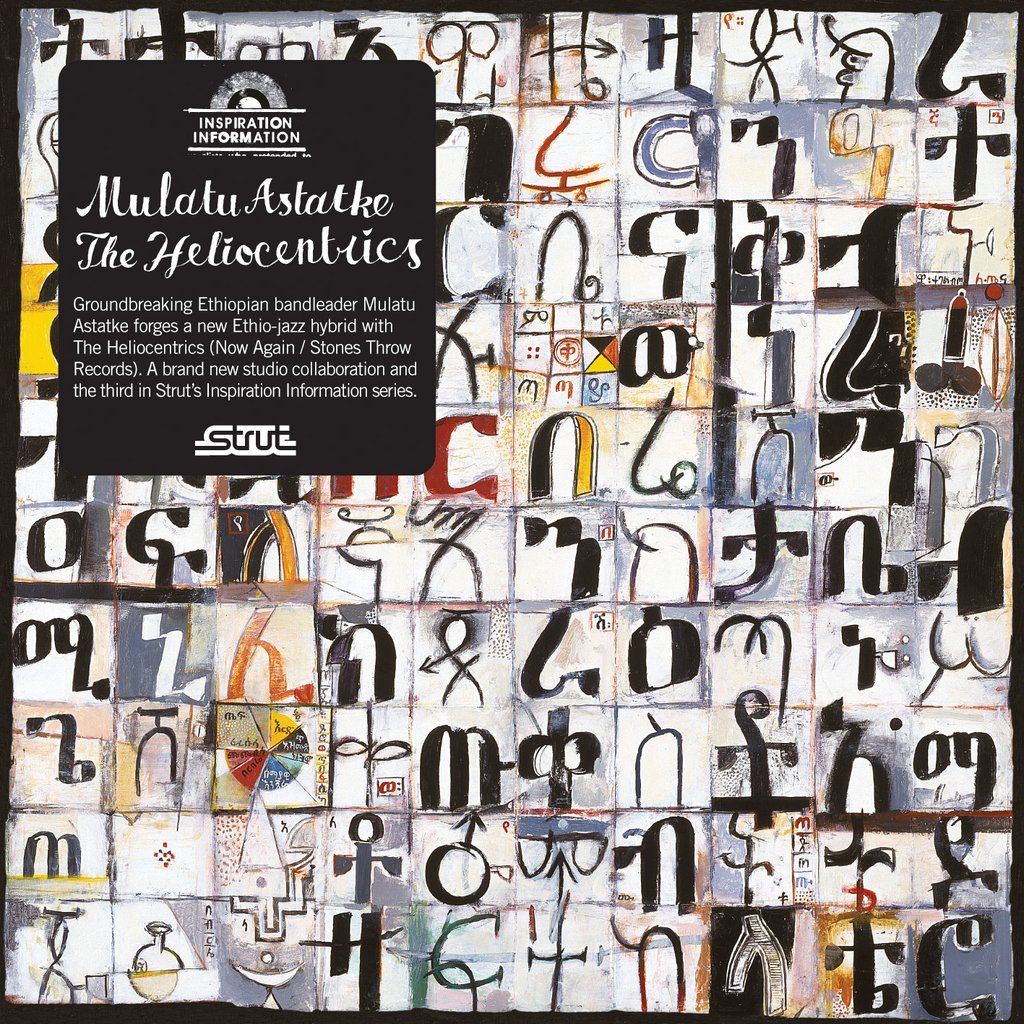
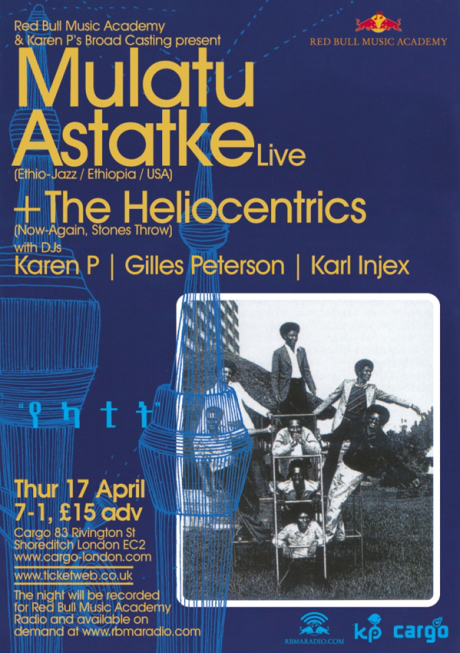
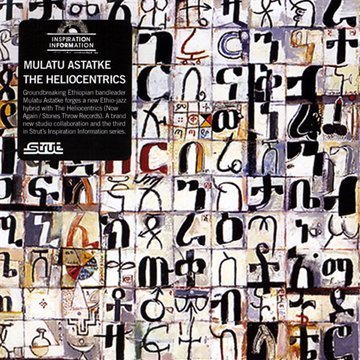
| 2009 | Collaboration with The Heliocentrics |
| 2012 | Honorary doctorate from Berklee |
| 2013 | Sketches of Ethiopia (Jazz Village) |
| 2019 | Ordre des Arts et des Lettres (France) |
| 2025 | Mulatu Plays Mulatu and farewell tour |
From London to Boston: the discovery of the vibraphone
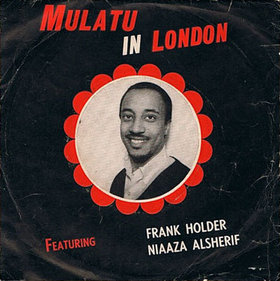
Mulatu Astatke was born on December 19, 1943, in Jimma, a trading town in southwestern Ethiopia, into an affluent Amhara Christian family. Sent to Wales at sixteen to study aeronautical engineering, he was captivated by music. He joined Lindisfarne College near Wrexham, then Bangor University, and finally the Trinity College of Music in London, where he learned piano, clarinet, and harmony. From that time onward, he frequented the clubs of Soho, rubbing shoulders with saxophonist Joe Harriott and percussionist Frank Holder, and worked with Edmundo Ros’s orchestra.
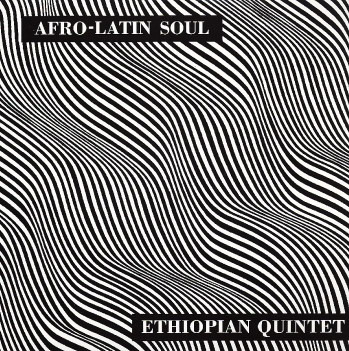
In 1963, Mulatu crossed the Atlantic and joined the Berklee College of Music in Boston, becoming its first African student. He studied vibraphone and percussion there. In Boston and New York, he absorbed jazz, Latin jazz, and boogaloo, forming his first group alongside Puerto Rican musicians. In 1966, he recorded Afro-Latin Soul vol. 1 and 2: Mulatu’s vibraphone, Cuban congas, pianos, and Latin American rhythms.
From vibraphone to the Derg: a new sound and a period of oblivion
Upon returning to Addis-Abeba in 1969, Mulatu discovered a capital in full effervescence. He fused Ethiopian pentatonics — these five-note modes of Coptic liturgical music — with Western harmonies and Latin rhythms, baptizing this new sound: Ethio-jazz. He introduced the vibraphone and conga into Ethiopian popular music.
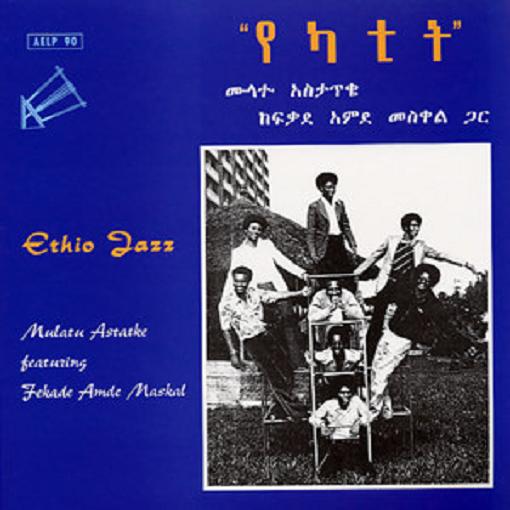
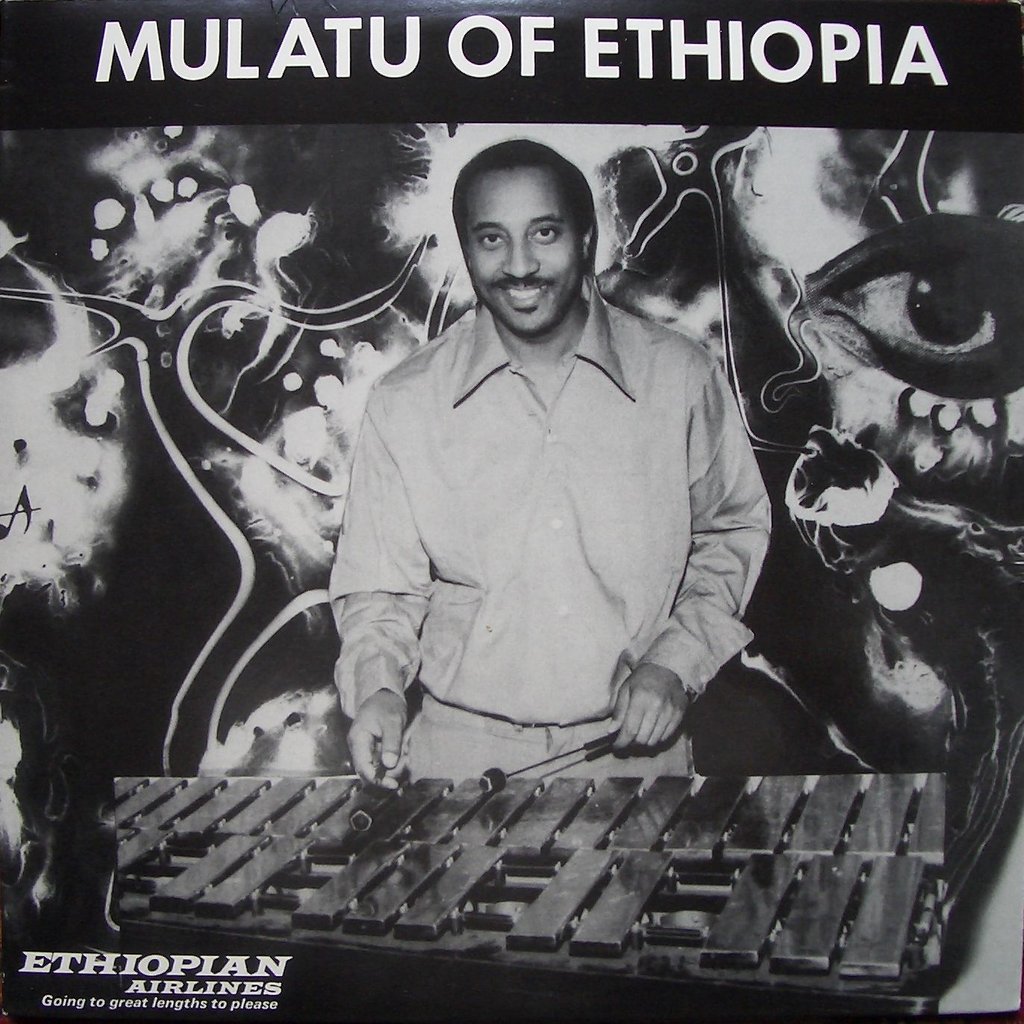
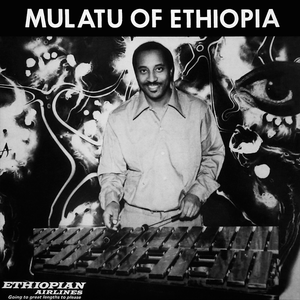
His arranging talent attracted Amha Eshete, who founded Amha Records, the country’s first independent label. Mulatu recorded numerous instrumentals — often as B-sides on vocal albums — and collaborated with Ethiopia’s greatest voices, including Mahmoud Ahmed. In 1972, he returned to New York to record Mulatu of Ethiopia. Yekatit Ethio-Jazz (1974) was the first Ethiopian album conceived as a unique work. In 1973, he performed alongside Duke Ellington at an imperial palace concert.
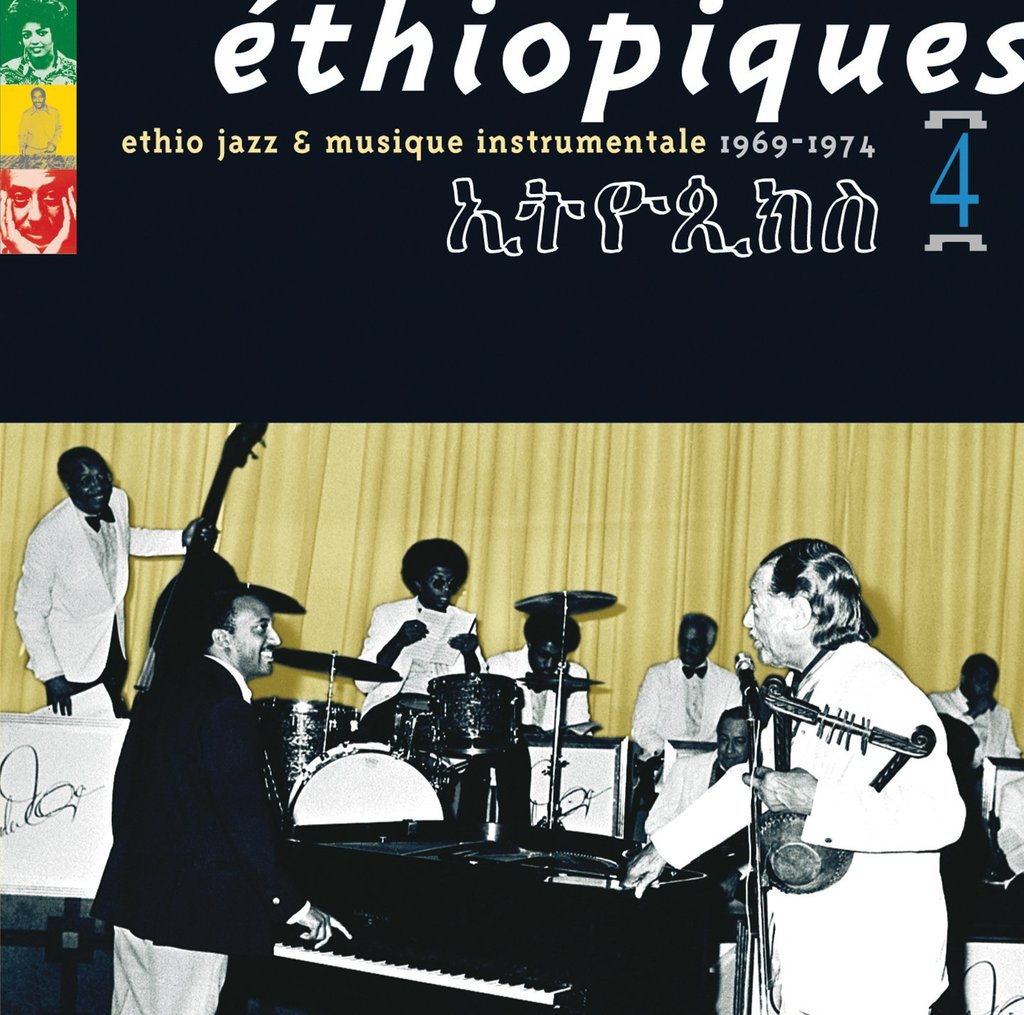
The Derg’s seizure of power in 1974 plunged the country into a Marxist dictatorship and closed the clubs. Mulatu taught music and played with Hailu Mergia and the Walias Band on the album Tche Belew (1977). He visited Havana, where he studied Latin music firsthand. In the early 1990s, American and European vinyl collectors scoured flea markets to unearth his records. French producer Francis Falceto tracked down Amha Eshete and saved the master tapes. In 1998, Buda Musique published the Éthiopiques series: volume 4, dedicated to Mulatu, introduced him to the world. In 2005, Jim Jarmusch incorporated four of his tracks into Broken Flowers. His recordings were sampled by Nas, Damian Marley, Kanye West, Madlib, and Cut Chemist.
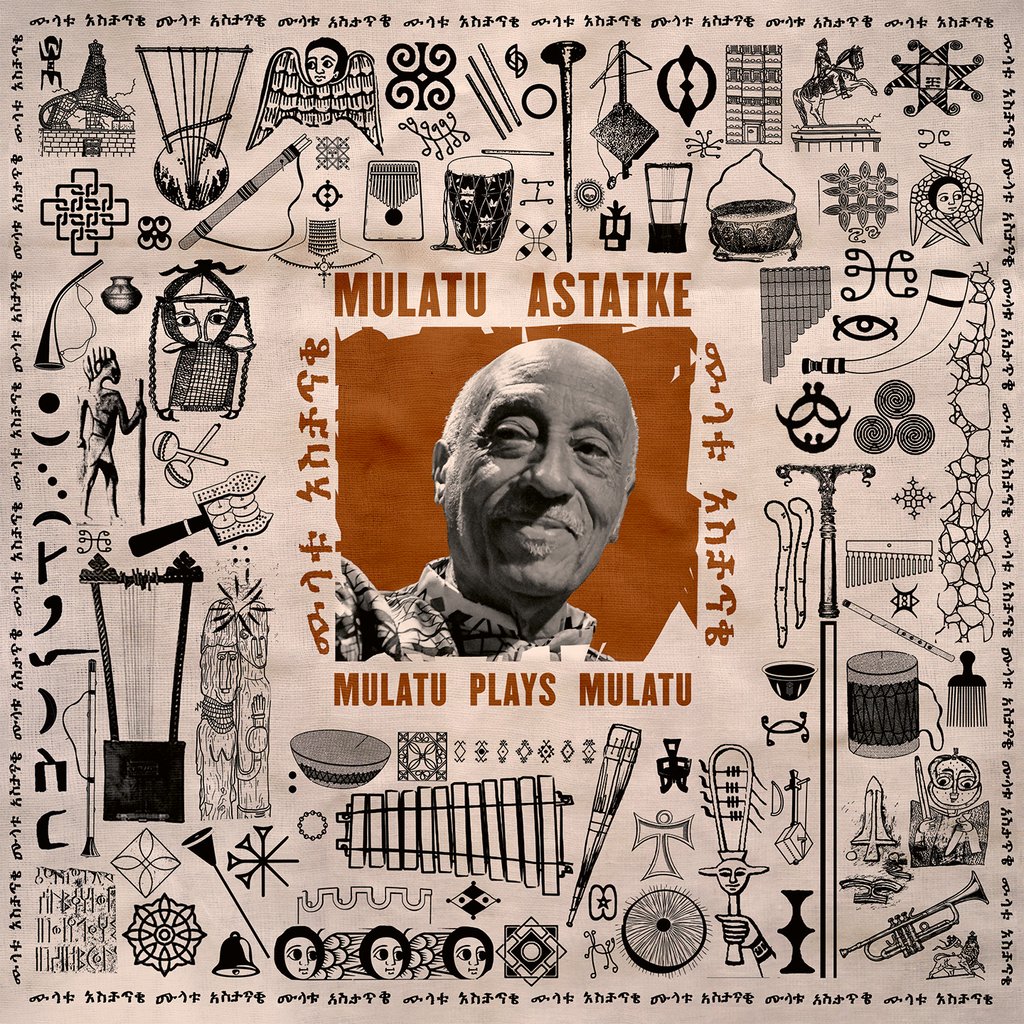
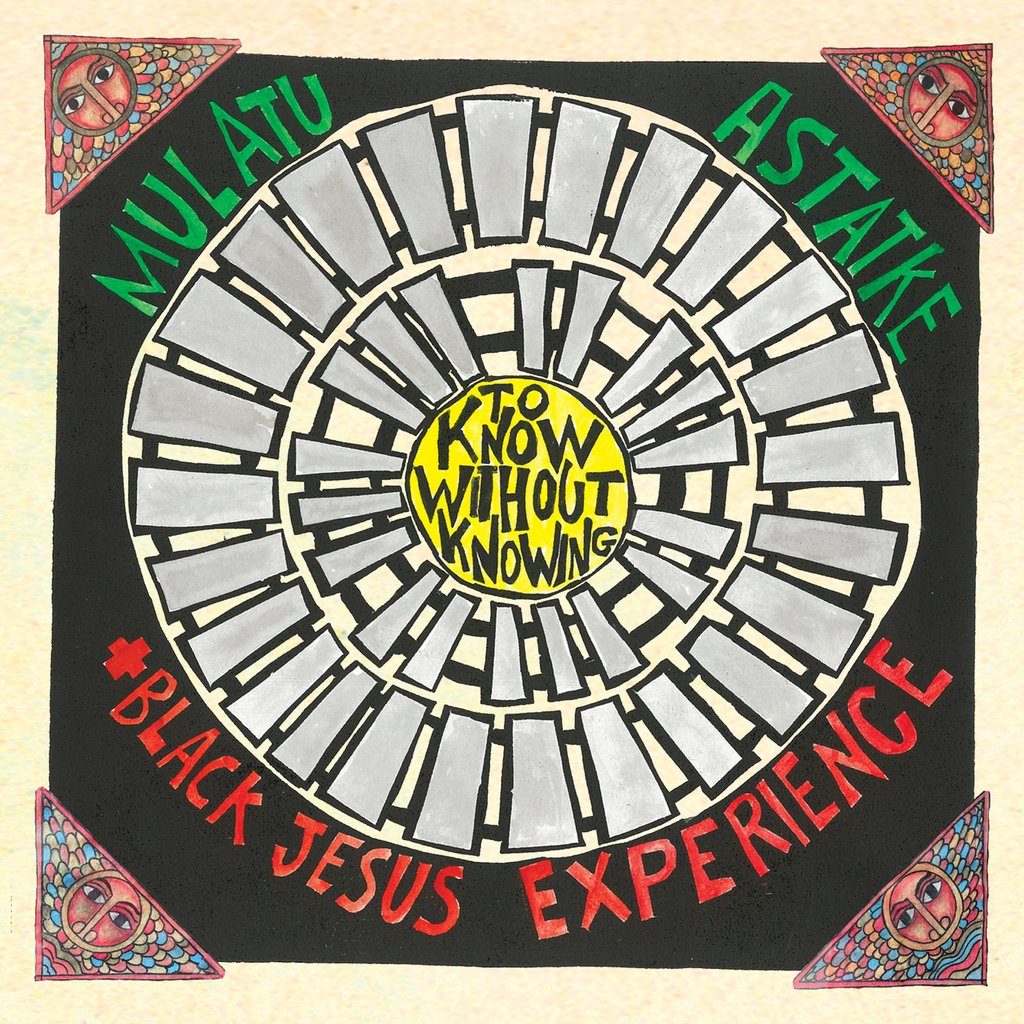
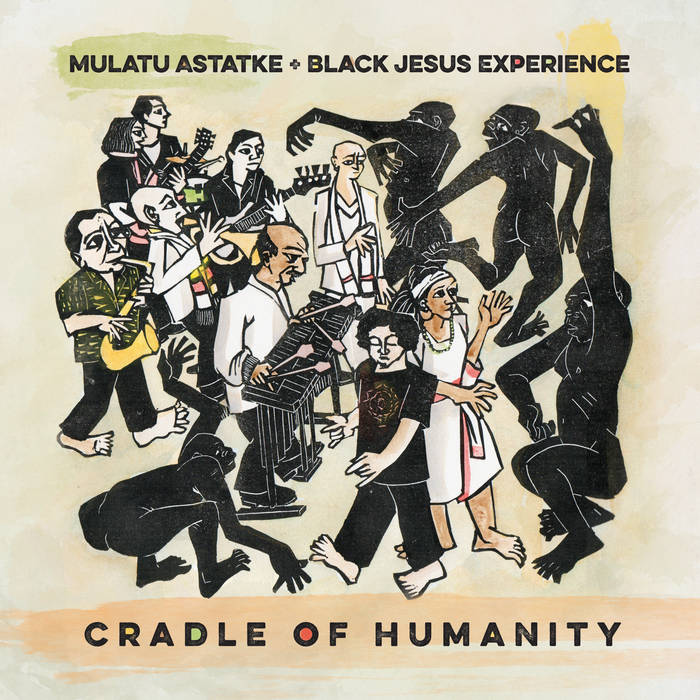
Mulatu multiplied international collaborations: The Heliocentrics (2009), Either/Orchestra, the Black Jesus Experience (2016). He founded a music school and the African Jazz Village club in Addis-Abeba, received an honorary doctorate from Berklee (2012), and then the Ordre des Arts et des Lettres in 2019. In 2025, at 81, he announced a farewell tour and published Mulatu Plays Mulatu, a revisited return to roots featuring traditional Ethiopian instruments — krar, masenqo, begena.
Major works
| Work | Year | Why it’s essential |
|---|---|---|
| Afro-Latin Soul (vol. 1 & 2) | 1966 | First recordings, nascent fusion of Latin jazz and Caribbean rhythms |
| Mulatu of Ethiopia | 1972 | First solo album recorded in New York; vibraphone as lead instrument |
| Yekatit Ethio-Jazz | 1974 | First Ethiopian album conceived as a unique work; fully realized ethio-jazz |
| Sketches of Ethiopia | 2013 | Contemporary renaissance; bridge between international stage and Ethiopian roots |
Legacy and influence
Mulatu Astatke’s Ethio-jazz has become a globally recognized genre, sampled by hip-hop producers and studied in conservatories. Beyond critical acclaim, he advocates for the recognition of tribal musicians — whom he calls the “bush people” — and maintains that his duty as an African is to honor the continent’s geniuses. With him, Ethiopia is no longer a mysterious name on a reissued vinyl sleeve; it is a country whose music changed the game.
Sources and references
- « Mulatu Astatke », Wikipédia, https://en.wikipedia.org/wiki/Mulatu_Astatke, consulté le 19 octobre 2026.
- « Mulatu Astatke: the man who created ‘Ethio jazz’ », The Guardian, https://www.theguardian.com/music/2014/sep/05/mulatu-astatke-man-created-ethiopian-jazz, consulté le 19 octobre 2026.
- « ‘Give respect to Africa and the bush people’: Mulatu Astatke on pioneering Ethio-jazz and honouring his roots », The Guardian, https://www.theguardian.com/music/2026/jul/30/ethio-jazz-mulatu-astatke-interview-music-mulatu-plays-mulatu-album, consulté le 19 octobre 2026.
- « Riffing with Mulatu Astatke, the king of Swinging Addis », National Geographic, https://www.nationalgeographic.com/culture/article/mulatu-astatke-ethiopia-jazz-addis, consulté le 19 octobre 2026.
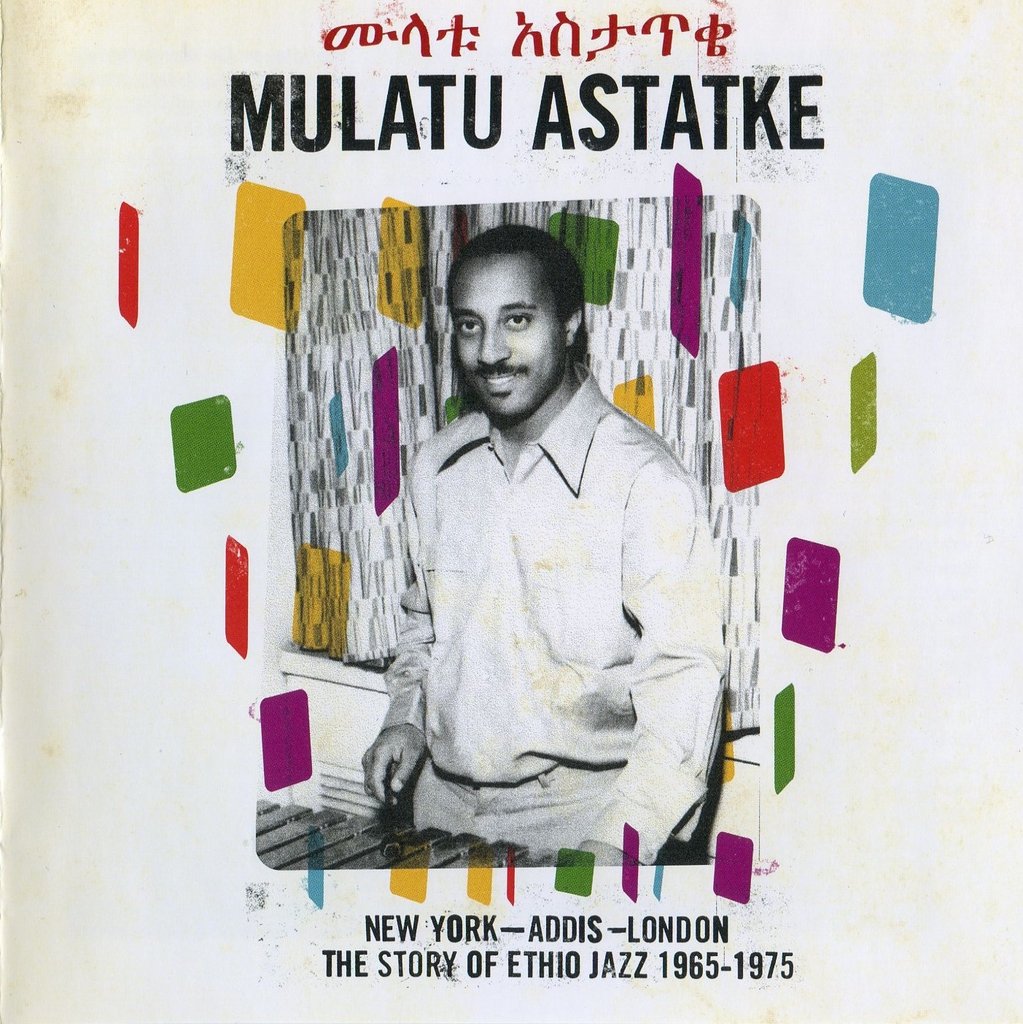
- « Mulatu Astatke: New York-Addis-London: The Story of Ethio Jazz 1965-1975 », Pitchfork, https://pitchfork.com/reviews/albums/13678-new-york-addis-london-the-story-of-ethio-jazz-1965-1975/, consulté le 19 octobre 2026.
- « Godfather of Ethiopian jazz on his farewell tour », BBC News, https://www.bbc.com/news/articles/cy073xp2yj0o, consulté le 19 octobre 2026.
- « Mulatu Astatke, the father of Ethiopian jazz », The Economist, https://www.economist.com/baobab/2010/10/22/mulatu-astatke-the-father-of-ethiopian-jazz, consulté le 19 octobre 2026.
- « Mulatu on Mulatu: The Father of Ethio Jazz, Needs A Favor. », Wax Poetics, https://waxpoetics.com/blogs/editorial/mulatu-on-mulatu-the-father-of-ethio-jazz-needs-a-favor, consulté le 19 octobre 2026.