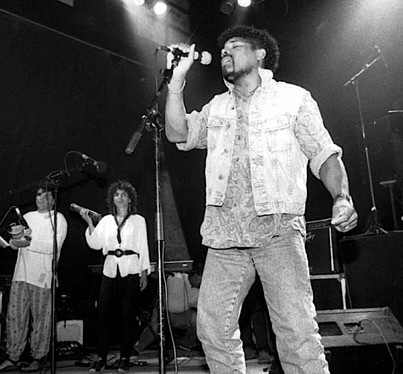
Biography
Naessayé
In May 2011, a self-produced CD landed on the music scene of La Réunion: Babylon Stop by the group Naessayé. Thirty years after the first fusion chords between maloya and reggae on the island, the group confirms that this hybrid sound — baptized malogae (maloya + reggae) — is not a passing fad, but the voice of an entire generation.
Naessayé, also spelled Naéssayé, is a pioneering Réunionese group of malogae, a genre born in the 1980s in La Réunion that marries maloya — the music of the descendants of Malagasy and Mozambican slaves, long a symbol of cultural resistance — with Jamaican reggae. A style shared with a few other island formations like Progression and Patrick Persée, but which Naessayé has made into a recognizable trademark through the quality of its arrangements and the social engagement of its lyrics [^1].
In Brief
| Group Name | Naessayé (also spelled Naéssayé, Naessaye) |
| Origin | La Réunion (Indian Ocean) |
| Genre | Malogae (maloya + reggae), séga |
| Active Period | 1990s – present (at least 2012) |
| Founding Member | Philippe Lapotaire |
| Emblematic Works | Ô Dieu (1994), Ote La Sere (1998), Babylon Stop (2011) |
Key Dates
| Year | Event |
|---|---|
| Before 1994 | Formation of the group in La Réunion by Philippe Lapotaire |
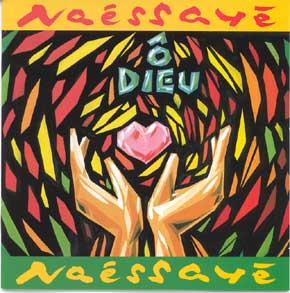
| May 1994 | Release of the album Ô Dieu (Discorama) |
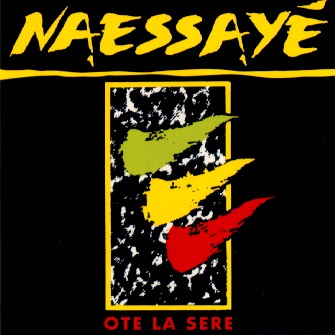
| February 1998 | Release of the album Ote La Sere (Discorama); recording at Pam Pam Club, Saint-Denis |
| May 2011 | Release of Babylon Stop, first self-produced album (NAES07/1) |
| December 2012 | Concert at the Avirons stadium for the Fête Kaf, La Réunion |
| March 2013 | Appearance in metropolitan France in Toulouse for the Creole Easter dinner organized by Reflet des Îles |
The Roots of Malogae and the Naessayé Identity
Malogae was born in La Réunion in the early 1980s, under the influence of Bob Marley’s reggae. Groups like Patrick Persée and Progressione are recognized as the inventors of the style: fusing maloya, this music carrying the memory of slave camps, with the deep basses and Rasta message of reggae. Philippe Lapotaire is part of this founding wave [^2].
Philippe Lapotaire is the leader of Naessayé: singer, keyboardist, guitarist, and lyricist. He writes almost all of the group’s lyrics and assumes artistic direction — he produced himself the first self-funded album, Babylon Stop, in 2011 [^3]. The other members vary according to the era: Roland Decomble on guitar for the first album, Pascal Dalleau and Félix Castel on percussion for Ote La Sere, then Thomas Lapotaire (percussion) and Teddy Lapotaire (keyboard/synth) on the third, suggesting a family dynamic within the group [^4].
The name Naessayé — which approaches the Creole spelling na essayé, in French “on a essayé” — reflects this ambition to bring forth an authentic Réunionese sound, neither purely French nor purely African. The lyrics in Creole and French speak of roots, injustice (Femmes Battues), social conscience (“Kalité”), and hope (“Chante Pour La Paix” on Ô Dieu) [^5].
From Discorama Studio to the Stage: A Career of Commitment
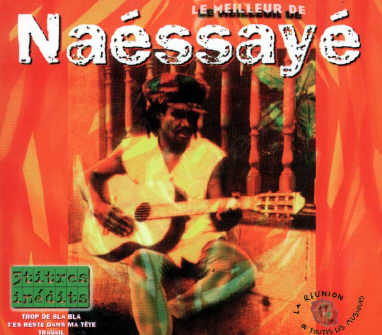
Ô Dieu, the 1994 album, immediately places Naessayé in the wake of the Réunionese cultural renaissance of the 1990s — that of Ziskakan, Danyèl Waro, or Firmin Viry. With nine tracks, mostly sung in Creole, the record is noted for its blend of séga and reggae designated by the Discogs notice as maloggae — a local orthographic variant of malogae [^6]. The dense line-up (guitars, bass, keyboard, saxophone, flute) gives the record a rare thickness for a debut album.
Ote La Sere, in 1998, marks an evolution: the recording takes place at the Pam Pam Club in Saint-Denis, and the sound hardens. Key tracks like “Viens Gouter” or “Rasta Creol” confirm an identity where maloya resonates subtly beneath the synth pads and raggateck guitars [^7].
After a thirteen-year hiatus, Babylon Stop arrives in 2011. Self-produced by Philippe Lapotaire and released without a label, the record is more stripped down — eight tracks, a more direct direction — but does not renounce the complexity of their predecessors. Naessayé then continues to perform on stage: the 2012 Fête Kaf at the Avirons, then in metropolitan France in Toulouse in 2013 for a Creole Easter dinner, with Philippe Lapotaire himself present at the microphone [^8].
Legacy and Influence
Naessayé belongs to a first generation of Réunionese groups that, in the 1990s and 2000s, legitimized malogae as a genre in its own right. Their legacy is perceived in more recent scenes: artists like Labelle (electro maloya) or Aurus inscribe themselves in the same line of fusion between local tradition and contemporary music [^9]. The Discorama label, which carried the group’s first two albums, remains today one of the few labels in the region to invest massively in Creole and maloya music — proof, if any were needed, that Naessayé contributed to opening the way.
For now, the group continues to live in the halls and kabars of La Réunion, far from major media. Its catalog counts three studio albums — a small number that testifies less to a lack of creativity than to assumed independence, that of groups who refuse to bow to market codes. Naessayé is nothing of a commercial phenomenon; it is a voice, patient and obstinate, of Réunionese music.
Sources and References
- « Histoire de la musique réunionnaise », Réunionweb, accessed November 3, 2025. https://reunionweb.org/decouverte/histoire/musique
- Songlines, « Essential 10 La Réunion Albums », Songlines, May 15, 2025. https://www.songlines.co.uk/content/features/essential-10-la-reunion-albums
- Naessayé*, Babylon Stop (CD, Album), Discogs release r19701520. https://discogs.com/release/19701520-Naessaye-Babylon-Stop
- Naessayé*, Ote La Sere (CD, Album, Stereo), Discogs release r5410488. https://discogs.com/release/5410488-Naessay%C3%A9-Ote-La-Sere-
- Naéssayé, Ô Dieu (CD, Album), Discogs release r12564295. https://discogs.com/release/12564295-Na%C3%A9ssay%C3%A9-%C3%94-Dieu
- Réunionweb (cf. [^1]).
- Discogs release r5410488 (cf. [^4]).
- Naéssayé & Philippe Lapotaire, concert Fête Kaf 2012 aux Avirons ; Reflet des Îles, Easter Creole dinner Toulouse 2013, réunionnaisdumonde.com (cf. [^4]).
- Châtelet, « Labelle — Biographie », Théâtre du Châtelet, accessed November 3, 2025. https://www.chatelet.com/artiste/labelle