Biography
Nasio Fontaine: the voice of Dominican reggae
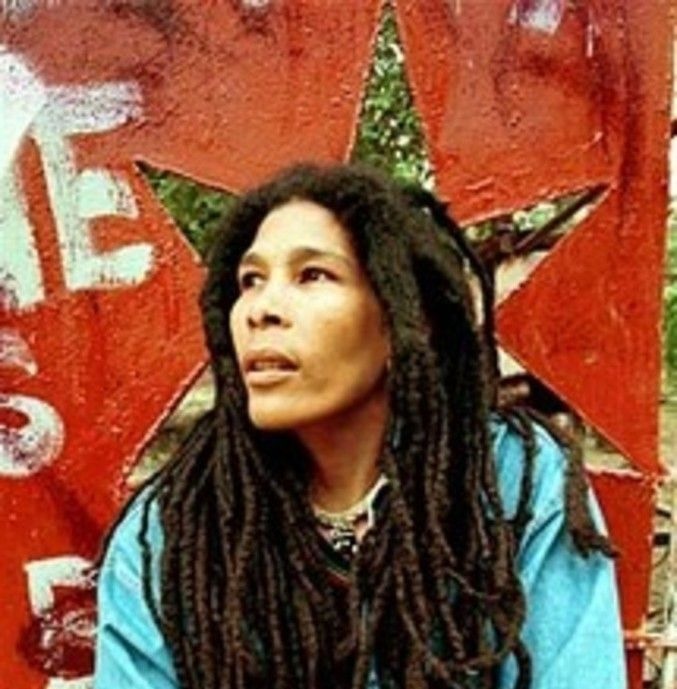
On July 11, 2007, on the Glastonbury stage, Nasio Fontaine imposed a raspy voice and a conscious message. Born in 1969 in a wooden house without electricity or running water, this son of a Kalina-go mother and an African-descended father has become one of the most respected reggae artists in the Caribbean1.
In brief
| Full name | Nasio Fontaine |
| Birth | 1969, Carte-Bois (Bagatelle), Dominica |
| Death | Alive |
| Field | Reggae roots; Caribbean music |
| Instrument | Vocals, self-taught multi-instrumentalist |
| Notable works | “Born to Be Free”, Reggae Power, Universal Cry |
| Honors | Sisserou Award of Honour (2007) |
Key dates
| Year | Event |
|---|---|
| 1969 | Birth in Carte-Bois, Dominica |
| 1981 | Move to Saint-Martin; discovery of reggae |
| 1986 | First single “Born to Be Free”; 5,000 copies sold |
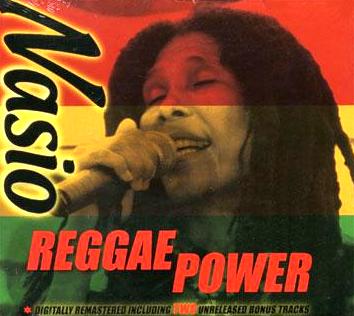
| 1994 | First album Reggae Power at Mixing Lab Studios (Jamaica) |
| 1996 | Reggae Power named Best Reggae Album by Reggae Roots International Magazine |
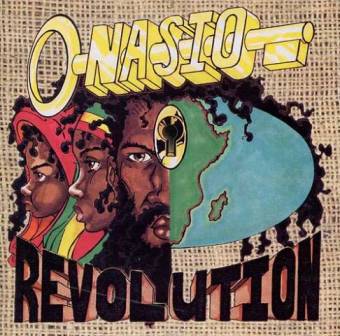
| 1999 | Revolution, album denouncing the oppression of Rastafaris in Dominica |
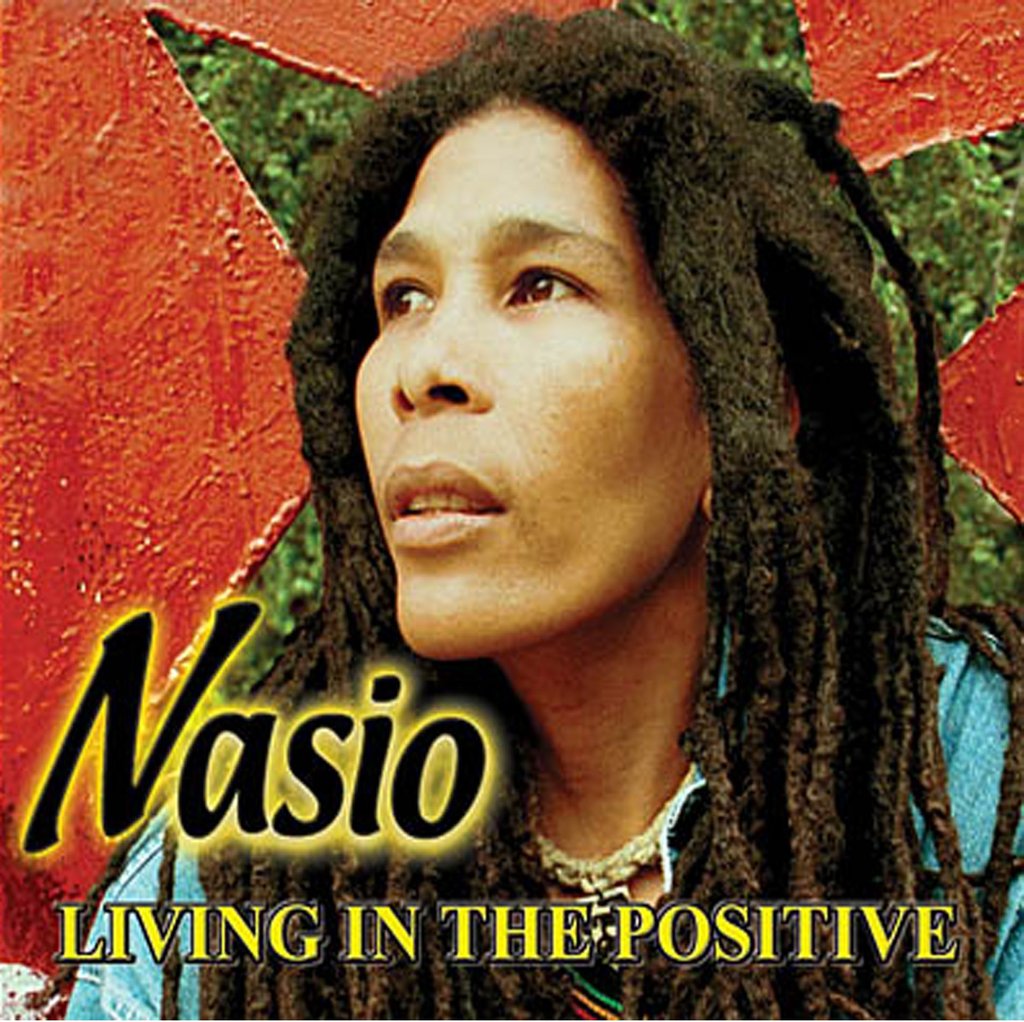
| 2004 | Living in the Positive on Ras Records |
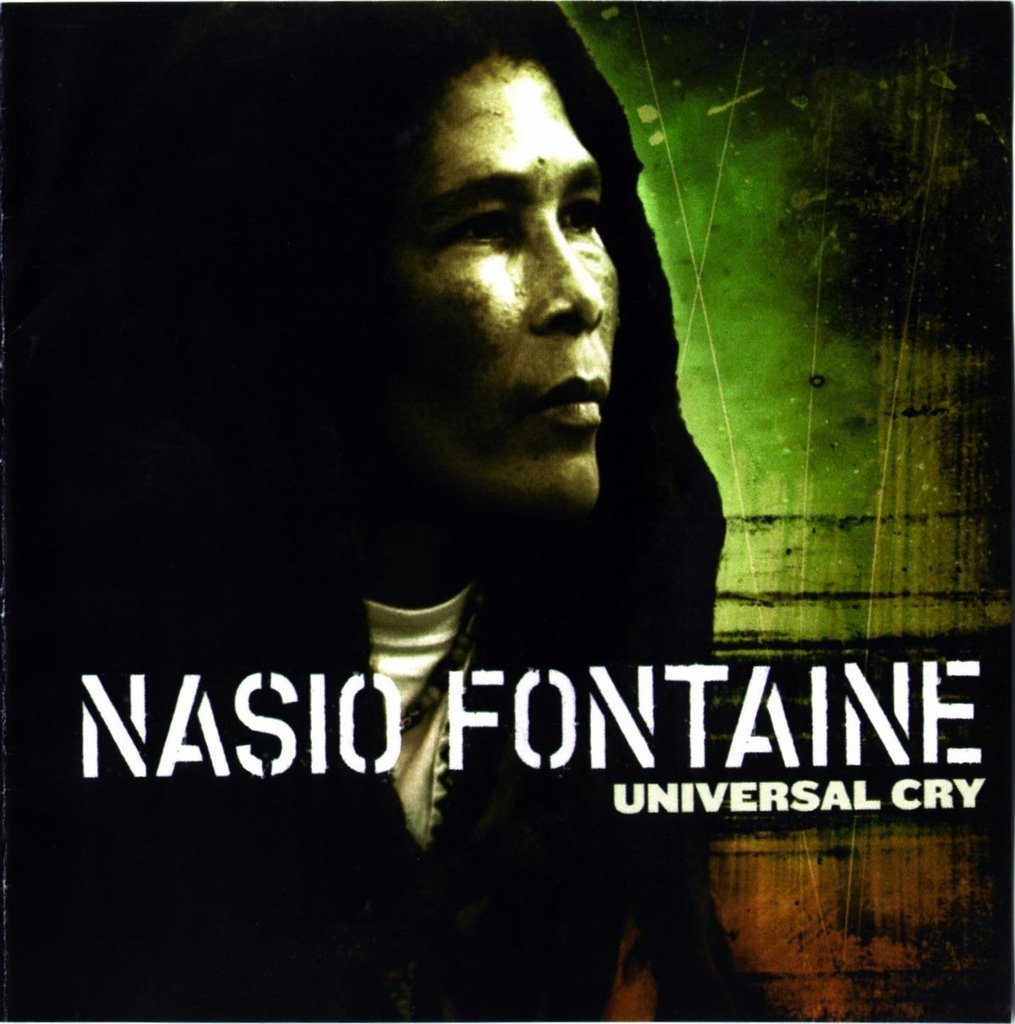
| 2006 | Universal Cry at Peter Gabriel’s Real World Studios; tour in Africa |
| 2007 | Concert at Glastonbury; Sisserou Award of Honour |
| Late 2000s | Withdrawal from the stage; return to agriculture in Dominica |
A child of wood
Nasio Fontaine was born in 1969 in the village of Carte-Bois, on the southeast coast of Dominica2. His father is of African descent and his mother belongs to the Kalina-go people, the original indigenous peoples of the island. The family lived in a one-room wooden house without running water or electricity. The children had to fetch water every morning from the Gwiyo River. At Bagatelle school, Nasio tapped on the teachers’ desks and at home he hit everything—pots, milk cartons. At eight years old, he sang in the Catholic church choir of the village and won competitions at nine, ten, and eleven. His first prize: a ruler, a pack of books and pencils, which his mother no longer had to buy.
To listen to music, the family shared a small six-inch Phillips radio powered by an oil lamp. They listened to calypso—Mighty Sparrow, the Merrimen from Barbados—and through that little box, souls that made the world tremble: Curtis Mayfield, Sam Cooke, Marvin Gaye3. Reggae, Nasio only heard it later.
Saint-Martin: Rastafari and first recordings
In 1981, Nasio moved to Saint-Martin, the neighboring Atlantic island. Rastafari is a spiritual movement born in Jamaica in the 1930s, which venerates Emperor Haile Selassie I of Ethiopia as a messianic figure4. In Dominica, Rastafari was looked down upon: followers were hunted for their dreadlocks. In Saint-Martin, Nasio finally found air to breathe. He absorbed the sound of Joseph Hill, Burning Spear, Jacob Miller and especially Bob Marley, to whom he was constantly compared. He worked as a yacht cleaner, store sweeper and dock laborer. For five years, he saved every dollar and financed his first recording sessions with the help of his brother. In 1986, he recorded his first single “Born to Be Free”, written as a protest against apartheid. The title sold 5,000 copies in Saint-Martin—the island’s record. Nasio became the “Born-To-Be-Free-Man” of Saint-Martin.
Consecration and universal message
In 1992, Nasio recorded at Kingston’s Mixing Lab Studios in Jamaica with musicians like Robbie Lyn, Dwight Pickney and Keith Sterling. Reggae Power, his first full-length album, was released in 1994 after remaining in a drawer for two years. The album was named Best Reggae Album by Reggae Roots International Magazine in 1996 and Nasio received the Best New Artist award from Gavin Magazine. Revolution (1999) contains “Black Tuesday”, a track denouncing the oppression of Rastafaris in Dominica. Living in the Positive was released on Ras Records in 2004. Universal Cry, recorded in 2005 at Long View Farm in Massachusetts and at Peter Gabriel’s Real World Studios in England, with producer Richard Evans, met with vibrant critical success. “The music is a representation of people: the music fights against separation, downpression, and unrighteousness, and the music stands for the people who stand for upfulness. If I’m in Africa, I hear people say the same cry about nuclear weapons and war and starvation, and then you go to London and people still have the same basic concerns. This music comes to talk about these things, so it’s a whole universal cry,” explains Nasio5.
Legacy
Nasio Fontaine retired from the music scene at the end of the 2000s to dedicate himself to agriculture in Dominica and the charitable work of the Nasio Foundation6. His legacy is a reggae rooted in daily realities, far from international circuits but carried by a message that crossed borders and conflicts. In Sierra Leone as in Jamaica, his music resonated like a companion in struggle.
Major works
| Work | Year | Why it’s essential |
|---|---|---|
| “Born to Be Free” | 1986 | First single, protest against apartheid; Saint-Martin sales record |
| Reggae Power | 1994 | First album, recorded at Kingston’s Mixing Lab; international award |
| Revolution | 1999 | Album engaging against Rastafari oppression in Dominica |
| Universal Cry | 2006 | Recorded at Real World Studios; tour in Africa |
Sources and references
-
Wikipedia, Nasio Fontaine, accessed 30 October 2026, https://en.wikipedia.org/wiki/Nasio_Fontaine ↩︎
-
Britannica, Dominica, accessed 30 October 2026, https://www.britannica.com/place/Dominica ↩︎
-
AllMusic, Nasio — Biography by Andrew Hamilton, accessed 30 October 2026, https://www.allmusic.com/artist/nasio-mn0000678176 ↩︎
-
Washington Post, NASIO Living in the Positive, 13 February 2004, accessed 30 October 2026, https://www.washingtonpost.com/archive/lifestyle/2004/02/13/nasio-living-in-the-positi/7ce6ea42-6b70-49ec-86bf-43894aa60de3/ ↩︎
-
Caribbean Beat Magazine, Nasio Fontaine: hear his cry by David Katz, no. 81, September–October 2006, accessed 30 October 2026, https://www.caribbean-beat.com/issue-81/nasio-fontaine-hear-his-cry ↩︎
-
Enkisi Music Records, Nasio Fontaine: the fascinating story of a reggae artist from Dominica, accessed 30 October 2026, https://enkismusicrecords.com/nasio-fontaine-biography/ ↩︎