Biography
Niney the Observer: The Observer Who Set Fire and Flame
Did you know? The nickname “Niney” comes from an industrial accident where he lost his thumb: only nine remained, hence the nickname that would stick to his entire career.
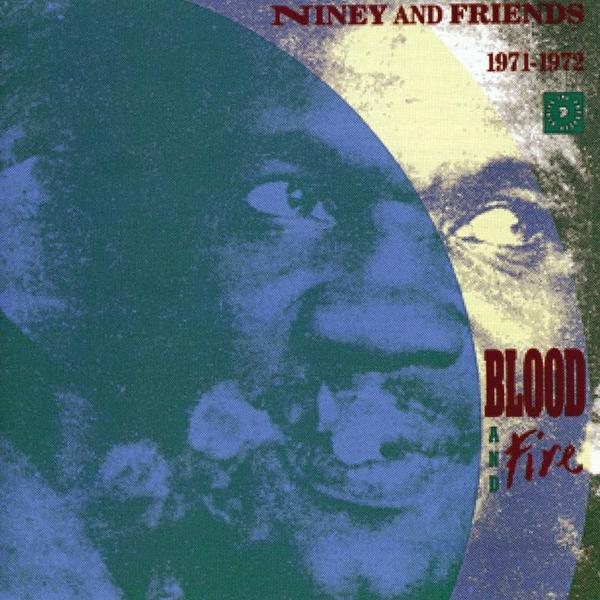
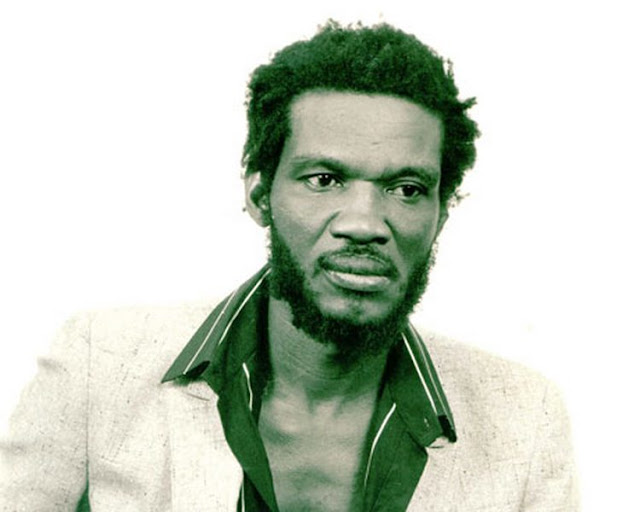
In December 1970, a single titled “Blood and Fire” explodes from the Montego Bay studios1. Niney the Observer, producer with his fist raised, has just launched what will become one of the most copied rhythms in roots reggae. The raspy tone of his voice, amplified by the echoes of dub, resonates in the sound systems of Kingston to London and lays the foundations for a sound that will last for decades.
In Brief
| Stage Name | Niney the Observer OD |
| Legal Name | George Boswell (professional name: Winston Holness) |
| Birth | December 7, 1944, Montego Bay, Jamaica |
| Field | Vocal producer, singer, roots reggae, dub |
| Signature Works | “Blood and Fire”, “Money in My Pocket”, Bring the Dub Come, Microphone Attack 1974–1977 |
| Awards | Order of Distinction, 2015 |
Key Dates
| Year | Event |
|---|---|
| 1944 | Born in Montego Bay as George Boswell |
| Late 1960s | First work as an engineer at KG Records for Coxsone Dodd |
| 1967 | Collaborations with Bunny Lee, the “Striker” |
| 1968–1970 | Chief engineer at Joe Gibbs, succeeding Lee “Scratch” Perry |
| 1970 | Launch of the Destroyer label, first hit with Dennis Alcapone |
| 1970 | Release of “Blood and Fire”, 30,000 copies sold in Jamaica |
| 1971 | Creation of the Observer label and the group The Observers (Soul Syndicate) |
| 1972–1975 | Major collaboration with Dennis Brown: “Cassandra”, “Westbound Train” |
| 1982 | Resumption of activity after a stay in France |
| 1988 | Return to Kingston, productions for Yami Bolo, Frankie Paul |
| 2013 | Opening of the Observer Soundbox Studio in Kingston |
| 2015 | Order of Distinction awarded by the Jamaican government |
From Lost Thumb to Producer’s Eye
George Boswell was born on December 7, 1944, in Montego Bay. A workshop accident cost him a thumb—hence the nickname Niney, which means “nine” in Jamaican patois. The northern port city of Jamaica is steeped in a cultural stew where American blues, rhythm and blues, and traditional Caribbean rhythms intersect. In the second half of the 1960s, he starts as a sound engineer at KG Records. In 1967, he moves to work for Bunny Lee, the “Striker”, then joins Joe Gibbs in 1968, where he succeeds Lee “Scratch” Perry2. It is at Gibbs where Niney makes a decisive discovery. In 1971, he records the young Dennis Brown, then sixteen years old. The “Crown Prince” of Jamaican soul has a crystal voice. With Soul Syndicate, the house orchestra, he produces a sound that marks a generation.
The Breath of Roots
After leaving Gibbs, Niney launches Destroyer, then Observer in 1971. Inspired by Perry’s name, he takes “The Observer” as his artist name. “Blood and Fire”, released in December 1970, is his first major solo success. An initial edition of 200 copies on Destroyer, reissued the following year on Observer, sells more than 30,000 copies in Jamaica3. The rhythm becomes an absolute reference. Niney’s raw sound, his amplified voices, his rumbling basses—everything is there to lay a cornerstone for roots reggae that will transform the scene.
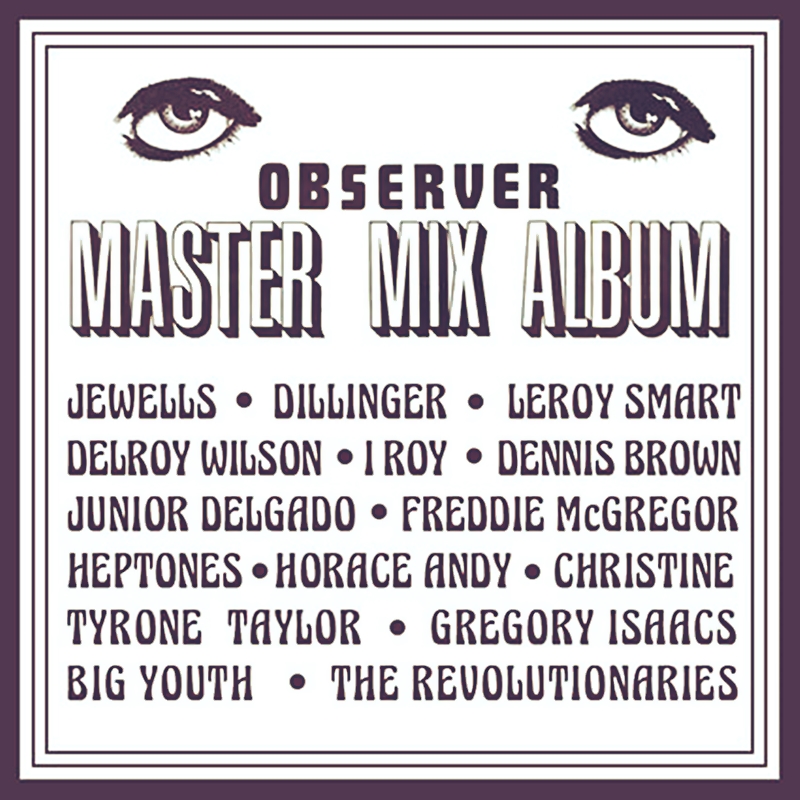
The term roots reggae designates the conscious current that draws from Rastafari culture. In 1973, Dennis Brown signs “Cassandra”, “Africa”, “Westbound Train”—titles on Al Green patterns. Delroy Wilson, The Heptones, Johnny Clarke, I-Roy—all pass through the Observer studio. Niney’s sound, with its massive reverberations and bass lines that dominate the mix, influences an entire generation of dub producers4. His sonic signature, marked by spatial echoes and crashing basses, defines the sound of Jamaican roots dub of the 1970s.
Legacy
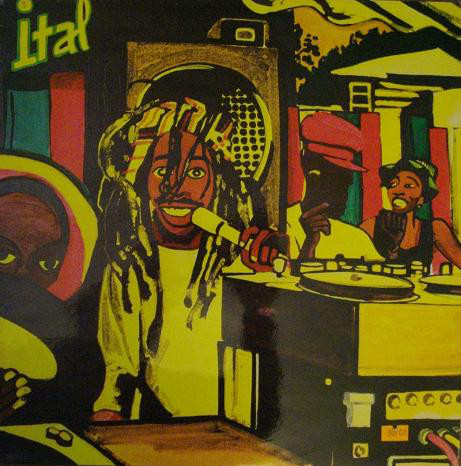
Niney moves away for a time to France in the mid-1970s. He resurfaces in 1982 with Ital Dub Observer Style. He goes to New York in the mid-1980s, returns in 1988, and produces Yami Bolo, Frankie Paul5. His productions from this era marry his classic sound with new dancehall trends, while preserving the Rastafari imprint that characterizes him.
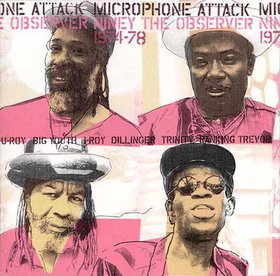
In the 1990s, he forges a lasting link with Heartbeat Records. In 2001, the label Blood and Fire—named in honor of his hit—releases Microphone Attack 1974–1977, compiling rarities and introducing Niney to a new generation1. The British label, specialized in roots reggae reissues, restores his global visibility.
In 2013, Niney opens the Observer Soundbox Studio in Kingston. In 2015, he records Children with Jimmy Cliff, Sly and Robbie, and Errol “Flabba” Holt to finance a school for autistic children. On August 7, 2015, the Jamaican government awards him the Order of Distinction5. This recognition symbolizes the complete journey of an artist who went from the port street to national honors.
Niney is not just a producer: he is an observer. Where Perry invents and disrupts, Niney scrutinizes, assembles, and refines. At 81, Niney continues to observe, produce, and transmit4. His legacy is read in every dub producer who uses reverb and delay to sculpt reggae, and in every DJ who samples “Blood and Fire” for a new generation. The musicians of Soul Syndicate found the group Roots Radics, which would later carry Niney’s influence into 1980s digital reggae.
Major Works
| Work | Year | Why It’s Essential |
|---|---|---|
| “Blood and Fire” | 1970 | First major solo hit, 30,000 copies sold, cult rhythm |
| “Money in My Pocket” (Dennis Brown) | 1972 | Dennis Brown’s first hit, coronation of Crown Prince |
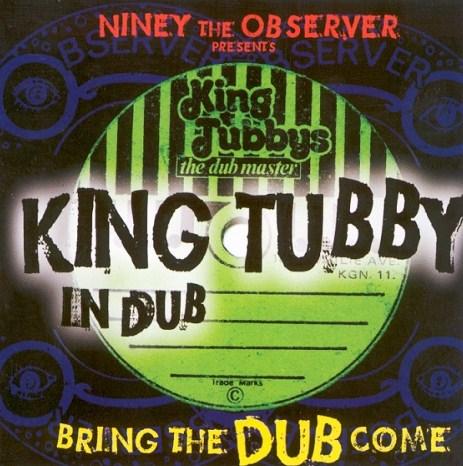
| Bring the Dub Come | 1975 | Iconic dub album, Soul Syndicate instrumental version |
| Microphone Attack 1974–1977 | 2001 | Compilation that introduced Niney to a global generation |
Sources and References
-
Wikipedia, Niney the Observer, accessed November 1, 2026. ↩︎ ↩︎
-
Roots with Quality by Niney the Observer, United Reggae, 2009. ↩︎
-
AllMusic, Niney the Observer biography by Jason Ankeny. ↩︎
-
Ronnie Burke heads field of distinction, Jamaica Observer, August 7, 2015. ↩︎ ↩︎
-
The genius of Winston ‘Niney’ Holness, Jamaica Observer, October 11, 2012. ↩︎ ↩︎