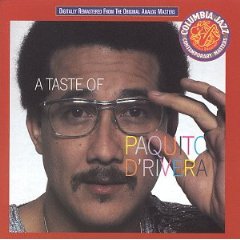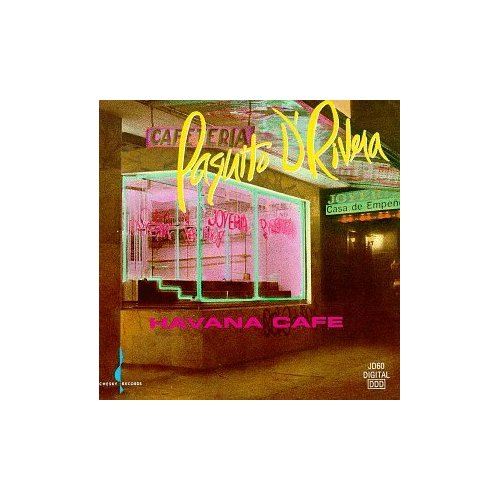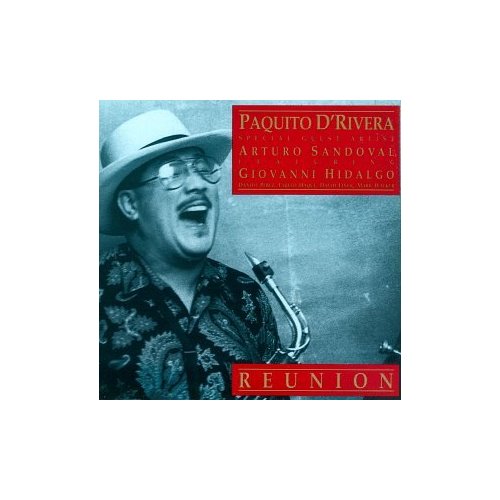
Biography
Paquito D’Rivera: The Clarinetist Who Made Bach and Jobim Dance
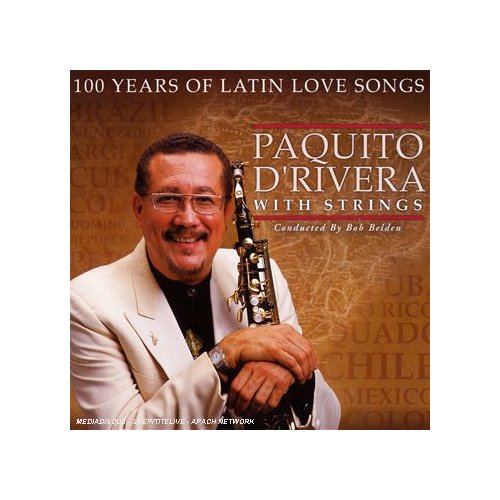
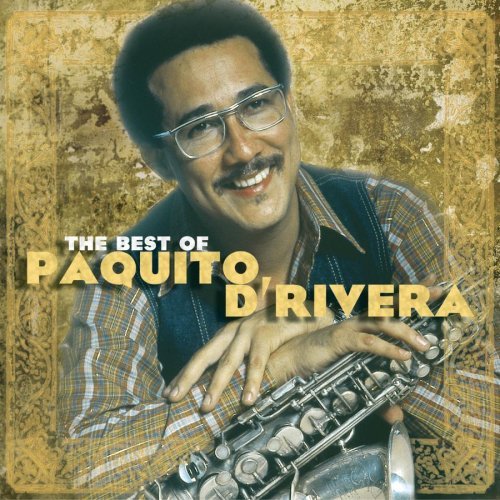
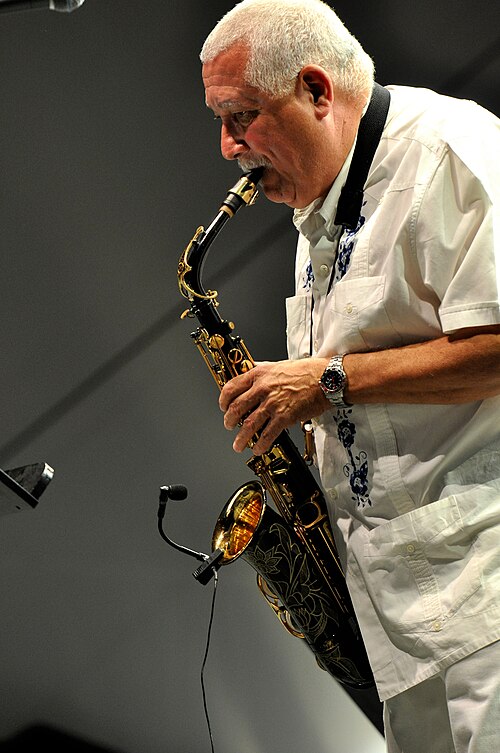
In Spain, 1980. On stage with Irakere, a thirty-two-year-old man grabs his alto saxophone and blows into his clarinet as if breathing. At the end of the concert, instead of returning to the hotel with his comrades, he walks to the American embassy. He enters and does not leave—at least, not for nine years. Francisco de Jesús Rivera Figueras—everyone calls him Paquito—becomes one of the most acclaimed Cuban musicians in North America, at the crossroads of jazz and classical music.
In Brief
| Full Name | Francisco de Jesús Rivera Figueras, aka Paquito D’Rivera |
| Birth | June 4, 1948, Marianao (Havana), Cuba |
| Nationality | Cuban, then Cuban-American |
| Fields | Latin jazz, classical music, rumba, tango |
| Instruments | Alto saxophone, clarinet, flute |
| Notable Works | Irakere (1978), Portraits of Cuba, Panamericana Suite |
| Nickname | “El Paq-Man” (by his close ones) |
Key Dates
| Year | Event |
|---|---|
| 1953 | First saxophone lessons with his father Tito, a classical musician and Selmer agent in Cuba |
| 1965 | Featured soloist with the Cuban National Symphony Orchestra (17 years old) |
| 1973 | Co-owner and director of Irakere, with Chucho Valdés and Oscar Valdés |
| 1980 | Requested political asylum at the American embassy in Madrid |
| 1981 | First solo album, Paquito Blowin’; arrival in the United States |
| 1988 | Member of Dizzy Gillespie’s United Nations Orchestra; first Grammy won |
| 2005 | NEA Jazz Masters and National Medal of Arts; conductor of the Punta del Este Festival (Uruguay) |
| 2023 | Album I Missed You Too! with Chucho Valdés; Latin Grammy for Best Latin Jazz |
Cuban Youth, Irakere, and Exile
Paquito grew up in the Marianao barrio. His father Tito, a classical saxophonist and Selmer agent in Cuba, put a saxophone in his hands at age five. At seven, Paquito performed in public; he became the youngest musician ever to endorse a Selmer endorsement. At the Havana Conservatory, he also studied clarinet and composition. In 1965, at fifteen, he was the featured soloist of the Cuban National Symphony Orchestra in a concert broadcast on the national radio. Shortly after, he co-founded the Orquesta Cubana de Música Moderna with ChuChu Valdés. This ensemble paved the way for Irakere, founded in 1973 with nine other musicians, blending jazz, classic rock, and Cuban rhythms. Irakere made a sensation on the international stage and won the Grammy for Best Latin Recording in 1978.
In April 1980, during a Spanish tour with Irakere, Paquito took the leap. He entered the American embassy in Madrid and requested political asylum, leaving behind his wife Eneida and their five-year-old son Franco. What was meant to be temporary lasted nine years: the family was reunited only in 1989.
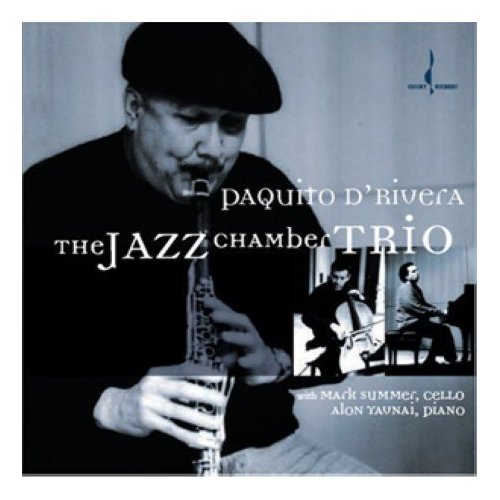
Arriving in New York, Paquito D’Rivera established himself in a few months thanks to a quintet. CBS Records signed the first album, Paquito Blowin’ (1981), followed by Mariel (1982). He multiplied collaborations with names like Dizzy Gillespie, David Amram, or Wynton Marsalis. He joined Dizzy Gillespie’s United Nations Orchestra (1988); Carnegie Hall awarded him a Lifetime Achievement Award in 1991. On the classical side, he composed concertos and chamber works for symphony orchestras around the world. His piece Merengue earned him a Grammy in 2004 for Best Instrumental Composition. He also published two books: the memoir My Sax Life (2005) and the novel ¡Oh, La Habana! (2004). Paquito D’Rivera has accumulated more than 14 Grammy Awards and a dozen Latin Grammys.
Major Works
| Work | Year | Why It’s Essential |
|---|---|---|
| Irakere (with Irakere) | 1978 | First Cuban album signed by an American label after Castro; Grammy 1979 |
| Paquito Blowin’ (solo) | 1981 | First solo album in the United States; launch of the musical exile |
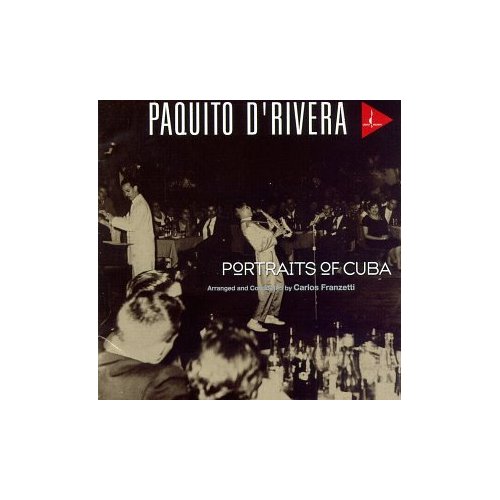
| Portraits of Cuba | 1996 | Masterpieces of Latin jazz; Grammy Best Jazz Performance 1996 |
| Panamericana Suite | 2011 | Bridge between Cuba and the hemisphere; two Latin Grammys 2011 |
| I Missed You Too! (with Chucho Valdés) | 2023 | Return after 40 years; Latin Grammy for Best Latin Jazz |
Legacy and Influence
Paquito D’Rivera is a living bridge between two musical worlds too often separated. Clarinetist and saxophonist, classical composer and jazz improviser, he opened doors for several generations of Latin American musicians. His concertos and chamber works have enriched the contemporary classical repertoire; his solo albums have popularized the notion of Cuban jazz with the general public. With four decades of active career, a discography exceeding forty albums, and commissions for Jazz at Lincoln Center, the Library of Congress, or the Kennedy Center, Paquito remains the master of a jazz that no longer needs borders—and from Cuba to New York, he continues to make Bach dance.
Sources and References
- “Biography”, Paquito D’Rivera (official site), https://paquitodrivera.com/bio, accessed November 2, 2026.
- “Awards”, Paquito D’Rivera (official site), https://paquitodrivera.com/bio/awards, accessed November 2, 2026.
- “Paquito D’Rivera”, National Endowment for the Arts (NEA Jazz Master), https://www.arts.gov/honors/jazz/paquito-drivera, accessed November 2, 2026.
- “D’Rivera, Paquito 1948–”, Encyclopedia.com (Gale), accessed November 2, 2026.
- “Paquito D’Rivera”, Wikipedia (EN), https://en.wikipedia.org/wiki/Paquito_D%27Rivera, accessed November 2, 2026.
- “Paquito D’Rivera”, Wikipedia (FR), https://fr.wikipedia.org/wiki/Paquito_d%27Rivera, accessed November 2, 2026.
- « Cuba nas Audições Comentadas de Jazz: Conheça a trajetória de Paquito D’Rivera », Instituto Ling, 13 April 2021, https://institutoling.org.br/explore/cuba-nas-audicoes-comentadas-de-jazz-conheca-a-trajetoria-de-paquito-drivera, accessed 2 November 2026.
- « Paquito D’Rivera », National Medal of Arts (NEA), https://www.arts.gov/honors/medals/paquito-drivera, accessed 2 November 2026.