Biography
Prince Alla
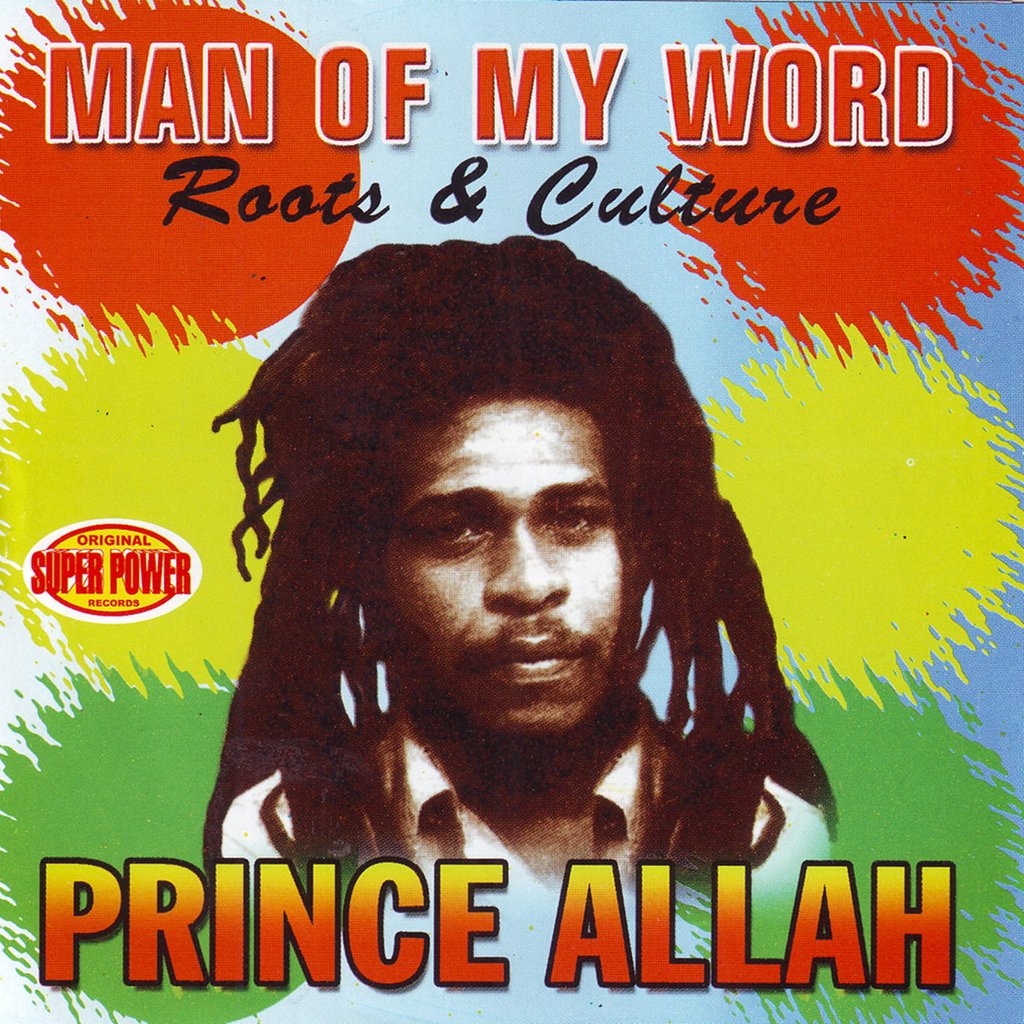
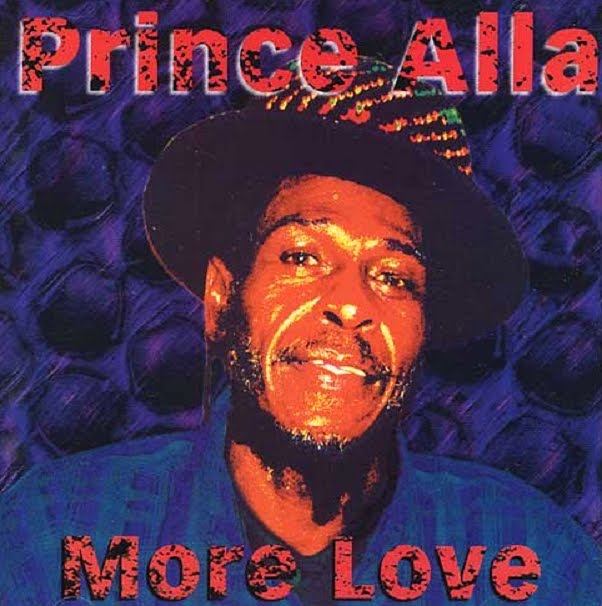
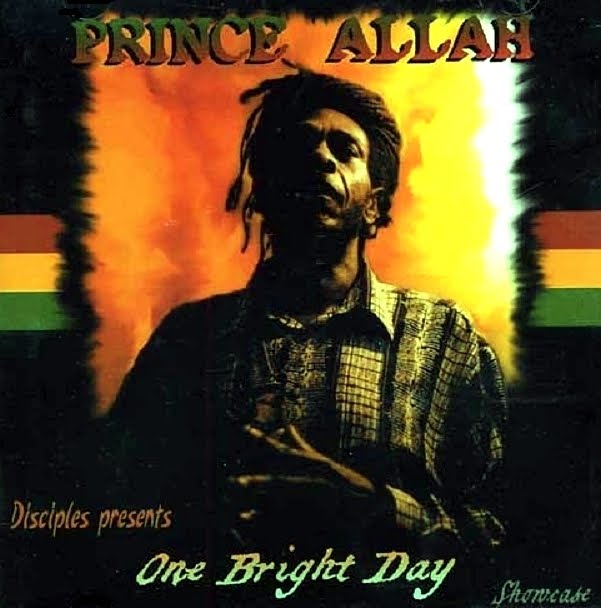
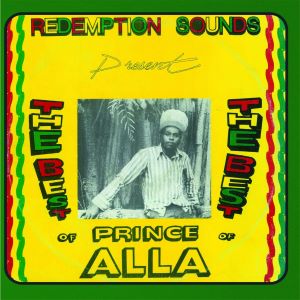
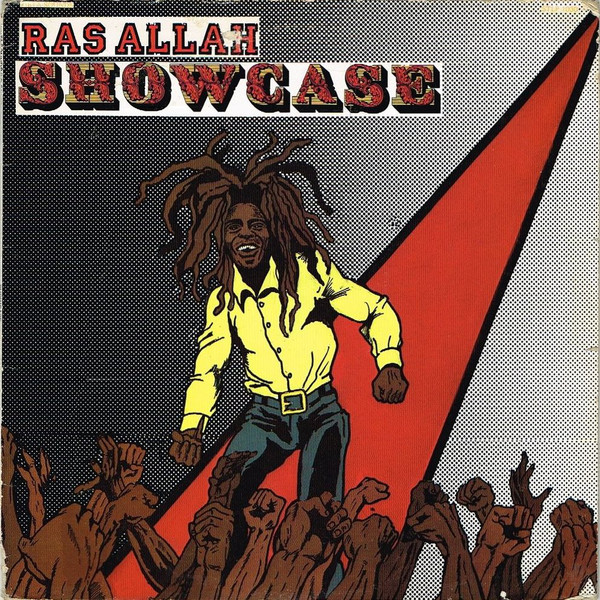
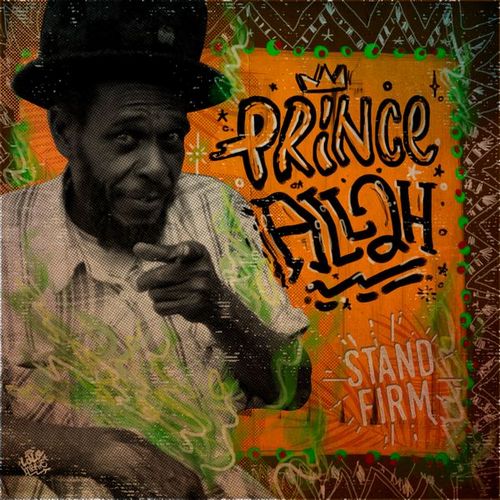
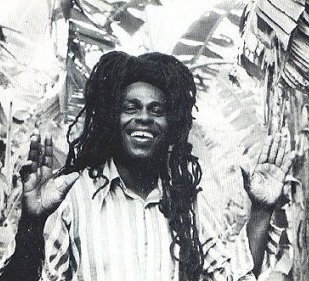
On May 10, 1950, a child was born in the parish of St. Elizabeth in Jamaica: Keith Blake. Nicknamed “The Gentle Giant” in specialized press, he became Prince Alla, a singer whose raspy and biblical voices sculpted the sonic identity of roots reggae.
In Brief
| Birth Name | Keith Lorenzo Blake |
| Stage Names | Prince Alla, Prince Allah, Ras Allah |
| Birth | May 10, 1950, St. Elizabeth (raised in Greenwich Town, Kingston) |
| Genre | Roots reggae |
| Notable Works | “Stone”, “Bucket Bottom”, Heaven Is My Roof |
| Main Labels | Freedom Sounds, Tappa Records, Blood & Fire |
Key Dates
| Year | Event |
|---|---|
| 1950 | Birth in St. Elizabeth, moved very early to Kingston (Trench Town then Greenwich Town) |
| Late 1960s | Debut with vocal group The Leaders (Milton Henry, Roy Palmer), recording with Joe Gibbs |
| 1969 | Joined Prince Emmanuel Edwards’ Bobo camp at Bull Bay; temporary withdrawal from music |
| 1976 | Return to studio with “Born a Fighter” (Teddy Powell); nascent collaboration with Bertram Brown |
| 1978 | Release of album Heaven Is My Roof (Tappa Records), first studio album |
| 1978-79 | Recordings with Tapper Zukie and Joe Gibbs; “Nah Go Dem Funeral” |
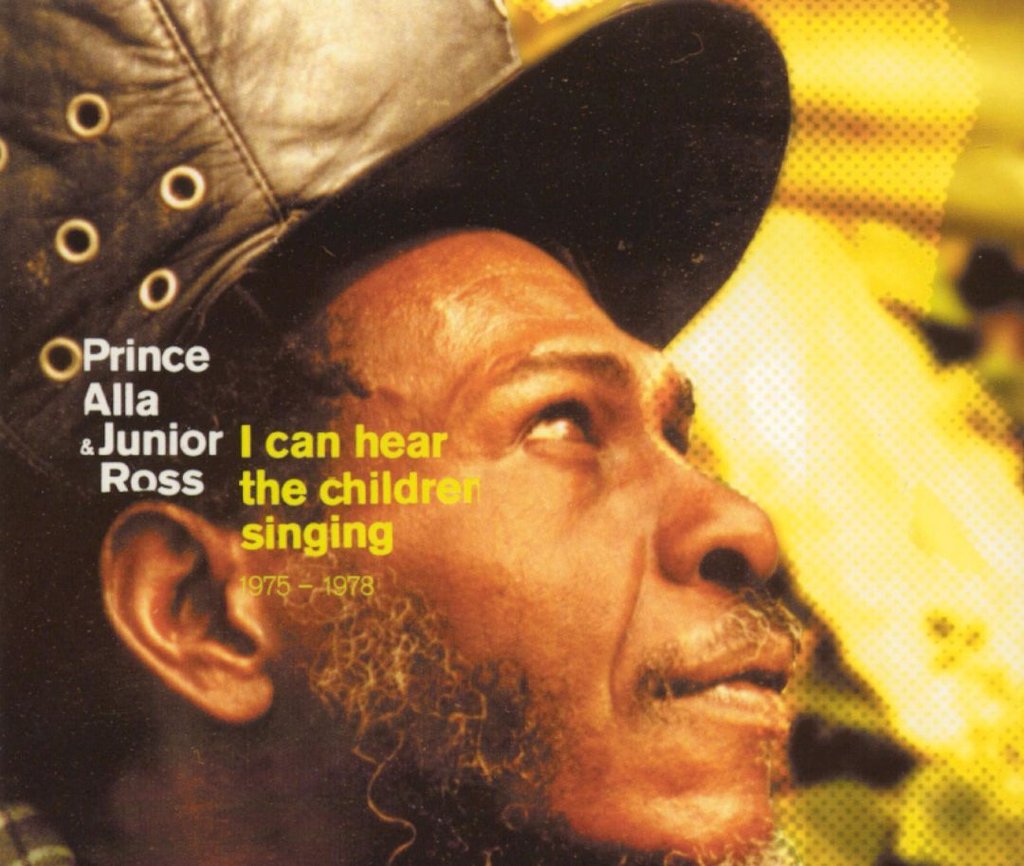
| 1996-2002 | Major reissues by Blood & Fire (Only Love Can Conquer, I Can Hear The Children Singing) |
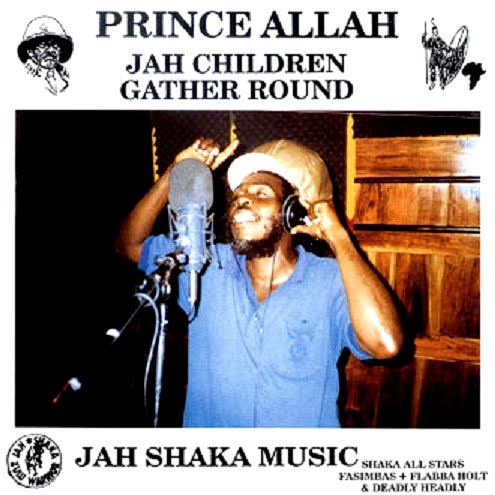
| 1996 | Album Jah Children Gather Round (label Jah Shaka) |
| Since 2010 | World tour under Rockers Agency contract |
The Call of Rastafari and Early Musical Steps
Keith Blake grew up in east Kingston. His grandmother, a Methodist choir singer, took him to Sunday church very early: there he discovered vocal harmony and choruses, that emotion only the voice can carry. As a teenager, he listened to Slim Smith with deep admiration — “I called him my Sam Cooke, my Nat King Cole,” he recounts. At seventeen, he formed the vocal group The Leaders with Milton Henry and Roy “Soft” Palmer. The trio recorded three tracks with Joe Gibbs, a legendary producer who, according to Prince Alla: “didn’t know how to sing so they told him: better if you produce.” These first rocksteady sessions mark the departure of a career that would never stop.
But it was at this moment that Blake’s destiny shifted: since childhood, he carried within him a vision he describes with emotion: “I saw a little Rastaman who raised his hand and there was clear water up to his knees, then fish were swimming in it.” When morning came, he confronted this vision with a photo of His Majesty Haile Selassie. The elders told him: “It was Selassie I that you saw.”
Fascinated by this revelation, Blake withdrew from the scene in 1969 and joined Prince Emmanuel Edwards’ Bobo camp at Bull Bay. There, he read the Bible every day, sang hymns and observed the Sabbath — he became one of the seven priests who carried the ceremonies. These years of spiritual commitment shaped all his future production. He left the camp in 1971, repelled by internal divisions, but kept forever the biblical rigor that distinguished his music.
Return to Studios and Generation of Classics
Two years before leaving the camp, Earl Chinna Smith sought him and asked him to return to music. Alla finally accepted, encouraged by Bertram Brown, his Greenwich Town childhood neighbor who became a producer and founder of the label Freedom Sounds. Sessions began in the mid-1970s: “City Without Pity”, “Bucket Bottom”, “Lot’s Wife” and especially “Stone” — recorded with the Soul Syndicate and mixed by the legendary King Tubby — entered what specialists consider today as roots reggae classics. Alla drew his imagination from the Bible: “Man From Bosrah”, born from a phrase about Melchisedek; “Nah Go Dem Funeral” where he inverted the meaning of mourning — the true funeral, according to him, “is Babylon”.
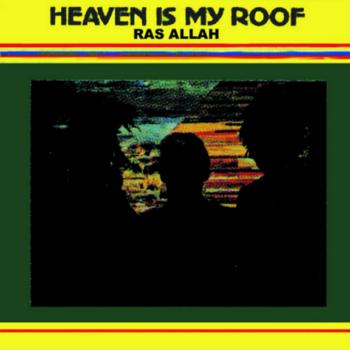
In 1978, Tapper Zukie produced his first studio album, Heaven Is My Roof. The record blends biblical narratives and social reflection with rare intensity. Alla then followed up with other notable tracks, including “Nah Go Dem Funeral” with Joe Gibbs — the same Joe Gibbs who had produced him in the 1960s, closing a loop of three decades.
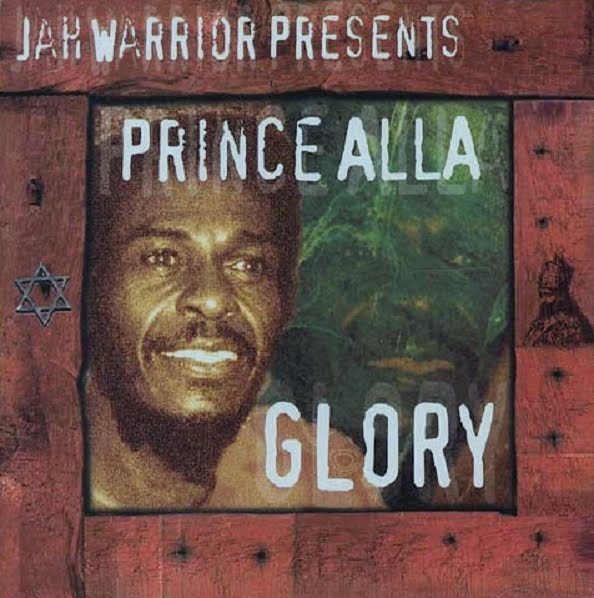
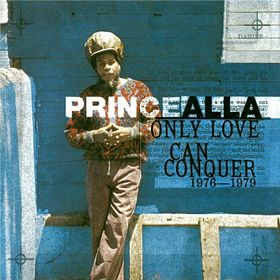
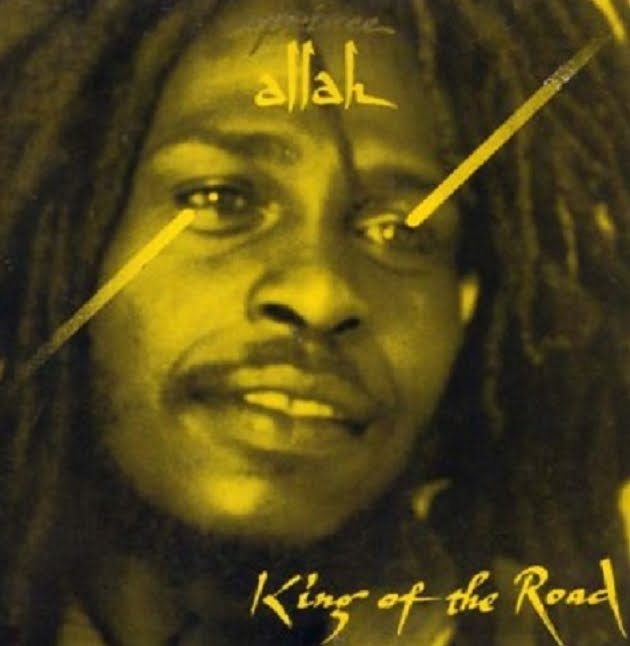
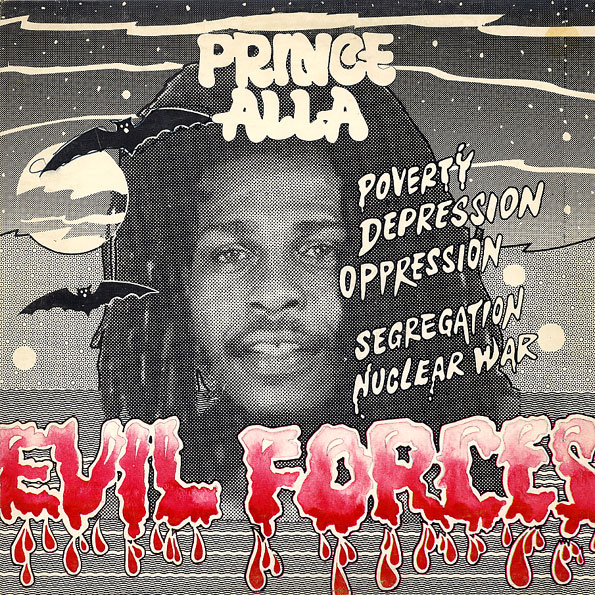
During the 1980s and 1990s, Alla published regularly: King of the Road (1982), Evil Forces (1984), Jah Children Gather Round (1996). The renaissance arrived in the mid-1990s when the British label Blood & Fire reissued two collections of his tracks: Only Love Can Conquer (1996) and I Can Hear The Children Singing (2002). His audience expanded beyond Jamaican reggae circles. Prince Alla continues to record with Jah Warrior and European dub producers, and to tour worldwide.
Major Works
| Work | Year | Why It’s Essential |
|---|---|---|
| Heaven Is My Roof | 1978 | First studio album, Tapper Zukie production: accomplished biblical narratives |
| “Stone” (with Irie Ites) | ~1975-78 | Dub mixed by King Tubby, hymn of Jamaican roots reggae |
| “Nah Go Dem Funeral” | ~1978-79 | Spiritual deconstruction of Babylon with Joe Gibbs |
| Only Love Can Conquer (reissue) | 1996 | Blood & Fire compilation that revealed Prince Alla to the European public |
Heritage and influence
Prince Alla is one of those singers whose discography, though limited in quantity, carries a disproportionate weight in reggae history. Tracks like “Stone” and “Bucket Bottom” have been covered, remixed, and rediscovered by a new generation of dub producers. His approach — lyrics drawn from the Old Testament applied to the reality of Kingston — opened a spiritual current in roots reggae that finds echoes in Lutan Fyah, Sizzla, or Stickzy. Prince Alla embodies the meeting between biblical writing and Jamaican sound of the 1970s: his music, of deep spirituality but never dogmatic, continues to resonate in clubs and in the ears of enthusiasts.
Sources and references
- “Prince Alla”, English Wikipedia, https://en.wikipedia.org/wiki/Prince_Alla, accessed November 8, 2026.
- Leon Jackson, “Prince Alla — Biography”, AllMusic, https://www.allmusic.com/artist/prince-alla-mn0000359168, accessed November 8, 2026.
- Angus Taylor, “Interview with Prince Alla”, Sound System Culture, https://soundsystemculture.org/interview-with-prince-alla/, December 9, 2024.
- “The Best of Prince Alla”, United Reggae (Erik Magni), https://unitedreggae.com/articles/n2141/102316/the-best-of-prince-alla, October 23, 2016.
- “Prince Alla — Complete Discography”, Roots Archives, https://www.roots-archives.com/artist/26, accessed November 8, 2026.
- Gav Pauze, “Prince Alla Biography”, Pauzeradio, https://pauzeradio.com/artist-biography/prince-alla, March 11, 2024.
- Prince Alla, “Bucket Bottom: Gems From Jah Garden”, Ostinato Records, Apple Music, accessed November 8, 2026.