Biography
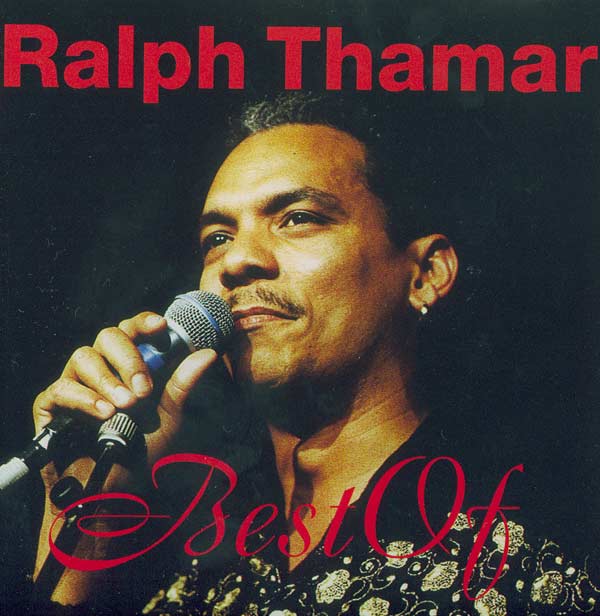
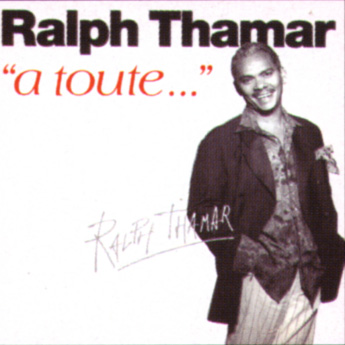
Ralph Thamar: the velvety voice that made the Caribbean sing
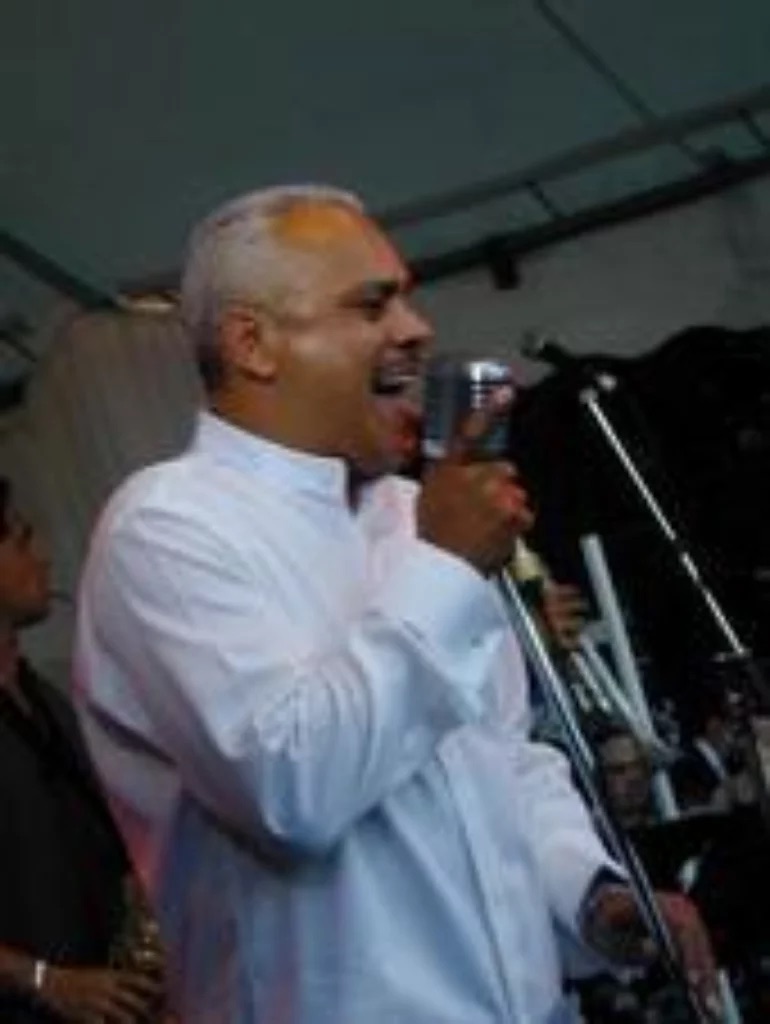
Fort-de-France, 1970s. In the Crozanville neighborhood, a voice emerges, unlike any other. Between his lunch break at the bank and evening rehearsals, a young man weaves a bridge between opera, João Gilberto, and Martinican violins1. This man is Ralph Thamar, and forty years after his first steps on stage, his velvety voice continues to traverse the islands and France.
In brief
| Civil name | Raphaël Ransay (uses his mother’s name, Thamar, as a stage name) |
| Birth | June 6, 1952, Fort-de-France, Martinique |
| Nationality | French |
| Field | Singer, composer, arranger — zouk, biguine, boléro |
| Emblematic works | Exil, Caraïbes, La Marseillaise noire |
| Distinctions | Karib d’Or (1988), SACEM Antilles-Guyane Prize (1992) |
| Emblematic group | Malavoi (singer, 1978–1987) |
Key dates
| Year | Event |
|---|---|
| 1952 | Birth in Fort-de-France, in a family of musicians |
| 1970 | Joins the orchestra Les Météores des frères Rémion |
| 1973-1978 | Vocal training with pianist Marius Cultier |
| 1978 | Joins the group Malavoi as lead singer |
| 1987 | Start of solo career with the album Exil |
| 1988 | Karib d’Or Prize for best overseas artist |
| 1992 | SACEM Success Prize, Antilles-Guyane category |
| 2001 | Return to Martinique after 14 years in metropolitan France |
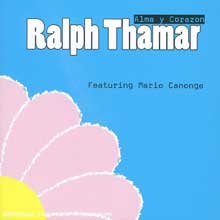
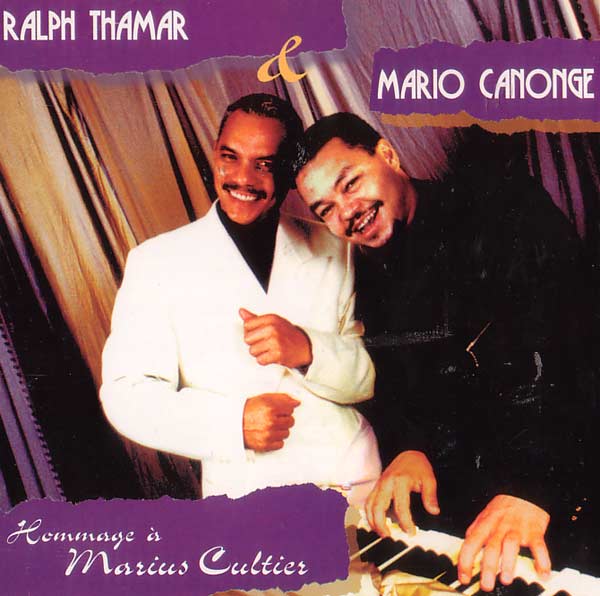
| 2005 | Album Alma y Corazon with Mario Canonge |
| 2023 | Documentary Ralph Thamar, une vie de musique on Martinique La 1ère |
Career: from Malavoi to the international stage
Ralph Thamar — his civil name is Raphaël Ransay2 — was born on June 6, 1952, in Fort-de-France, at the heart of a deeply musical family. His uncle, Max Ransay, is a legendary figure in Martinican music. The child grew up in the Crozanville neighborhood, an artists’ quarter. From age fourteen, his passion oriented itself between the Latin and Brazilian sounds of Getz and Gilberto, radio jazz, and opera airs. He first worked as a surveyor, then as a bank employee, but every lunch break was used to perfect his technique. His first stage appearance took place in Sainte-Luce, at Piment Vert.
In 1978, he joined Malavoi, a group founded by Mano Césaire to revalorize Martinican music3. His warm voice, described by RFI as that of a Caribbean crooner, elevated the collective’s violins and conquered crowds. He remained there until 1987, chaining French and international stage appearances.
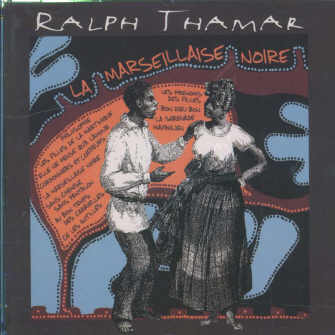
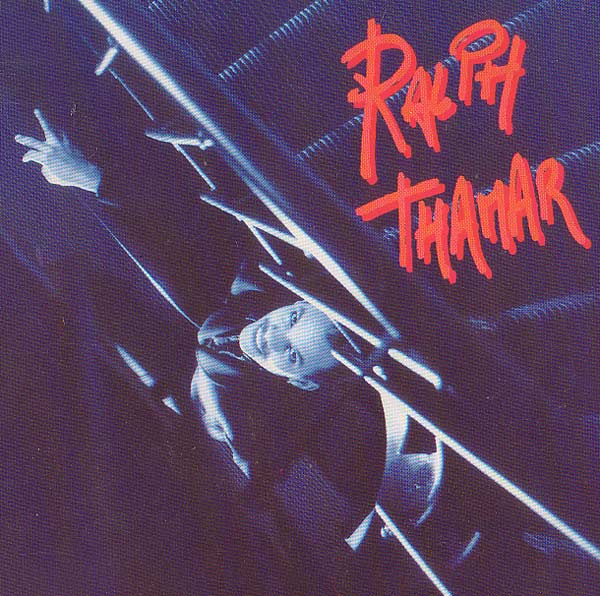
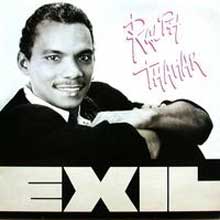
In Paris, he began his solo career. His first album, Exil, was released in 1987 and won a resounding success4. He surrounded himself with exceptional musicians: Manu Katché, Jean-Yves d’Angelo, Michel Alibo. The album revisited all Caribbean sounds: zouk, samba, soca, biguine, reggae, boléro. The track “Polisson” became a hit. In 1991, Caraïbes confirmed his approach with the single “Comme disait le poète”, an adaptation of Brazilian Vinicius de Moraes. Producer Steve Forward, who worked with Ray Charles and Paul McCartney, signed the technical part. His love for Latin music led him to collaborate with Mario Canonge: together, they produced Alma y Corazon in 2005, a journey into Cuban boléro. La Marseillaise noire (1999), with Manu Dibango, remains a memorable milestone.
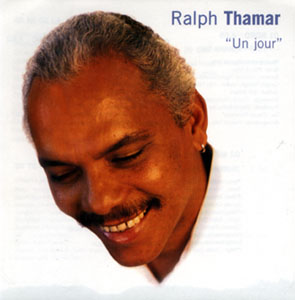
After fourteen years of Parisian life, Ralph returned to Martinique in 2001. He recorded Un jour there, then shared the stage at New Morning in 2006. He portrayed Archbishop Desmond Tutu in the musical Soweto by Serge Bilé. With Malavoi, he continued: Pèp Là in 2009, Masibol in 20204. In July 2025, he released “Ti Grenn Pèl”, a poignant tribute to Haiti.
Major works
| Work | Year | Why it is essential |
|---|---|---|
| Exil | 1987 | First solo album; Caribbean eclecticism manifesto with Manu Katché |
| Caraïbes | 1991 | Antillean-Latin fusion with Jocelyne Béroard and Steve Forward |
| La Marseillaise noire | 1999 | Collaboration with Manu Dibango, political shock title |
| Alma y Corazon | 2005 | Cuban boléro with Mario Canonge, sensual and refined universe |
| Un jour | 2006 | Recording in Martinique, return to roots after Parisian exile |
Legacy
Ralph Thamar remains one of the most accomplished singers in Caribbean music3. From Malavoi to his solo career, passing through collaborations with Mario Canonge, Manu Dibango, or Edith Lefel, he embodied the idea that Antillean music is a continent, not a camp. His distinctive voice bridges traditional biguine, modern zouk, and Latin boléro. His life, from bank employee to traversing world stages, is proof that Caribbean music is a story of tenacity and openness.
Sources and references
Encyclopedias
-
Outremer Memory (2026), Ralph Thamar, outremermemory.com, accessed October 31, 2026 ↩︎
-
Wikipedia (2026), Ralph Thamar, wikipedia.org, accessed October 31, 2026 ↩︎
-
AllMusic (2026), Ralph Thamar — Biography, allmusic.com, accessed October 31, 2026 ↩︎ ↩︎
-
RFI Musique (2023), Thamar (Ralph), rfi.fr, accessed October 31, 2026 ↩︎ ↩︎