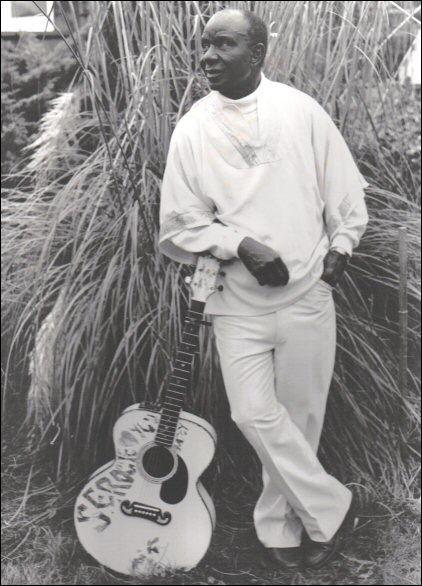
Biography
S.E. Rogie: the Sierra Leonean palm wine guitarist
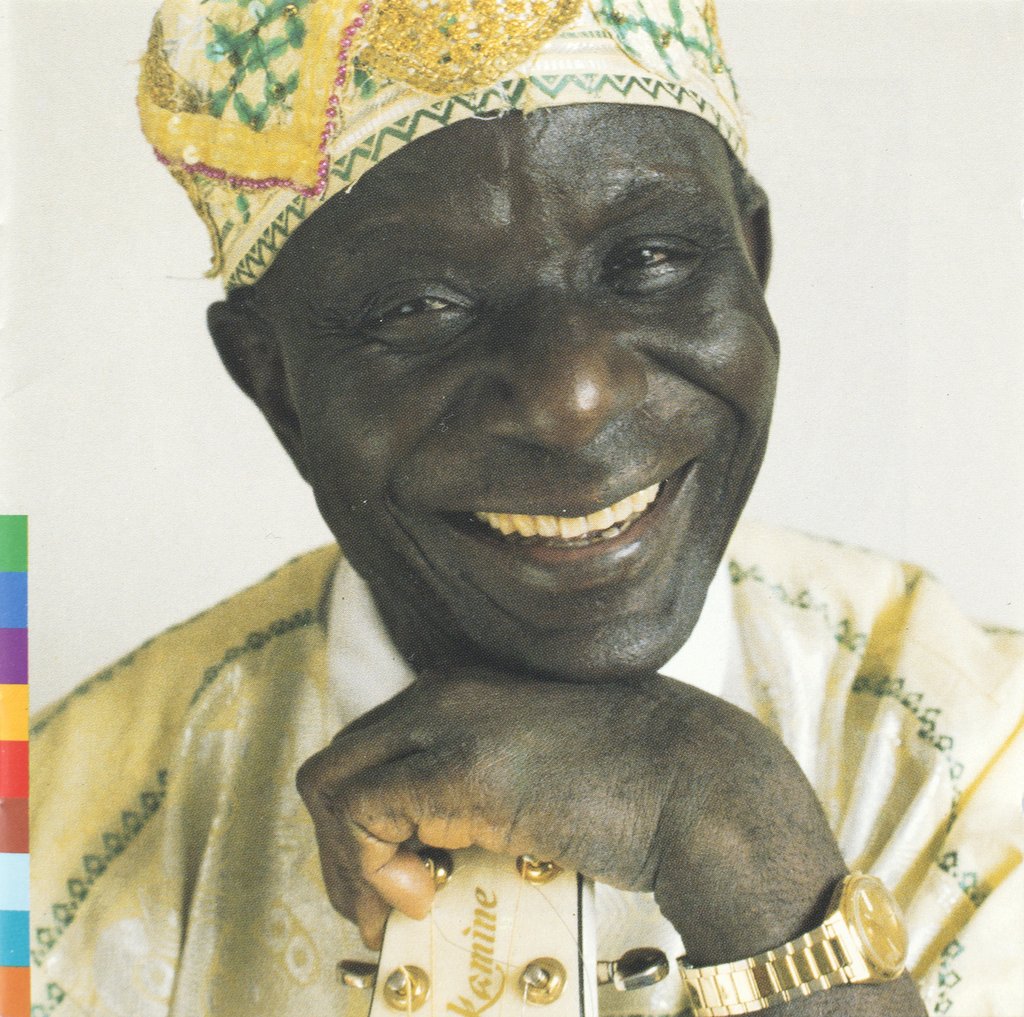
In 1962, S.E. Rogie stuck a microphone into a kitchen in Freetown and recorded Please Go Easy with Me. This record would remain dormant for nearly sixty years before being sampled by Vampire Weekend in 2019. This self-taught guitarist from Sierra Leone built a unique career at the crossroads of palm wine and African diaspora—between the sewing workshop where he learned guitar and the British stages of the global folk scene.
In brief
| Full name | Sooliman Ernest Rogers, known as “Rogie” |
| Birth | 1926, Fonikoh (Pujehun District), Sierra Leone |
| Death | July 4, 1994, Lewisham Hospital (London) |
| Genre(s) | Palm wine, highlife |
| Notable works | “Please Go Easy with Me”, “My Lovely Elizabeth”, Dead Men Don’t Smoke Marijuana |
| Honours | Congressional and Senate awards, WOMAD recognition |
Key dates
| Year | Event |
|---|---|
| 1926 | Born in Fonikoh, Sierra Leone, son of a community chief |
| 1933–1940 | Apprentice tailor in Freetown—discovered guitar through contact with musician clients |
| 1940s | First free evening concerts; palm wine and Jimmie Rodgers (country yodel) influences |
| 1952–1966 | Employed at the Accountant General’s Office; continued playing in the evenings |
| 1962 | Recording of Please Go Easy with Me in his home studio |
| 1973 | Moved to the United States (San Francisco); sang in Californian schools |
| 1973–1984 | Congressional and Senate awards for his cultural mission; received keys to Berkeley and Oakland |
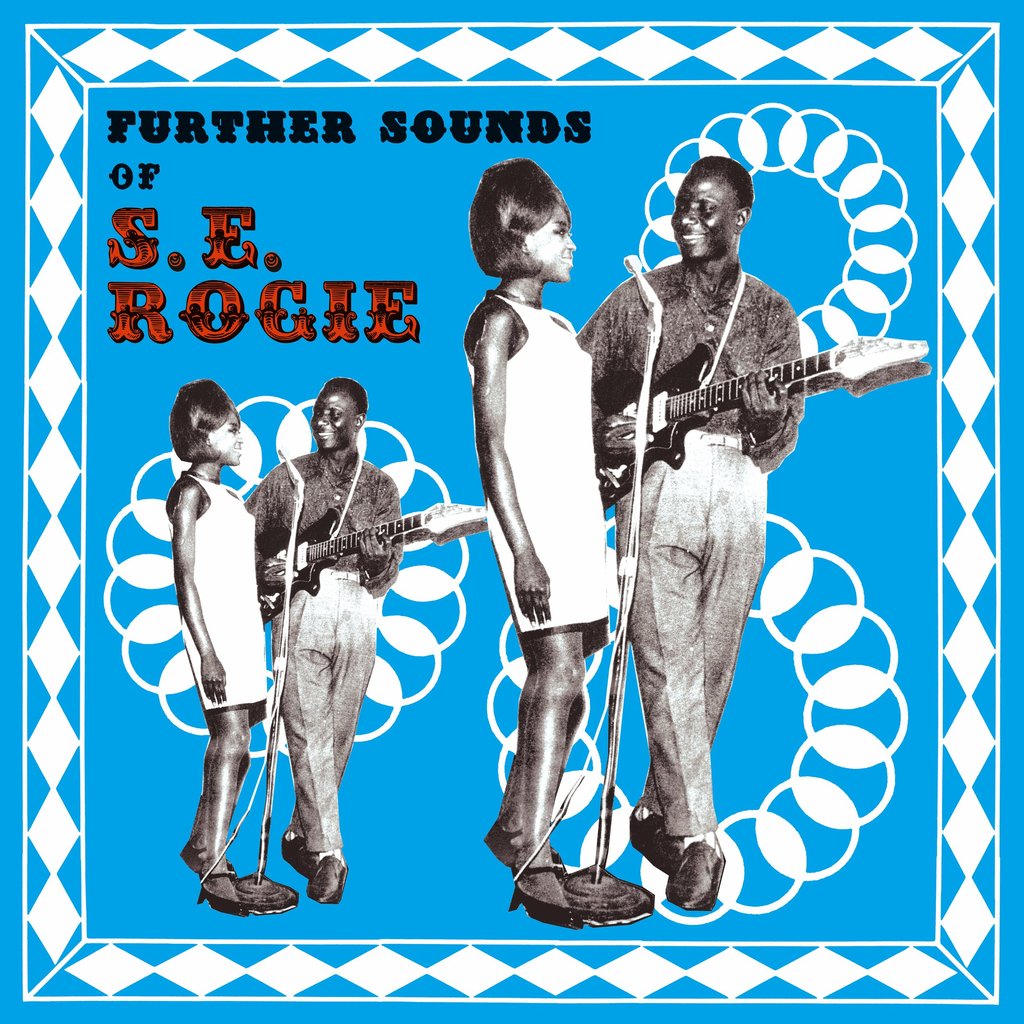
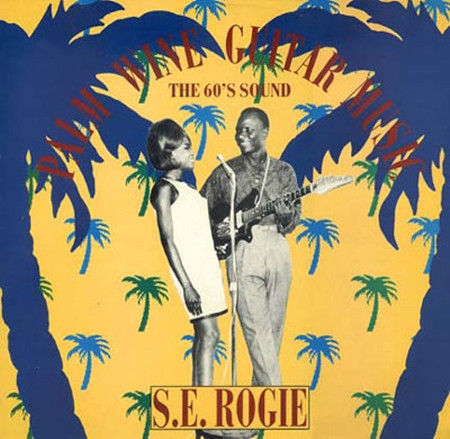
| 1986 | The 60s Sounds of S.E. Rogie reissued by Cooking Vinyl—international resurgence |
| 1988 | Invited by DJ Andy Kershaw, settled in Finchley (London) |
| 1989 | Cambridge Folk Festival; formation of The Palm-Wine Tappers |
| 1994 | Final album, Dead Men Don’t Smoke Marijuana (Real World); death following a collapse in Estonia |
From tailor to guitarist: a solidarity trajectory
Sooliman Ernest Rogers grew up in Fonikoh, a village in the Pujehun district. An orphan from the age of seven, he paid for his schooling by cutting and selling firewood[^1]. In Freetown, he became an apprentice tailor—and it was among musician clients that he first heard the sound of palm wine. “I went to bed and heard this music late at night, thinking I was in paradise. When I woke up the next morning, I was still on earth”[^2]. Fascinated, he taught himself guitar and drew inspiration from Jimmie Rodgers’ yodel before evolving into a unique style that introduced electric guitar to traditional palm wine.
Between 1952 and 1966, he worked at the Accountant General’s Office while performing in Freetown clubs in the evenings. He sang in four languages (English, Krio, Mende, Temne) and developed a repertoire of narrative songs describing daily life. In 1973, he left Africa for the United States, settled in San Francisco, and transformed Rogers into Rogie, which he felt sounded more African[^3]. For a decade, he toured Californian schools with his African Folk and Cultural Show—a mission that earned him a Congressional award in 1984[^3].
The British renaissance and final recognition
At the invitation of DJ Andy Kershaw (BBC Radio 1), Rogie settled in England in 1988. “England is the ideal country for me,” he joked[^2]. He recorded a live set for the BBC on March 17, which was rebroadcast on BBC 6 Music thirty years later[^1]. At the 1989 Cambridge Folk Festival, he captivated an audience rediscovering palm wine and founded The Palm-Wine Tappers[^1]. He died in July 1994, a few weeks after recording his final album—Dead Men Don’t Smoke Marijuana—at Real World Records. A collapse on stage in Estonia, just after a bypass heart surgery, forced his return by air ambulance to Lewisham.
Major works
| Album | Year | Why it’s essential |
|---|---|---|
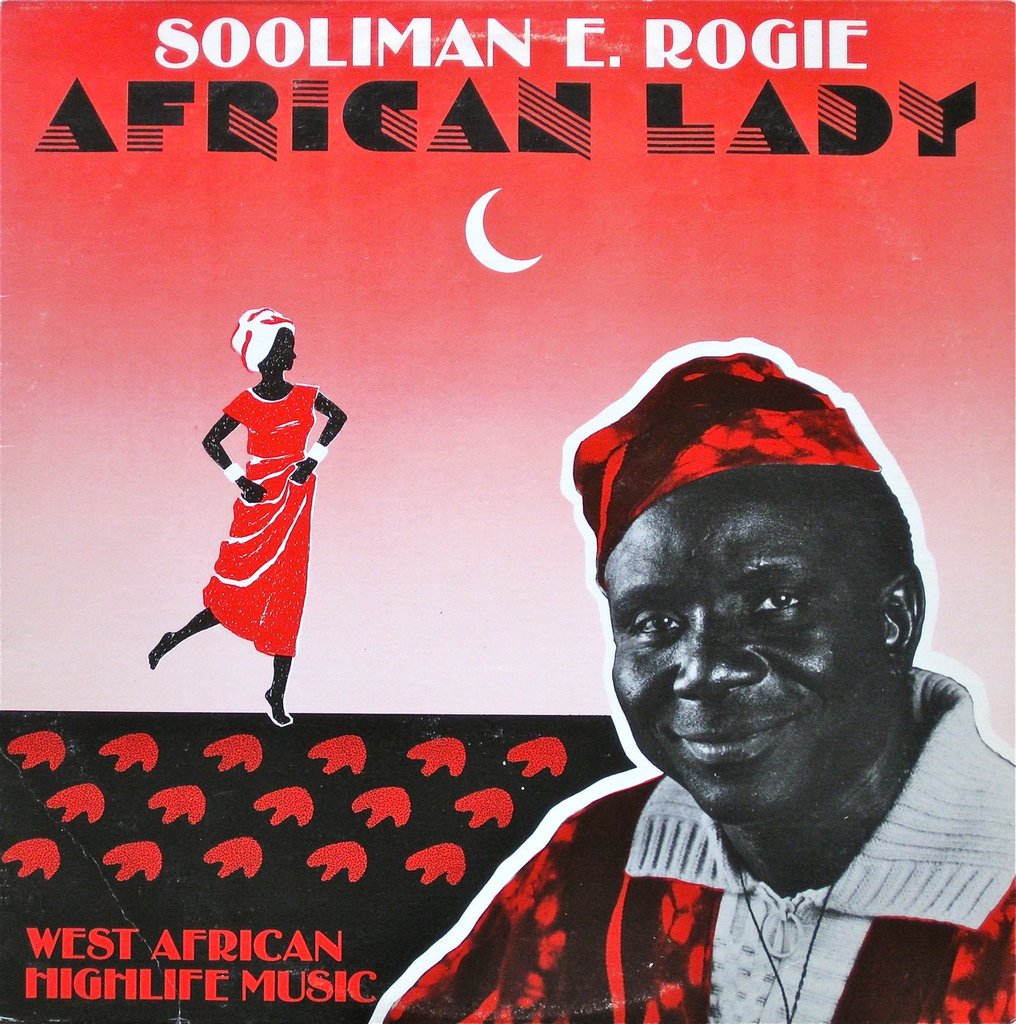
| African Lady (1975) | First solo recording—West African highlife on his own label, Rogiephone | |
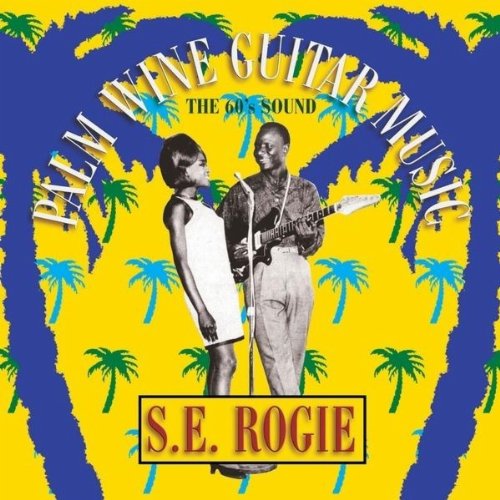
| The 60s Sounds of S.E. Rogie (1986) | International resurgence thanks to the Cooking Vinyl reissue—rediscovery of “Please Go Easy with Me” | |
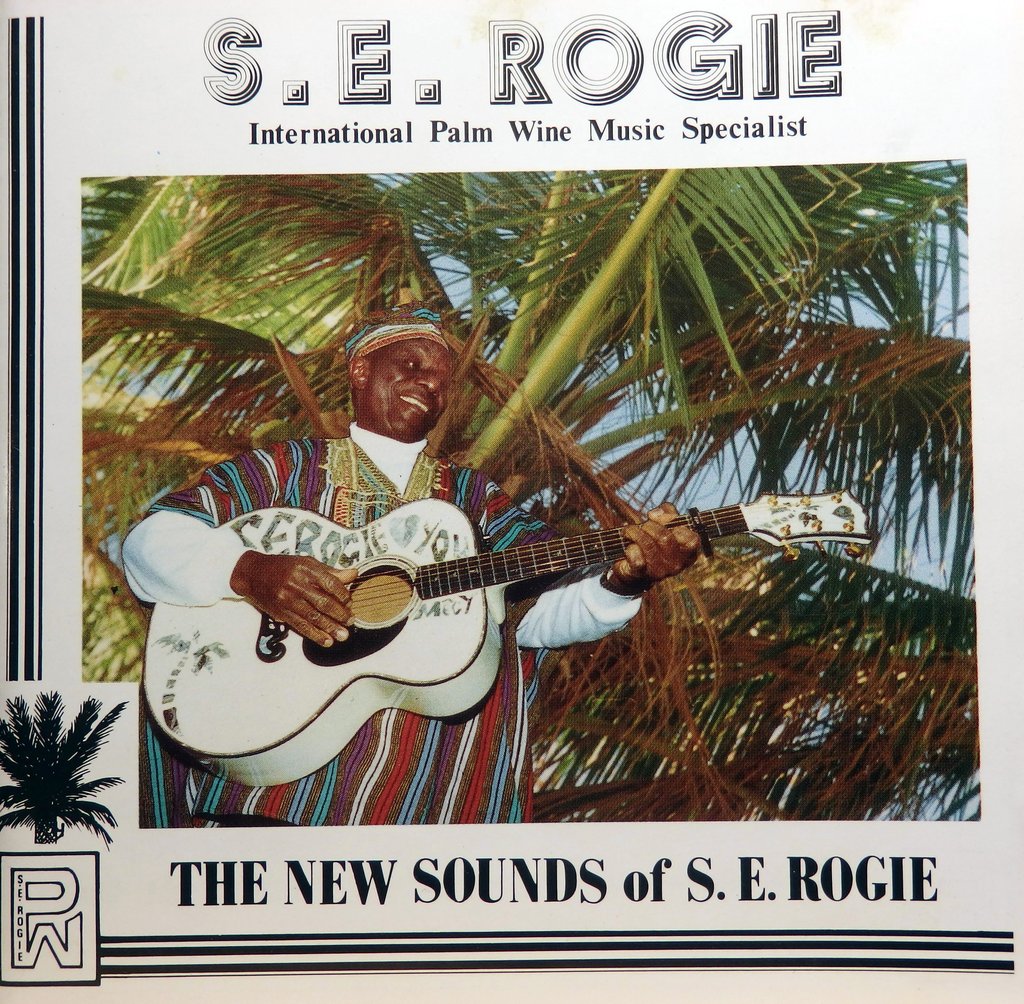
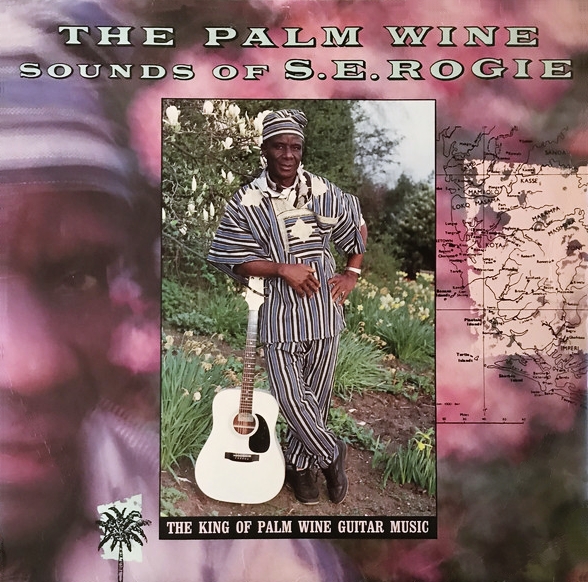
| The New Sounds of S.E. Rogie (1991) | Confirmation of his vocal maturity with The Palm-Wine Tappers[^3] | |
| Dead Men Don’t Smoke Marijuana (1994) | Final album: Real World production, session with bassist Danny Thompson[^2] |
Legacy and influence
S.E. Rogie’s guitar work resonates well beyond palm wine. The sample of Please Go Easy with Me integrated by Vampire Weekend on Rich Man (2019) introduced his music to a new generation of indie rock fans[^4]. Producers like Adrian Sherwood incorporated his vocals on Never Trust a Hippy (2003). American blues guitarist Taj Mahal claimed to have learned acoustic resonances from Rogie[^1]. In 2024, selector Val Wilmer chose My Lovely Elizabeth as a dream record on BBC Radio 4[^1]. The king of palm wine continues to inspire, from afar and through his voice.
Sources and references
- “S.E. Rogie”, Wikipedia, https://en.wikipedia.org/wiki/S._E._Rogie, accessed November 2, 2025.
- “S.E. Rogie — Dead Men Don’t Smoke Marijuana”, Real World Records, https://realworldrecords.com/releases/dead-men-dont-smoke-marijuana, accessed November 2, 2025.
- “S.E. Rogie”, Discogs, https://www.discogs.com/artist/2940344-S-E-Rogie, accessed November 2, 2025.
- “How Fela Kuti introduced Ezra Koenig to world music”, FarOut Magazine, https://faroutmagazine.co.uk/fela-kuti-vampire-weekend-ezra-koenig-world-music/, accessed November 2, 2025.
- “S.E. Rogie”, Apple Music, https://music.apple.com/us/artist/s-e-rogie/467184, accessed November 2, 2025.
- « Vampire Weekend — Rich Man Sample », WhoSampled, https://www.whosampled.com/sample/645740/, accessed November 2, 2025.