Biography
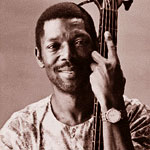
Sipho Gumede
In 1987, on the stage of the Montreux Festival, Sipho Gumede wove the threads of a music that refused silence — and apartheid. South African Evening, a show produced by Quincy Jones, projected township jazz before a global audience. Behind him, Caiphus Semenya, Letta Mbulu, and Hugh Masekela.
In Brief
| Full Name | Sipho Gumede |
| Birth | 17 April 1952, Cato Manor (Durban), South Africa |
| Death | 26 July 2004 (52 years), Durban, South Africa |
| Field | Jazz, jazz fusion, township music; bass and composition |
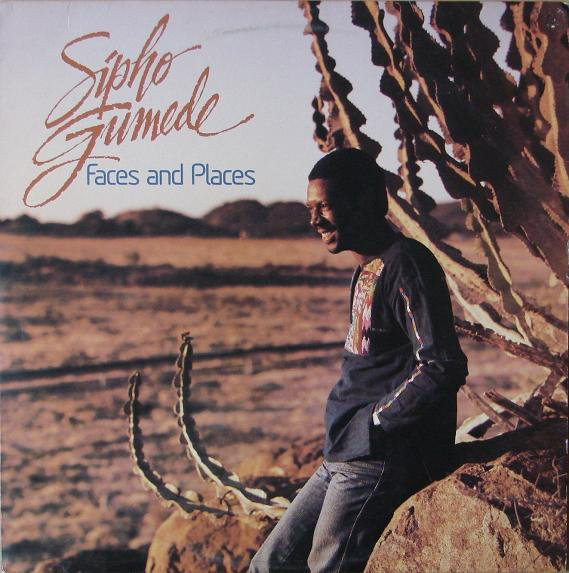
| Notable Works | Faces and Places, Blues for My Mother (Sakhile), Thank You for Listening |
| Awards | OKTV Award 1992, Johnny Walker Award 1995, platinum disc (2004), SAMAs nomination |
Key Dates
| Year | Event |
|---|---|
| 1952 | Born in Cato Manor, a suburb of Durban; from childhood, a guitar made from a tin can |
| 1964 | Family expelled by the Group Areas Act; moved to a farm near Umlazi |
| 1970 | Settled in Johannesburg; bassist with Jazz Revellers and Pelican Nightclub |
| 1972-1982 | Roots, Spirits Rejoice: early steps in jazz-fusion with Bheki Mseleku |
| 1982 | Co-founded Sakhile with Khaya Mhlangu and Mabi Gabriel Thobejane |
| 1985 | Faces and Places, first solo album, recorded at Battery Mobile Studio in Botswana |
| 1987 | Montreux Festival; Sakhile on international tour (Europe, USSR) |
| 1992-1995 | OKTV Awards; Johnny Walker Black Label Award; release of Ubuntu (Humanity) |
| 2004 | Death on 26 July; posthumous albums From Me to You and Togetherness (Sakhile) |
Career: From Township to International Studio
Born on 17 April 1952 in Cato Manor, a suburb of Durban reserved for Indians under apartheid, Sipho Gumede built his first guitar from a tin can and animal skins. Expelled at eight years old by the Group Areas Act, he grew up on a farm near Umlazi, where wedding music and funeral songs nourished his ear. At sixteen, guitarist Cyril Magubane opened the doors of jazz for him — Wes Montgomery, Stanley Clarke. Gumede switched from guitar to bass and joined Jazz Revellers, before moving to Johannesburg in 1970. In Dorkay House and the Pelican Nightclub, he rubbed shoulders with Dennis Mpale, George « Cocky » Tlhotlhalemaje, and Dick Khoza. He briefly formed Roots, then co-founded Spirits Rejoice with Bheki Mseleku. In 1982, he founded Sakhile with Khaya Mhlangu and Mabi Gabriel Thobejane — a jazz-fusion supergroup that interlaced African bass and modern harmonies.
In the early 1980s, Sakhile toured Europe and the Soviet Union. Gumede also multiplied prestigious collaborations: Timmy Thomas, Kippie Moeketsi, Abdullah Ibrahim, Winston Mankunku, Brenda Fassie. In 1985, he recorded Faces and Places at Hugh Masekela’s Battery Mobile Studio. In 1987, the show South African Evening, produced by Quincy Jones at the Montreux Festival, sent the world’s lights onto township jazz. Aroop Roy, founder of the label Vive La Musique, observed that his music had long been underestimated outside South Africa. In the 1990s-2000s, Thank You for Listening (OKTV Award), Ubuntu, and the SAMAs nomination for Kalamazoo with Pops Mohamed illustrate an artist in constant evolution. Back in KwaZulu-Natal, he taught young people from the townships while recording from his studio: From Me to You (2004) and, with Sakhile, Togetherness closed his career.
Major Works
| Work | Year | Why It’s Essential |
|---|---|---|
| Faces and Places | 1985 | First solo album; jazz fusion and Zulu traditions in Botswana |
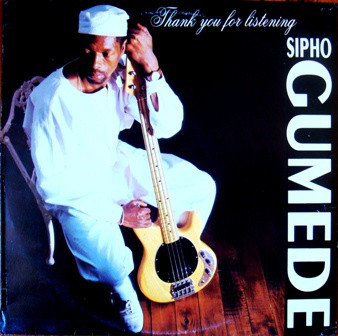
| Thank You for Listening | 1992 | OKTV Award winner, African Fusion at its peak |
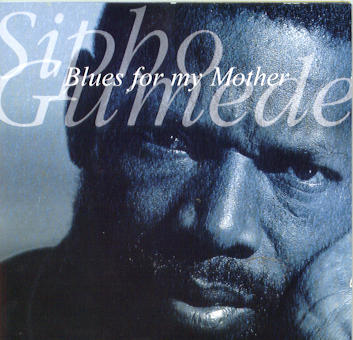
| Blues for My Mother | 1998 | Acclaimed collaborative album (Paul Hanmer, Mandla Masuku); platinum in 2004 |
| Sakhile, Welcome Home | 1987 | The African-jazz sound that introduced South Africa internationally |
Legacy and Influence
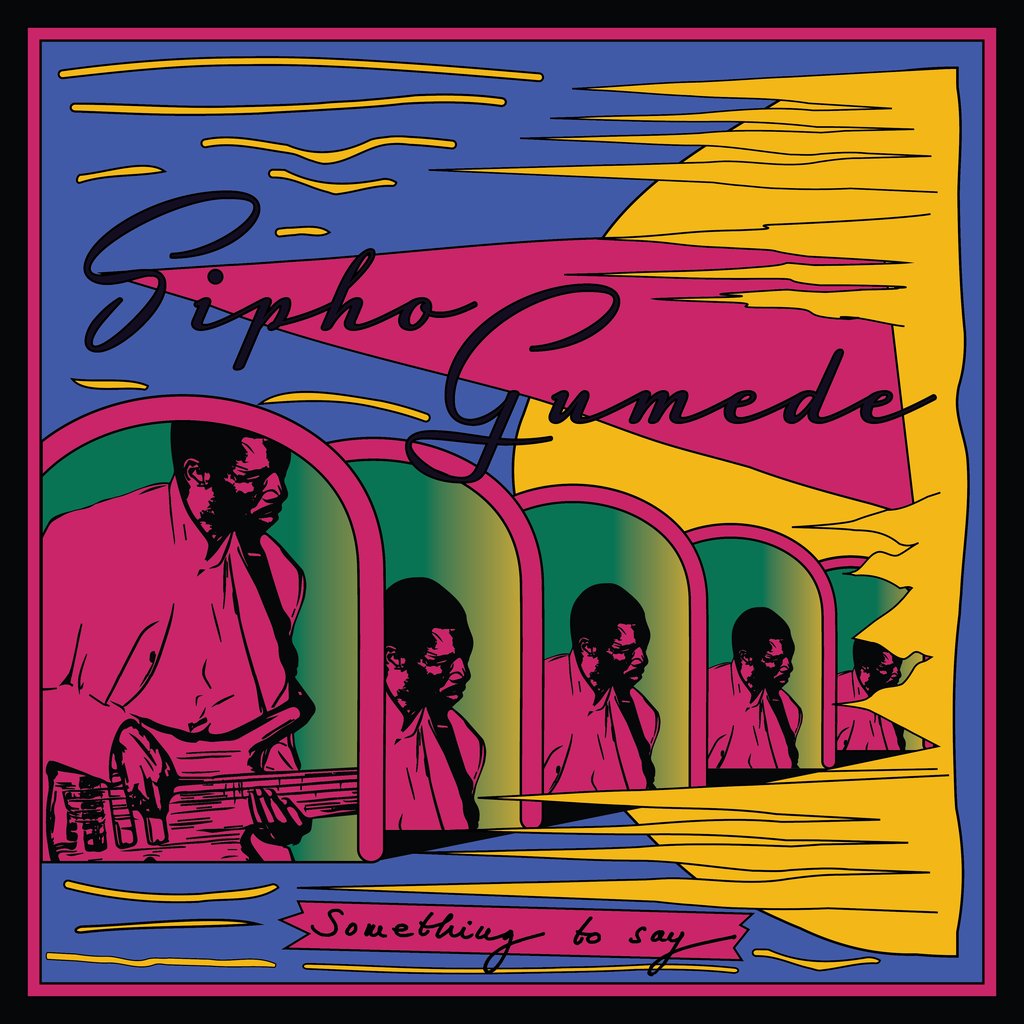
Sipho Gumede recorded more than twenty albums and participated in hundreds of sessions. Long relegated to the background of major South African figures, he is now returning thanks to reissues by independent labels. In 2023, Vive La Musique published Something to Say, a four-track EP drawn from the archives — “Uthinina”, “Bayabizana”, “Something to Say”, and “City of Gold” — reminding the world that a dancing bass moving between township groove and jazz had already preceded its time.
Sources and References
- Megan Iacobini de Fazio, « The Underrated Groove of South African Pioneer Sipho Gumede », Bandcamp Daily, 15 February 2023, https://daily.bandcamp.com/features/sipho-gumede-something-to-say-interview
- South African History Online, « Sipho Gumede », 17 February 2011 (updated April 2023), https://sahistory.org.za/people/sipho-gumede
- « Bass-playing jazz legend Sipho Gumede dies », IOL / Cape Times, 27 July 2004, https://iol.co.za/entertainment/whats-on/2004-07-27-bass-playing-jazz-legend-sipho-gumede-dies/
- Gwen Ansell, « Sakhile — Biography », AllMusic, https://www.allmusic.com/artist/sakhile-mn0000640864
- « South African Music », music.org.za, http://www.music.org.za/artist.asp?id=82
- « Warm tributes pour in for jazz giant », IOL, 27 July 2004, https://iol.co.za/news/south-africa/2004-07-27-warm-tributes-pour-in-for-jazz-giant/
- « Sipho Gumede — Wikipedia », https://en.wikipedia.org/wiki/Sipho_Gumede
- Greg Cutler, interview in the booklet for the EP Something to Say, Vive La Musique (2023)