Biography
Somi: the voice of “New African Jazz”
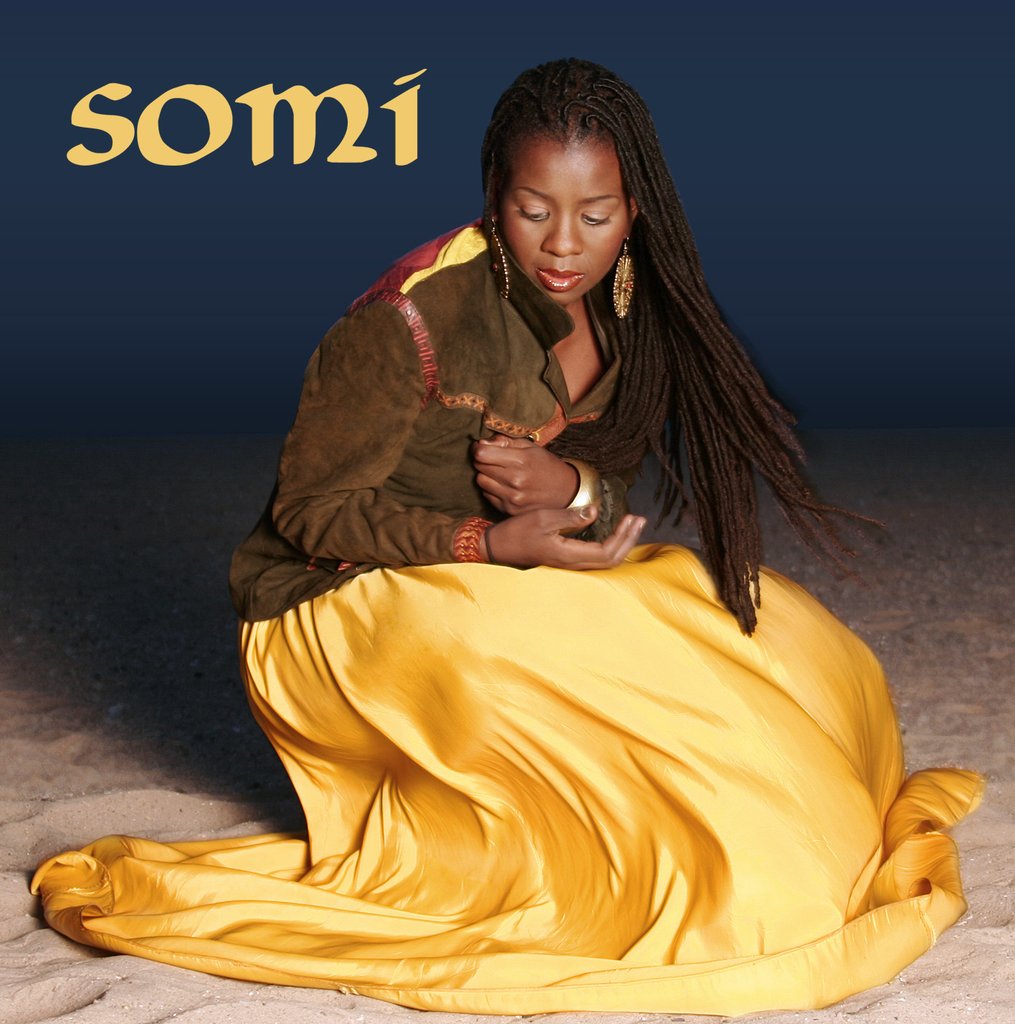
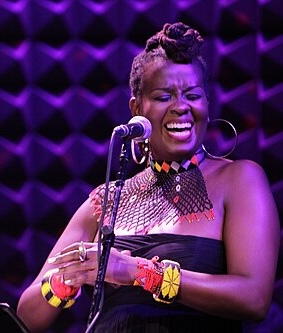
Born in Illinois to Rwandan and Ugandan parents, raised between Africa and the United States, Somi has dedicated her career to weaving a musical bridge between two continents. Her smoky alto voice, her interest in the cello, and her cultural commitment make her one of the most distinctive voices in contemporary jazz. In 2021, she became the first African woman nominated in a jazz category at the Grammy Awards.
In brief
| Full name | Laura Kabasomi Kakoma |
| Stage name | Somi (or Somi Kakoma) |
| Birth | June 6, 1981, Champaign, Illinois |
| Nationality | American |
| Origins | Rwanda and Uganda |
| Genre(s) | Vocal jazz, soul, afrobeat, pop |
| Instruments | Voice, cello |
| Labels | Sony Music, Okeh Records, Salon Africana, Harmonia Mundia |
| Distinctions | Grammy Award nominations (2021), two NAACP Image Awards, Doris Duke Artist Award (2023) |
Key dates
| Year | Event |
|---|---|
| 1981 | Birth in Champaign (Illinois), daughter of Rwandan and Ugandan immigrants |
| 1984 | Family moves to Ndola (Zambia); father works at the WHO |
| 2003 | First independent album Eternal Motive |
| 2007 | Red Soil in My Eyes under Harmonia Mundia; success of the single “Ingele” |
| 2009 | If the Rains Come First, n° 2 Billboard World Music |
| 2014 | The Lagos Music Salon on Okeh Records (Sony); guests Angelique Kidjo and Common |
| 2017 | Petite Afrique, cycle on the Senegalese community of Harlem |
| 2020 | Holy Room – Live at Alte Oper; Grammy nomination 2021 |
| 2022 | Album Zenzile, tribute to Miriam Makeba; show Dreaming Zenzile in Off-Broadway |
| 2023 | Doris Duke Artist Award; Broadway debut in Jaja’s African Hair Braiding |
Musical and artistic career
Laura Kabasomi Kakoma grew up between Zambia, where she lived from three to nine years old, and Illinois, where her family returned when her father obtained a professorship at the University of Illinois (UIUC). After degrees in anthropology and African studies from UIUC, a master’s in performance studies at the Tisch School of the Arts of New York University, and a doctorate from Harvard in the Department of Music, she settled in New York. Her cross-disciplinary academic path—social sciences and artistic practice—has permanently marked her musical approach1.
Somi never intended to sing. “I arrived at jazz by accident,” she admits2. The first moment that truly moved her remains the one where, as a university student, she heard Ella Fitzgerald singing Moonlight in Vermont in her car3. This spark led her to rub shoulders with Nina Simone, Dee Dee Bridgewater, and her great mentor, South African trumpeter Hugh Masekela.
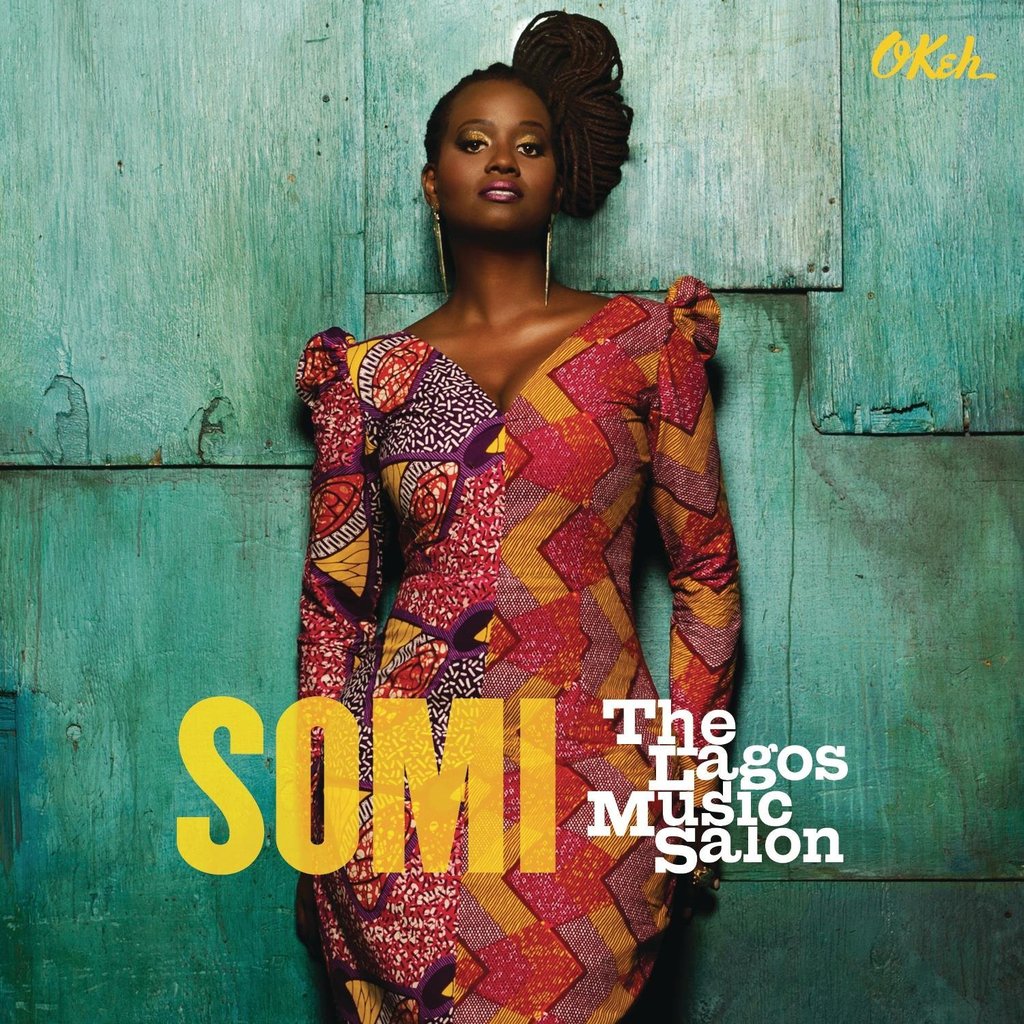
Her career took off with Red Soil in My Eyes (2007), self-produced and then licensed to Harmonia Mundia/World Village. The single “Ingele” climbed to the top of the US world music charts4. In 2009, her signing with ObliqSound resulted in If the Rains Come First, which reached n° 2 on the Billboard World Music Chart. The major turning point arrived in 2013, when Somi signed with Sony Music and joined the recently relaunched Okeh Records label5. Her album The Lagos Music Salon (2014), born from an 18-month sabbatical in Nigeria, reached number one on the Billboard Jazz chart and invited Angelique Kidjo and Common6. The Huffington Post then qualified her as “the new Nina Simone”7.
Somi defines her aesthetic as “New African Jazz”—an expression she coined to describe music that rejects the stereotypes of a frozen Africa:
“For me, ‘New African’ means questioning accepted ideas about what it means to be African in a modern worldview. It is a very exciting period on the continent, especially in terms of production8.”
After Petite Afrique (2017), a cycle dedicated to the Senegalese community of Harlem, Somi plunged into the universe of Miriam Makeba. For seven years, she developed Dreaming Zenzile, an original musical show based on the life of the legendary South African singer9. The show took place in four regional theaters, then in Off-Broadway at the New York Theatre Workshop in 2022. The album Zenzile (2022) is the studio version, recorded at the Apollo Theater—the first live event in this historic temple since the pandemic closure.
In 2023, Somi collected the Doris Duke Artist Award and made her Broadway debut in the title role of Jaja’s African Hair Braiding. In 2026, with What Does It Take to Bloom?, recorded between Dakar, Lagos, Paris, and New York, she operates a recentralization on herself: “I wrote this collection while crossing many places and losing many people”10.
Major works
| Work | Year | Why it is essential |
|---|---|---|
| If the Rains Come First | 2009 | Breakthrough album on ObliqSound, n° 2 Billboard World Music |
| The Lagos Music Salon | 2014 | First Sony/Okeh record, n° 1 Jazz Billboard, Angelique Kidjo and Common |
| Petite Afrique | 2017 | Cycle on African Harlem, winner of a NAACP Image Award |
| Holy Room – Live at Alte Oper | 2020 | Grammy nomination 2021, winner of NAACP Image Award |
Legacy
Somi embodies a new model for artists of African origin: trained in anthropology and at Harvard, she refuses to have her music reduced to conventional “exoticism.” Her Grammy Award nominations, major labels, and her own label Salon Africana make her an artistic leader as much as a performer. By opening the door of the Grammys to African women, by creating Dreaming Zenzile, and by embracing her double culture at the heart of New York jazz, she shows that African identity is plural, modern, and in motion.
Sources and references
-
Multidisciplinary training: licenses in anthropology and African studies (UIUC), master’s degree in performance studies (NYU Tisch), PhD from Harvard. ↩︎
-
Afropop interview: Somi recounts hearing Ella Fitzgerald sing Moonlight in Vermont for the first time as a university student. ↩︎
-
Musical breakthrough — major jazz audition. ↩︎
-
“Ingele” maintained a top 10 position on U.S. World Music charts for several months. ↩︎
-
Somi is among the first artists signed by Okeh Records, relaunched by Sony Music. ↩︎
-
The Lagos Music Salon reached number one on the Billboard Jazz charts. ↩︎
-
The Huffington Post dubbed Somi “the new Nina Simone”. ↩︎
-
Textual citation verified in iRock Jazz and Afropop. ↩︎
-
Dreaming Zenzile developed over seven years, produced in four regional theaters before Off-Broadway. ↩︎
-
Citation confirmed by SomiMusic.com and Afropop 2026 interview. ↩︎