Biography
Stan Tohon: the king of the Tchink System, from funeral music to Beninese dances
Before electric guitars, before synths, there was water. In the calabash gourds of central Benin, musicians struck the liquid surface to invite the dead to rest. Then a man from Abomey, Stan Tohon, plugged this ritual into an amplifier. There were guitars, a brass section, drums — and mourning became celebration. This king of the Tchink System didn’t just make Benin dance: he proved that the most sacred traditions can inhabit ballrooms1.
In brief
| Full name | Roger Stanislas Tohon |
| Birth | 30 December 1955, Abomey (Dahomey) |
| Death | 26 February 2019, Paris (15th arrondissement) |
| Genre | Tchink System — fusion of Beninese traditional rituals with soul, funk and afrobeat |
| Instruments | Gota (scraped gourd), aquatic percussion, vocals |
| Language | Fon |
| Discography | 30+ albums |
| Honours | Knight of Benin for his musical work |
Key dates
| Year | Event |
|---|---|
| 1955 | Birth in Abomey, in present-day Benin |
| 1964 | Begins singing tchingounmè in his neighbourhood at age nine |
| 1972 | Obtains BEPC in Cotonou, releases first album Djadjadja |
| 1977 | “Yallow”, first socially themed track, government censorship |
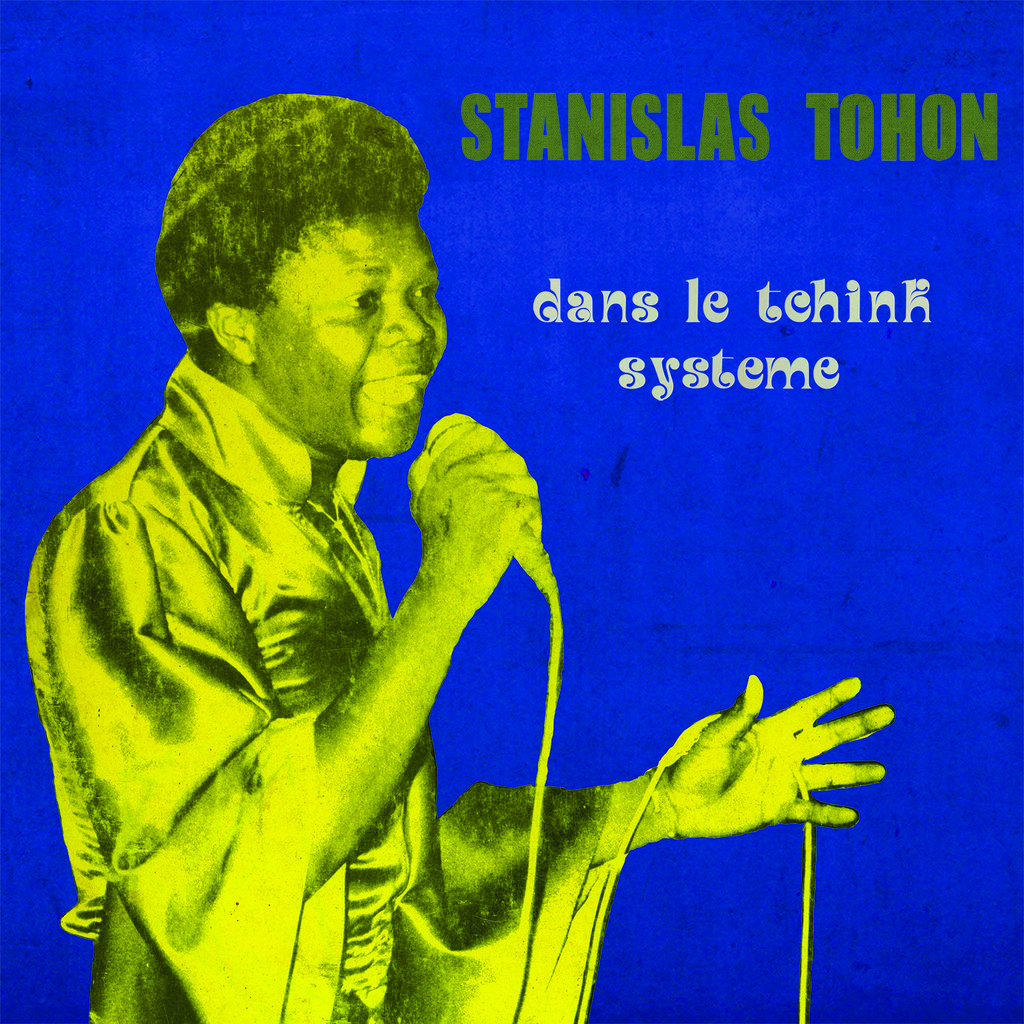
| 1978-1979 | Exile in Togo; creation of the Tchink System; recording of Dans le Tchink Système in Kumasi (Ghana) |
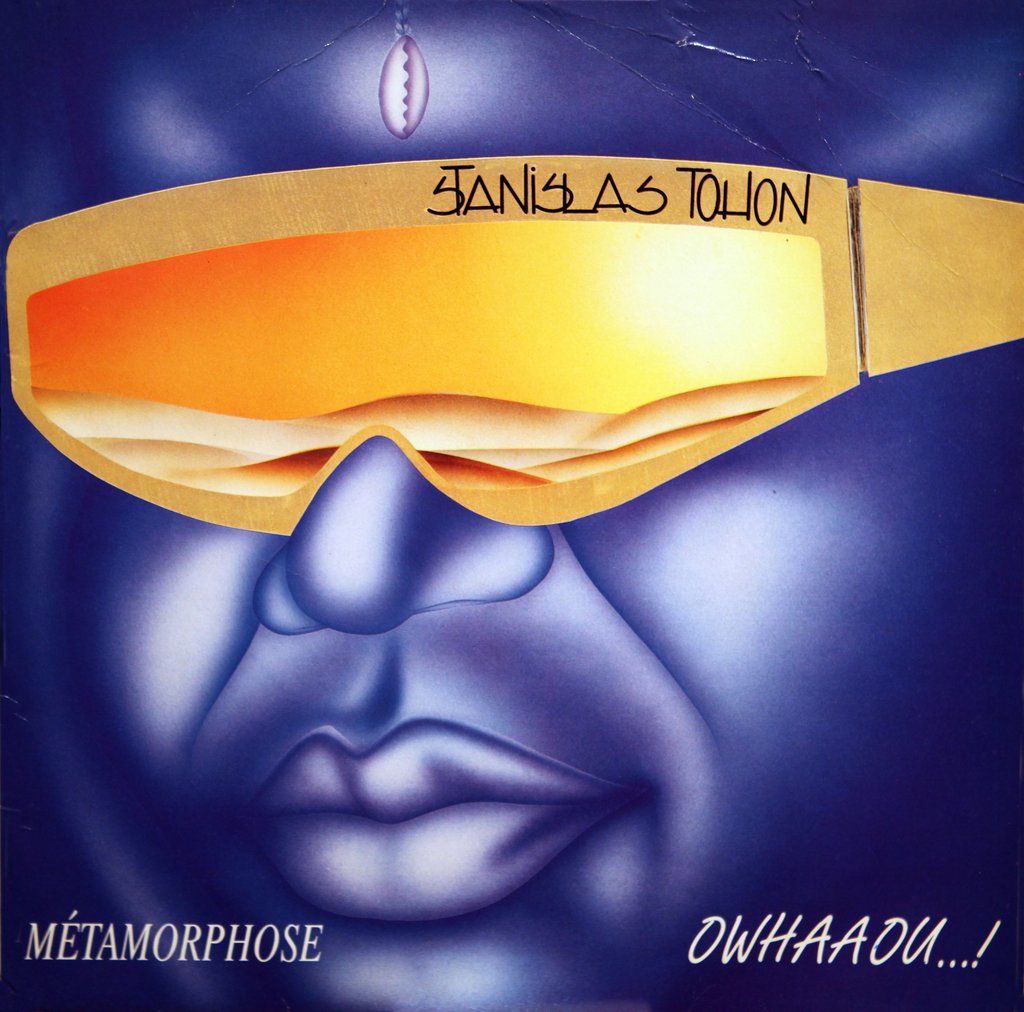
| 1980-1990 | Fertile period: Explosion 84, Parakou, Métamorphose |
| 1991 | Global hits with “Zémidjan”, tribute to Cotonou moto-taxi drivers |
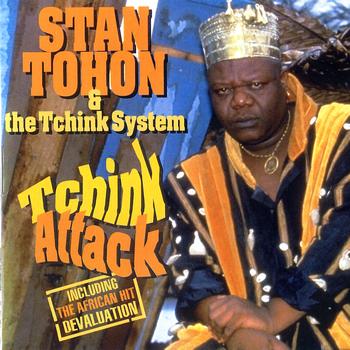
| 1994 | Release of Tchink Attack |
| 2003 | Collaboration with Manu Dibango and Carlos Santana on Résurrection |
| 2014-2015 | Reissue of Dans le Tchink Système by French label Hot Casa |
| 2019 | Death in Paris on 26 February; tributes in Benin and Togo |
Origins: a child of tchingounmè
Stan Tohon grew up in Abomey, the royal city of south-central Benin, in an environment steeped in musical traditions. The Tchinkounmè, traditional dance and music of the Savalou region2, attracted him very early. At nine, he imitated James Brown and Otis Redding on the streets of his city, absorbing American soul rhythms while singing homegrown beats.
His school career was bumpy — he repeated from CM1 to CE2, completed his BEPC at sixteen in Cotonou — but music compensated. Back in Cotonou, he met Gnonnas Pedro, a major figure of the Beninese scene, who initiated him into professional singing3. Stan Tohon began in orchestras that swept all genres: rumba, soukous, Latin rhythms, always singing in Fon, his mother tongue.
Revelation: electro-sacred and exile
In 1977, Stan Tohon recorded “Yallow”, a track denouncing Benin’s socio-economic situation. The song provoked censorship from the government of the time and forced him to flee to Togo4. It was there that the destiny of the Tchink System shifted.
In Kumasi, Ghana, Stan Tohon made a recorded experience with Vis à Vis, the Ghanaian group that would accompany him5. In 1979, he released Dans le Tchink Système, an album recorded on twenty-four analog tracks. The album was a shock: on titles like “Paix lo”, traditional percussion didn’t just underlay soul — it governed it.
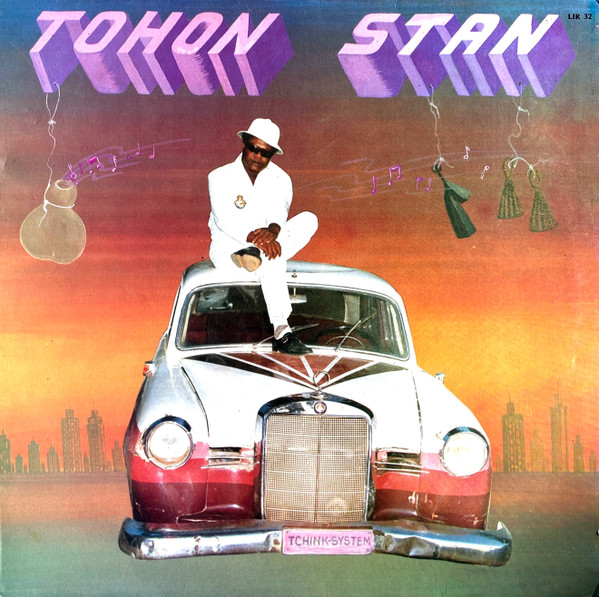
The Tchink System as Stan Tohon conceived it established itself as a hybrid genre blending the aquatic percussion and gota (large scraped gourd) of original Tchinkounmè with modern Western instruments6.
Consecration and legacy
The Beninese public discovered him fully in 1991 with “Zémidjan”, a tribute to Cotonou’s moto-taxi drivers that became a global hit7. He performed in stadiums, notably the Stade de l’Amitié in Cotonou, and collaborated with artists such as Manu Dibango and Jacques Higelin, the latter fascinated by his water percussion playing.
Stan Tohon died on 26 February 2019 in Paris, at sixty-four years old, from complications of diabetes and respiratory problems. His legacy continues to inspire new artists, including Prince Guedessi, his student, who perpetuates the Tchink System8. Today, the Tchink System is a distinct genre in the Beninese musical landscape.
Major works
| Work | Year | Why it’s essential |
|---|---|---|
| Dans le Tchink Système | 1979 | Founding album, recorded in Ghana with group Vis à Vis; absolute fusion of soul and traditional rituals |
| “Zémidjan” | 1991 | Hit that introduced the Tchink System to the general public, tribute to Cotonou’s moto-taxis |
| Tchink Attack | 1994 | Maturity album exploring nuances of the style (Dévaluation, Intox, Reggae Yallow) |
| Résurrection | 2003 | Collaboration with Manu Dibango and Carlos Santana; international recognition |
| Nés pour briller | 2007 | Last complete album on record, marks the artist’s creative longevity |
Legacy
Stan Tohon made a bold wager: transforming funeral, sacred music into an invitation to dance[^9].
Sources and references
-
French Wikipedia, Stan Tohon, accessed 31 October 2026 ↩︎
-
Next Corner, The King of Tchink and the Funeral Music Made With Water, 12 June 2026 ↩︎
-
RFI Musique, Stan Tohon, eternal custodian of the tchink system, interview with Julien Lebrun (Hot Casa Records), 11 March 2019 ↩︎
-
Deezer, Stan Tohon & The Tchink System – Biography, accessed 31 October 2026 ↩︎
-
African Music Library, Tohon Stan – Profile and Discography, accessed 31 October 2026 ↩︎
-
BlueTreeAudio, Benin Electric Music: Poly-Rythmo, Tohon, El Rego and Sagbohan, accessed 31 October 2026 ↩︎
-
Playup BJ, Stan Tohon: The legacy of the king of the Tchink System, accessed 31 October 2026 ↩︎
-
Hot Casa Records (Bandcamp), Dans le Tchink Système, 2014 reissue, accessed 31 October 2026 ↩︎