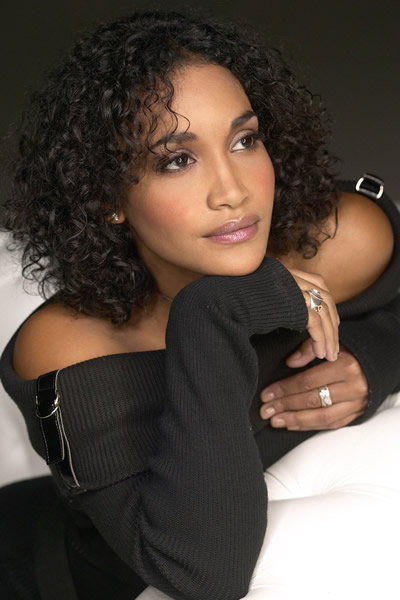
Biography
Suzanna Lubrano: the voice that conquered Portuguese Africa
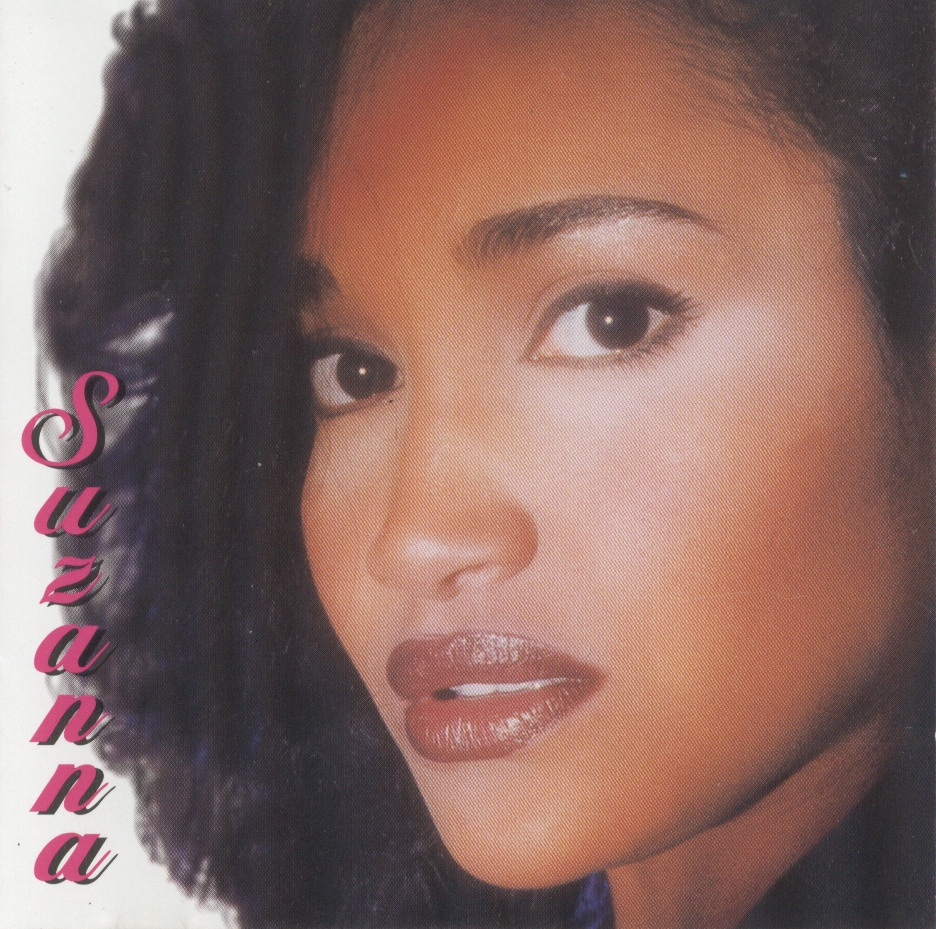
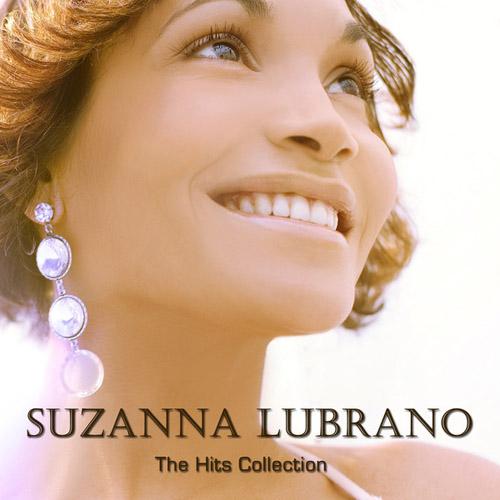
Born in 1975 on the island of Santa Catarina, at the heart of Cape Verde, Suzanna Lubrano grew up between two worlds. At four years old, her family left the island for Rotterdam, in Holland, where she discovered music very early on — first as a child, then professionally from the age of eighteen. Twenty-five years later, she is one of the most recognized Cape Verdean singers of her generation after Cesária Évora, and her music is heard from Portugal to Angola, from Holland to Brazil. Her name: Suzanna Lubrano. Her genre: zouk, this Afro-Creole music current born in the 1980s on the island of Guadeloupe, which fuses Antillean, soul and Caribbean rhythms.
In brief
| Full name | Suzanna Lubrano |
| Birth | November 10, 1975, Santa Catarina, Cape Verde |
| Nationality | Dutch |
| Origin | Rotterdam, Netherlands |
| Field | Singer — zouk, kizomba, coladeira, R&B |
| Signature works | Sem Bó Nes Mund, Fofó, Tudo Pa Bo |
| Awards | Kora All African Music Award 2003, CVMA 2011 |
Key dates
| Year | Event |
|---|---|
| 1975 | Birth in Santa Catarina, Cape Verde |
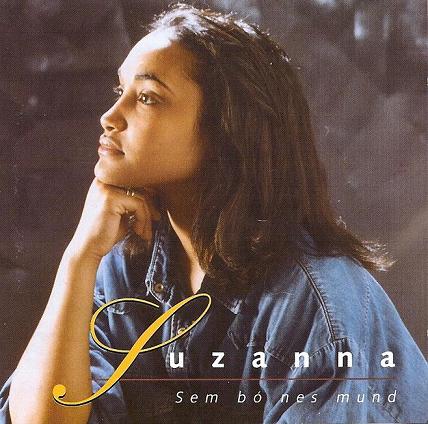
| 1996 | Debut with Rabelados and first solo album Sem Bó Nes Mund |
| 1999 | Fofó and the hit “Ohi Li Oh La” |
| 2003 | Kora Awards: best female artist from Africa |
| 2008 | Saida, R&B turning point with Marcus « DL » Siskind |
| 2010 | Live at Off-Corso (DVD); Museke Online Award |
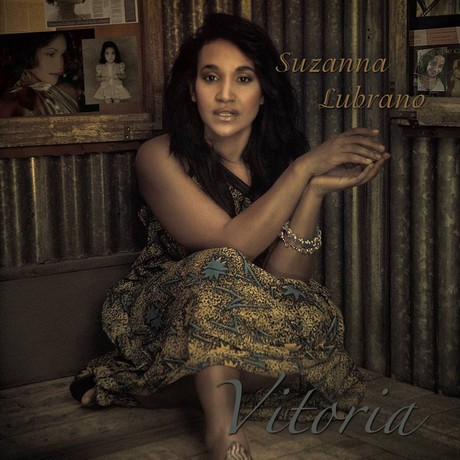
| 2015 | Vitoria in duo with Machel Montano, Iyanya, Vinicius D’black |
Career: from Santa Catarina to Rotterdam
Born in 1975 in Santa Catarina, in the Cape Verde archipelago, Suzanna Lubrano grew up in Rotterdam from the age of four, within a well-established Cape Verdean community. From her earliest childhood, she sang — at church, in family gatherings, on the street. At eighteen, she turned professional with Rabelados, a popular Cape Verdean group, and recorded the album Sukuro (1996). The same year, she launched her solo career with Sem Bó Nes Mund (Kings Records), then Fofó (1999) with the hit “Ohi Li Oh La”, an anthem to zouk that crossed borders. Her musicality was forged between Cape Verdean heritage and European influences: Whitney Houston, Toni Braxton, Aaliyah. She blends kriolu (Cape Verdean Creole) with R&B and pop sounds.
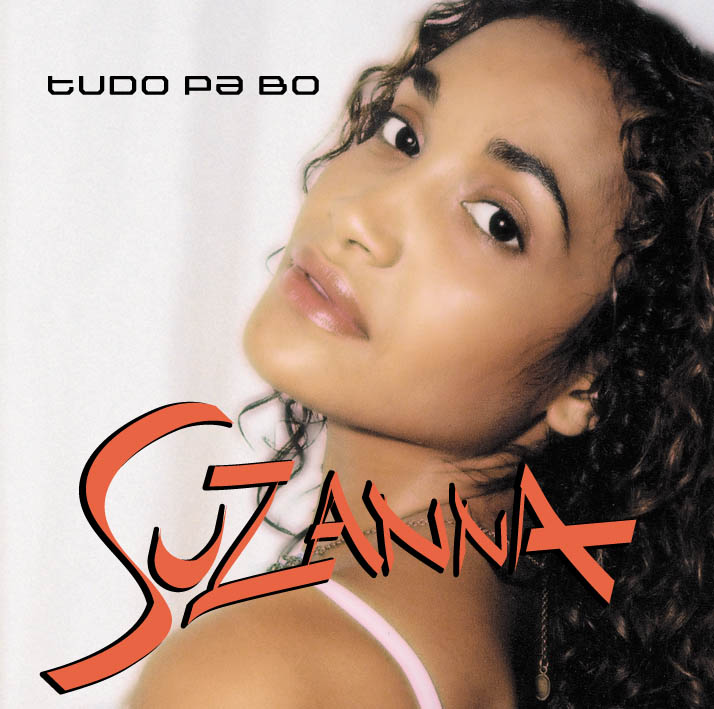
The turning point Tudo Pa Bo (2002, “Everything for You”) confirmed and expanded her audience through collaboration with Ronald Rubinel, nicknamed “the master of zouk”, Beto Dias and Jorge do Rosario. The album achieved a gold record in Lusophone Africa. December 2003 marked a historic moment: at the Kora All African Music Awards in Johannesburg, viewed by 600 million television viewers, Suzanna won two trophies — best female artist from West Africa and Africa. The first Cape Verdean and Dutch artist to receive this award. The President and Prime Minister of Cape Verde congratulated her; she received a diplomatic passport from Cape Verde and became godmother to a TACV Boeing aircraft.
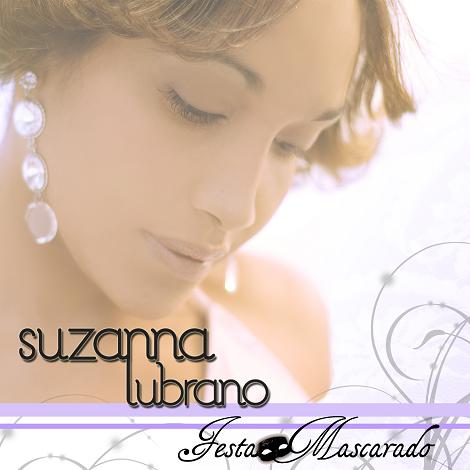
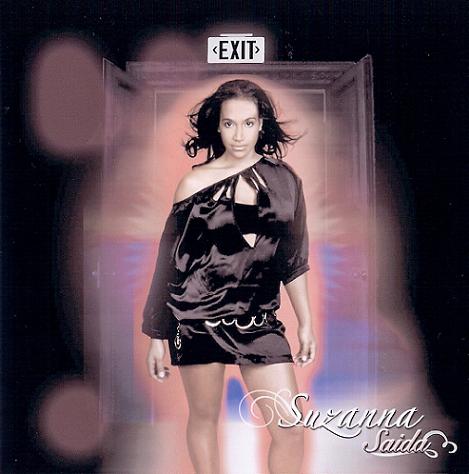
Silêncio (2004) pays tribute to a Cape Verdean adolescent assassinated in Rotterdam, Saida (2008) marks an R&B turning point recorded at Blue Jay Studio in Los Angeles with Marcus « DL » Siskind, and Festa Mascarado (2009) includes an unreleased rap from the Lisa « Left Eye » Lopes family (TLC). Vitoria (2015) pushes collaborations further with Machel Montano (Trinidad), Iyanya (Nigeria) and Vinicius D’black (Brazil). A conviction summarized in her song Talento: use your talents.
Major works
| Work | Year | Why it’s essential |
|---|---|---|
| Sem Bó Nes Mund | 1996 | First solo album: lays its foundations between kriolu and zouk |
| Fofó | 1999 | Revelatory album with “Ohi Li Oh La”, international hit |
| Tudo Pa Bo | 2002 | Recognition in Lusophone Africa; gold record |
| Saida | 2008 | R&B turning point at Blue Jay Studio in Los Angeles |
| Vitoria | 2015 | International reach, duels with African and Caribbean stars |
Legacy
Suzanna Lubrano opened doors. In 2003, when she received her Kora Awards, no one in Cape Verde expected to see a zouk singer from Rotterdam on that stage. Since then, dozens of Cape Verdean diaspora artists have built upon her model. Her music is a bridge: between the native island and Rotterdam, between kriolu and English, between zouk and R&B. She sings, she crosses paths, she inspires — and her voice remains, more than twenty-five years after her first steps on stage, one of the major figures of contemporary Cape Verdean music.
Sources and references
- « Suzanna Lubrano », Wikipedia in English, https://en.wikipedia.org/wiki/Suzanna_Lubrano, accessed October 23, 2026.
- « Suzanna Lubrano », Wikipedia in French, https://fr.wikipedia.org/wiki/Suzanna_Lubrano, accessed October 23, 2026.
- « About », Suzanna Lubrano Official Website, https://www.suzannalubrano.com/about/, accessed October 23, 2026.
- « 2003 Kora All African Music Awards, Winners Announced », World Music Central, https://worldmusiccentral.org/2003/12/07/2003-kora-all-african-music-awards-winners-announced/, accessed October 23, 2026.
- « Musicians from Uganda, Cape Verde Big Winners at Kora », VOA News, https://www.voanews.com/a/a-13-a-2003-12-08-10-musicians-66305792/542321.html, accessed October 23, 2026.
- « Suzanna Lubrano Press Kit », Blue Pie Records, https://www.bluepierecords.com/wp-content/uploads/2016/09/BPP-Suzanna-Lubrano-Press-Kit-v270618RM1.pdf, accessed October 23, 2026.
- « Suzanna Lubrano gets down and personal with Mr Dreamz », Mr. Dreamz Magazine, https://bluepierecords.com/news/suzanna-lubrano-gets-down-and-personal-with-mr-dreamz, accessed October 23, 2026.
- « Suzanna Lubrano », NPO Radio 2, https://www.nporadio2.nl/muziek/artiesten/c45b41d2-a4ea-4a91-b0b5-951ab6c4ed74/suzanna-lubrano, accessed October 23, 2026.
- « Winners 2003 », Kora Awards Archive, https://web.archive.org/web/20090311025100/http:/www.koraawards.com/Winners.html, consulté le 23 octobre 2026.
- « Vitoria », Qobuz, https://www.qobuz.com/se-en/label/transcity-netherlands-1/download-streaming-albums/7636519, consulté le 23 octobre 2026.