Biography
The Abyssinians: three voices, one hymn
In March 1969, in the stifling heat of Kingston, three young men entered the legendary Studio One and recorded a track that made the island’s sound systems tremble. Producer Clement “Coxsone” Dodd refused to publish this trio from Jones Town, viewing it as a work deemed too subversive culturally. Thirty years later, “Satta Massagana” is the reggae anthem — a Rastafari canticle in Amharic and English.
In brief
| Origin | Jones Town, Kingston (Jamaica) |
| Formation | 1968 by Bernard Collins, Donald Manning, and Lynford “Linford” Manning |
| Genre | Roots reggae — tight-harmony vocal trio |
| Signature works | “Satta Massagana”, Satta Massagana, Arise |
Key dates
| Year | Event |
|---|---|
| 1968 | Formation in Jones Town by Bernard Collins, Donald Manning, and his brother Lynford |
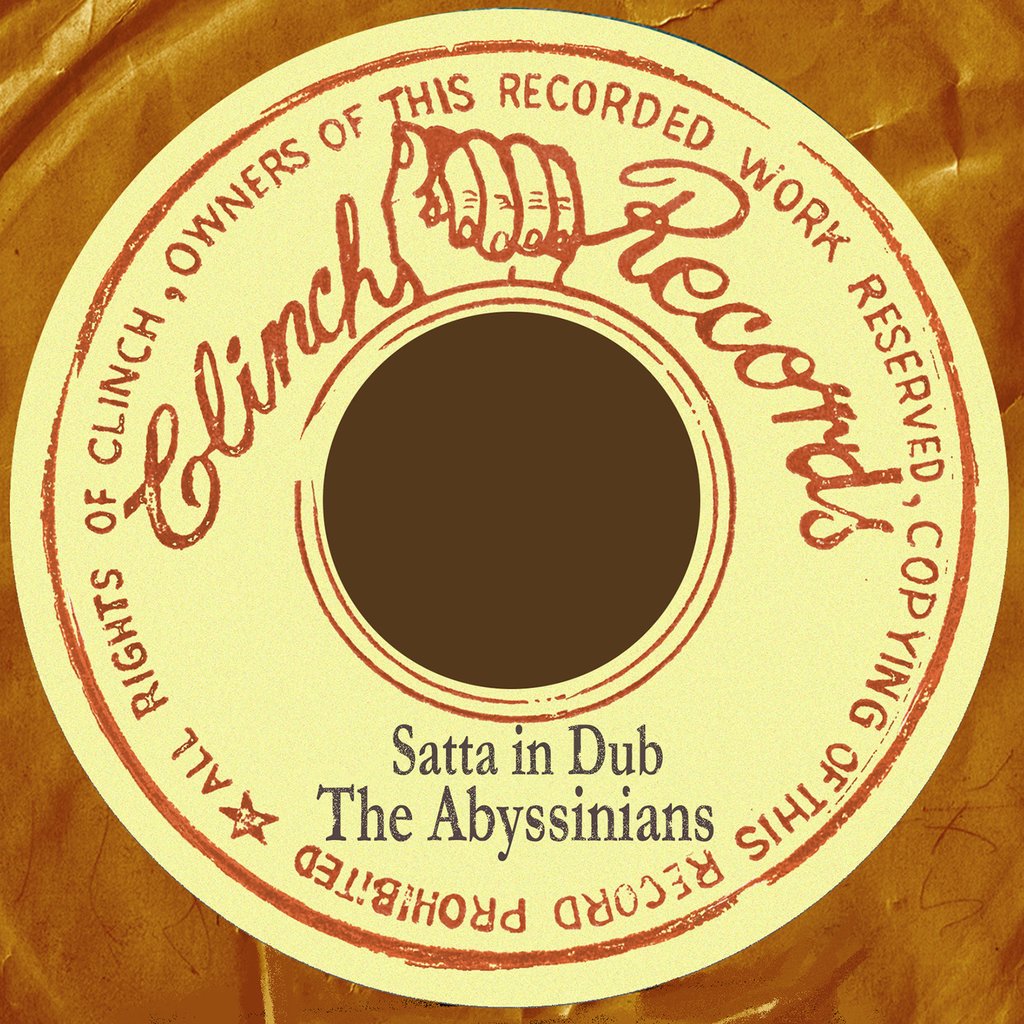
| 1969–1971 | “Satta Massagana” recorded at Studio One, released on the group’s Clinch label |
| 1970 | “Declaration of Rights” — second major hit widely covered |
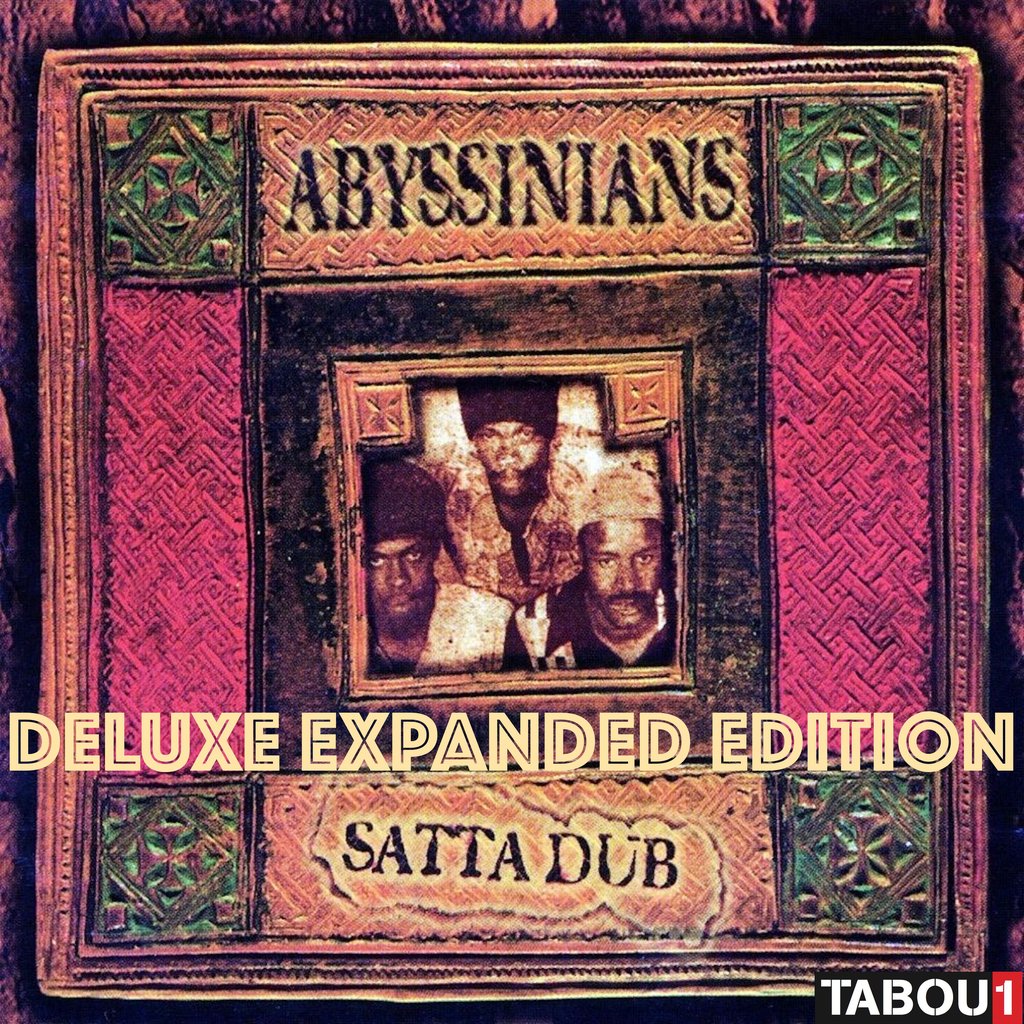
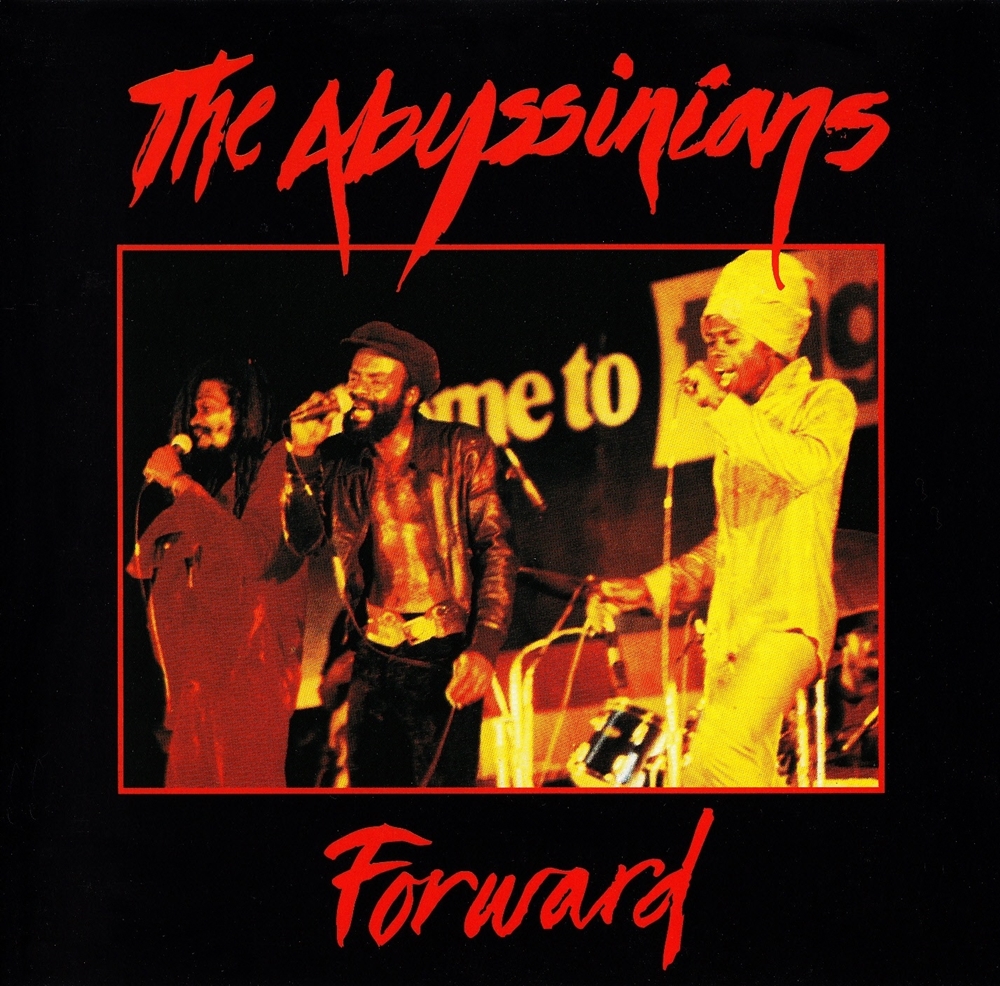
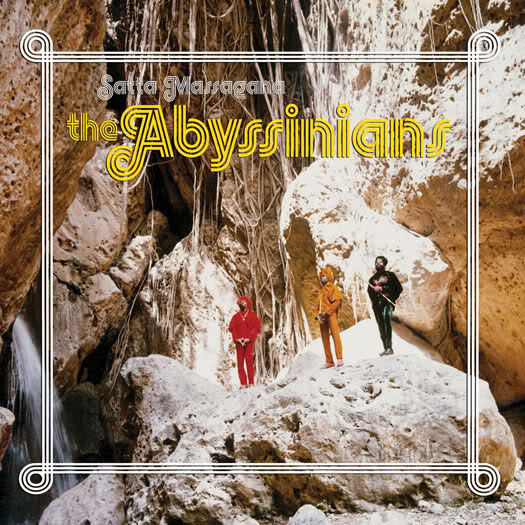
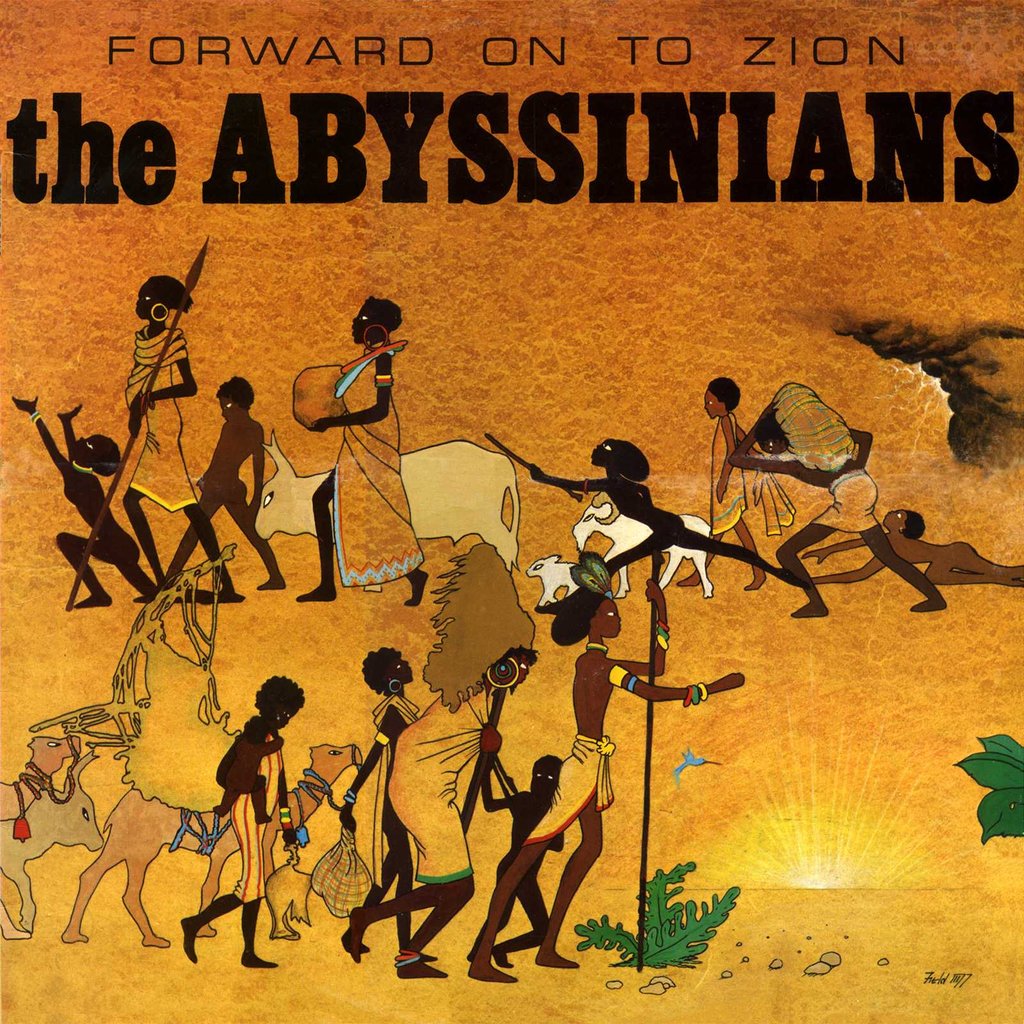
| 1976 | Album Satta Massagana / Forward on to Zion, production by Clive Hunt and Geoffrey Chung |
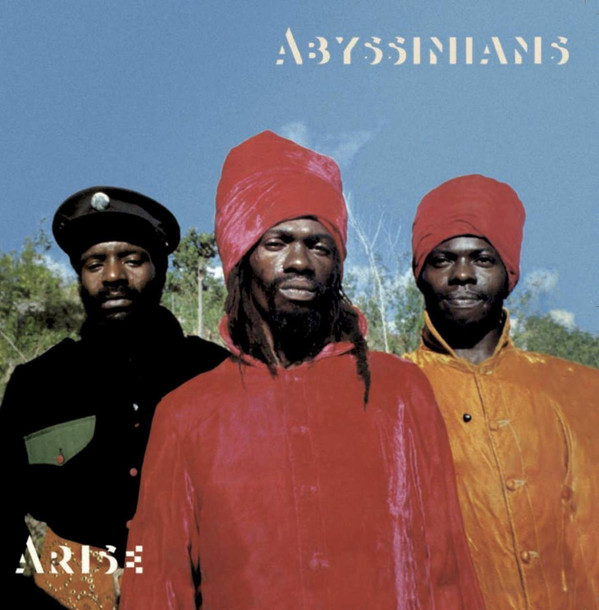
| 1978 | Album Arise; internal tensions, Bernard Collins leaves the group |
| 1979 | Performance at the Reggae Sunsplash festival |
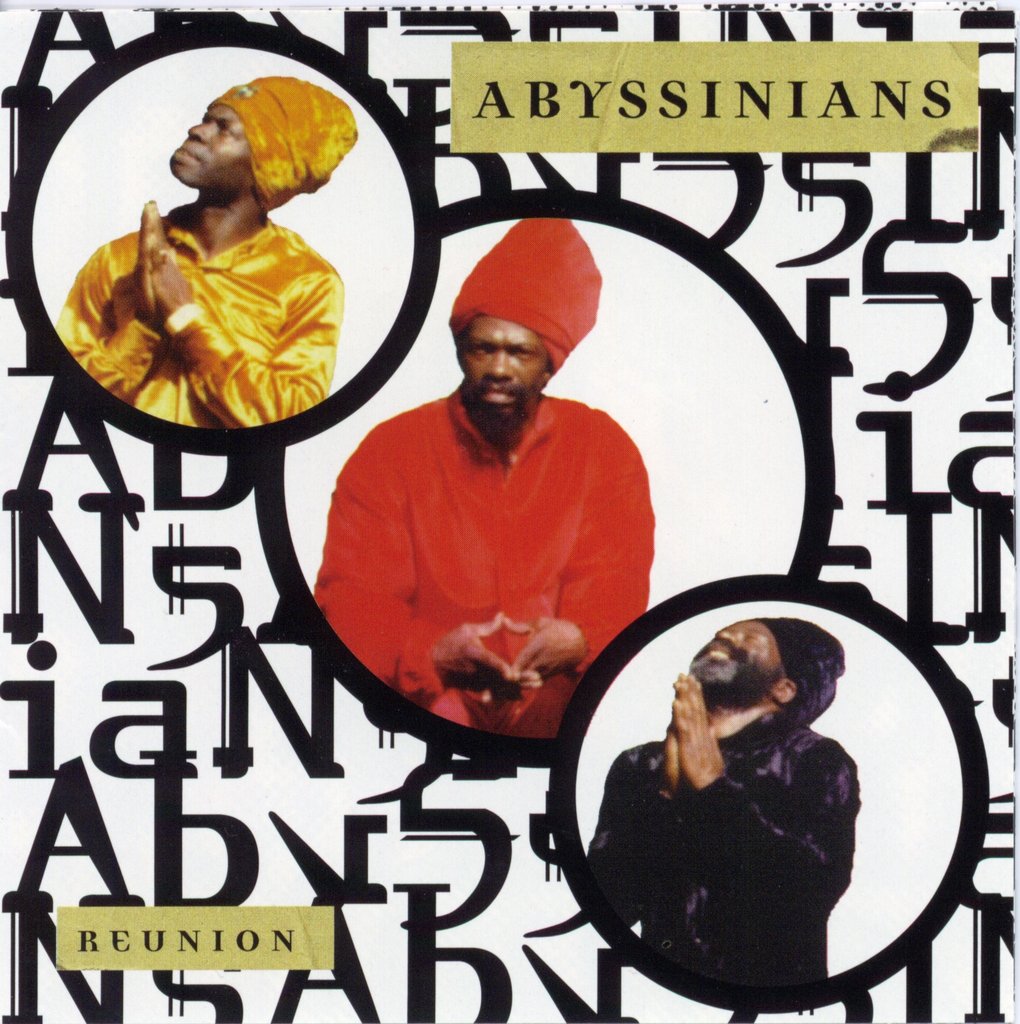
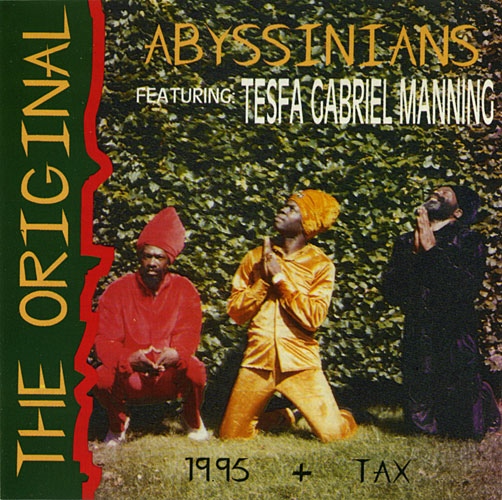
| 1998 | Album Reunion with new material “African Princess”, “Swing Low” |
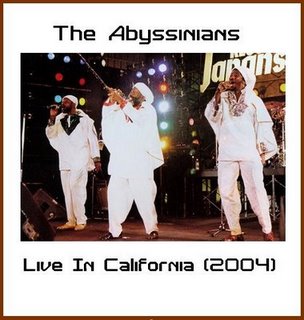
| 2004 | David Morrison joins the formation |
From Studio One to the roots vocal legacy — the story of a Rastafari trio
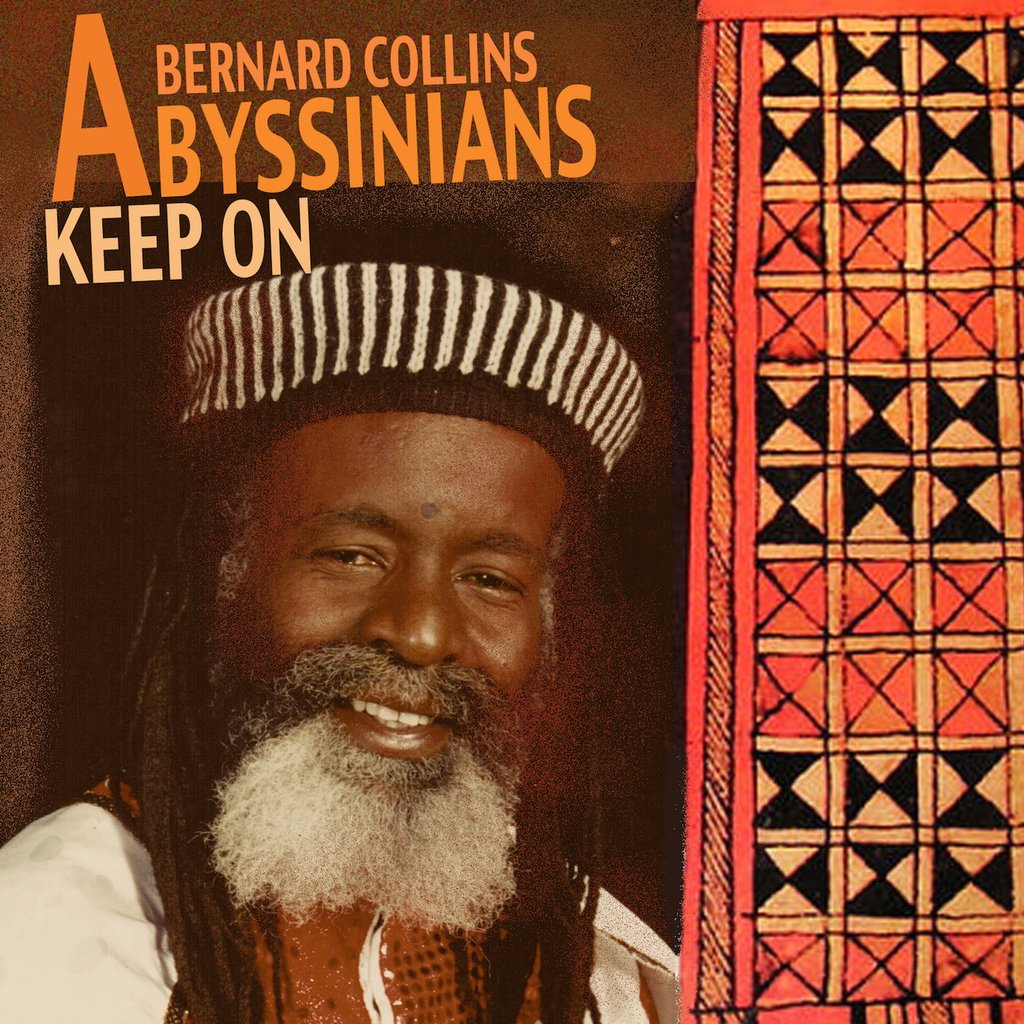
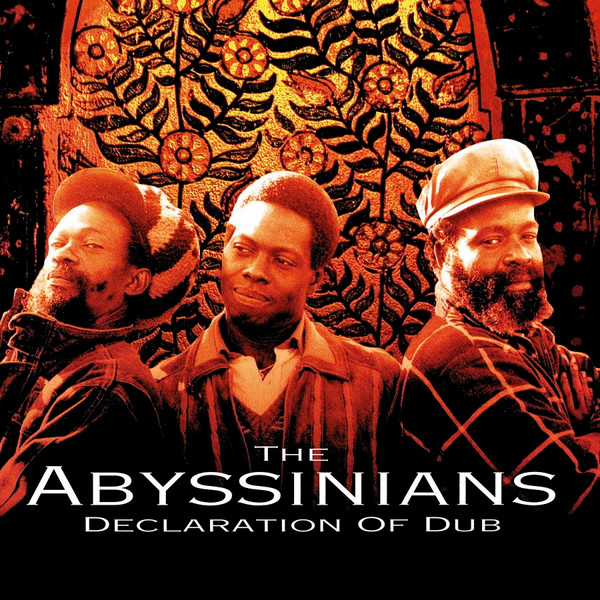
The name The Abyssinians refers to Abyssinia, the former name of Ethiopia — the spiritual homeland in Rastafari belief. Bernard Collins and Donald Manning are childhood friends; Lynford, Donald’s brother from the group Carlton and The Shoes, joined shortly after. The melody of “Satta Massagana” combines a verse by Collins, There is a land far, far away, Amharic phrases brought by Manning, and the harmonic progression from Carlton and The Shoes’ “Happy Land”. The trio recorded the track at Coxsone Dodd’s Studio One in March 1969, but he refused to release it. The three brothers bought back their master tape for 90 pounds, launched the single on their Clinch label, and mounted a fierce promotion: they rode bicycles through Kingston, slipping their records into sound systems. The hit then took off and became what some Jamaicans describe as an unofficial national anthem, sung in dancehalls, on the radio, and in churches.
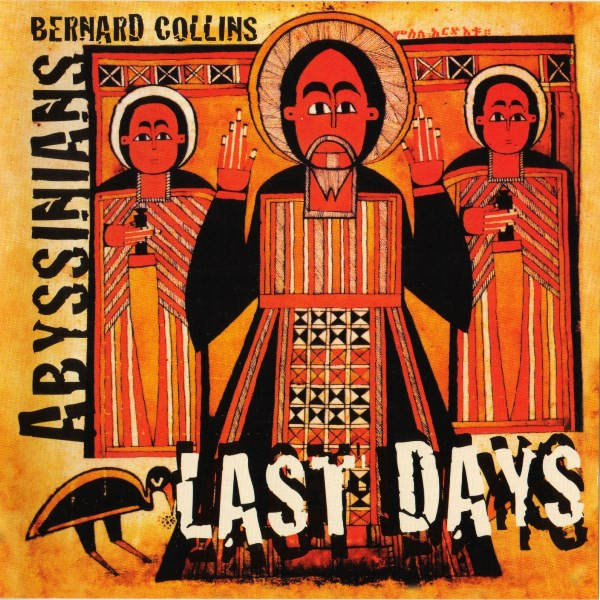
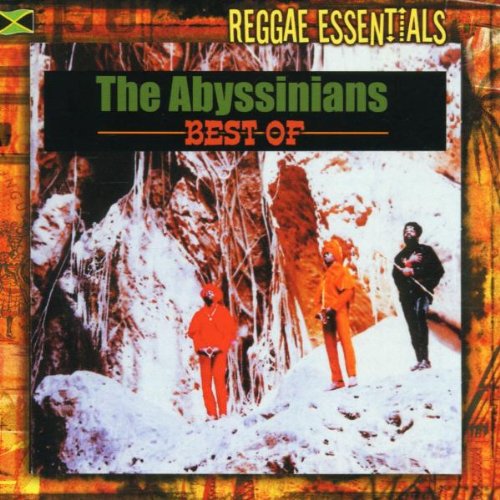
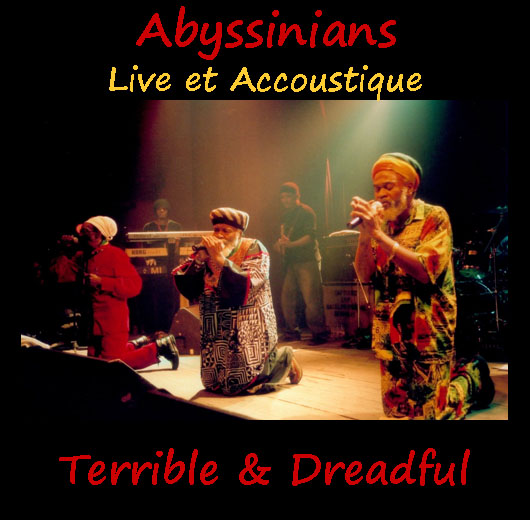
The group multiplied titles in the same vein, attracting the greatest session musicians — Sly and Robbie, Tony Chin, Tommy McCook — and inscribing its legacy in a dense discography. The album Satta Massagana / Forward on to Zion, released in 1976 under the production of Clive Hunt and Geoffrey Chung, is considered a founding classic of roots vocal reggae. Its successor, Arise (1978), was recorded under conditions of internal tension; Collins left and was replaced by Carlton Manning. The formation performed at Reggae Sunsplash 1979 before fragmenting. The 1980s saw two competing versions touring simultaneously (one bearing Collins’ name, the other the Mannings’), Donald Manning pursued a solo career under the name “Donald Abyssinian”. Lynford Manning gradually abandoned secular music, a convinced Christian living in Florida for over thirty years. In 1989, Collins and the Mannings reunited in the studio; Reunion (1998) was the result, featuring “African Princess” and “Swing Low”. Lynford Manning died on June 25, 2024, in Miramar, Florida. The formation continues to tour under different configurations, with the riddim of “Satta Massagana” remaining one of the most covered in reggae history.
Major works
| Work | Year | Why it’s essential |
|---|---|---|
| “Satta Massagana” (single) | 1971 | The Rastafari anthem, one of the most covered rhythms in reggae history |
| Satta Massagana / Forward on to Zion (album) | 1976 | Founding classic of roots vocal, production by Clive Hunt and Geoffrey Chung |
| “Declaration of Rights” (single) | 1970–1971 | Militant cry in favor of diaspora rights, covered by many artists |
| Arise (album) | 1978 | Second album, featuring the Jamaica star band (Sly & Robbie, Tony Chin) in session |
| “Y Mas Gan” (single) | 1973 | Continuation of the spiritual vein in Amharic, following the footsteps of “Satta” |
Legacy and influence
The riddim of “Satta Massagana” is perhaps the most covered in all of reggae history: hundreds of artists have laid their own melodies over the original track, from Big Youth and Dillinger to modern versions. Third World took it up on their first album (1976); Sade used a sample from “African Race” on Lovers Live (2002). Already present in documentaries Roots Rock Reggae (1976) and Rockers (1978), the track remains a living monument whose echo does not fade.
Sources and references
- « Satta Massagana, the sufferer’s song — Initially called Far, Far Away », Jamaica Gleaner, https://jamaica-gleaner.com/gleaner/20120325/ent/ent6.html, interview with Bernard Collins, accessed November 3, 2026.
- « Founding Abyssinian Lynford dies », Jamaica Observer, https://www.jamaicaobserver.com/2024/07/05/founding-abyssinian-lynford-dies, July 5, 2024.
- « The Abyssinians », World of Jamaican Music, https://worldofjamaicanmusic.com/abyssinians, accessed November 3, 2026.
- « The Abyssinians — Biography, Discography », AllMusic, https://www.allmusic.com/artist/the-abyssinians-mn0000588943.
- « Abyssinians’s Profile », ReggaeCollector, https://reggaecollector.com/en/feature/artist.php?artist_id=714.
- « The Abyssinians », Wikipedia (EN), https://en.wikipedia.org/wiki/The_Abyssinians.
- « Linford Manning », Discogs, https://discogs.com/artist/284417.