Biography
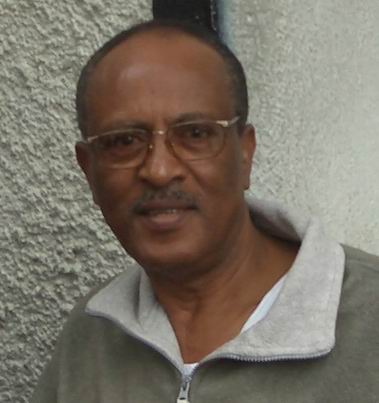
Tilahun Gessesse
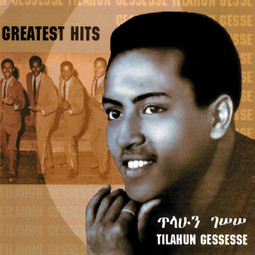
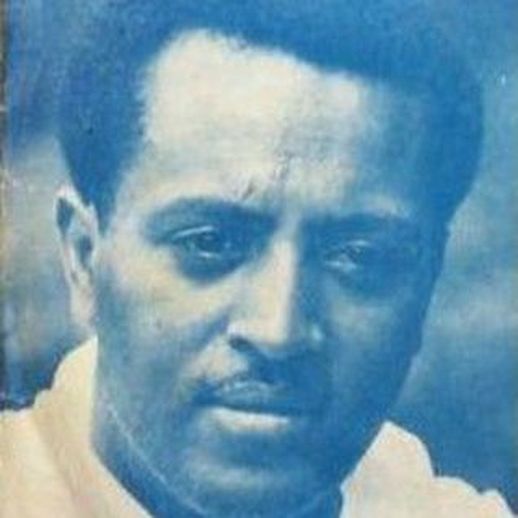
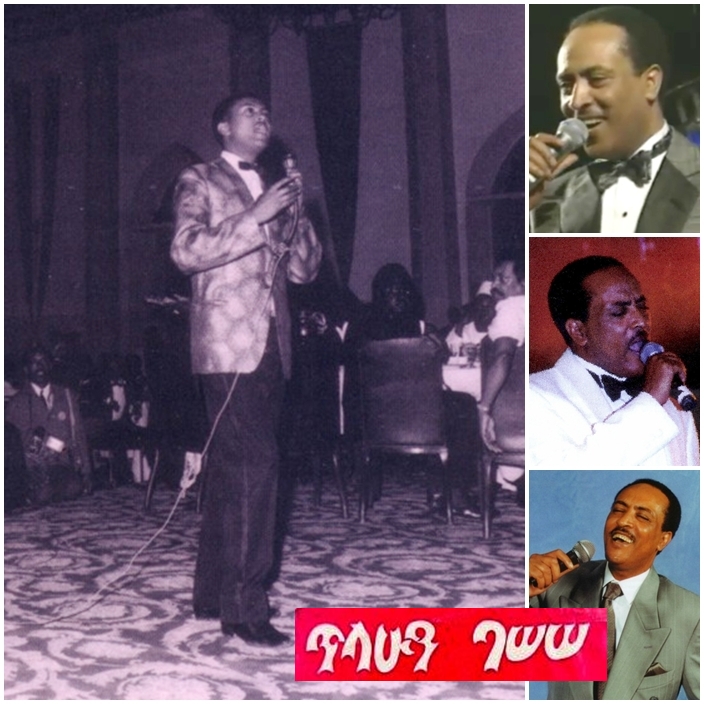
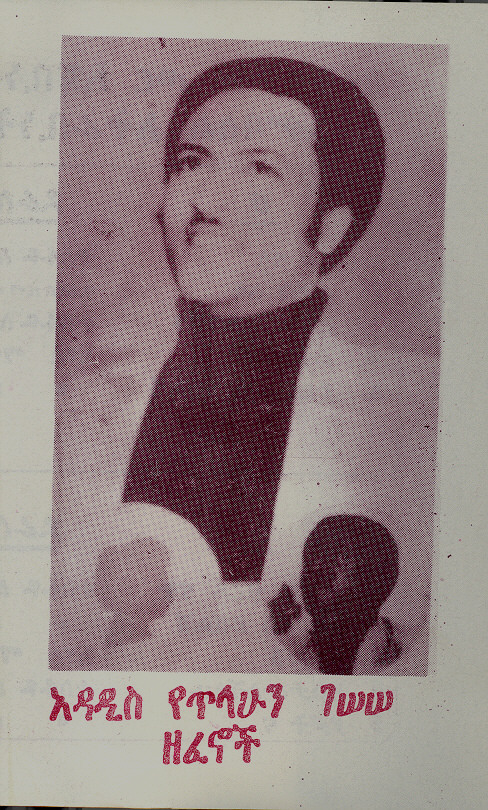
On April 19, 2009, at midnight, Tilahun Gessesse collapsed in his home in Addis Ababa, returning from a concert in the United States. Within hours, the news swept across the country’s airwaves: “The Voice” is gone. Hundreds of thousands of people gathered around the Holy Trinity Cathedral to accompany their icon on his final march—a procession of unprecedented national emotion.
In Brief
| Full Name | Tilahun Gessesse (Amharic: ጥላሁን ገሠሠ) |
| Birth | September 27, 1940, Waliso (Shewa, Ethiopia) |
| Death | April 19, 2009 (68 years), Addis Ababa, Ethiopia |
| Field | Singer — Ethiopian music, soul, jazz, funk |
| Signature Works | “Altchalkoum”, “Semu”, “Tchuheten Betsemu” |
| Honors | Honorary Doctorate (Addis Ababa University, 2005); Lifetime Achievement Award |
Key Dates
| Year | Event |
|---|---|
| 1940 | Birth in Waliso, son of Gessesse Negusse and Gete Gurmu |
| 1953 | Discovered by actor Eyoel Yohannes; debut at Hager Fikir Theatre |
| 1958 | Recruited by the Imperial Guard Orchestra; radio debut |
| 1960 | Arrest and imprisonment; success with “Altchalkoum” |
| 1965–74 | Peak: the Golden Age of Ethiopian music; collaborations with Mulatu Astatké |
| 1974 | Ban of many songs following the overthrow of the Derg |
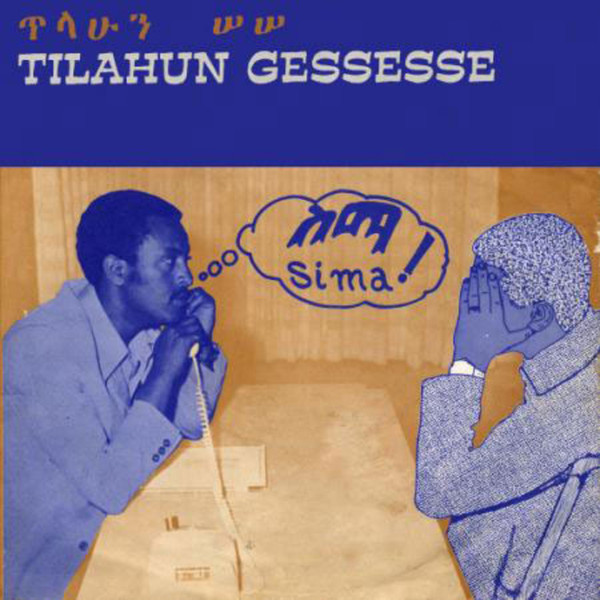
| 1975 | Release of album Tilahun Gessesse (Amha Records) |
| 1993 | Assassination attempt (throat injury); artist survives |
| 2005 | Honorary Doctorate from Addis Ababa University |
| 2009 | Death in Addis Ababa; national funeral on April 23 |
From the Streets of Waliso to the National Stage (1940–1965)
Tilahun Gessesse, born with the given name Dandana—he adopted the baptismal name Tilahun, which means grace in Amharic—was born on September 27, 1940, in Waliso, a town located about 120 kilometers southwest of Addis Ababa. His father was Amhara, his mother Oromo; this dual heritage would structure throughout his life an unexpected bridge between the two communities that share Ethiopia. An orphan of his father at a very young age and entrusted to his maternal grandmother, Tilahun grew up in modest circumstances: the village school served as the setting for a school brass band in which the young boy quickly became the star. In 1953, artists from the Hager Fikir Theatre, the great national theatre, performed in the locality. The actor Eyoel Yohannes spotted the boy, heard him sing, and advised him to go to Addis Ababa. At thirteen, Tilahun tried his luck by running away—hidden on the flatbed of a goods truck. He arrived in the capital in the dead of night, joined the Hager Fikir Theatre as a chorister. Quickly, his clear tenor range and natural charisma propelled him to the forefront. In 1958, the director of the Imperial Guard Orchestra—one of the most prestigious ensembles of the empire, attached to the court of Haile Selassie—came to hear Tilahun at the theatre and recruited him. The Imperial Guard recordings circulated on all the country’s airwaves, and Tilahun’s voice accompanied a generation living in what history would retain as the Golden Age of Ethiopian music.
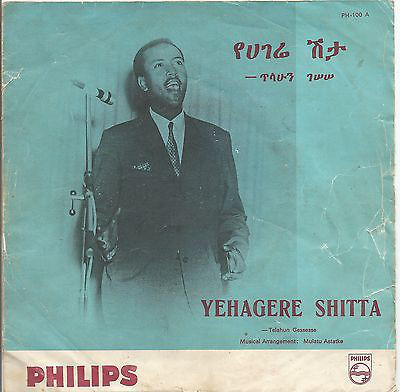
His voice did not merely accompany; it commented. In 1960, his hit “Altchalkoum” (“It Can No Longer Stand”) presented itself as a love song, but listeners read between the lines a cry of rebellion. The voice was taken seriously: a few months after a coup attempt led by officers of the Imperial Guard, Tilahun was arrested and incarcerated. Released, he continued nonetheless to record and perform throughout the 1960s. The artist collaborated with the leading arranger Mulatu Astatké—tutelar figure of what would be called ethio-jazz, this blend of free American jazz and traditional Ethiopian melodies—on a series of classic titles: “Tchuheten Betsemu”, “Semu” (tearful ballad), “Mona Liza”. He also sang in Oromo, expanding his audience beyond the Amharic circle and strengthening his image as an ethnic bridge.
Major Works
| Work | Year | Why It Is Essential |
|---|---|---|
| “Altchalkoum” (“It Can No Longer Stand”) | 1960 | Ambiguous hymn between love song and protest; made Tilahun a national star |
| “Tchuheten Betsemu” (“The Woman I Love”) | 1965 | Embodiment of the Imperial Guard sound: incisive brass, Afro-American riffs, and Ethiopian melodies |
| “Semu” | 1968 | Tearful ballad, witness to the slow register of the voice; often featured on anthologies |
| Wegen Alegr (1995) | 1995 | Post-shock re-recordings, with modern arrangements attesting to creative resilience |
Legacy and Influence
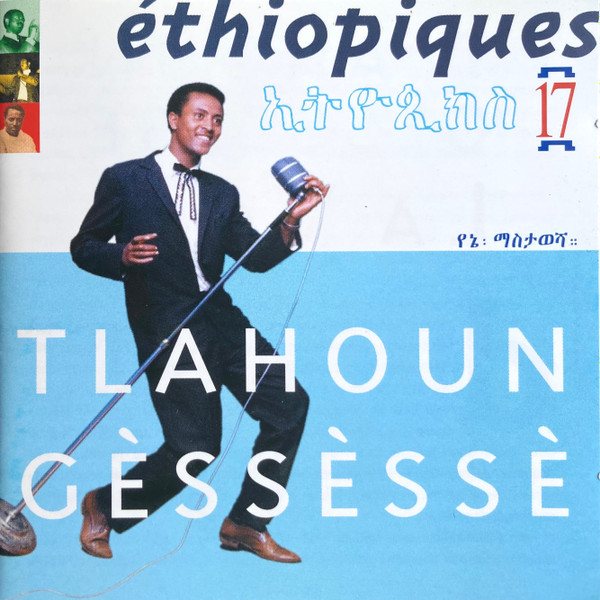
Tilahun Gessesse remains for Ethiopian and international generations the absolute voice of the Golden Age of the seventies, when Addis Ababa shone as the musical heart of Africa. The worldwide reissue of the Ethiopiques recordings (Buda Musique label, compiled by Francis Falceto), of which volume 17 is entirely dedicated to him, offered the world a gateway to his music. Artists like Mahmoud Ahmed—often designated as his only credible successor—regularly pay tribute to him. In 2005, Addis Ababa University conferred an honorary doctorate upon him. After his death in 2009, Prime Minister Meles Zenawi declared that “Tilahun distinguished himself as a world-renowned artist, having contributed to modernizing and popularizing Ethiopian music” (translated from English); hundreds of thousands of faithful escorted his remains in a farewell procession without precedent.
Sources and References
- “Tilahun Gessesse”, Wikipedia, https://en.wikipedia.org/wiki/Tilahun_Gessesse, accessed November 3, 2025.
- Jason Ankeny, « Tlahoun Gèssèssè — Biography », AllMusic, https://www.allmusic.com/artist/tlahoun-g%C3%A8ss%C3%A8ss%C3%A8-mn0000932726, accessed November 3, 2025.
- Robin Denselow, « Tlahoun Gessesse », The Guardian, https://www.theguardian.com/music/2009/may/07/tlahoun-gessesse-obituary, May 6, 2009, accessed November 3, 2025.
- « Təlahun Gässäsä », Encyclopaedia Aethiopica, vol. 4, pp. 911–912, Harrassowitz Verlag, https://www.habeshahistory.com/encyclopedia/telahun-gassasa-p0938-b-y5400-v4, accessed November 3, 2025.
- Seble Teweldebirhan, « Tilahun Gessese », Ethio Biography, https://www.ethiobiography.org/tilahun-gessese/, accessed November 3, 2025.
- « Remembering the great Ethiopian musical icon, Tilahun Gessesse », Ethiopian Broadcasting Corporation (EBC), https://ebc.et/english/Home/NewsDetails?NewsId=1912, September 27, 2025, accessed November 3, 2025.