Biography
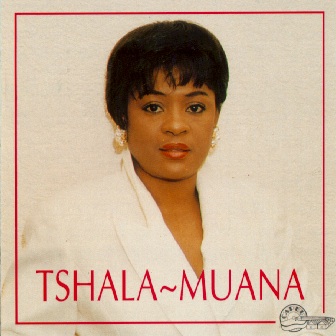
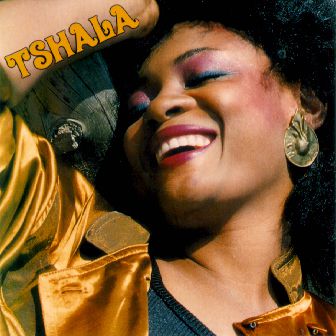
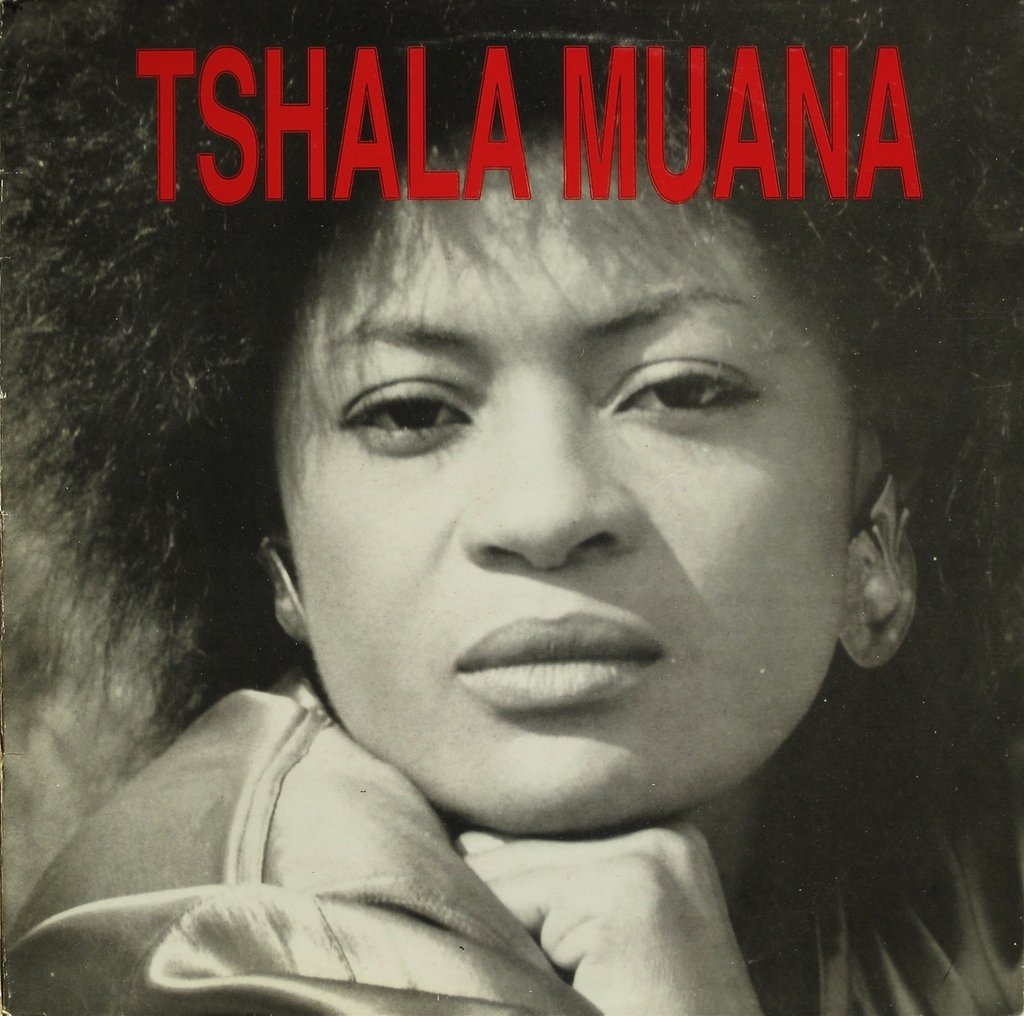
Tshala Muana: the queen of mutuashi who shaped Africa
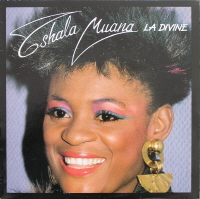
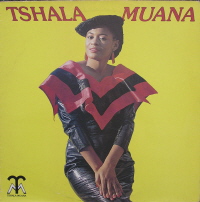
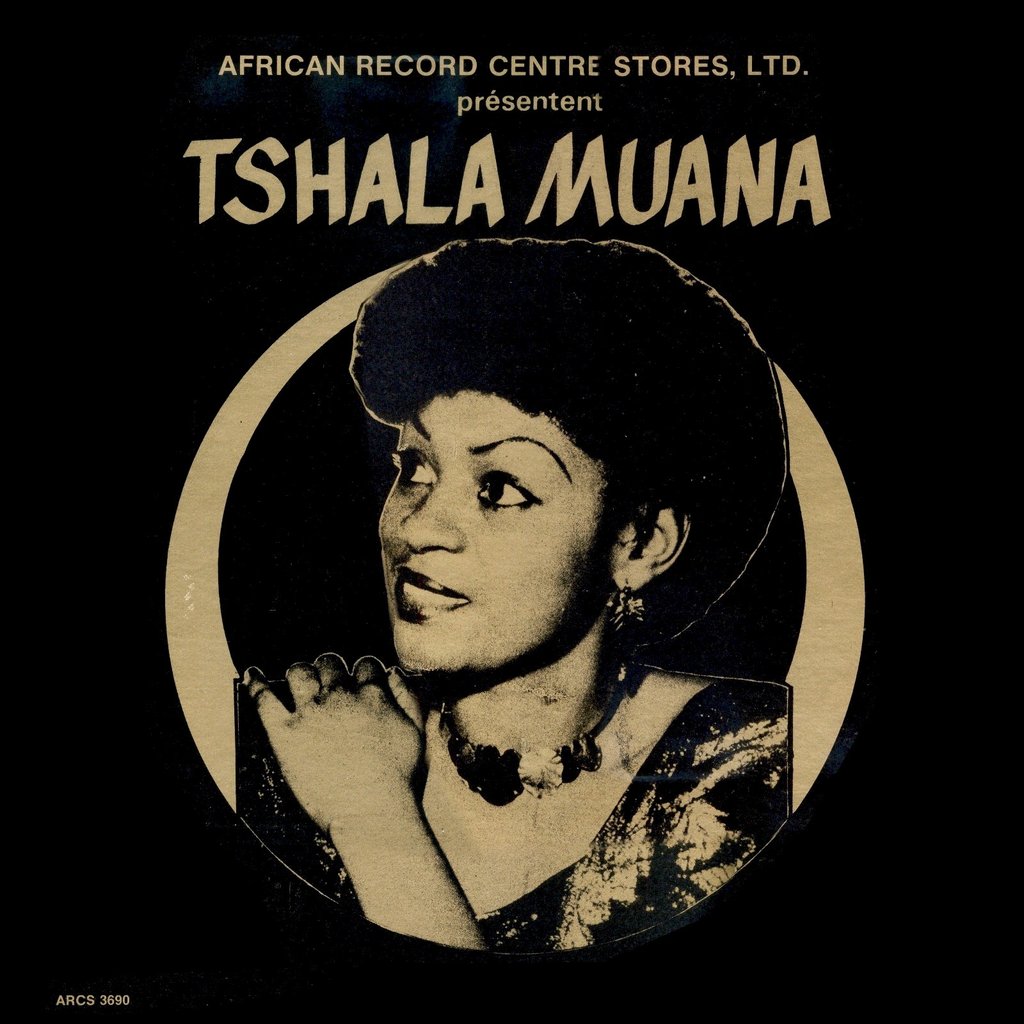
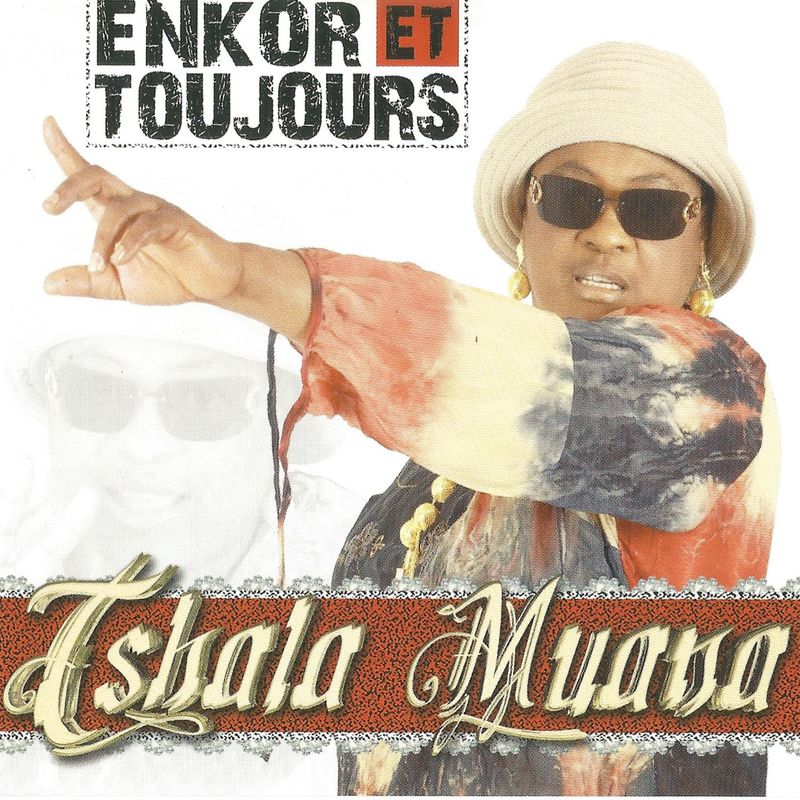
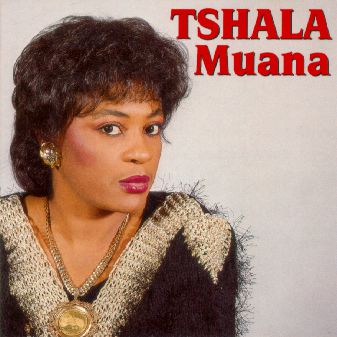
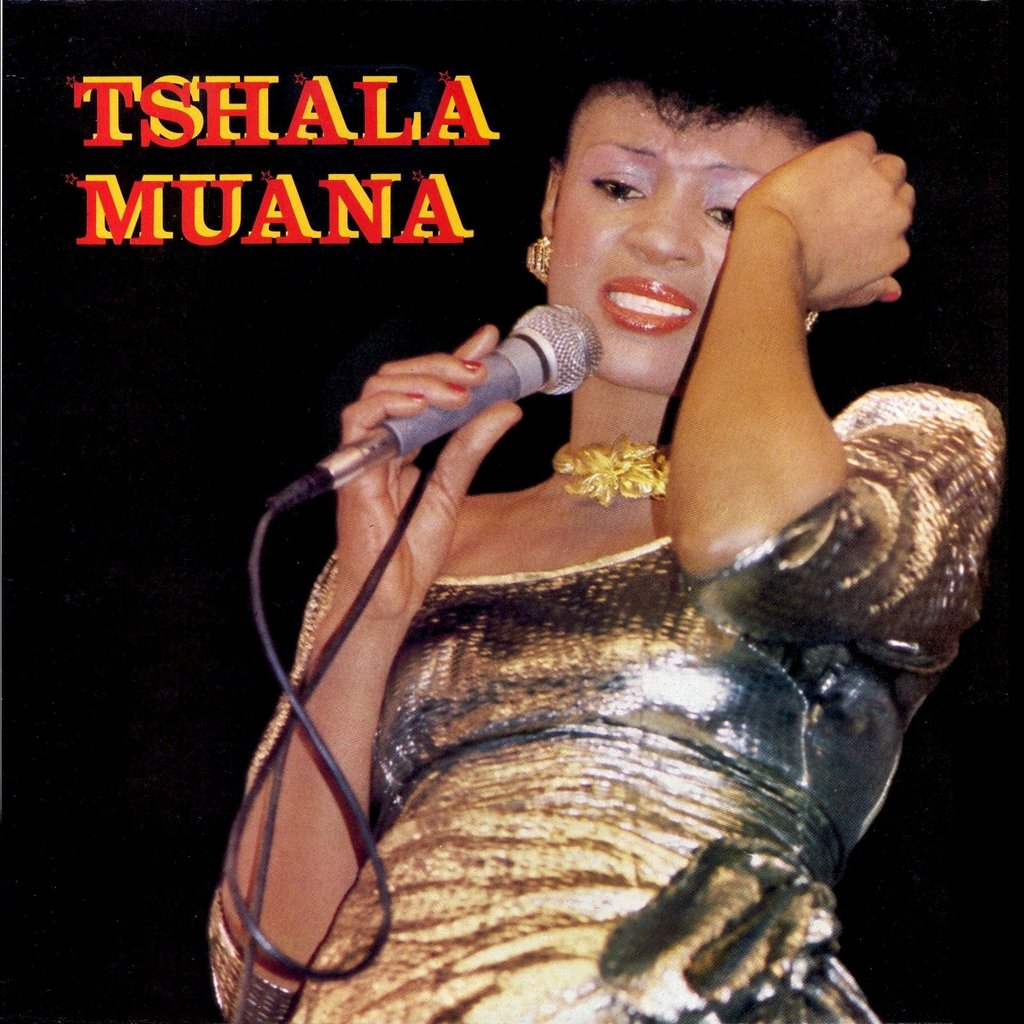
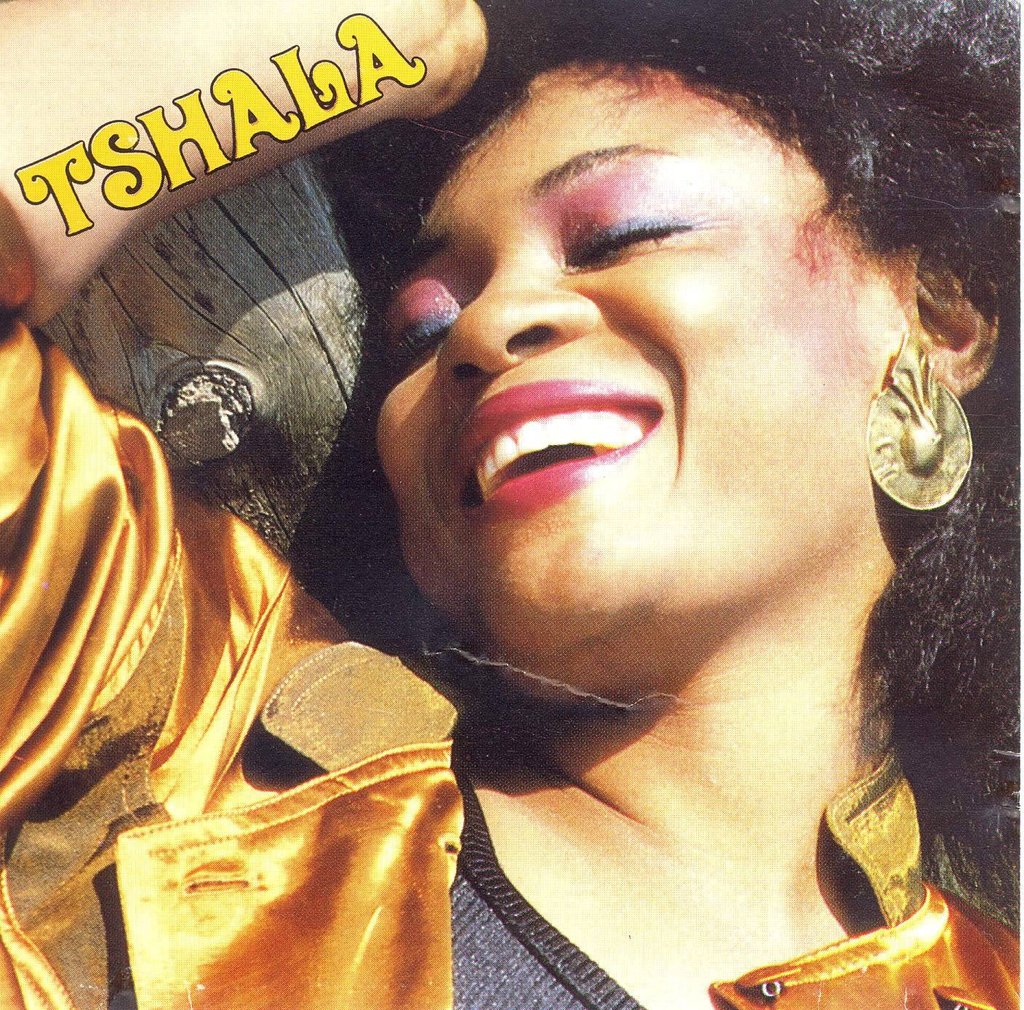
In 1986, a young woman returned to Kinshasa after six years of touring across West Africa. Six years during which she sang in clubs in Abidjan, danced in halls in Accra, and learned that her voice and body could cross borders. When she finally set foot on Congolese stages, she looked nothing like her colleagues. She spoke Tshiluba, danced the mutuashi—a hip movement inherited from Luba ceremonies—and wore on stage an audacity that made conservators scream while driving the youth wild. The whole of Africa would not long delay in learning her name: Tshala Muana.
In brief
| Full name | Élisabeth Tshala Muana Muidikay |
| Birth | March 13, 1958, Lubumbashi (Belgian Congo) |
| Death | December 10, 2022, Kinshasa (DRC) |
| Field | Congolese rumba, soukous, mutuashi |
| Iconic works | « Karibu Yangu », « Biduaya », « Malu », « Tshibola » |
| Honors | Kora Award (2013), legislator of the DRC |
Key dates
| Year | Event |
|---|---|
| 1958 | Birth in Lubumbashi, Belgian Congo |
| 1964 | Assassination of her father; raised by her mother |
| 1977 | Career debut as dancer with Tsheke Tsheke Love |
| 1980 | Departure for West Africa; six years of touring |
| 1986 | Return to Kinshasa; solo career begins |
| 1988 | « Karibu Yangu »; continental hit |
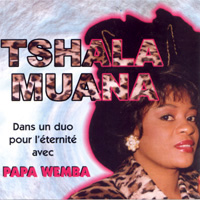
| 1990 | Duo with Papa Wemba |
| 1996 | Album Mutuashi; international consecration |
| 2006 | Elected deputy; commitment to women’s rights |
| 2013 | Kora Award for album Malu |
| 2020 | Arrested over her song « Ingratitude » |
| 2022 | Death in Kinshasa at age 64 |
From solitary childhood to African triumph
Tshala Muana grew up in a home marked by colonial violence. Her father, a soldier, was assassinated in 1964 when she was six years old. Her mother found herself alone with ten children. The memories of this childhood nourished a music where pain was never fatalism, but collective energy.
In 1977, at nineteen years old, she joined the group Tsheke Tsheke Love led by M’Pongo Love as a dancer. This was an apprenticeship for her: she learned to hold her voice, to occupy the stage space. In 1980, she fled Zaire and crossed the continent: Abidjan, Accra, Conakry. She sang in restaurants, danced in banquet halls, and endured solitude. « She remained faithful to her path, sang in the indigenous language, and promoted Luba culture, explained the Ugandan artist Tshaka Mayanja later. It was very unique. »
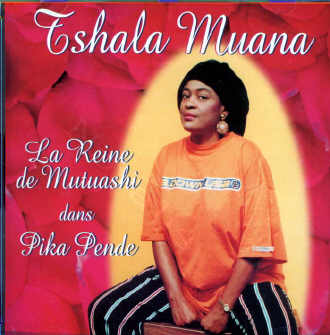
Back in Kinshasa in 1986, Tshala Muana was a different woman. Her style—mutuashi, rhythm and dance of Kasai origin—shocked urban elites, fascinated crowds, and triggered riots in halls: at one point in Zambia, in 1992, police had to fire tear gas to control an overflowing audience. She was not the only Congolese artist to cross the continent, but she was the only one to refuse Lingala and French in favor of Tshiluba. This linguistic audacity paid off: she spread Tshiluba well beyond Central Africa, on waves dominated by soukous giants. « She was a strong woman on stage, admirable in her work », summarizes Ballou Canta.
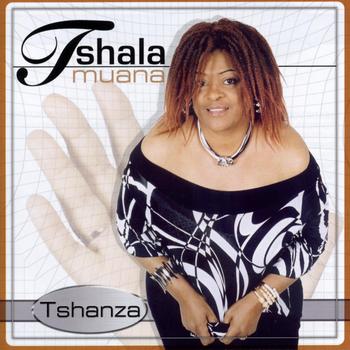
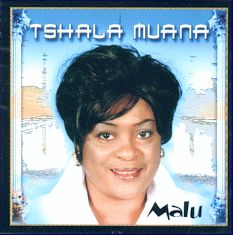
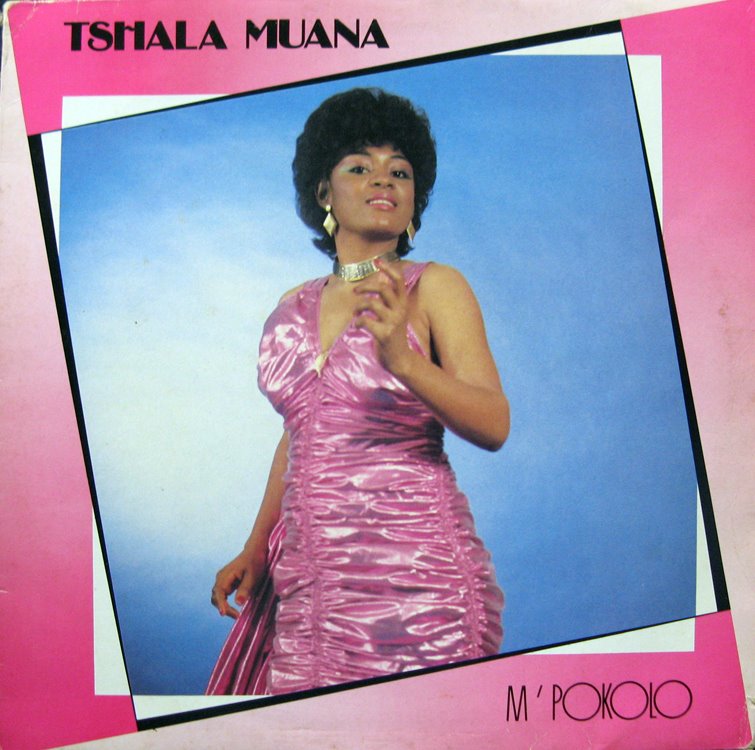
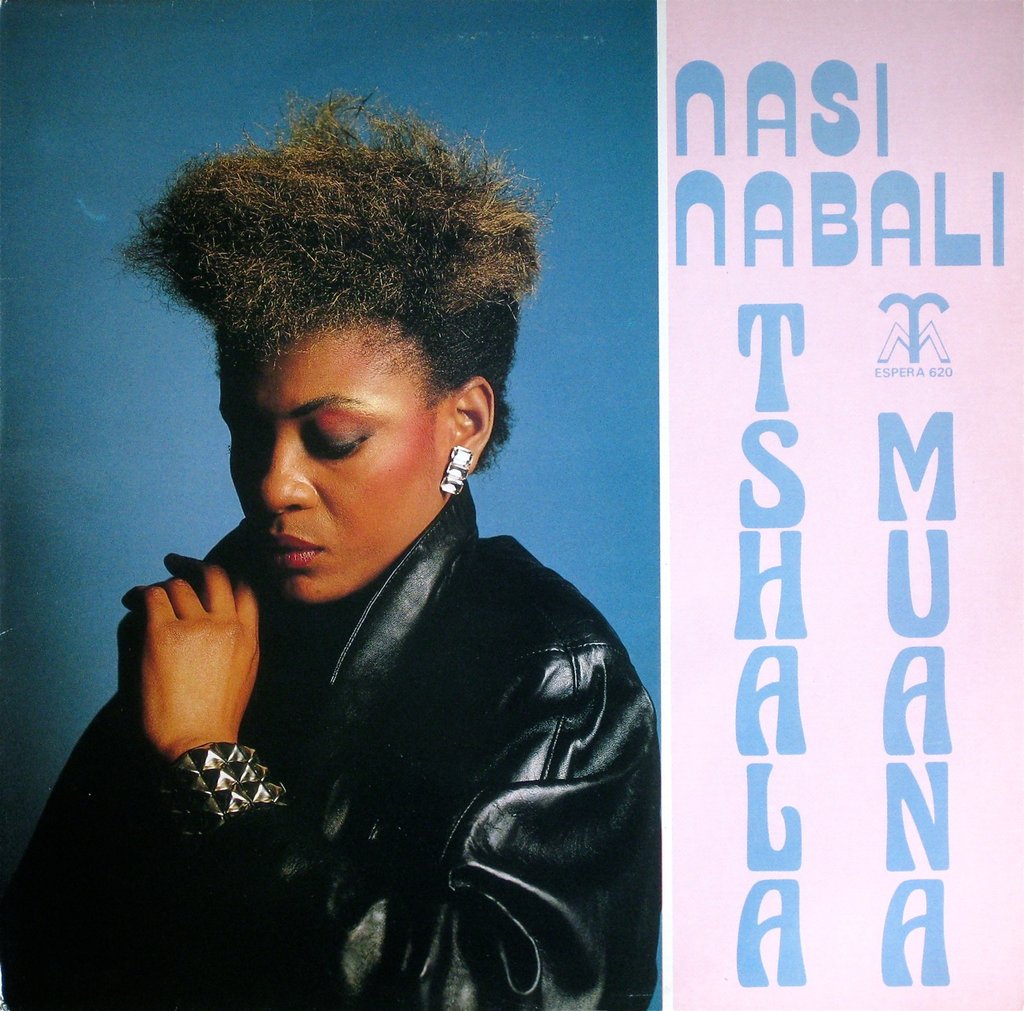
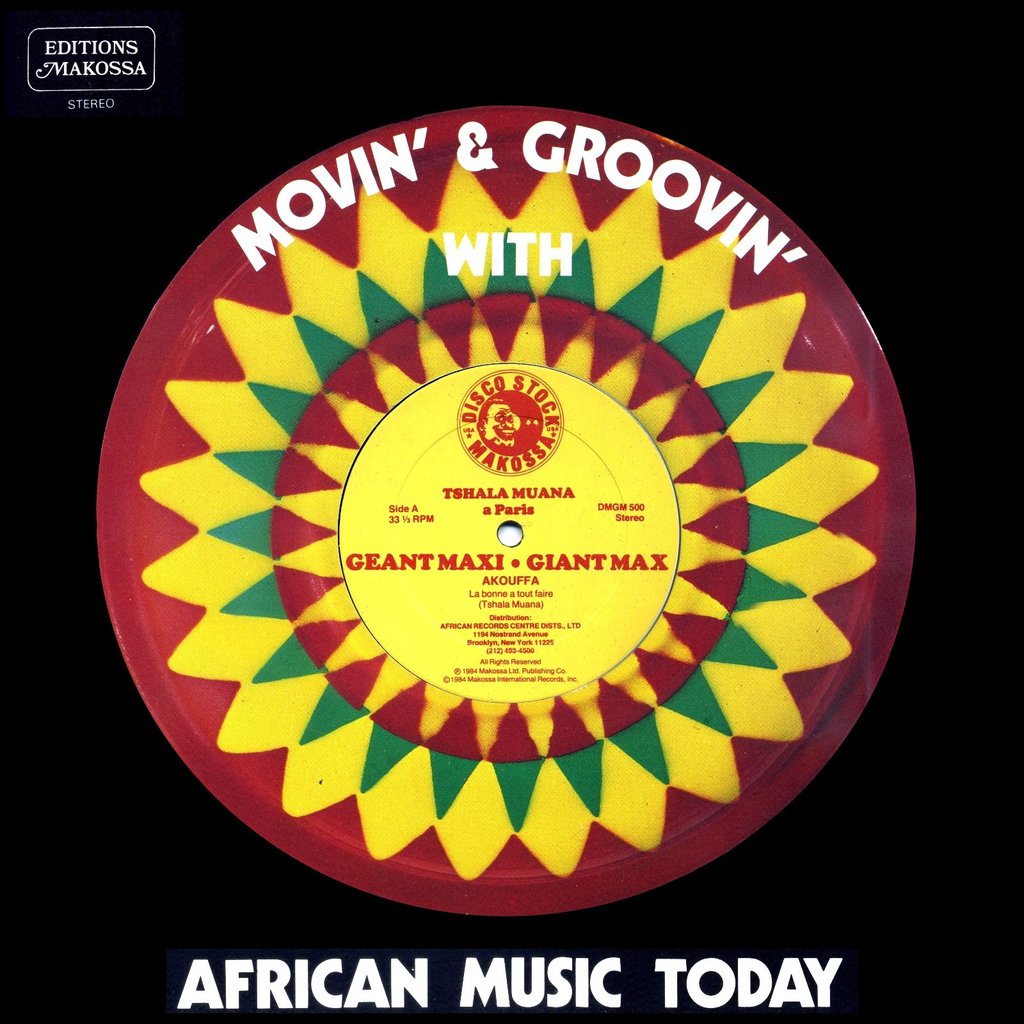
Her discography exceeds twenty albums. Soukous Siren (1985), Nasi Nabali (1988), Biduaya (1989), Mutuashi (1996) and Malu (2003) mark essential milestones. Her songs « Karibu Yangu », « Tshibola » and « Bena Moyo » resonate from Nairobi discotheques to Kinshasa balls.
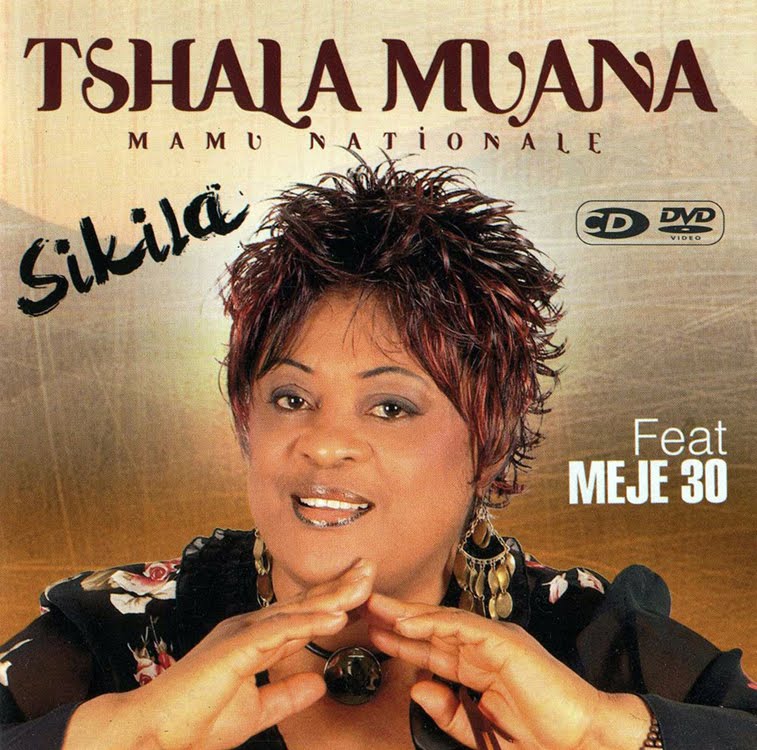
Tshala Muana does not sing only for celebration. Her lyrics address with frankness women’s dignity, the fight against domestic abuse, and the promotion of condoms to curb AIDS. Elected deputy in 2006, she spoke out in Parliament for women’s and children’s rights, earning her the affectionate nickname « Mamu Nationale » (Mother of the Nation).
But political combat has a price. In November 2020, Tshala Muana was arrested by Congolese intelligence services. Her reason: « Ingratitude », a song that much of the public interpreted as a veiled attack against President Félix Tshisekedi, former mentor of Joseph Kabila, to whom she was close. Long-time pro-Kabila, she paid her commitment with several weeks of detention.
She died on December 10, 2022 in Kinshasa at the Cinquantenaire hospital, aged 64. She had suffered a stroke in 2020, then diabetes and hypertension. On social networks, musicians and admirers mourned her as a « monument in the promotion of Luba music », according to musician Deli Kongoli.
Major works
| Work | Year | Why it is essential |
|---|---|---|
| « Karibu Yangu » | 1988 | The hit that revealed Tshala Muana to the entire continent |
| Biduaya | 1989 | Mutuashi merges with soukous and Congolese rumba |
| Mutuashi | 1996 | The founding act of her international career |
| Malu | 2003 | Album crowned with the Kora Award, praised for its engaged lyrics |
Legacy and influence
Tshala Muana made mutuashi a respectable and exportable genre, paving the way for younger artists who continue to revisit this Kasai rhythm. Her commitment to women’s rights remains a reference in the Congolese public sphere. Thirty-five years of career, more than twenty albums, tours from Senegal to Kenya passing through Europe and the United States: Tshala Muana did not merely leave behind records; she engraved a culture into African popular music.
Sources and references
-
« Tshala Muana: The raunchy DR Congo diva who captivated a continent », BBC News, https://www.bbc.com/news/world-africa-63981311, accessed December 19, 2022.
-
« Tshala Muana: Congolese singer dies aged 64 », BBC News, https://www.bbc.com/news/world-africa-63927667, accessed December 19, 2022.
-
Jon Pareles, « Tshala Muana, Congolese Singer With Danceable Messages, Dies at 64 », The New York Times, https://www.nytimes.com/2022/12/23/arts/music/tshala-muana-dead.html, accessed December 23, 2022.
-
« Tshala Muana: Remembering the Queen of Mutuashi », TNX Africa, https://www.tnx.africa/immortals/article/2001536477/tshala-muana-remembering-the-queen-of-mutuashi, accessed December 14, 2025.
-
« Congolese musician Tshala Muana dies at 64 », The Monitor (Uganda), https://www.monitor.co.ug/uganda/news/national/congolese-musician-tshala-muana-dies-at-64-4050398, accessed December 10, 2022.
-
Élisabeth Tshala Muana Muidikay, English Wikipedia, https://en.wikipedia.org/wiki/Tshala_Muana.
-
Craig Harris, « Tshala Muana — Biography », AllMusic, https://allmusic.com/artist/tshala-muana-mn0000842517.