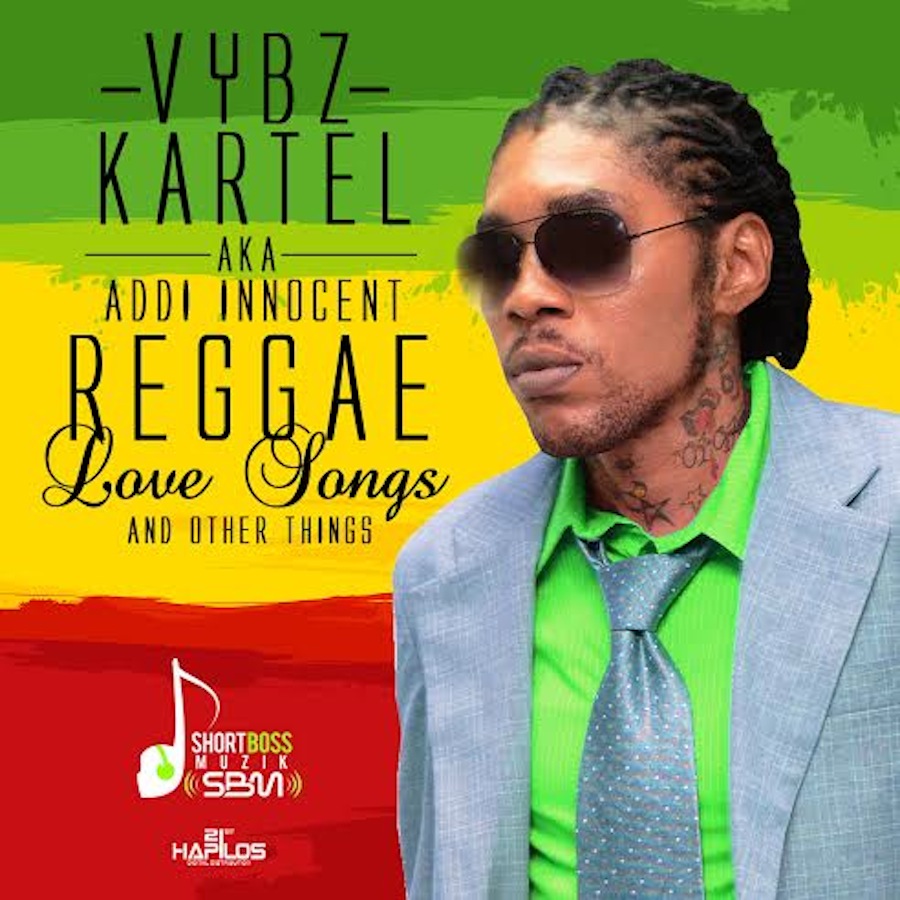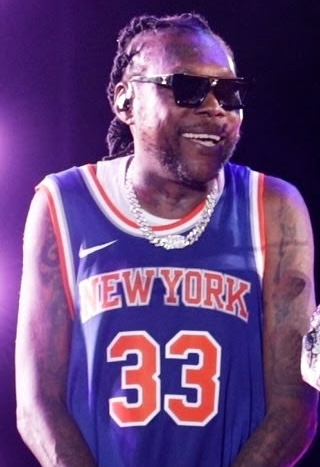
Biography
Vybz Kartel: the king of dancehall
In July 2024, Adidja Palmer walked through the doors of Tower Street prison in Kingston. Thirteen years of incarceration behind him — including a significant portion spent recording tracks on an iPhone 5S. Within hours, he performed before more than 35,000 fans at the National Stadium during Freedom Street, the most anticipated Jamaican concert since the era of Bob Marley.
In brief
| Stage name | Vybz Kartel |
| Legal name | Adidja Azim Palmer |
| Birth | 7 January 1976, Portmore, Jamaica |
| Genre | Dancehall and reggae (dancehall is a Jamaican music genre born in the 1980s, derived from reggae) |
| Notable works | Up 2 Di Time, “Clarks”, “Summer Time”, King of the Dancehall |
| Awards | RIAA Gold certification for “Fever”, 2025 Grammy Award nomination for Party With Me |
Key dates
| Year | Event |
|---|---|
| 1993 | First single “Love Fat Woman” under the name Adi Banton, a tribute to Buju Banton |
| 2003 | Up 2 Di Time and national fame; violent clash with Ninjaman at the Sting festival |
| 2006 | Departure from The Alliance, creation of the Adidjahiem label and the Portmore Empire collective (Popcaan, Tommy Lee Sparta) |
| 2009 | “Romping Shop” (duet with Spice) enters Billboard Hot R&B/Hip-Hop Songs |
| 2010–2011 | Commercial peak: “Clarks” and “Summer Time”, world tours, parallel brands (rum, shoes) |
| 2014 | Sentenced to life imprisonment for murder; minimum 35 years before parole eligibility |
| 20 March 2024 | The Privy Council in London quashes his conviction (procedural error) |
| 31 July 2024 | Finally acquitted, released after 13 years in prison |
From sound-system to prison: a unique journey
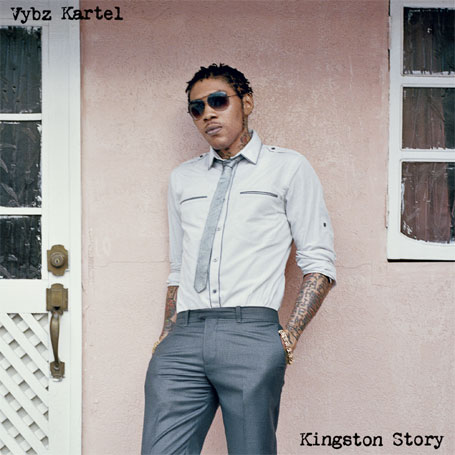
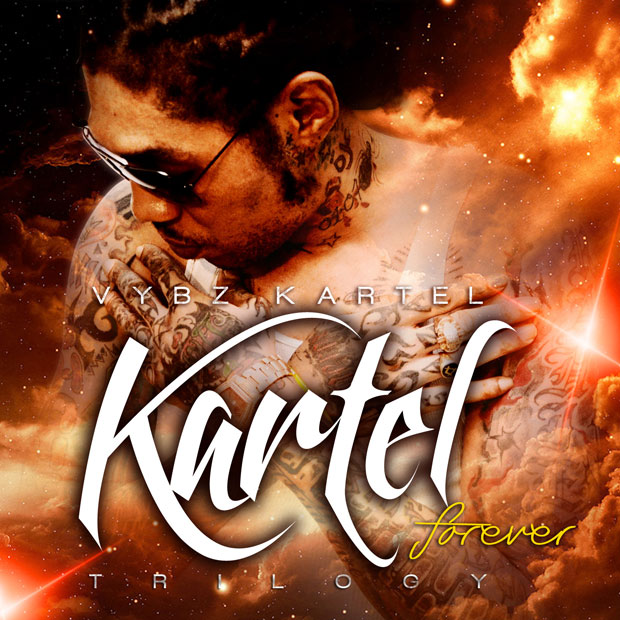
Adidja Azim Palmer was born on 7 January 1976 in Portmore, a maritime suburb of Kingston. As an adolescent, he listened to Ninjaman and local sound-system DJs; by sixteen, he was writing ten to fifteen songs a day. In 1993, he recorded his first single “Love Fat Woman” on Alvin Reid’s One Heart label, under the name Adi Banton as a tribute to Buju Banton. He subsequently joined the group The Alliance alongside Bounty Killer, retaining “Vybz Kartel” as his stage name after the collective disbanded.
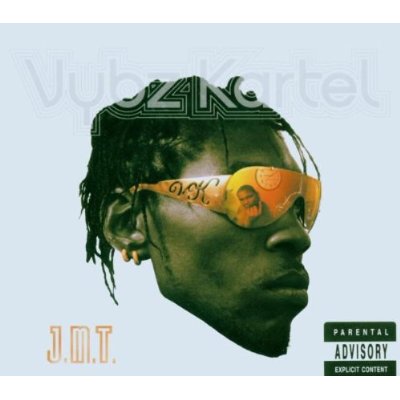
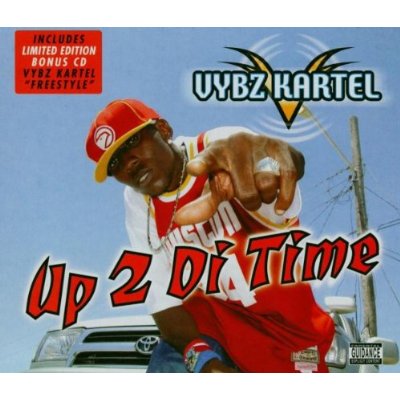
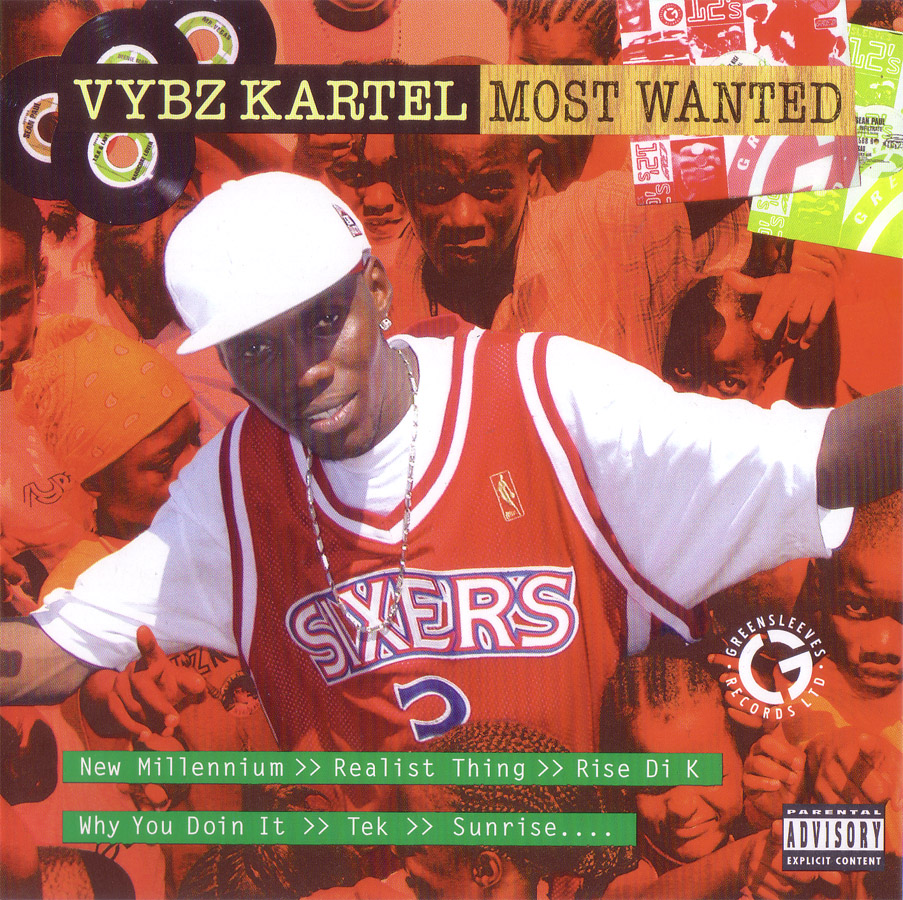
His national breakthrough arrived in 2003 with Up 2 Di Time, an album praised for its sharp lyrics and its « toasting » — a rapid, staccato vocal style close to Jamaican vocal rap. That same summer, an altercation with Ninjaman at the Portmore Sting festival captured the nation’s attention: Kartel threw projectiles into the crowd and publicly apologized. The incident only strengthened his notoriety. He then signed with the British label Greensleeves Records, released More Up 2 Di Time (2004) and the double album J.M.T. (2005), before founding Adidjahiem Records in 2006 with producer Ainsley « Notnice » Morris, signing Popcaan, Tommy Lee Sparta, and Blak Ryno to the Portmore Empire collective.
Between 2006 and 2009, Kartel engaged in a verbal war with Mavado, another dancehall star. The two exchanged « disses » (satirical songs) on the most widely played riddims; the feud split Jamaican youth into two camps, Gaza and Gully. It ended spectacularly in December 2009 when the two artists performed together on stage and met Prime Minister Bruce Golding. Rolling Stone would later say of Kartel that he is the most influential since Bob Marley.
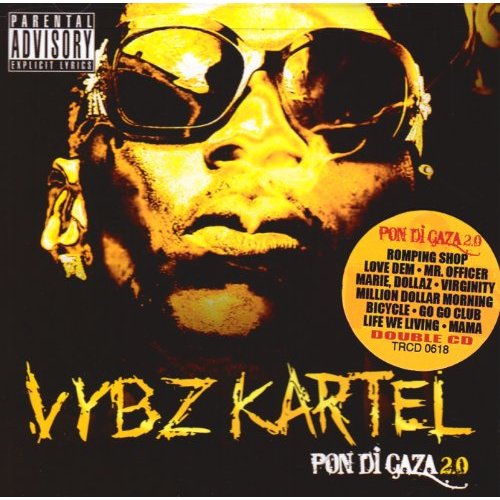
His commercial peak (2009–2011) is measured by records: “Romping Shop” entered Billboard Hot R&B/Hip-Hop, “Clarks” with Popcaan dominated the top 3 reggae Billboard chart for forty weeks, and “Summer Time” became a global summer anthem. Kartel multiplied ventures — Vybz rum, Addi’s shoes, Daggerin condoms — and became the first dancehall star to host his own TV show. But his raw lyrics, termed « slackness » by the dancehall scene to denote explicitly sexual content, also sparked fierce controversies: in 2004 his MOBO Awards nomination was cancelled for homophobic content; in 2011, Guyana banned his music from the airwaves. That same year, he changed his skin tone under the effect of “Cake Soap” soap, and the nickname « White Kartel » provoked reactions within Jamaican culture.
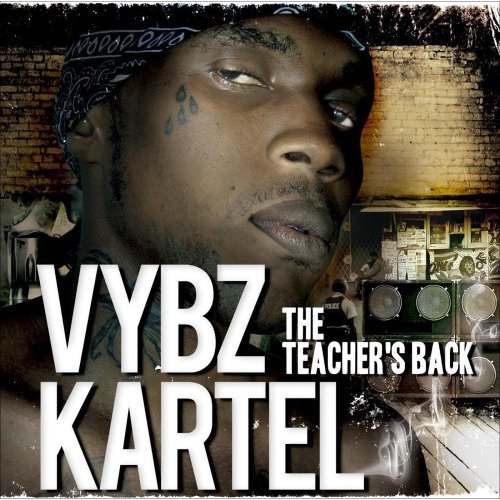
In 2011, arrested for cannabis possession, Kartel was accused of murdering his associate Clive « Lizard » Williams — whose body was never found. After sixty-five days of trial in 2014, the jury found him guilty; he was sentenced to life imprisonment with a minimum of 35 years.
Far from stopping, Kartel transformed his cell into a studio. With an iPhone 5S and a team of producers, he continued to record in secret. In 2016 alone, more than fifty songs were released; King of the Dancehall reached 2nd place on the Billboard reggae chart. “Fever” received an RIAA Gold certification in 2020. In detention, his health deteriorated: a Basedow’s disease (Graves’) and heart troubles threatened him. On 14 March 2024, the Privy Council in London quashed the conviction; on 31 July, the Jamaican Court of Appeal decided not to reopen the trial. Kartel was acquitted and released.
Major works
| Work | Year | Why it is essential |
|---|---|---|
| Up 2 Di Time (album) | 2003 | First album that propelled Kartel into the ranks of a new figure in Jamaican dancehall |
| “Clarks” (feat. Popcaan) | 2010 | Global anthem; one of the first dancehall sounds to penetrate North American charts |
| “Summer Time” | 2011 | Global summer anthem, proof that dancehall can dominate international charts |
| King of the Dancehall (album) | 2016 | Recorded in prison, #2 Billboard Reggae: Kartel reigns even behind bars |
| “Fever” (single) | 2018 | First single certified gold in the United States, continued dominance post-prison |
Heritage and influence
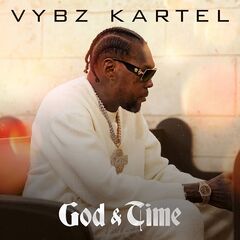
Kartel transformed dancehall into a global phenomenon. His toasting — a rapid, narrative singing style — inspired a generation of DJs. Drake cited him as one of his greatest influences; his protégé Popcaan signed with OVO and perpetuates this connection. Rolling Stone describes him as a lyrical genius. The years behind bars added a legend: young producers from around the world imitate a flow born in the streets of Portmore. Kartel says he has now found God and is working to spread love and unity. Whether seen as a political martyr or the genre’s most virulent provocateur, Kartel changed the game for a musical style.
Sources and references
- “Vybz Kartel”, Wikipedia (in English), https://en.wikipedia.org/wiki/Vybz_Kartel, accessed November 3, 2026.
- “Vybz Kartel — Biography”, AllMusic, https://www.allmusic.com/artist/vybz-kartel-mn0000261309, accessed November 3, 2026.
- “Vybz Kartel: Dancehall Star on New Music, Afrobeats & Life Post-Prison”, Billboard (cover story), https://www.billboard.com/music/features/vybz-kartel-cover-story-1235869769/, accessed November 3, 2026.
- “Vybz Kartel on his legal victory, vulgar lyrics and the lasting scars of prison”, The Guardian, https://www.theguardian.com/music/2025/nov/14/vybz-kartel-interview-dancehall-jamaica-prison, accessed November 3, 2026.
- “Controversial Jamaican Dancehall Star Vybz Kartel Takes On His Critics”, Rolling Stone, https://www.rollingstone.com/music/music-news/controversial-jamaican-dancehall-star-vybz-kartel-takes-on-his-critics-85739/, accessed November 3, 2026.
- “Vybz Kartel freed after murder conviction overturned”, BBC News, https://www.bbc.com/news/articles/cp68g4r30k4o, accessed November 3, 2026.