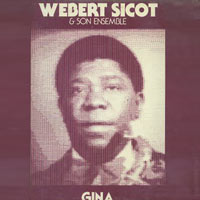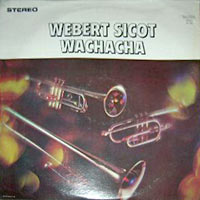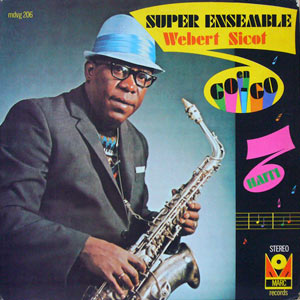
Biography
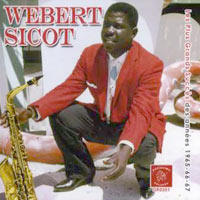
Webert Sicot: the saxophone that invented cadence rampa
Port-au-Prince, Fat Tuesday 1964. At the Stade Sylvio Cator, a musical duel pitted Webert Sicot’s orchestra against his rival Nemours Jean-Baptiste. The football match was washed out by rain, but the nickname stuck: Sicot’s disciples dubbed him « Pélé d’Haïti », the one who scored the goal of cadence rampa in Caribbean history.
In brief
| Full name | Webert Sicot |
| Birth | April 14, 1930, Port-au-Prince, Haiti |
| Death | February 4, 1985, Port-au-Prince, Haiti |
| Field | Saxophone, composition, orchestra direction — konpa direct, cadence rampa |
| Iconic works | Haitian Meringues, Femme Têtue, La Flèche d’Or d’Haïti, Just For You |
| Distinctions | Co-founder of konpa direct, patronymic of cadence rampa |
Key dates
| Year | Event |
|---|---|
| 1930 | Birth in Port-au-Prince, son of Dormélia Casimir and Exzius Sicot |
| ~1942 | Training at Collège Simon Bolivar, then Maison Centrale des Arts et Métiers (alto saxophone) |
| 1955 | Co-founding of Conjunto International with Nemours Jean-Baptiste |
| 1957 | Tour in Italy with Joe Trouillot and Ti Roro; stay in Miami |
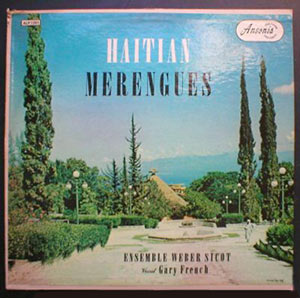
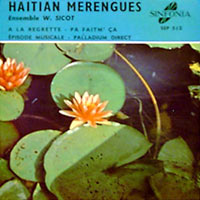
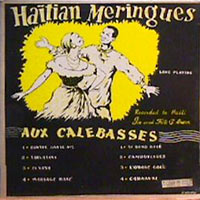
| 1960 | Launch of La Flèche d’Or d’Haïti; first record, Haitian Meringues |
| 1961 | Release of Cadence Rampa — Femme Têtue |
| 1964 | Duel at Stade Sylvio Cator with Nemours; baptism as « Pélé d’Haïti » |
| 1970 | Exile in New York |
| 1975 | Just For You, peak of instrumental art |
| 1985 | Death on February 4 from a heart attack |
From konpa direct to cadence rampa
Son of a vodou-practicing mother who sang ceaselessly, Webert Sicot grew up rocked by the sounds of Port-au-Prince. His training began at Collège Simon Bolivar, where he won a flute contest, then at Maison Centrale des Arts et Métiers, where the alto saxophone became his favorite instrument. His older brother Raymond, a trumpeter and trombonist, also passed on the first gestures to him.
His career began with Jazz Capois de Claudin Toussaint, then Jazz des Jeunes and Orchestre Saieh. In 1955 came the decisive meeting: Sicot and Nemours Jean-Baptiste founded Conjunto International, which played a foundational role in Haitian music. Together, they created konpa direct — a variant of the Haitian méringue characterized by a more prominent bass, dynamic brass, and sophisticated saxophone arrangements.
But cohabitation deteriorated. Sicot went through several orchestras — Casino International, Orchestre Latino, Choucoune — then left for Italy in 1957 to play with Joe Trouillot and Ti Roro. In Miami, he « softened his style », mastering trumpet, bass, guitar, flute, trombone and alto, tenor and baritone saxophones.
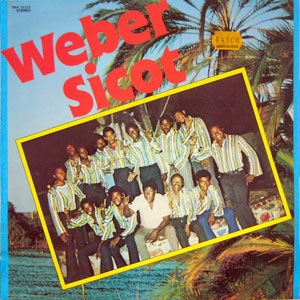
In August 1960, he launched his own ensemble, La Flèche d’Or d’Haïti, which would become a reference. Sicot then invented a sound bearing his name: cadence rampa — a compas where musical phrases lengthen, drums become more complex and saxophones weave melodies of rare beauty.
The rivalry with Nemours went beyond the professional sphere: the two orchestras answered each other on the airwaves, in the streets. Nemours released Sak té di w touche defwa, Sicot retorted with Sak té di w payem defwa. On April 8, 1964, the duel moved to Sylvio Cator Stadium: football match and musical confrontation. Rain ruined the match, but the nickname remained — Sicot was « Pélé d’Haïti ».
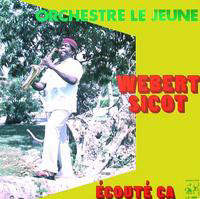
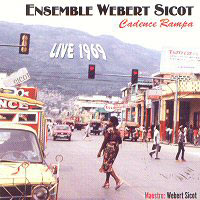
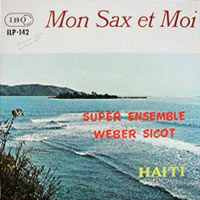
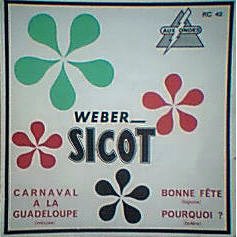
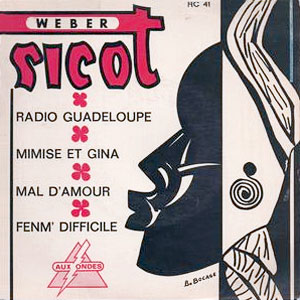
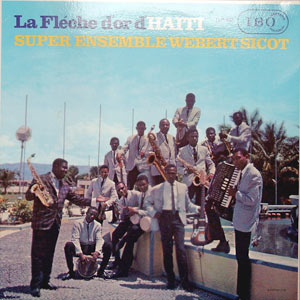
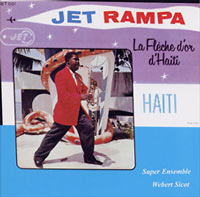
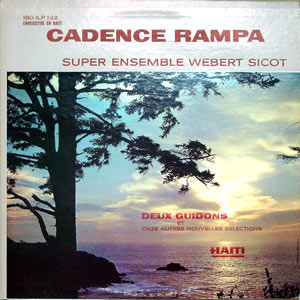
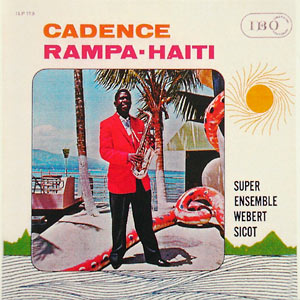
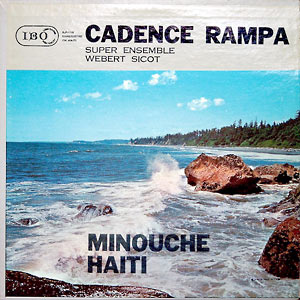
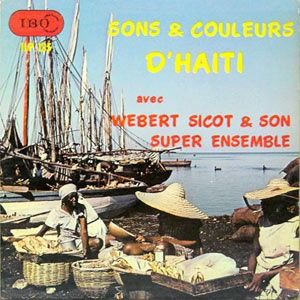
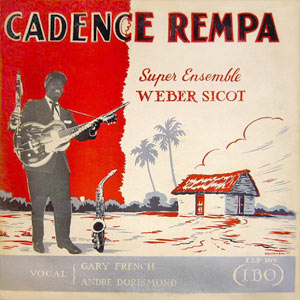
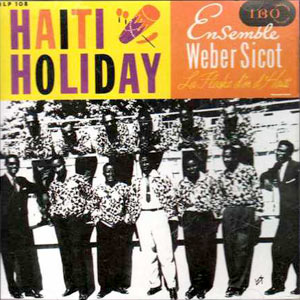
Caribbean tours with Raymond propelled this style into Dominica, Guadeloupe and Martinique. Between 1960 and 1968, La Flèche d’Or recorded dozens of records for Ibo, Jet and Hit-Parade — Cadence Rampa — Femme Têtue, Sons et Couleurs d’Haïti, La Flèche d’Or d’Haïti — where each of Sicot’s saxophones drew melodies that collectors still seek.
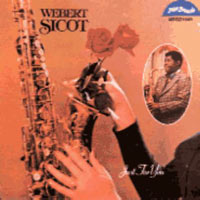
But konpa evolved. The mini-jazz of the late 1960s cast a shadow over cadence rampa. Sicot attempted an adaptation with a Hawaiian guitar that did not meet the same success. In 1970, he went into exile in New York, where he played on the radio and at evening events, before returning to Haiti around 1973. His album Just For You (1975), inscribed to his wife Marie-Thérèse, was hailed by connoisseurs as the peak of his instrumental art.
Major works
| Work | Year | Why it is essential |
|---|---|---|
| Haitian Meringues (Ansonia) | 1960 | First record; explores the foundations of konpa direct with saxophone arrangements of rare finesse |
| Cadence Rampa — Femme Têtue (Ibo) | 1961 | The manifesto of the new style: tighter rhythms, longer musical phrases |
| La Flèche d’Or d’Haïti (Ibo) | 1961 | Instrumental masterpiece with Souvenir du Cap-Haïtien and J’aime la Campagne |
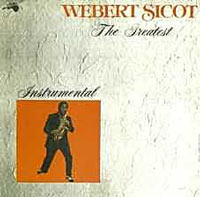
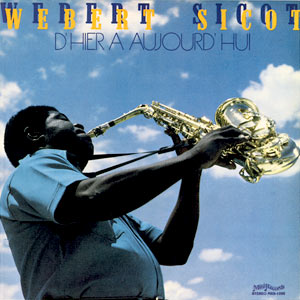
| Just For You (Mini) | 1975 | The culmination: jazz meets konpa with rare elegance |
Legacy and influence
Cadence rampa did not survive under that name — mini-jazz and zouk took over — but the sound Sicot forged with Nemours remains the backbone of konpa. The orchestras that succeeded one another, from Les Ambassadeurs to Boukman Eksperyans, inherited this rhythmic architecture. Haitian saxophonists see in Sicot an archetype: the one who proved that the saxophone can carry a country’s identity while dialoguing with jazz and Cuban traditions. Today, reissues of La Flèche d’Or circulate in collector circuits and bring his instrumentals back to light.
Sources and references
- Gregory Rabess, « Cadence-Lypso », in Bloomsbury Encyclopedia of Popular Music of the World, vol. 9, Bloomsbury Publishing, 2014, p. 413.
- Michael R. Hall, Historical Dictionary of Haiti, Scarecrow Press, 2012, p. 69.
- « Webert Sicot », Wikipedia, https://en.wikipedia.org/wiki/Webert_Sicot, accessed October 20, 2025.
- Adrien Berthaud, « Webert Sicot — Le Génie qui laisse ses empreintes », https://adrienberthaud.com/Sicot/, consulté le 20 octobre 2025.
- Victor Claudel, « Vie et carrière de Wébert Sicot, l’autre papa du konpa », Le Nouvelliste, 4 février 2025, https://lenouvelliste.com/article/252958/vie-et-carriere-de-webert-sicot-lautre-papa-du-konpa, consulté le 20 octobre 2025.
- Ed Rainer Sainvill et Millien Sainvill, « Fichier 340 : Webert Sicot », Haiti-Référence — Notables et personnalités d’Haïti, https://www.haiti-reference.info/pages/notables/getperson.php?action=$search&id=340, consulté le 20 octobre 2025.
- « Haiti Direct », Afropop Worldwide, 17 février 2014, https://www.afropop.org/articles/haiti-direct, consulté le 20 octobre 2025.