Biography
Yemi Alade
In 2013, a young Nigerian singer released a single titled “Johnny” over a rhythmic dancehall beat. Within weeks, the track crossed social media, invaded Lagos clubs, and eventually reached 100 million views on YouTube, making her the first African female artist to cross this threshold. She was only twenty-four years old but had already forged a musical empire and an engaged voice that would take her to the United Nations.
In brief
| Full name | Yemi Eberechi Alade |
| Birth | 13 March 1989, Ondo State, Nigeria |
| Genre | Afropop, highlife, R&B, dancehall |
| Notable works | “Johnny”, “Shekere”, Woman of Steel, Empress |
| Awards | Grammy 2025 (nomination), MTV Africa Best Female 2015 and 2016, Forbes 30 Under 30 |
Key dates
| Year | Event |
|---|---|
| 1989 | Born in Ondo State, to a Yoruba father (police commissioner) and an Igbo mother |
| 2009 | Victory at Peak Talent Show, her stage debut |
| 2013 | Release of “Johnny”, the single that launched her career |
| 2014 | Release of her first album, King of Queens; first tour |
| 2015-2016 | MTV Africa Best Female award for two consecutive years; first MTV Europe nomination |
| 2016 | Release of Mama Africa; departure on world tour |
| 2017 | Coach on The Voice Nigeria; release of Black Magic |
| 2019 | Collaboration with Beyoncé on The Lion King : The Gift; release of Woman of Steel |
| 2020 | Album Empress; Forbes 30 Under 30 nomination; UN ambassador |
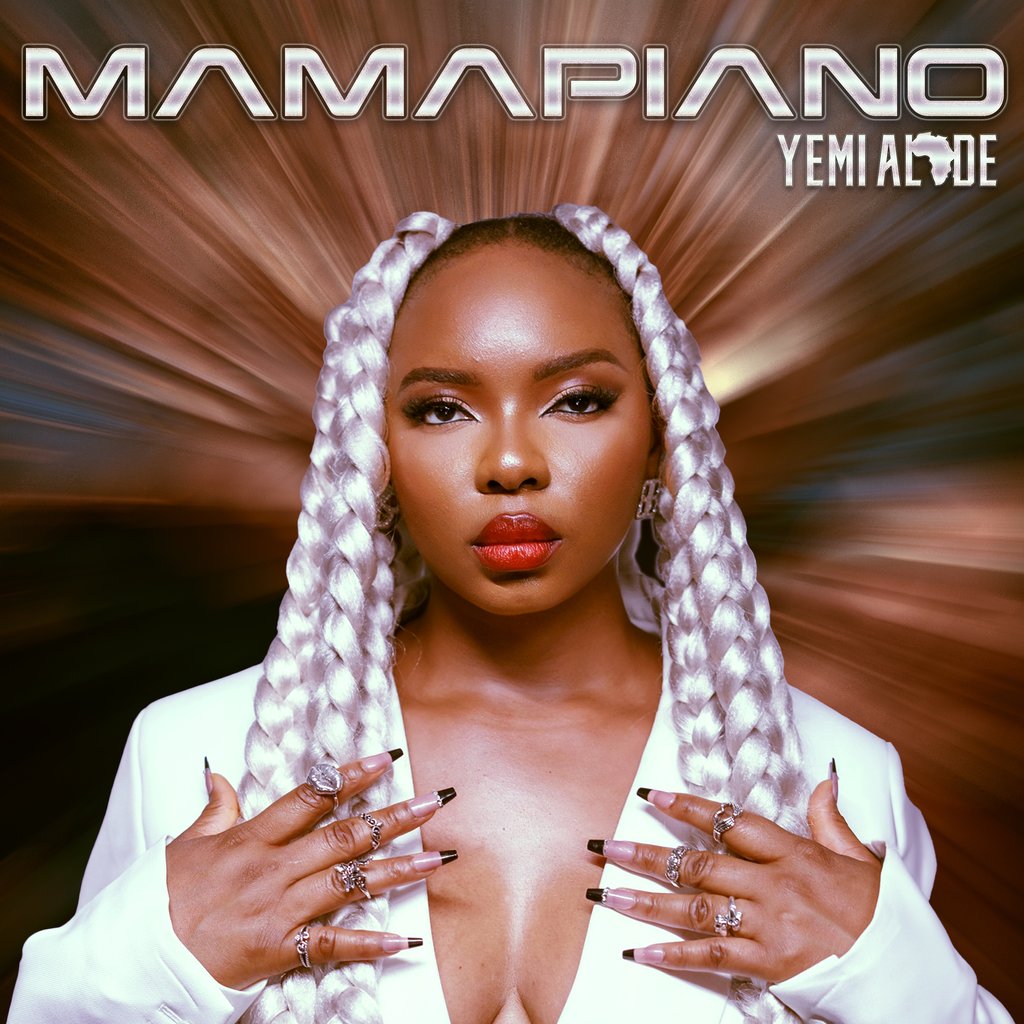
| 2023 | AFCON anthem “Akwaba”; EP Mamapiano |
| 2025 | First Grammy nomination for “Tomorrow”; role in Iyanu |
From comic strip words to stadium crowds
From the age of six, Yemi Eberechi Alade recited poems and composed musical phrases that she repeated until her mother had enough. « My mother would ask me a question and I would answer her by singing », she recalls in an interview with Afropop Worldwide. Her father, James Alade, a Yoruba-origin police commissioner, and her mother, Helen Uzoma, of Igbo origin, raised their daughter in a multicultural home. « Being Yoruba and Igbo is a strength », she declared to The Punch in 2017. This blending became the cornerstone of her artistic identity.
After her secondary studies at Victory Grammar School in Ikeja, she joined the University of Lagos, where she was active in university choirs. In 2009, she participated out of curiosity in Peak Talent Show, a Nigerian television show. She won the competition on the first try. « It was as if they had chosen me, so I let myself go », she wrote about her decision to make music her career. Signed by the label Effyzzie Music Group, she released her first single “Fimisile” in 2011, then spent two years forging an identity.
“Johnny” and consecration
The turning point came in 2013. “Johnny” is a dancehall-rap single that she describes as a confidence anthem. « I will never forget it, I felt my life change », she told Afropop. The song started in East Nigeria, gained ground in the West, then the South, and finally swept across all of Africa. The music video soon reached 100 million views, placing Yemi Alade among the visual elite of African music.
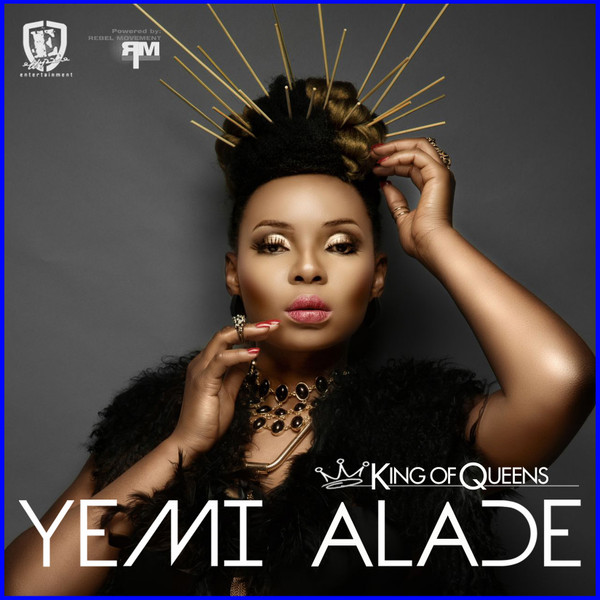
Her first album, King of Queens (2014), built on this success and added a varied palette of reggae, R&B, and afro-pop, with collaborations from Phyno and Chidinma. The album was followed by a tour that saw her perform from Nigeria to Kenya. In 2015 and 2016, she won the MTV Africa Music Awards for Best Female Artist from Africa for two consecutive years — the first woman to achieve this series of victories. In 2015, she was also the first African woman nominated for the MTV Europe Music Awards.
Multiplicity and commitment
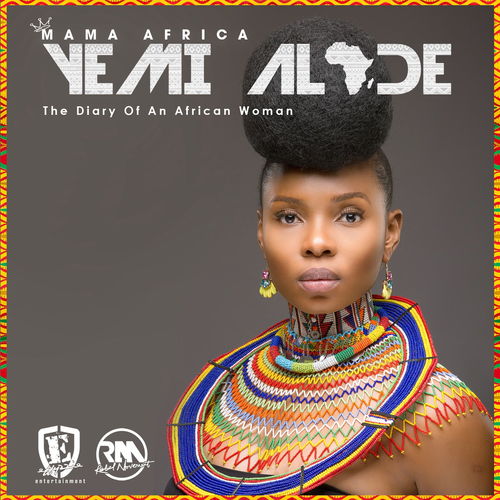
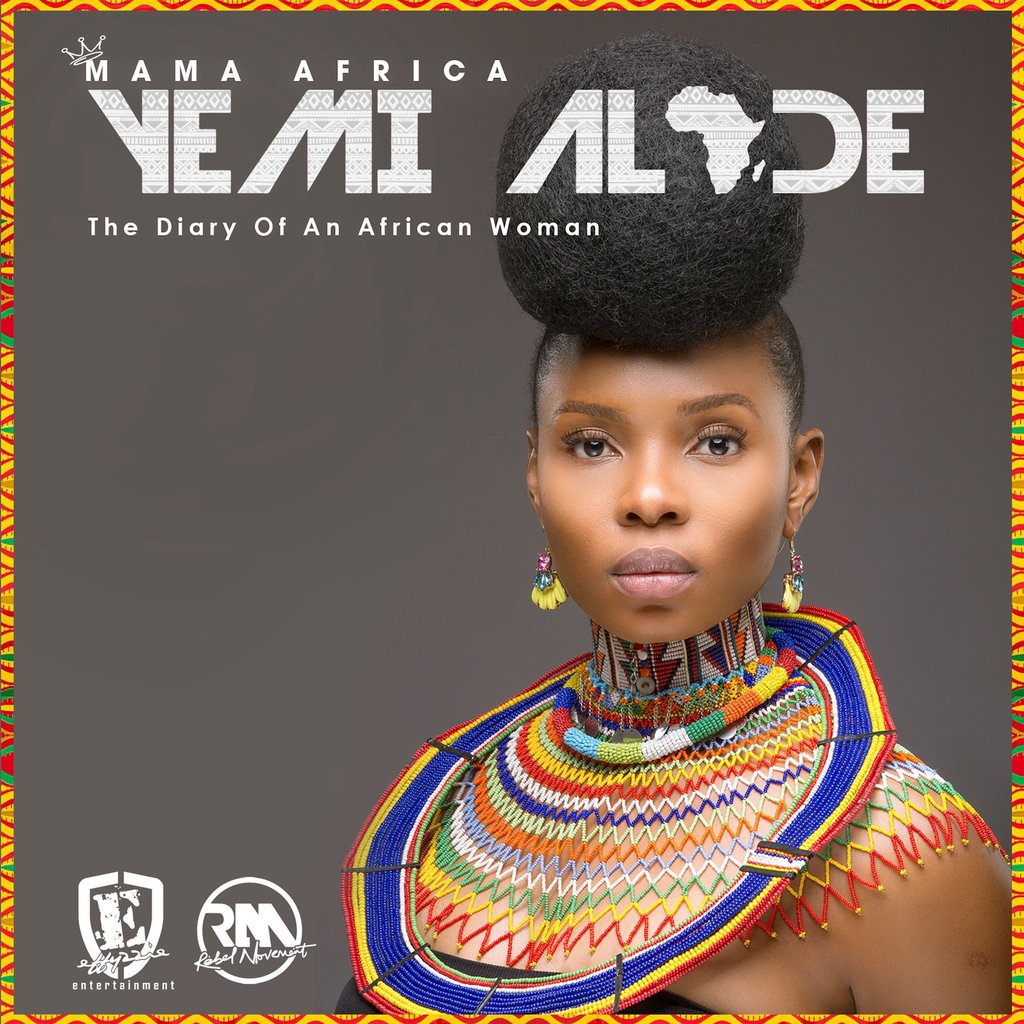
In the following years, Yemi Alade refused labels. Her second album, Mama Africa : The Diary of an African Woman (2016), alternated between the tracks “Do as I Do” and “Ferrari”, blending afro-pop, highlife, and Ivorian sounds. « I am a musical vessel. I can sing R&B one day, then switch to techno the next », she explained to The Fader. That same year, she appeared on Beyoncé’s The Lion King : The Gift, singing “Don’t Jealous Me” alongside Tekno and Mr Eazi.
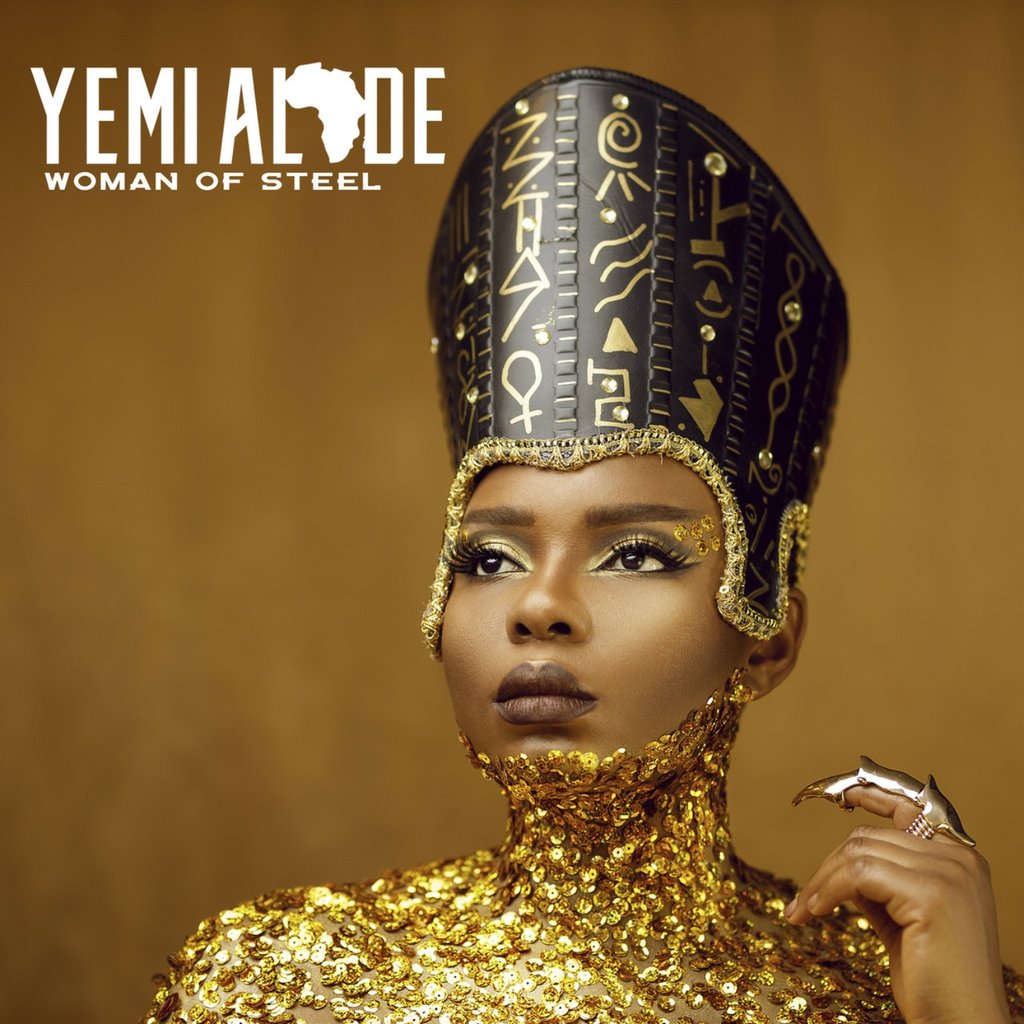
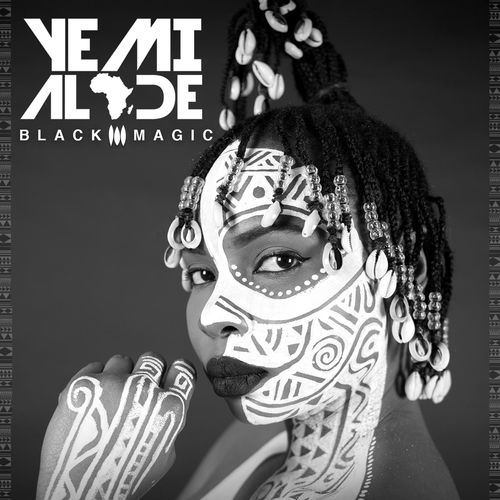
In 2017, she entered the reality show arena by becoming a coach on The Voice Nigeria, replacing 2baba for the second season, then returned for season 3 in 2020. She released Black Magic (2017), Woman of Steel (2019) — a 15-track album signed to Universal Music Africa — and Empress (2020), her most ambitious record with 15 tracks and collaborations from Estelle, Vegedream, Patoranking, and Dadju.
Major works
| Work | Year | Why it is essential |
|---|---|---|
| King of Queens | 2014 | First album that established her afropop foundations, driven by the global success of “Johnny” |
| Mama Africa | 2016 | Consecration; eponymous track asserting her continental ambition |
| Woman of Steel | 2019 | 15 tracks under Universal; “Give Dem” and “Tomorrow” prepared the Grammy nomination |
| Empress | 2020 | Densest record (15 tracks) with Estelle, Vegedream, and Dadju |
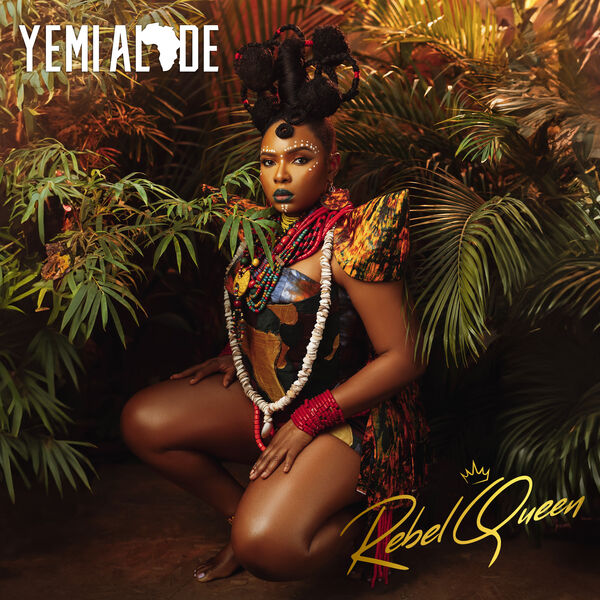
| Rebel Queen | 2024 | Album that earned her her first Grammy nomination |
Heritage and influence
Yemi Alade has opened doors in a world dominated by men. Artists like Tems, Ayra Starr, Guchi and Busiswa cite her as an influence. Her very name, Yemi Alade, means “the one who wears the crown” in Yoruba — a destiny she embraces through repeated album titles like a vow: King of Queens, Mama Africa, Empress, Woman of Steel, Rebel Queen. With over 100 million views on YouTube, several world tours, and recognition ranging from the podiums of the UN to galas in London, she embodies a generation of African female creators who refuse to be relegated to the margins of the international market.
Parallel to her career, her commitment is foundational: UNDP Goodwill Ambassador since 2020, she has spoken at the Global Goal (2020) and the Earthshot Prize (2021) before the Duke of Cambridge, and she sang the theme song for the animated series Iyanu (2025), a “powerful hymn of identity” rooted in Yoruba mythology. Her foundation, Helen and James PathWay Foundation, funds medical equipment for disadvantaged children.
Sources and references
- “Yemi Alade”, Wikipedia, https://en.wikipedia.org/wiki/Yemi_Alade, accessed November 3, 2026.
- “Yemi Alade — Biography”, AllMusic, https://www.allmusic.com/artist/yemi-alade-mn0003261148, accessed November 3, 2026.
- “Yemi Alade: From Montreal with love”, Afropop Worldwide, https://www.afropop.org/articles/yemi-alade-from-montreal-with-love, accessed November 3, 2026.
- “UNDP Goodwill Ambassador — Yemi Alade”, UNDP, https://www.undp.org/goodwill-ambassadors/yemi-alade, accessed November 3, 2026.
- “Yemi Alade Bio Page”, Shore Fire Media, https://shorefire.com/roster/yemi-alade/bio, accessed November 3, 2026.
- “2025 GRAMMYs Nominations: Best African Music Performance”, GRAMMY.com, https://www.grammy.com/news/2025-grammys-nominations-best-african-music-performance, accessed November 3, 2026.
- “How Yemi Alade Hustled Her Way To Become The Queen Of Afrobeats”, The Fader, https://www.thefader.com/2016/11/09/yemi-alade-interview-tumbum-mama-africa, accessed November 3, 2026.
- “Yemi Alade gets first Grammy nomination”, The Guardian Nigeria, https://guardian.ng/life/yemi-alade-gets-first-grammy-nomination-in-best-african-music-performance-category-2025/, accessed November 3, 2026.
- “The Art Of Being Self-Made: A Conversation With Yemi Alade”, Forbes, https://www.forbes.com/sites/julianmitchell/2018/06/12/the-art-of-being-self-made-a-conversation-with-yemi-alade/, accessed November 3, 2026.
- “Being Yoruba and Igbo is a plus for me, says Yemi Alade”, The Punch, https://punchng.com/being-yoruba-and-igbo-is-a-plus-for-me-says-yemi-alade/, accessed November 3, 2026.