Egyptian Music
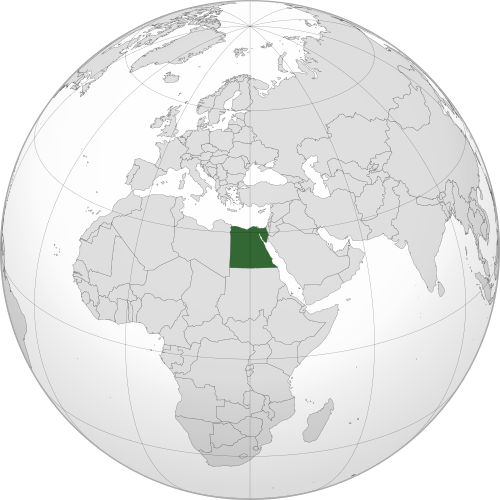
Egyptian music is one of the most influential in the Arab world, with a history stretching from Pharaonic antiquity to the contemporary stage. Cairo has long been the cultural center of the Arab world, and its music shaped the tastes and practices of the entire region.
Ancient and Medieval Music
Pharaonic Egypt possessed a rich musical tradition attested by tomb frescoes and archaeological discoveries. Instruments included the harp (vertical stringed instrument), the sistra (sacred rattle associated with the goddess Hathor), bone and reed flutes, as well as metal trumpets used for religious ceremonies1.
During the Greco-Roman period, Egyptian music profoundly influenced Greek musical theory. Greek philosophers saw Egypt as the cradle of music and modes (Dorian, Phrygian) that would structure medieval European music2.
Tarab and Egyptian Arab Classical Music
Tarab (طرب, “musical ecstasy”) is the central concept of Egyptian Arab classical music. It designates the state of intense emotion and trance that a song or instrumental performance induces in the listener. Egypt was the main laboratory for tarab in the 20th century, with a reference orchestra: the takht3.
The traditional Egyptian takht includes:
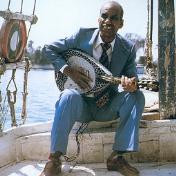
- Oud (fretless lute) — leader and soloist
- Qanun (plucked zither) — harmony and melody
- Violin — adapted to Arab microtones
- Ney (reed flute) — mystical and lyrical voice
- Rabâb (monochord bow instrument) — melodic bass
- Darbouka / tabla — percussion and rhythms
The Golden Age of Egyptian Music (1920s–1970s)
The 20th-century Egyptian era saw the birth of what is called the Golden Age of Arab music, centered on Cairo. Three figures embody this era:
Oum Kalsoum (أم كلثوم, c. 1898–1975) is considered the greatest singer in the Arab world. Nicknamed Kawkab al-Sharq (“Star of the East”), she dominated the Arab music scene for over 50 years. Every month, her radio broadcast gathered tens of millions of listeners4. Her powerful voice and interpretations of the maqâm (Arab mode) in works by great composers like Mohammed Abdel Wahab and Richard El Ghazenawi defined Egyptian tarab.
Abdel Halim Hafez (1929–1977), nicknamed Shams al-Saliq (“Sun of the Black Cloud”), was a charismatic singer and actor who modernized Egyptian singing by integrating Western orchestral influences while remaining faithful to Arab modes and poetics5.
Mohammed Abdel Wahab (1902–1991) was a composer, oud player, and singer — the “Egyptian Mozart.” He introduced Western symphonic structures into Arab music and is the composer of many masterpieces for Oum Kalsoum.
Folk Music and Shaabi
Beyond classical tarab, Egypt possesses rich and varied folk music according to regions:
- Saidi (Upper Egypt): the mizmar (double oboe) and rabâba accompany stick dances. Traditional instruments also include the simsimiyya (brushed zither), heir to the ancient Pharaonic zither6.
- Fellahin: agricultural work songs a cappella or with the rebab.
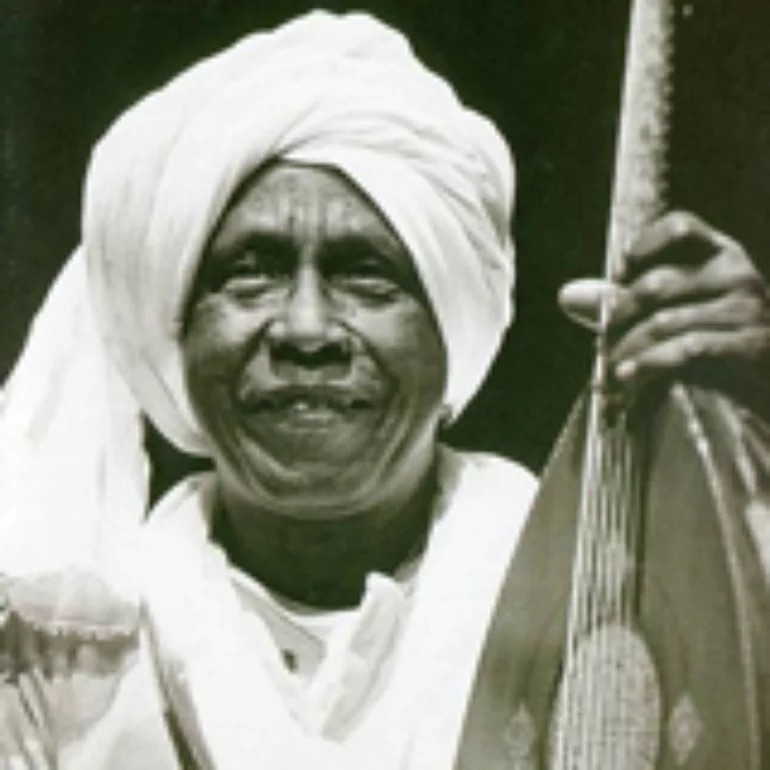
- Southern Rai: Sudanese and Nubian influences with the oud, tar, and bamboo flute.
- Shaabi: urban popular music from Cairo (1970s+), mixing traditional Arab rhythms with Western pop beats, synthesizers, and electric guitar. Artists like Ahmed Sadat, Mohammed Ramadan (the “king of shaabi”), and later Ahmed Hawaya are its main figures7.
Sufi and Ritual Music
Egypt is a crossroads of Sufism whose ritualized music (dhikr) forms a living tradition. Chants from the Shadhiliyya Order and older orders employ the ney, large drums (derbouka), and frame percussion. These Friday ceremonies or mulid (saint festivals) continue to inspire modern musicians8.
Egyptian Instrumentarium
- Oud — the flagship instrument of the takht, “king of Arab instruments”
- Qanun — triangular zither with 78 strings
- Ney — mystical reed flute, present in Sufi ceremonies
- Violin — adapted to Arab microtones (quarter tones)
- Darbouka / tabla — percussion of the takht and shaabi
- Simsimiyya / simsimīya — brushed zither of Egypt, Pharaonic instruments
- Mizmar — double oboe of Upper Egypt, folk music
- Rebab / rabâb — monochord bow instrument
Sources:
-
Wikipedia, “Music of Egypt” — general introduction. ↩︎
-
Afropop, “Music of Egypt” — exploration of Egyptian music. ↩︎
-
Encyclopædia Britannica, article on Arab modes and tarab. ↩︎
-
New York Times / NPR, “Umm Kulthum: The Voice of Egypt” — biography. ↩︎
-
Wikipedia, “Abdel Halim Hafez” — biography. ↩︎
-
Spotify, “The Sound of Egyptian Traditional” — folk playlist. ↩︎
-
Sharobim, “Music of Egypt” — historical introduction. ↩︎
-
Al Jazeera World, “The stories behind classic Arab love songs” — documentary on great Arab singers. ↩︎