Biography
Abdoulaye Diabaté: the living voice of a griot dynasty
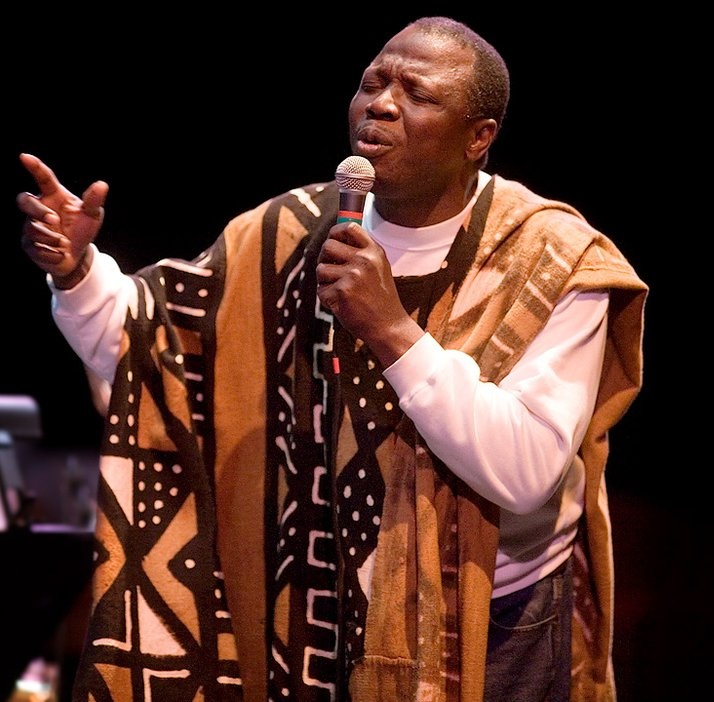
When Abdoulaye Diabaté opens his mouth, seven centuries of Manding history resonate1. This nickname of “Djoss” — which Malian musicians themselves gave him — resonates from Kela, his griot village in Mali, to the stages of New York. Born from a lineage tracing back to Morykaba Diabaté, a warrior who fought alongside Soundiata Keïta in the 13th century, he embodies the Manding tradition in a raw and sincere voice. His older brother, Kassé Mady Diabaté, achieved worldwide fame.
In brief
| Full name | Abdoulaye Diabaté, known as “Djoss” |
| Birth | 1956, Kela, Mali |
| Field | Singer, guitarist; Manding tradition (griot) |
| Instrument(s) | Vocals, guitar, percussion |
| Notable works | Sara, Hakilima, Makan |
| Distinctions | Participation in the compilation Badenya: Manden Jaliya in New York City (Smithsonian Folkways, 2002) |
Key dates
| Year | Event |
|---|---|
| 1956 | Birth in Kela, a griot village near Kangaba |
| 1973 | Joins the Tenetemba Jazz Orchestra in Bamako |
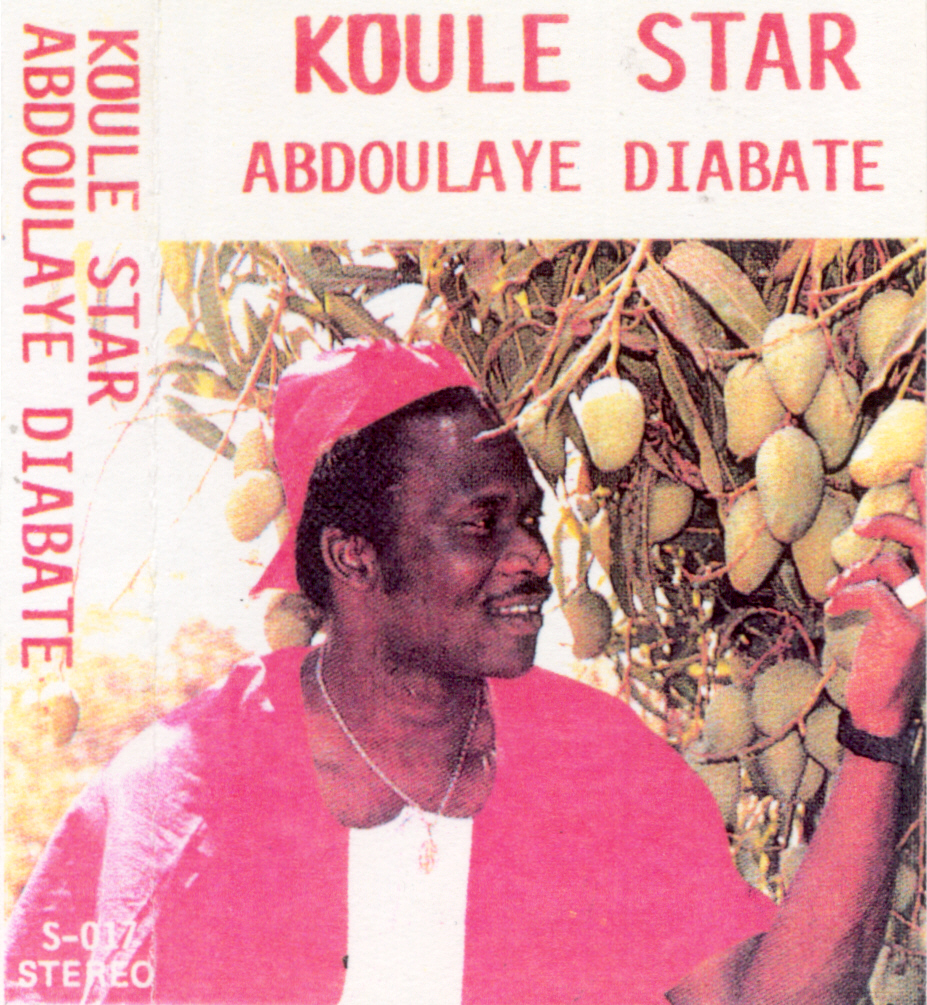
| 1975 | Settles in Abidjan and founds Super Mande |
| 1992 | Recruited by Ballet Koteba and Les Go de Koteba |
| 1996 | Settles in New York |
| 2002 | Participation in the compilation Badenya (Smithsonian Folkways) |
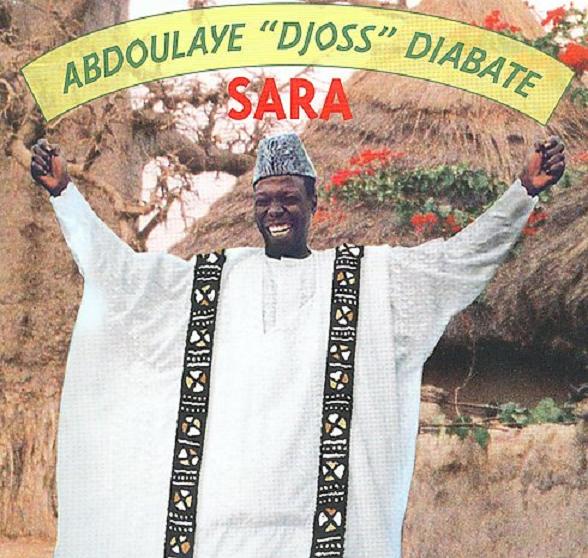
| 2009 | Release of Sara, first solo album in pure Manding tradition |
Origins: the blood of the jèlílu
Abdoulaye Diabaté was born in 1956 in Kela, a village of two thousand inhabitants in the Kangaba circle, south of Bamako. Kela is the most prestigious cradle of traditionalist Malian griots, and the djèlílu — ballad singers, historians, and bearers of Mandé memory — perpetuate a musical tradition where griots and musicians count among their ancestors Morykaba Diabaté, companion of Soundiata Keïta. The griot, in the Manding tradition, is the living guardian of history: he sings genealogies, praises heroes, and preserves the memory of a people without writing. His father, Siki Diabaté, is a recognized kora player; his mother, Sira Mory, a singer, defined his generation. From adolescence, his voice and guitar attracted attention and led him to first prize at the Bamako Biennials2.
Super Mande and the journey: from Abidjan to New York
In 1975, Abdoulaye Diabaté left Mali for Abidjan. Côte d’Ivoire offered far superior material prospects, and his music found an immediate echo there. He founded Super Mande, which became one of the most popular ensembles in the Ivorian capital. The group attracted the greatest West African figures of the time. The group’s career culminated with the release of the album Wahabiadashi, which was banned from the radio for criticizing hypocritical marabouts. In the early 1990s, Diabaté was recruited as the lead singer for Ballet Koteba. He was also a rhythm guitarist with Les Go de Koteba, the globally renowned female group. For several years, he toured the world3.
In 1996, he put down his bags in New York. There, his talent disrupted categories. Jazzman Don Byron, Peter Apfelbaum, Sean Noonan — all wanted to share the stage with him. In 2002, he appeared on the cover of the compilation Badenya: Manden Jaliya in New York City, published by Smithsonian Folkways. In 2009, he released Sara, the first album in pure traditional style. “The griot is the ear of the people and the ear of the king”4, he said to the Washington Post in 2011.
Major works
| Work | Year | Why it is essential |
|---|---|---|
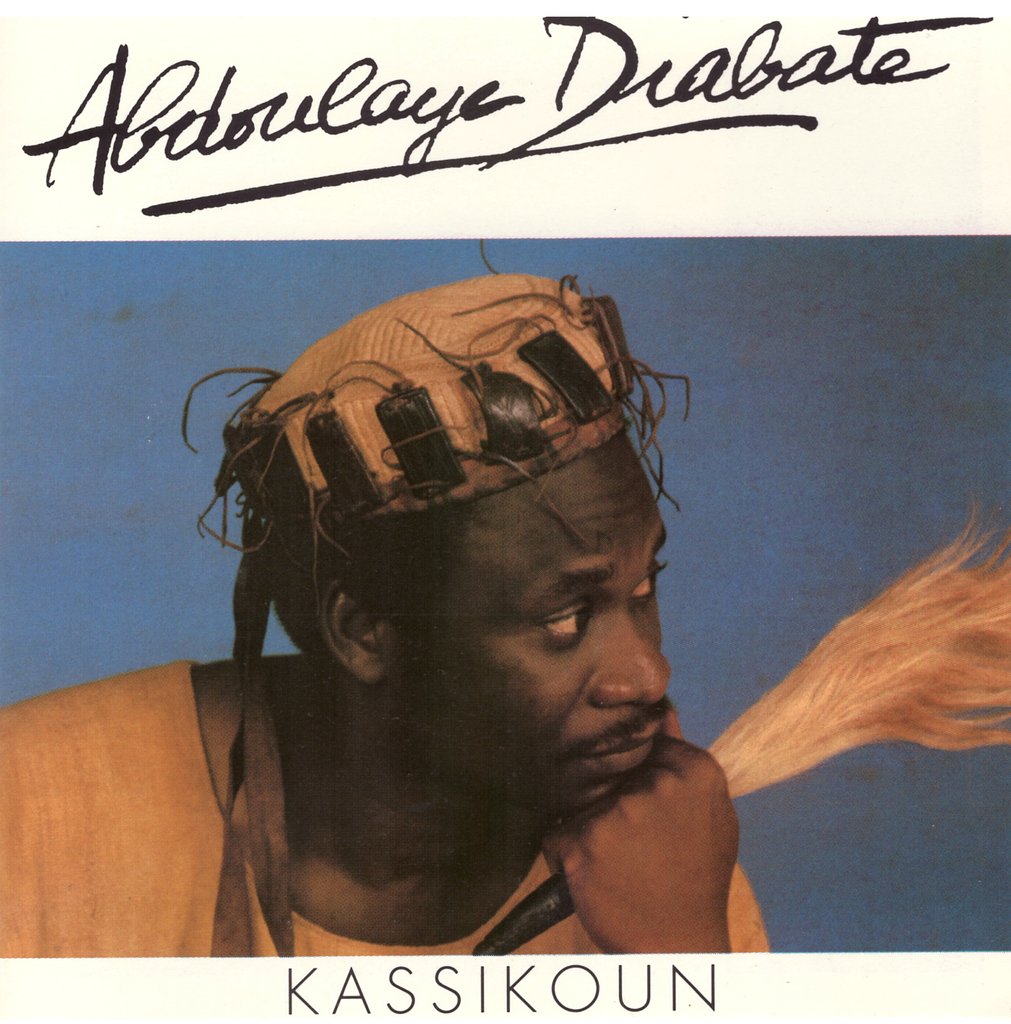
| Kassikoun | 1994 | First solo album, produced by Virgin — his first major recording |
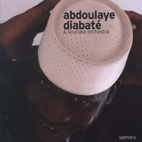
| Samory | 2003 | Tribute to Samory Touré, a figure of Manding history — anchoring in historical tradition |
| Hakilima | 2005 | Goin’ Native Records: ten traditional tracks, from epic song to love ballad |
| Sara | 2009 | First solo album in pure traditional style — eight compositions reflecting the heart of the Manding tradition |
Legacy
Abdoulaye Diabaté is a bridge between the tradition of the village of Kela and the tumult of New York. Between the epic songs of the jalis and contemporary jazz fusions. Between the kora-playing father and the rapper son Smooky MarGielaa. Each generation of the Diabaté Griot adds a layer to this richness. “Abdoulaye Diabaté represents, in my opinion, a source as pure and unadulterated of elevated musical expression as remains today on this planet. It is a joy and a privilege to live his artistry so close.”4 — Sylvain Leroux, New York Folklore
Sources and references
-
David Ellenbogen, The Source feat. Abdoulaye Diabate, Live Performance and interview with Sylvain Leroux, poddtoppen.se ↩︎
-
Craig Harris, Abdoulaye Diabaté, AllMusic ↩︎
-
Chants histoire Mandé, Discography of Abdoulaye Diabate, http://chantshistoiremande.free.fr ↩︎
-
Cara Kelly, Malian music: a rich history of joyful sound, Washington Post, October 28, 2011 ↩︎ ↩︎