Biography
Alpha Yaya Diallo: the guitarist who transposed Africa onto six strings
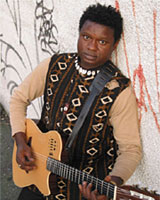
On a stage in Vancouver, beneath the mountains and the Pacific Ocean, Alpha Yaya Diallo lightly touches the strings of his guitar and it is the balafon, the kora, and the djembé from Guinea that resonate. Born in the Guinean capital, raised between Peul, Malinké, and Soussou cultures, this guitarist and singer transported his West African heritage to the heart of Canada, where he became one of the most awarded African musicians in the country’s history. His guitar, which he first built himself using fishing lines, became a vehicle for ancestral melodies — ngoni, balafon, percussion — which he transposes with virtuosity that places his peers Salif Keïta, Baaba Maal, and Youssou N’Dour by his side1.
In brief
| Name | Alpha Yaya Diallo |
| Birth | 1963/1964, Conakry, Guinea |
| Status | Active, based in Vancouver (Canada) since 1991 |
| Fields | African music, worldbeat, afro-pop |
| Instruments | Guitar (acoustic, electric), balafon, djembé, percussion |
| Languages | Foulani, Malinké, Soussou, French, English |
| Labels | Jericho Beach Music, Bafing Productions, Real World |
| Distinctions | 3 JUNO Awards, Canadian Folk Music Award 2006 |
Key dates
| Year | Event |
|---|---|
| 1963/64 | Birth in Conakry, Guinea |
| ~1975 | Start of music; builds his first guitar with fishing lines |
| ~1984 | Formation of Sons of Rais at the University of Conakry |
| 1985/86 | Move to Paris; joins the group Fatala |
| 1989 | Recording at Real World Records (Peter Gabriel) |
| 1991 | Move to Vancouver, British Columbia |
| 1992 | Creation of the group Bafing |
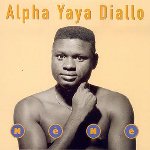
| 1993 | Release of Nené, first solo album (nominated for JUNO) |
| 1999 | First JUNO for The Message |
| 2001 | Second JUNO for The Journey |
| 2004 | Participates in African Guitar Summit (third shared JUNO) |
| 2006 | Canadian Folk Music Award, Best Solo Artist |
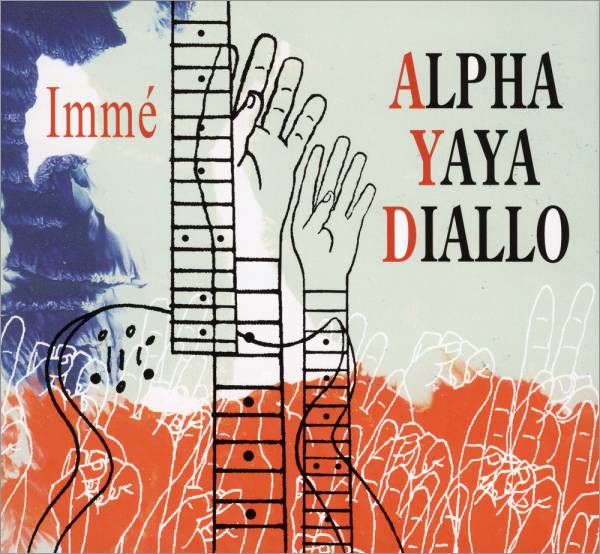
| 2010 | Release of Imme |
| 2014 | Release of Doy doy, produced by Ahmed Fofani |
Origins and training: the journey before music
Alpha Yaya Diallo was born in Conakry, capital of Guinea, around 1963 or 1964. His childhood was already a story of movement: his father, a highly sought-after surgeon, moved the family from region to region across the country. This geographical uprooting became a musical wealth. In the north, the Peuls (Foulani); in the south, the Soussou; everywhere, different sound traditions that permeated the child. The Malinké plays the kora — the 21-string instrument of West Africa — while the Soussou prioritize the balafon — an African xylophone — and percussion. Diallo sought to transpose all these traditions onto the guitar. The balafon, this African xylophone with warm notes, permeated his sensory memory, while the rhythms of the djembé — West African sacred drum — became the pulse of his childhood2.
From school, around five or six years old, he practiced on empty boxes and improvised percussion. Around twelve years old, he built his own guitar, with fishing lines. « I studied all types of music: Western music, African music, Congolese styles. My sister had Cuban music and Western music: Mark Knopfler, George Benson, Eric Clapton, James Brown, and all the rest. I was an hungry player, learning everything ». At the University of Conakry, he became leader of the group Sons of Rais and toured West Africa on tours. After graduation, his versatility kept him employed across the groups Love Systems, Kaloum Star, and Sorsonet Rhythm3.
Revelation: Fatala, Real World, and Europe
At the end of the 1980s, Diallo settled in Paris and joined Fatala, a group of African musicians performing a traditional Guinean repertoire. The recording led to world tours across Europe — WOMAD in England, Festival d’Angoulême in France — and North America. It was at this time that he came into contact with Real World Records, the label founded by Peter Gabriel, which allowed his music to cross the borders of the African continent. After the 1991 North American tour, Diallo was conquered by the beauty of the places. « It’s a magical place. I decided to stay here and am based here since », he would recount. He put down his suitcases with his guitar and the musical tradition he carried as an inheritance4.
Consecration in Canada: albums, JUNOs, and African Guitar Summit
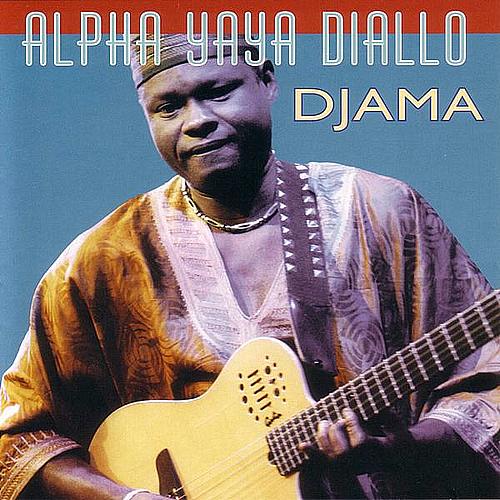
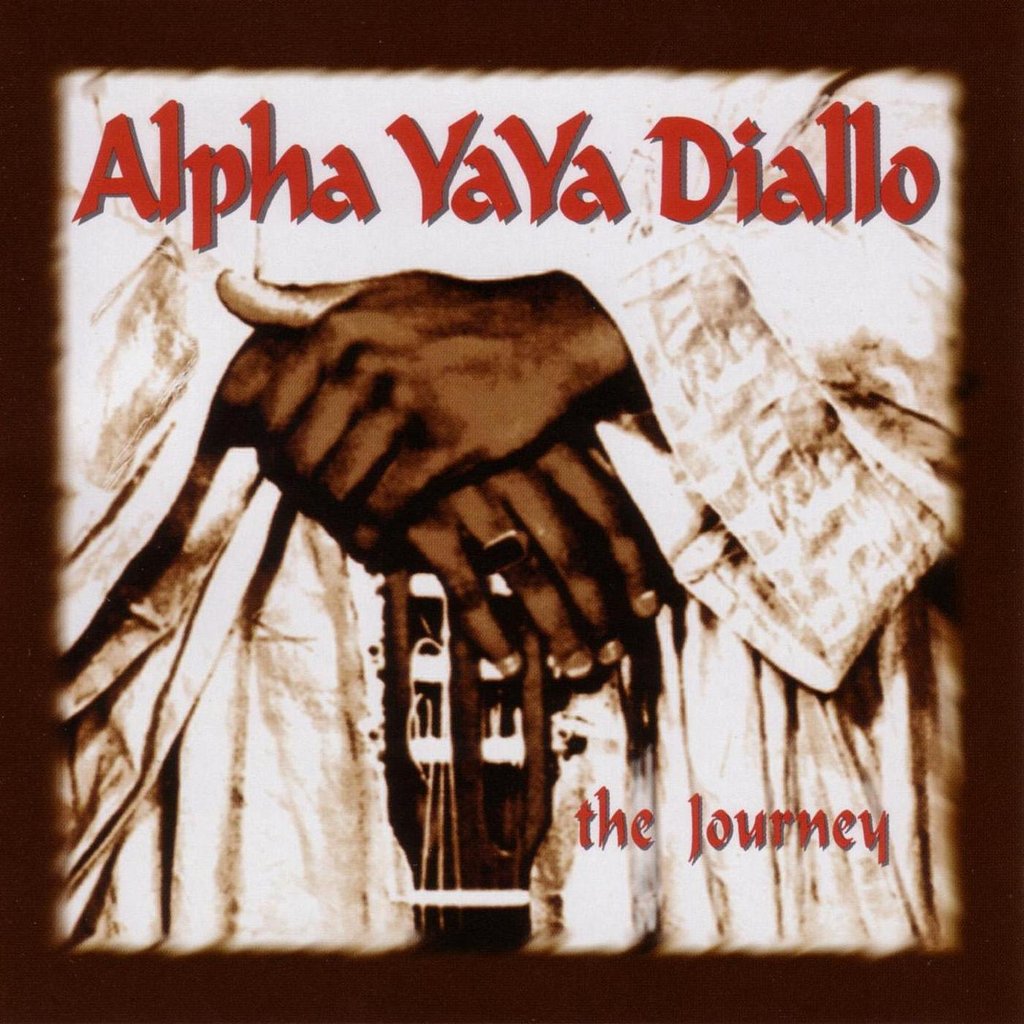
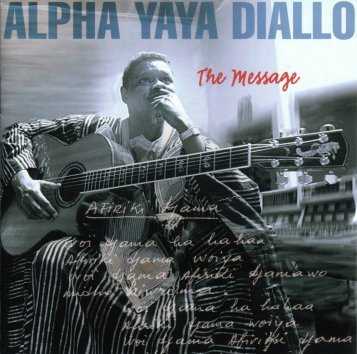
From his arrival, Diallo set up Bafing, his backing group which still exists since 1992. His first solo album, Nené (1993), recorded entirely by himself, was immediately noticed and nominated for the JUNO Award. His second album, Futur (1996), won the Music Africa Award. The Message (1998) brought his first JUNO in 1999, distributed internationally by BMG, followed by The Journey (2001) which earned him a second award. His fifth album, Djama (2005), nominated for a JUNO, marked a more mature and personal repertoire. Simultaneously, he composed for several films: Rendition (2007), District 9 (2009), The Ivory Game (2016), and directed The Best of Both Worlds, a documentary broadcast by the CBC5.
In 2004, he participated in the African Guitar Summit — Pan-African supergroup bringing together, besides Diallo, Ghana-Pa Joe Diallo, Mighty Popo, Madagascar Slim, and Adam Solomo, at the Glenn Gould Studio in Toronto. The concert resulted in two albums crowned with a third JUNO in 2005. In 2006, he received the Canadian Folk Music Award for Best Solo Artist. In 2007, the United Nations personally solicited him to compose a work of awareness on HIV/AIDS, hunger, and debt relief in Africa, a rare distinction6.
Major Works
| Work | Year | Why It’s Essential |
|---|---|---|
| Nené | 1993 | First solo album, entirely performed by Diallo, JUNO nomination |
| The Message | 1998 | First JUNO, distributed internationally by BMG |
| The Journey | 2001 | Second JUNO, refined exploration of West African styles |
| Djama | 2005 | Fifth solo album, JUNO nomination, more mature repertoire |
| African Guitar Summit | 2004 | Pan-African collaboration, shared JUNO, world tours and Live 8 |
| Doy doy | 2014 | Produced by the Malian Ahmed Fofani, the title means “state of vigilance” |
Legacy
Alpha Yaya Diallo made Vancouver — a city then home to an almost non-existent African community — an international launchpad for West African music. His guitar, which approximates the sound of the kora, balafon and djembé, has become a distinct instrument capable of imitating traditional melodies and rhythms without forsaking modern techniques. He sings in six languages — Foulani, Malinke, Soussou, French, English — and builds bridges between Guinean, Senegalese, Cape Verdean and Caribbean sounds. His adaptive work, humanitarian commitment and fidelity to his roots make him an unquestioned pillar of world music1.
Sources and References
-
Alpha Yaya Diallo, AllMusic, accessed October 30, 2026 ↩︎ ↩︎
-
O’Toole, Thomas & Baker, Janice E. (2005), Historical Dictionary of Guinea, Scarecrow Press, pp. 65–66 ↩︎
-
Alpha Yaya Diallo, official site alphayayadiallo.com/biography, accessed October 30, 2026 ↩︎
-
Dacks, David (June 26, 2010), Alpha Yaya Diallo, Exclaim! ↩︎
-
Alpha Yaya Diallo Press Kit 2010, alphayayadiallo.com/images/2010-Alpha-Press-kit-updated.pdf ↩︎
-
Alpha Yaya Diallo, Wikipedia EN, accessed October 30, 2026 ↩︎