
Biography
Bana
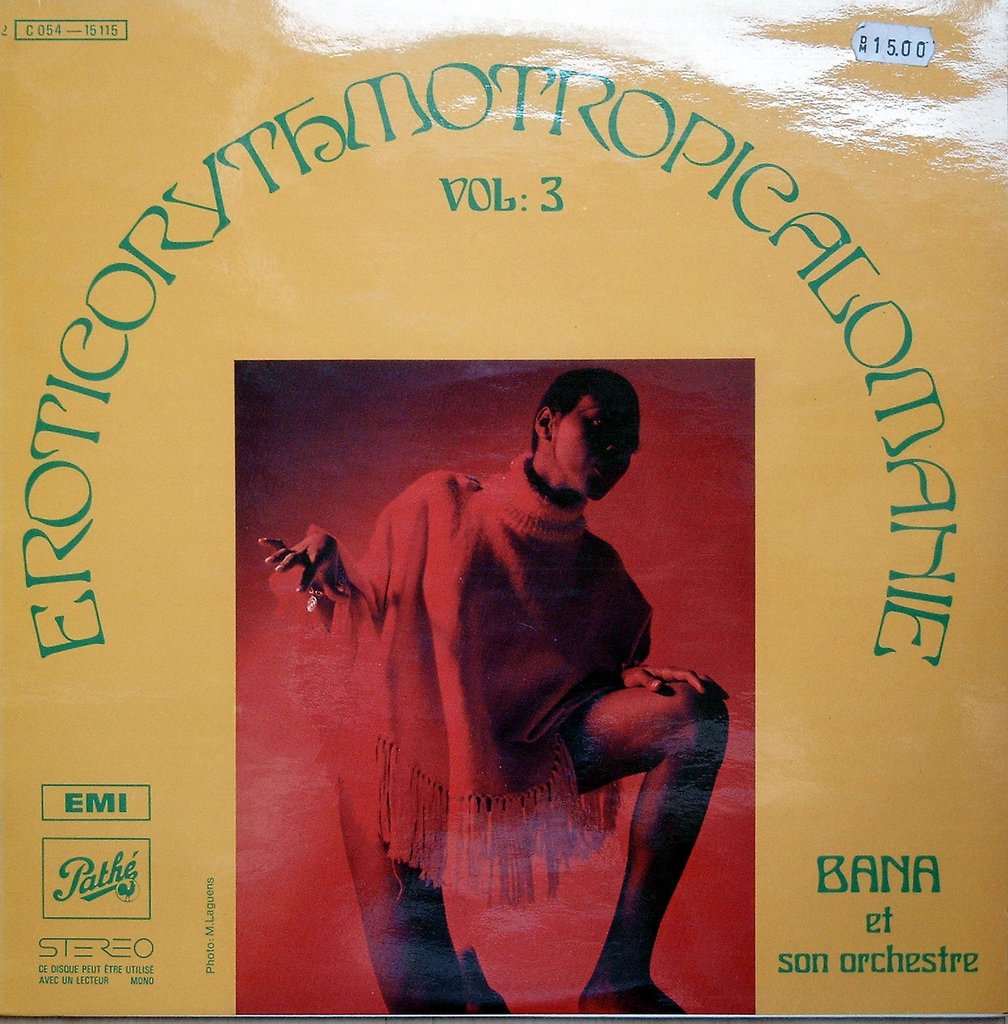
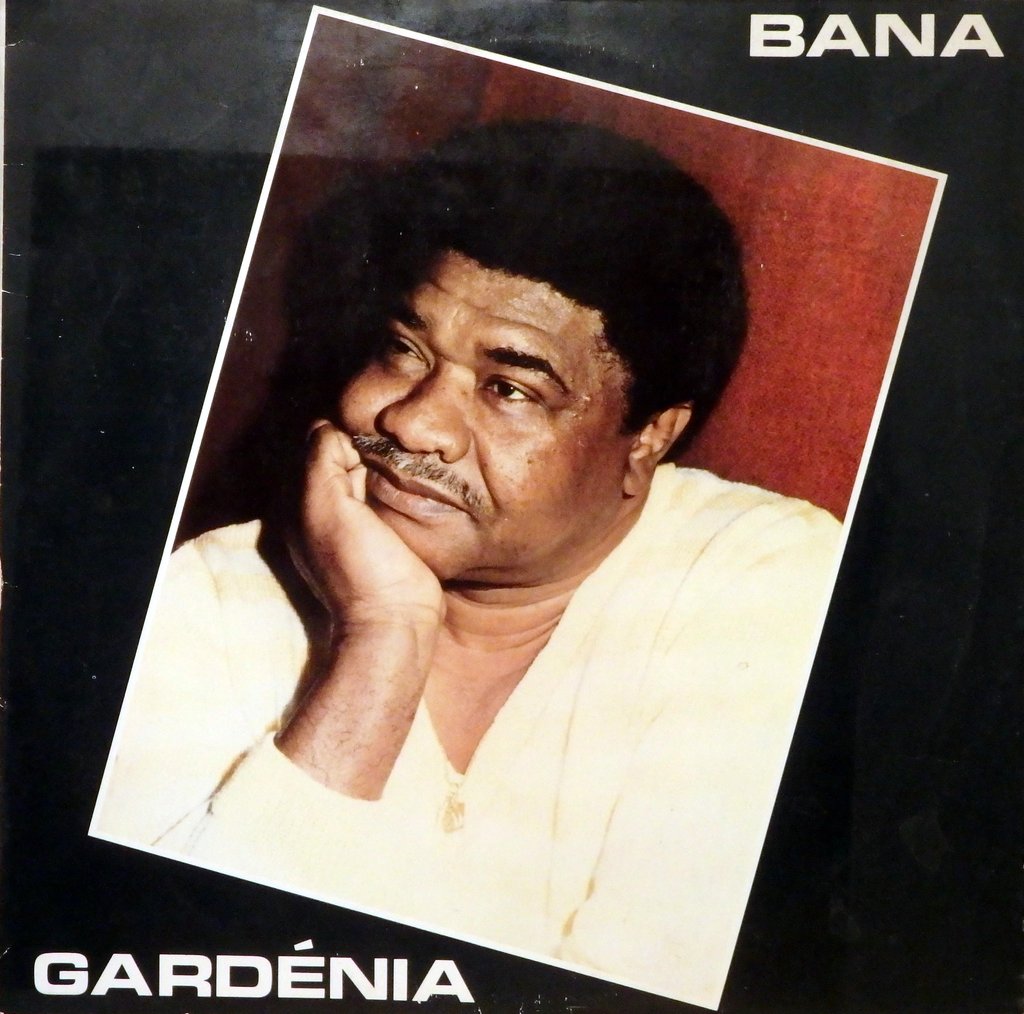
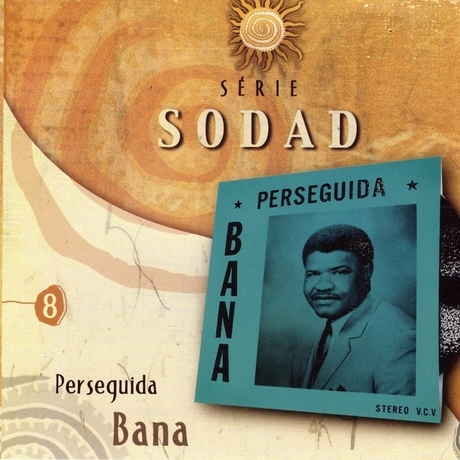
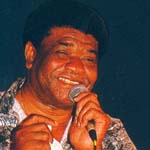
In 1967, a journalist attended a Bana concert in Paris and wrote: “He sings as if he had a baby on his lap.” This natural colossus — 2.13 m tall, with the stature of a cargo carrier at the Mindelo port — delivered a soft baritone voice, almost spoken, that carried the melancholy of the morna, this capital music of Cape Verde born from sodade, this nostalgia between exile and return. Adriano Gonçalves, known as Bana (1932-2013), spent more than half a century traveling with this voice, from Dakar to Rotterdam, from Paris to Lisbon, becoming one of the most-listened-to ambassadors of Cape Verdean music.
In brief
| Full name | Adriano Gonçalves |
| Stage name | Bana |
| Birth | March 5, 1932, Mindelo, São Vicente, Portuguese Cape Verde |
| Death | July 13, 2013, Loures, Portugal |
| Genre | Morna, coladeira |
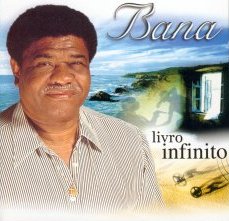
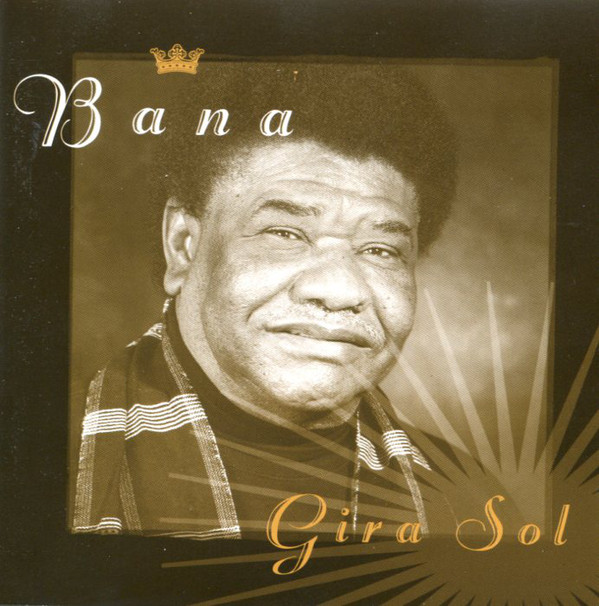
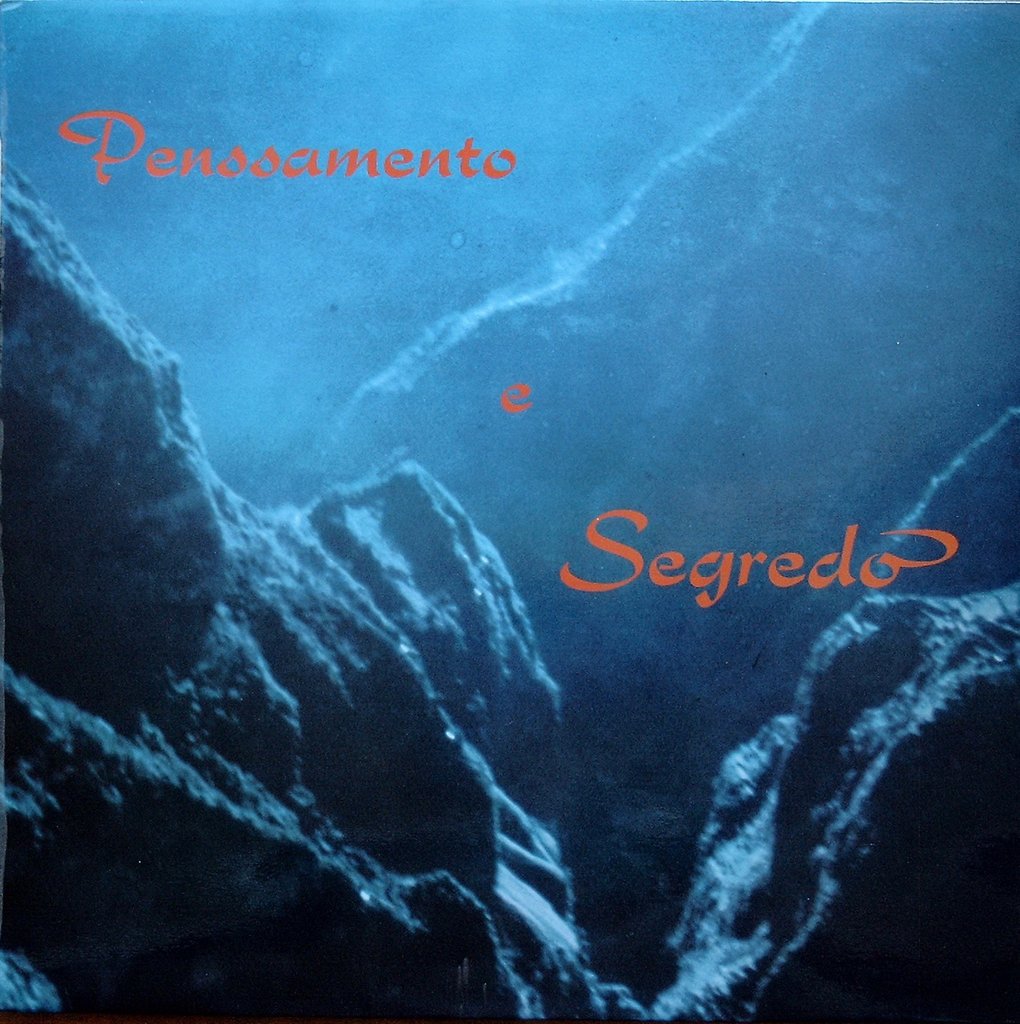
| Iconic works | Nha terra, Pensamento e segredo, Gira sol |
| Awards | Order of Merit (Portugal, 1992); Grand Merit (Cape Verde); CVMA Honorary Award (2012) |
Key dates
| Year | Event |
|---|---|
| 1932 | Birth in Mindelo, São Vicente Island |
| 1955-1958 | Meeting with B. Léza, mentor composer who transmitted the intimate style |
| 1958 | Coimbra students (including Manuel Alegre) hear him sing and invite him to perform |
| 1961 | First recording in Dakar (Pathé Marconi), 2,000 copies sold in the first week |
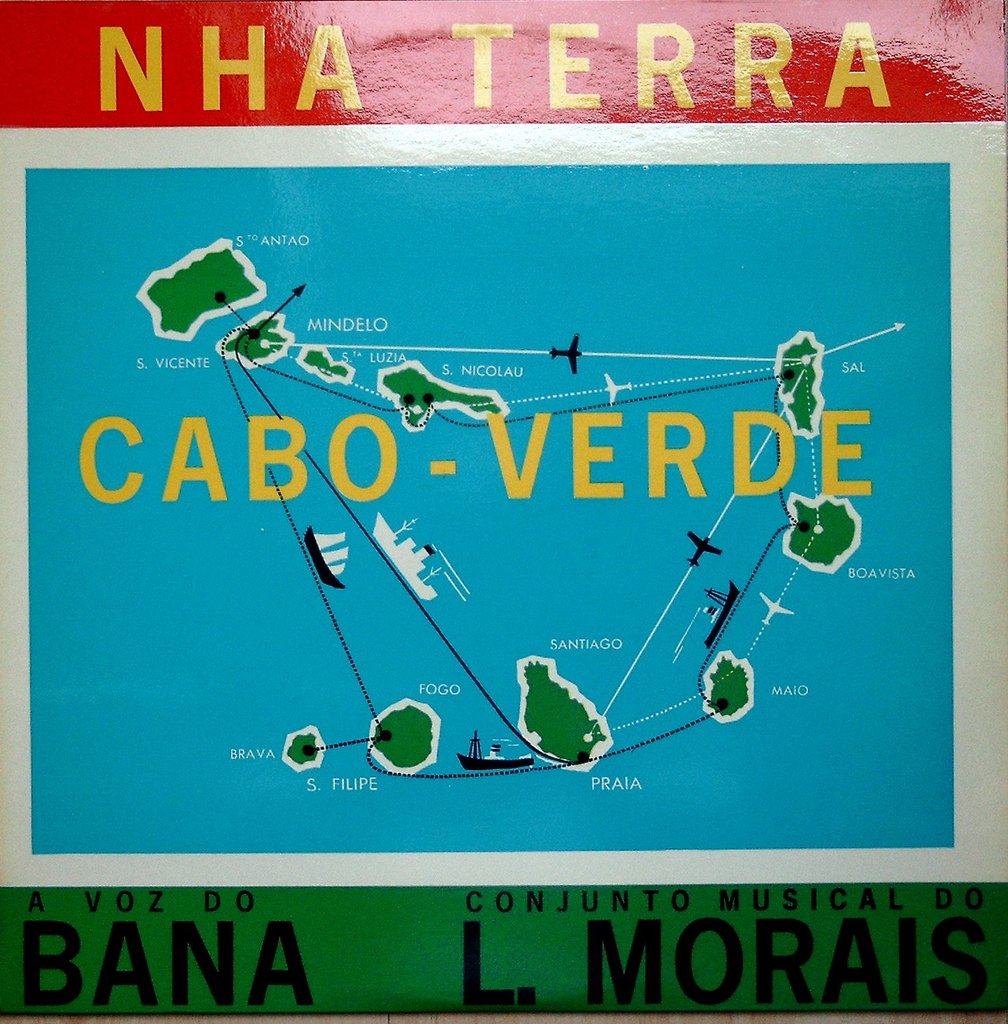
| 1966 | Nha terra and Pensamento e segredo, first albums recorded in Rotterdam |
| 1967 | Bana à Paris; recording in the Netherlands with Voz de Cabo Verde |
| 1969 | Settles in Lisbon, founds Discos Monte Cara and Restaurante Monte Cara |
| 1975 | After independence, accused of collaboration, he must briefly leave Cape Verde |
| 1992 | Decorated with the Order of Merit by President Mário Soares |
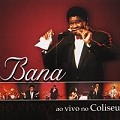
| 1999 | Historic concert at Lisbon Coliseum (50 years of career) |
| 2012 | Honorary Award at Cape Verde Music Awards |
| 2013 | Death at Loures hospital, aged 81 |
From Mindelo to Lisbon: the voice of an archipelago
Adriano Gonçalves grew up in the poverty of the Nossa Senhora da Luz neighborhood in Mindelo. An orphan of his mother at sixteen, then of his father, he sang from the age of four around local musicians. Nicknamed “Bana” in reference to the round singer Salibana, the boy, who became a giant, worked as a laborer at the port and then at Shell reservoirs. His life turned when he frequented B. Léza (Francisco Xavier da Cruz), a genius composer whose respiratory problems prevented him from singing. Bana became his accompanist, his bodyguard, and absorbed his melodies at the source. B. Léza taught him an intimate style, almost spoken, that preferred nuance to bombast — a lesson Bana would transpose to his own voice. In 1958, the Tuna Académica de Coimbra visited São Vicente; according to Bana as reported by Cabo Verde & Its Music: “I, son of poor people, barefoot, was always left on the sidelines.” One evening, the students heard him singing in the public square and invited him to perform everywhere.
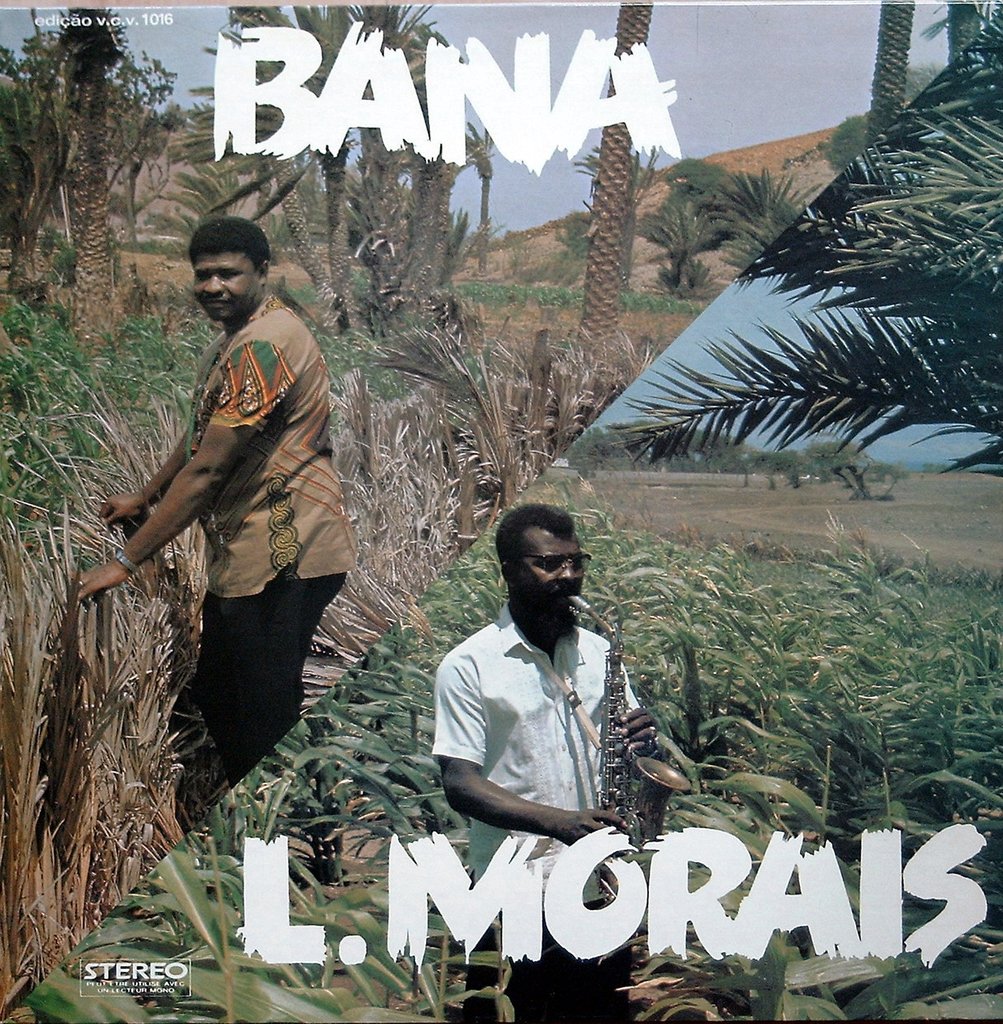
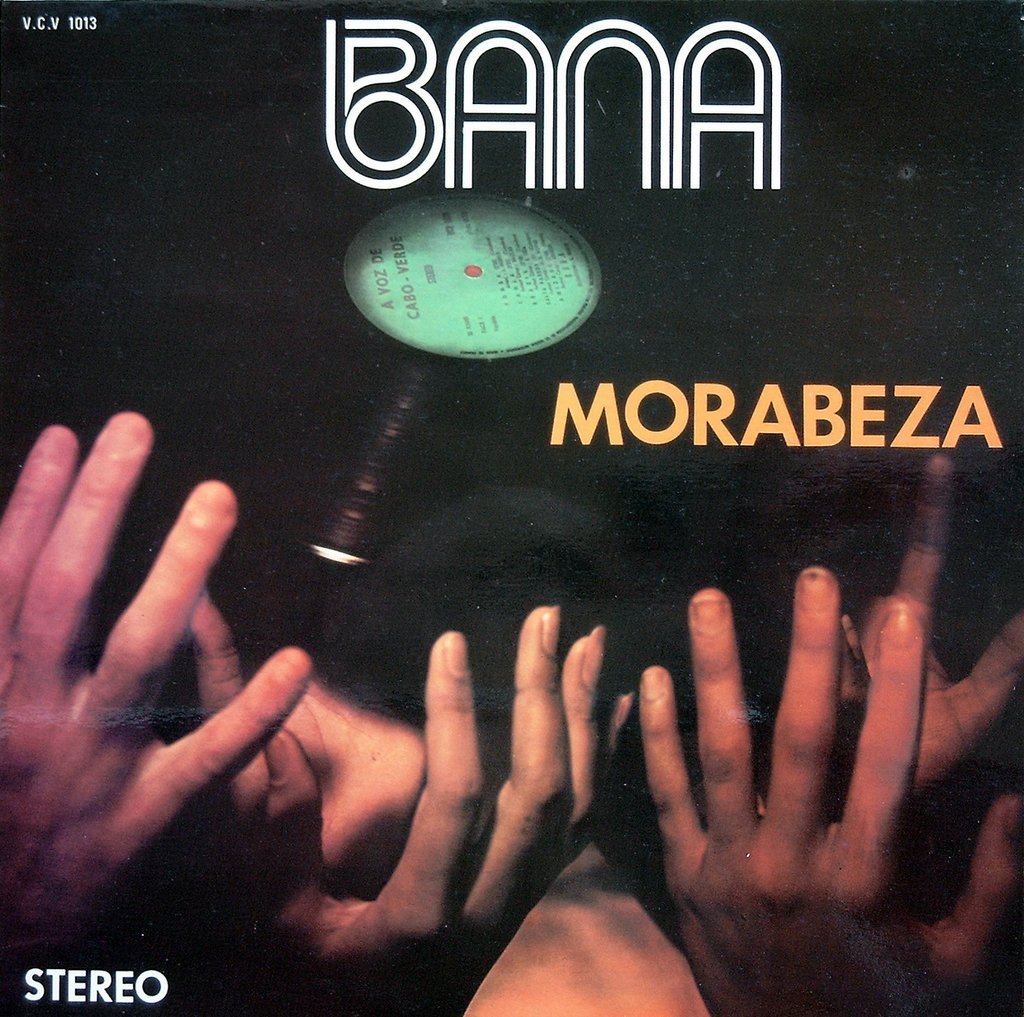
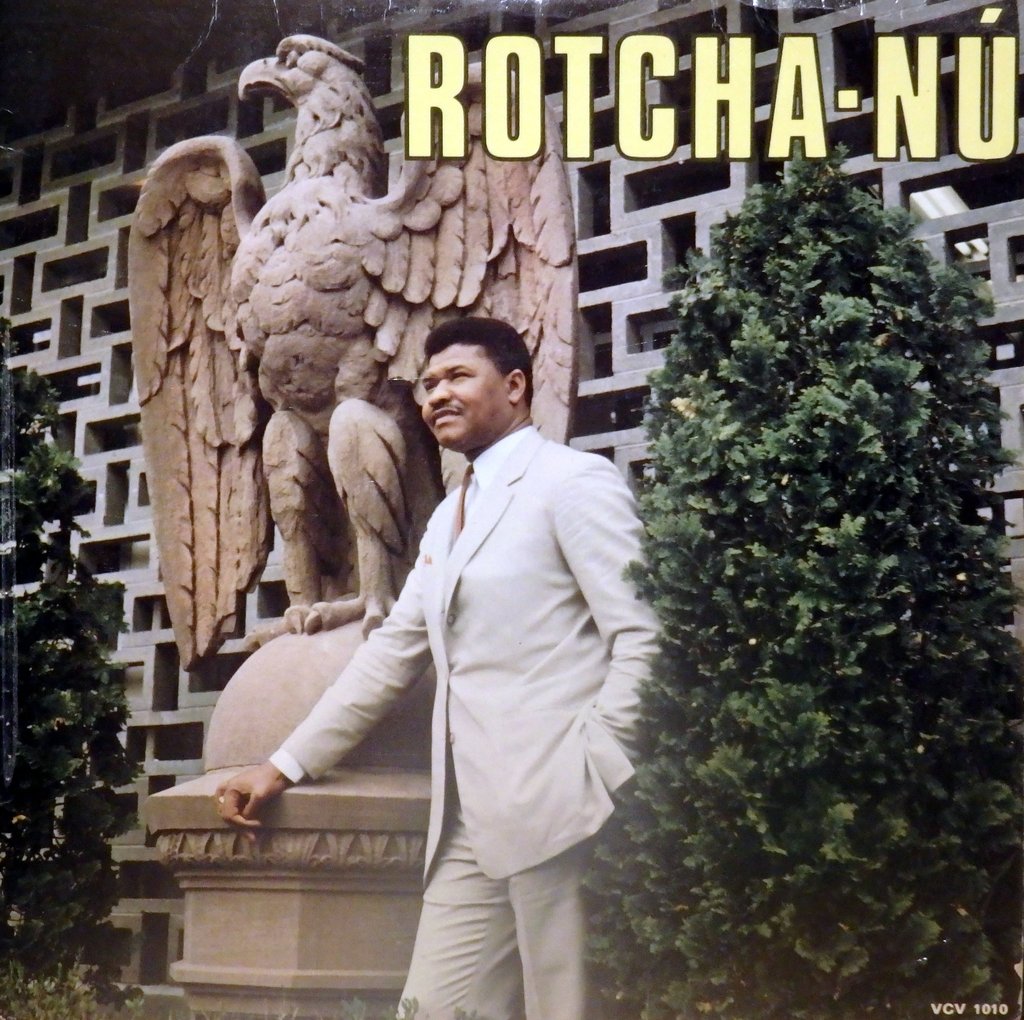
In 1961, Bana went to Senegal, where Pathé Marcony signed him for a four-track EP, selling 2,000 copies in the first week. Convinced by the success, he went to Paris, where he recorded Pensamento e segredo (1966) and Bana à Paris (1967). In 1966, he settled in Rotterdam with other exiled Cape Verdeans — Luís Morais, Frank Cavaquinho, Morgadinho — and formed the group Voz de Cabo Verde. With Luís Morais’s violin, their Nha terra and Rotcha-Nu gave the morna a modernity without sacrificing its soul. In 1969, Lisbon became his true home: he inaugurated Restaurante Monte Cara, opened the Discos Monte Cara label, and launched the first records of Celina Pereira, Tito Paris, and the young Cesária Évora.
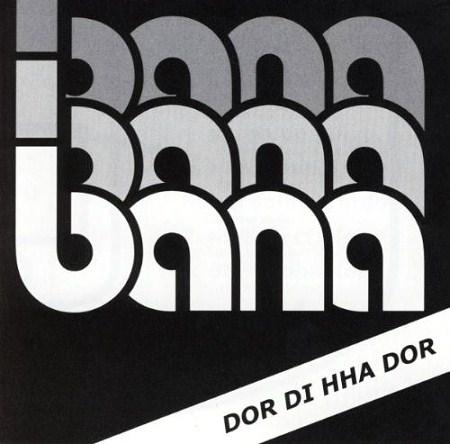
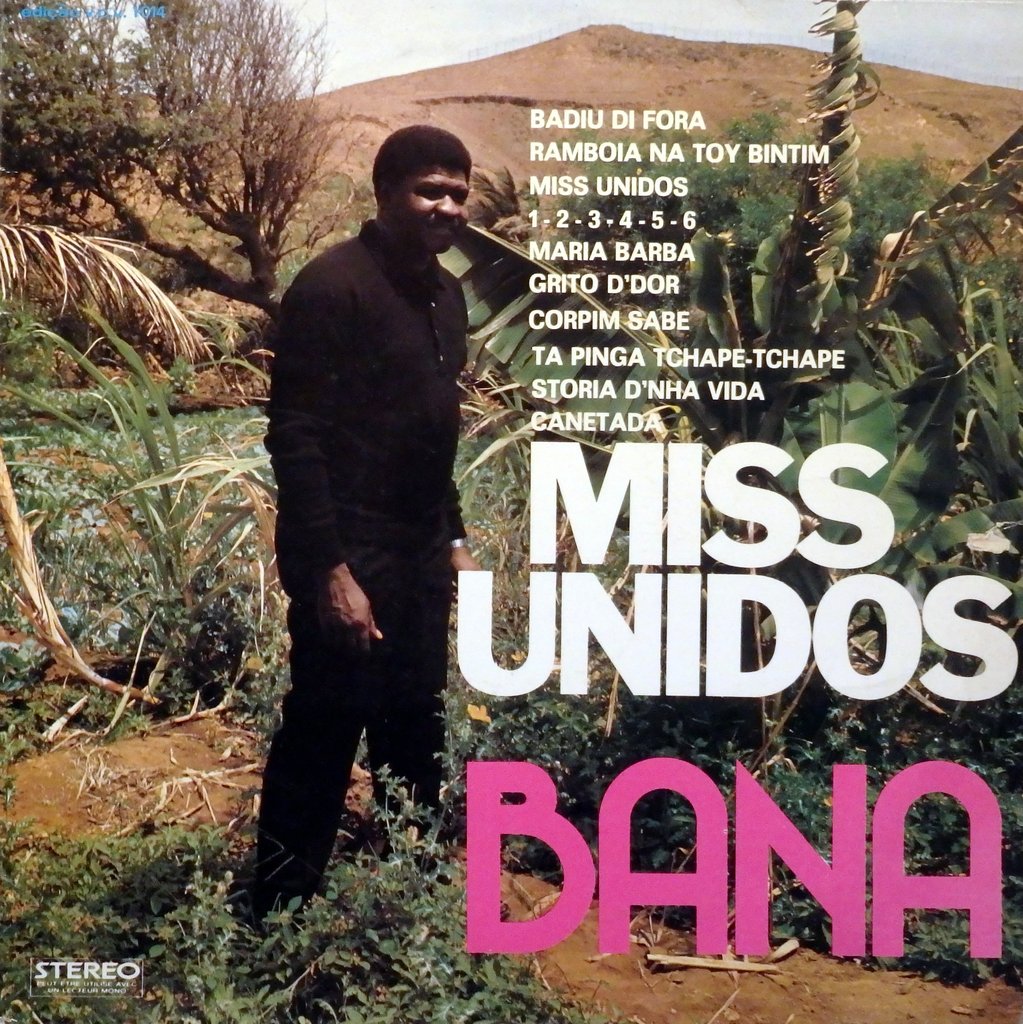
The colonial war and tours organized under the Salazar regime earned him, after the Carnation Revolution of 1974, accusations of collaboration. He had to briefly leave his native island and return to Lisbon. It was not until 1982 that the Cape Verdean government publicly reconciled with him. His discography continued, unperturbed: about thirty LPs and EPs with Voz de Cabo Verde, Discos Monte Cara, and Discos Mindelo. Miss Unidos (1977), Contratempo (1979), Dor di nha dor (1984) illustrate a career embracing the morna, coladeira, and contratempos. Bana interpreted texts by Manuel d’Novas and Dionísio Maio, and supported emerging composers Djô d’Eloy and Kalú Monteiro. At the turn of the 1990s, he marked his fifty years of career with a concert at the Lisbon Coliseum, relayed as a double album.
Legacy
Bana stepped away from the stages after 1986, but returned several times — announcing several final concerts before picking up the microphone again. Stricken with a stroke in 2008, weakened by hemodialysis, he passed away on July 13, 2013, at the Beatriz Ângelo hospital in Loures, aged 81. He left behind eight children and a discography estimated at nearly one hundred recordings. More than half a century after his first records in Dakar, Bana’s baritone continues to inform contemporary morna: the re-listening of Nha terra or Gira sol reminds us that the voice of a simple cargo carrier carried an entire archipelago.
Major works
| Work | Year | Why it is essential |
|---|---|---|
| Nha terra | 1966 | First album, recorded in Rotterdam; Bana’s voice finds its definitive imprint here |
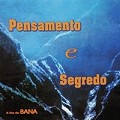
| Pensamento e segredo | 1966 | Deepens the intimate style that became his trademark, with Luís Morais’s violin |
| Rotcha-Nu | 1969 | Fusion between traditional morna and contemporary European rhythms |
| Gira sol | 1998 | Last important studio album, produced by Ramiro Mendes |
Sources and references
- Raquel Ochoa, Bana, Uma vida a cantar Cabo Verde, Planeta Vivo, 2008.
- « Bana (singer) », Wikipedia (English), https://en.wikipedia.org/wiki/Bana_(singer), accessed 3 November 2026.
- « Adriano Gonçalves (1932-2013): Cabo Verde & Its Music – A Virtual Museum », https://eng.caboverdeamusica.online/bana/, accessed 3 November 2026.
- « Bana: The Great ‘King of Morna’ and Cultural Trailblazer », Sal Cape Verde, https://salcaboverde.com/bana-the-great-king-of-morna-and-cultural-trailblazer/, accessed 3 November 2026.
- « Morre Bana, o rei da morna de Cabo Verde », PÚBLICO (Portugal), 13 July 2013, https://www.publico.pt/2013/07/13/culturaipsilon/noticia/morre-bana-o-rei-da-morna-de-cabo-verde-1600140, accessed 3 November 2026.
- « Bana », AllMusic, https://www.allmusic.com/artist/bana-mn0000784618, accessed 3 November 2026.
- « Nha morna, nha Terra », Africa Is a Country, 11 June 2014, https://africasacountry.com/2012/07/cabo-verde-music-nha-morna-nha-terra, accessed 3 November 2026.
- « Cape Verde Music Awards — nomsés 2012 », CVMA, http://www.caboverdema.com/?cvma-nomeados-2012-cabo-verde-music-awards,3, accessed 3 November 2026.
- « Morna: Cape Verde’s music of displacement and return », Al Jazeera, 23 May 2021, https://www.aljazeera.com/features/2021/5/23/morna-the-music-of-displacement-and-return, accessed 3 November 2026.
- Orlando Levy (cited in O Arquipélago, 27 July 1967), reproducing a listener’s comment: « He sings as if he had a baby on his lap. »