Biography
Barbara Kanam
On September 27, 1995, at the hall of the Village Ivoire in Abidjan, a twenty-two-year-old woman finishes a gospel set in the choir of a local choir. In the audience, Koné Dodo, manager of Alpha Blondy, notices her and offers to produce her first album. She politely refuses: her mother wants her to finish her studies first. This scene marks the starting point of a career that will make Barbara Kanam one of the most recognizable voices of contemporary African music, and that will lead to her nomination as General Director of the Cultural Promotion Fund of the Republic of the Democratic Republic of the Congo in July 2023.
In brief
| Full name | Barbara Kanam Mutund |
| Birth | September 27, 1973, Bukavu, Zaire (now DRC) |
| Genre | Congolese rumba, ndombolo, soukous, world music |
| Signature works | “Mokili”, “Bibi Madeleine”, “Zawadi” |
| Awards | Kora Award 2003, Black Music Awards 2005, Cana Prize 2020 |
Key dates
| Year | Event |
|---|---|
| 1973 | Birth in Bukavu, South Kivu, Zaire |
| 1993 | Debut with One Woman Acoustic Show in Central Africa |
| 1995 | Meeting with Koné Dodo in Abidjan |
| 1997 | BTS in international trade in Abidjan |
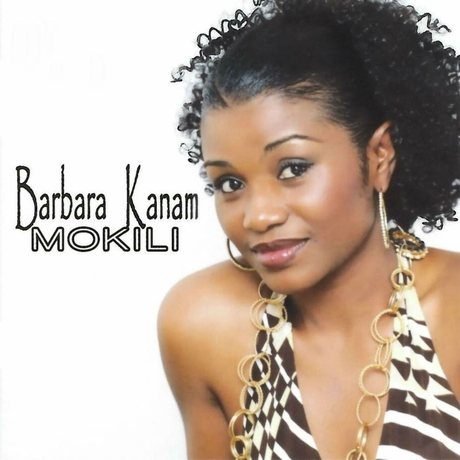
| 1999 | Release of album Mokili; nomination for Kora Award |
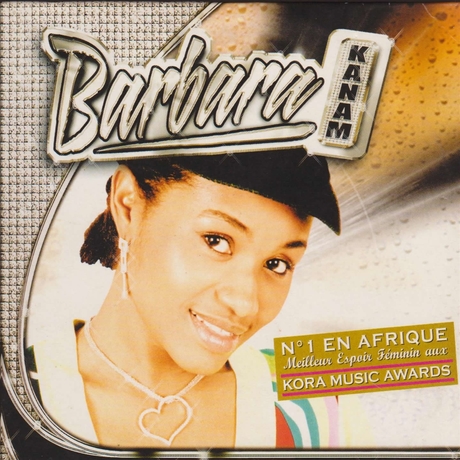
| 2003 | Release of Teti; win of Kora Award Best Female Hope |
| 2005 | Success of “Bibi Madeleine”; Black Music Awards |
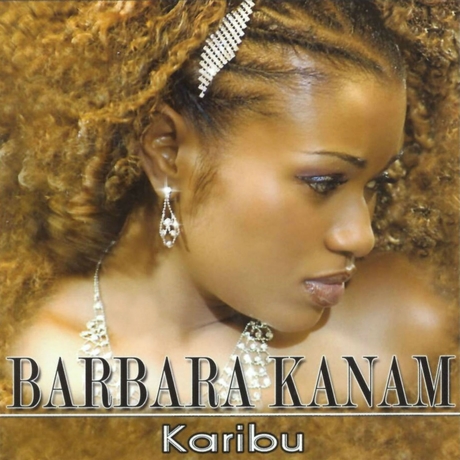
| 2010 | Release of Karibu on Kanam Music; Ndule Awards |
| 2015 | Release of Zawadi; Ndule Awards and Afroca Music Award |
| 2019 | Honorary doctorate; UNDP ambassador |
| 2023 | Nominated DG of the Cultural Promotion Fund (DRC) |
From Bukavu to international stages: an extraordinary career
Barbara Kanam Mutund was born on September 27, 1973, in Bukavu, in the South Kivu province. Coming from a family of twelve children, her father, from the Lunda people, was general director of the Sheraton hotel in Lubumbashi; her mother comes from the Bemba people. After secondary studies at the Belgian School in Kinshasa and then Kolwezi, she goes to South Africa in 1991 to train in international trade at the University of Pretoria.
It is there that she discovers an unexpected path, by joining a local evangelical Christian community where she is invited to sing solos. “It is thanks to this choir that I realized I had a gift for music,” she tells Le Potentiel in 2014. Her vocation pushes her to abandon her commercial studies to train at the Rhema Bible School and the Psalmody Academy in Johannesburg. Her father opposes it, but she holds firm. To celebrate this success, she buys a guitar and composes her first pieces.
In 1993, at twenty years old, she develops an acoustic repertoire for a One Woman Acoustic Show, a solo tour in Kinshasa and Lubumbashi. In 1995, her family settles in Abidjan and destiny crosses her path: Koné Dodo notices her voice during a concert at the Ivoire Hotel. He offers to produce, but her parents first demand that she finish her BTS in international trade. In 1997, she obtains this diploma and finally accepts Koné Dodo’s proposal.
In 1999, she releases Mokili, her first album produced by Koné Dodo. The gospel single “Mokili Ekoleka” earns her a first nomination for the Kora Awards, the greatest musical recognitions on the African continent. The break she takes in 2000 to have a child gives her two years of rest. On January 1, 2003, she returns with Teti, an album of twelve tracks. The hit “Bibi Madeleine: Money calls money” samples Pamelo Mounk’a (1985), comes in two versions with Edgar Yonkeu and Awilo Longomba, and propels Barbara Kanam to the rank of queen of the African dance floor. In 2005, she wins two awards at the Black Music Awards in Cotonou: Female Revelation and Best Video.
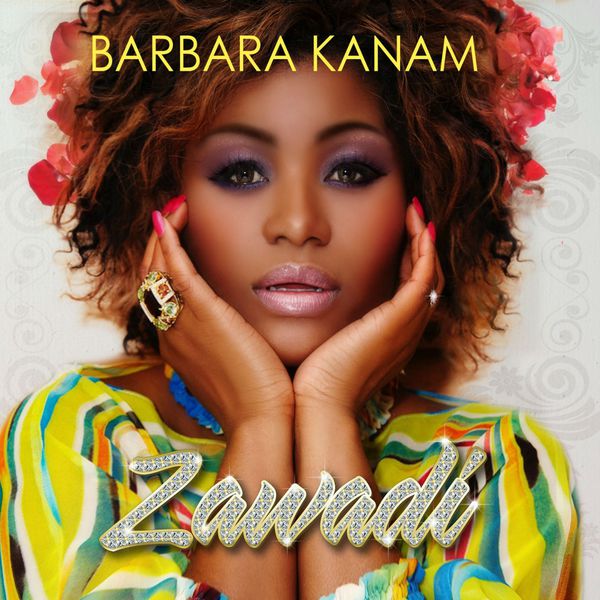
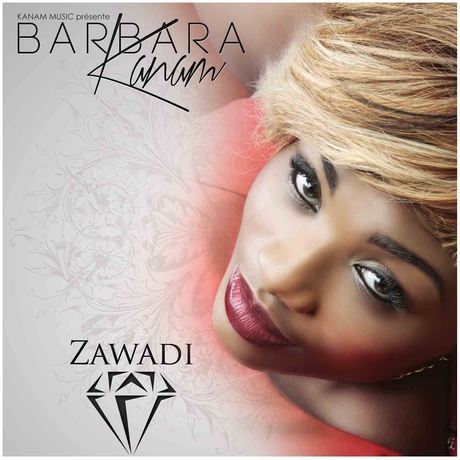
But opponents to the Kabila regime try to sabotage her European concerts, accused of supporting the power. She refuses to hide and continues to sing in all the nuances of the Congo. In 2008, she leaves Koné Dodo’s label and creates Kanam Music. Karibu (which means “welcome” in Swahili) comes out in 2010 and earns her the Ndule Awards. Zawadi (“gift” in Swahili), published in 2015, addresses the war in the East of the DRC without beating around the bush: a line from its eponymous title, extracted from the lyrics of Zawadi.
Her repertoire led her to collaborate with Fally Ipupa (“100% Love” on Droit Chemin), Jacob Deswar, Koffi Olomide, and many others. She sings in French, Swahili, Lingala, and English. In 2013, she is a member of the jury for Island Africa Talent. In 2019, she receives an honorary doctorate from the University of Florida and is named UNDP ambassador. On July 8, 2023, President Tshisekedi appoints her General Director of the Cultural Promotion Fund, seconded by Didier Masela.
Major works
| Work | Year | Why it is essential |
|---|---|---|
| Mokili | 1999 | First album; revelation on the Congolese scene |
| “Bibi Madeleine: Money calls money” | 2003 | Hit that makes her the queen of the African dance floor |
| Karibu | 2010 | First album on her own label Kanam Music |
| Zawadi | 2015 | Political commitment; the war in the East of the DRC |
Legacy and influence
Barbara Kanam has traced an extraordinary path for a Congolese singer. From the churches of Johannesburg to Parisian stages, she has managed to reconcile commercial ambition and social commitment. Her legacy is measured by the number of Congolese female artists who claim her style: glamorous, professional, and politically conscious. As General Director of the Cultural Promotion Fund since July 2023, she now finds herself in an unprecedented position to decide who makes or does not make the music of tomorrow.
Sources and references
- Barbara Kanam, French Wikipedia, https://fr.wikipedia.org/wiki/Barbara_Kanam, accessed January 13, 2025.
- Barbara Kanam, English Wikipedia, https://en.wikipedia.org/wiki/Barbara_Kanam, accessed 13 January 2025.
- Bertrand Lavaine, “Barbara Kanam, a touch of glamour in Congo”, RFI Musique, 29 October 2015, https://musique.rfi.fr/fr/musique/20151029-barbara-kanam-une-touche-de-glamour-au-congo, accessed 13 January 2025.
- “Barbara Kanam: the new African diva”, New Morning, 22 September 2012, https://www.newmorning.com/20120922-2590-barbara-kanam.html, accessed 13 January 2025.
- Robert Kongo, “Barbara Kanam: ‘I sing with pleasure and passion’”, Le Potentiel, 6 August 2014, https://www.universrumbacongolaise.com/interviews/barbara-kanam-chante-avec-plaisir-passion/, accessed 13 January 2025.
- “Production: Barbara Kanam brings ‘Zawadi’ to Roméo Golf”, Adiac-congo, 13 November 2015, https://www.adiac-congo.com/content/production-barbara-kanam-amene-zawadi-au-romeo-golf-41584, accessed 13 January 2025.
- Kribios-Kauta Adjuvant, “Guitarist, composer and singer… 6 things to know about Barbara Kanam”, Kribios Universal, 1 October 2022, https://www.kribiosuniversal.com/post/guitariste-compositrice-et-chanteuse...-6-choses-a-savoir-sur-barbara-kanam, accessed 13 January 2025.
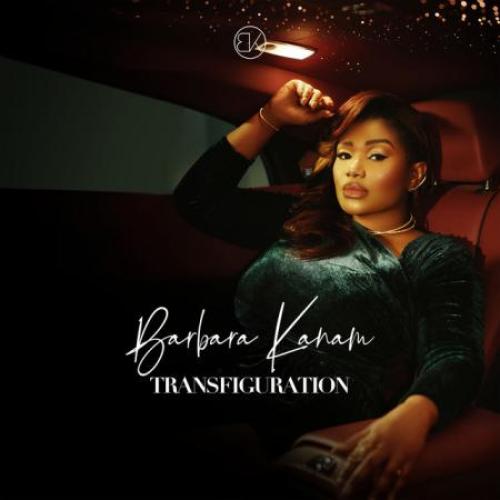
- “Barbara Kanam unveils her album ‘Transfiguration’”, Mbote, 24 December 2023, https://mbote.cd/musiques/barbara-kanam-devoile-son-album-transfiguration/151817/, accessed 13 January 2025.