Biography
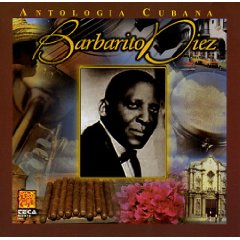
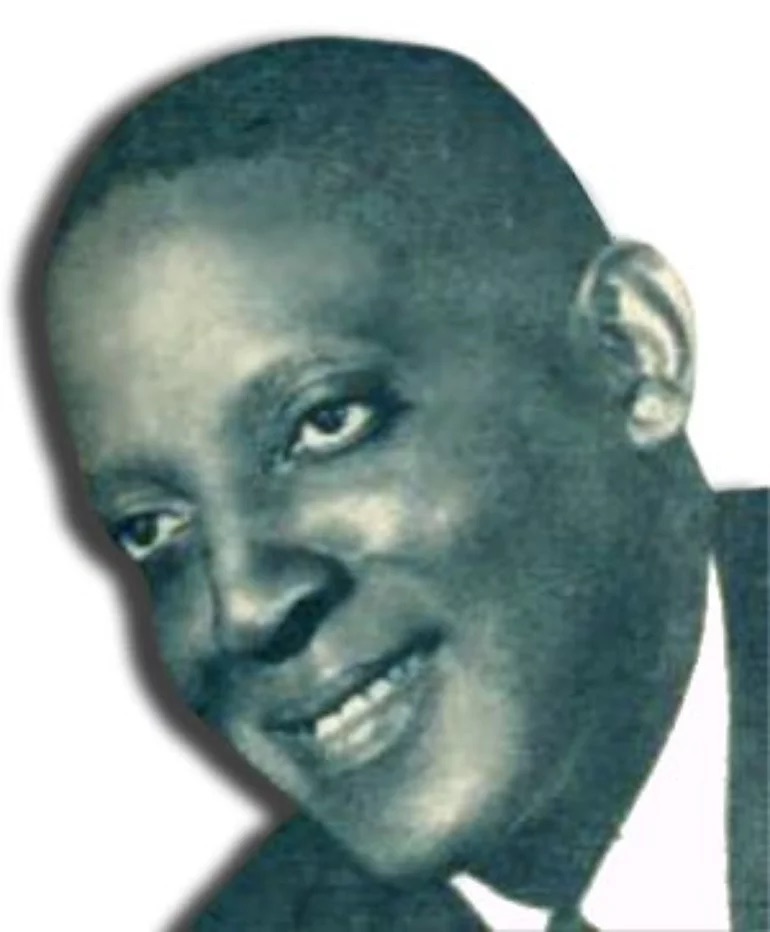
Barbarito Diez: the golden voice of danzón
While mambo exploded in Havana’s cabarets, a voice of crystalline clarity asserted itself without seeking the media rush. Standing, dressed in costume, and immobile, Barbarito Diez delivered every note with a precision that rendered unnecessary gestures superfluous1.
In brief
| Full name | Bárbaro Diez Junco |
| Birth | December 4, 1909, Bolondrón, Matanzas, Cuba |
| Death | May 6, 1995, Havana, Cuba |
| Nickname | “La Voz de Oro del Danzón” |
| Field | Cuban danzón and bolero |
| Instrument | Tenor voice |
| Labels | Panart, EGrem |
Key dates
| Year | Event |
|---|---|
| 1909 | Birth in Bolondrón, a sugarcane village |
| 1913 | The family settles in Manatí, in eastern Cuba |
| 1927 | Debut with the trio Los Gracianos |
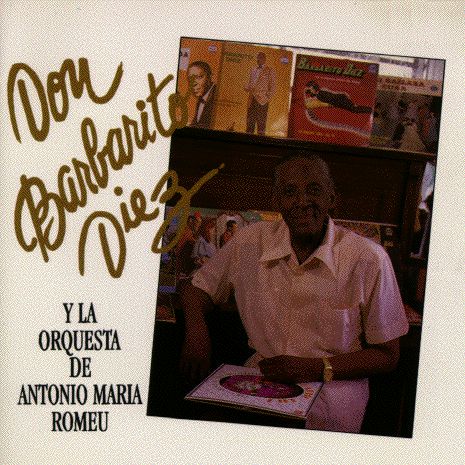
| 1935 | Integration into Antonio María Romeu’s orchestra |
| 1955 | Conducting the orchestra after Romeu’s death |
| 1977-1980 | Albums Barbarito Díez canta a Venezuela |
| 1990 | Retirement for health reasons |
| 1995 | Death in Havana |
From sugar to glory
Bárbaro Diez Junco was born on December 4, 1909. In a sugarcane hamlet, Bolondrón, in Matanzas province, he was the only child of Eugenio Diez and Salustiana del Junco. At four years old, the family settled at the Manatí central. Young Bárbaro discovered music intuitively there, singing Trio Matamoros titles. From primary school, a teacher spotted his voice. His father wanted to make him a tailor2.
Destiny was woven when a passing guitarist, Carlos Benedelli, sought a singer. Barbarito performed at the Manatí theater and the port. At fourteen, he was already a recognized artist. In 1930, he left for Havana as a construction worker. A friend introduced him to Graciano Gómez, who integrated him into the trio Los Gracianos2. This was the beginning of his professional life.
The Café Vista Alegre, on the corner of San Lázaro and Belascoaín, became their headquarters. Antonio María Romeu, nicknamed “El Mago de las Teclas,” took notice of them. Romeu had just lost his singer Fernando Collazo. Graciano recommended Barbarito. The audition was convincing3. In 1936, at twenty-seven years old, he joined Romeu’s orchestra.
The danzón — born in Matanzas in the 19th century from Las Alturas de Simpson by Miguel Failde — was then primarily an instrumental rhythm. Barbarito introduced the voice as a protagonist, transforming the danzón into a more intimate experience. He made his first recording in 1937. The Panart orchestra published a series of nine volumes titled Así Cantaba Cuba, which documented the essence of his repertoire2.
consecration and legacy
His reputation as “Voz de Oro del Danzón” crossed Cuban borders. He performed in the Dominican Republic, Mexico, Puerto Rico, the United States, and Venezuela, where he conquered a vast audience. One of his records sold 30,000 copies in Venezuela. In 1977 and 1980, he published two volumes Barbarito Díez canta a Venezuela, entirely dedicated to Venezuelan melodies. His only bolero album, with La Rondalla Venezolana in 1984, includes “Frenesí” and “Idolatría”2.
Internal friction pushed Barbarito to dissolve his orchestra in the 1980s. Diabetes set in and forced him to stop. In 1988, he was awarded the Félix Varela Order of 1st class. He passed away on May 6, 19951.
Every year, the Barbarito Diez festival takes place in Manatí. Pablo Diez, his son and doctor, directs the Orquesta Barbarito Diez. “Even after death, Barbarito continues to be the voice of danzón.” A man without academic training, from the sugarcane people, who through his pure talent and discipline conquered Cuba, Venezuela, and the United States2.
Major works
| Work | Year | Why it is essential |
|---|---|---|
| Así Cantaba Cuba (Panart, 9 vol.) | 1937-1970 | The reference catalog of Cuban danzón |
| Barbarito Díez canta a Venezuela Vol. 1 | 1977 | Tribute to an audience that acclaimed him |
| Barbarito Díez con La Rondalla Venezolana | 1984 | His only bolero album |
| “Las perlas de tu boca” | ~1940 | Immortal classic of the Cuban cancionero |
| “Lágrimas negras” | ~1940 | Matamoros masterpiece in his version |
Legacy
Barbarito Diez changed the danzón by giving it a voice. This genre, born in Matanzas at the end of the 19th century as an instrumental dance rhythm, became with him a sung and intimate music. His style influenced subsequent Cuban interpreters. His example remains that of an exemplary popular Cuban artist.