Biography
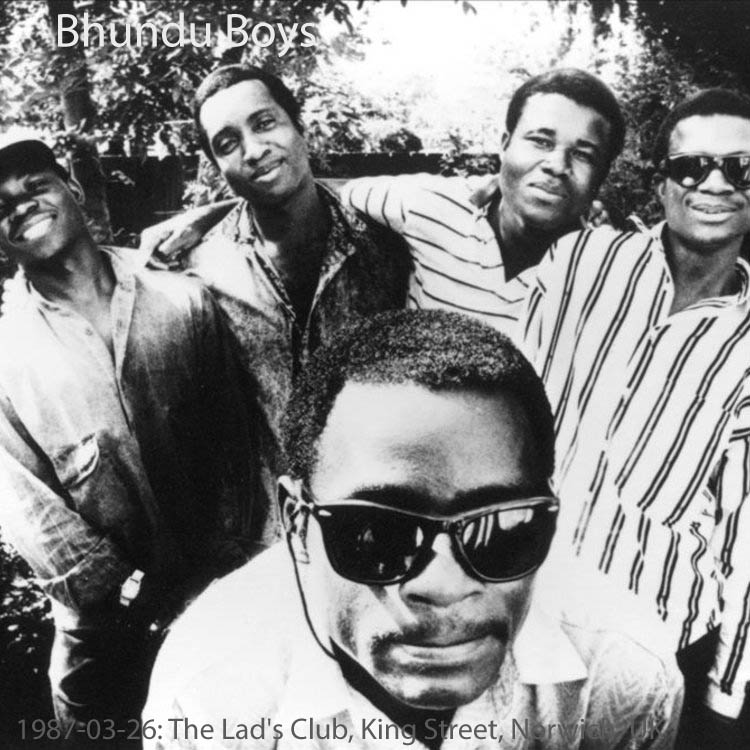
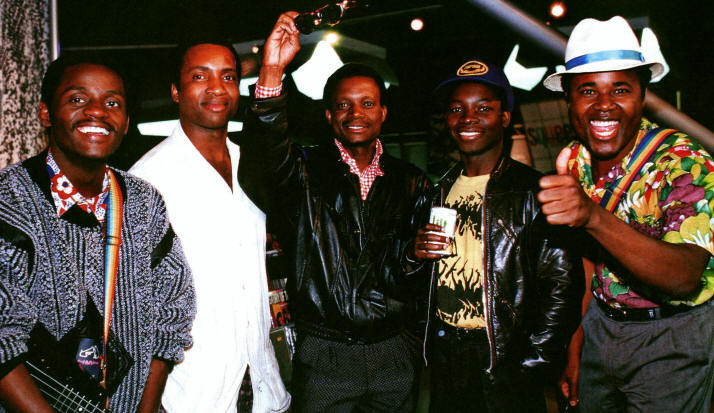
Bhundu Boys
Harare, June 1986. A group of five young Zimbabweans arrives at Gatwick with only their toiletry bags. Not a single instrument. Manager Gordon Muir sends them to buy equipment while they board a slow train for Glasgow. Ten seconds after the first chord, the audience discovers that these unknowns have been playing non-stop for three hours. This marks the beginning of a meteoric rise, followed by an equally rapid fall.
In Brief
| Band Name | The Bhundu Boys |
| Formation | April 1980, Harare (Zimbabwe) |
| Dissolution | 2000 |
| Genre(s) | Jit, chimurenga, afro-pop |
| Founder | Rise Kagona (guitar, vocals) |
| Founding Members | Biggie Tembo (vocals, guitar), Kenny Chitsvatsva (drums), David Mankaba (bass), Shakespeare “Shakie” Kangwena (keyboards) |
| Notable Albums | Shabini, True Jit, Pamberi |
Key Dates
| Year | Event |
|---|---|
| 1980 | Band founded by Rise Kagona in Harare |
| 1981-1984 | Four number 1 hits in Zimbabwe |
| 1985 | Launch of EP on Discafrique label (London) |
| 1986 | First trip to the UK, release of Shabini |
| 1987 | Opening act for Madonna at Wembley, Warner Bros. contract signed |
| 1988 | Release of True Jit, disappointing album on WEA |
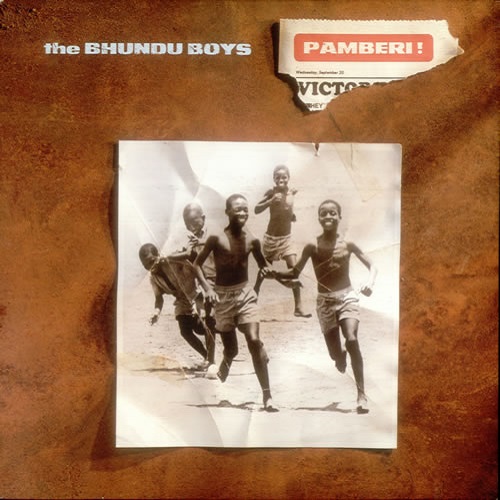
| 1989 | Release of Pamberi; Biggie Tembo leaves the band |
| 1991-1993 | Death of three members from AIDS: Mankaba, Munyama, Kangwena |
| 1995 | Suicide of Biggie Tembo in a psychiatric hospital in Harare |
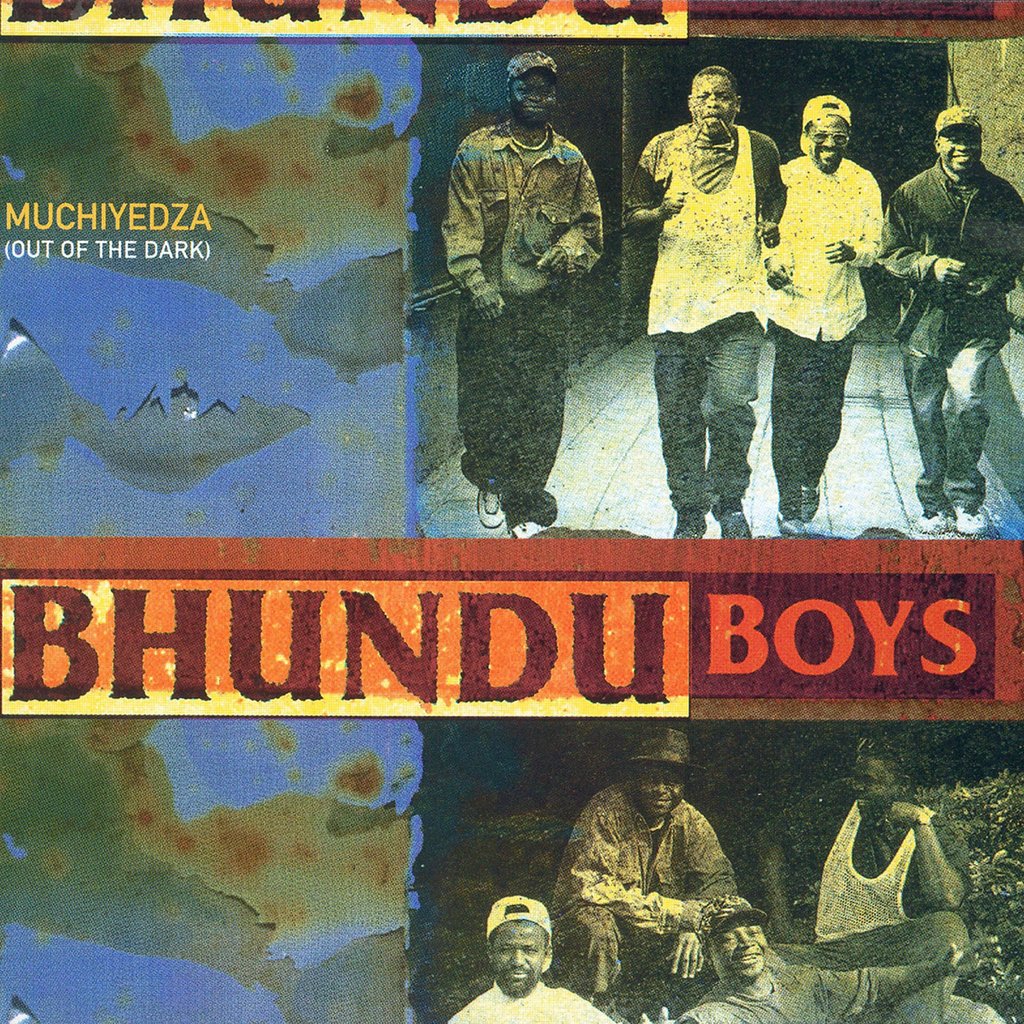
| 1997 | Release of Muchiyedza (Out of the Dark), tribute to departed members |
| 2000 | Band dissolution |
A Story of Guitar, Courage, and Fall
Rise Kagona, guitarist, grew up listening to the Beatles, the Stones, and Hendrix. When Robert Mugabe came to power in 1980, traditional African music, previously banned under the Rhodesian regime, returned to the radio. Kagona met Biggie Tembo, an overflowing vocalist, and together they mutated the Wild Dragons into the Bhundu Boys. The name refers to the young guerrillas who aided nationalist fighters during the liberation war of the 1970s.
To survive, the Bhundu Boys played in township taverns from 7 PM to 4 AM. “In Zimbabwe, if you play for only one-and-a-half hours, people will stone you to death” (translated from English), explains Kagona with his characteristic stoicism. It was here that they forged their style: the jit — a rhythmic Zimbabwean dance based on interlocking guitars, pulsating basslines, and call-and-response vocals — which they mixed with American rock, disco, and pop influences.
In 1982, producer Steve Roskilly recorded them at his Shed Studios in Harare. Their first single, “Hatisitose”, reached number 1 for three months. Between 1981 and 1984, they released four national hits, including “Baba Munini Francis” and “Wenhamo Haaneti”, on Roskilly’s Rugare label.
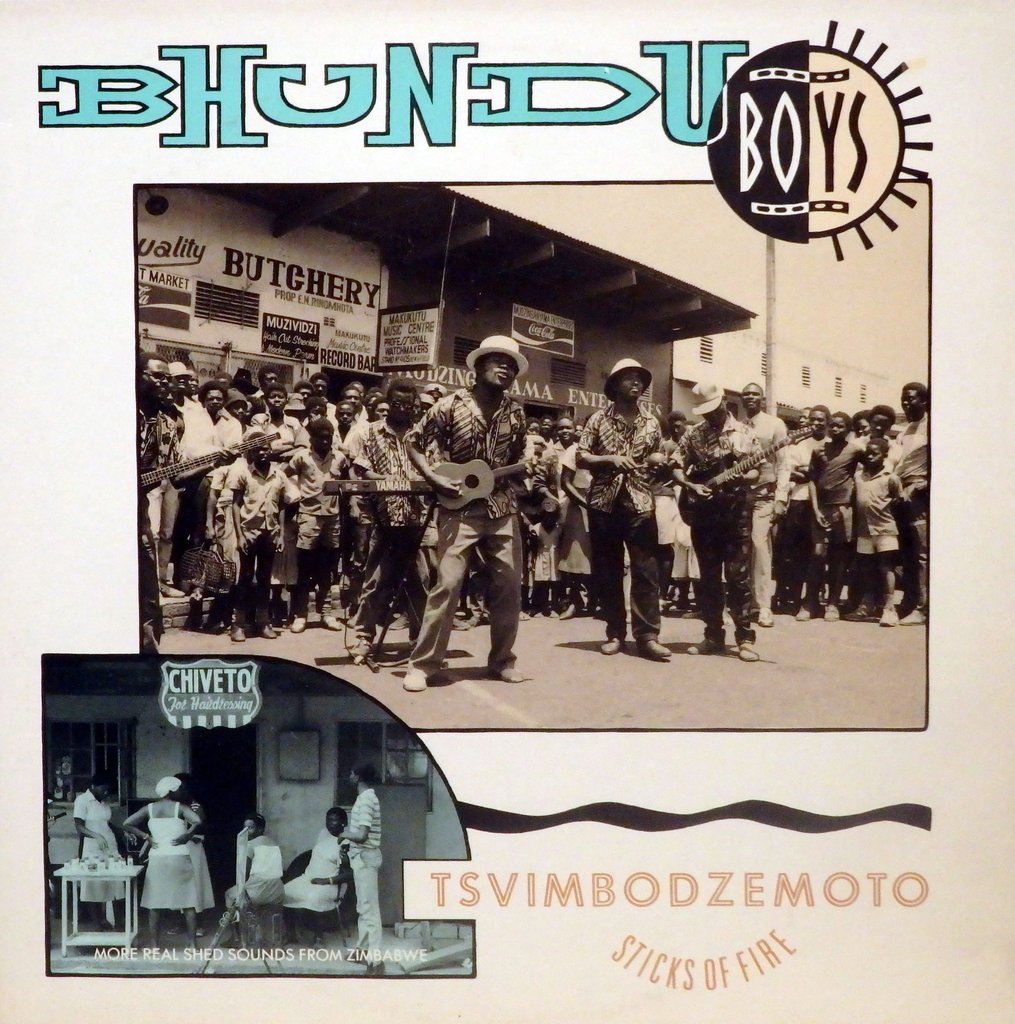
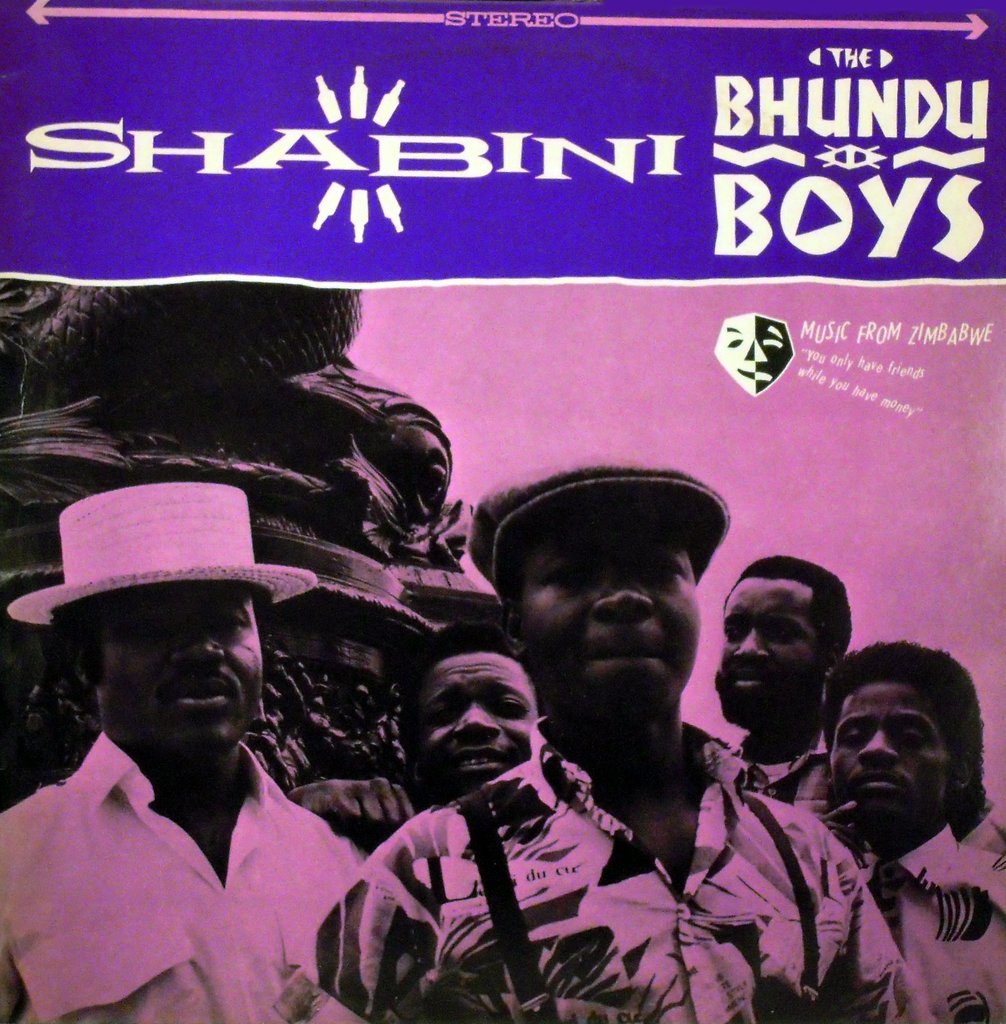
Owen Elias and Doug Veitch, founders of the small London label Discafrique, traveled to Harare in 1985. Encouraged by Roskilly, they signed an EP that attracted British radio stations. John Peel and Andy Kershaw, two BBC Radio 1 presenters, played the tracks incessantly. The albums Shabini (1986) and Tsvimbodzemoto (1987) became hits on the British indie circuit.
In May 1986, the Bhundu Boys landed at Gatwick and experienced a brutal cultural shock. “When we lived in Hawick, we were the only five black people in the whole town” (translated from English), recalls Kagona. “Children would cry! Old ladies would shout.” The band lived crammed in Gordon Muir’s basement, sharing two small rooms and undertaking an intensive tour of provincial clubs. This fierce work ethic made them unique in the eyes of the British public: few foreign bands accepted such effort.
Recognition exploded rapidly. In 1987, Madonna herself asked the band to be her opening act at Wembley Stadium, in front of 240,000 spectators, on her own initiative. Muir negotiated a contract with Warner Bros. — one of the most lucrative deals ever signed by a “world music” band at the time, with an advance of 80,000 pounds.
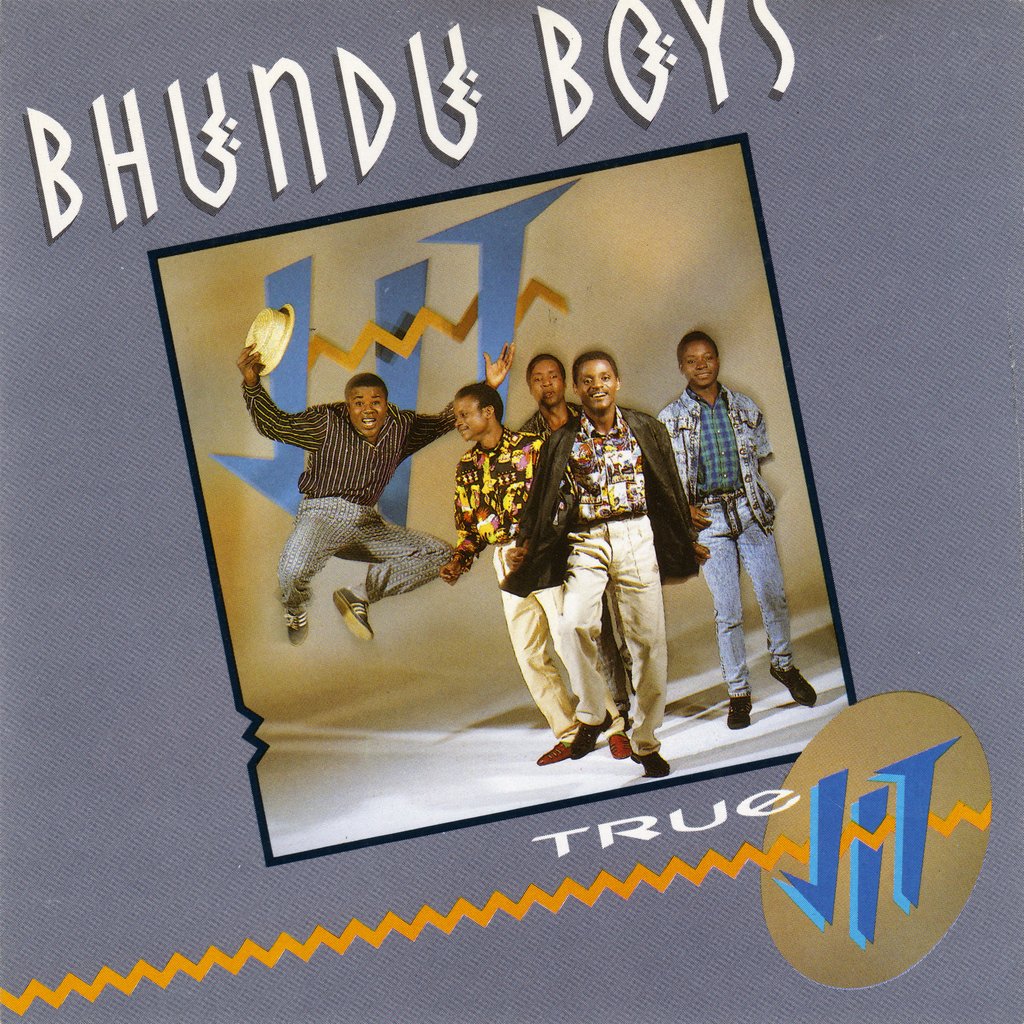
But the English contract broke the band. True Jit (1988), produced by Robin Millar of Sade, was too over-produced, too Westernized, with songs in English like “African Woman” and “Happy Birthday”. “They were already very commercial” (translated from English), said Doug Veitch: “You’ve got a product that is hugely popular and you think, ‘Right, we’ll change it completely.’ People liked it being sung in Shona. They didn’t want brass sections and ‘Come on, let’s join hands’ and all that rubbish.” (translated from English). The second album, Pamberi (1989), was a relative improvement but did not compensate, and Warner Bros. terminated the contract.
Internal tensions erupted. Biggie Tembo wanted more of his own songs and considered a solo career. “He became mentally sick” (translated from English), said Kagona. At Harare airport, a dispute escalated: Tembo was asked to leave the band in 1990.
The band survived without him, but their moment had ended. Between 1991 and 1993, three members died of AIDS — bassist David Mankaba (1991), vocalist Shepherd Munyama (1992), and keyboardist Shakespeare Kangwena (1993). During this period, nearly 40% of the Zimbabwean population was seropositive.
Tembo attempted a solo comeback, sank into depression, and hanged himself in a psychiatric hospital in Harare on July 29, 1995, at the age of 37. Kagona tried to maintain the band with a new line-up. “We’re a live band, we make our living on the road” (translated from English), said Kagona: “The guys needed something in their pockets, they got frustrated and left.” The album Muchiyedza (Out of the Dark) (1997) pays tribute to the departed members. Bassist Washington Kavhai was prosecuted for violence in the UK. The band dissolved in 2000.
Major Works
| Work | Year | Why It’s Essential |
|---|---|---|
| Shabini | 1986 | First international recording, pure jit, songs in Shona |
| True Jit | 1988 | First Warner album, commercial failure but testimony to the shock |
| Muchiyedza (Out of the Dark) | 1997 | Last significant album, tribute to members lost to AIDS |
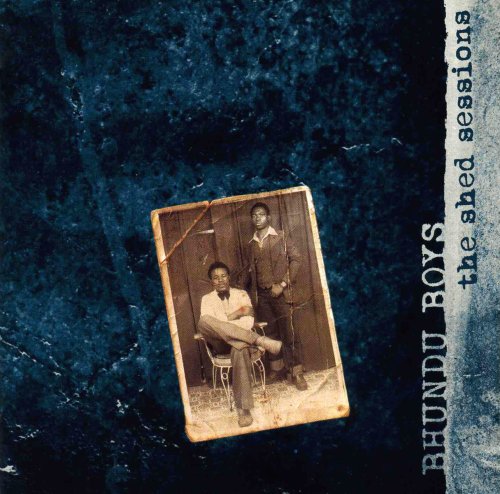
| The Shed Sessions | 2001 | Posthumous compilation, the complete recordings from Zimbabwe |
Legacy and Influence
The jit of the Bhundu Boys became a major reference in British world music of the 80s. DJ Andy Kershaw described them as « the single most natural, effortless, catchy pop band I’ve ever heard » (translated from English). John Peel cried when he saw them live for the first time. The group influenced more recent African formations like Nehoreka and Mokoomba. Rise Kagona, the only survivor of the original line-up, continues to teach jit in Scotland. The Shed Sessions still sell on Spotify, preserving the music of Harare taverns.
Sources and References
- « Bhundu Boys », Wikipedia, https://en.wikipedia.org/wiki/Bhundu_Boys, accessed November 10, 2026.
- « The Bhundu Boys — Biography », AllMusic, https://www.allmusic.com/artist/the-bhundu-boys-mn0000062949, accessed November 10, 2026.
- Graeme Thomson, « Jinxed: The Curse of The Bhundu Boys », The Guardian, September 17, 2006, https://www.theguardian.com/music/2006/sep/17/worldmusic1, accessed November 10, 2026.
- « Bhundu Boys Discography », Discogs, https://www.discogs.com/artist/176528-Bhundu-Boys, accessed November 10, 2026.
- « Pick Of The Week - Bhundu Boys (Zimbabwe) », Music of Africa (Substack), https://musicofafrica.substack.com/p/pick-of-the-week-bhundu-boys-zimbabwe, accessed November 10, 2026.