Biography
Boubacar Traoré
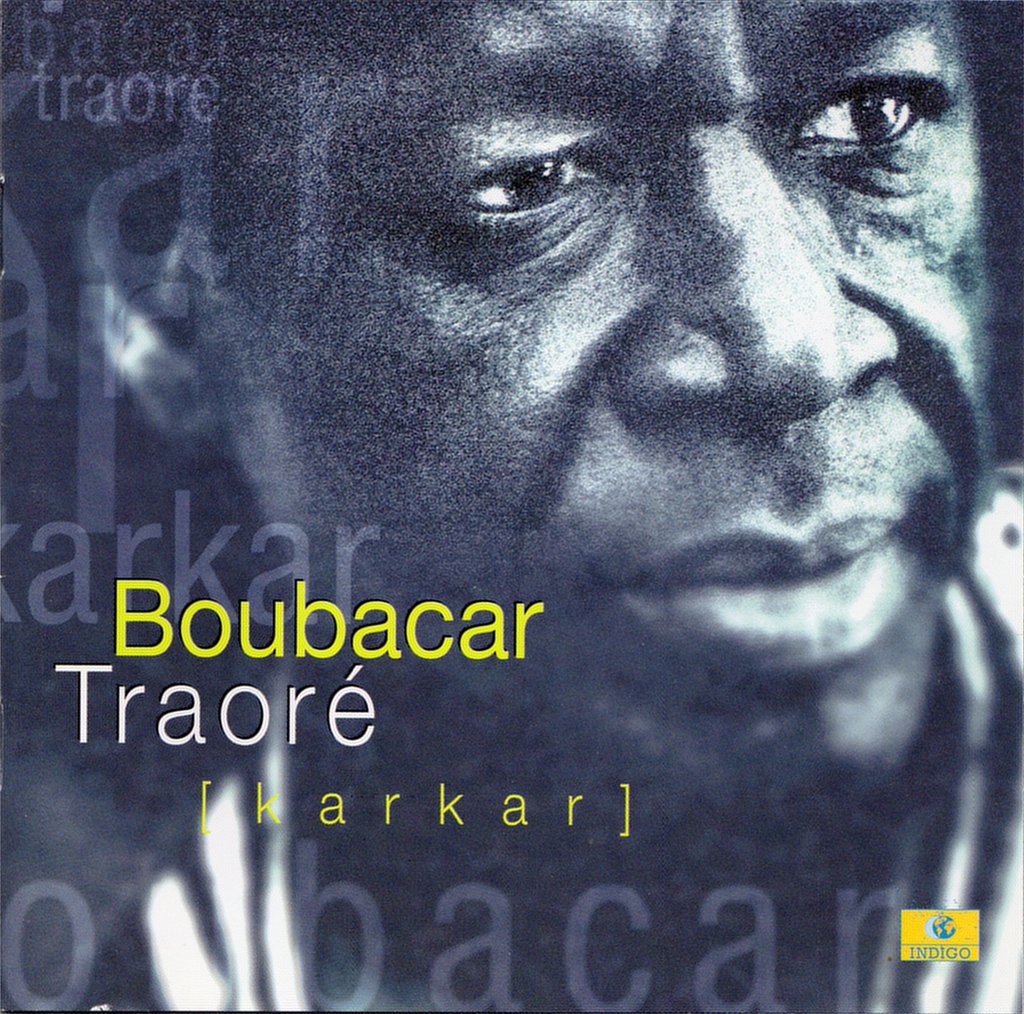
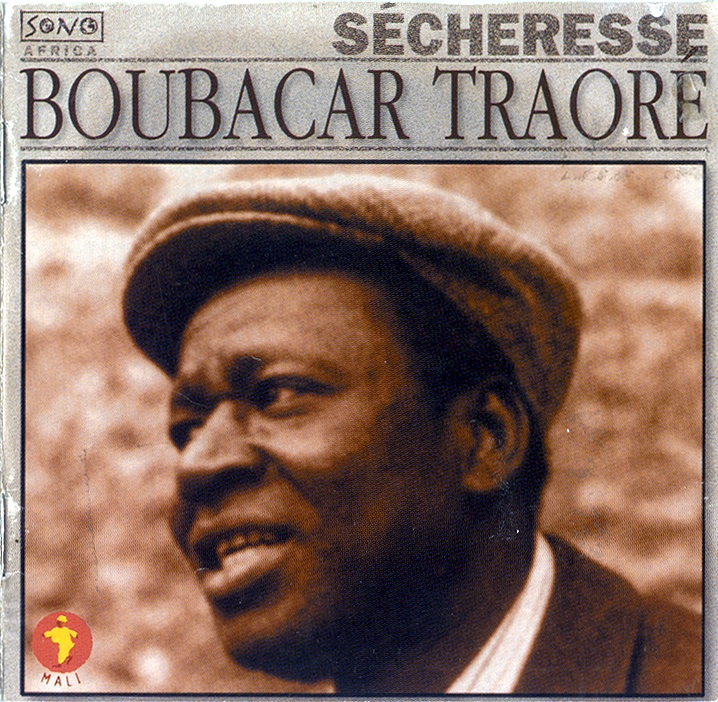
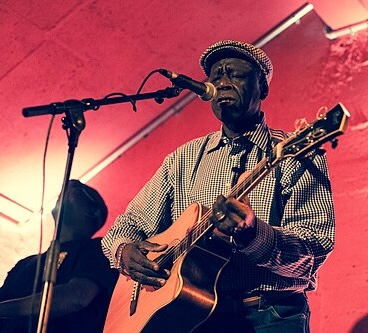
It is a deep voice, worn by the years but laden with infinite tenderness, that in 1963 carried the dreams of an independent nation. Boubacar Traoré, nicknamed “Kar Kar” — the dribbler — was a self-taught guitarist playing like a kora1. He became the voice of Mali, then vanished from the airwaves for twenty years before being resurrected.
In brief
| Name | Boubacar Traoré |
| Nickname | “Kar Kar” (“the dribbler”) |
| Birth | 1942, Kayes, Mali |
| Nationality | Malian |
| Instrument | Guitar |
| Genres | West African blues, Mandingue music |
| Iconic works | “Mariama”, “Sa Golo”, “Dounia Tabolo” |
| Labels | Stern’s, Marabi, Lusafrica, Wrasse Records |
Key dates
| Year | Event |
|---|---|
| 1942 | Birth in Kayes (west of Mali) |
| 1950s | Discovers the guitar in secret |
| 1963 | Eight songs on the radio; star of independent Mali |
| 1968 | Disappears from the airwaves after the coup d’état |
| 1987 | Surprise reappearance on television |
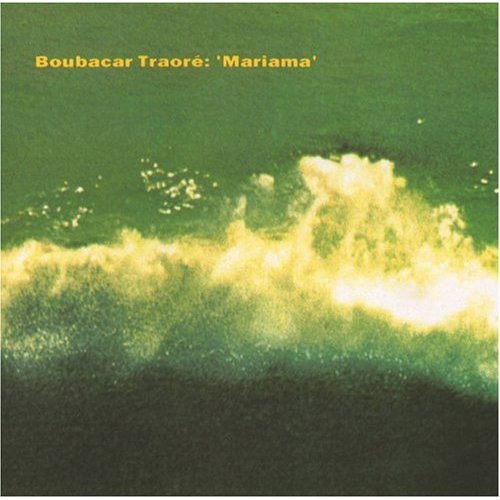
| 1990 | First album, “Mariama” (Stern’s) |
| 1999 | “Maciré” in Rolling Stone’s Top 50 |
| 2017 | “Dounia Tabolo” recorded in Louisiana |
Career
Boubacar Traoré was born in 1942 in Kayes, a mining town in western Mali, from a peasant family. From childhood, football captivated him, and his dribbling talent earned him the nickname “Kar Kar” in Bambara. Music arrived through another door: his older brother brought a guitar from Cuba. Young Boubacar seized it in secret and practiced with two fingers, in the tradition of the kora. His influences blend American blues and kassonké2.
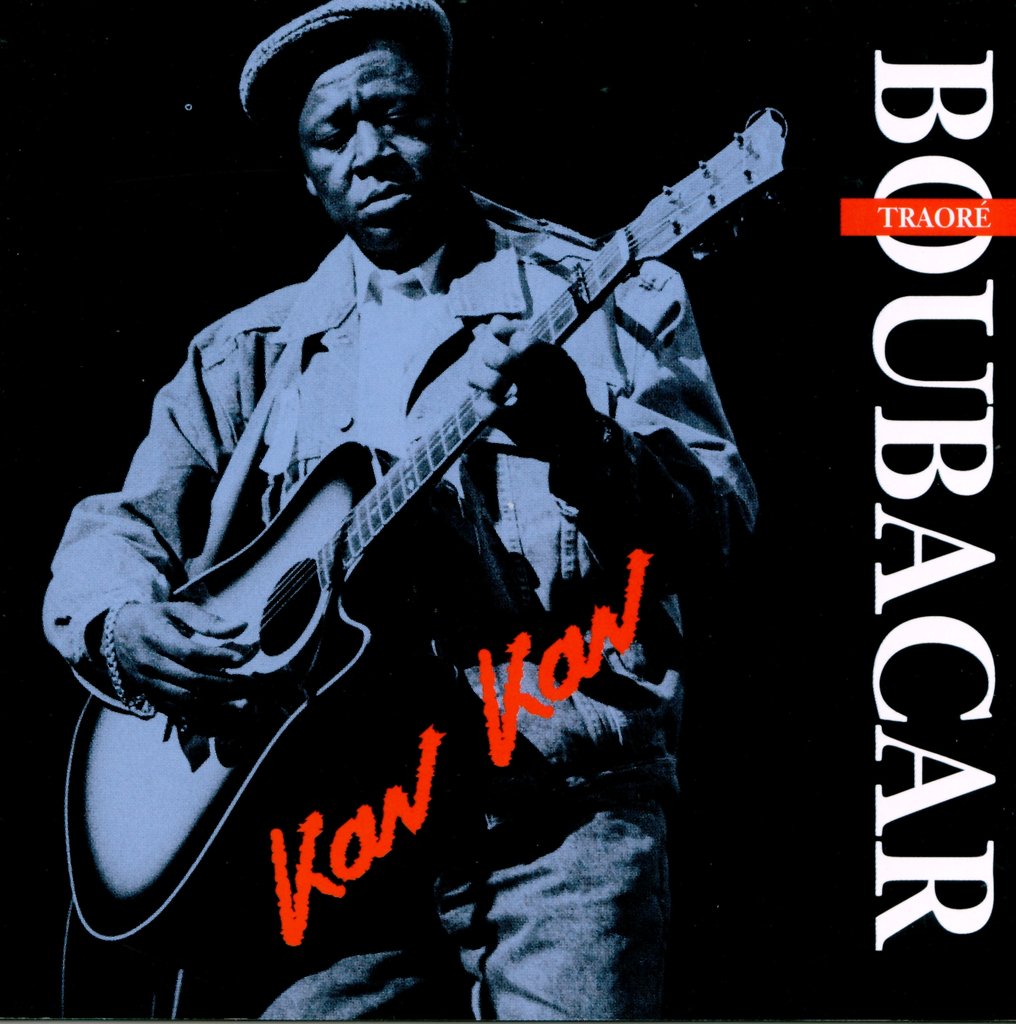
At the beginning of the 1960s, Mali conquers its independence3. The atmosphere is electric. Boubacar joins the Kayes Regional Orchestra then Bamako. In 1963, the Malian radio records eight songs. He becomes a national phenomenon. On stage, he wears a black leather jacket.
On November 19, 1968, President Modibo Keïta is overthrown1. Boubacar Traoré, artist of the deposed regime, is banned from the airwaves. He returns to Kayes, cultivating the land. Malian television rediscovers him in 1987. In 1989, his wife Pierrette dies in childbirth. Boubacar emigrates to France. “One can be a king at home, but when one is a migrant, one is no one.”
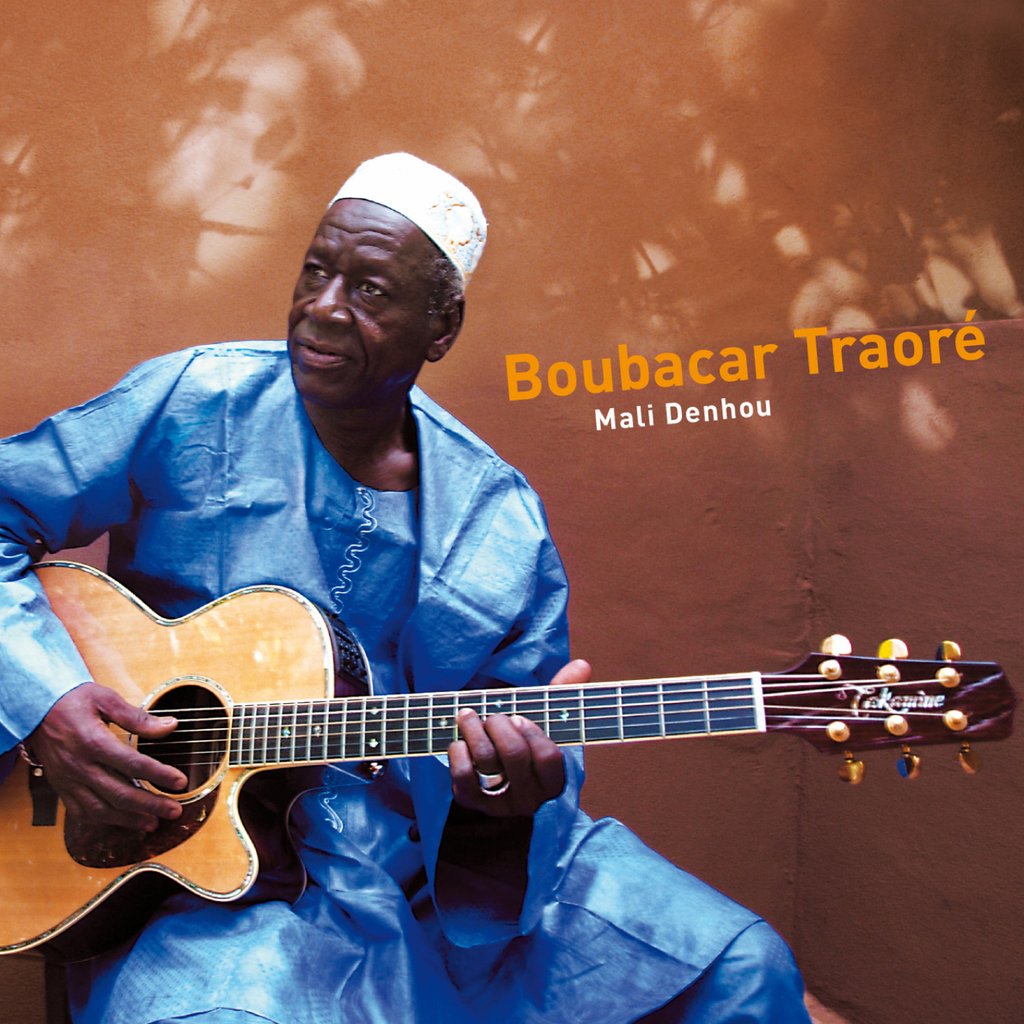
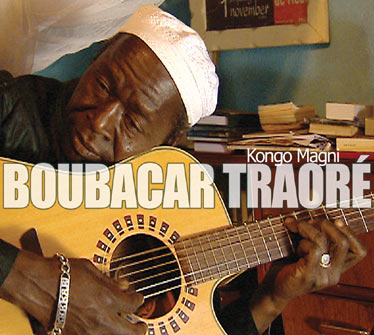
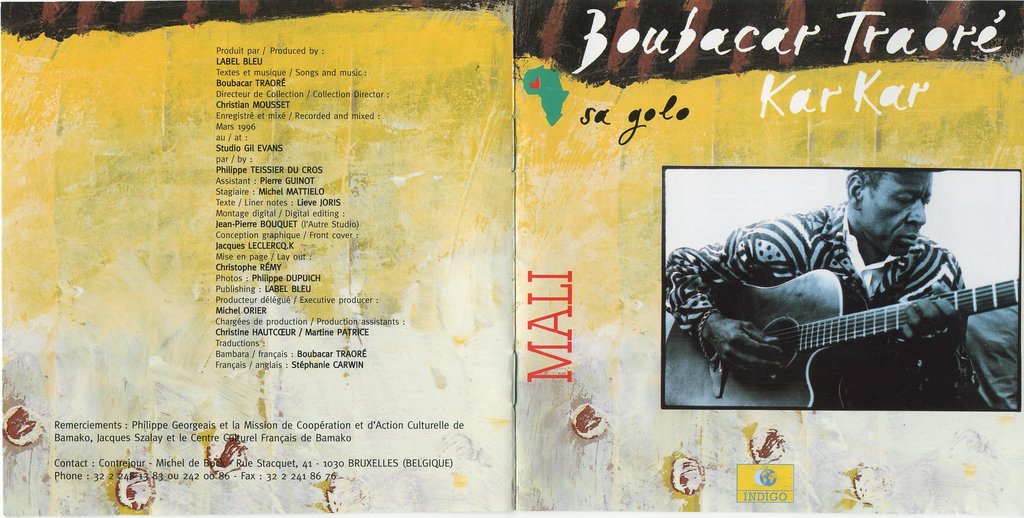
It is in Montreuil, in a shelter, that an English producer4 discovers him. “Mariama” is released in 1990. Back in Mali, he splits his time between Bamako and tours. His style refines. “Sa Golo” (1996) is praised by Télérama. “Maciré” (1999) dedicated to his brother. “Kongo Magni” (2005) produced by Christian Mousset. “Mali Denhou” (2011) at Studio Moffou. “Dounia Tabolo” (2017) in Louisiana.
Major works
| Work | Year | Why it is essential |
|---|---|---|
| “Mariama” | 1990 | First album, recorded in London; sober and melancholic blues |
| “Sa Golo” | 1996 | Songs of love and culture; praised as “radiant” by Télérama |
| “Maciré” | 1999 | Dedicated to his brother; named Rolling Stone Top 50 |
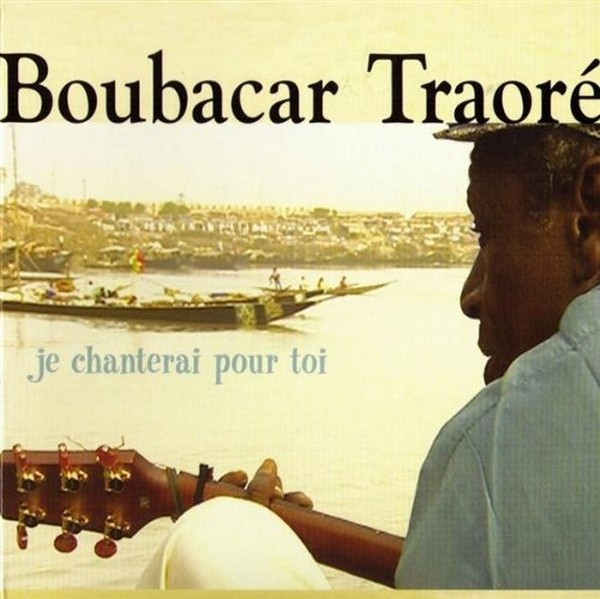
| “Je chanterai pour toi” | 2003 | Soundtrack for Jacques Sarasin’s film |
| “Kongo Magni” | 2005 | Produced by Christian Mousset; broadcast on World Village |
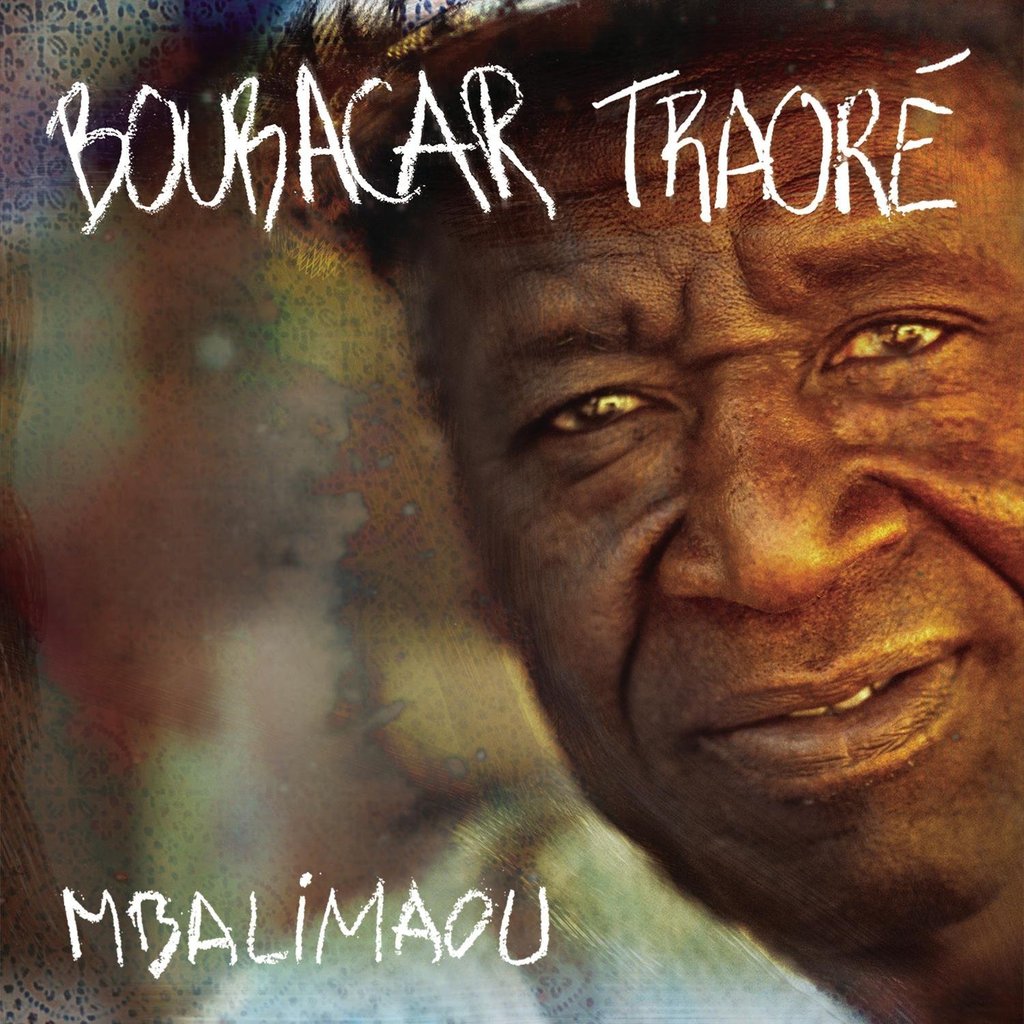
| “Mbalimaou” | 2015 | Recorded in Bamako with Ballaké Sissoko on kora |
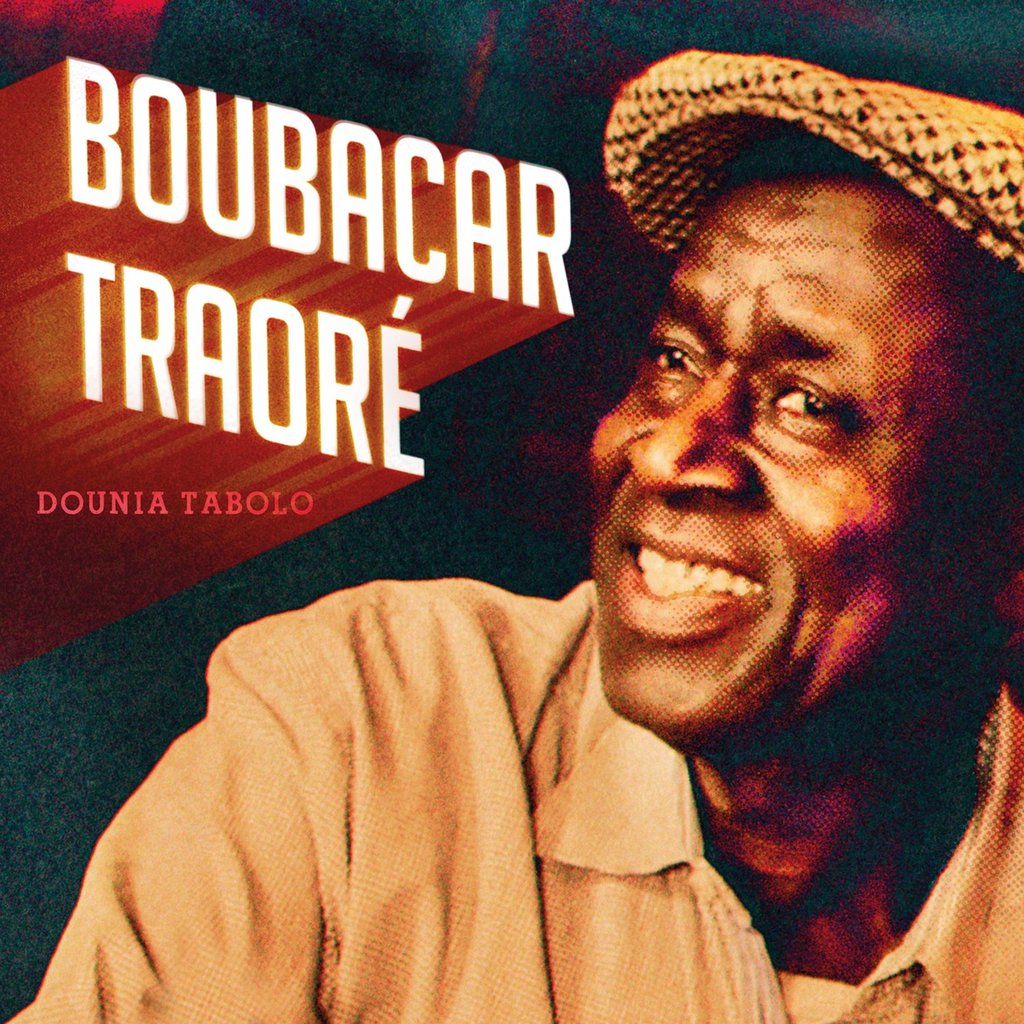
| “Dounia Tabolo” | 2017 | Mali-Louisiana crossover with Corey Harris and Cédric Watson |
Legacy
Boubacar Traoré is one of the founding fathers of modern Mandingue music3. Since the 1960s, he was the first to play Mandingue music on electric guitar, long before Ali Farka Touré. His life — superstar, forgotten, rediscovered, reinvented —.
Young Malian generations rediscover him3. Kar Kar is no longer just a legend: he is a bridge between the Niger and the Mississippi. When he returns from a tour, he goes back to his vegetable plot in Bamako.
Sources and references
-
Lieve Joris, Mali Blues: Traveling to an African Beat, Lonely Planet Publications, 1998. ↩︎ ↩︎
-
Encyclopedia.com, Contemporary Musicians, accessed November 1, 2026. ↩︎
-
Lusafrica, lusafrica.com/en/our-artists/boubacar-traore/, accessed November 1, 2026. ↩︎ ↩︎ ↩︎
-
Christian Mousset, Festival Musiques Métisses d’Angoulême, producer of Kongo Magni and Mali Denhou. ↩︎