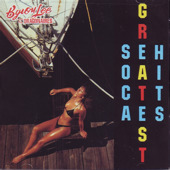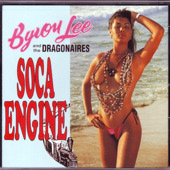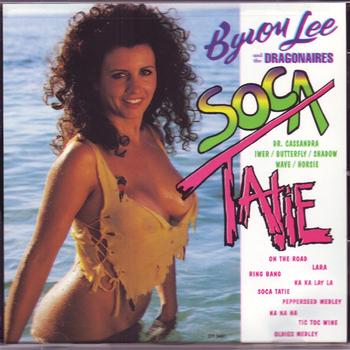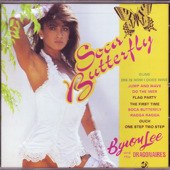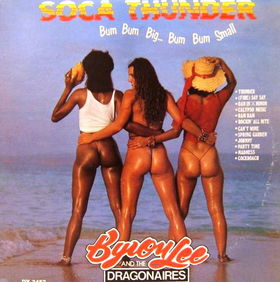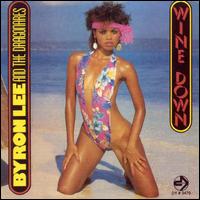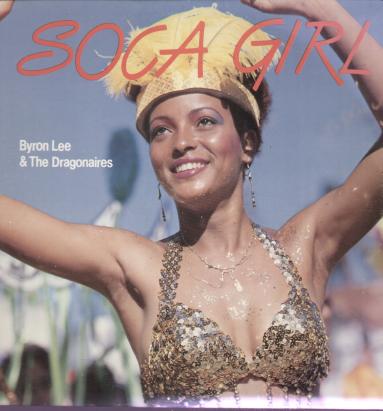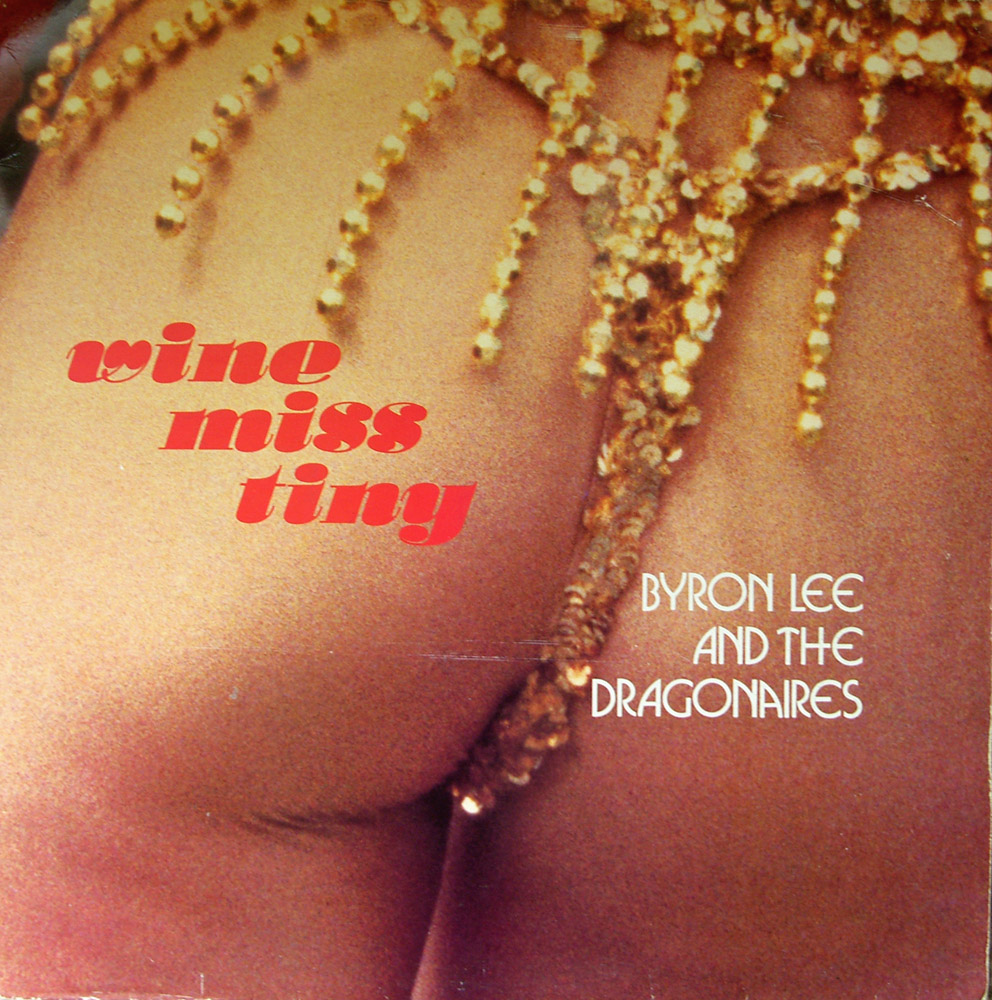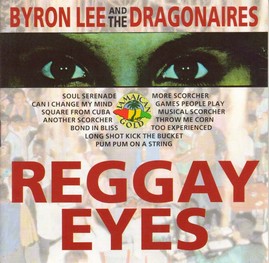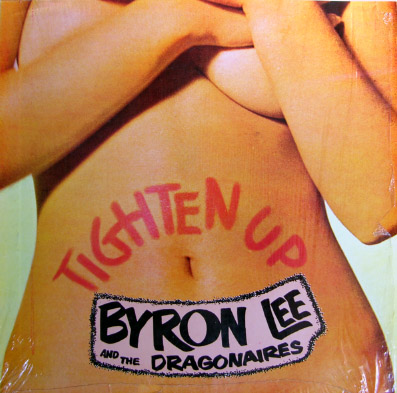
Biography
Byron Lee & The Dragonaires
In 1963, at Tivoli Gardens, Byron Lee played ska — this music born in the ghettos of Kingston — before thousands of spectators from the uptown neighborhoods. It was the first major concert to mix uptown and downtown, a crazy gamble that marked the official birth of Jamaican ska. Six years later, he transformed a ruined studio into the most powerful recording hall in the Caribbean.
In brief
| Full name | Byron Aloysius St. Elmo Lee |
| Birth | 27 June 1935, Christiana, Jamaica |
| Death | 4 November 2008, Kingston |
| Field | Jamaican music – ska, rocksteady, reggae, calypso, soca |
| Iconic works | Dumplin’s, Dance the Ska, Tiny Winey, Jamaica Carnival |
| Honors | Order of Distinction (1982), Order of Jamaica (2008) |
Key dates
| Year | Event |
|---|---|
| 1935 | Birth in Christiana, family of Chinese and black Jamaican origins |
| ~1950 | Creation of the Dragonaires after St George’s College football team |
| 1956 | Group professionalization on the hotel circuit |
| 1959 | “Dumplin’s”, first single produced by Seaga; first electric bass in the Caribbean |
| 1962 | Appearance in Dr. No, first James Bond film |
| 1964 | Ska delegation at the World Festival in New York |
| 1968 | Creation of Dynamic Sounds |
| 1990 | Launch of the Jamaica Carnival |
| 2008 | Order of Jamaica awarded at his bedside; death on 4 November |
Musical journey: from origins to international soca
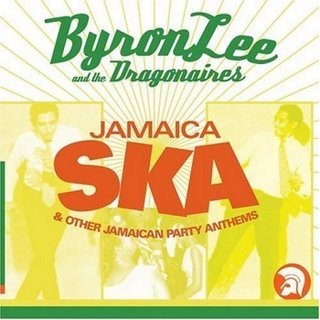
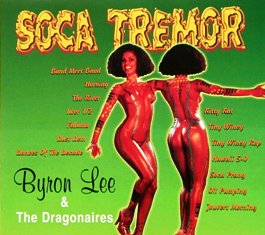
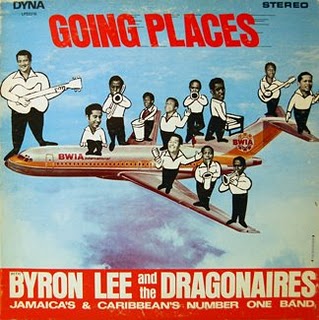
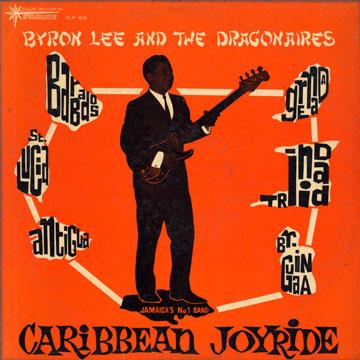
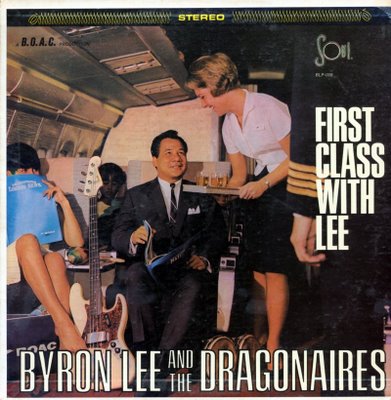
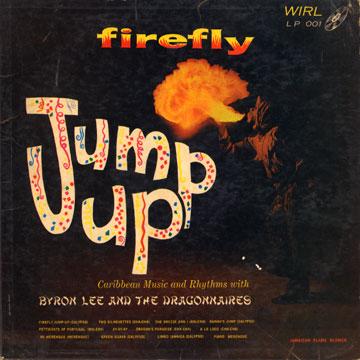
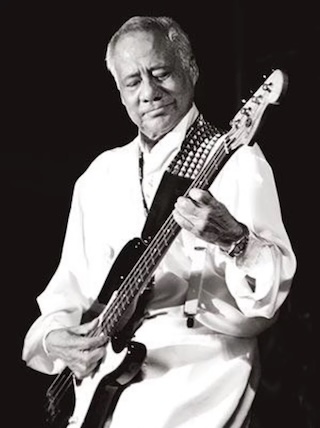
Born in Christiana in the parish of Manchester, Byron Lee grew up in a family where East and the Caribbean crossed paths: his father Oscar, from Kowloon, was a language teacher; his mother Evelyn Chung, born to a Chinese father and a black Jamaican mother, ran a boarding house. The family settled in Kingston when Byron was eight years old. His musical vocation began at a convent school in Mandeville, where a nun taught him piano with the sole purpose of keeping young girls away. Football took precedence: selected for the national team, he joined St George’s College, the elite of Jamaican education. It was there that he founded, around 1950, the Dragonaires with classmates. The group was named after the school’s football jersey, which depicted Saint George slaying a dragon. At first, they played mento — a popular Jamaican music style — and celebrated sports victories in the college common room. After three years without touching an instrument, Byron Lee resigned from his job at Geddes Grant to dedicate his life to music, a bold move. He invested his savings in a Fender Precision Bass bought in the United States and became probably the first Caribbean musician to play electric bass. This decision, made out of pragmatism, eventually transformed the sound of Jamaican music as a whole. In 1956, the Dragonaires toured the hotel circuit. Edward Seaga, future Prime Minister, produced “Dumplin’s”, the first single to reach number one. Seaga introduced Lee to ska, a mix of American R&B and calypso that exploded in the ghettos of Kingston. Lee organized concerts in the heart of popular neighborhoods, opening ska to an uptown audience that had never been invited: because Byron Lee plays it, it’s acceptable, he summarized later. In 1962, the Dragonaires appeared in Dr. No, the first James Bond film, shot in Kingston. The following year, Seaga sent the Jamaican delegation to the World Festival in New York. Back in Kingston, Lee bought the WIRL studio, devastated by a fire, and renamed it Dynamic Sounds in 1968. The hall became within a few years one of the most advanced facilities in the Caribbean: Bob Marley, Toots and the Maytals, Paul Simon, and the Rolling Stones came to record there. When rocksteady replaced ska in the mid-1960s, the Dragonaires followed the wave. Lee refused to remain confined to a single style: at the beginning of the 1970s, he integrated Trinidadian calypso and began playing at the Port of Spain carnival, declaring himself to have been “the midwife of ska”. In 1979, the group dedicated itself almost entirely to calypso and soca. Hits followed one another: Tiny Winey (1984), Nani Wine (1989). In 1990, Lee founded the Jamaica Carnival, an annual street parade that gathered hundreds of thousands of people and broke down the wall between social classes in Kingston. An event he baptized “the happiest moment of my life”. Struck by cancer in 2007, he continued to manage the Dragonaires and the festival before passing away on 4 November 2008.
Major works
| Work | Year | Why it’s essential |
|---|---|---|
| “Dumplin’s” | 1959 | First single; introduced electric sound in Jamaica |
| Dance the Ska | 1964 | First ska album; pioneer of the genre on the international market |
| Rock Steady Beat | 1967 | Return to rocksteady with first-class arrangements |
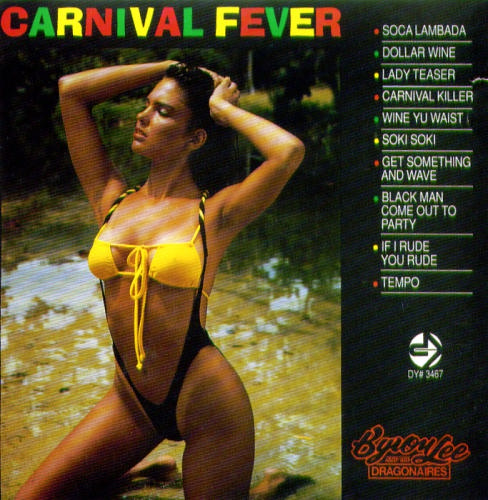
| Tiny Winey | 1984 | Massive hit with Montserratian singer Hero; consecrated the soca era |
Legacy and influence
Byron Lee & The Dragonaires shaped Caribbean music by taking ska from the ghettos to uptown halls, transforming WIRL into Dynamic Sounds, and introducing calypso to Kingston and soca to Jamaicans. Dynamic Sounds remains one of Jamaica’s main studios, and the Jamaica Carnival endures. The Dragonaires continue to tour under the name The Dragonaires.
Sources and references
- « Byron Lee and the Dragonaires », Wikipedia, https://en.wikipedia.org/wiki/Byron_Lee_and_the_Dragonaires, accessed 20 October 2025.
- « Byron Lee », The Guardian, https://www.theguardian.com/music/2008/dec/12/2, accessed 20 October 2025.
- « Byron Lee », Wikipedia, https://en.wikipedia.org/wiki/Byron_Lee, accessed 20 October 2025.
- “Byron Lee: Soca Dragon”, Caribbean Beat Magazine, https://www.caribbean-beat.com/issue-30/byron-lee-soca-dragon, accessed 20 October 2025.
- “Byron Lee: from Ska to Soca”, Caribbean Beat Magazine, https://www.caribbean-beat.com/issue-96/byron-lee-ska-soca, accessed 20 October 2025.
- “Byron Lee & the Dragonaires — Biography”, AllMusic, https://www.allmusic.com/artist/byron-lee-the-dragonaires-mn0000527698, accessed 20 October 2025.
- “Byron Lee: musical pioneer”, Jamaica Observer, https://www.jamaicaobserver.com/2017/07/26/byron-lee-musical-pioneer/, accessed 20 October 2025.
- “Order of Distinction archives”, Government of Jamaica, https://web.archive.org/web/20080911154818/http://www.jis.gov.jm/special_sections/Independence/Honours%20%20Awards1.pdf, accessed 20 October 2025.