Biography
Ce’Cile
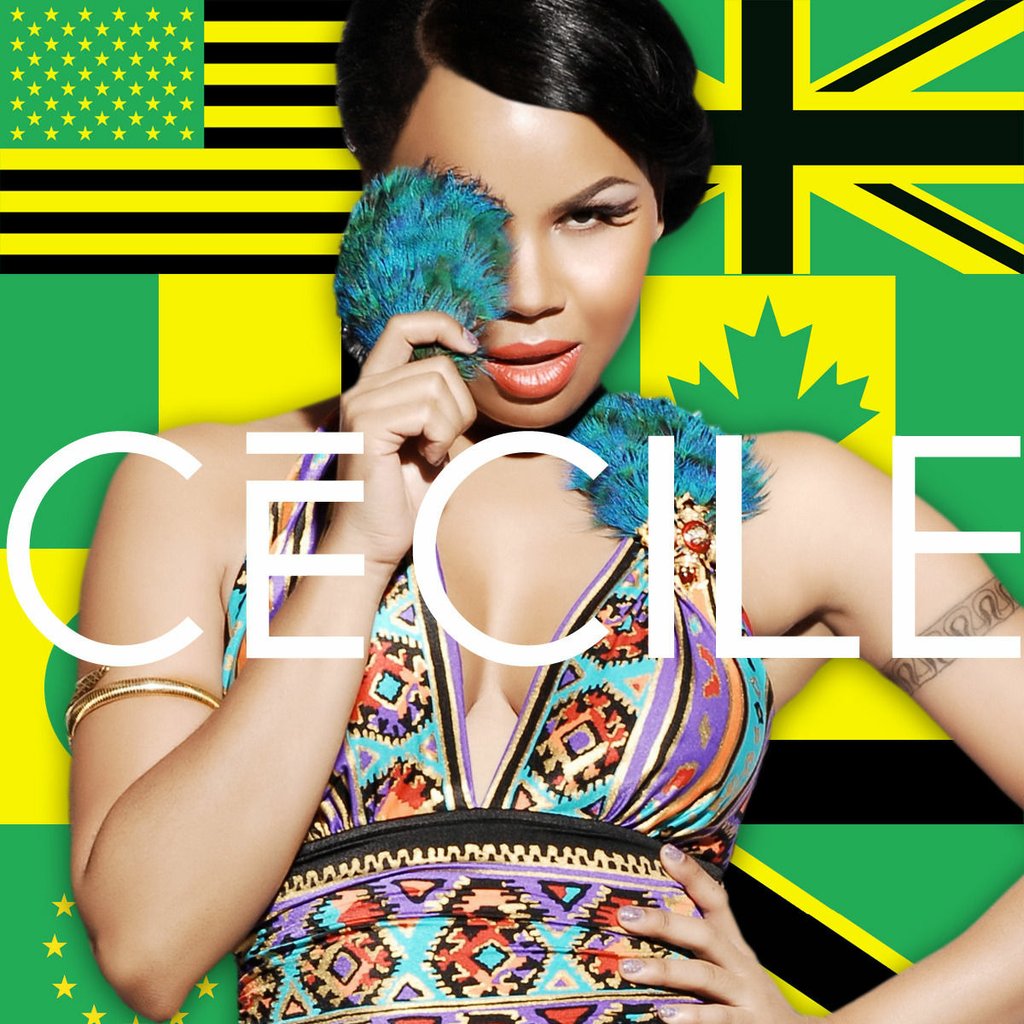
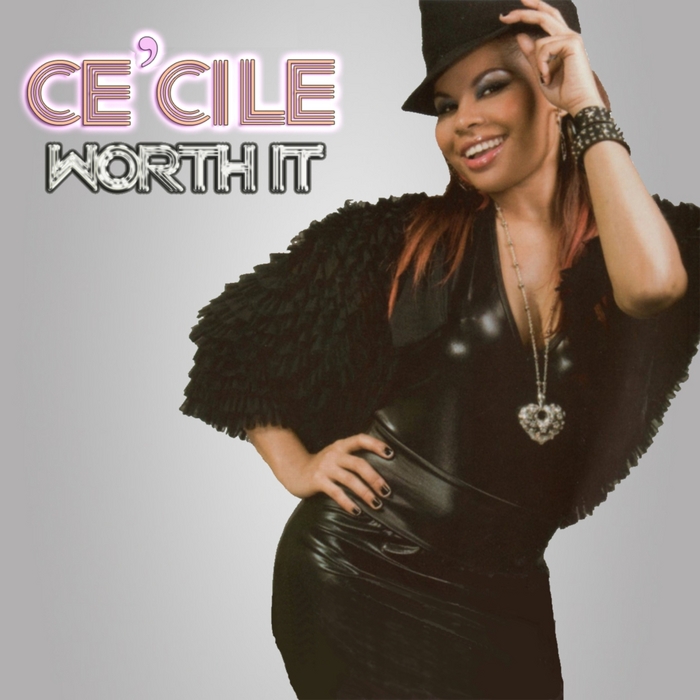
In 2001, while dancehall was an exclusively male and testosterone-driven world, a young woman from Mandeville released a single that mocked the biggest men in the genre. Changes — a joke aimed at the biggest names in the genre, but one that hit hard — made her the unexpected spokesperson for Jamaican women. Seventeen years later, she continues to sing her way: bold, uncompromising, and tirelessly Jamaican.
In brief
| Full name | Cecile Claudine Charlton, known as Ce’Cile |
| Birth | February 24, 1974, Mandeville, Jamaica |
| Field | Singer, songwriter — dancehall, reggae-pop |
| Notable works | “Can You Do the Work” (feat. Sean Paul), Bad Gyal, “Gold Dust” |
| Awards | Album Bad Gyal discussed in Playboy Germany, triple platinum BPI (“Gold Dust”) |
Key dates
| Year | Event |
|---|---|
| 1974 | Birth in Mandeville, in an influential family — her grandfather was mayor of the town |
| 1989/90 | First recordings at age 15; Beat of My Heart produced by Michael Ibo Cooper (Third World) |
| 1995 | Discovered by Steven Ventura, signed to Celestial Sound Records and discovered production |
| 2001 | Changes: her first solo hit, and “Can You Do the Work” as a duo with Sean Paul |
| 2004 | Signed with Delicious Vinyl (delayed album) and breakthroughs in Europe with Stanton Warriors |
| 2008 | First album Bad Gyal; article in Playboy Germany, large-format photos |
| 2009 | Waiting, crossover album with Danger Zone / SoBe Entertainment in the United States |
| 2011 | Jamaicanization, more pop album with Kingstone Records produced by Ben Bazzazian |
| 2014 | Still Running, return to dancehall roots with DJ Tomee |
From Mandeville to the studio: the singjay who disrupts
Ce’Cile grew up in Porus and Mile Gully, in the mountainous region of Mandeville. Her grandfather was mayor of the town — a lineage of influence that doesn’t explain everything, but that gave her a protective framework. Her discovery of music came through her father, and more specifically through Michael “Ibo” Cooper of the group Third World. The latter produced her first song, Beat of My Heart, but the public remained indifferent.
Instead of giving up, she trained behind the scenes. In 1995, producer Steven Ventura noticed her and signed her to Celestial Sound in Kingston. “It was the best decision I ever made,” she said in 2004 in The Guardian. “I met everyone necessary on the professional level and I learned to produce records. I always wanted to be independent, but first I had to know how to do it.”
There, she refined her unique style: the singjay, a blend of honeyed singing and rapid-fire delivery (the traditional chatting or toasting of dancehall). She drew inspiration from Tanya Stephens, Lady Saw, and Chevelle Franklin — these women who sounded more street, as she explains. After leaving the studio, she became a backing vocalist for Spanner Banner, Norris Man, and Jah Mason.
But it was in 2001 that she truly exploded. With Changes, she mocked the biggest names in dancehall — not with virulence, but with such subtle humor that the video spread like wildfire. “It was to make people laugh,” she told The Guardian. “Women appreciated it because we laugh more at these pranks than men with their big egos.” The single was also a manifesto: she posed the sexual question — then taboo in Jamaica — with frankness, and took a stand against the genre’s homophobia. “If men are homophobic, they are also homophobic toward me,” she declared, without hiding it.
From dancehall to the international market: the crossover
The same year, 2001, her collaboration with Sean Paul on “Can You Do the Work” appeared on her album Dutty Rock — which would become double platinum in the United States and win a Grammy. The title became a club standard, propelling Ce’Cile onto European stages alongside Sean Paul — Wembley Stadium first, and the pre-party for the MTV Europe Music Awards.
Her career progressed at a rapid pace. In 2003, she signed with Delicious Vinyl Records but never released an album under that label. In Europe, she made a name for herself with electro collaborations: “Hot Like We” with DJ Tomee, and the appearance in the hit Gold Dust by DJ Fresh, Doctor P, and Shy FX — the latter reaching 24th place on the UK Singles Chart and selling over 1.8 million copies, earning her a triple platinum award from the BPI.
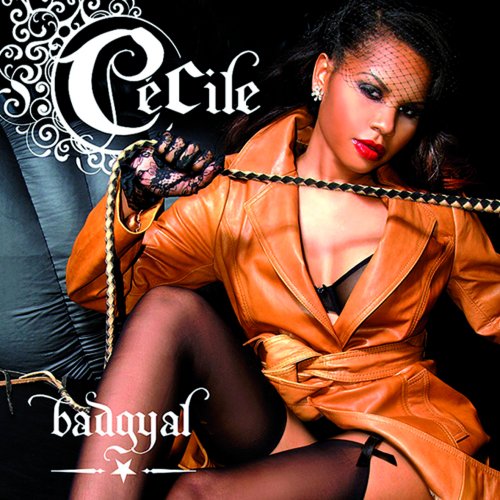
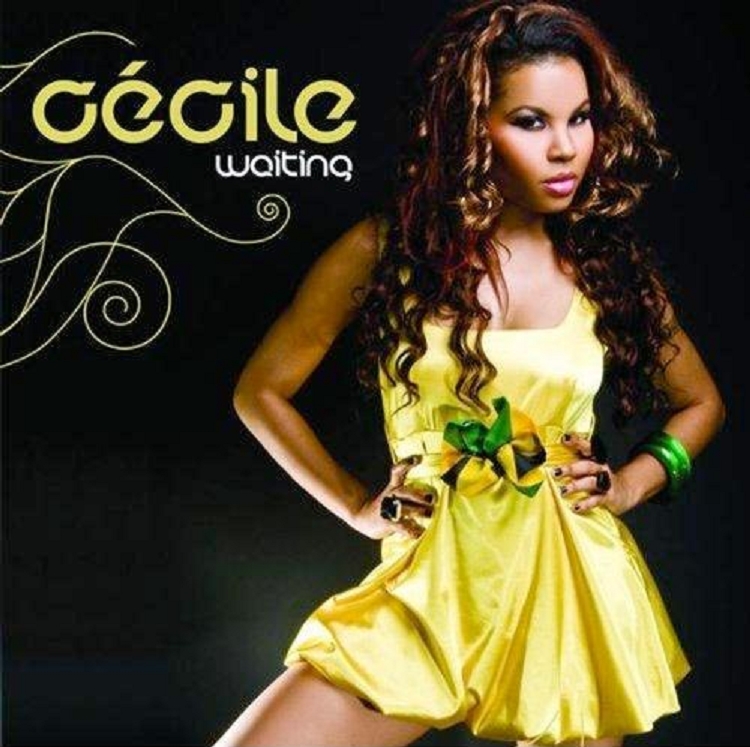
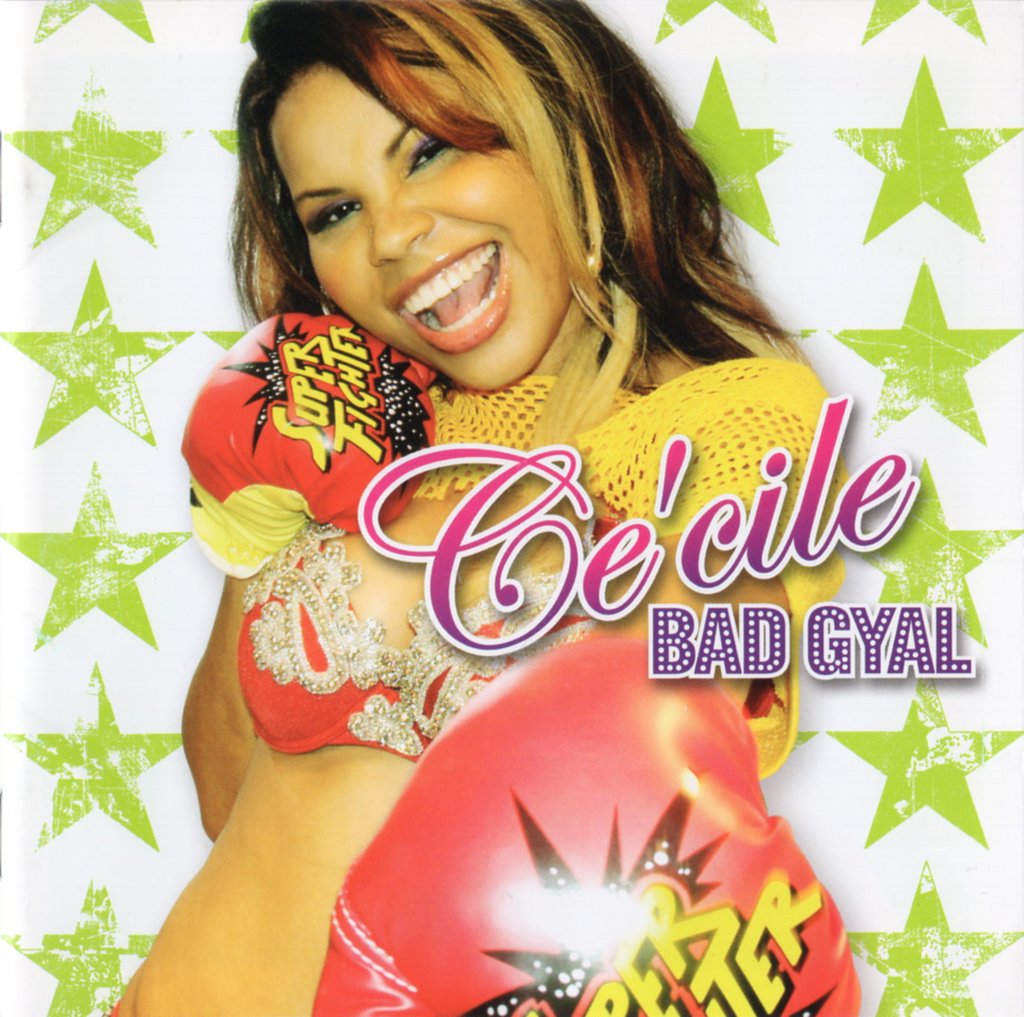
Her first solo album, Bad Gyal, was released in 2008 on Kingstone Records. First dancehall album ever discussed in Playboy Germany — she appears in large-format photos next to the article, but not as a Playmate. In 2009 came Waiting, a crossover album distributed in the United States by Danger Zone/SoBe Entertainment. She followed up with Jamaicanization (2011), more pop-radio and produced by Ben Bazzazian, then Still Running (2014), a darker album alongside DJ Tomee.
Major works
| Work | Year | Why it’s essential |
|---|---|---|
| Changes (Ce’Cile solo) | 2001 | First solo hit; she mocks dancehall men with sharp humor |
| “Can You Do the Work” feat. Sean Paul | 2001 | Title from Dutty Rock, double platinum US and Grammy — saw her explode on the world stage |
| “Gold Dust” (DJ Fresh feat. Ce’Cile) | 2011 | Triple platinum BPI (1.8 million copies), 24th UK Singles Chart |
| Bad Gyal (album) | 2008 | First solo album; discussed in Playboy Germany, first dancehall to be the subject of an article |
| Waiting (album) | 2009 | US crossover album, Danger Zone/SoBe Entertainment; her second long format |
| Jamaicanization (album) | 2011 | More pop, produced by Ben Bazzazian; collaborations with Agent Sasco and Shaggy |
Heritage and influence
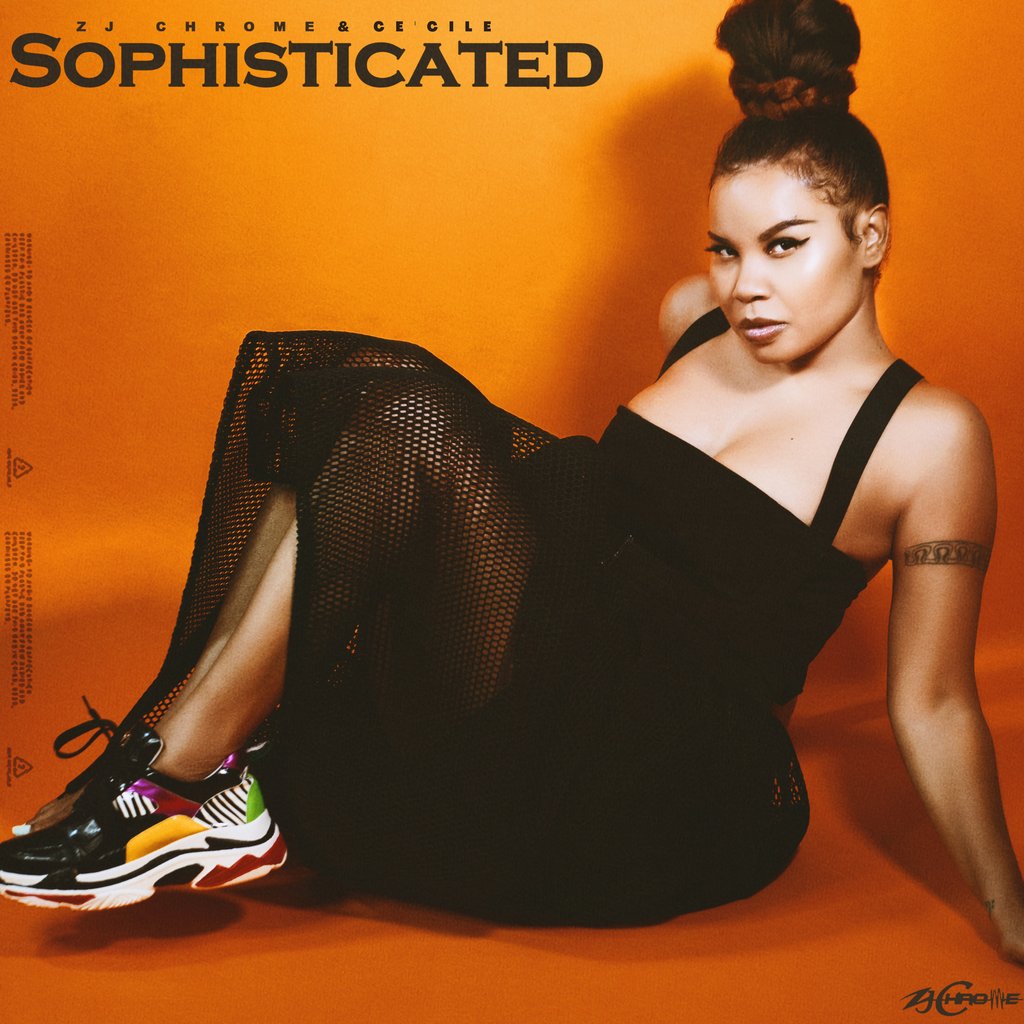
Ce’Cile remains one of the few dancehall women to hold her own on the international stage without ever conforming to the genre’s traditional codes. Her singjay voice — a blend of honeyed vocals and fast riddim — has become the benchmark for successors. She also proved that it was possible to sing female sexuality aloud in Jamaica while staying “classy,” as she likes to say. Still active today — her recent releases include Sophisticated (2021) and new collabs with German producers — she continues to be invited to European and Caribbean stages, equally comfortable before 30,000 spectators or 3,000.
Sources and references
- « Dancehall queen », The Guardian, https://www.theguardian.com/stage/2004/jan/12/dance, interview by Dave Stelfox, 12 January 2004.
- « Biography: Ce’Cile », Reggaeville, https://reggaeville.com/artist-details/cecile/about.
- « Ce’cile - Jamaicanization », United Reggae, http://unitedreggae.com/articles/n767/100711/cecile-jamaicanization.
- « Ce’cile », Wikipedia EN, https://en.wikipedia.org/wiki/Ce%27cile.
- « Ce’cile — Biography », AllMusic, https://www.allmusic.com/artist/cecile-mn0000741083.
- « Ce’cile », Apple Music, https://music.apple.com/us/artist/16572703.