Biography
Daniel Lemma
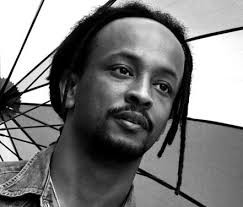
In 2001, in the dark halls of Jalla ! Jalla !, more than half a million Swedish audiences heard this warmly deep voice slide “If I used to love you” like a secular prayer. It is not an elder from the Delta but a 30-year-old man, born in Addis-Abeba and adopted by a family from Scania: Daniel Lemma. Thirty years and eleven albums later, he continues to embroider soul, blues, and gospel with the patience of a craftsman.
In brief
| Full name | Daniel Lemma Eriksson (born Eriksson, adopted the Ethiopian name Lemma in 1995) |
| Birth | October 12, 1970, Addis-Abeba (Ethiopia) |
| Field | Soul, roots blues, gospel, reggae — film music |
| Signature works | Morning Train, “If I used to love you”, Addis |
| Awards | Sten A. Olsson Cultural Prize (2024), Grammis nomination 2002 |
Key dates
| Year | Event |
|---|---|
| 1970 | Birth in Addis-Abeba, adoption by a Swedish family from Nyhamnsläge (Scania) |
| 1983 | Starts playing drums at age 13; discovers Bob Marley, the record that speaks to him |
| 1987-1995 | First bands → Göteborg; studies theology at the local university |
| 1995-1998 | New York period: records an album for Pallas Records, never released due to a dispute |
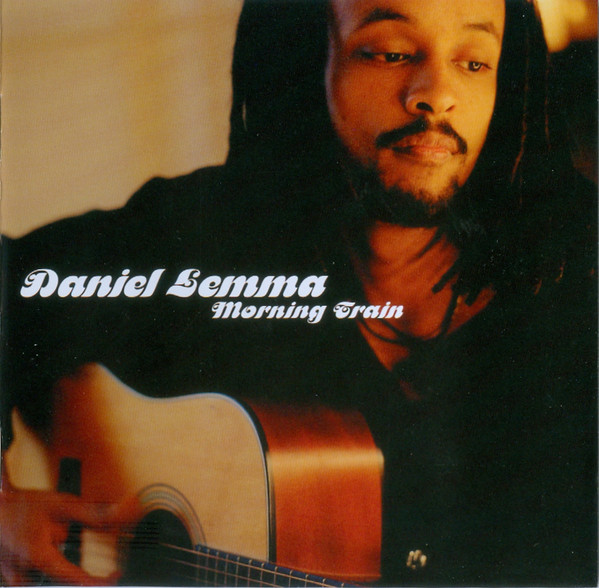
| 2000-2001 | Genbreak: film music for Jalla! Jalla!; “If I used to love you” #6 Sweden, album Morning Train gold (#3) |
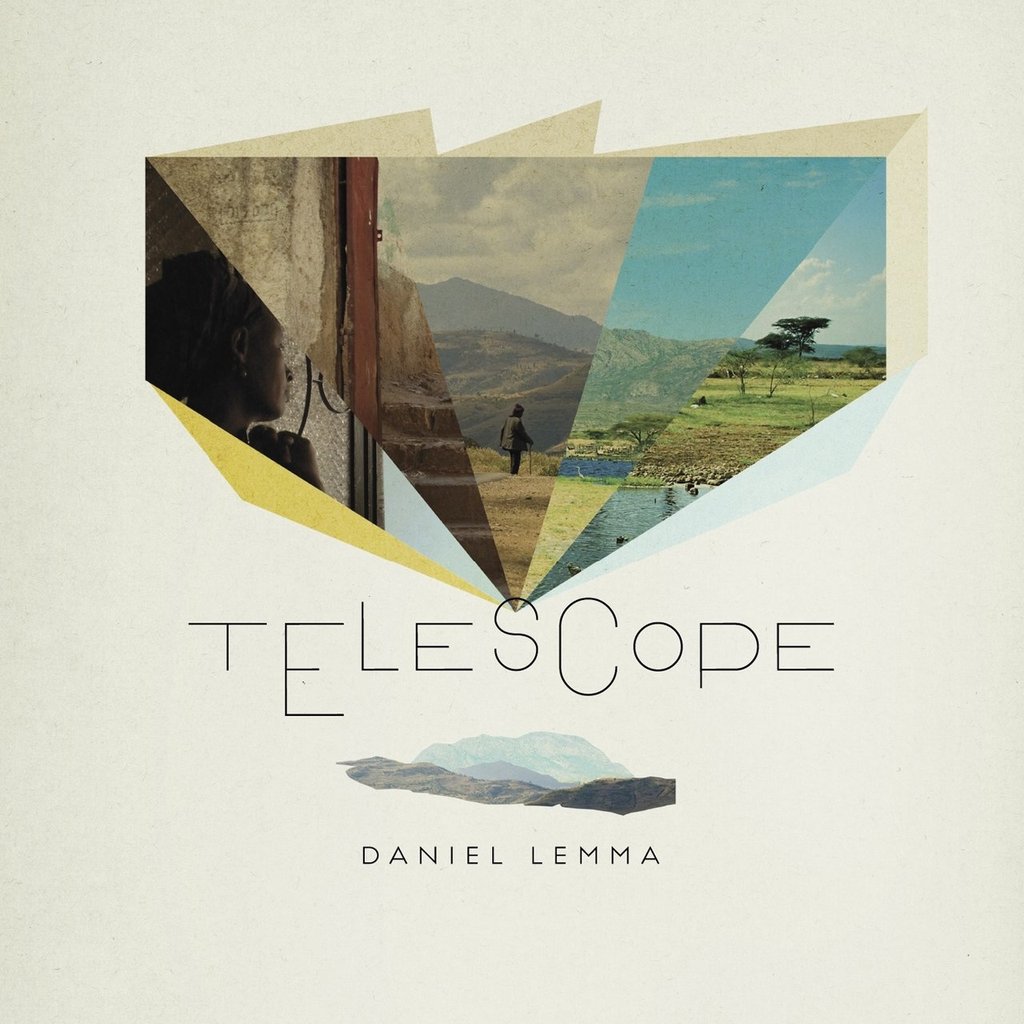
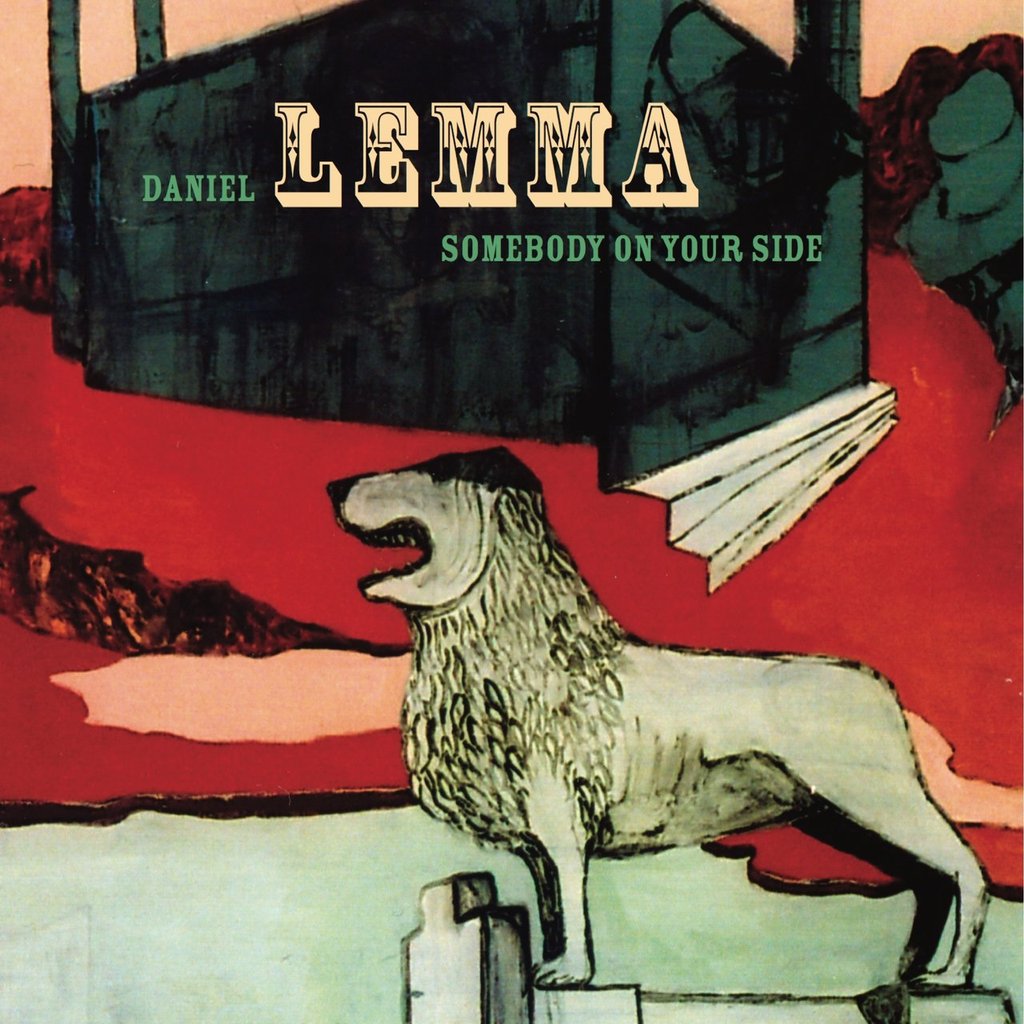
| 2007-2012 | Albums on own label Dextra Music: Somebody on Your Side (2007), Rebound (2009), Telescope (2012) |
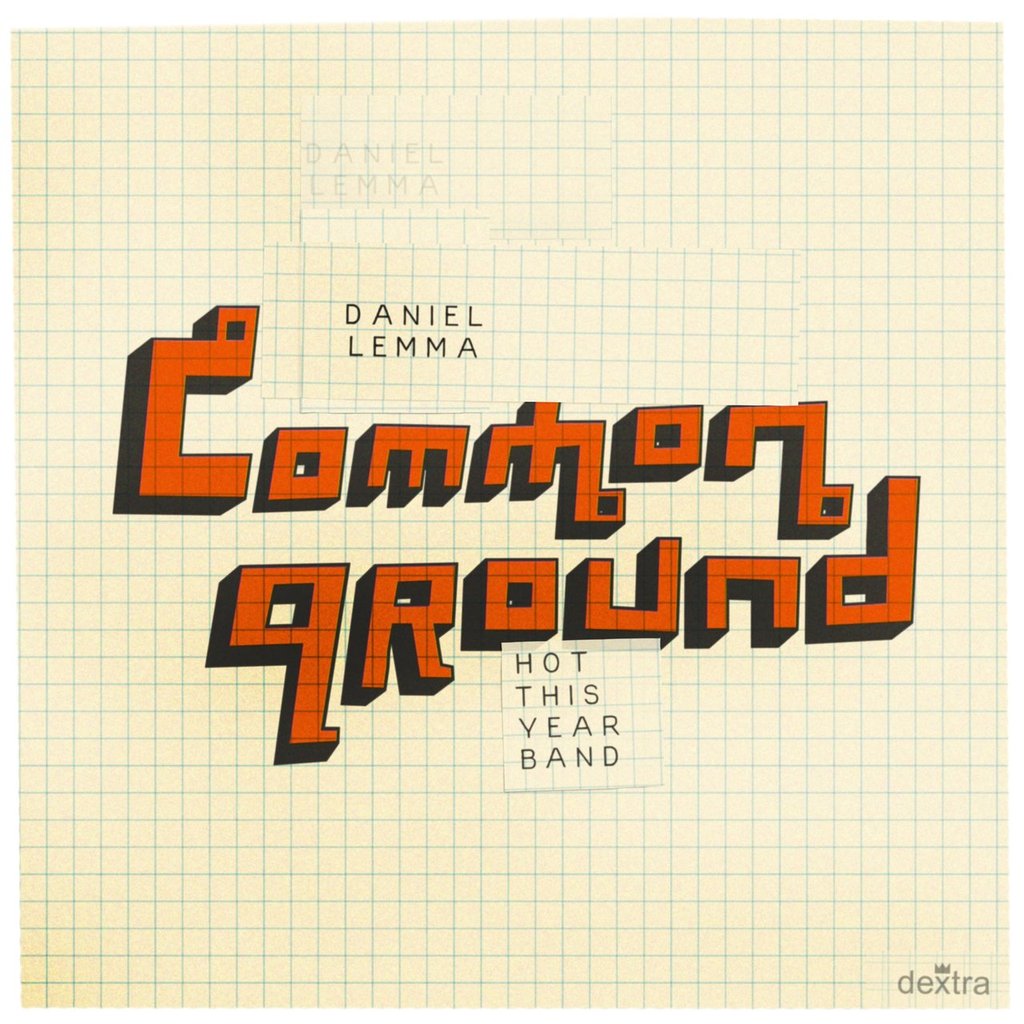
| 2016-2019 | Reggae with Hot This Year Band: Common Ground (2016), Punch of Love (2019) |
| 2023-2024 | Addis (Ethiopian musicians in Addis-Abeba), Sten A. Olsson prize |
Origins, revelation and rediscovered roots
Daniel Lemma Eriksson was born in Addis-Abeba on October 12, 1970. Adopted by a Swedish couple, he grew up in the coastal village of Nyhamnsläge, in southern Scania. In adolescence, he discovered Bob Marley live and found in music a bridge between two irreconcilable worlds. After high school, he moved to Göteborg to play, studied theology and launched into the bands Mo Blues then Mo Funk. His idol is Lead Belly as much as Chuck Berry. In the mid-1990s, he went to New York to record an album for Pallas Records — never released due to a legal dispute, but which forged in him that patience and groove that would determine his entire career.
Return to Sweden: in 2000, director Josef Fares entrusted him with the music for Jalla! Jalla! and it was a cultural earthquake. The film became the biggest national success, Daniel Lemma appeared in cameos. The title song — “If I used to love you” — far exceeded the film’s framework: #6 on the charts, gold disc in twenty weeks, Grammis 2002 nomination. “I was really surprised when it worked so well,” he said. Refusing media acceleration, he recorded three albums with Warner Music between 2001 and 2005, composed for several films (Kops, Om Sara), and founded in 2007 his own label Dextra Music.
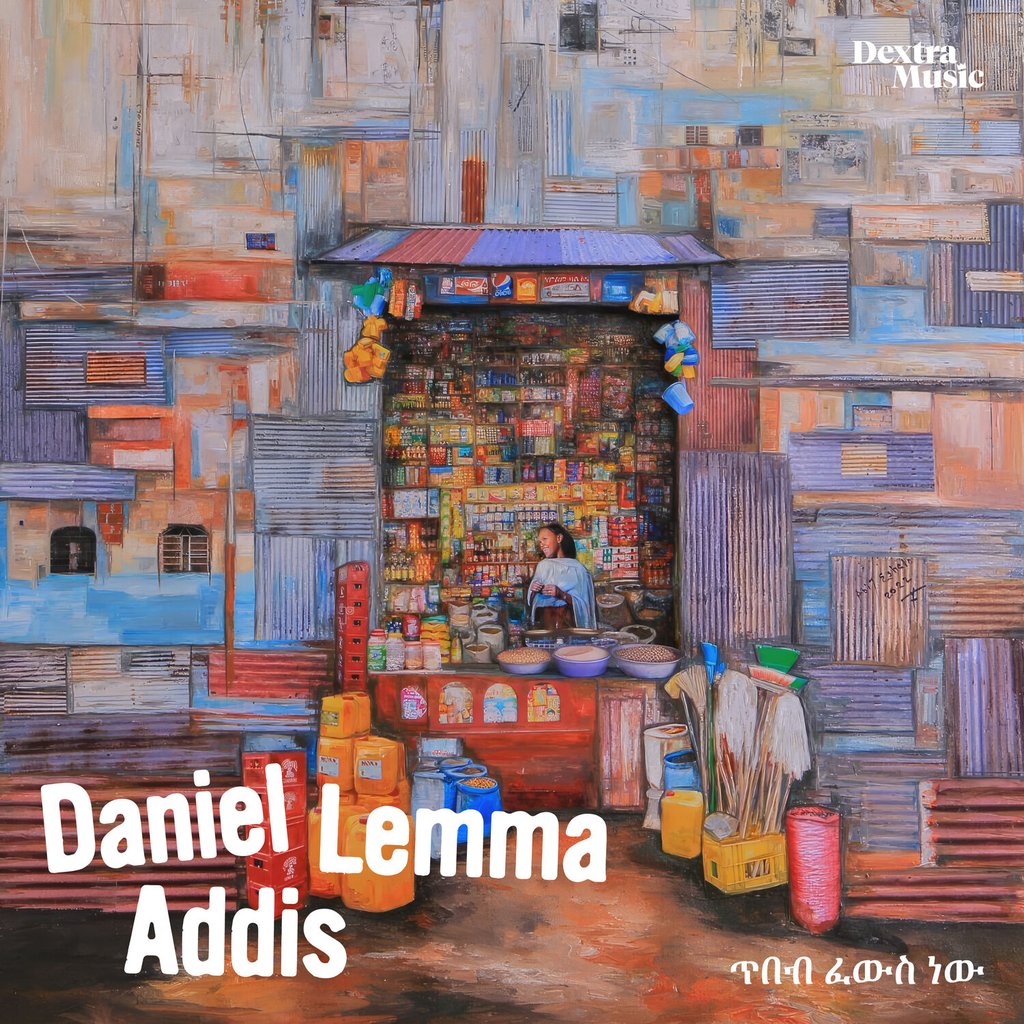
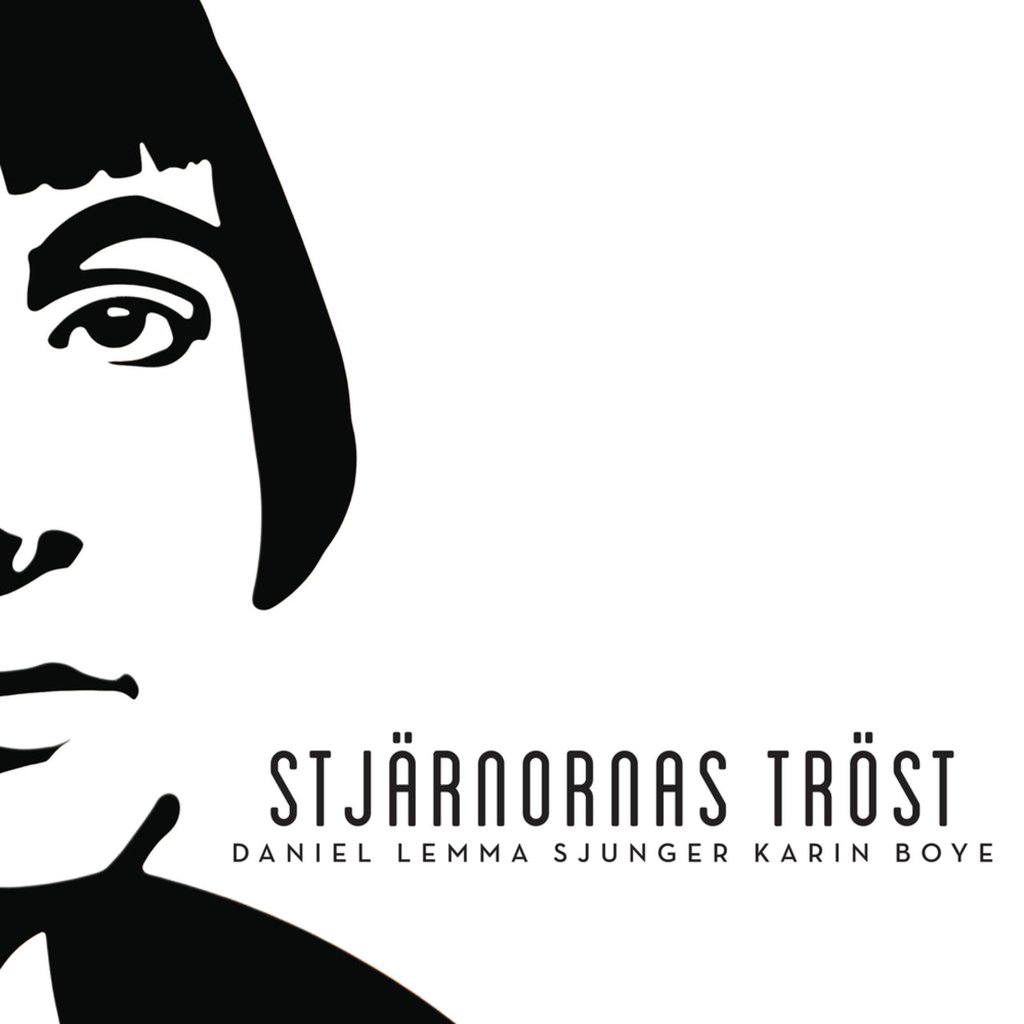
After Telescope (2012, acoustic and stripped down), Daniel Lemma explored new lands: he set Karin Boye’s suicidal poems to music in Stjärnornas tröst (2016), became a theatre show; he published two roots-reggae discs with Hot This Year Band (Common Ground, 2016; Punch of Love, 2019). Sörgårdens Tak (2021) marked his first collection of songs entirely in Swedish. The loop closes with Addis (2023), an album recorded on location alongside traditional Ethiopian and jazz musicians in Addis-Abeba itself. It is on this return to sources that the Sten A. Olsson Foundation distinguished him in 2024: “For his sincere roots expression, his golden voice and personal songs.” Now based in Göteborg, Daniel Lemma continues to tour and compose — with that patience that blues teaches better than any manual.
Major works
| Work | Year | Why it is essential |
|---|---|---|
| Morning Train | 2001 | Gold album, #3 Sweden; contains the hit “If I used to love you” |
| Jalla! Jalla! (soundtrack) | 2001 | The most-watched film of the year in Sweden, half a million admissions |
| Common Ground | 2016 | Roots reggae with Hot This Year Band; aesthetic pivot |
| Stjärnornas tröst (poems by Karin Boye) | 2016 | Setting poems to music; theatre show |
| Addis | 2023 | Return to Ethiopian roots; collaboration with musicians from Addis-Abeba |
Legacy and influence
Daniel Lemma embodies a rare figure: an artist who never had to play the ambassador of his culture of origin or conform to the mainstream market. His style — fusion of soul, blues, American gospel and Ethiopian music — nourishes Scandinavian independent scenes. “For me, music is fundamentally a social activity, a way to gather and communicate,” he summarizes. His adoptive journey — an African becoming the most Swedish soul man of his stylistic adoption — shows that music is above all conversation between worlds that did not cross paths.
Sources and references
- “Daniel Lemma”, Wikipedia (English), https://en.wikipedia.org/wiki/Daniel_Lemma, accessed November 10, 2026.
- “Daniel Lemma”, Wikipedia (German), https://de.wikipedia.org/wiki/Daniel_Lemma, accessed November 10, 2026.
- “Daniel Lemma Eriksson”, Swedish Wikipedia, https://sv.wikipedia.org/wiki/Daniel_Lemma, accessed November 10, 2026.
- “Grammis-nomineringar 2002”, Aftonbladet, February 14, 2002, https://www.aftonbladet.se/nojesbladet/musik/article58806.ab, accessed November 10, 2026.
- Charlotte Lundqvist, “Platserna blir en del av ens historia”, Höganäsdalens (HD), August 15, 2007, https://www.hd.se/hoganas/platserna-blir-en-del-av-ens-historia-det-tycker-jag-absolut/, accessed November 10, 2026.
- « Daniel Lemma - modern och omodern », Smålandsposten, 2003, https://www.smp.se/noje/daniel-lemma-modern-och-omodern/, accessed 10 November 2026.
- « “Viktigast för mig är att kunna spela live” », Folkbladet, November 2003, https://folkbladet.se/kultur/kultur-och-noje/artikel/viktigast-for-mig-ar-att-kunna-spela-live/jpp7ze6j, accessed 10 November 2026.
- « Culture scholarships: Daniel Lemma », Sten A. Olsson Stiftelsen, https://stenastiftelsen.se/en/bidrag/daniel-lemma/, accessed 10 November 2026.