Biography
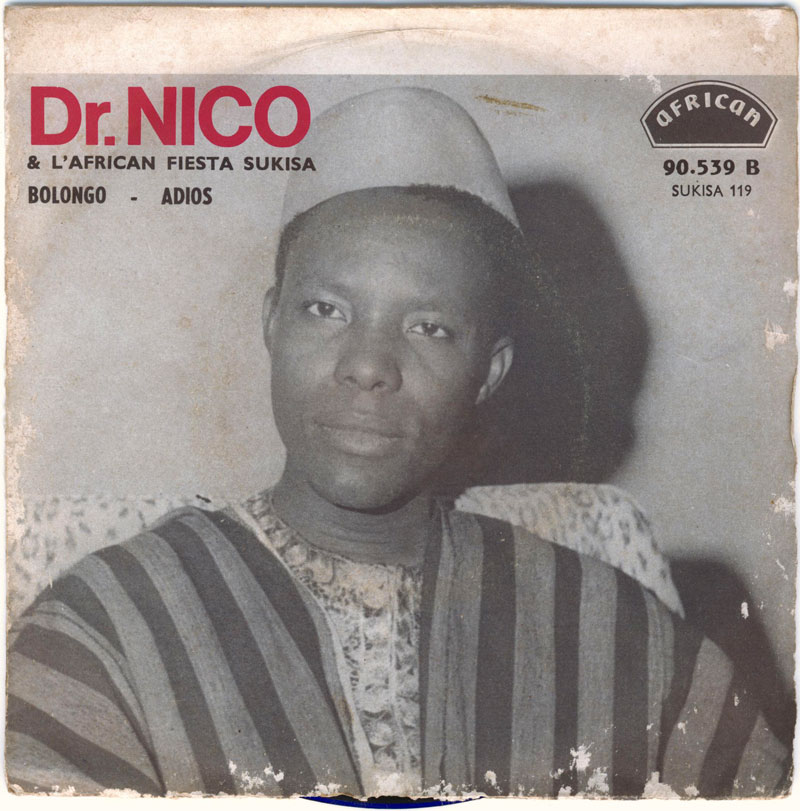
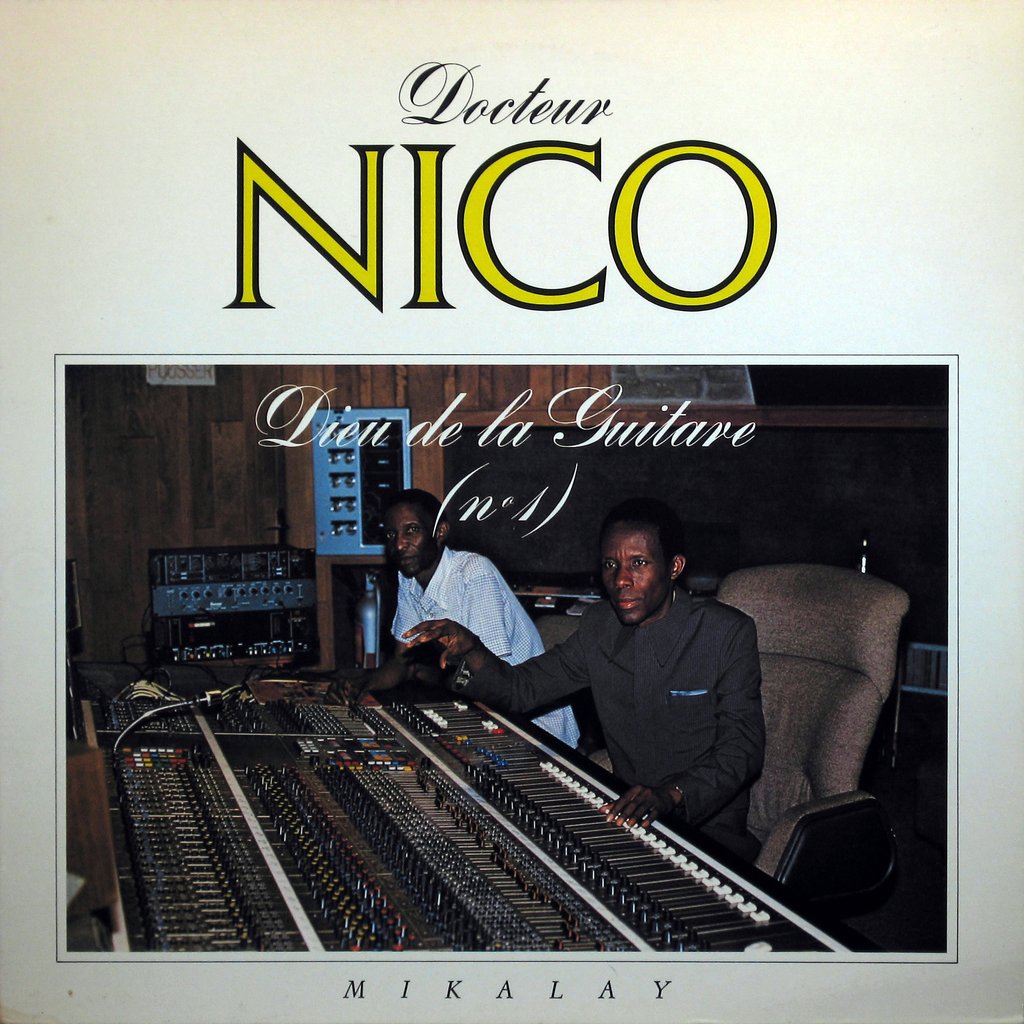
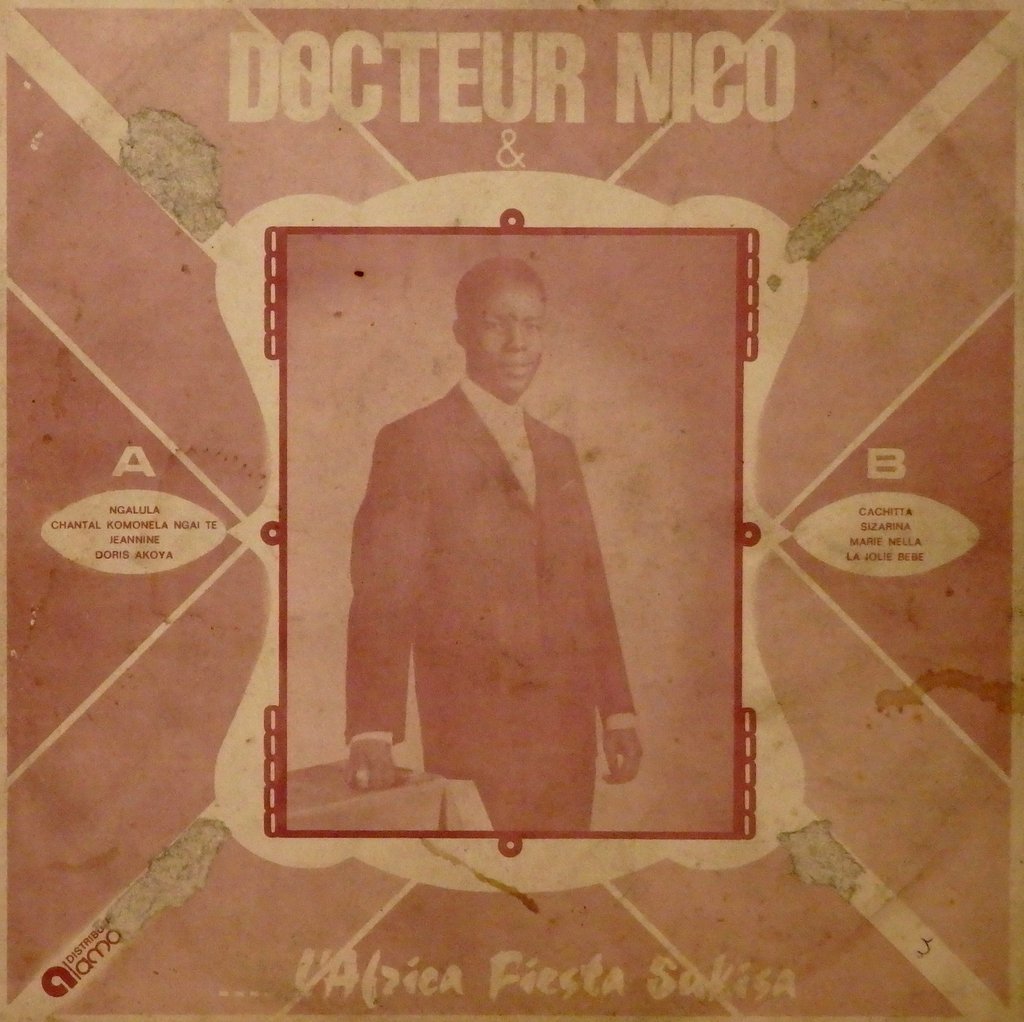
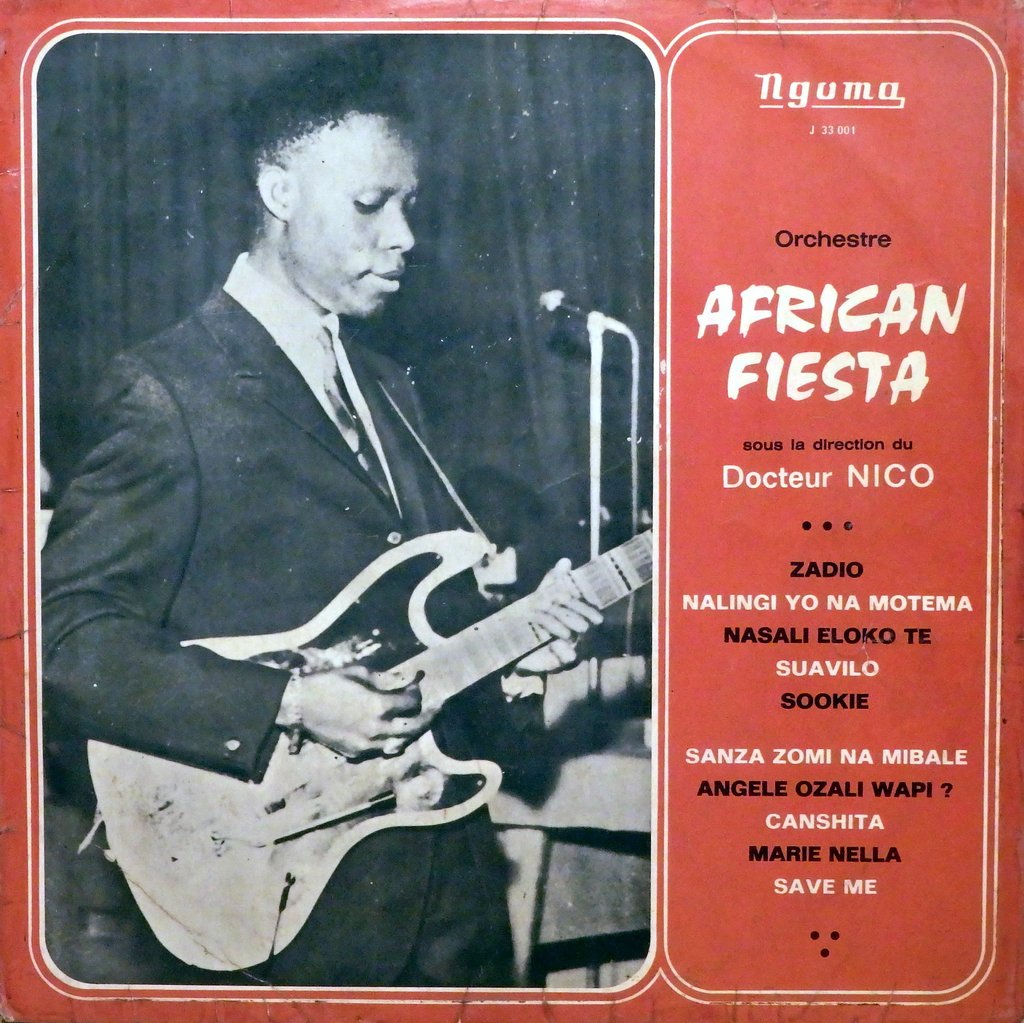
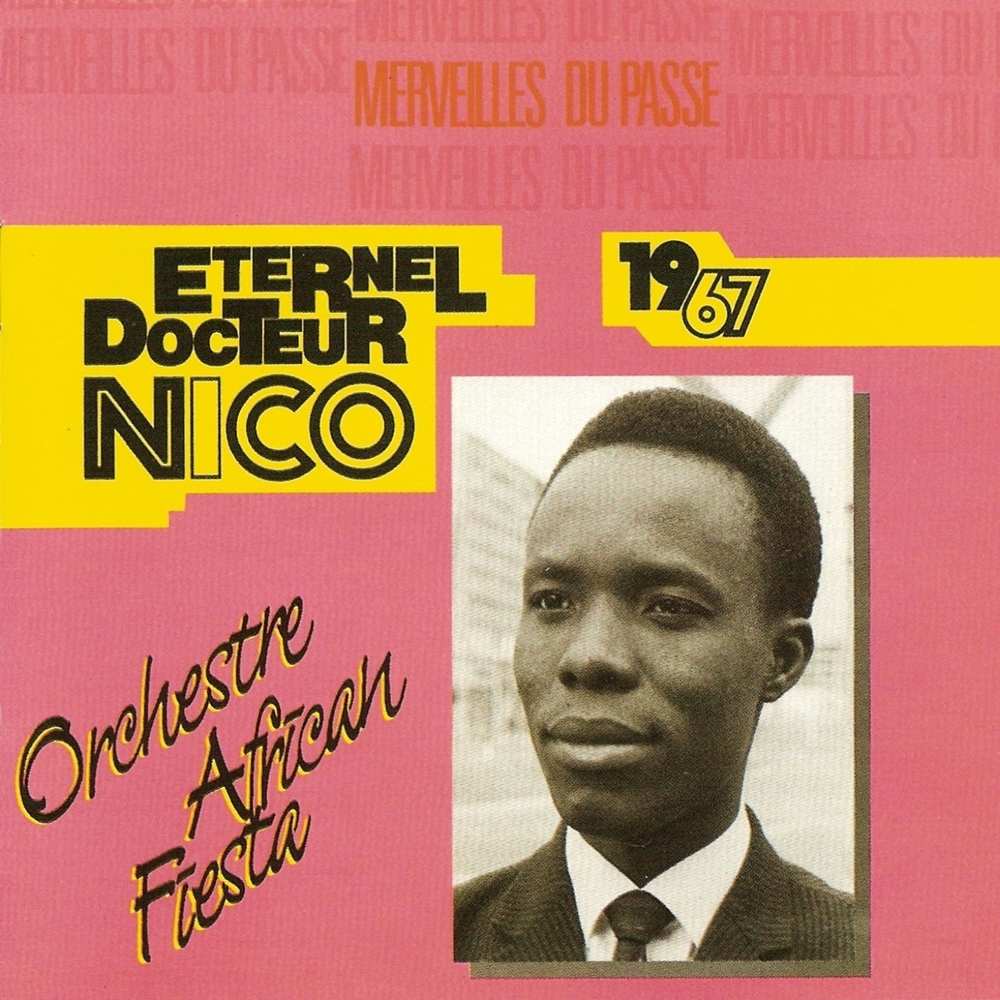
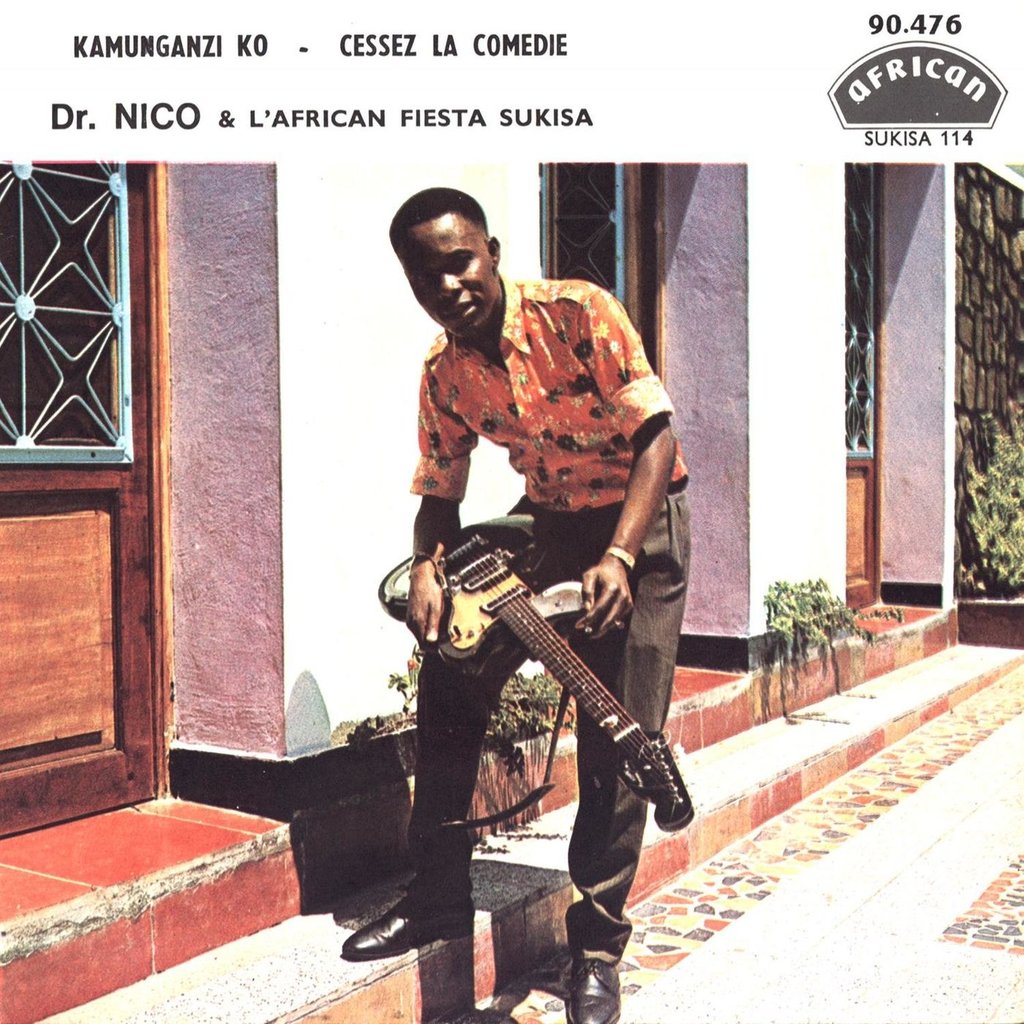
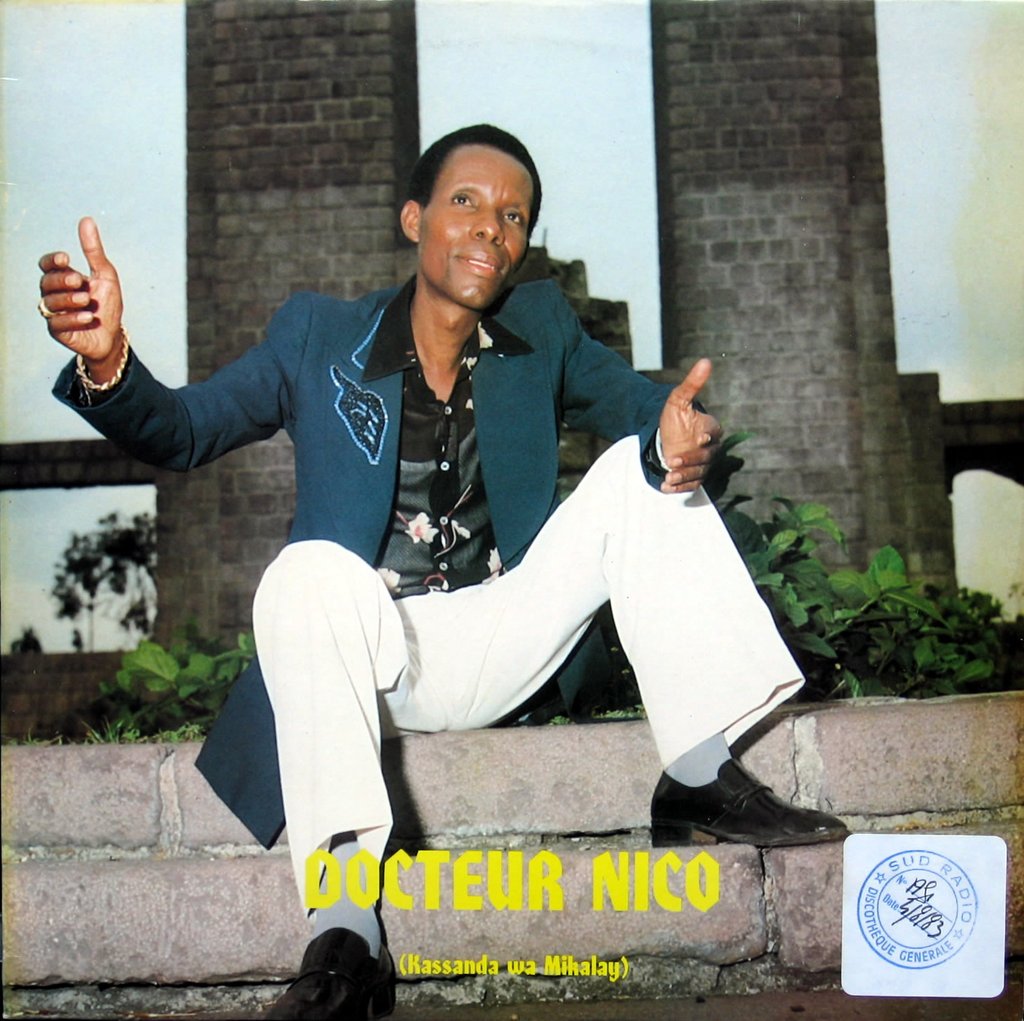
Docteur Nico: The God of Congolese Guitar
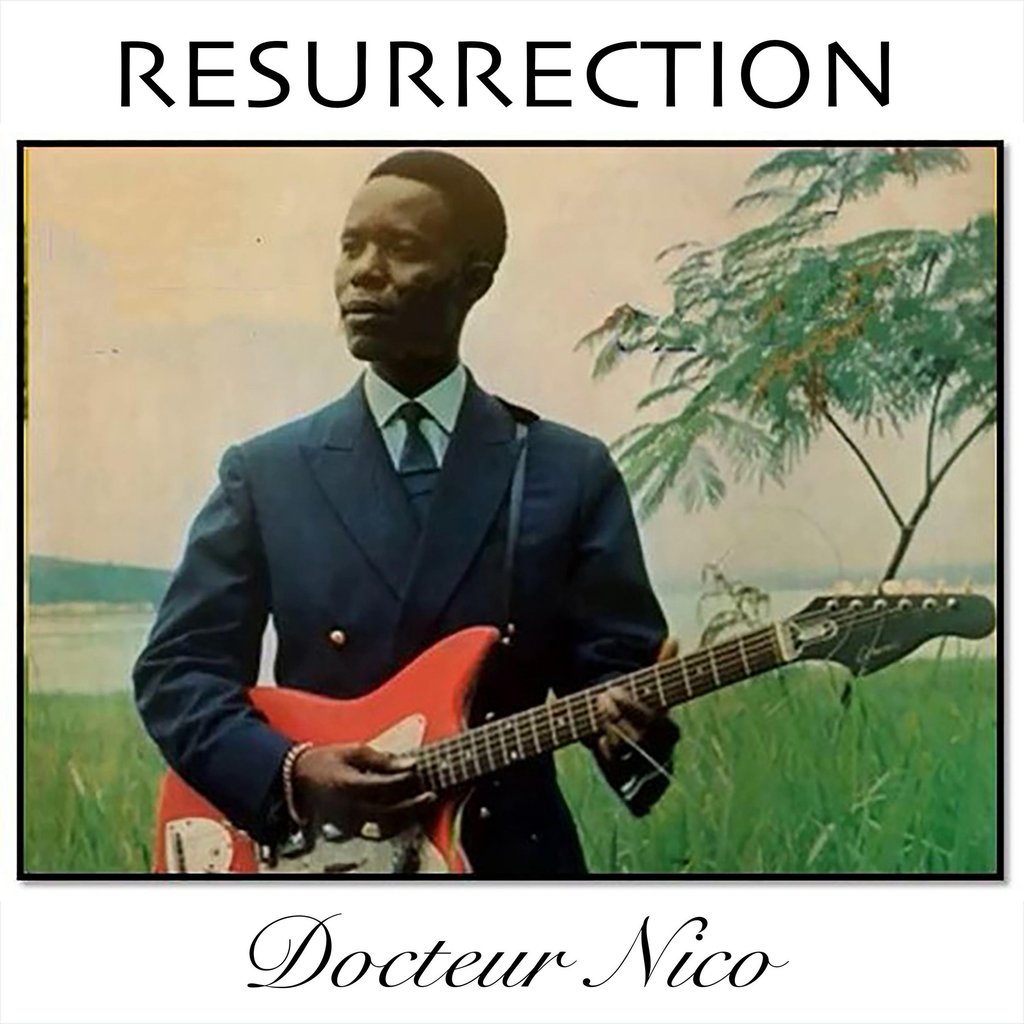
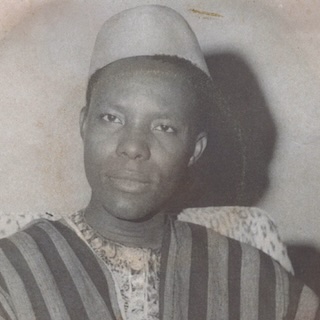
In 1960, during the celebrations marking Congo’s independence, delegates seated at the Brussels Round Table stopped to listen to a twenty-year-old musician’s guitar solo. The sound of Nico Kasanda, lively and fiery, carried further than the speeches—music historians describe it today as one of the most iconic passages in African popular music. “It was the first time they saw an African guitarist,” Nico recalls of the Belgians surrounding him. This moment marked the start of a career that would make him one of the continent’s greatest guitarists.
In Brief
| Full Name | Nicolas Kasanda wa Mikalay |
| Stage Name | Docteur Nico (also “Dr. Nico”) |
| Birth | July 7, 1939, Mikalayi, Belgian Congo |
| Death | September 22, 1985, Brussels, Belgium |
| Genre | Congolese rumba and soukous (African dance born from the fusion between Congolese music and Antillean rhythms) |
| Instrument | Electric guitar |
| Iconic Works | Independence Cha Cha, N’daya Paradis, Kamulangu |
| Nickname | “God of Guitar” (“Dieu de la Guitare”) |
Key Dates
| Year | Event |
|---|---|
| 1939 | Born in Mikalayi, in the Kasaï province |
| 1953 | At age 14, joined Grand Kalle and African Jazz |
| 1957 | Technical teaching diploma; begins playing electric guitar |
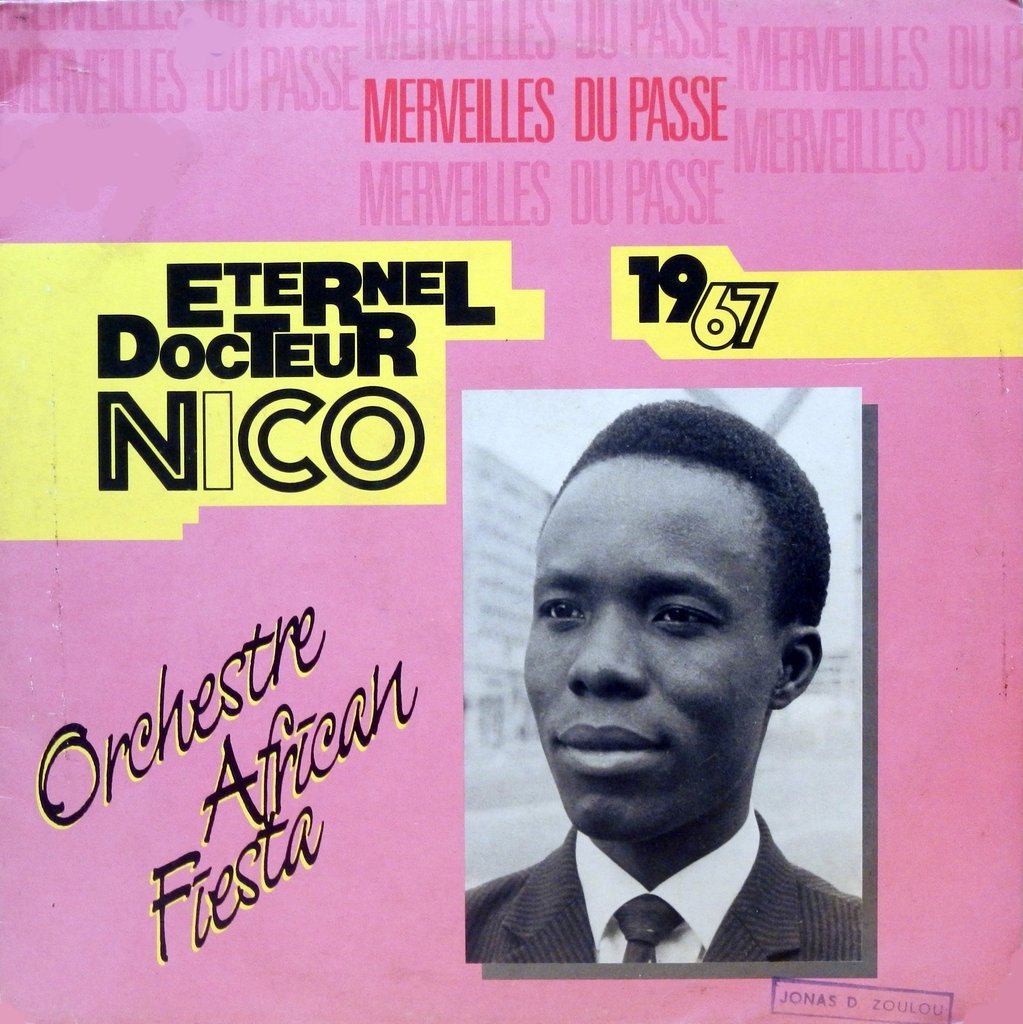
| 1960 | Plays on Independence Cha Cha; earns the nickname “Docteur Nico” |
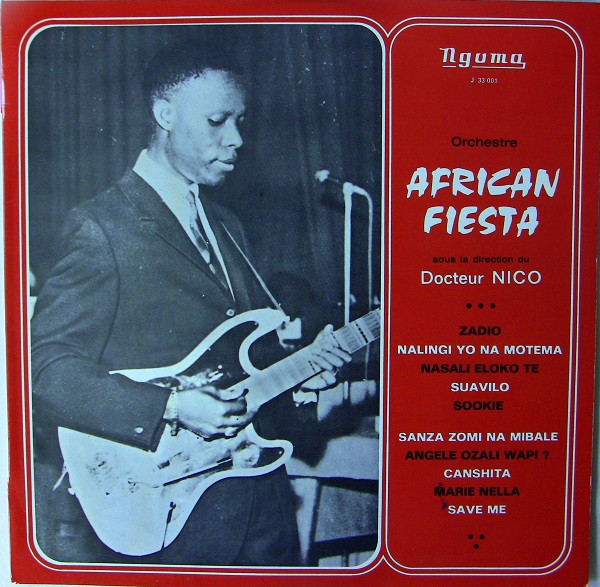
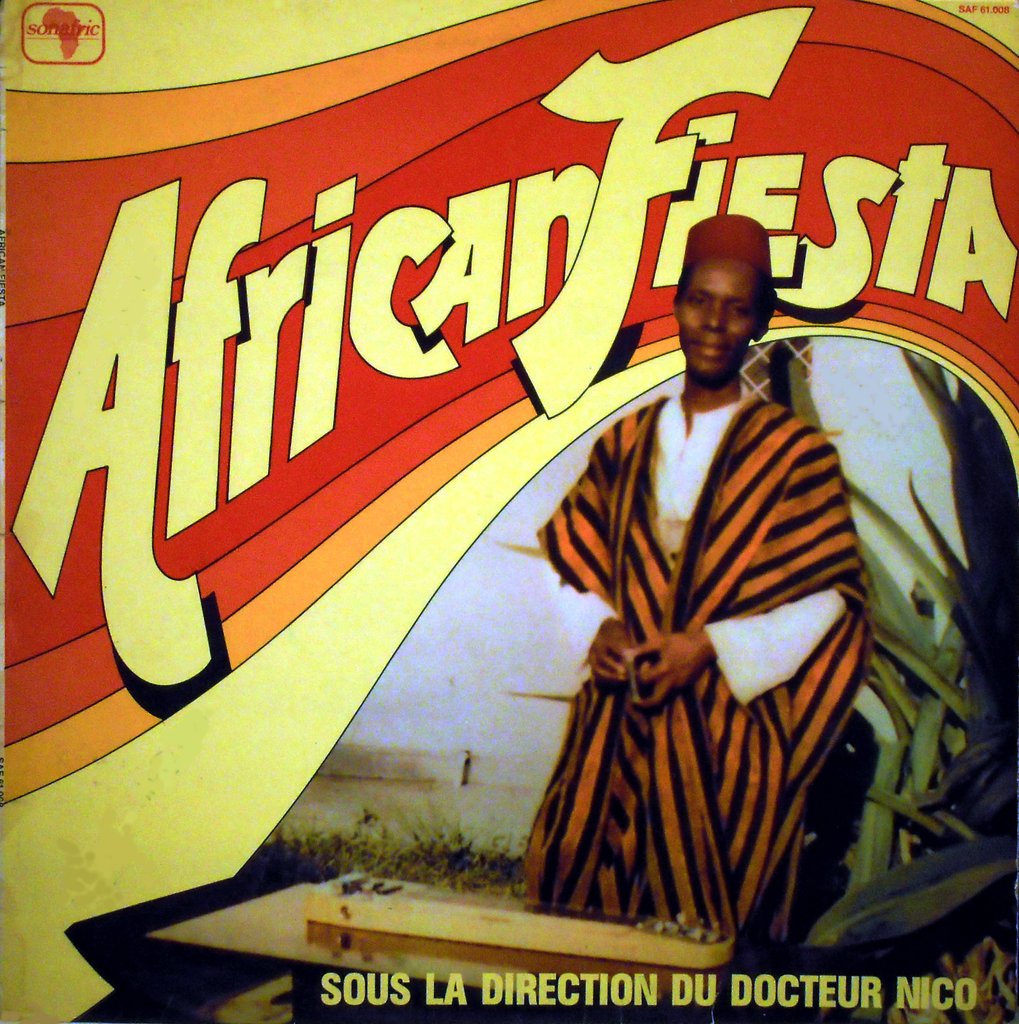
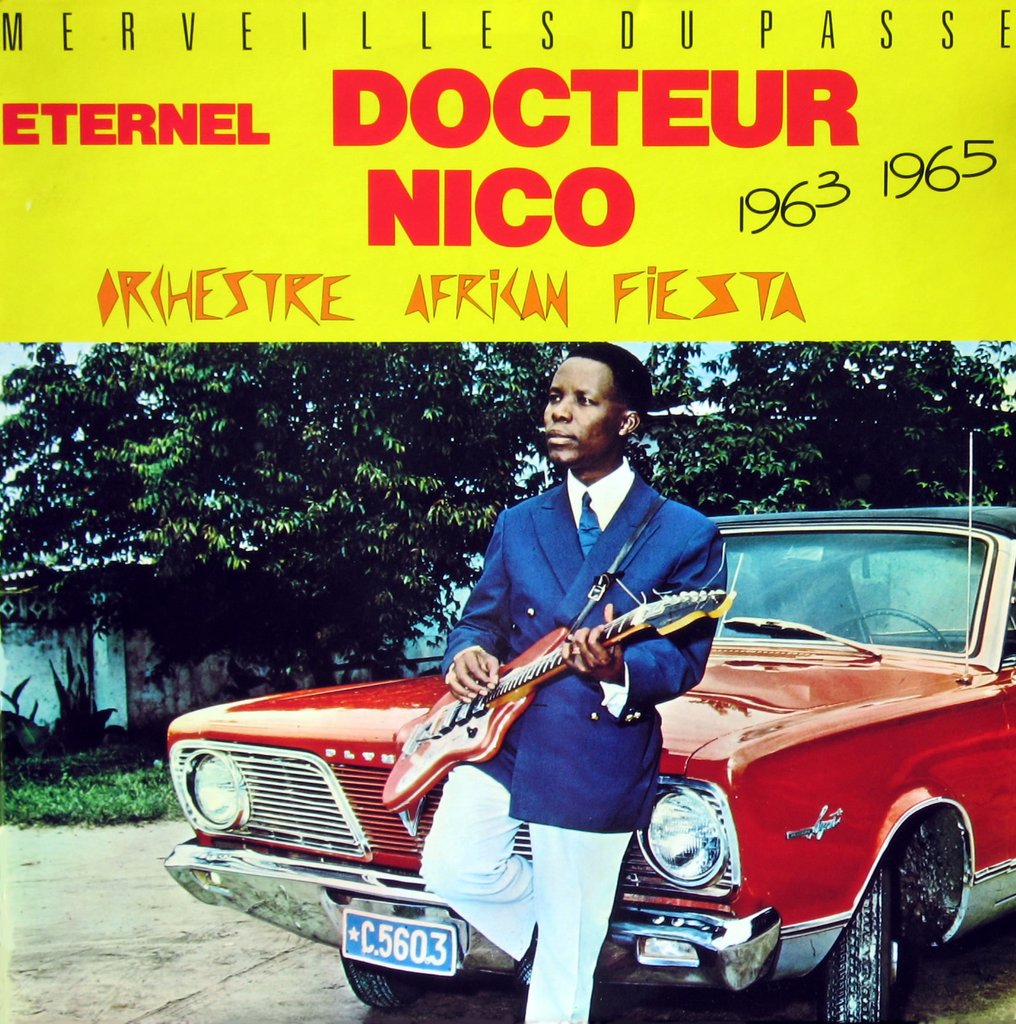
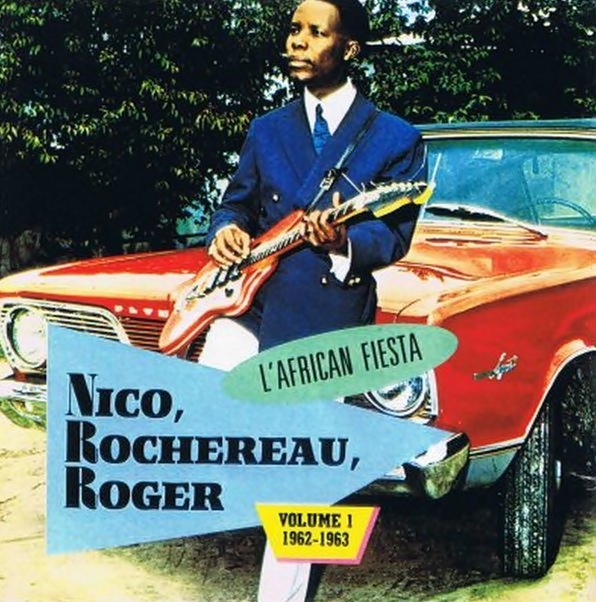
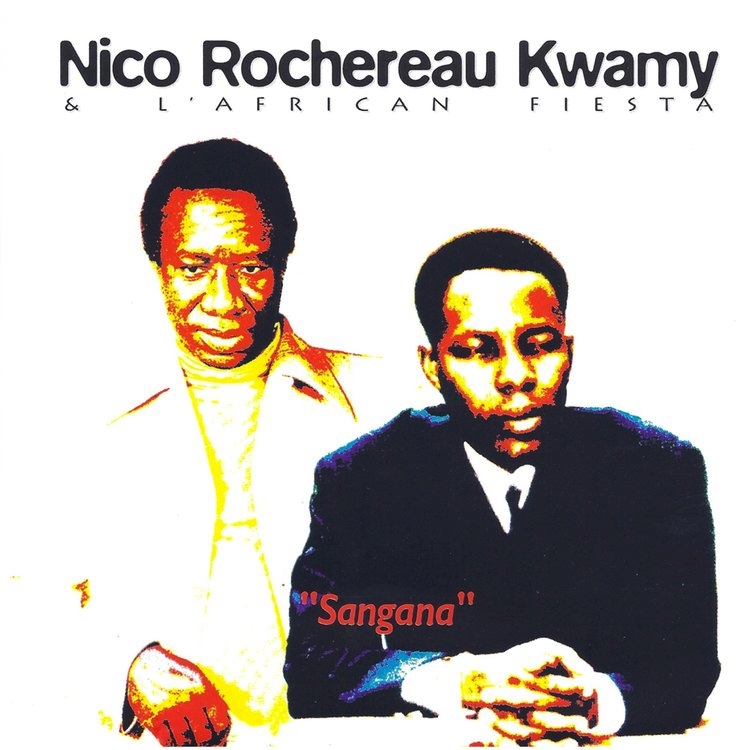
| 1963 | Co-founds African Fiesta with Tabu Ley Rochereau |
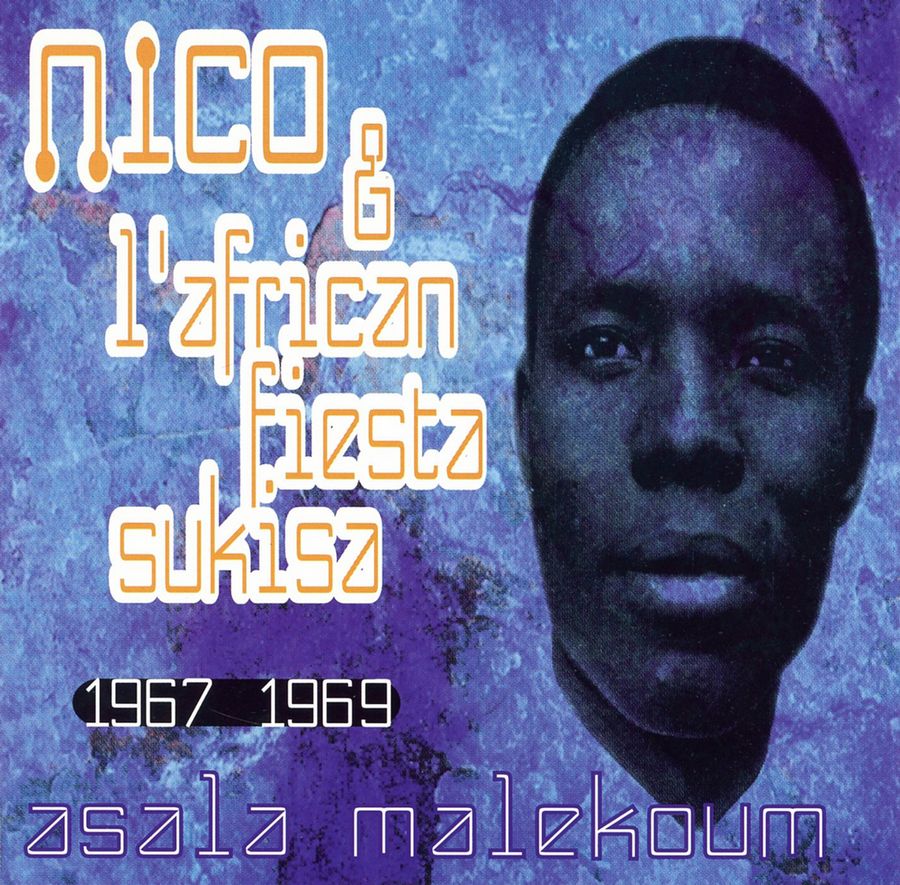
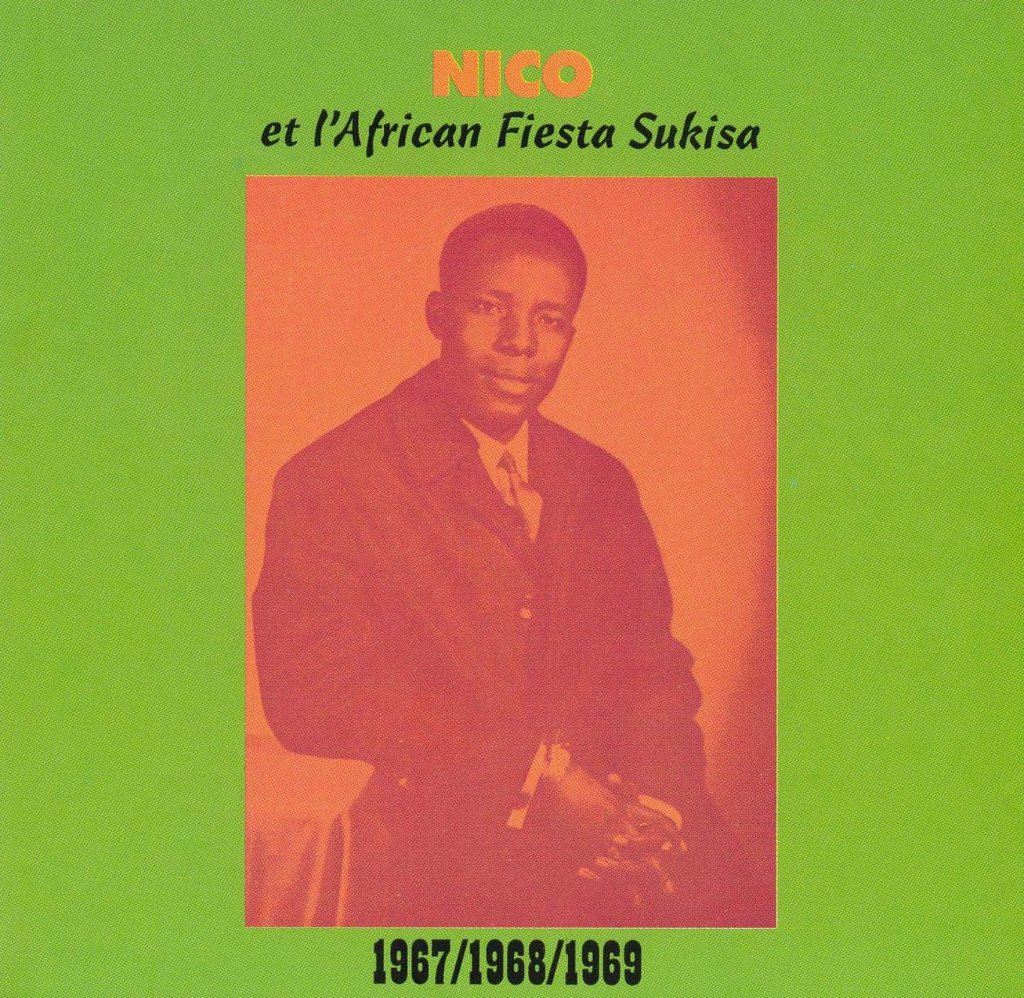
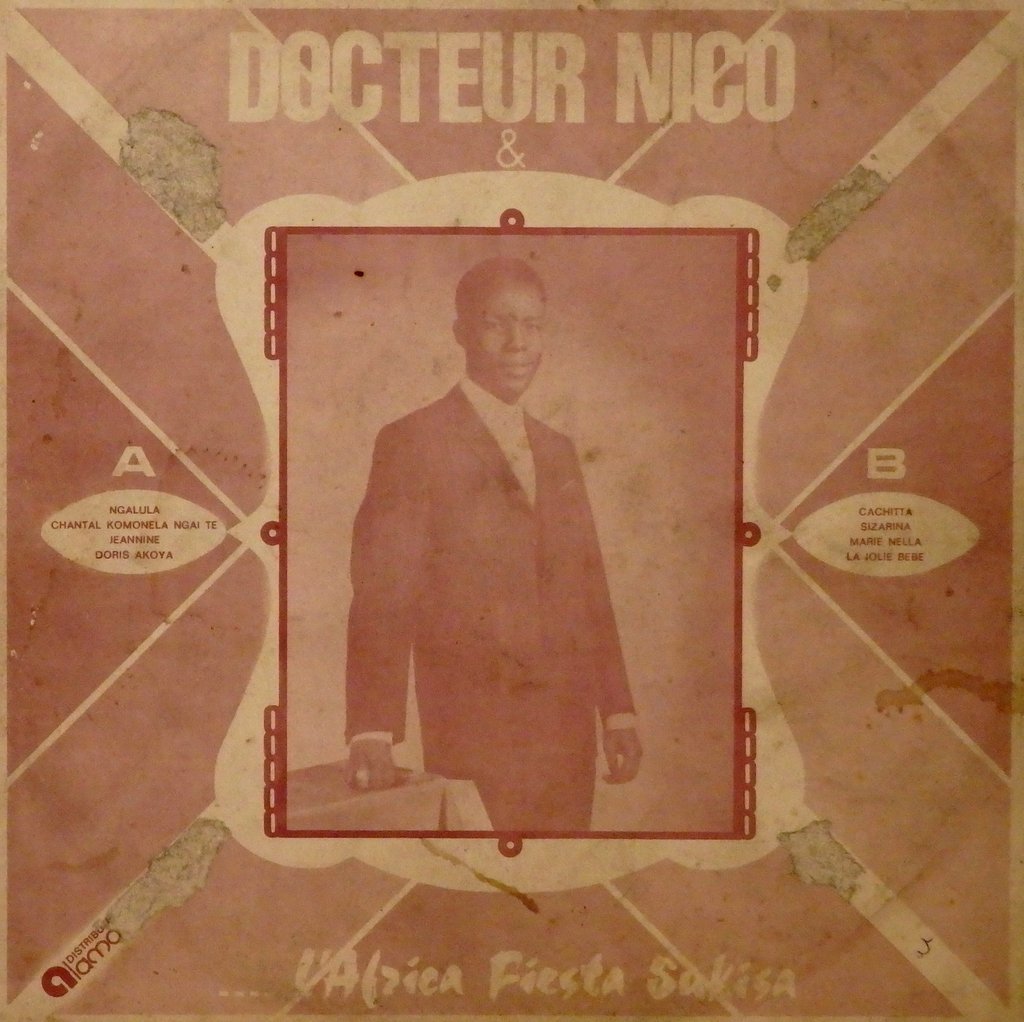
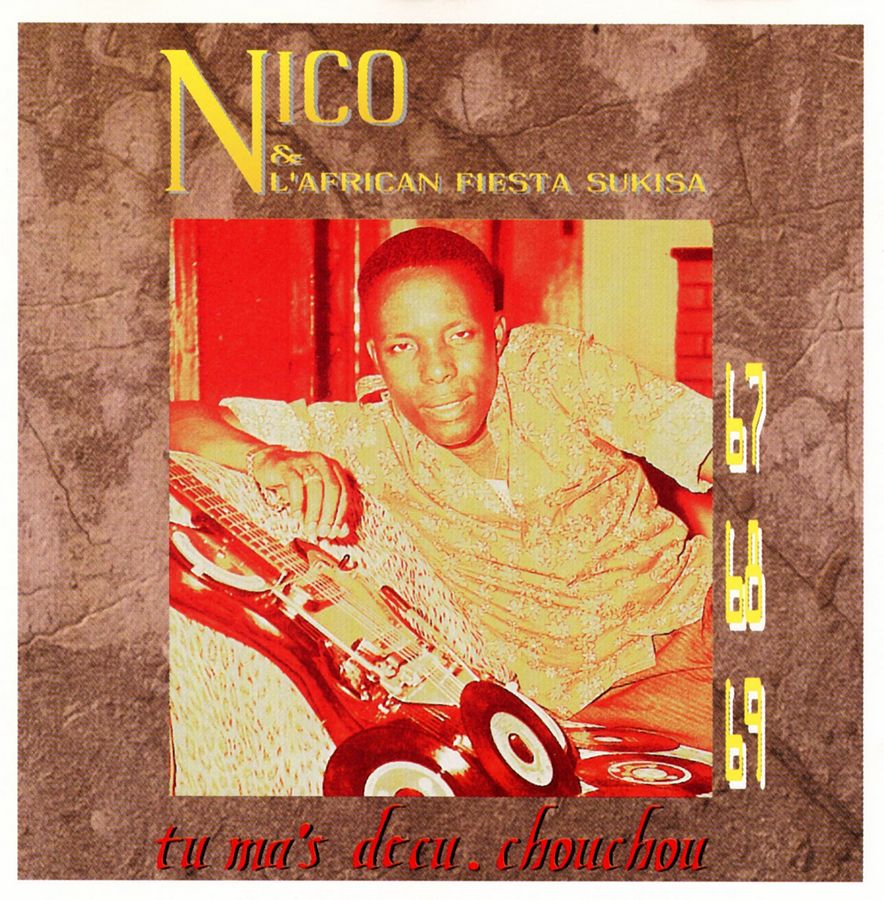
| 1965 | African Fiesta becomes African Fiesta Sukisa |
| 1969 | Breaks with the group; reforms new line-up |
| 1975 | Retires from stage after his label’s bankruptcy |
| 1983 | Discographic renaissance in Togo |
| 1985 | Death in Brussels at age 46 |
A Kasaï Prodigy
Nicolas Kasanda was born into a family of musicians: his father played the accordion, and his mother sang traditional Luba songs. After his father’s death, he grew up in Léopoldville (today Kinshasa) with his older brother Mwamba Déchaud, who would become a rhythm guitarist. A brilliant adolescent, Nico obtained his technical teaching diploma while visiting the capital’s clubs every evening. “Nico mobali,” “the real man” as musicians called him, he secured a driving school position while being the city’s most prominent guitarist. It was at age 14 that he joined Grand Kalle and African Jazz—then Congo’s largest musical ensemble.
Independence and the Nickname
In 1960, African Jazz was invited to the Brussels Round Table to celebrate Congo’s independence. Nico, twenty years old, participated almost for the first time outside his country. His solo on Independence Cha Cha—often cited as the first major pan-African hit—became the sound hymn of decolonization. It was during these tours that Congolese people gave him the nickname “Docteur Nico.” The “Eternal Doctor” was born.
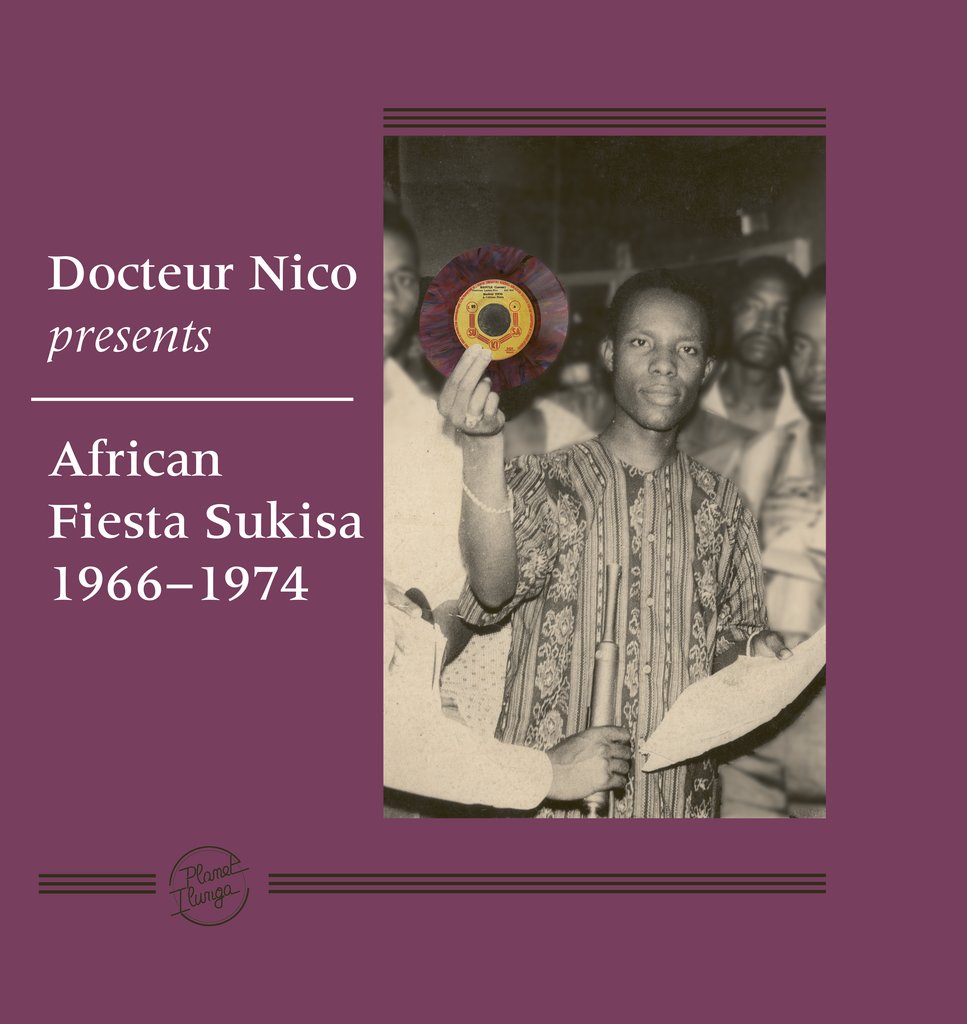
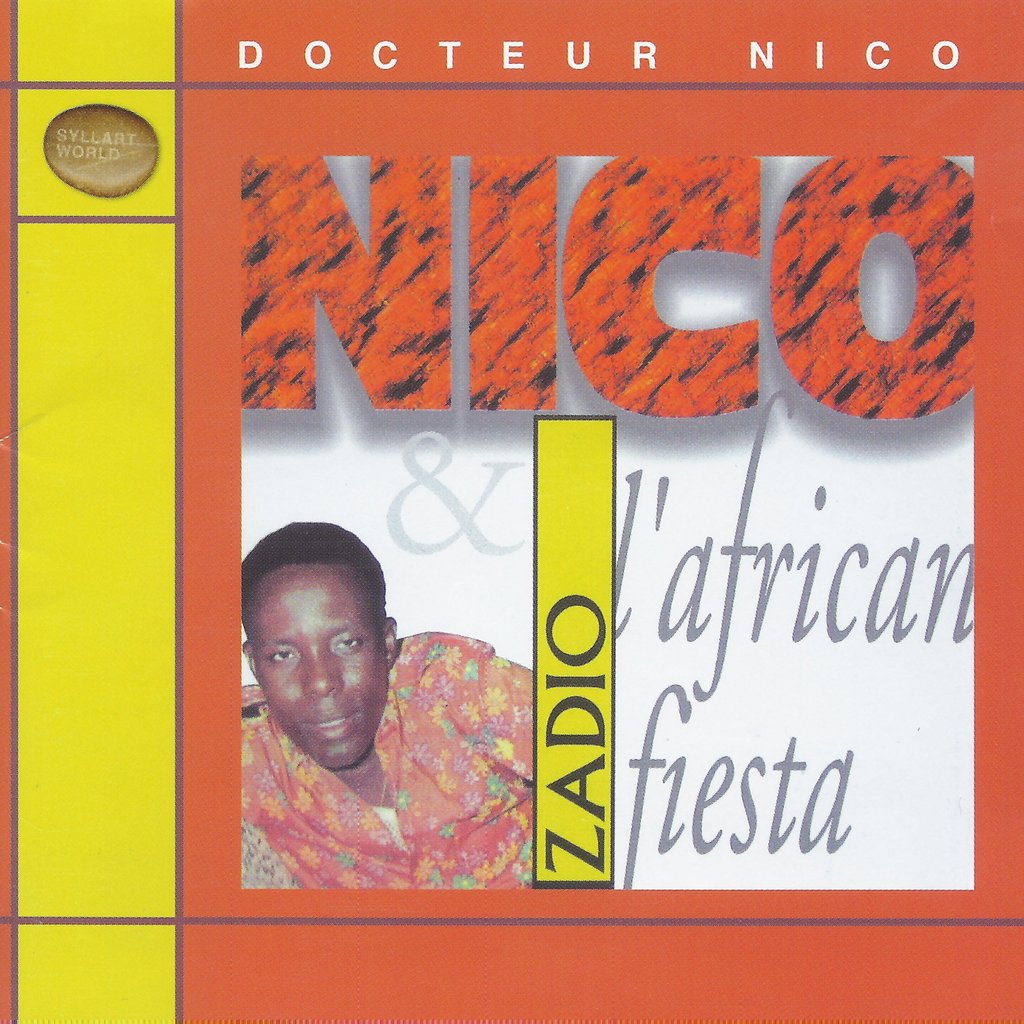
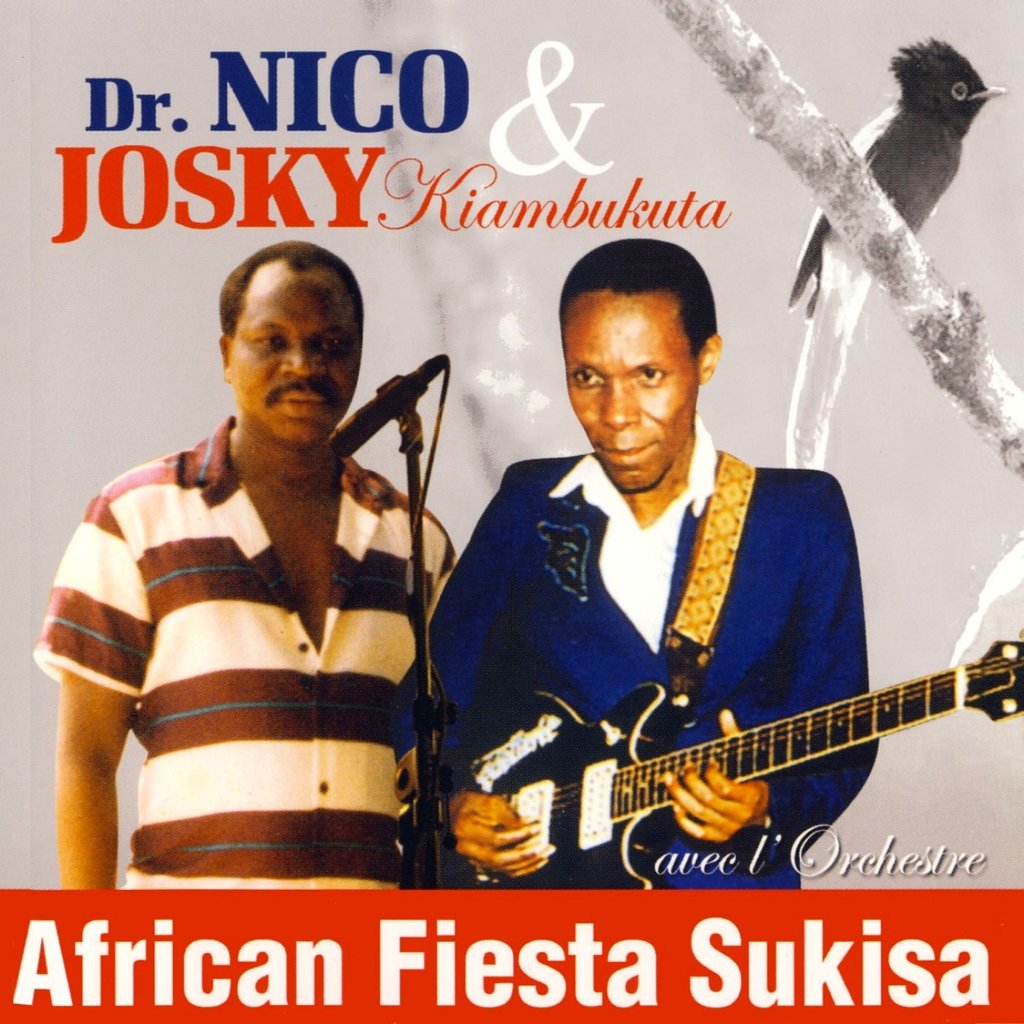
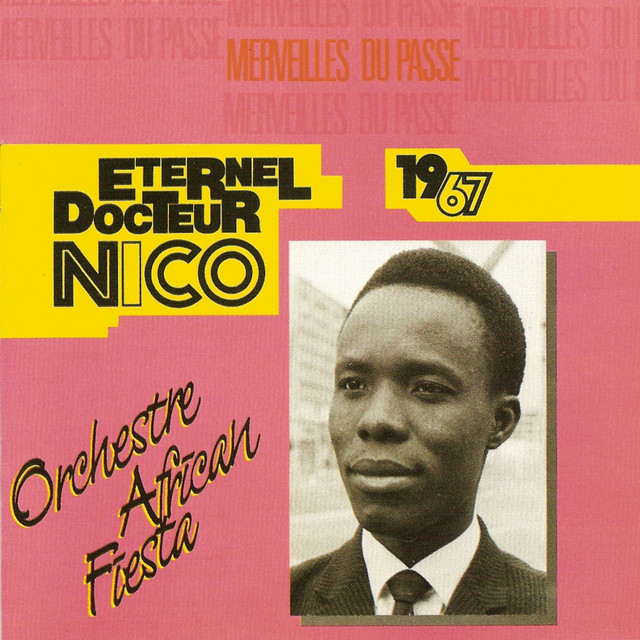
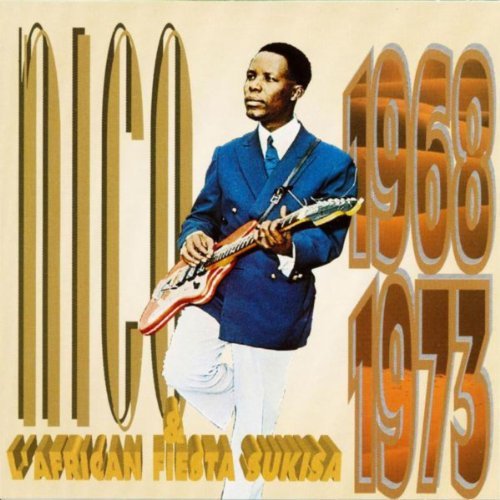
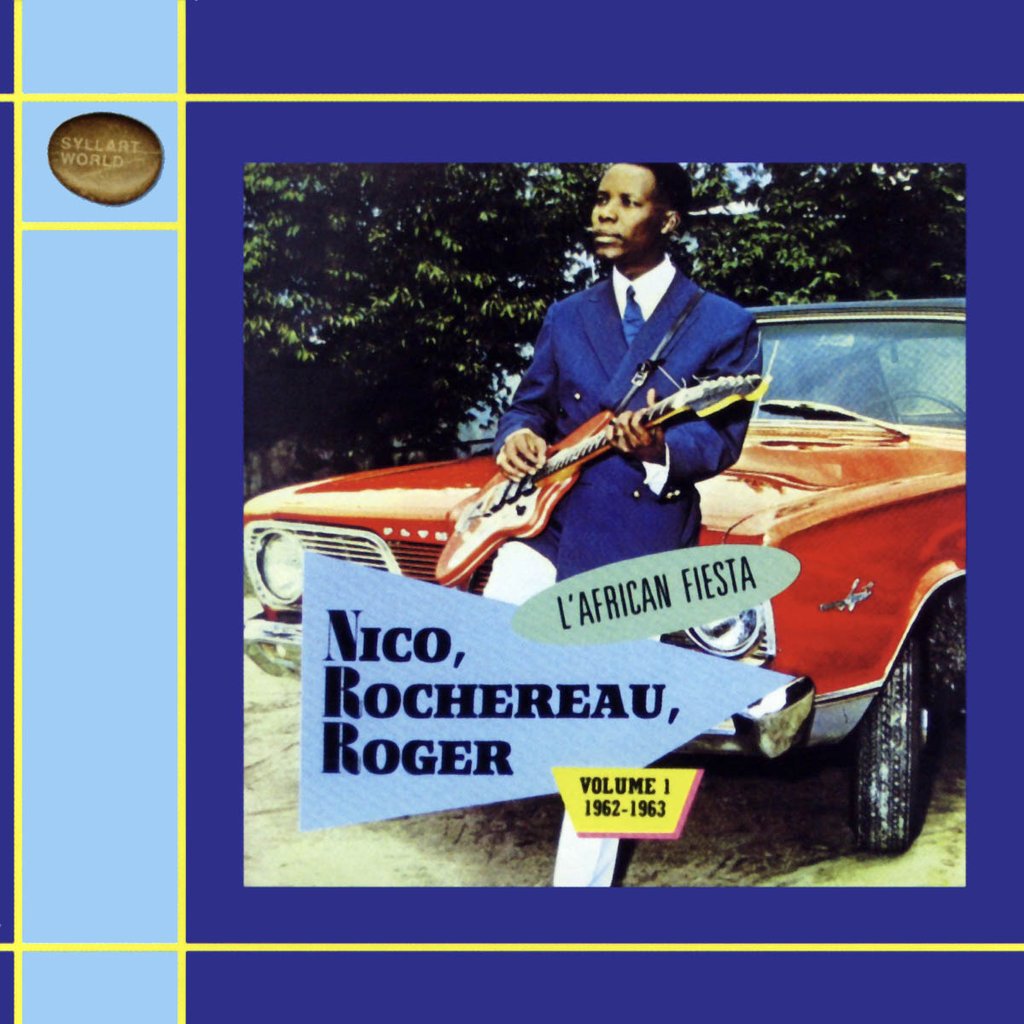
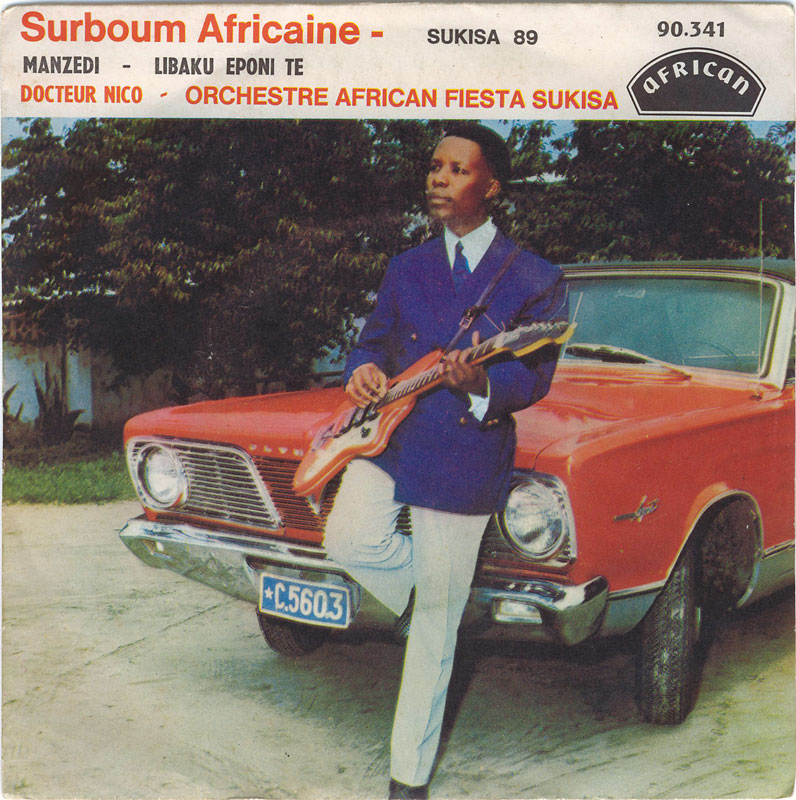
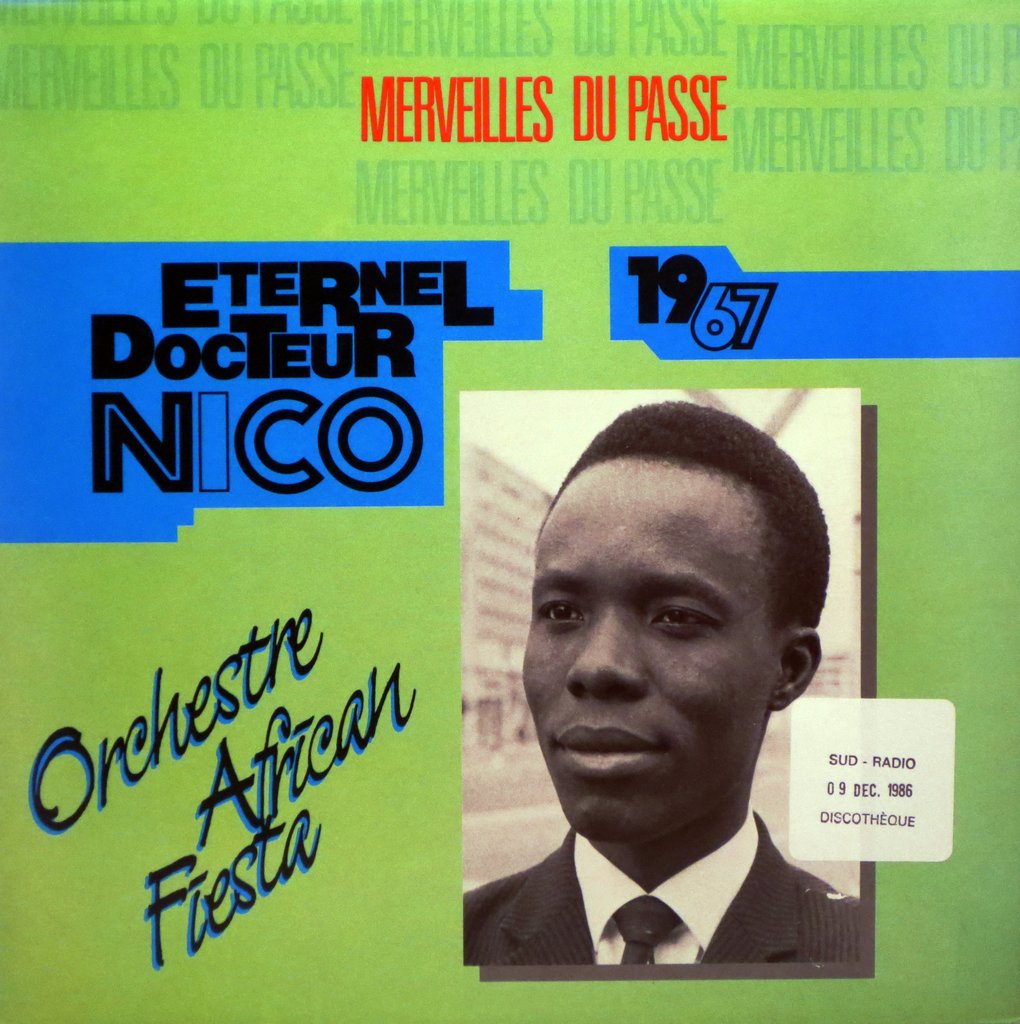
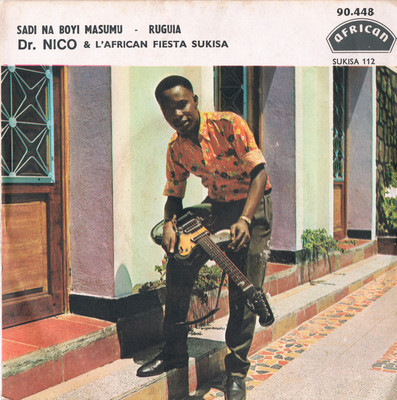
When African Jazz exploded in 1963, Nico and singer Tabu Ley Rochereau founded African Fiesta. The group conquered Africa: hundreds of singles, tours. In 1965, it transformed into African Fiesta Sukisa. The guitar trio invented by Nico—lead, rhythm, and mid-solo (the “half-solo” guitar)—defined the sound of Congolese rumba and prefigured soukous. Nico was also an experimenter: he used delay, vibrato, and pedals to imitate the likembe (a Congolese thumb piano) and reinvented Dominican merengue. Jimi Hendrix, passing through Paris, visited him personally. Soukous guitarist Diblo Dibala would later cite him as “the school of Zairian guitar.”
Fall, Retirement, and Renaissance
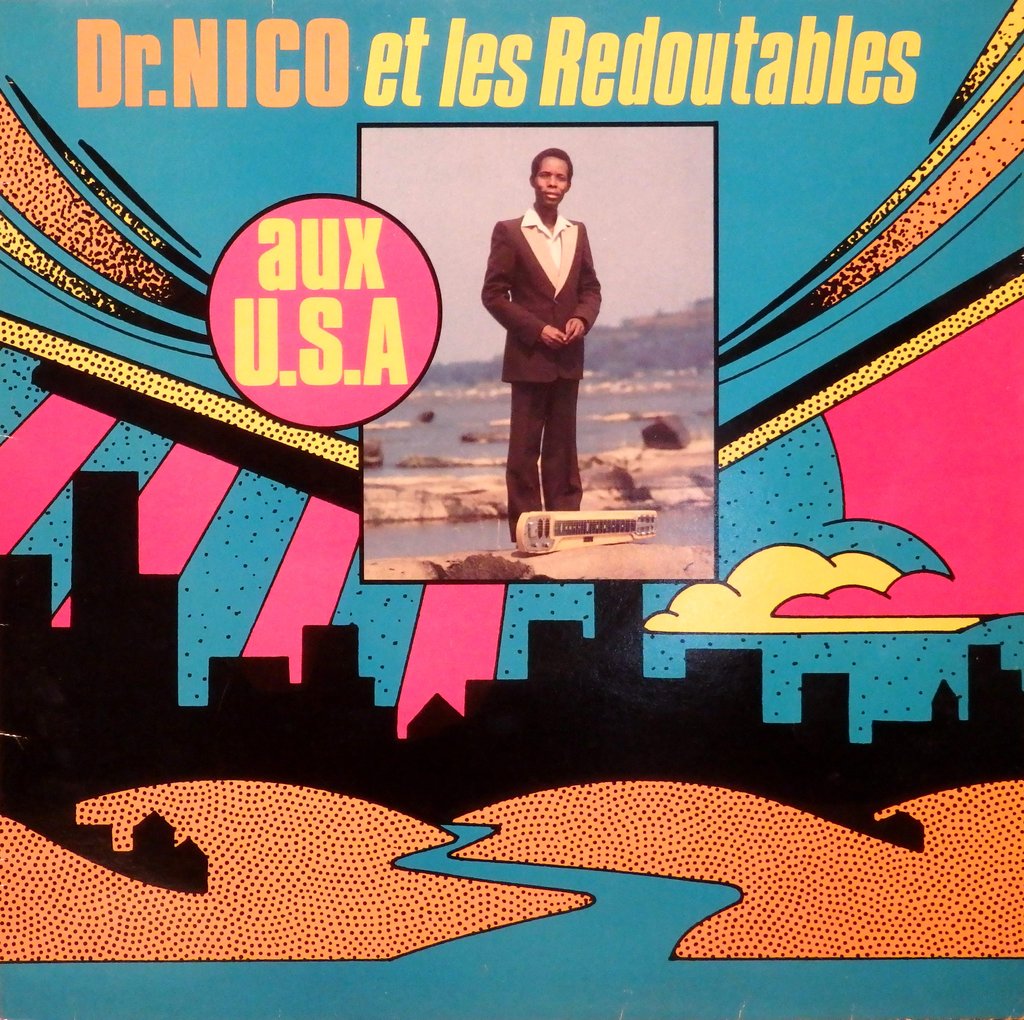
Sukisa’s success did not prevent Nico from being a poor entrepreneur. In 1969, musicians resigned, feeling insufficiently compensated. Nico rebounded with a new line-up including Josky Kiambukuta, but the group disbanded in 1973. After his Belgian label’s bankruptcy, he retired, playing only occasionally. In the 1980s, he recorded in Paris and in Togo with Africa New Sound, briefly reuniting Tabu Ley. His final visit to Washington DC, where he produced ten albums, preceded his death: on September 22, 1985, he died in a Brussels hospital at age 46.
Major Works
| Work | Year | Why It’s Essential |
|---|---|---|
| Independence Cha Cha | 1960 | Foundational solo that became the independence hymn of Congo |
| Kamulangu | 1970 | Adaptation of a popular Luba song; immense success in Congo |
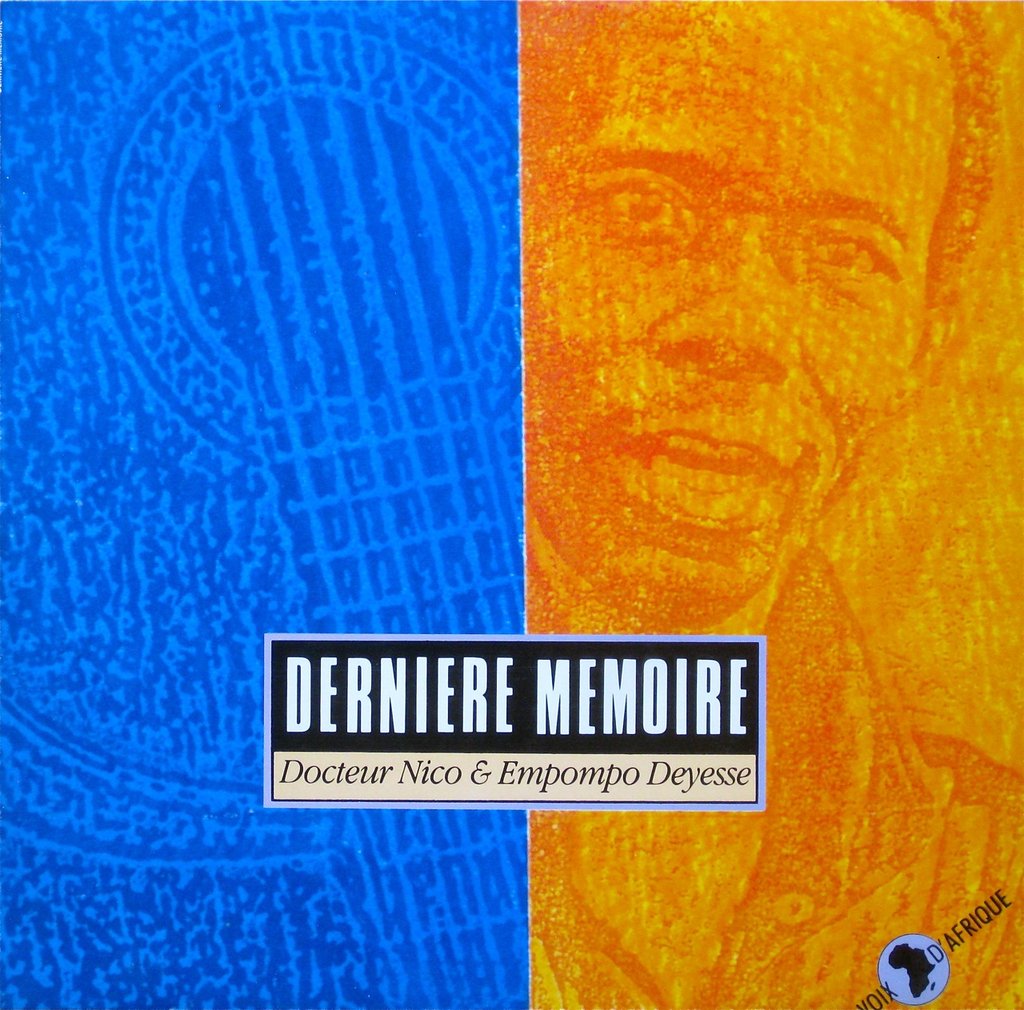
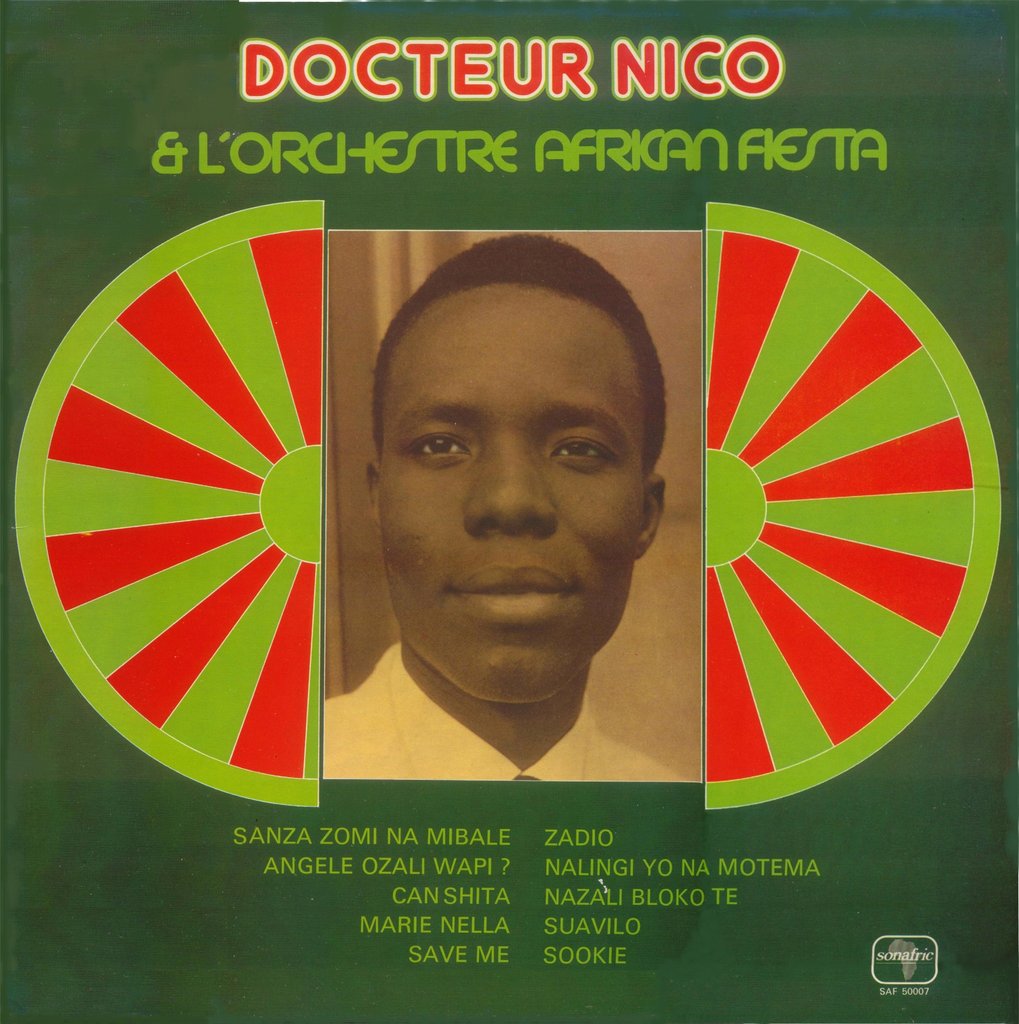
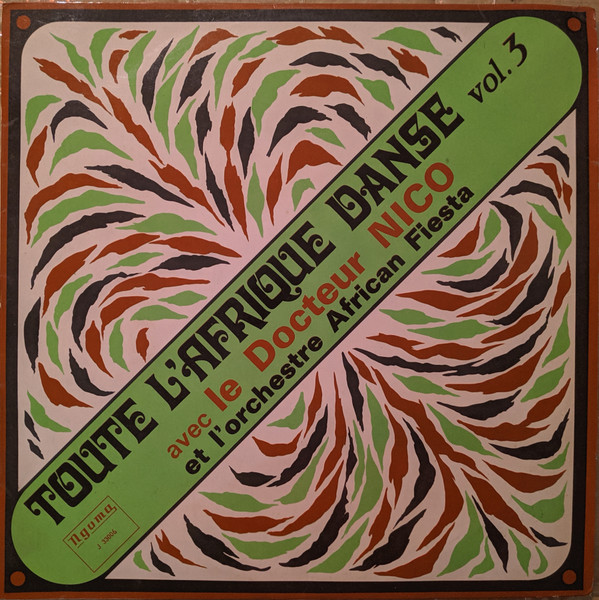
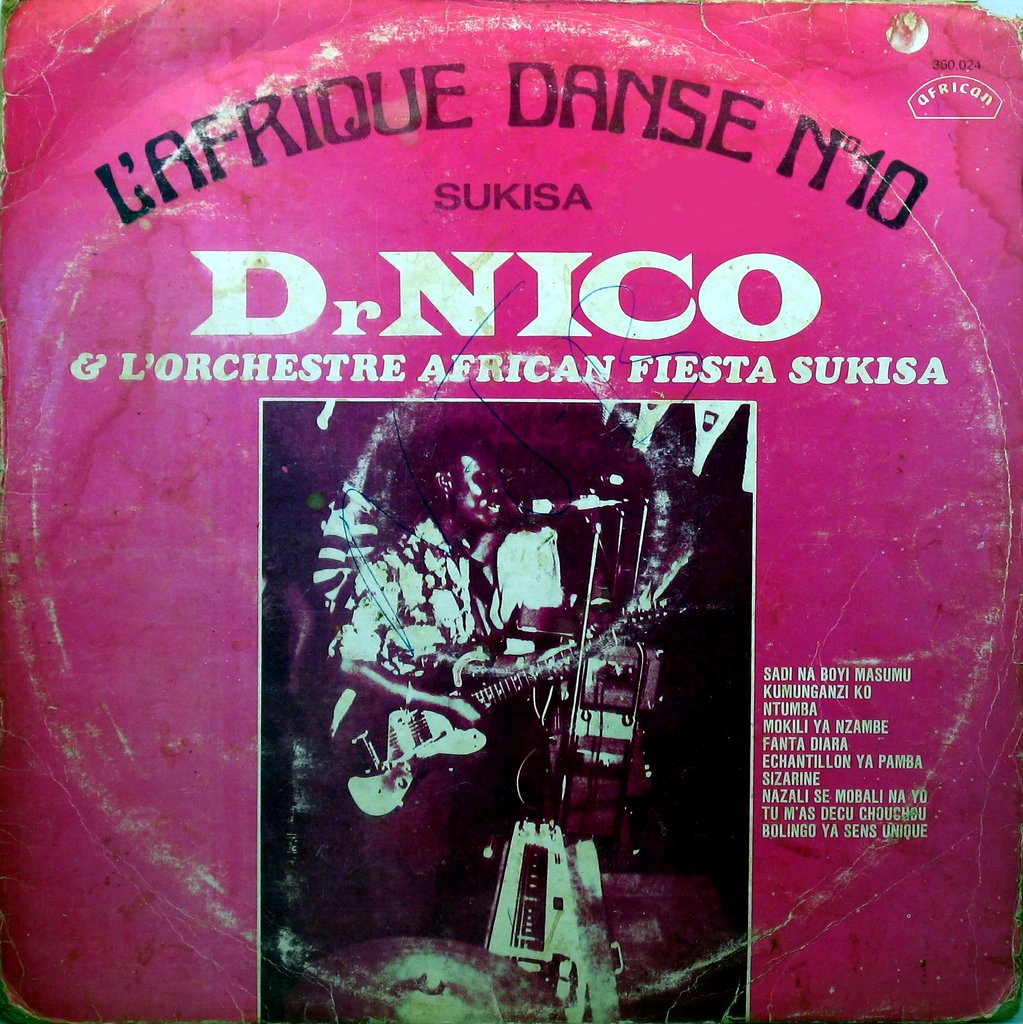
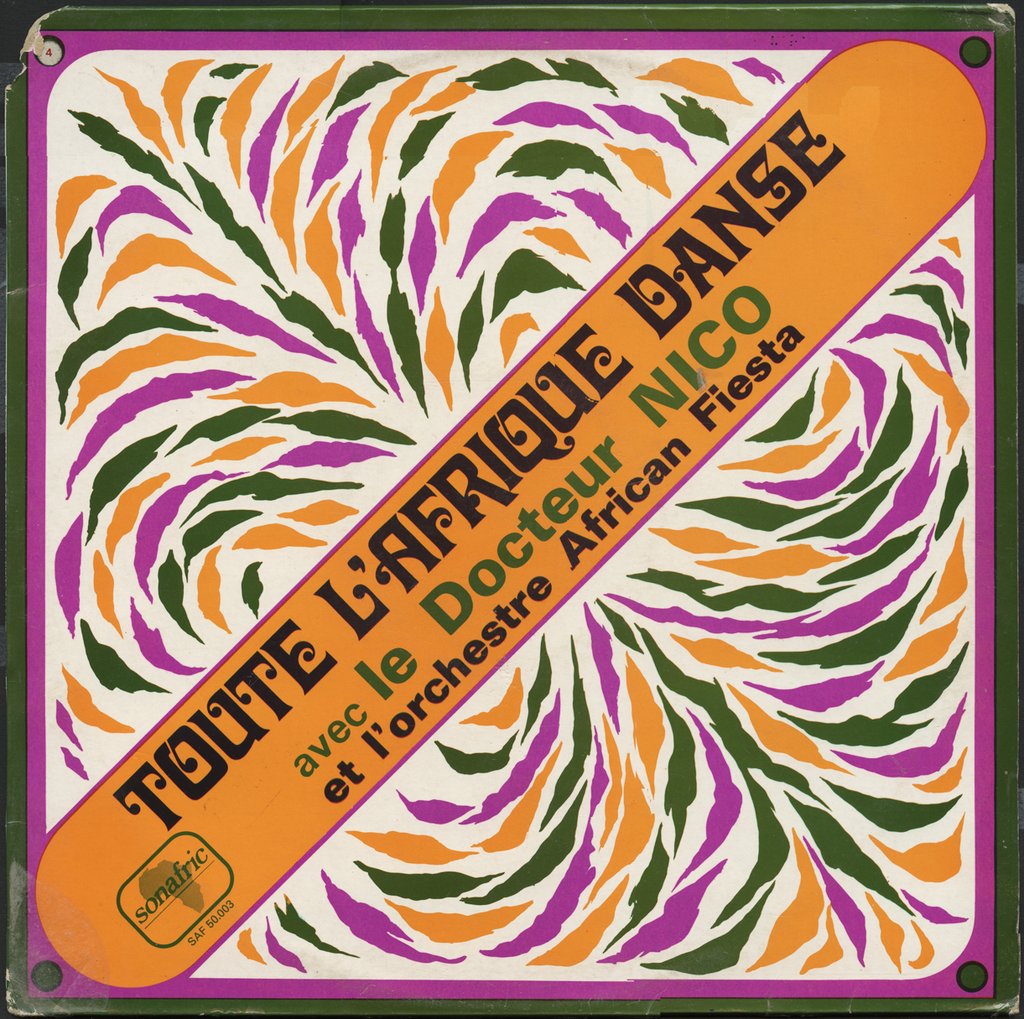
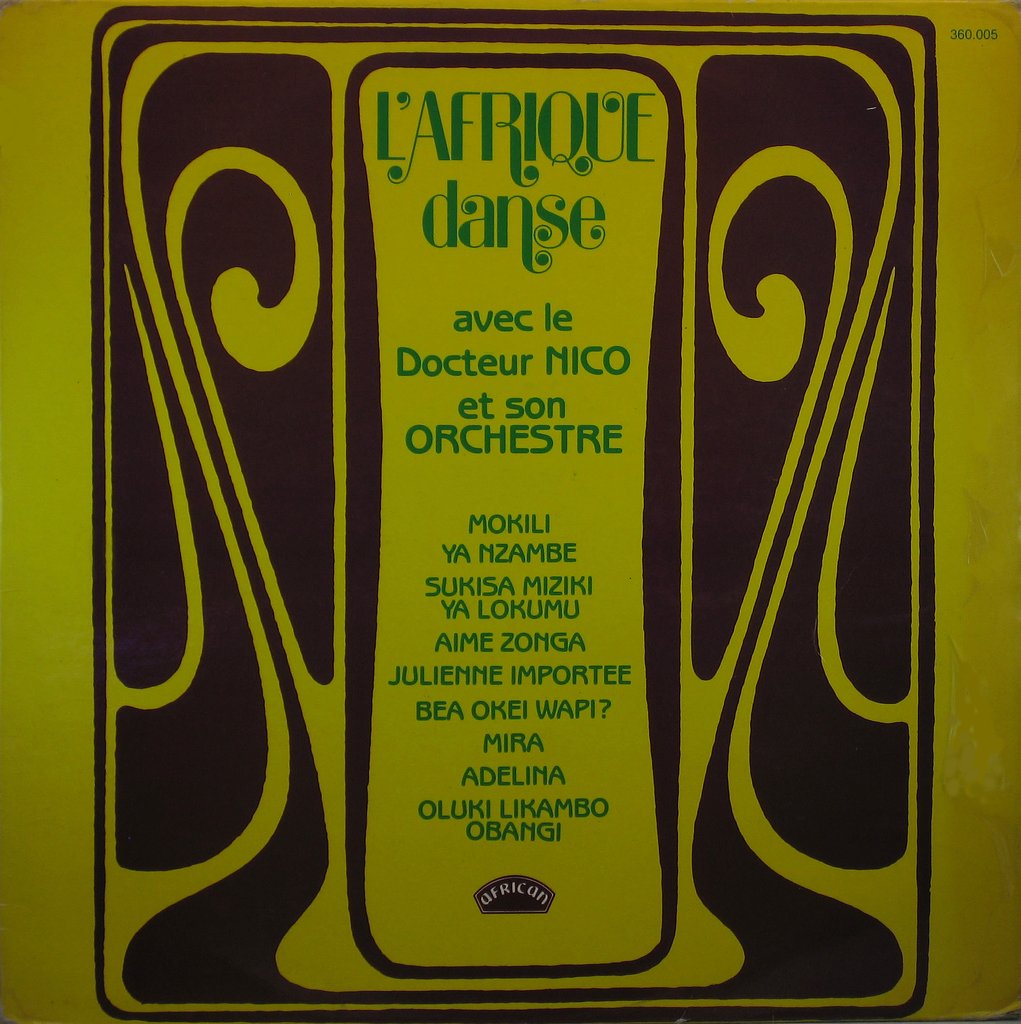
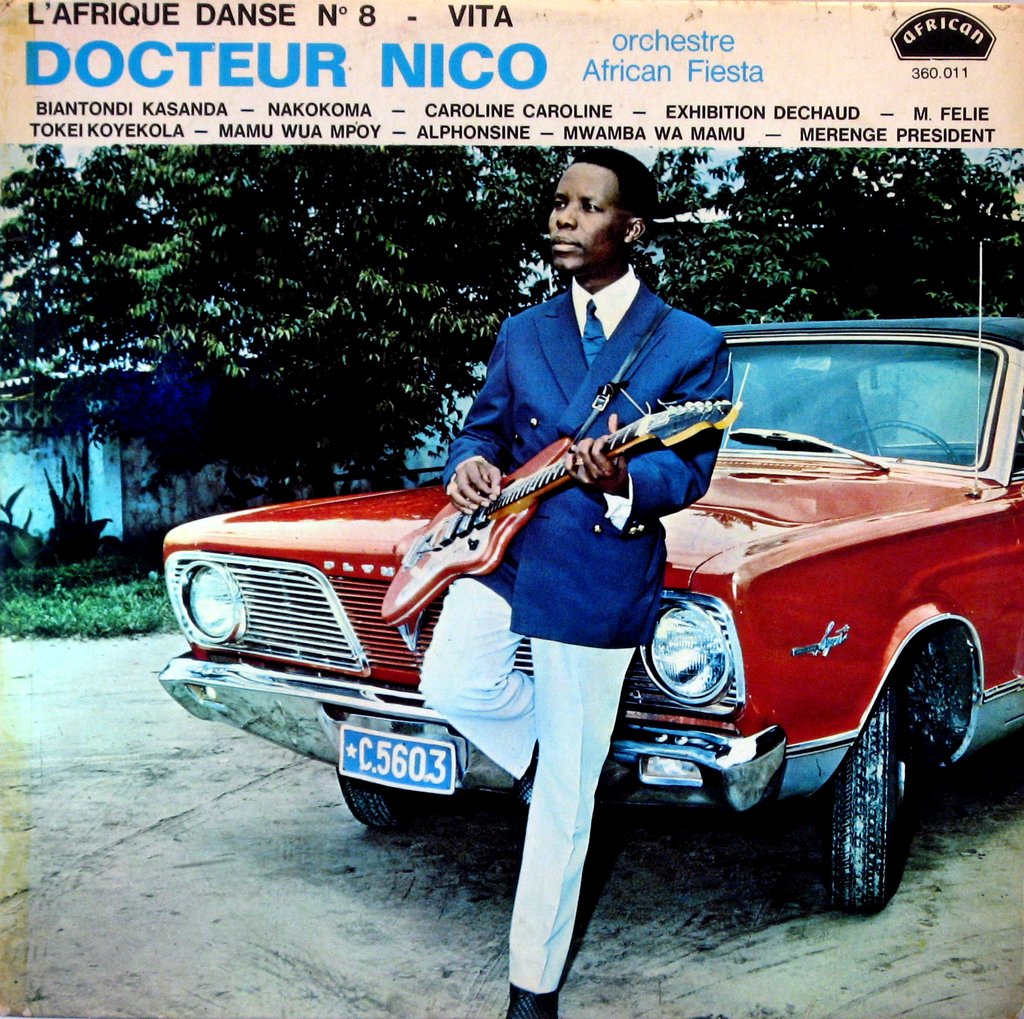
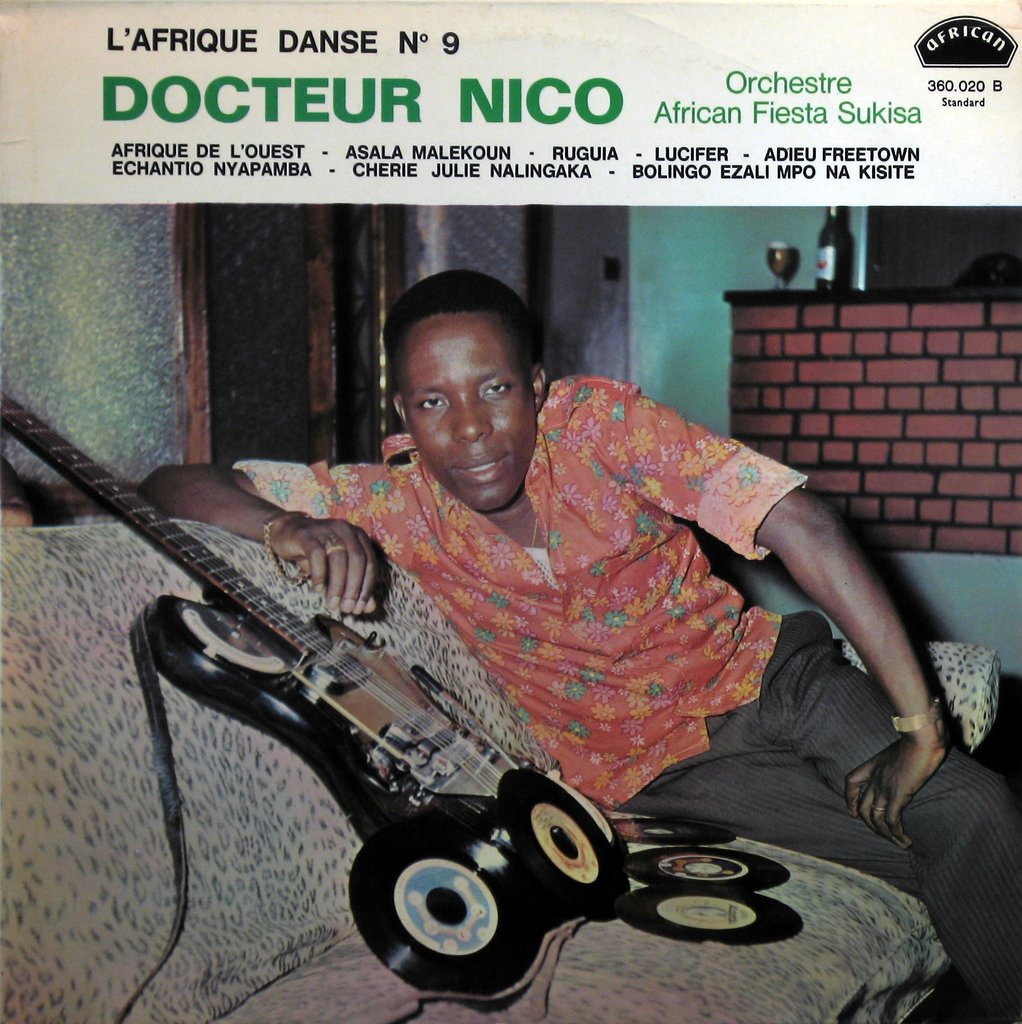
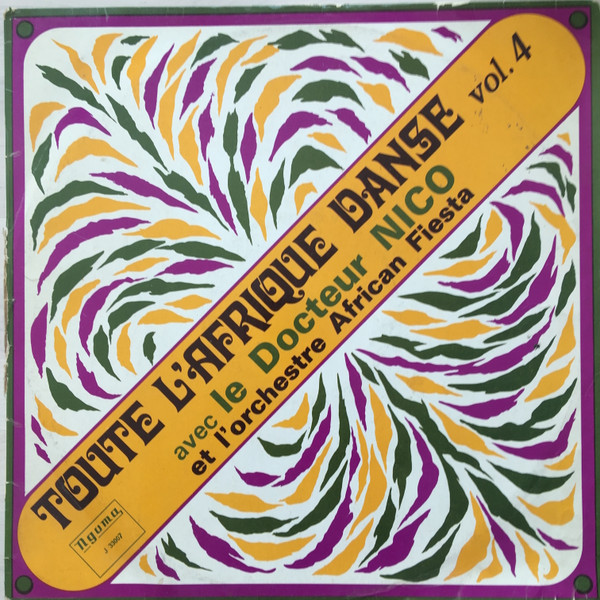
| L’Afrique Danse (African series) | 1970 | Cult albums recorded with African Fiesta Sukisa |
| N’daya Paradis | 1960s | Cornerstone of Nico’s repertoire, reissued in 1997 |
Legacy and Influence
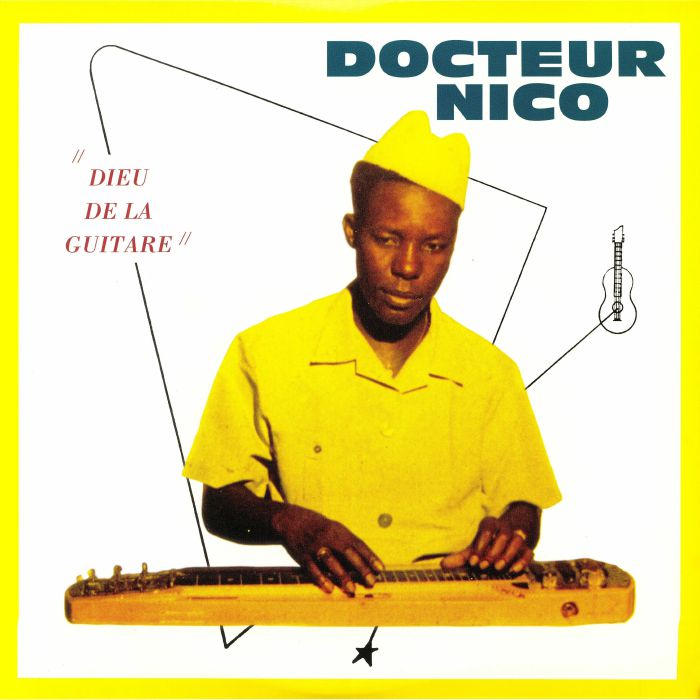
Docteur Nico is today considered the most important guitarist in Congolese history. His fingerpicking style—the technique where fingers replace the pick—inspired every generation of Congolese guitarists, from Diblo Dibala to contemporary soukous musicians. His recordings, long available only in fragmented form, have been the subject of major reissues: Dieu de la Guitare (2018, Planet Ilunga) brings to light more than twenty-six previously unreleased tracks. Music historians now compare him to electric guitar visionaries: Fats Domino, T-Bone Walker, and even American blues guitarists. Modern Africa found in his playing the sound of its own modernity.
Sources and References
-
“The Docteur Is In,” The New York Review of Books, https://www.nybooks.com/online/2026/03/11/the-docteur-is-in-nico-congolese-rumba/, accessed October 19, 2026.
-
“Dr. Nico — Biography,” AllMusic, https://allmusic.com/artist/dr-nico-mn0000954985, accessed October 19, 2026.
-
“Doctor Nico — Biography”, AllMusic, https://allmusic.com/artist/doctor-nico-mn0001471776, accessed October 19, 2026.
-
“Docteur Nico”, Wikipedia, https://fr.wikipedia.org/wiki/Docteur_Nico, accessed October 19, 2026.
-
“The Story of Africa’s Guitar God Dr. Nico”, Guitar World, https://www.guitarworld.com/features/dr-nico, accessed October 19, 2026.
-
“Best of The Beat on Afropop: Remembering Docteur Nico”, Afropop Worldwide, https://www.afropop.org/articles/best-of-the-beat-on-afropop-remembering-docteur-nico, accessed October 19, 2026.
-
“Press Release — 33rd Anniversary of the Passing of Dr Nico”, MBOKAMOSIKA, https://www.mbokamosika.com/2018/09/communique-de-presse-a-l-occasion-du-33e-anniversaire-de-la-disparition-de-dr-nico.html, accessed October 19, 2026.
-
“N’Daya paradis”, Discogs, https://www.discogs.com/release/19148998-Dr-Nico-Et-L-African-Fiesta-Sukisa-Asala-Malekoum-1967-1969, accessed October 19, 2026.