Biography
The Eternal Doctor Nico: Virtuoso of Congolese Guitar
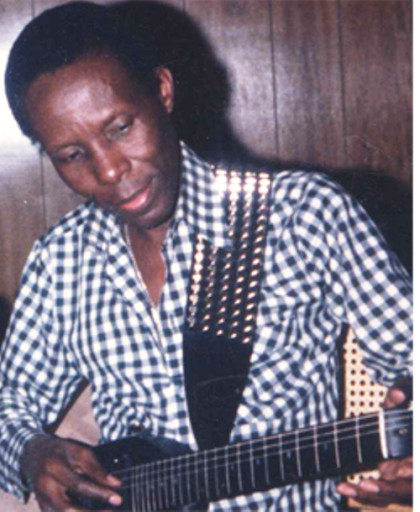
In 1960, in Brussels, a 21-year-old guitarist improvised solos so brilliant that a radio host exclaimed: “Doctor Nico!” — this healer of souls who treated with his guitar. He would bear this nickname until the end: “The Eternal Doctor Nico”.
In Brief
| Full Name | Nicolas Kasanda wa Mikalay, known as “Doctor Nico” |
| Birth | July 7, 1939, Mikalayi (Belgian Congo) |
| Death | September 22, 1985, Brussels (Belgium) |
| Genre | Congolese Rumba, Soukous — Guitar |
| Iconic Works | “Indépendance Cha Cha”, “N’daya Paradis”, “Merengue Scoubidou” |
| Awards | Reputed as “Guitar God” by Africans of the 1960s, admired by Jimi Hendrix |
Key Dates
| Year | Event |
|---|---|
| 1939 | Birth in Mikalayi, in the Kasaï region (Belgian Congo) |
| 1957 | Technical teaching diploma and entry into African Jazz led by Grand Kallé Jeff |
| 1960 | “Indépendance Cha Cha” — first pan-African hit; the nickname “Doctor Nico” |
| 1963 | Co-founding of L’Orchestre African Fiesta with Tabu Ley Rochereau and Roger Izeidi |
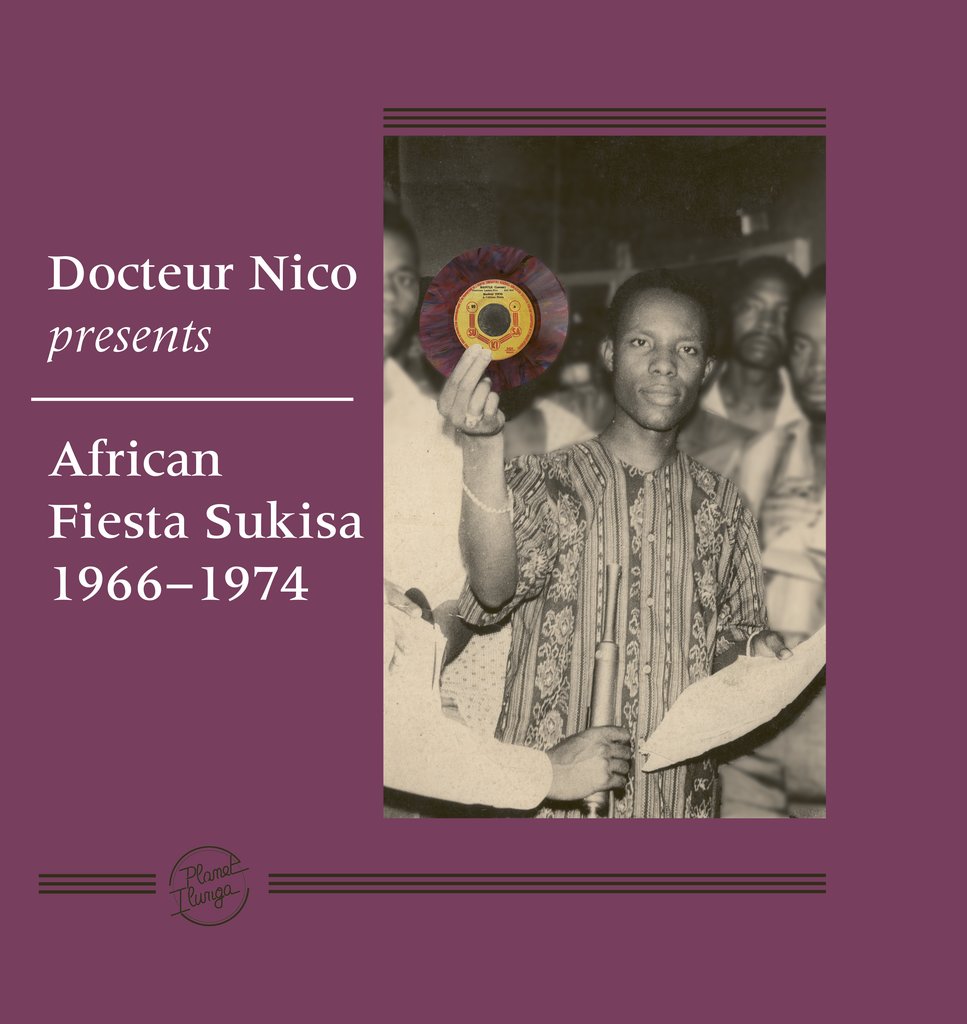
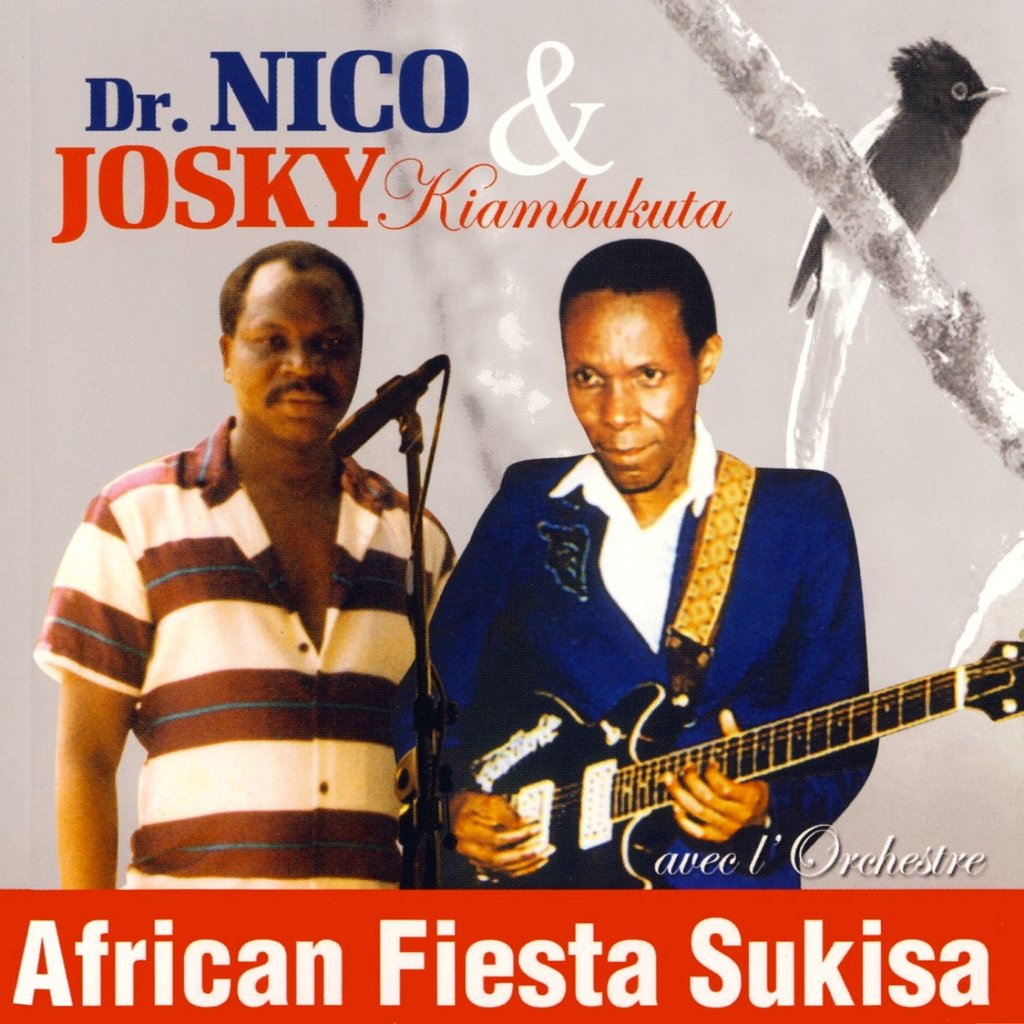
| 1965-1966 | Founded African Fiesta Sukisa with his brother Dechaud, Lucie Eyenga, and Josky Kiambukuta |
| 1970 | “Kamulangu”, arrangement of the popular Luba song, a hit in Zaire |
| Early 1970s | Withdrawal from the stage following the bankruptcy of the Belgian label |
| 1980-1985 | Return with Abeti Masikini and Africa New Sound; tour in the United States |
| 1985 | Death in Brussels, at Saint-Luc Hospital |
From Léopoldville to the World: The Career of The Eternal Doctor
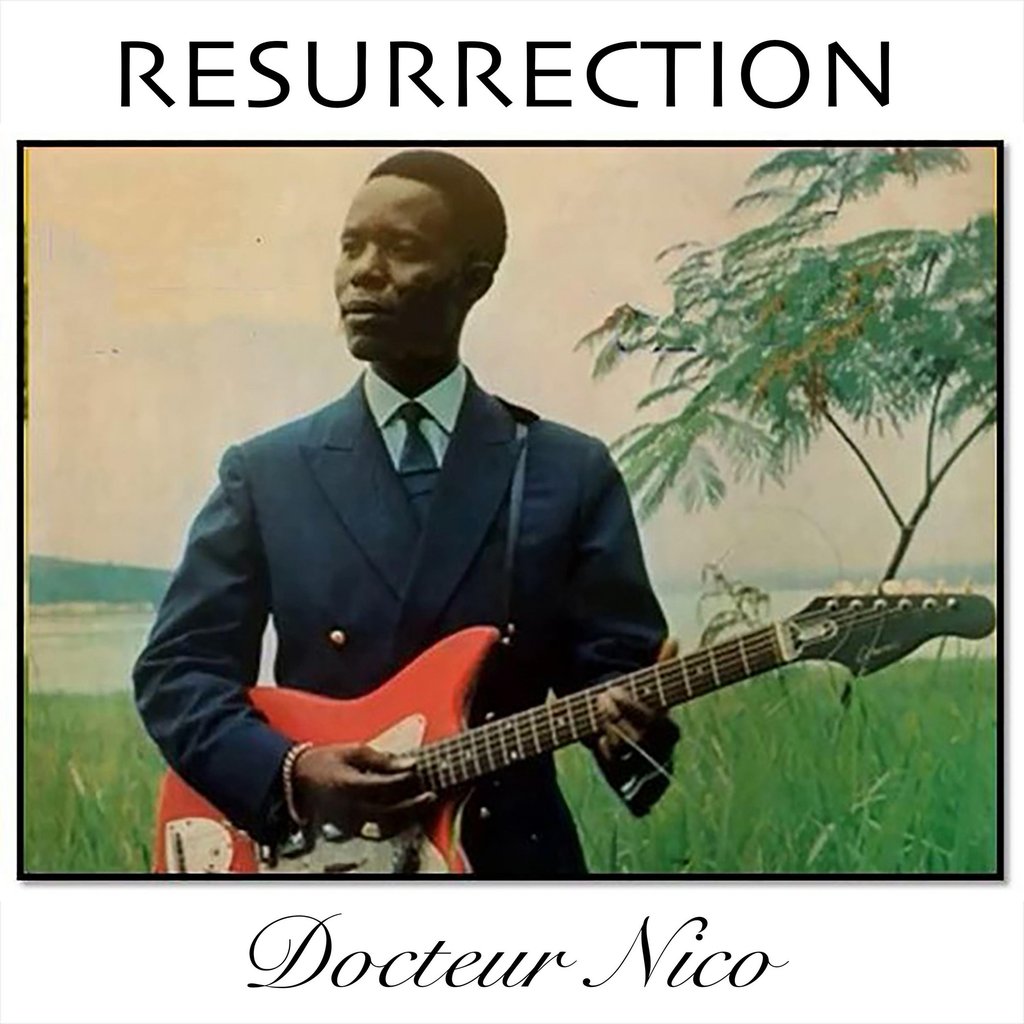
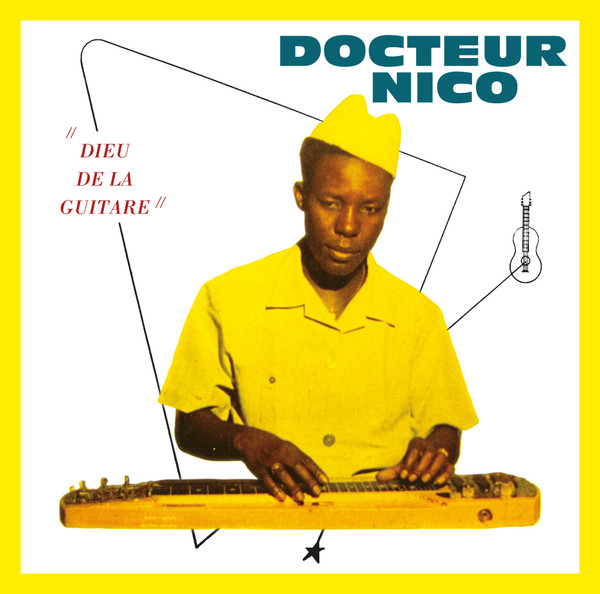
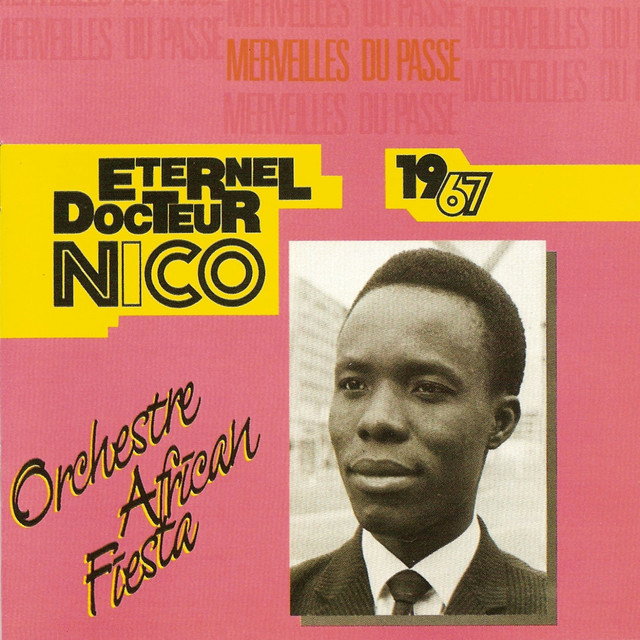
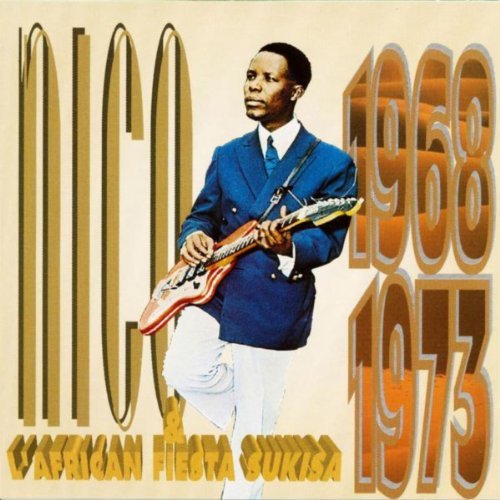
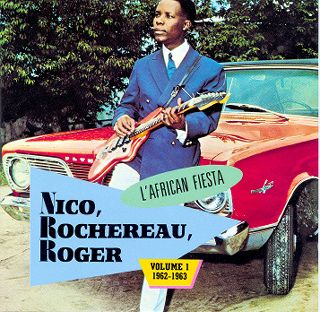
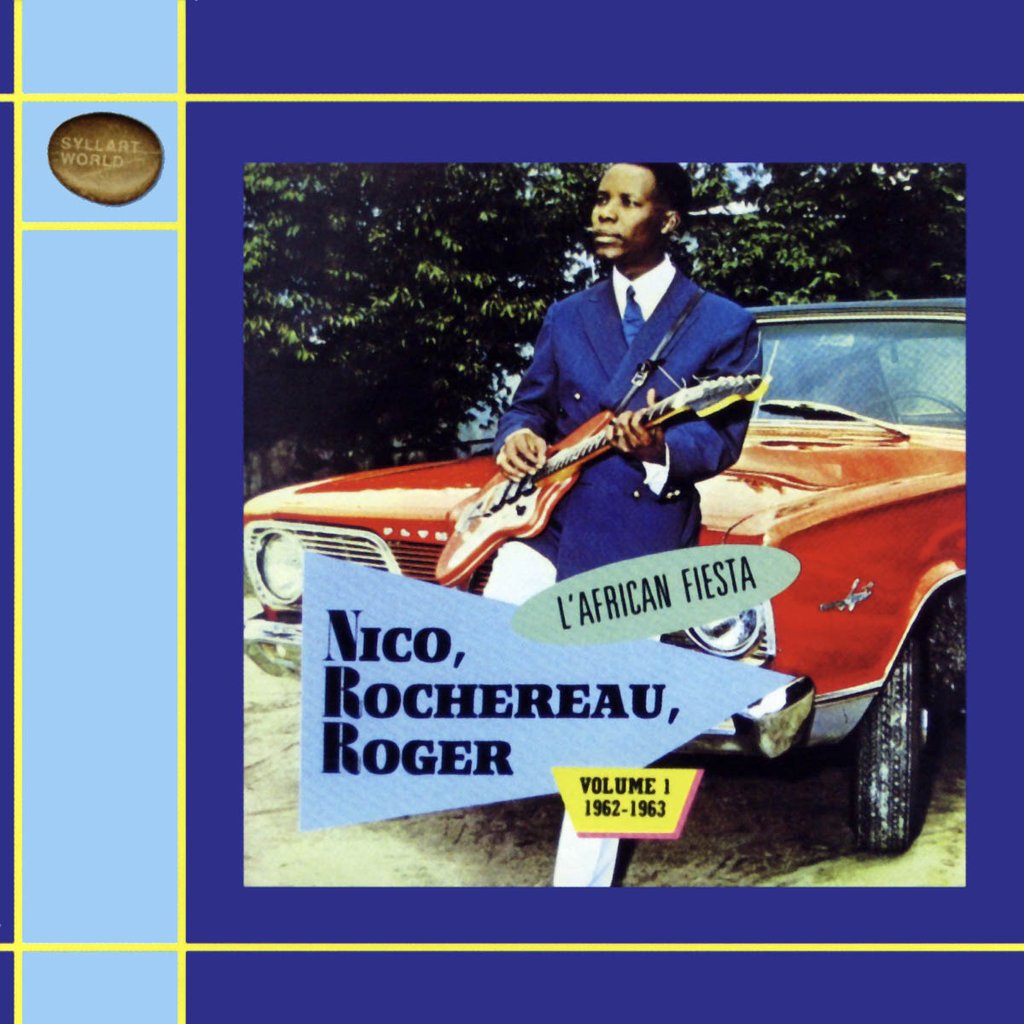
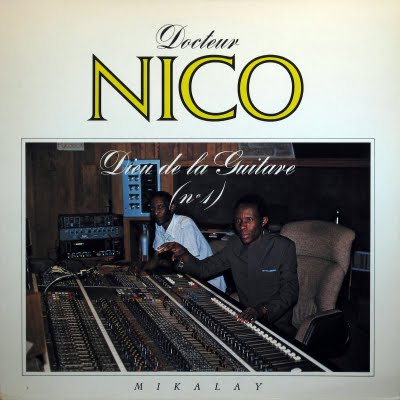
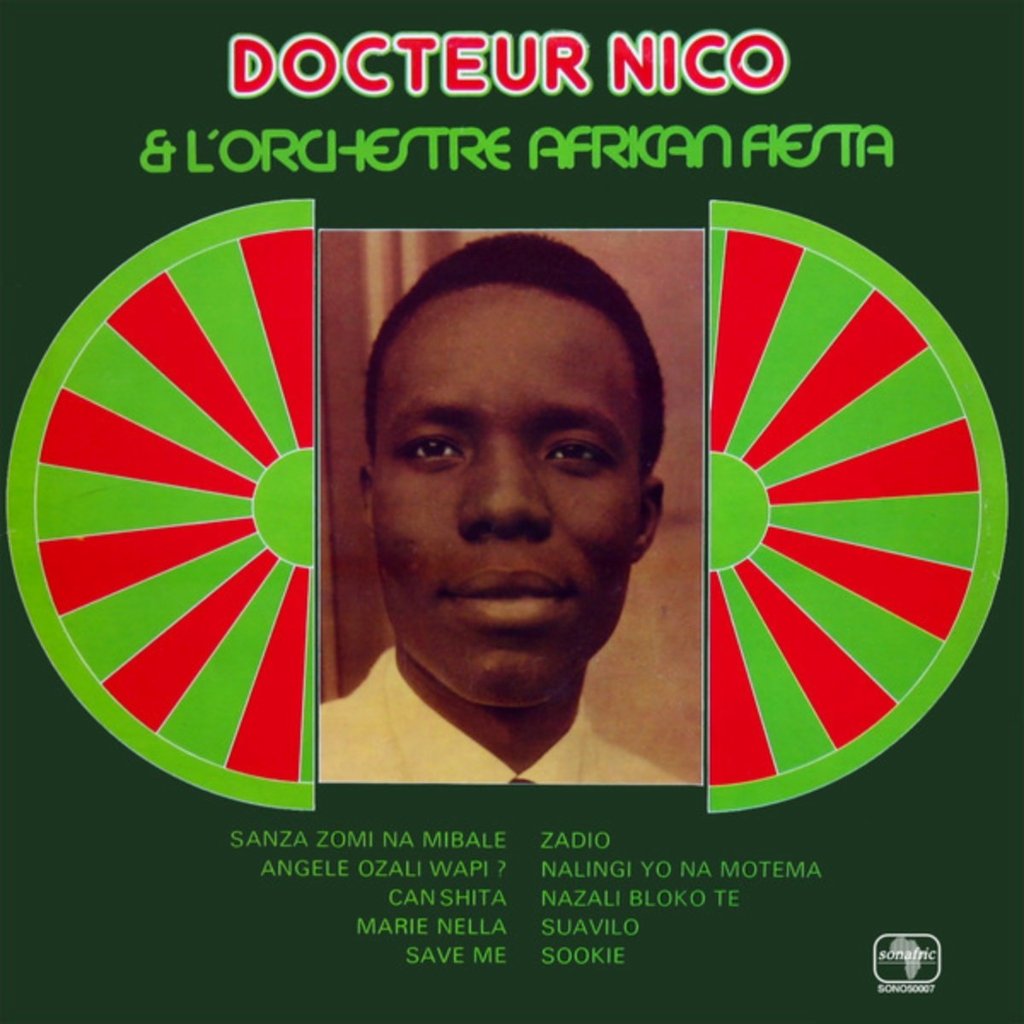
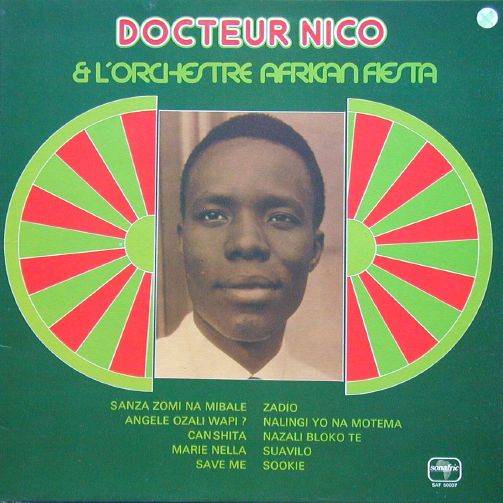
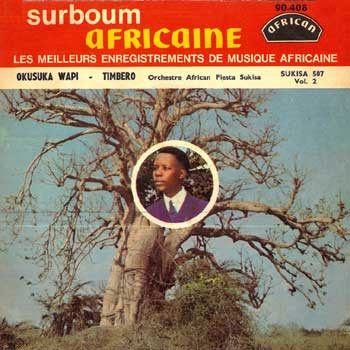
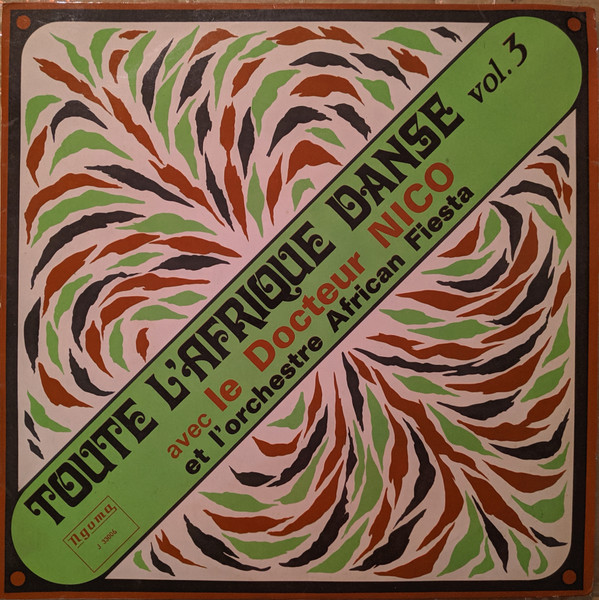
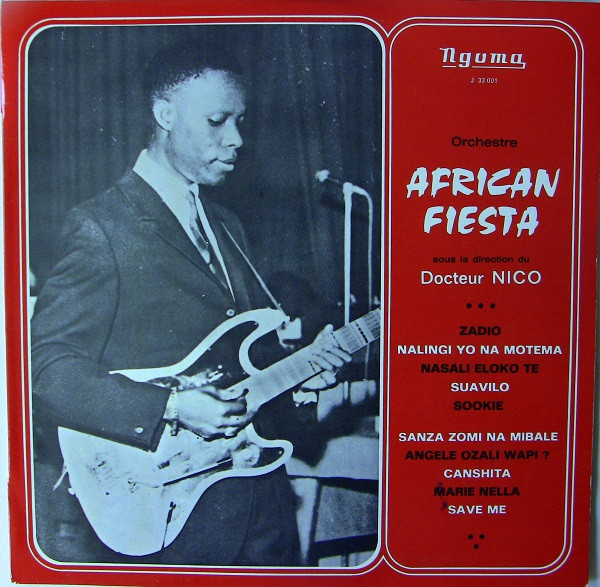
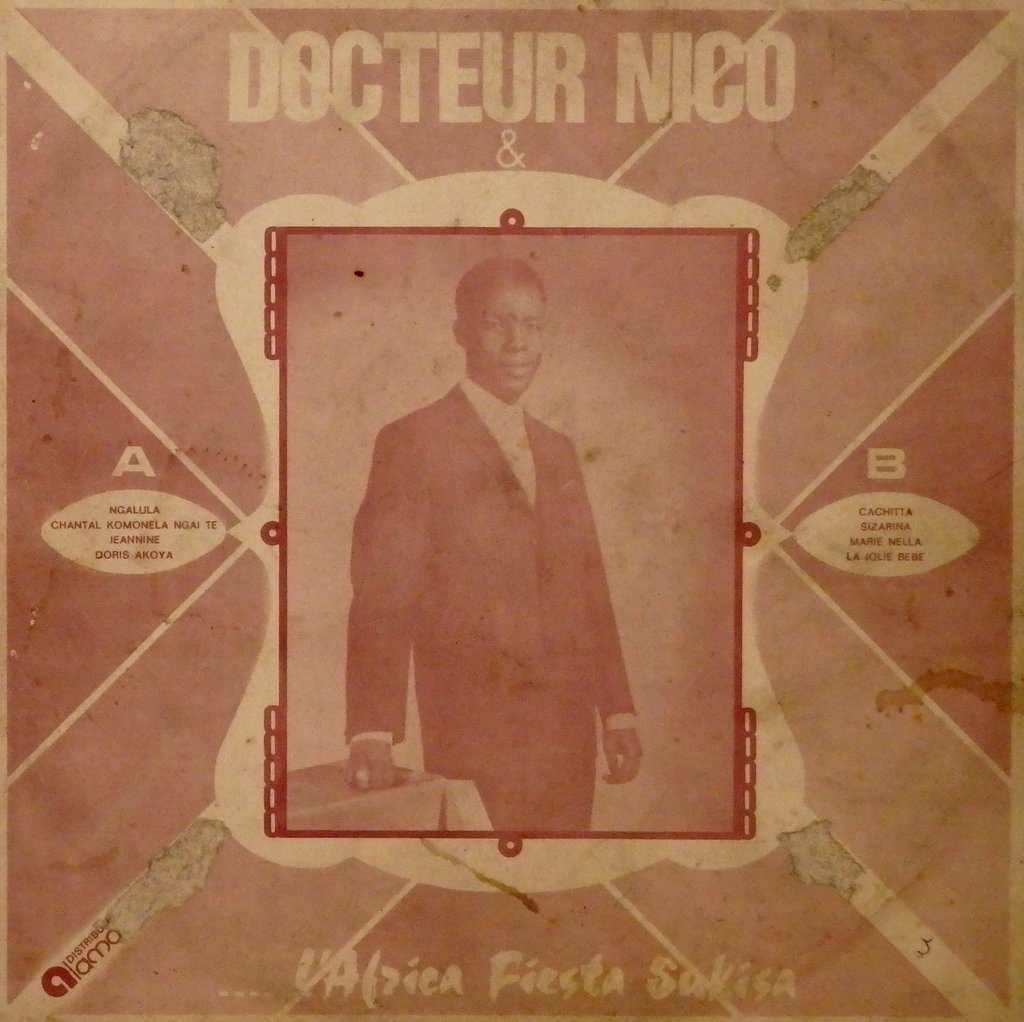
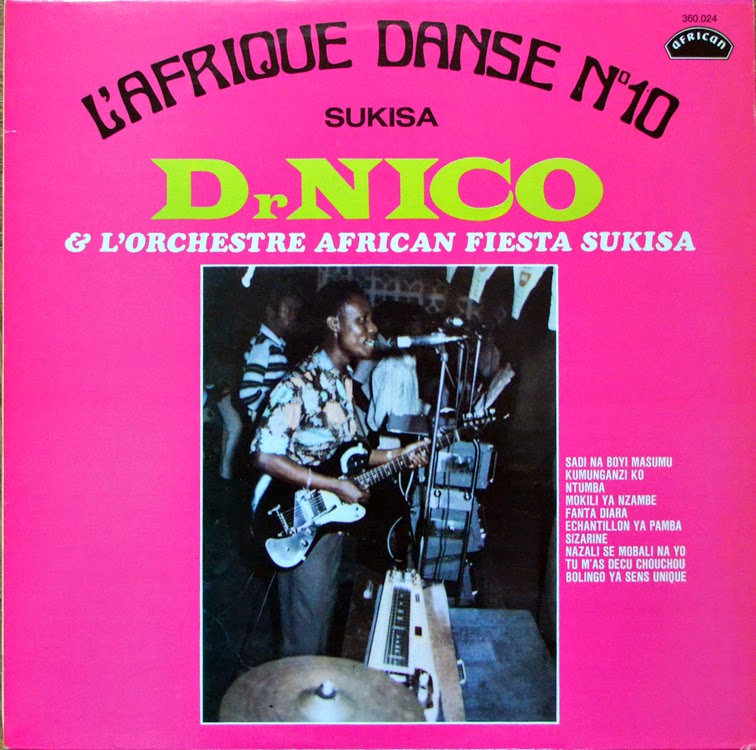
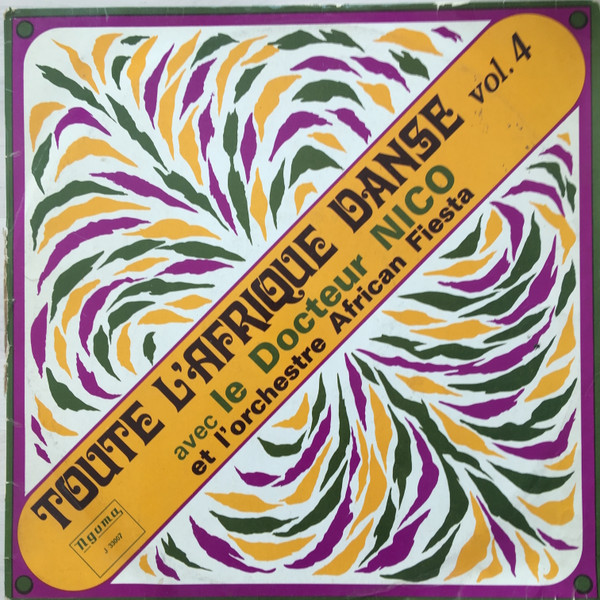
Born on July 7, 1939, in Mikalayi, in the Kasaï region, Nicolas Kasanda wa Mikalay grew up in a deeply musical family. His father played the accordion, and his older brother Charles Mwamba — nicknamed “Dechaud” — played the guitar. Fascinated, young Nicolas one day stole his first guitar from his brother: he was nine years old. The missionary school provided him with classical training that later allowed him to transpose the techniques of the likembé — the traditional African thumb piano — onto a Western instrument. At fourteen, in 1957, he joined Grand Kalle and the African Jazz of Joseph “Kallé Jeff” Kabasele, then the largest orchestra in Léopoldville (Kinshasa). The guitarist there was still an accompanist — Nico gave him the central role. His style, he called merengue: a cascade of chained notes where every sound sparkles. He introduced vibrato and reverb into Congolese music, creating a unique sound that some compared to a Hawaiian steel guitar. In 1960, African Jazz traveled to Brussels for the Conference around the Round Table preparing for the independence of Belgian Congo. The group recorded “Indépendance Cha Cha” there, often considered the first true pan-African hit. It was during this session that a Belgian radio host nicknamed Nico “Doctor” for the surgical precision of his playing. The nickname stuck. In 1963, Nico and Tabu Ley Rochereau — another prodigy of African Jazz — left Kallé and founded L’Orchestre African Fiesta with singer Roger Izeidi. The trio shared artistic direction for two years before the band split in 1965. Nico kept the name African Fiesta Sukisa and recruited his brother Dechaud, singer Lucie Eyenga, and the young Josky Kiambukuta. Under his baton, African Fiesta Sukisa perhaps lived the most creative period of Nico’s career. He introduced the Hawaiian steel guitar into the Congolese mix and explored traditional rhythms from his native region, such as mutuashi — a dance he would popularize across the continent. Titles like “Ngalula”, “Bougie ya motema”, or “Sanza zomi na mibale” (“twelve strings”, meaning “twelve hands”) became classics. His mi-solo technique — this third guitar dancing above the rhythm and main riff — became a pillar of the genre. On stage, Nico was a spectacle: dressed in a blue blazer and tie, he was even seen posing next to a 1965 red Plymouth Barracuda, his Egmond Typhoon guitar — a cheap Dutch model — in an identical color. These low-fi guitars, he used them as studio instruments: tremolo, reverb, harmonics — everything passed through them. But Nico’s art did not immunize him against the hardships of the profession. His difficult character caused repeated defections. The bankruptcy of the Belgian label that distributed African Fiesta Sukisa broke him financially; he left the stage in the mid-1970s, convinced he had been robbed. He sank into alcoholism and faced personal problems — his wife’s infidelity, according to some sources. Several attempts to return failed until 1984, when he collaborated with producer Gérard Akueson and singer Abeti Masikini. The album Dieu de la Guitare (nº1) — Mikalay marked a triumphant comeback. In 1985, Nico embarked on a tour in the United States with this formation — a final opus was recorded under the title Aux USA. But his health, weakened by a blood disorder and years of alcoholism, declined. On September 22, 1985, he passed away at Saint-Luc Hospital in Brussels. He was 46 years old.
Major Works
| Work | Year | Why It Is Essential |
|---|---|---|
| “Indépendance Cha Cha” (with African Jazz) | 1960 | First true pan-African hit; soundtrack of Congolese independence |
| “N’daya Paradis” (African Fiesta) | early 1960s | Introduction of the Hawaiian steel guitar into the Congolese sound |
| “Merengue Scoubidou” (African Fiesta) | early 1960s | Manifesto of Nico’s merengue style — cascade of tremolo notes |
| Dieu de la Guitare (Nº1) — Mikalay | 1984 | Last major album, recorded with Abeti Masikini — triumphant return |
| “Kamulangu” (African Fiesta Sukisa) | 1970 | Arrangement of the popular Luba song, major hit in Zaire |
Heritage and influence
Dr. Nico is undoubtedly one of the two pillars of Congolese guitar, alongside Franco Luambo Makiadi of TPOK Jazz. Where Franco sought to make the guitar speak like a traditional instrument, Nico explored the modern possibilities of the electric guitar: tremolo, reverb, polyrhythm — a modernism that would be found in all the soukous that followed. Guitarists Diblo Dibala and Mdou Moctar owe as much to his repertoire as to the pioneers of American rock. Historians compare Nico to Charlie Christian. Jimi Hendrix went to Paris in the hope of meeting him — a meeting never realized but which speaks louder than a thousand praises. Nico’s sound resonates in soukous, kwasa-kwasa, and among African guitarists who revisit the interdependent styles of electric guitars. Every Congolese sebéné, every mid-solo arpeggio bears his mark.
Sources and references
- Gary Stewart, “Dr. Nico”, Rumba on the River, https://www.rumbaontheriver.com/nico.html, accessed November 3, 2026.
- Guitar World, “The story of Africa’s guitar god Dr. Nico”, https://www.guitarworld.com/features/dr-nico, accessed November 3, 2026.
- AllMusic, “Dr. Nico — Biography”, http://allmusic.com/artist/dr-nico-mn0000954985, accessed November 3, 2026.
- Wikipedia (EN), “Nico Kasanda”, https://en.wikipedia.org/wiki/Nico_Kasanda, accessed November 3, 2026.
- Afrisson, “Dr. Nico”, https://www.afrisson.com/docteur-nico-4968, accessed November 3, 2026.
- Discogs, “Dr. Nico”, https://www.discogs.com/artist/1091652-Dr-Nico, accessed November 3, 2026.
- BBC Music, “Dr. Nico — News & Features”, https://bbc.co.uk/music/artists/6d1c9e84-c1a7-47df-aef2-df8d78065827, accessed November 3, 2026.