Biography
Eliades Ochoa: the guajiro who made the world dance
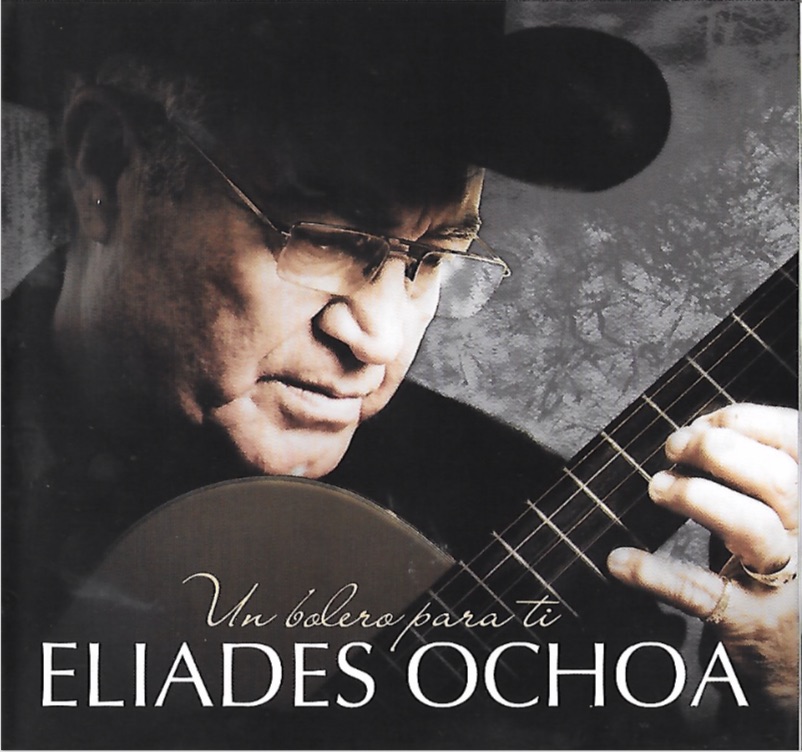
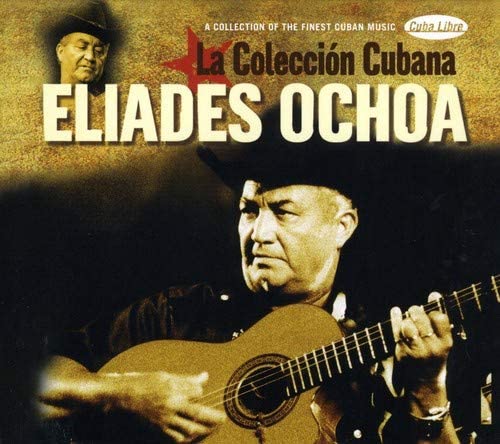
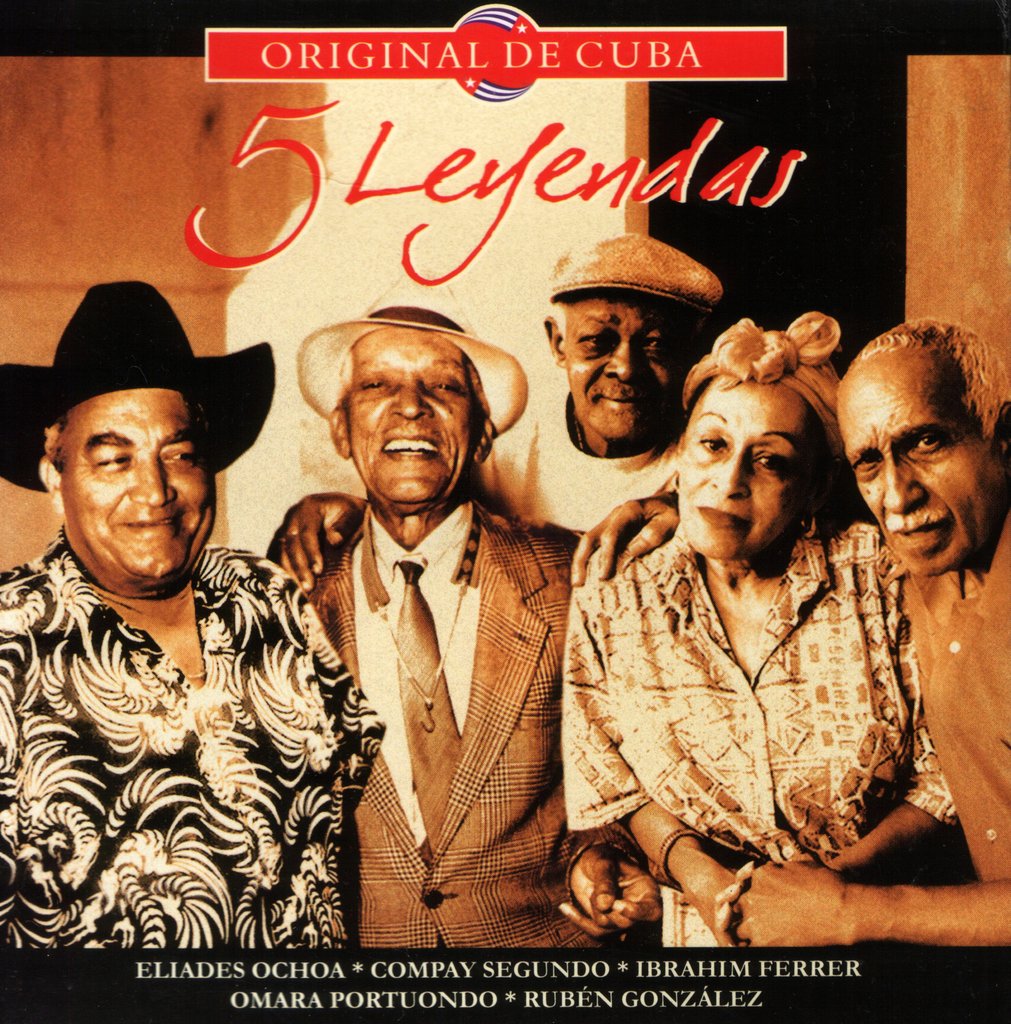
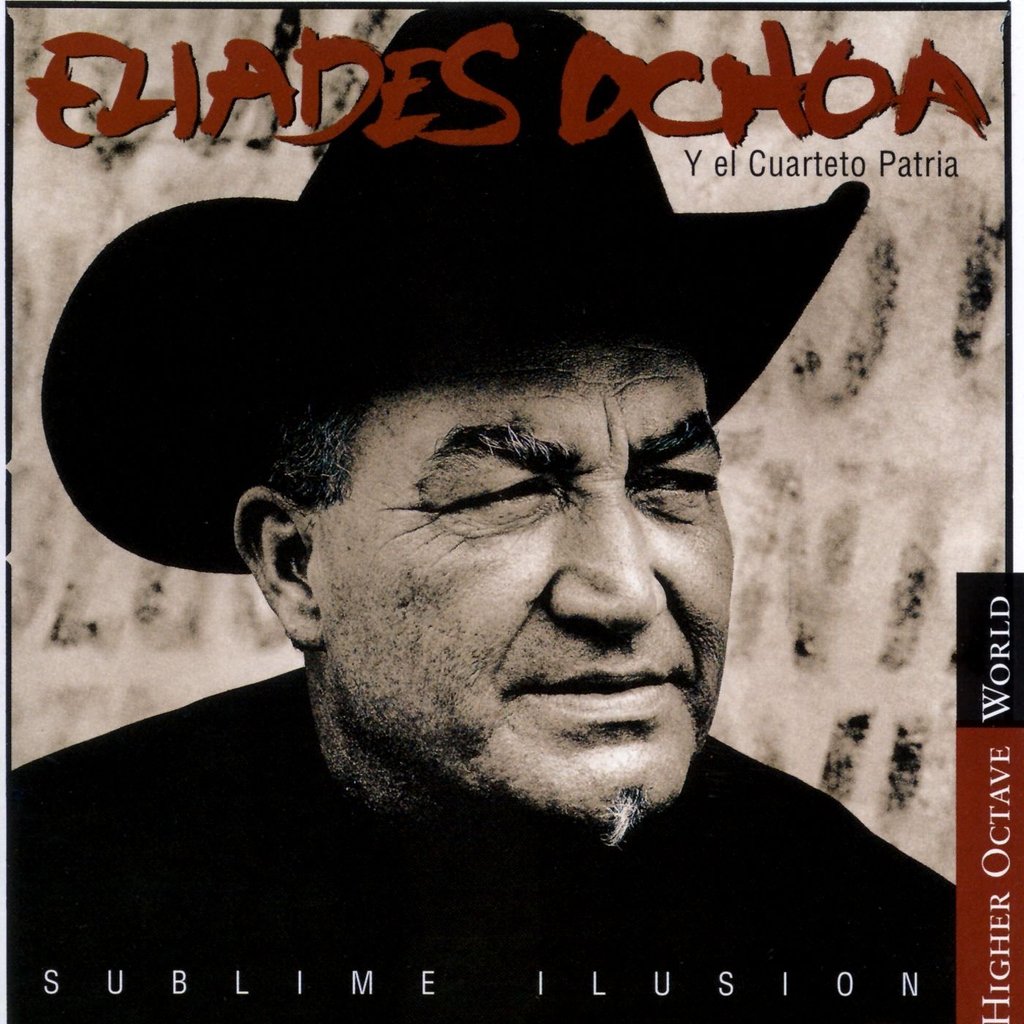
In 1996, in a studio in Havana, retired musicians were woken from their slumber1. Among them was guitarist Eliades Ochoa, 50 years old, from the mountainous region of Songo-La Maya. His playing served as the backbone of the Buena Vista Social Club. Forty years later, he remains one of the craftsmen of the greatest resurgence of traditional Cuban music.
In brief
| Full name | Eliades Ochoa Bustamante |
| Birth | June 22, 1946, Songo-La Maya, Cuba |
| Genre | Son cubano, trova, Latin jazz, salsa |
| Instruments | Guitar, tres, vocals |
| Notable works | Buena Vista Social Club, “Chan Chan”, AfroCubism |
| Awards | Grammy Award (1998), La Mar de Músicas Award (2024) |
Key dates
| Year | Event |
|---|---|
| 1946 | Born in Songo-La Maya, in eastern Cuba |
| 1957 | Starts playing guitar at age six |
| 1962 | Hosts a radio show on Cuban peasant music |
| 1970 | Joins the Casa de la Trova in Santiago de Cuba |
| 1978 | Takes over the Cuarteto Patria |
| 1994 | Meets Nick Gold in London |
| 1997 | Grammy Award for Buena Vista Social Club |
| 2010 | Recording of AfroCubism with Malian musicians |
| 2023 | Release of Guajiro |
| 2024 | La Mar de Músicas Award (Spain) |
From the Sierra Maestra to world stages
Eliades Ochoa was born on June 22, 1946, in Songo-La Maya, in the province of Santiago de Cuba2. His father and mother were peasants who played the tres — a six-stringed instrument, a close ancestor of the guitar — and sang son cubano. From the age of six, he began to imitate their chords.
Very young, he entered the bars of Santiago de Cuba to earn money for his family3. So small was he, almost no bigger than his guitar, that he won the public’s sympathy. This nickname became his moniker: “El Cubanito”, the little Cuban. In 1962, he produced Trinchera Agraria, a radio show dedicated to música guajira, Cuban rural music. In 1970, he joined the Casa de la Trova, an institution dedicated to trova cubaine, a genre of acoustic songs carrying social poetry.
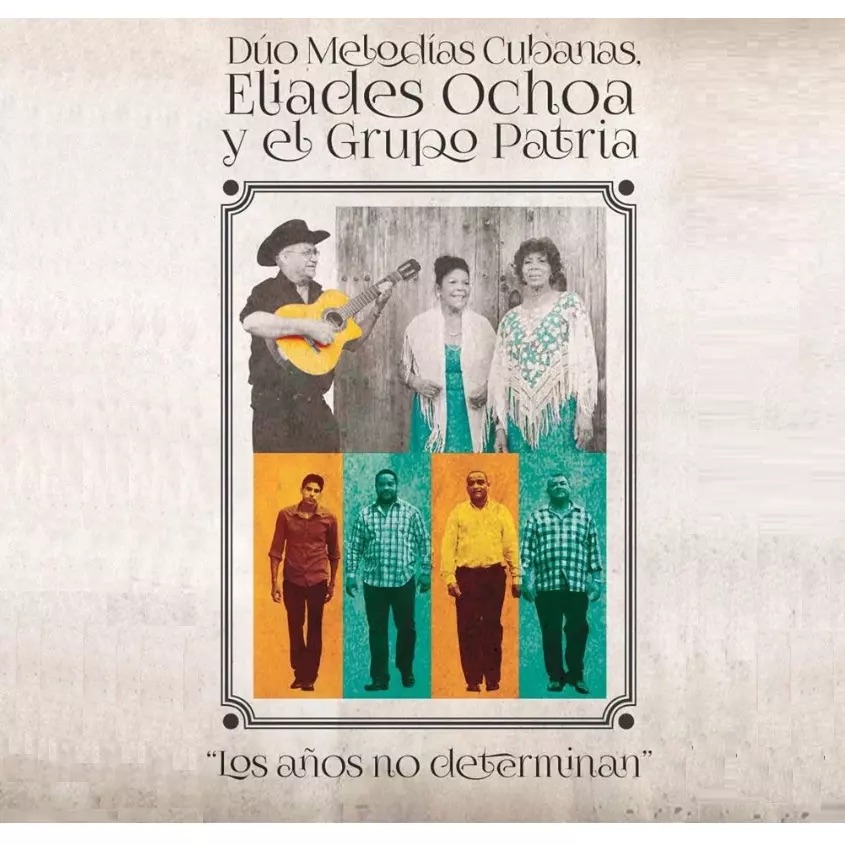
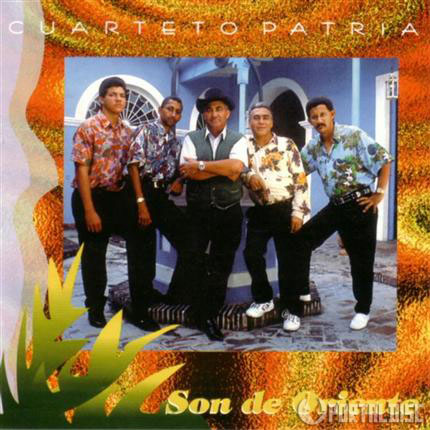
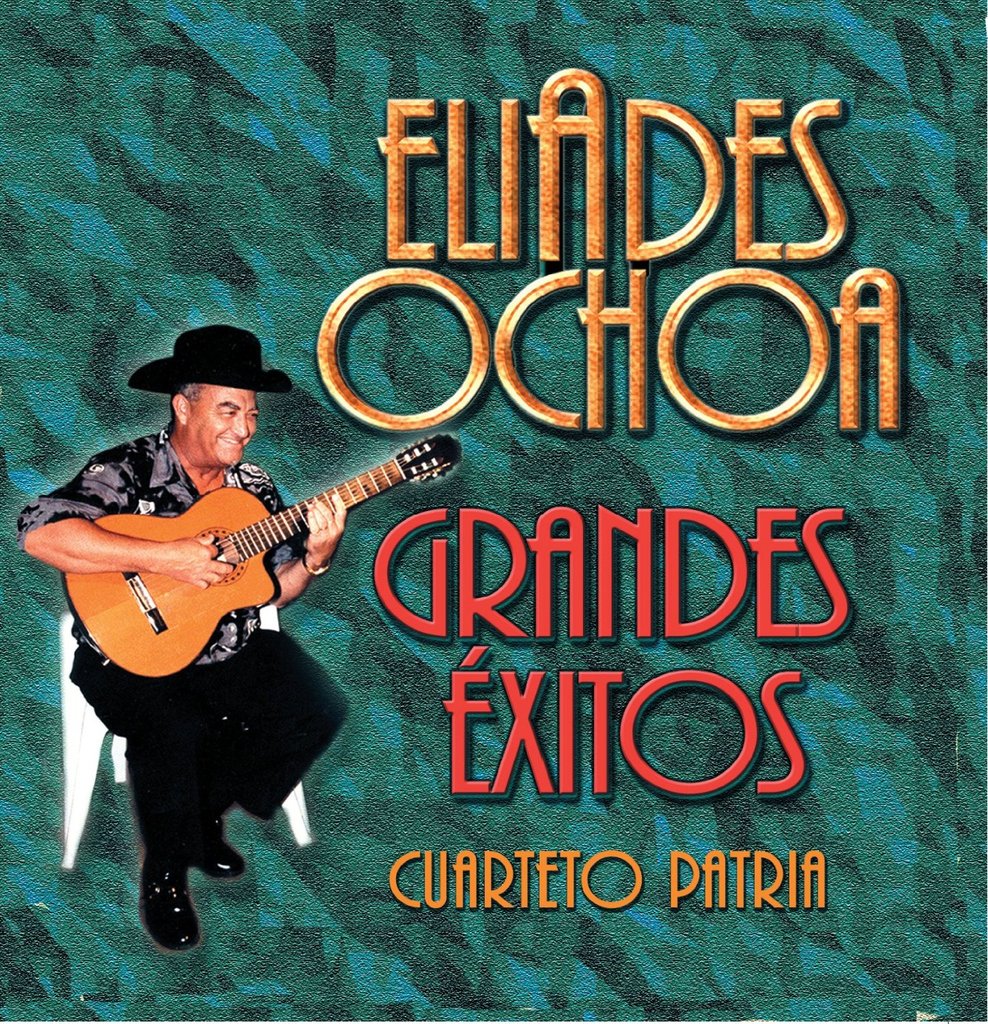
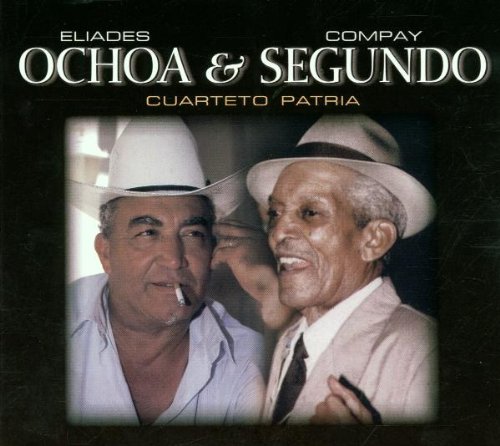
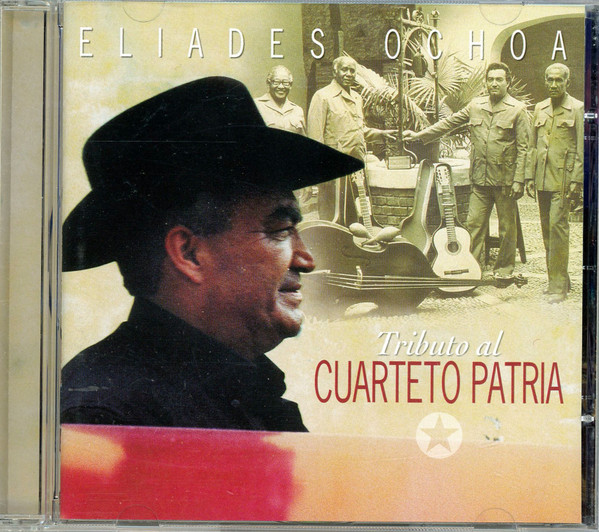
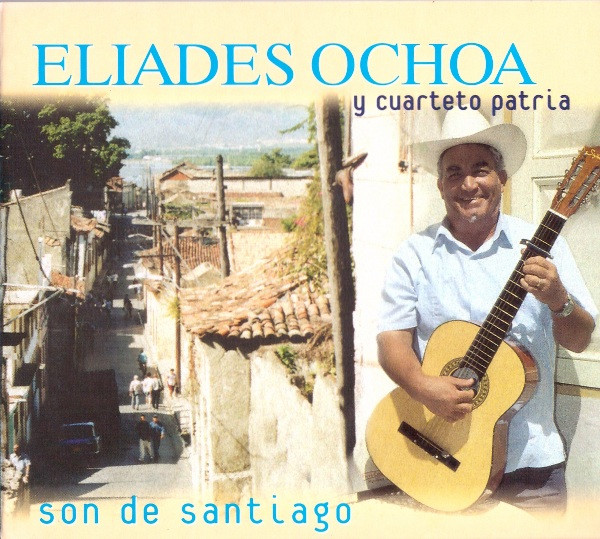
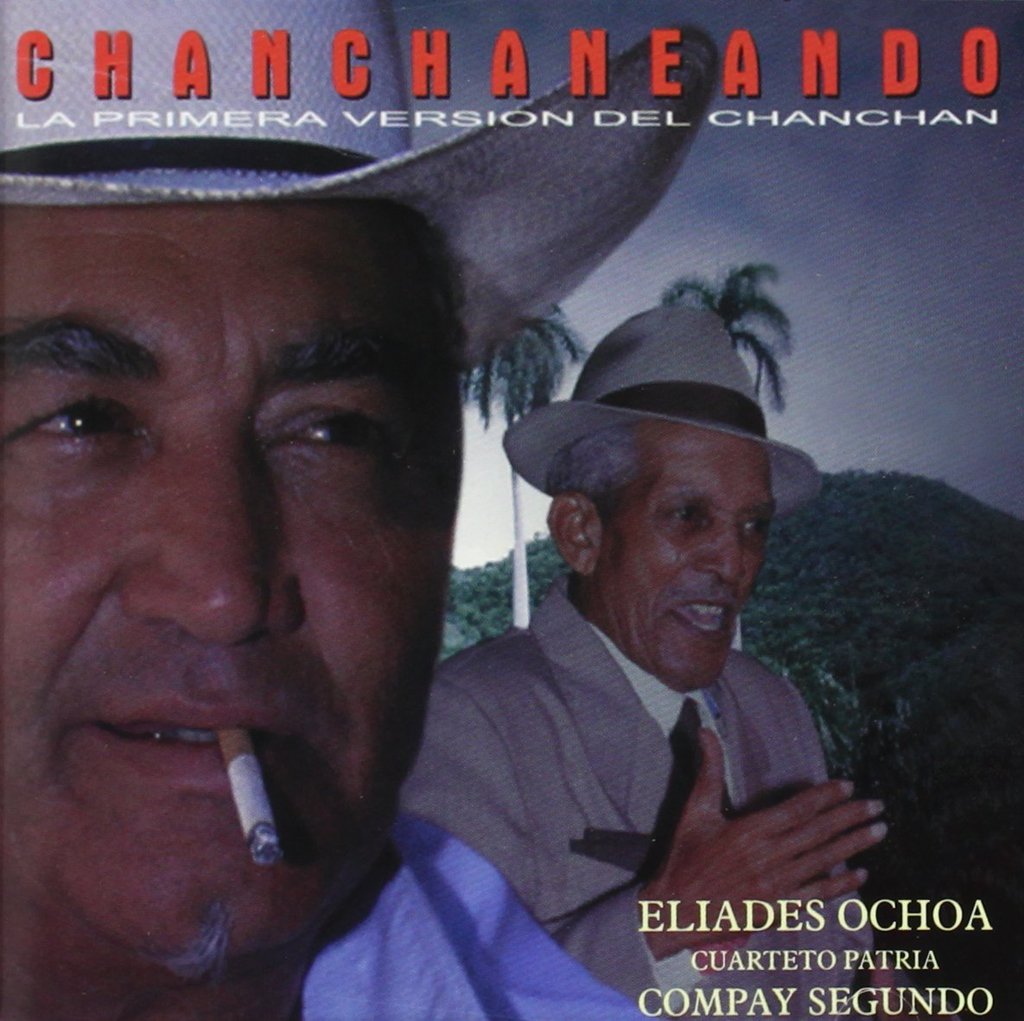
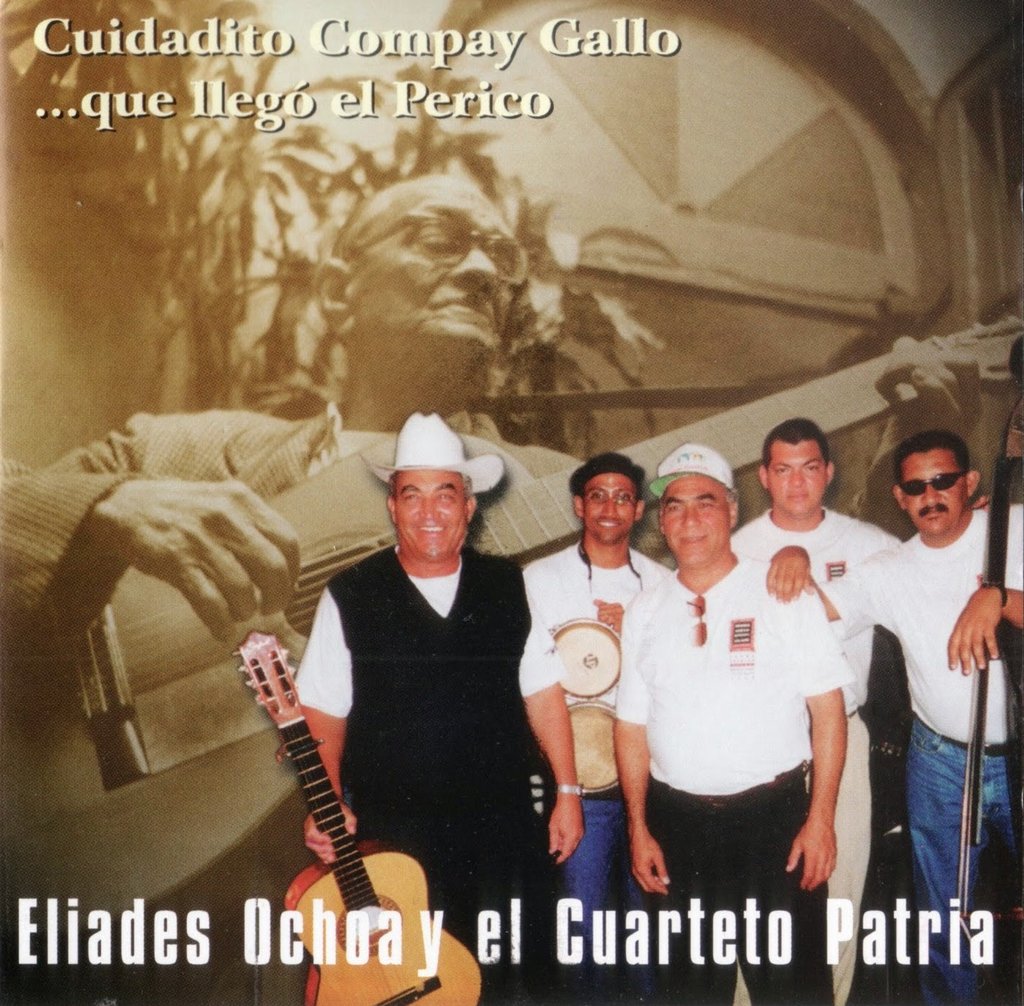
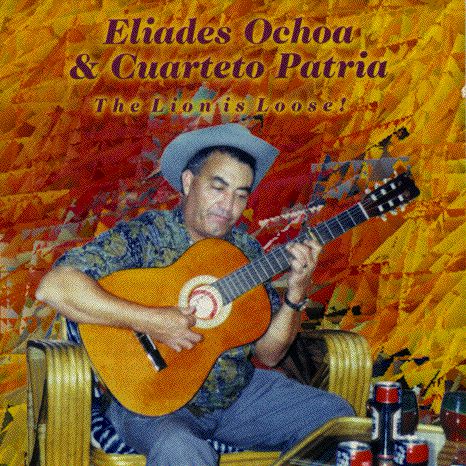
In 1978, he took over the Cuarteto Patria, a group founded in 19391. He expanded the repertoire to include son montuno, guaracha, and guajira. He adopted an eight-string guitar to imitate the timbre of the tres, creating his signature sound. With Compay Segundo, he recorded the first version of “Chan Chan”, which became a standard of Cuban son.
In 1994, Eliades performed at the Queen Elizabeth Hall in London. Nick Gold, head of the World Circuit label, came to congratulate him and proposed a project: record Cubans with Malian musicians. The Malian musicians never arrived. Gold had to improvise. Juan de Marcos González gathered retired artists: Ibrahim Ferrer, Rubén González, Pío Leyva, Compay Segundo. The name “Buena Vista Social Club” was born from a danzón recorded during the session4.
The album was released in 1997. It won a Grammy Award in 1998. Wim Wenders’ documentary was nominated for an Oscar. “For me, the guitar has no secret. It is a complete instrument1.”
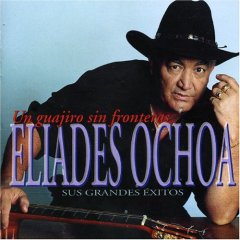
After the success, Eliades Ochoa multiplied collaborations2. AfroCubism (2010) brought together Toumani Diabaté. From Cuba to the World sketches the portrait of his career. His latest album, Guajiro (2023), was released on World Circuit. In 2024, the Spanish festival La Mar de Músicas awarded him its prize.
Major works
| Work | Year | Why it is essential |
|---|---|---|
| “Chan Chan” | ~1989 | First version with Compay Segundo; foundational piece of Cuban son |
| Buena Vista Social Club | 1997 | World revival of traditional Cuban music |
| AfroCubism | 2010 | Cuba-Mali fusion with Toumani Diabaté |
| Guajiro | 2023 | Latest album; 77 years old and still as vibrant |
Legacy
Eliades Ochoa illustrates the path of Cuban music from the sugarcane fields to concert halls4. His name remains inseparable from the Buena Vista Social Club, that initiative which restored global visibility to artists long forgotten. “To think that our music was blocked and that our songs are played all over the world changed things.” More than a guitarist, he is an ambassador of son cubano. His eight-string playing and his nickname “El Cubanito” remind us that world music can come from the small villages of the Sierra Maestra4.
Sources and references
-
Eliades Ochoa Bustamante, Wikipedia, accessed on 1st November 2026, https://en.wikipedia.org/wiki/Eliades_Ochoa ↩︎ ↩︎ ↩︎
-
Angel Romero, Artist Profiles: Eliades Ochoa, World Music Central, accessed on 1st November 2026, https://worldmusiccentral.org/artist-profiles-eliades-ochoa ↩︎ ↩︎
-
Chicago Symphony Orchestra, From Cuba, guitarist and sonero Eliades Ochoa, accessed on 1st November 2026, https://cso.org/experience/article/14737/from-cuba-guitarist-and-sonero-eliades-ochoa ↩︎
-
WFMT, La guitarra está todo, interview with Eliades Ochoa, accessed on 1st November 2026, https://www.wfmt.com/2019/08/09/la-guitarra-estar-todo-grammy-award-winning-guitarist-and-star-of-buena-vista-social-club-eliades-ochoa-on-the-power-of-the-cuban-sound/ ↩︎ ↩︎ ↩︎