Biography
Empire Bakuba: The Electric Force of Zairian Soukous
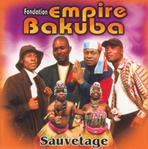
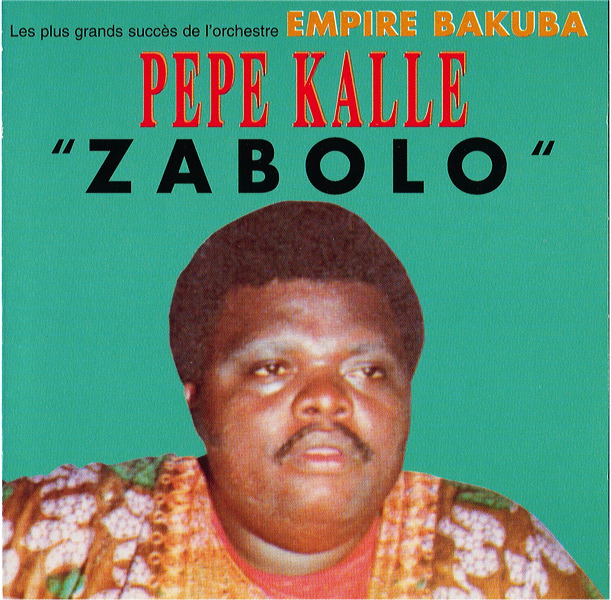
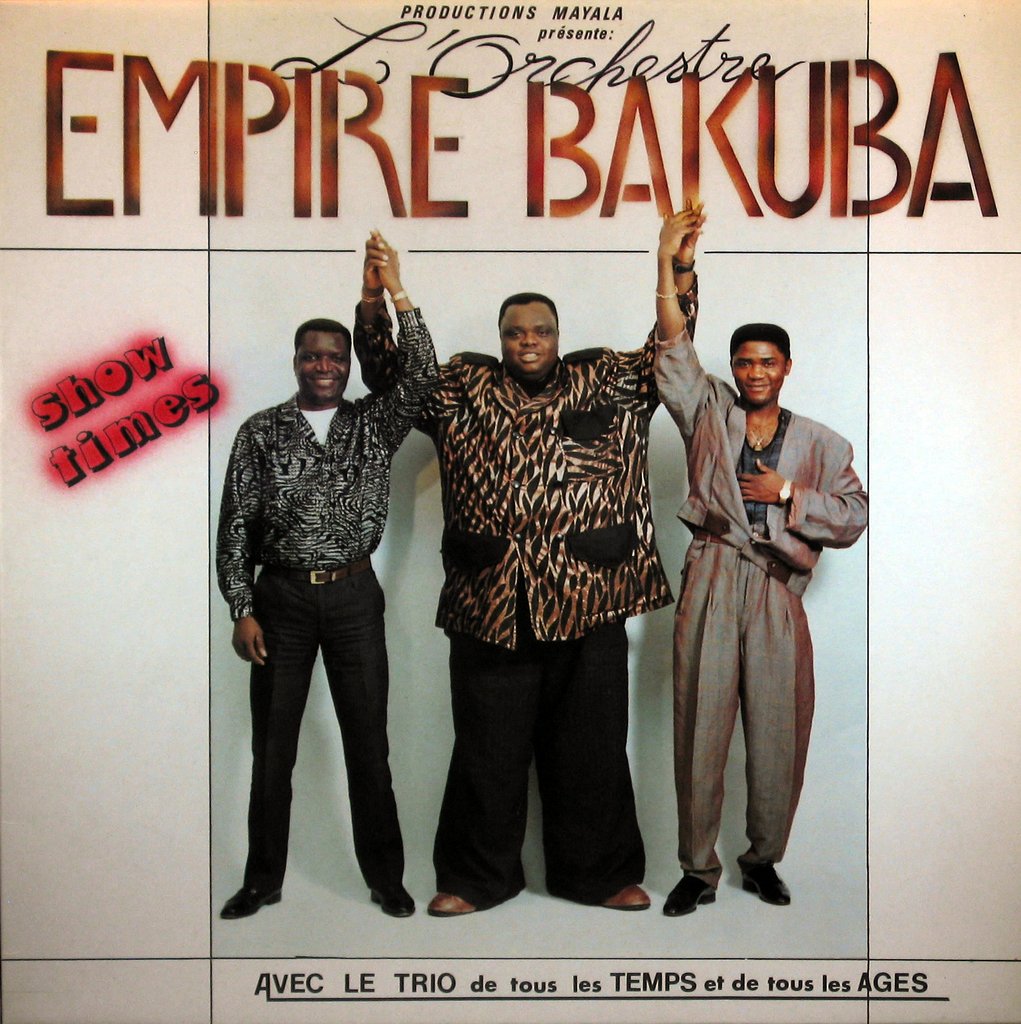
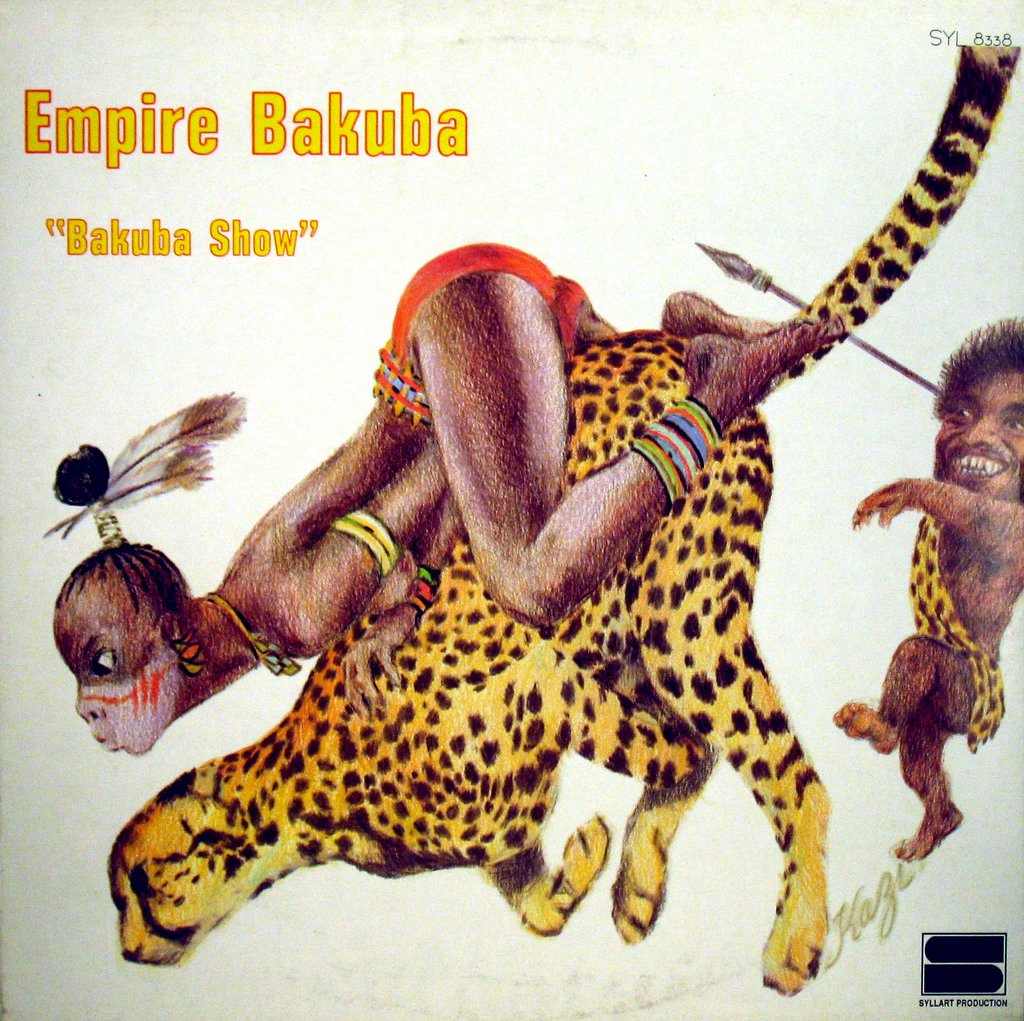
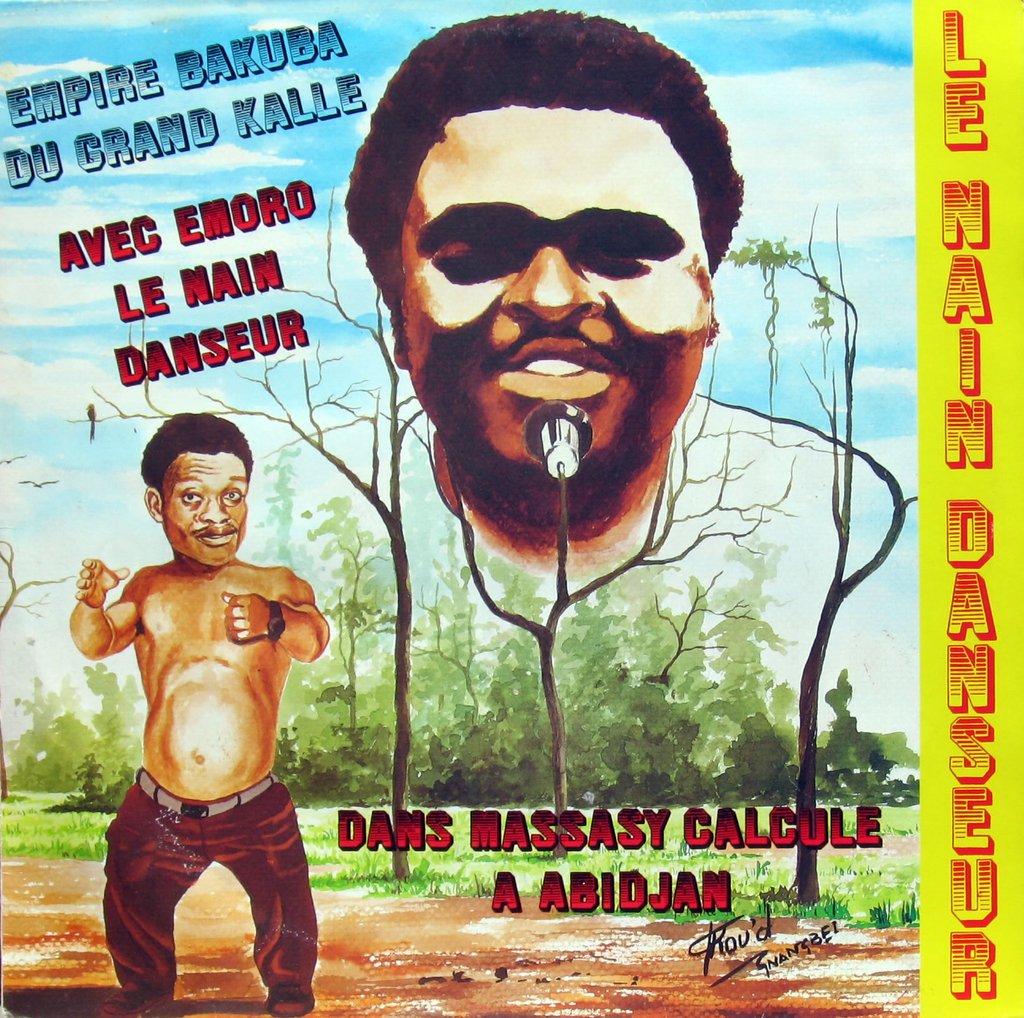
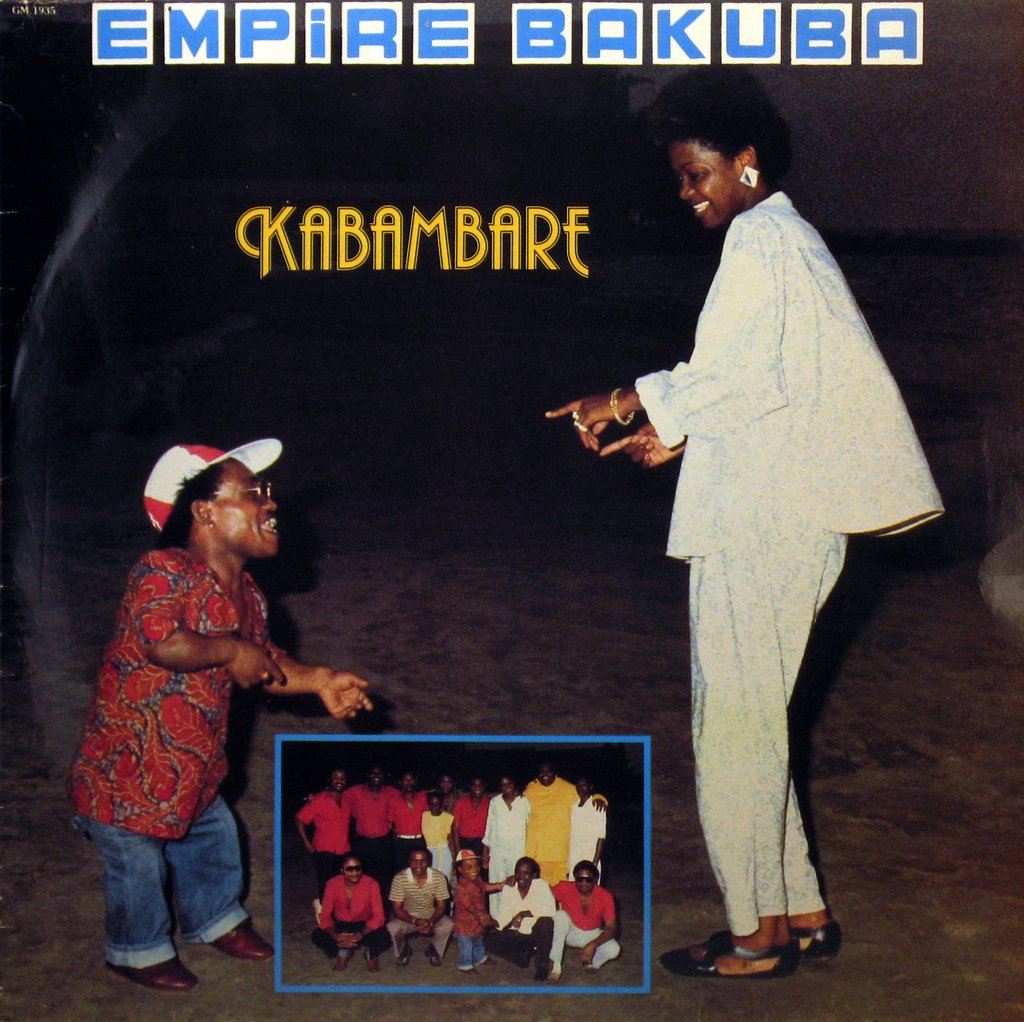
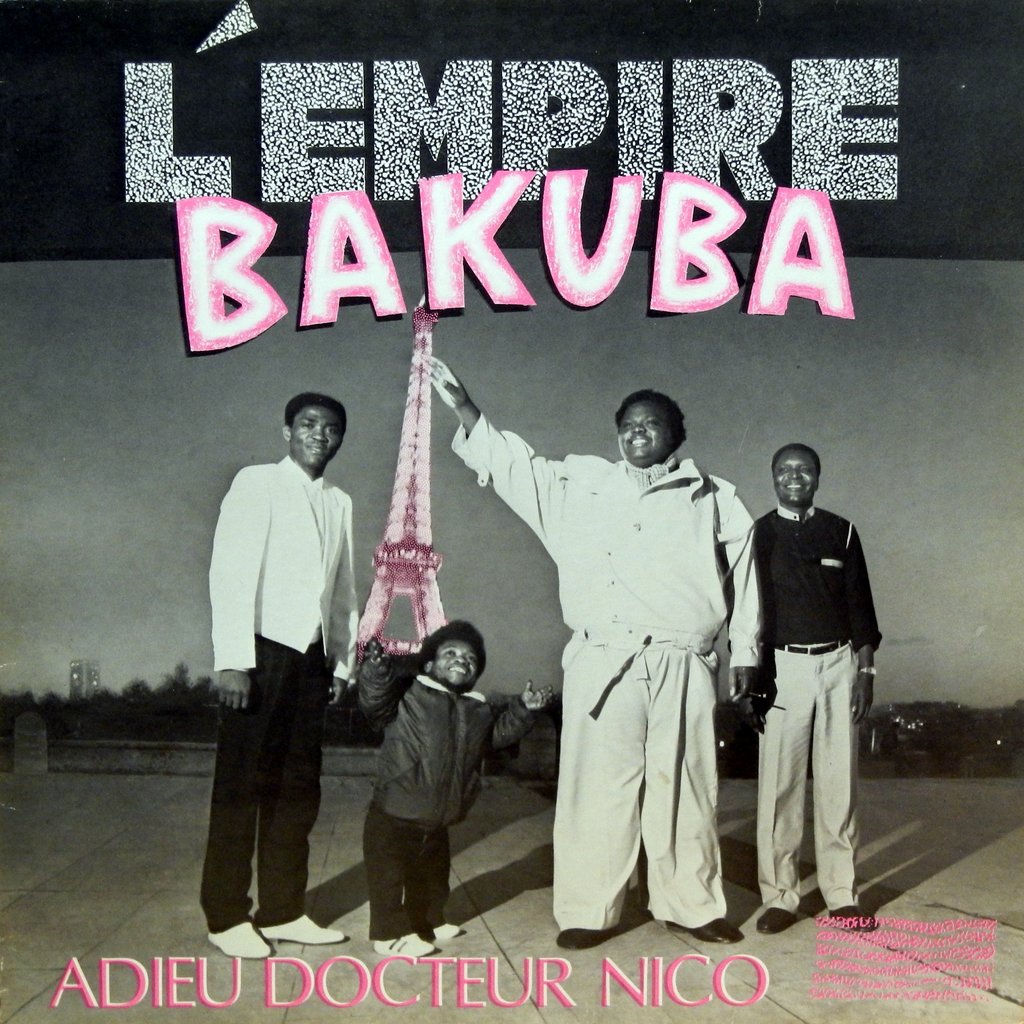
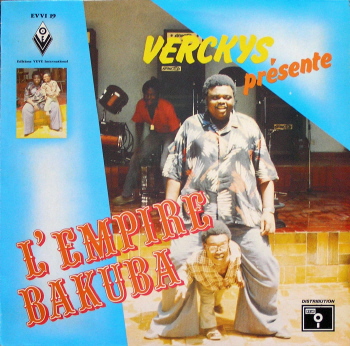
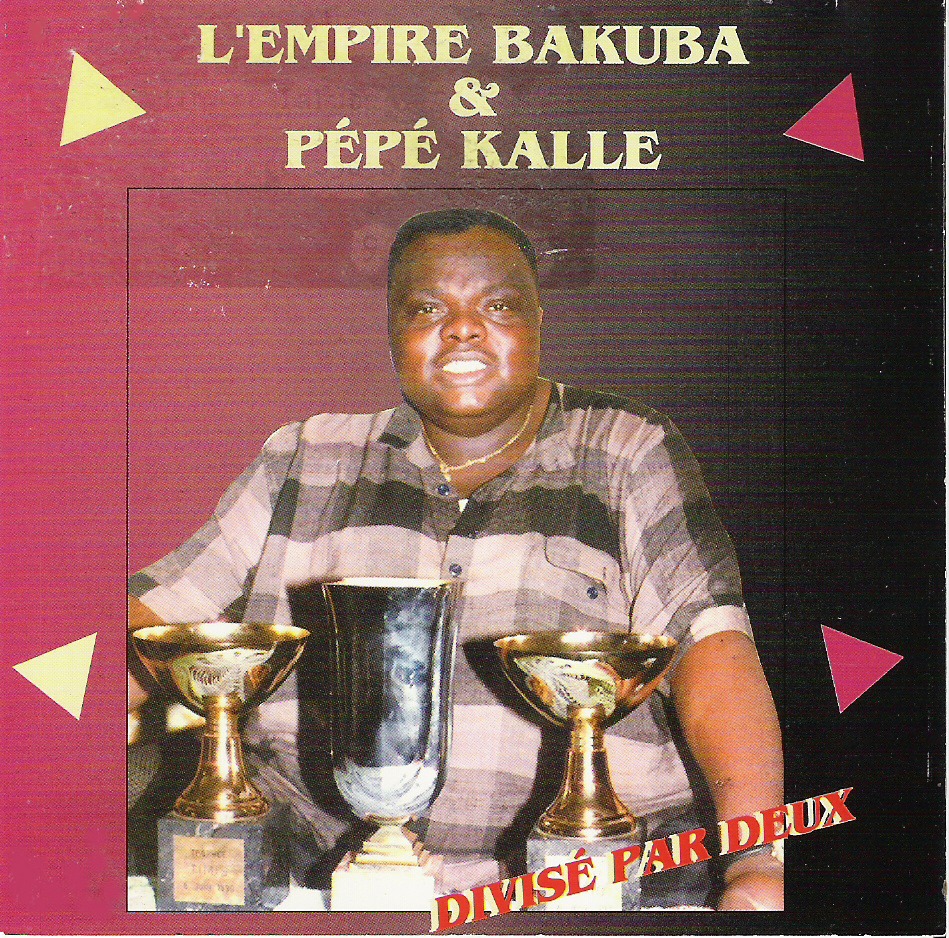
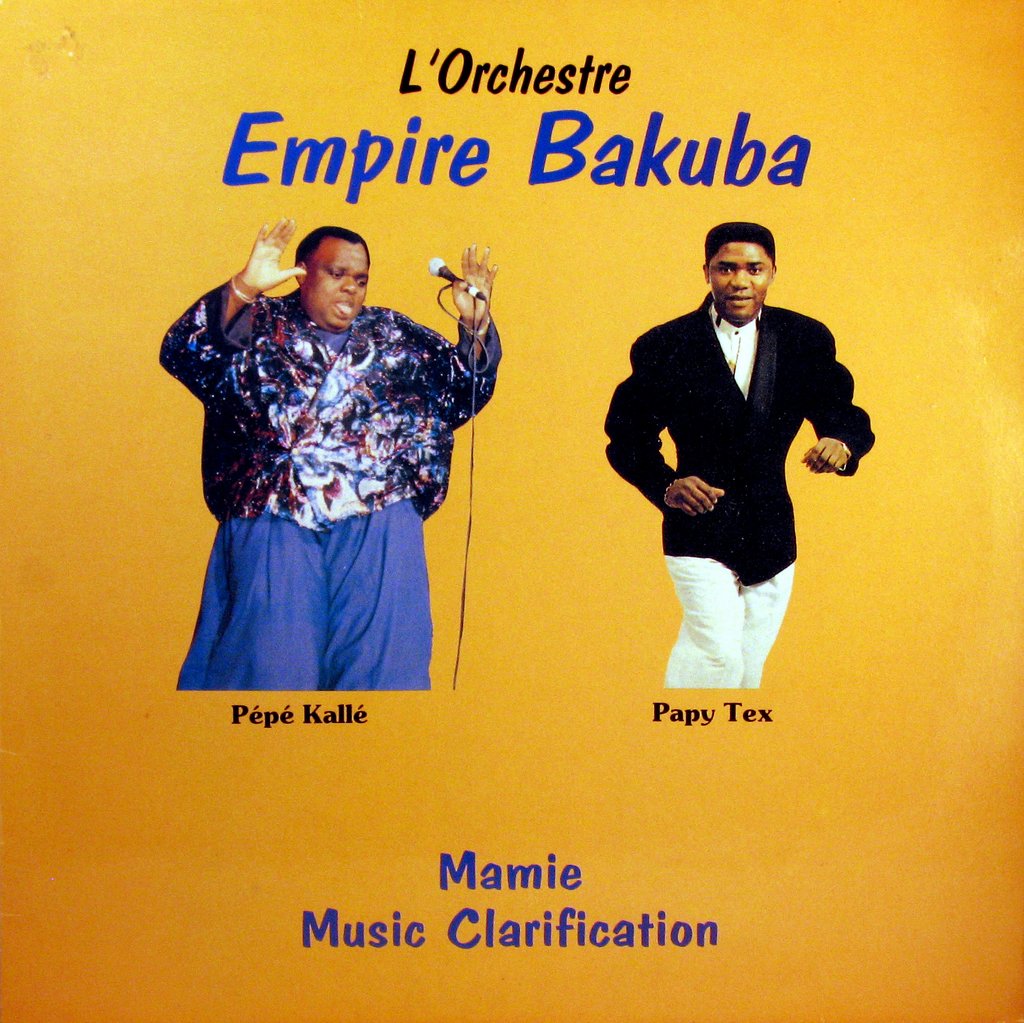
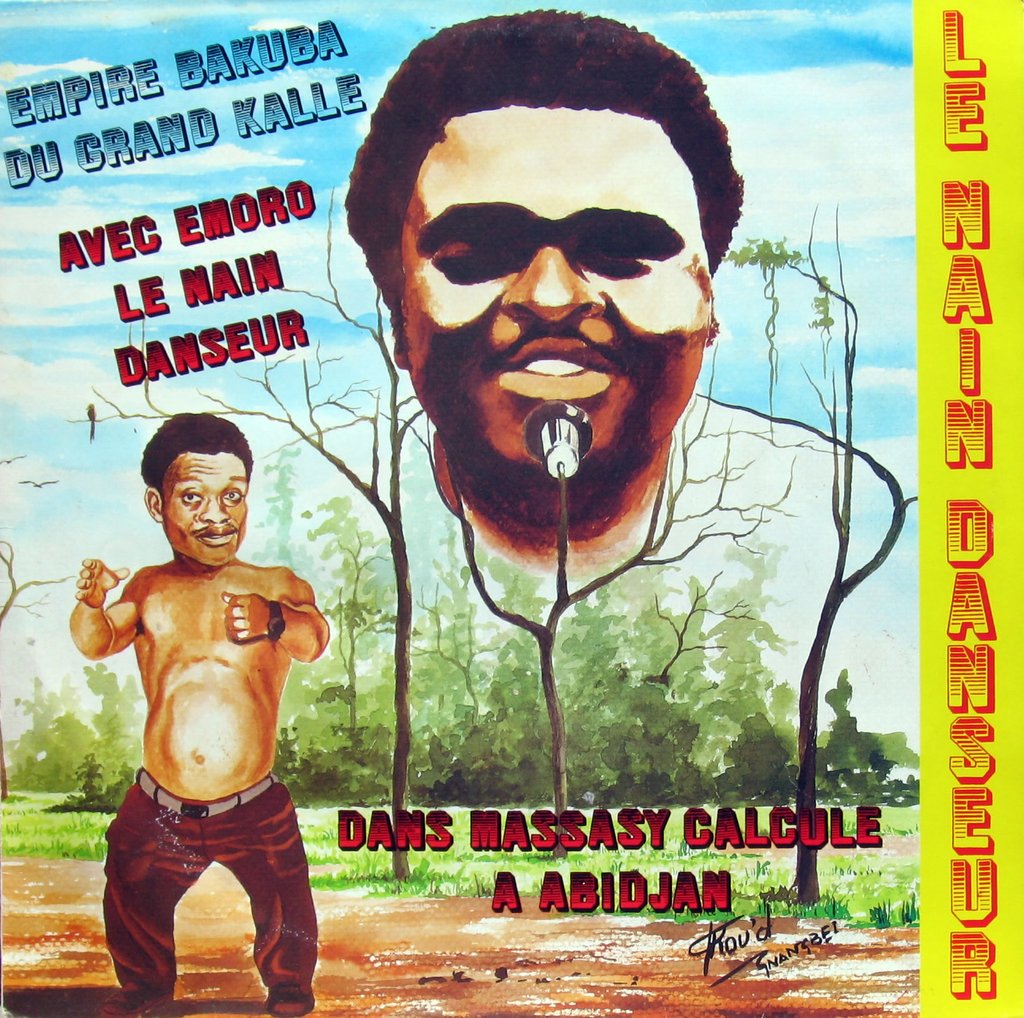
It is an unforgettable show: a two-meter-tall giant, singer Pépé Kallé, gyrates on stage while a small man emerges from behind his legs. Emoro, the dwarf dancer, performs acrobatics amidst the frenzy of guitars. It is in this way that Empire Bakuba conquered Francophone Africa in the 1980s, imposing a sound that refuses to remain tame.
In Brief
| Name | Empire Bakuba |
| Origin | Kinshasa, Zaire (today the Democratic Republic of Congo) |
| Genres | Congolese Rumba, Soukous |
| Period | 1972–1998 |
| Founding Members | Pépé Kallé, Papy Tex, Dilu Dilumona |
| Emblematic Works | Moyibi, Trop c’est trop, Bombe atomique |
| Leader’s Nickname | “The Elephant of African Music” |
Key Dates
| Year | Event |
|---|---|
| 1972 | Formation of the group in Kinshasa by the trio Kadima (Kallé, Dilu, Matolu) |
| 1973 | First real success with Nazoki on the Vévé label |
| 1980 | Integration of Djouna Mumbafu, future atalaku (stage host) |
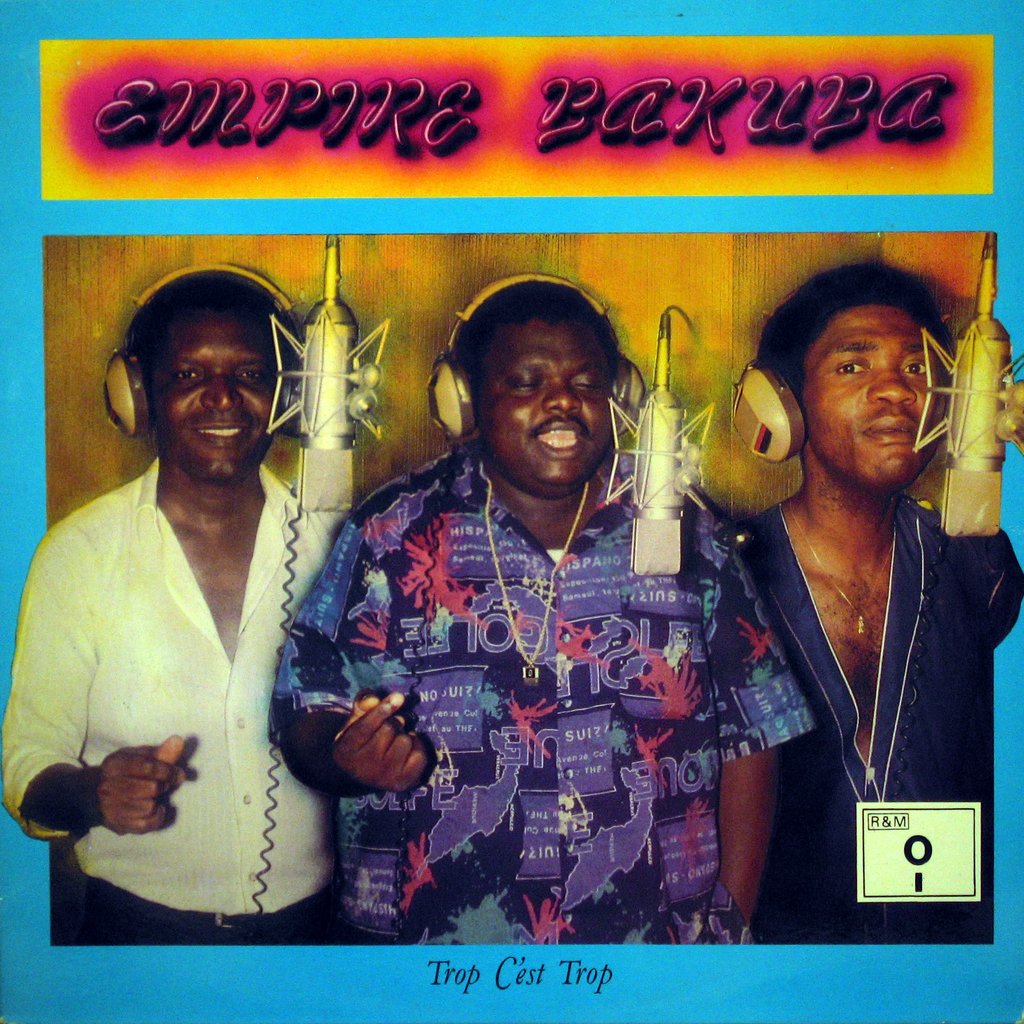
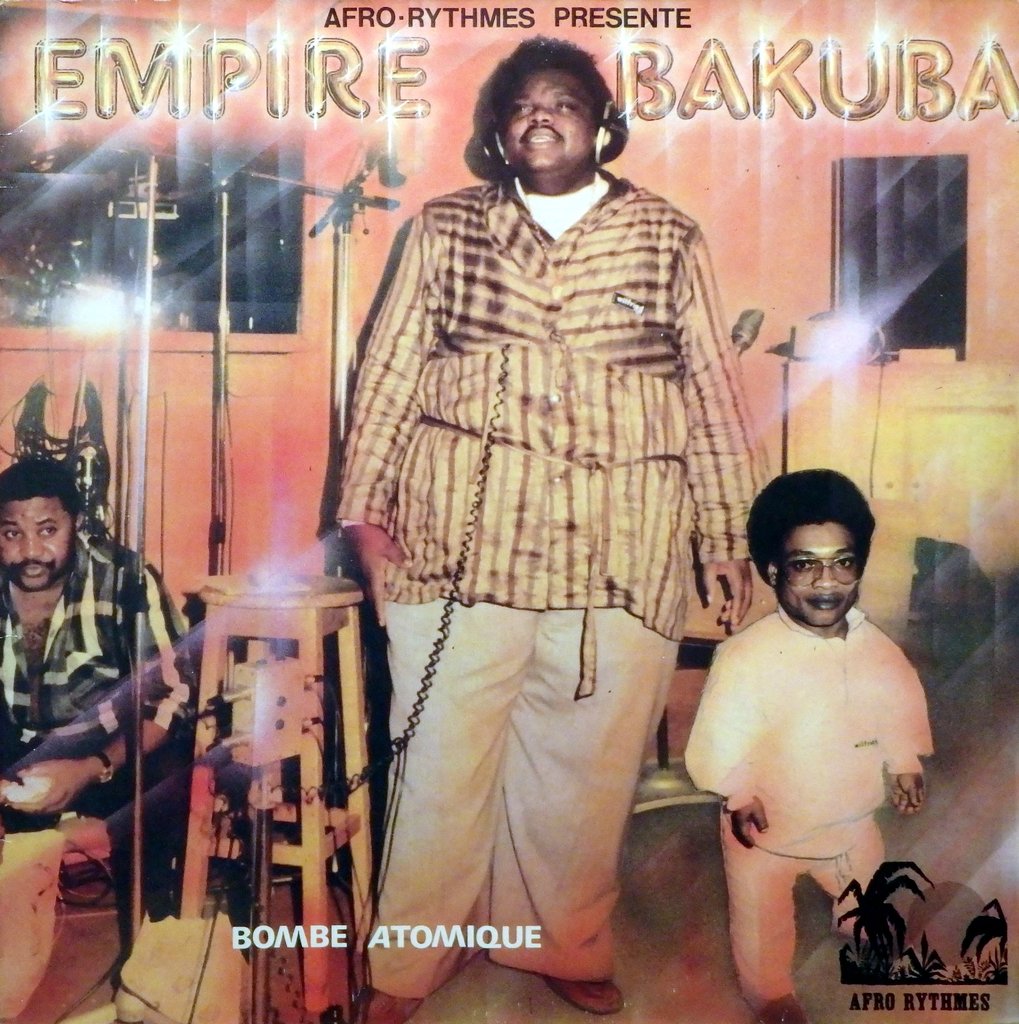
| 1985 | Explosion with Bombe atomique and Trop c’est trop, tribal rhythms and explosive guitars |
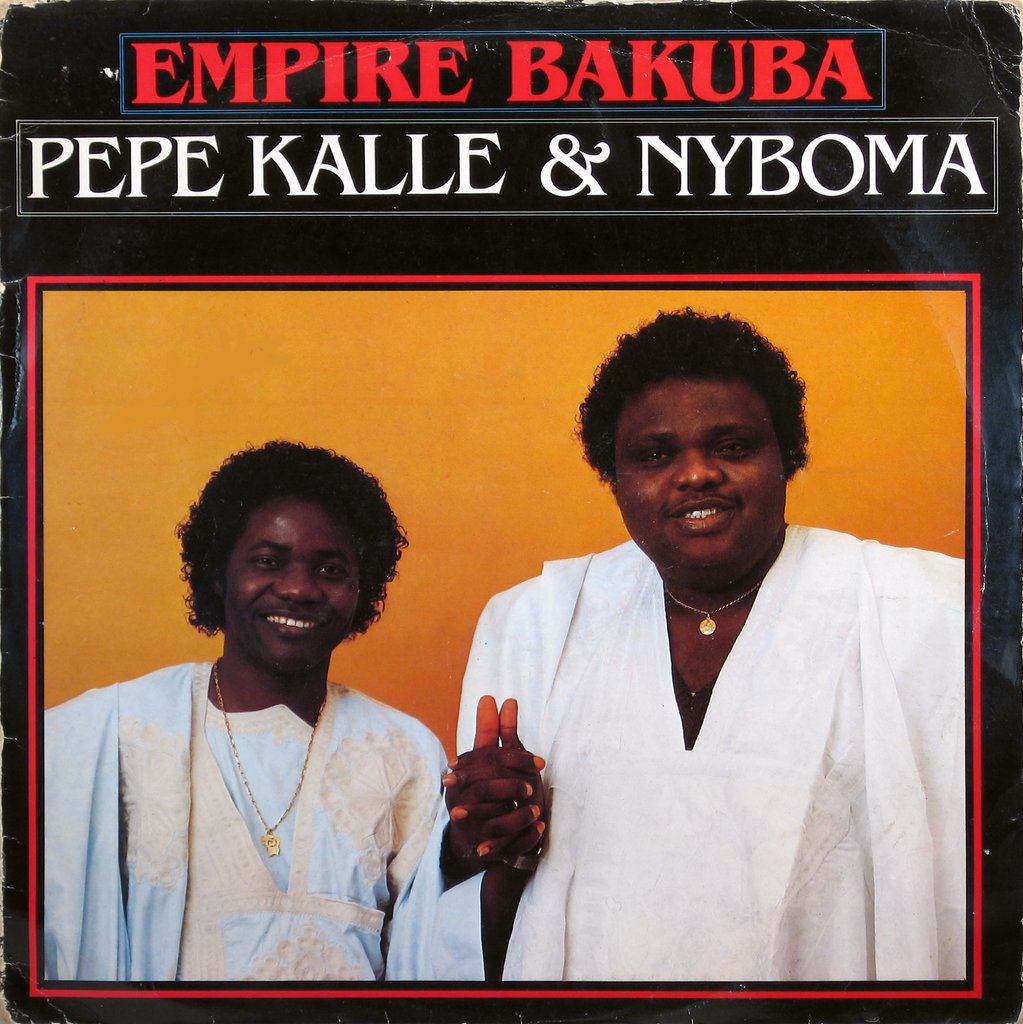
| 1988 | Moyibi, collaboration with Nyboma, continental best-seller |
| 1992 | Death of Emoro, the emblematic dancer, during a concert in Botswana |
| 1998 | Death of Pépé Kallé, on November 29, in Kinshasa — the group ceases activities |
From Kinshasa Neighborhoods to Punk Soukous
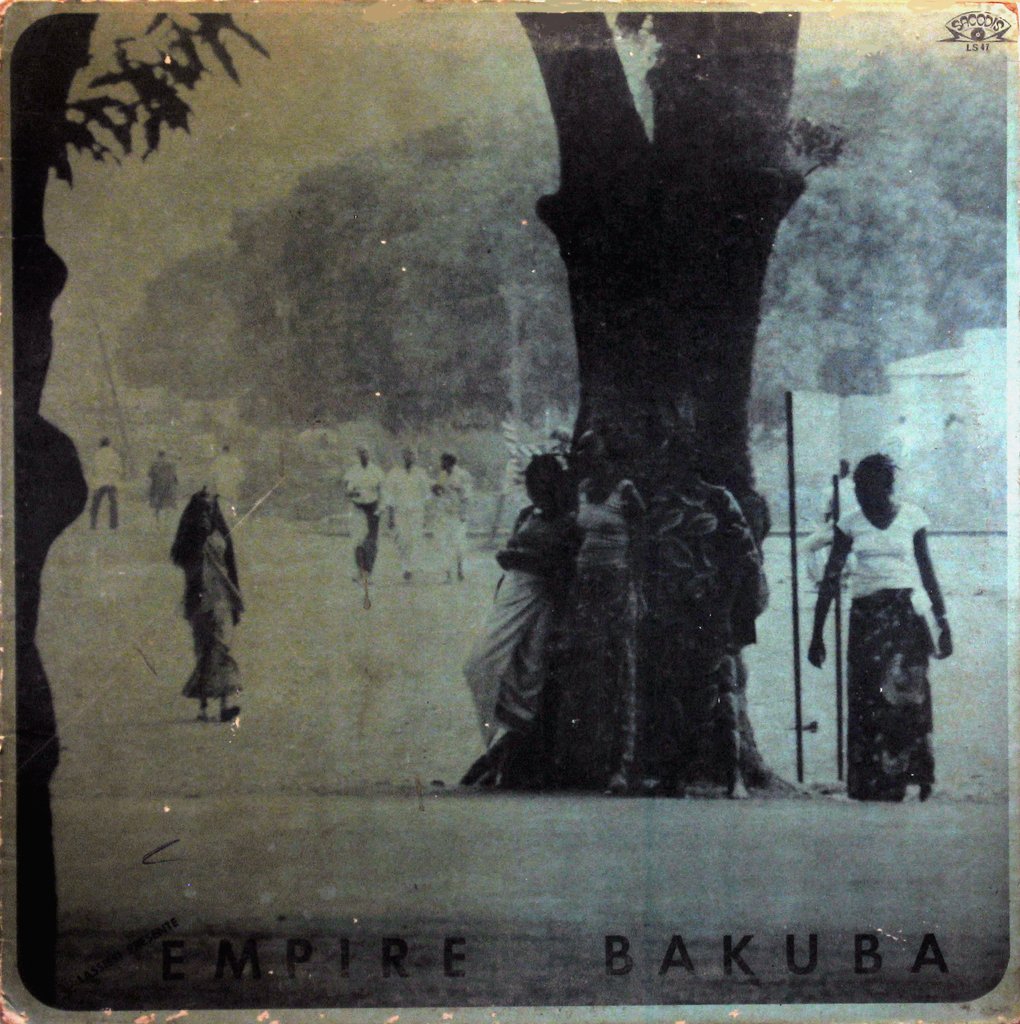
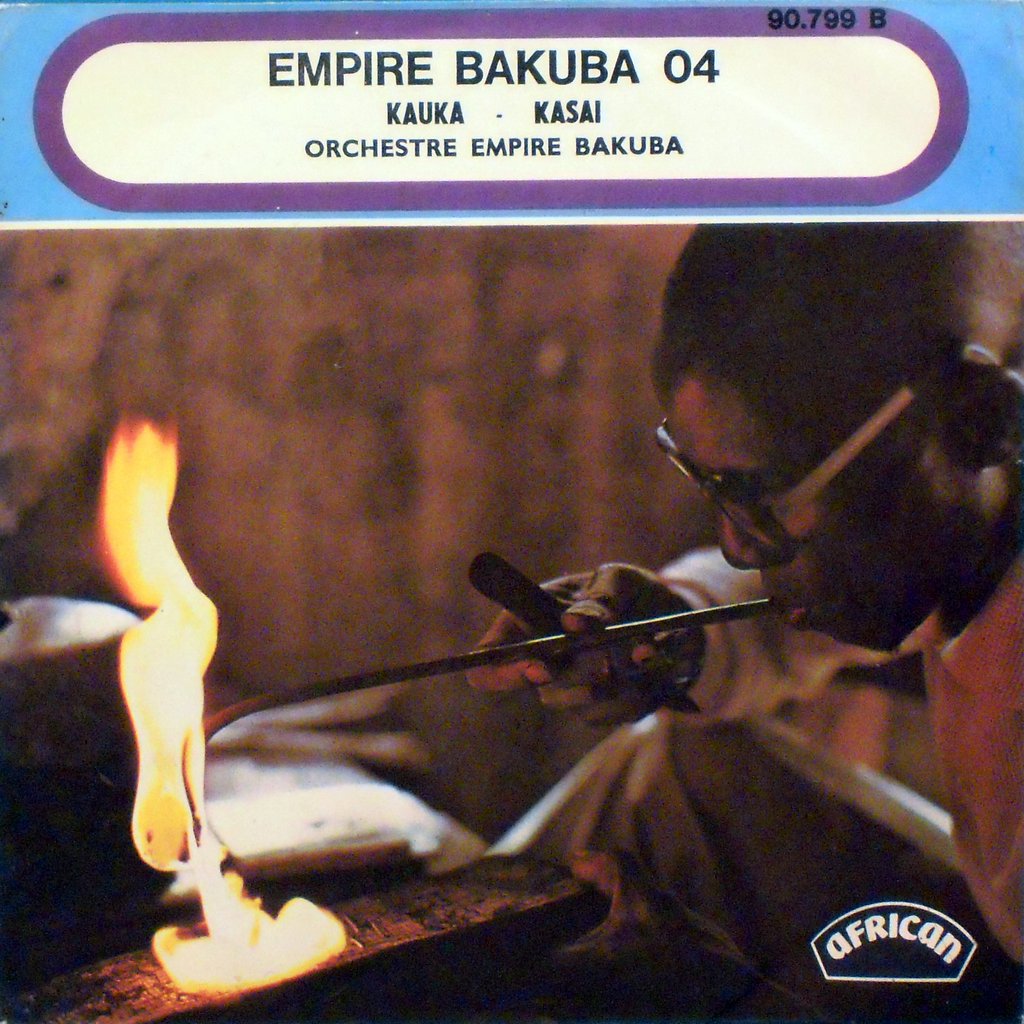
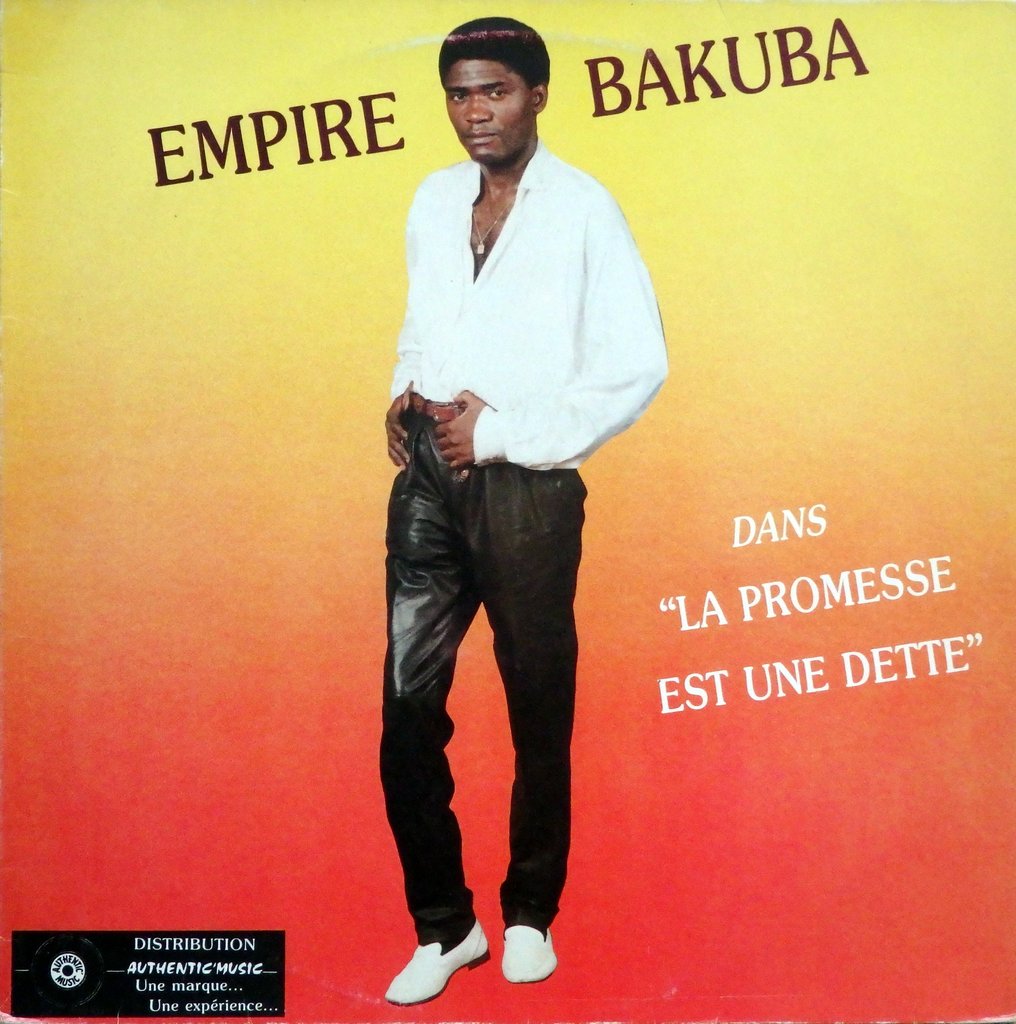
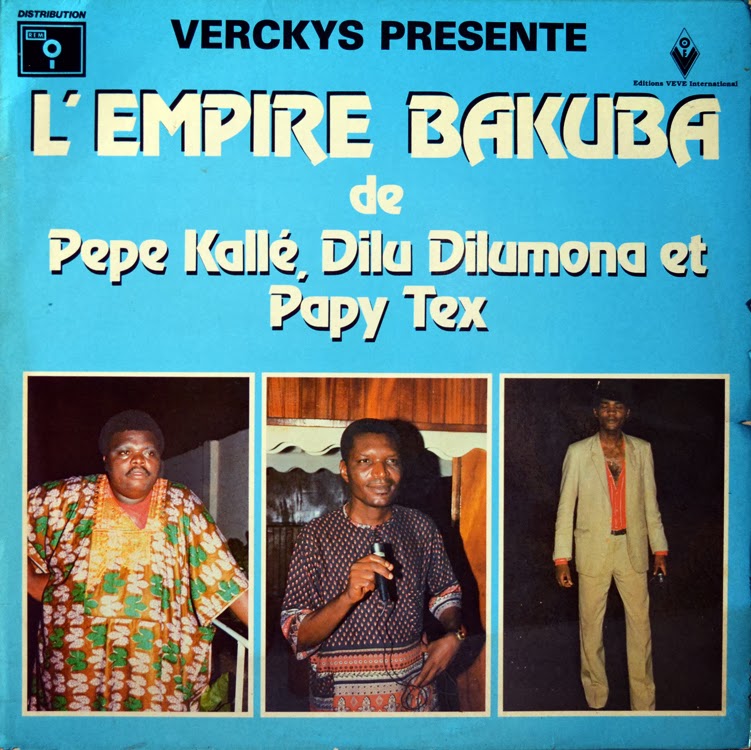
Empire Bakuba is born from the fusion of three formations that grew up together: African Choc, a neighborhood group, and Lipua Lipua, an orchestra of national renown. Pépé Kallé (his real name Jean Kabasele Yampanya), Papy Tex (Matolu Dode) and Dilu Dilumona form the core they call Kadima — the acronym of their first names. In 1972, drummer Afrisa Seskain Molenga solicits them to record under the name Bakuba with producer Verckys. The group becomes Empire Bakuba, a tribute to the Kuba kingdom of the Kasaï province, whose chief was as imposing as Kallé.
Their sound distinguishes itself from other orchestras of the time: far from the overly polished Parisian soukous, Empire Bakuba roots its music in the traditional rhythms of Zaire, with powerful brass and guitars that snap. Nicknamed “punk soukous” by the local press, they produced four or five albums a year during their peak years.
Consecration and Tragic Turns
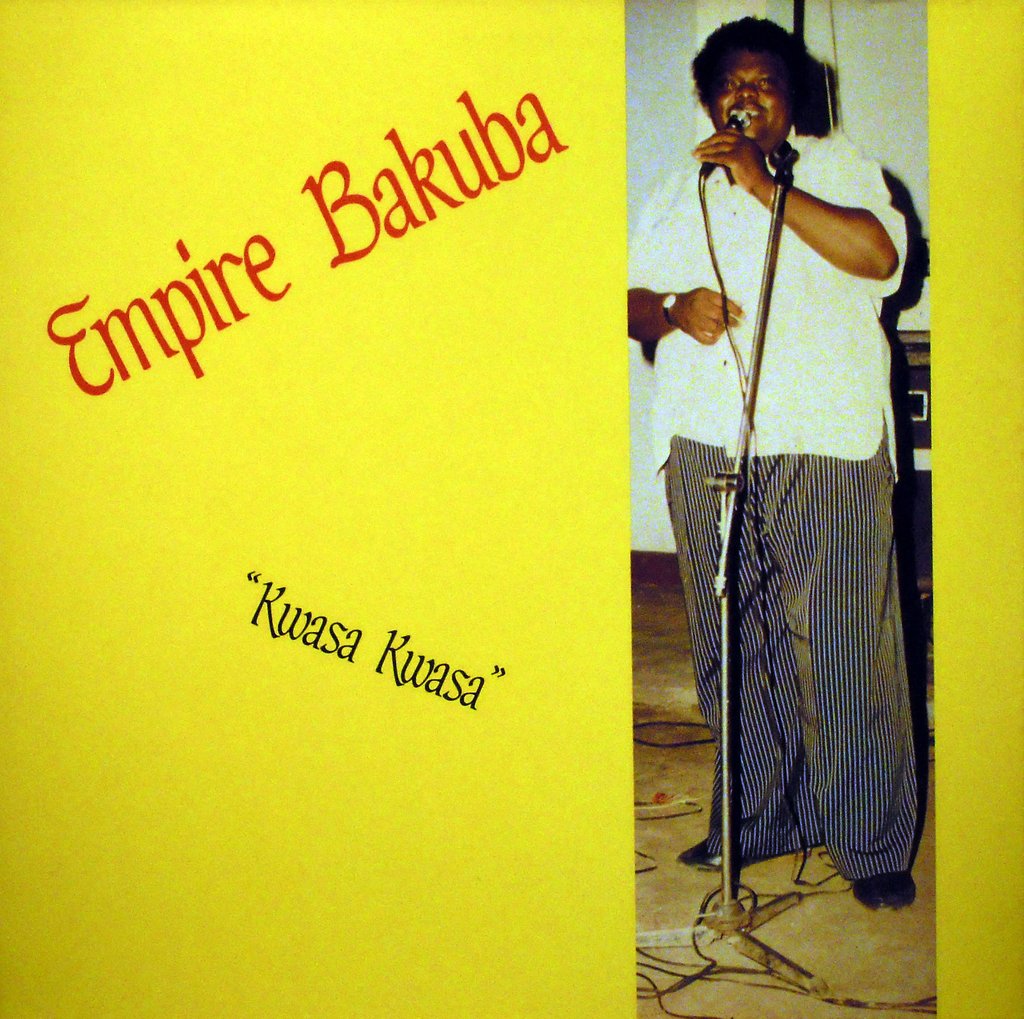
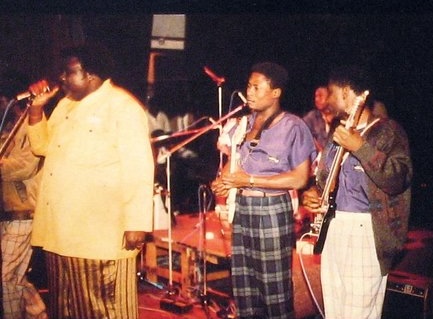
In the mid-1980s, Empire Bakuba becomes indispensable. Bombe atomique (1985) and Trop c’est trop crystallize a style that will set the trend: kwassa kwasa, a dance popularized by the group and later adopted by legends like Kanda Bongo Man and Koffi Olomide. Their live performances are spectacles — Kallé, imposing and charismatic, commands a crowd, while Djouna Mumbafu, the atalaku, improvises live songs to excite the audience.
But success hides dramas. In 1992, Emoro passes away from a heart attack on stage in Botswana. The group pays tribute to him with the song Mamie. The death of Pépé Kallé, on November 29, 1998, in his Ngaliema clinic, sounds the death knell. Papy Tex, seriously injured in a car accident in Brussels a few weeks later, fails to relaunch the group. He remains bedridden for a year and, when his strength returns, it is already too late to save the Empire.
Essential Discography
| Album | Year | Why It Is Essential |
|---|---|---|
| Bombe atomique | 1985 | The album that defines Empire Bakuba’s soukous sound — tribal rhythms, explosive guitars |
| Trop c’est trop | 1985 | The popular success that launches kwassa kwasa as a cultural phenomenon |
| Moyibi (with Nyboma) | 1988 | Mythical collaboration, best-seller crossing the entire continent |
| Gigantafrique | 1990 | Proof that the group also mastered international tours, from Europe to the United States |
| Savoir vivre | 1995 | Last great album of the classic empire, a condensation of their artistic maturity |
Legacy and Influence
Empire Bakuba paved the way for a whole sector of modern Congolese rumba. Kwassa kwasa, invented by their guitarists, became a universal African dance. The punk breath of the group — this will to devour traditional rumba at an unprecedented speed — directly inspired subsequent generations, from Kanda Bongo Man to current soukous artists. Even today, reissues of their albums circulate and young Congolese producers identify with their audacity.
Sources and References
- “Empire Bakuba”, Wikipedia (French), https://fr.wikipedia.org/wiki/Empire_Bakuba, accessed October 19, 2026.
- “Empire Bakuba”, Wikipedia (English), https://en.wikipedia.org/wiki/Empire_Bakuba, accessed October 19, 2026.
- Frank Bessem, “Empire Bakuba & Pepé Kallé”, Musiques d’Afrique, https://www.musiques-afrique.net/rdc/art-bakuba.html, accessed October 19, 2026.
- “Biography of Empire Bakuba”, Jabulani Radio, https://www.jabulaniradio.com/news/biography-of-empire-bakuba-102, accessed October 19, 2026.
- Jacobs Odongo Seaman, “20 years after Pepe Kalle’s death, where are Empire Bakuba stars?”, The Monitor (Uganda), https://www.monitor.co.ug/uganda/lifestyle/entertainment/20-years-after-pepe-kalle-s-death-where-are-empire-bakuba-stars--1797774, accessed October 19, 2026.
- “Empire Bakuba”, AllMusic, https://www.allmusic.com/artist/empire-bakuba-mn0001176880, accessed October 19, 2026.