Biography
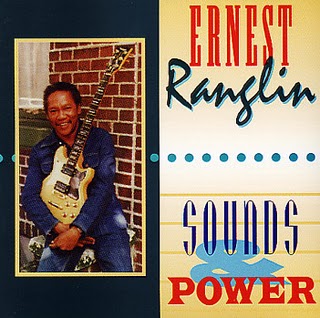
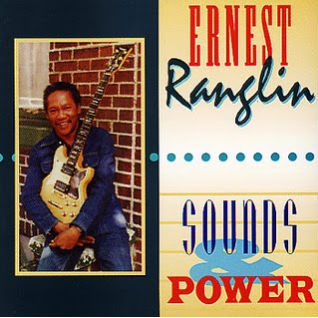
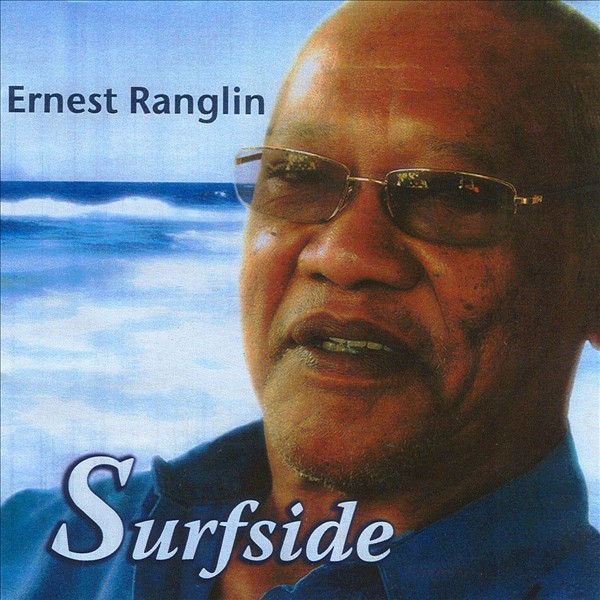
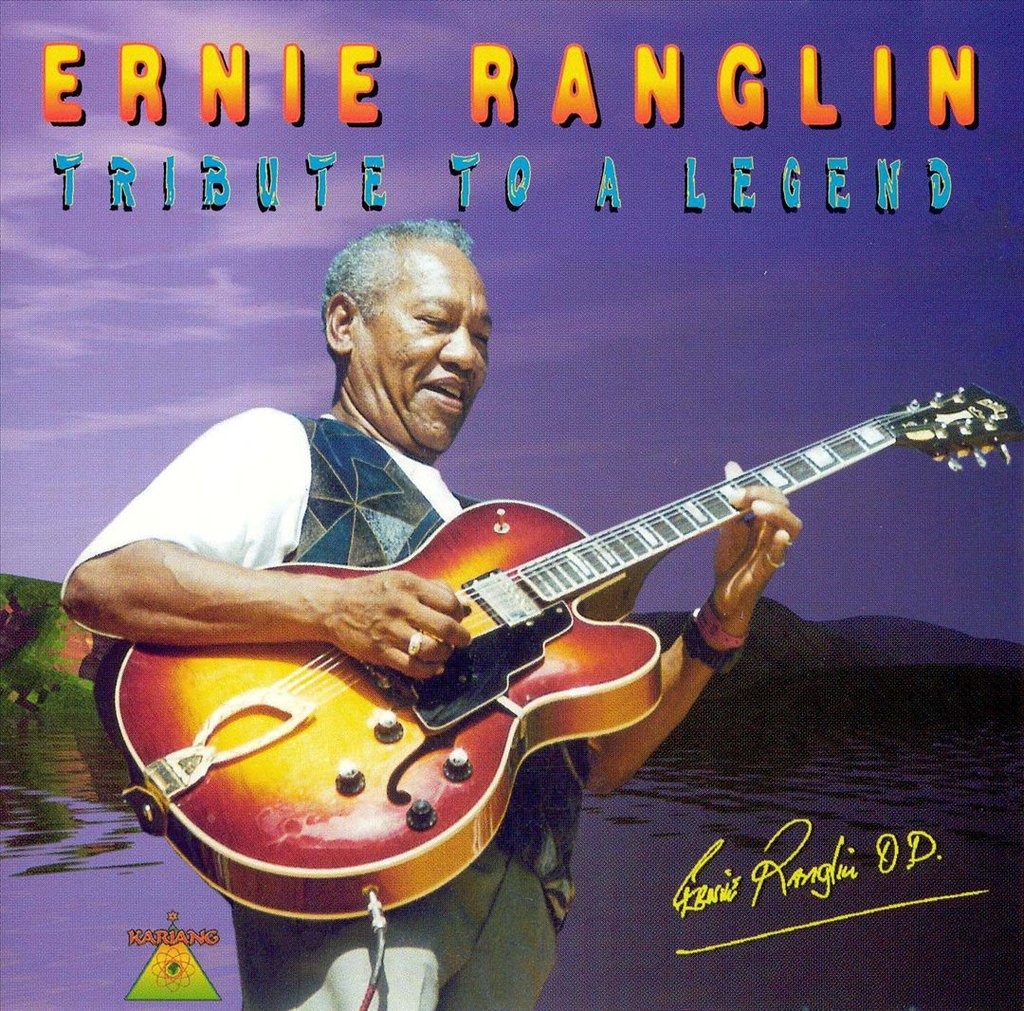
Ernest Ranglin, the guitarist who invented ska
In 1964, “My Boy Lollipop” by Millie Small exploded on the British charts. Behind the catchy sound, a prominent guitar scratches on the off-beat — a gesture baptized scratching, the signature of Ernest Ranglin. Six decades of career, sessions with Bob Marley at Ronnie Scott’s, passing through Lee Perry and Monty Alexander. This living musician saw ska born, evolve into rocksteady, then into reggae. He bears the traces of this evolution on his fingers.
In brief
| Full name | Ernest Adheir “Ernie” Ranglin |
| Birth | June 19, 1932, Robin’s Hall, Manchester (Jamaica) |
| Field | Guitar — ska, rocksteady, reggae, jazz |
| Emblematic works | “Shuffling Bug”, “My Boy Lollipop” (arrangement), In Search of the Lost Riddim |
| Honors | Order of Distinction (OD, 1973), Order of Jamaica (OJ, 2021) |
Key dates
| Year | Event |
|---|---|
| 1932 | Birth at Robin’s Hall, Manchester parish, Jamaica |
| 1948 | Joins the Val Bennett Orchestra at sixteen; begins his career in hotels |
| 1956-58 | Plays with Clue J & His Blues Blasters; records the first ska tracks at Federal |
| 1958 | First record for Island Records; meets Chris Blackwell at the Half Moon Hotel |
| 1964 | Guitar arrangement of “My Boy Lollipop” (Millie Small, #2 UK); becomes resident guitarist at Ronnie Scott’s |
| 1965 | Album Reflections (Island); return to Kingston, musical director at Federal |
| 1973 | Awarded the Order of Distinction (OD) by the Jamaican government |
| 1977 | Lead guitarist on Heart of the Congos by Lee “Scratch” Perry |
| 1998 | Album In Search of the Lost Riddim (Palm Pictures); Grammy nomination |
| 2021 | Order of Jamaica (OJ) for the centenary of independence |
Origins and training: sardine, wire, and Charlie Christian
Ernest “Ernie” Ranglin was born in the small town of Robin’s Hall, rural parish of Manchester. Two guitarist uncles showed him the basics; disappointed by their precocity, they bought him a ukulele. The boy listened to Charlie Christian on records, imitated Jamaican dance orchestras at night, and at fourteen he moved to Kingston to finish his studies at Bodmin College — although guitar was not on the curriculum.
At sixteen, he was already the recognized young prodigy of the capital. In 1948, he joined the Val Bennett Orchestra and played in tourist hotels. The big band taught him orchestration; tours to the Bahamas and throughout the Caribbean crossed paths with musicians from elsewhere — in Nassau, guitarist Les Paul heard him in concert and gave him a guitar. Later, he joined the Eric Deans Orchestra, then the most famous Jamaican group.
Revelation: scratching, founder of ska
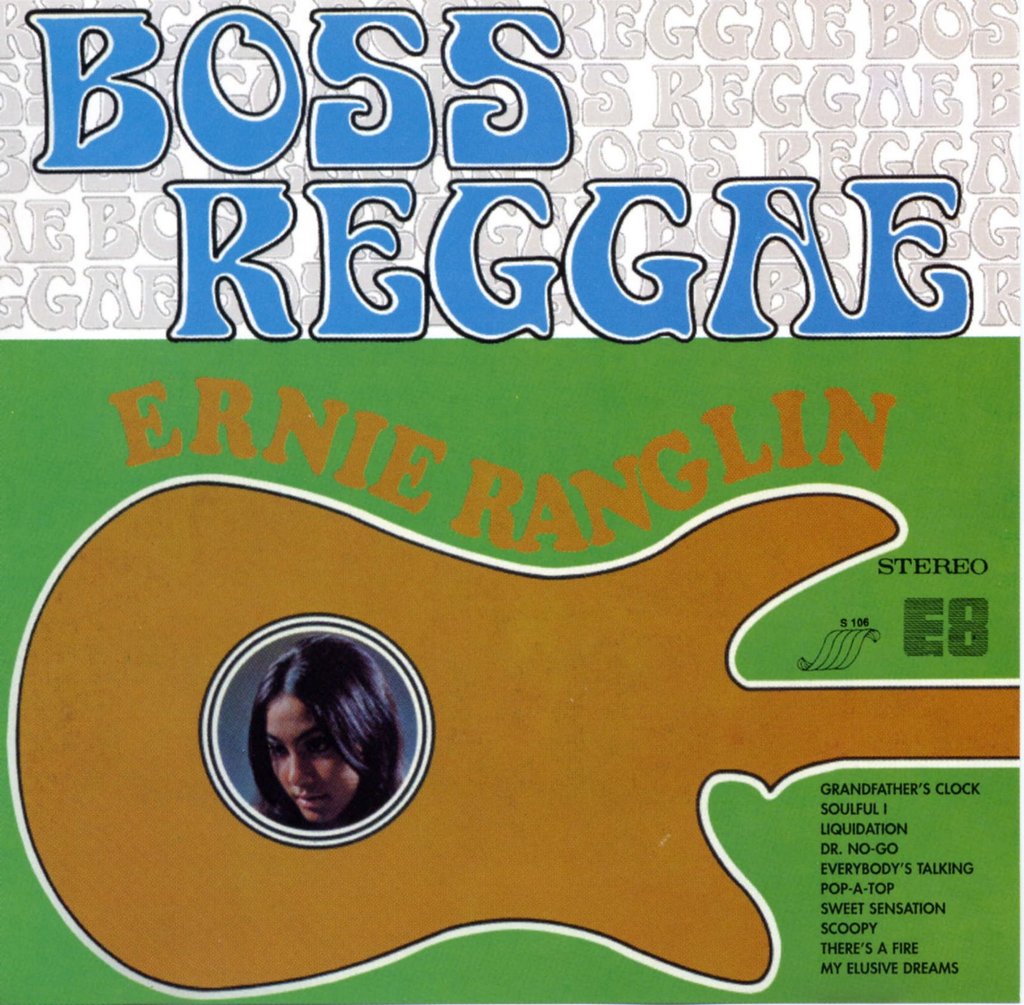
In the 1950s, Jamaica strengthened its mento. Rhythm and blues from New Orleans made its way onto the dances: ska was born. Ranglin invented for Clue J & His Blues Blasters this method of muted chords played in staccato on the off-beat. Jamaicans baptized this gesture scratching — the dry scratch that became the rhythmic backbone of ska.
With Coxsone Dodd at Federal Studios, Ranglin placed his guitar on mythical tracks: “Easy Snapping”, “Jack and Jill Shuffle”, and, according to genre historians, “Shuffling Bug” — the first ska recording in history. His versatility in jazz, rhythm ’n’ blues, and mento within percussive chords made him indispensable.
Chris Blackwell, then a young producer for Island Records, heard him at the Half Moon Hotel in Montego Bay and immediately signed the label’s first record: a split album where Ranglin shared the B-side with pianist Lance Heywood. From 1963 to 1964, Ranglin worked for several labels — Federal (musical director), Treasure Isle of Duke Reid, and Coxsone Dodd. He also arranged the guitar on “My Boy Lollipop”, the worldwide hit by Millie Small.
In London, Ronnie Scott’s Jazz Club opened its doors to him at the end of 1964. In nine months, he accompanied a host of guest artists and won first prize in the Guitar category of the Melody Maker Jazz Poll. Back in Kingston, he collaborated on the first sessions of the Wailers and directed the session work that forged reggae.
Evolutions: from Kingston to the world stage, jazz and reggae in balance
The 1970s saw Ranglin navigate between jazz and reggae. With Monty Alexander, a childhood friend since the Jamaica of the 1950s, he recorded Rass! (1974), Caribbean jazz fusing swing and reggae. He was lead guitarist on Heart of the Congos (1977) by Lee Perry at Black Ark Studios, and directed Jimmy Cliff’s music on tour.
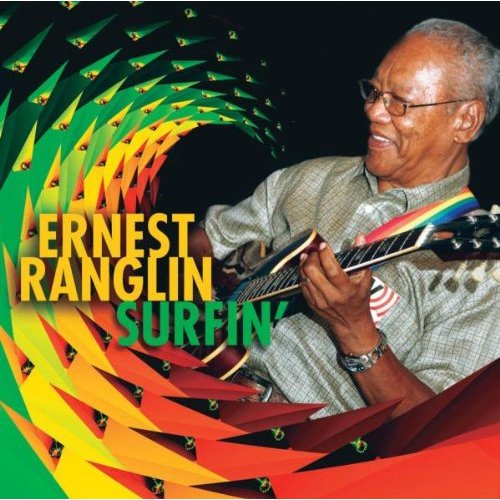
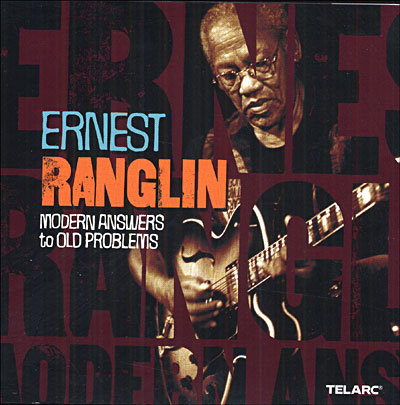
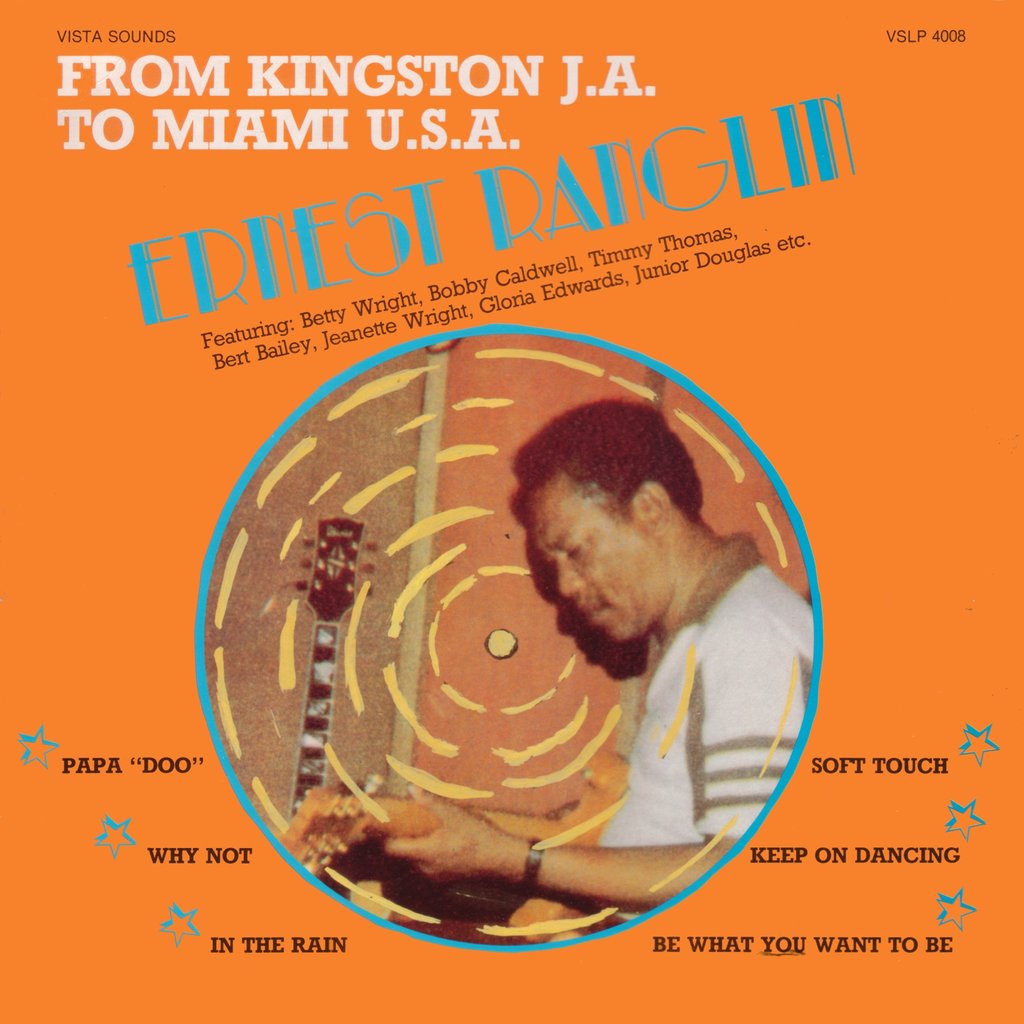
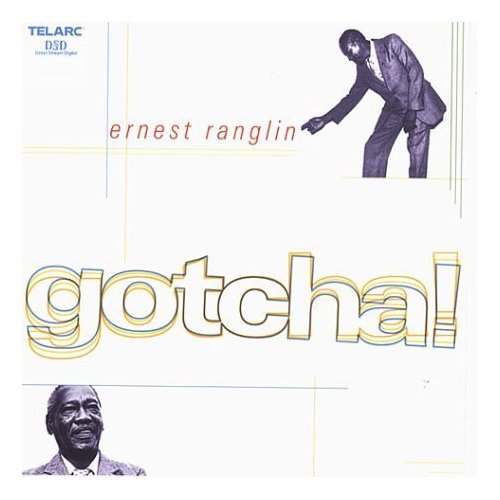
In 1982, he settled in Florida. He continued to record and perform at jazz festivals. His albums weave a bridge between traditional reggae and jazz: Modern Answers to Old Problems (Telarc, 2000) with Tony Allen, Gotcha! (2001), and Surfin’ (2005, recorded at Tuff Gong in Kingston). In 1998, In Search of the Lost Riddim (Palm Pictures) earned him a Grammy nomination.
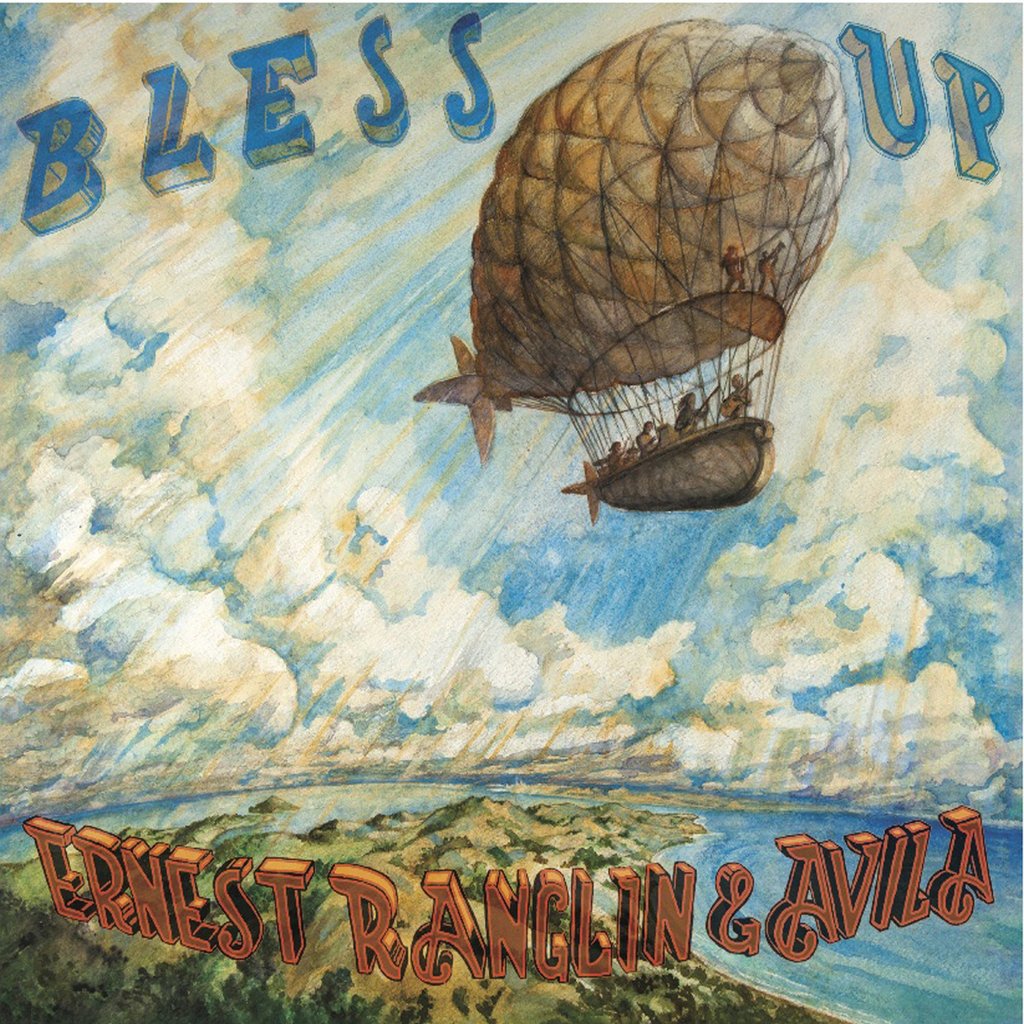
In 2016, he announced his retirement and went on a farewell tour. The call of the stage remained: with saxophonist Dean Fraser, he recorded Two Colors, released in 2022.
Major Works
| Work | Year | Why It’s Essential |
|---|---|---|
| “Shuffling Bug” (with Clue J) | 1959 | First identified ska recording; Ranglin’s scratching defines the genre |
| “My Boy Lollipop” (guitar arrangement, Millie Small) | 1964 | #2 UK; ska crosses the pop barrier thanks to Ranglin’s scratching |
| Reflections (solo album) | 1965 | Ranglin’s first jazz album on Island; his personal style in its purest form |
| Rass! (with Monty Alexander) | 1974 | Caribbean jazz in perfect balance; swing and reggae in the same breath |
| Heart of the Congos (guitar, Lee Perry) | 1977 | Ranglin weaves the sonic threads of one of the greatest roots reggae masterpieces |
| In Search of the Lost Riddim | 1998 | Triumphant return; Grammy nomination; reinvention of the riddim for the 21st century |
Legacy and Influence
At ninety-two years old in 2024, Ernest Ranglin remains one of the most cited guitarists by his peers. The scratching — that rhythm of muffled chords played on the off-beat — is taught in all reggae guitar courses worldwide. Ska, rocksteady, and roots reggae guitarists like Earl Lindo (Toots), Lloyd Brevett, as well as the numerous sidemen of Black Ark Studios, owe Ranglin the very model of Jamaican guitar. He is a member of the Jamaican Music Hall of Fame and has inspired an entire lineage of musicians who see in him a living ancestor. With the records he still publishes at over ninety years old, reggae and jazz find in him a bridge that remains fresh between continents.
Sources and References
- Jason Ankeny, “Ernest Ranglin Biography”, AllMusic, https://www.allmusic.com/artist/p116996/biography, accessed November 6, 2025.
- Banning Eyre, “Ernest Ranglin: A Ska And Jazz Innovator Bridges Continents And Decades”, NPR, https://www.npr.org/2012/10/03/162235641, accessed November 6, 2025.
- Ernest Ranglin, “Biography”, Concord, https://concord.com/artist/ernest-ranglin/, accessed November 6, 2025.
- “Ernest Ranglin”, Wikipedia, https://en.wikipedia.org/wiki/Ernest_Ranglin, accessed November 6, 2025.
- Arthur Gorson, “Guitar great Ernie Ranglin on film”, Jamaica Observer, https://web.archive.org/web/20090511034134/http://www.jamaicaobserver.com/lifestyle/onhold/20070218T180000-0500_119324_OBS_GUITAR_GREAT_ERNIE_RANGLIN_ON_FILM__.asp, accessed November 6, 2025.