Biography
Lobi Traoré
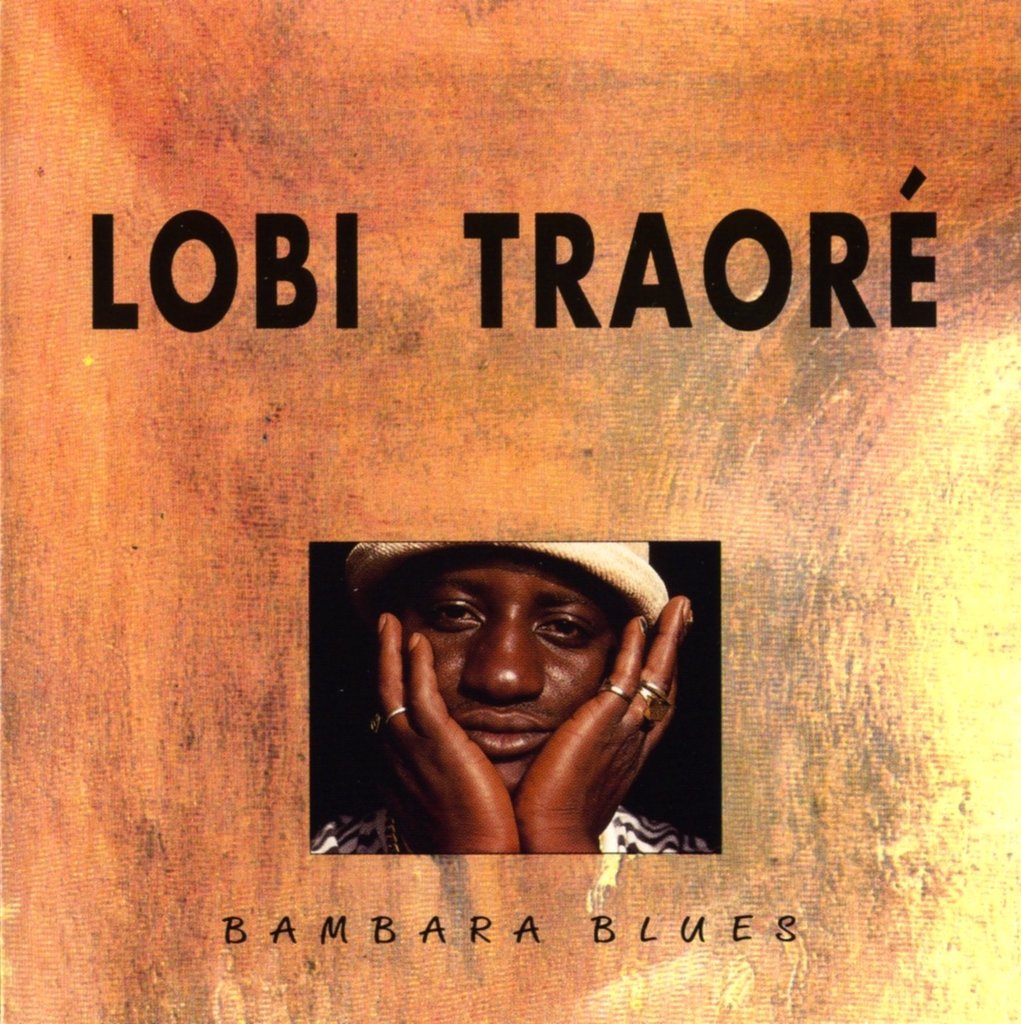
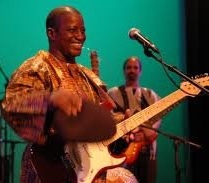
There was something indelible in the sound of Lobi Traoré: a flat, piercing voice at the crossroads of rap and blues, according to The Economist, backed by an electric guitar that harkened back to the bluesmen of the Delta while also accompanying the ancestral sound of the Manding ngoni. Born in Mali in 1961, he traversed four decades to build an inclassifiable style—the “Bambara blues”—which made him one of Africa’s most singular guitarists.
In Brief
| Full Name | Bouréïma (Ibrahima) Traoré, known as “Lobi” |
| Birth | 1961, Bakaridjana (Ségou region), Mali |
| Death | June 1, 2010, Bamako, Mali (49 years) |
| Field | African blues / “Bambara blues”; electric guitar, vocals |
| Notable Works | Bamako (1994), Rainy Season Blues (2010) |
| Distinctions | “Best rock album of the year” — Libération (1994); “Best world music album” — Le Monde |
Key Dates
| Year | Event |
|---|---|
| 1961 | Birth in Bakaridjana, a village near Ségou, on the banks of the Niger |
| 1977 | At 16, joins a folk group in Ségou; first gig with maracas |
| 1980-1987 | Seven years in Abidjan, refining his craft in the Ivorian orchestra |
| 1989 | Release of the cassette Bambara Blues; things start to take off |
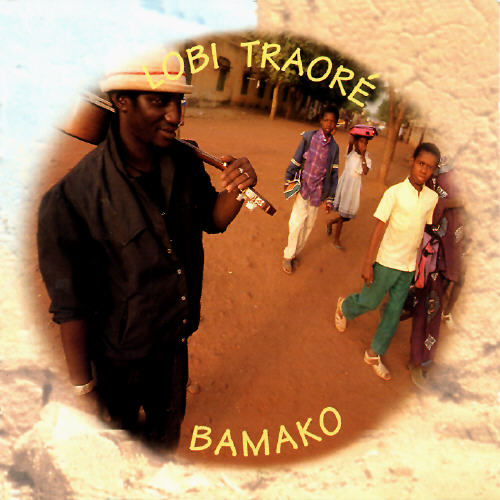
| 1994-1995 | Bamako, produced by Ali Farka Touré: one of the best rock albums of the year according to Libération |
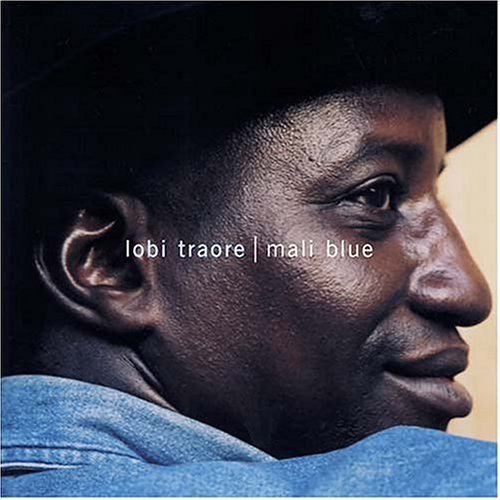
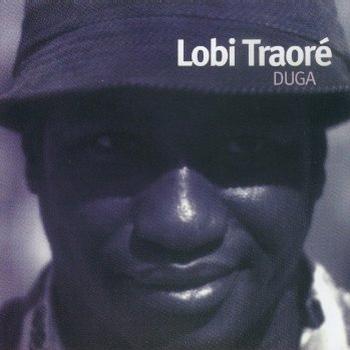
| 1996-2005 | Albums Ségou, Duga; compilation Mali Blue; collaboration with Damon Albarn (Honest Jon’s) |
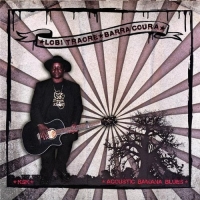
| 2010 | Rainy Season Blues, final solo acoustic album recorded in a single session; death on June 1 |
| 2013 | Bamako Nights – Live at Bar Bozo, 1995: posthumous testimony |
From the Village to Bar Bozo: Forging an African Bluesman
Lobi was born in 1961 in Bakaridjana, a small village bordered by the Niger River, not far from Ségou. His two parents were singers and active members of the “komo,” a traditional society of the Bambara country. A Muslim teacher brought him an acoustic guitar he did not yet have: fascinated, the teenager began to fumble. “It wasn’t very good, at first,” he would recount years later, “but little by little it improved.”
His first gig began with maracas in a neighborhood group, then with timpani with the orchestra of a Bamako wedding. “But I succeeded,” he said when speaking of his first acoustic guitar with a twisted neck. The wedding also gave him access to the Manding praises, these heptatonic chants with a generous melody that made receptions dance. “I didn’t really understand Manding music,” he would admit later. “I come from Bambara inspiration.” This did not prevent him from listening to John Lee Hooker and Angus Young of AC/DC.
It was in 1980 that Lobi arrived in Bamako, first in secondary orchestras. He joined Zani Diabate and the Super Djata Band where he sang in Bambara, then said goodbye for seven years in Abidjan. “Seven years in the Ivorian orchestra to learn, retune, perfect.” Back in the Malian capital, clubs opened up: Bar Bozo, Makelekele, The Djembe. Lobi planted his tent at Bar Bozo—a disreputable spot in the city center where the small working bourgeoisie drank and danced. Lobi’s electric sound was forged there: distortion, full flanger, percussive guitar. It was there he remained faithful until his death, on evenings when the hall overflowed.
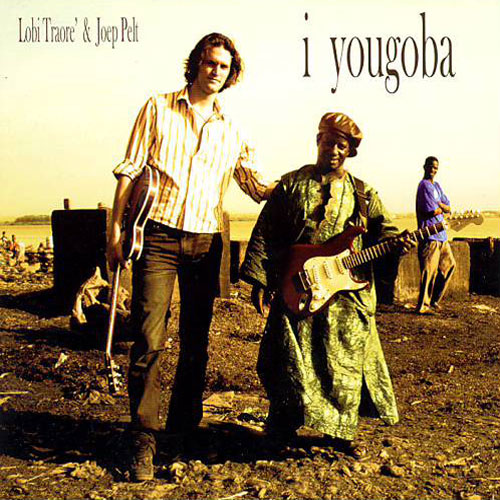
The album Bamako (1994), produced by Ali Farka Touré himself with the help of Nick Gold and the label World Circuit, won international favor: Libération named it its “best rock album of the year,” and it was a top Le Monde pick for the best world musics. In 2005, the label Honest Jon’s—co-founded by Damon Albarn of Blur—published The Lobi Traoré Group, captured in concert and showing the raw face of his Bar Bozo evenings. The same year, Mali Blue, a compilation of the Cobalt albums (1994-1999), was released, and Lobi went on tour in the Netherlands with guitarist Joep Pelt. In 2008, the duo Lobi-Pelt stepped onto the stage of South by Southwest in Austin.
His songs were not just sound: Lobi slipped social messages into them. “In Dene Kele, I talk about street vendors,” he said one day. “I tell them: do not sell bad food.” For Nama Da Yele, he warned parents: “If you do not leave the door open, I will enter through the window.”
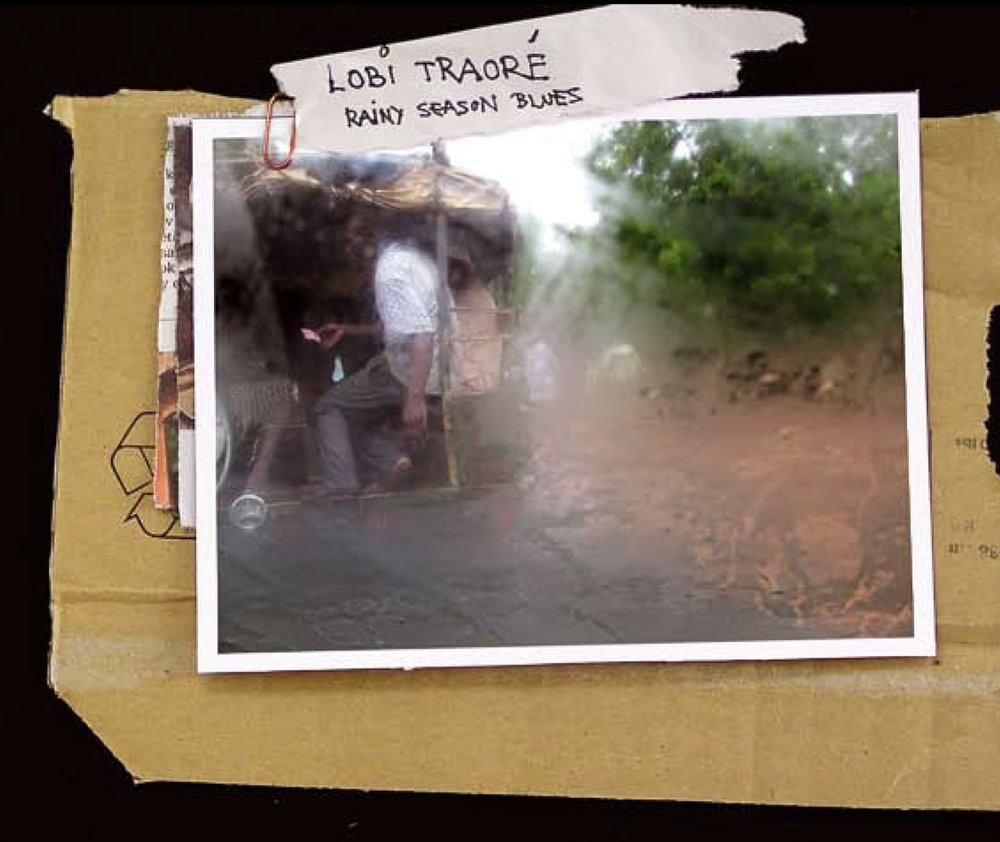
On June 1, 2010, in Bamako, a sudden death from a presumed heart attack, Lobi died at 49. Shortly before his death, he recorded acoustically Rainy Season Blues—a solo album in a single take, ten tracks, two minutes of hypnotic melodies and five minutes where the guitar explodes in solos that crack like thunderclaps. His widow and his four children collected his musical legacy.
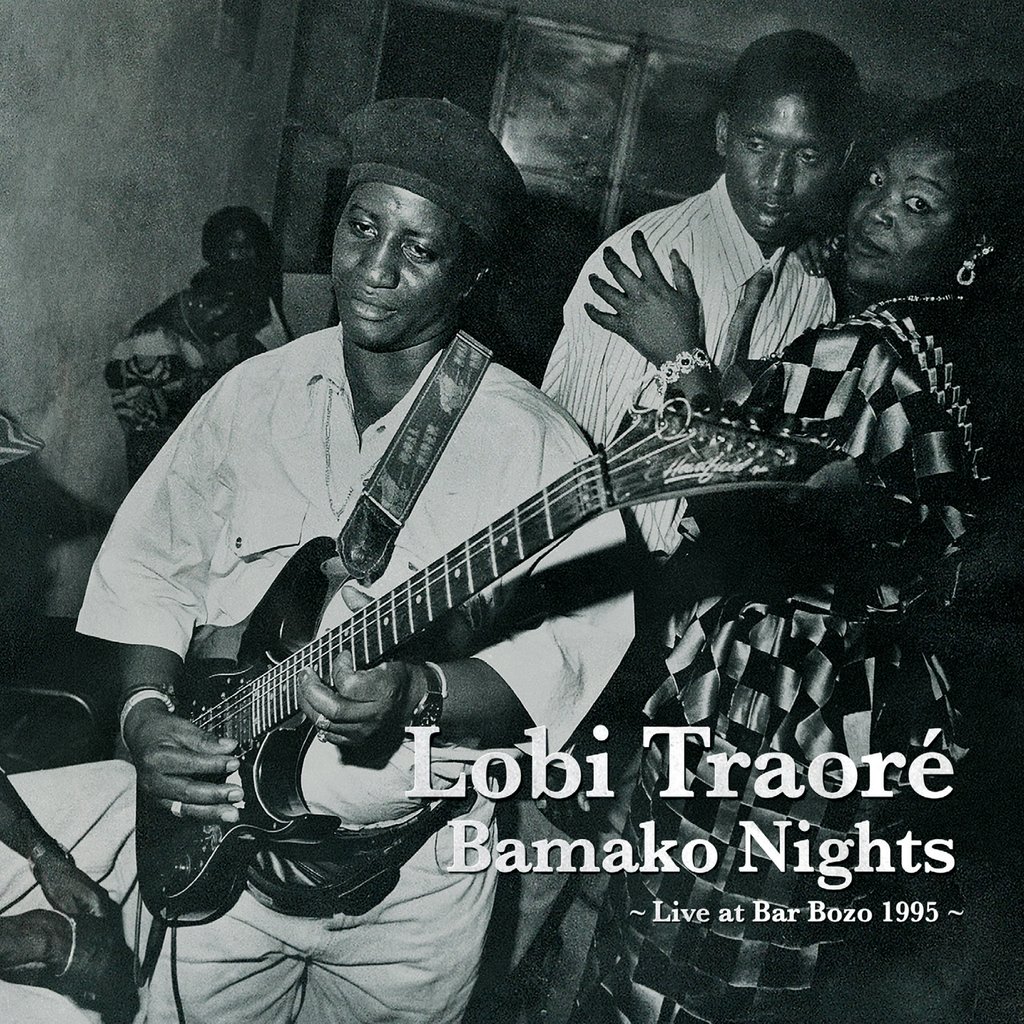
The posthumous album Bamako Nights – Live at Bar Bozo, 1995 (2013) offers an invaluable capsule: a public of common people, chants, and a blazing Lobi. One month after this recording, Bamako authorities closed Bar Bozo. Bamako Nights is the echo.
Major Works
| Work | Year | Why It Is Essential |
|---|---|---|
| Bamako | 1994 | Signature album, produced by Ali Farka Touré: fusion between Manding blues and electric energy |
| Rainy Season Blues | 2010 | Final acoustic breath: Lobi alone with his guitar, in a session without overdubs |
| The Lobi Traoré Group | 2005 | Captured in concert, it shows the raw and rock face of Lobi at Bar Bozo |
| I Yougoba | 2008 | Acoustic duo with Joep Pelt: songs, love, and social messages in Bambara |
Heritage and influence
Lobi Traoré remains one of those “original African” artists — as the term must be defined when one refuses to be confined to a label. His Bar Bozo guitarist, the one whose solos climb toward eclectic peaks, never sought to resemble the festival bluesman. He played for the people of Bamako’s evening gatherings, and they turned him into a local myth that became international recognition.
His influence is evident in the lineage of Malian desert guitarists — Toumani Diabaté, Ali Farka Touré himself. But his most visible trace remains that of a style which showed that Africa had nothing to envy from the Delta. His social songs continue to resonate in Bamako clubs where his music is still played.
Sources and references
- “Lobi Traoré: the precursor of ‘bamanan blues’ is no more”, Maliweb, https://maliweb.net/category.php?NID=61412, accessed 5 February 2016.
- “Lobi Traoré — Biography”, AllMusic, by David Jeffries, https://www.allmusic.com/artist/lobi-traor%C3%A9-mn0000277061, accessed 5 November 2025.
- “Lobi Traoré”, Glitterbeat, https://glitterbeat.com/artists/lobi-traore/, accessed 5 November 2025.
- “Lobi Traoré”, Burning Ambulance, by Phil Freeman, https://burningambulance.com/2011/06/20/lobi-traore/, accessed 5 November 2025.
- “Malian Guitarist Lobi Traoré Dies”, World Music Central, https://worldmusiccentral.org/malian-guitarist-lobi-traore-dies/, accessed 5 November 2025.
- “Lobi Traoré”, Wikipedia (EN), https://en.wikipedia.org/wiki/Lobi_Traor%C3%A9, accessed 5 November 2025.
- “Notes from the Niger” (August 2005), The Economist magazine, citation on Lobi Traoré’s vocal style.
- Bamako (1994), Lobi Traoré album, produced by Ali Farka Touré — label Buda Musique / World Circuit: “best rock album of the year” by Libération, “best world music album” by Le Monde.